
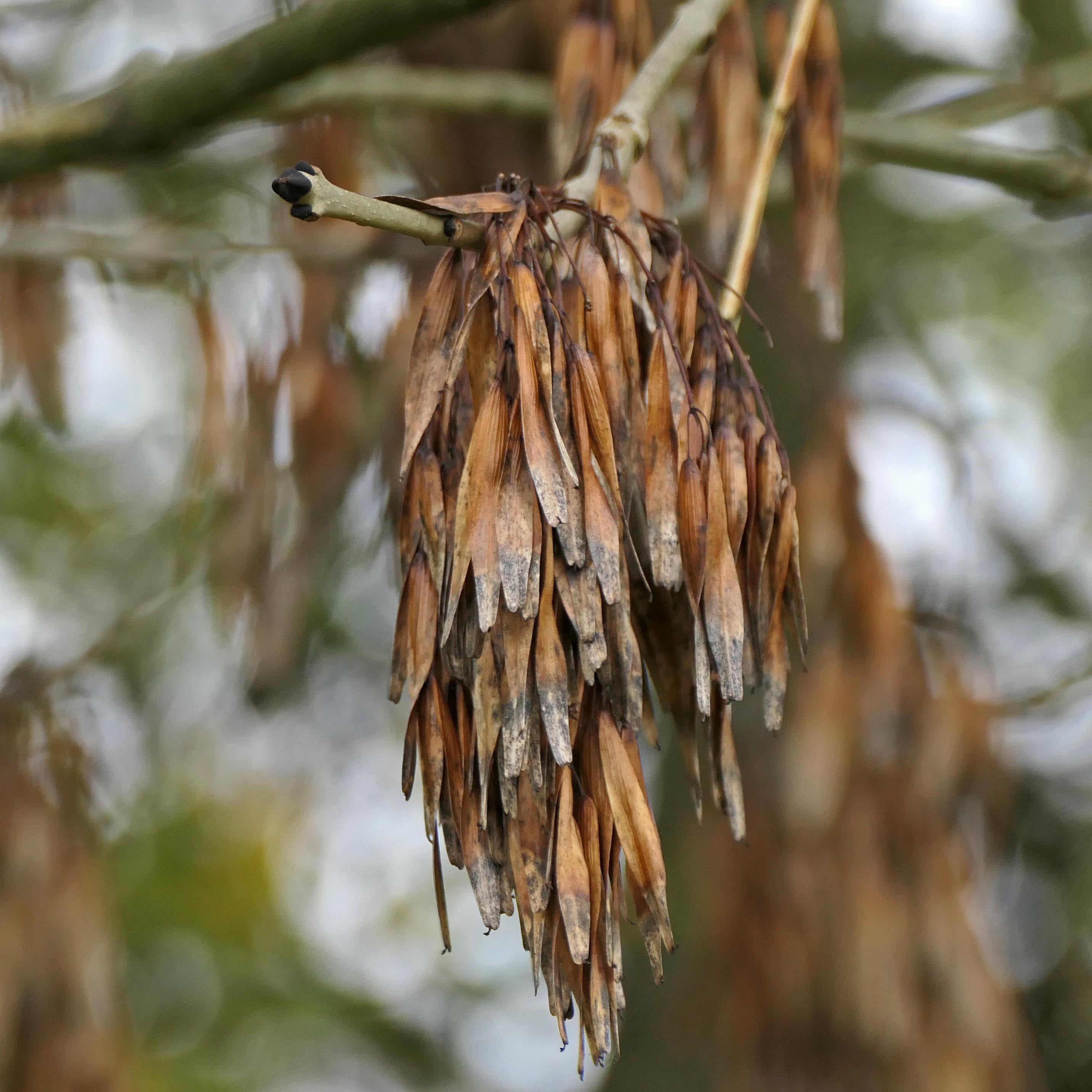
My Flora Britannica contains a myriad of fascinating information about the Ash tree (Fraxinus excelsior) but nothing that specifically relates to the tree in autumn. So, I googled “Ash keys”, thinking that might turn up some interesting facts. The AI overview produced this rather bizarre result:
“Ash keys” can refer to the winged seeds of an ash tree, which are used in poetry collections, or a caravan park in Yorkshire, UK. The ash tree seeds are a common sight in autumn and are also used to make pickles.
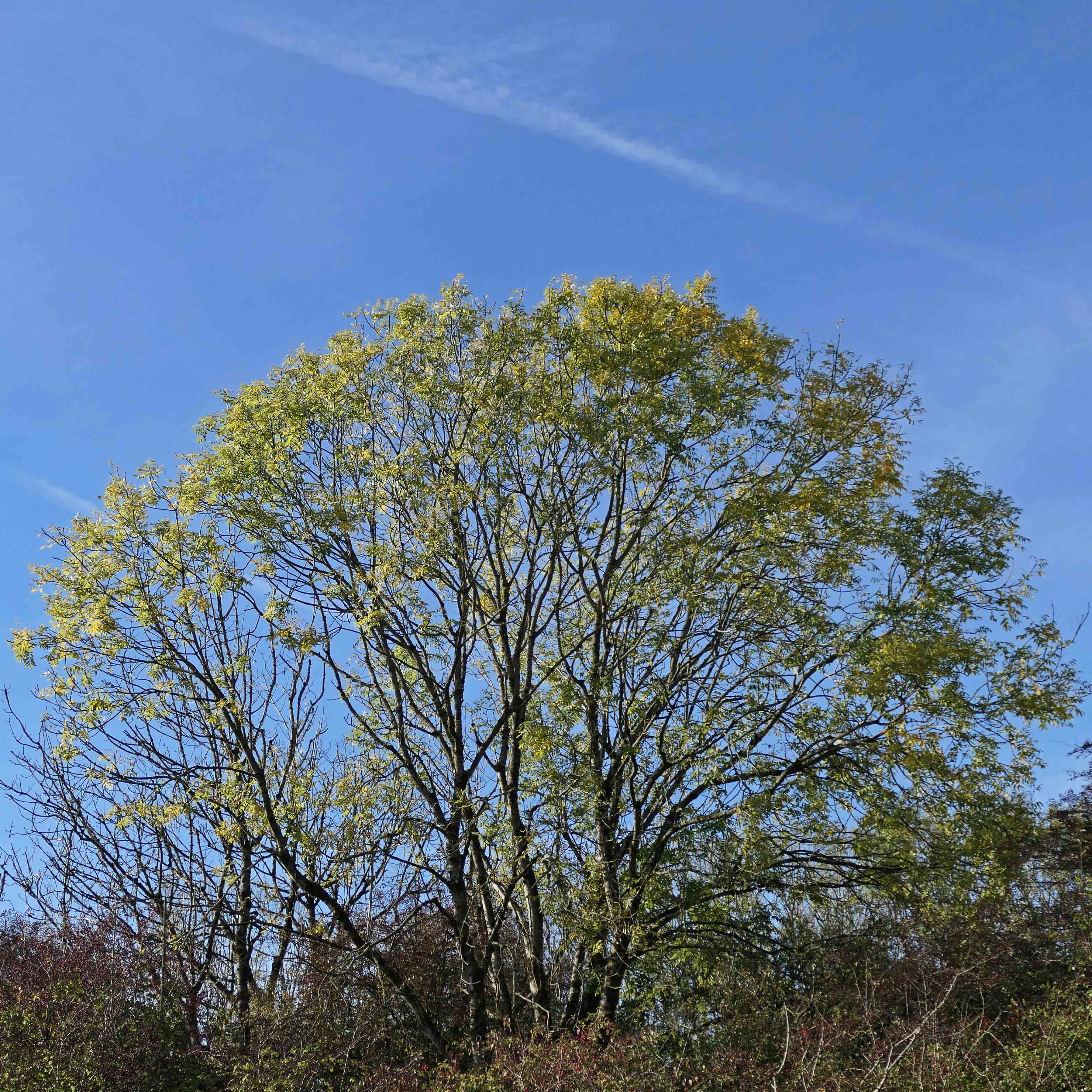
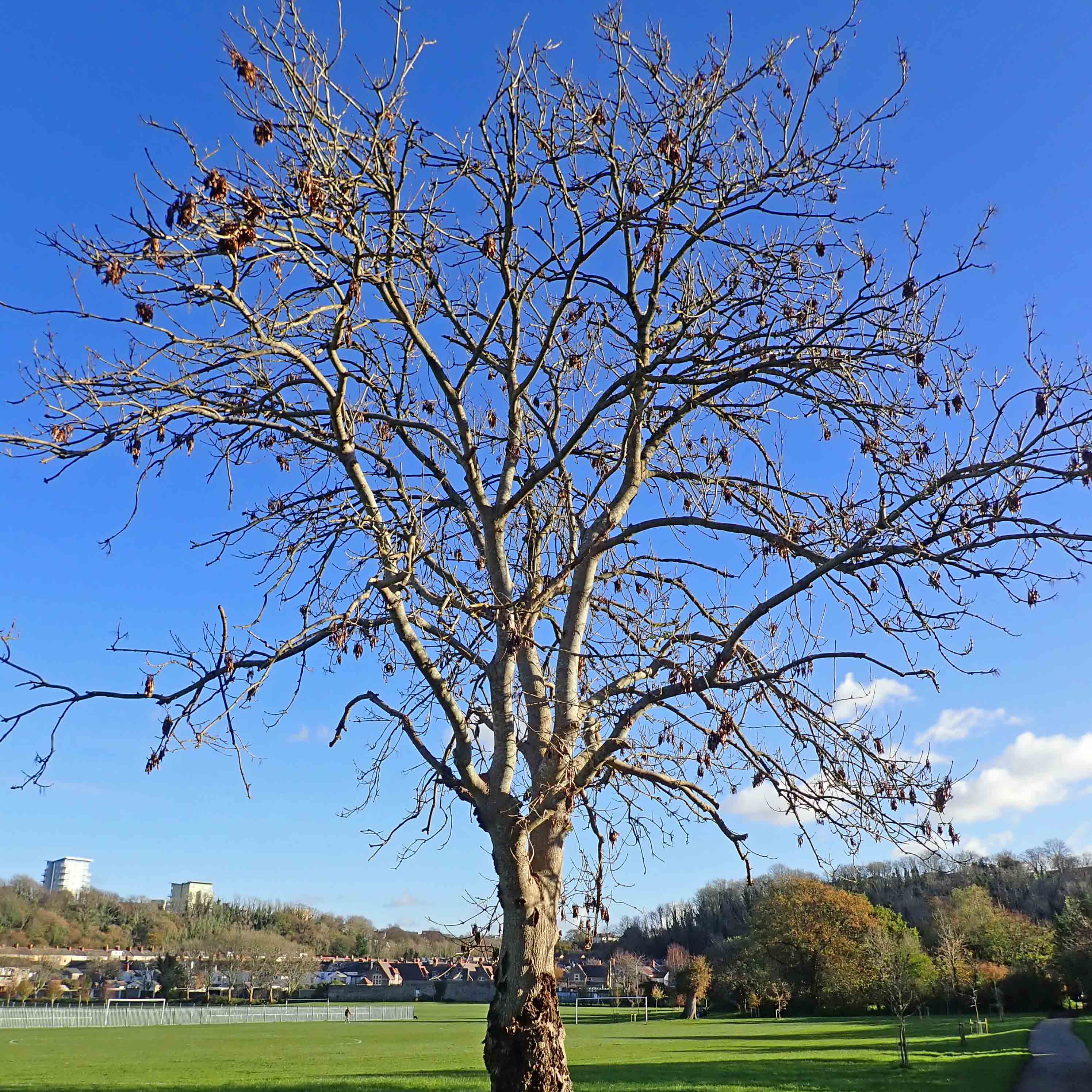
Yes, I was expecting the ‘winged seeds of an ash tree’ but ‘used in poetry collections’? (Turns out, there’s a book of poetry called Ash keys.) And, yes, ‘ash tree seeds are a common sight in autumn’ but are they really used to make pickles? (Turns out, this can be done but is an incredibly long-winded process, using a lot of electricity for multiple cooking stages and spices to create flavour, and is surely neither environmentally friendly nor worth the effort.) You may have guessed I’m no fan of AI!
So, here’s one of the much more interesting pieces from Flora Britannica instead:
In Britain, up until the end of the eighteenth century, it was regarded as a healing tree, and Gilbert White knew Hampshire villagers who, as children, had been through an Ash ritual as a ritual as a treatment for rupture or weak limbs. It was an extraordinary ceremony, a relic of pre-Christian sympathetic magic. A young Ash was split and held open by wedges, while the afflicted child was passed, stark naked, through the gap. The split was then ‘plastered with loam, and carefully swathed up. If the parts coalesced and soldered together … the party was cured; but, where the cleft continued to gape, the operation, it was supposed, would prove ineffectual.
 earthstar
You must be logged in to post a comment.