
If you live in the UK, you may not necessarily have realised it but I’m sure most of you will have heard at least one singing Dunnock already this year; they’ve been singing here in south Wales for at least a month, and, in fact, the epithet modularis in their scientific name (Prunella modularis) is Latin for ‘modulating’, i.e. varying the strength, tone, or pitch of your voice, something the Dunnock is very good at.
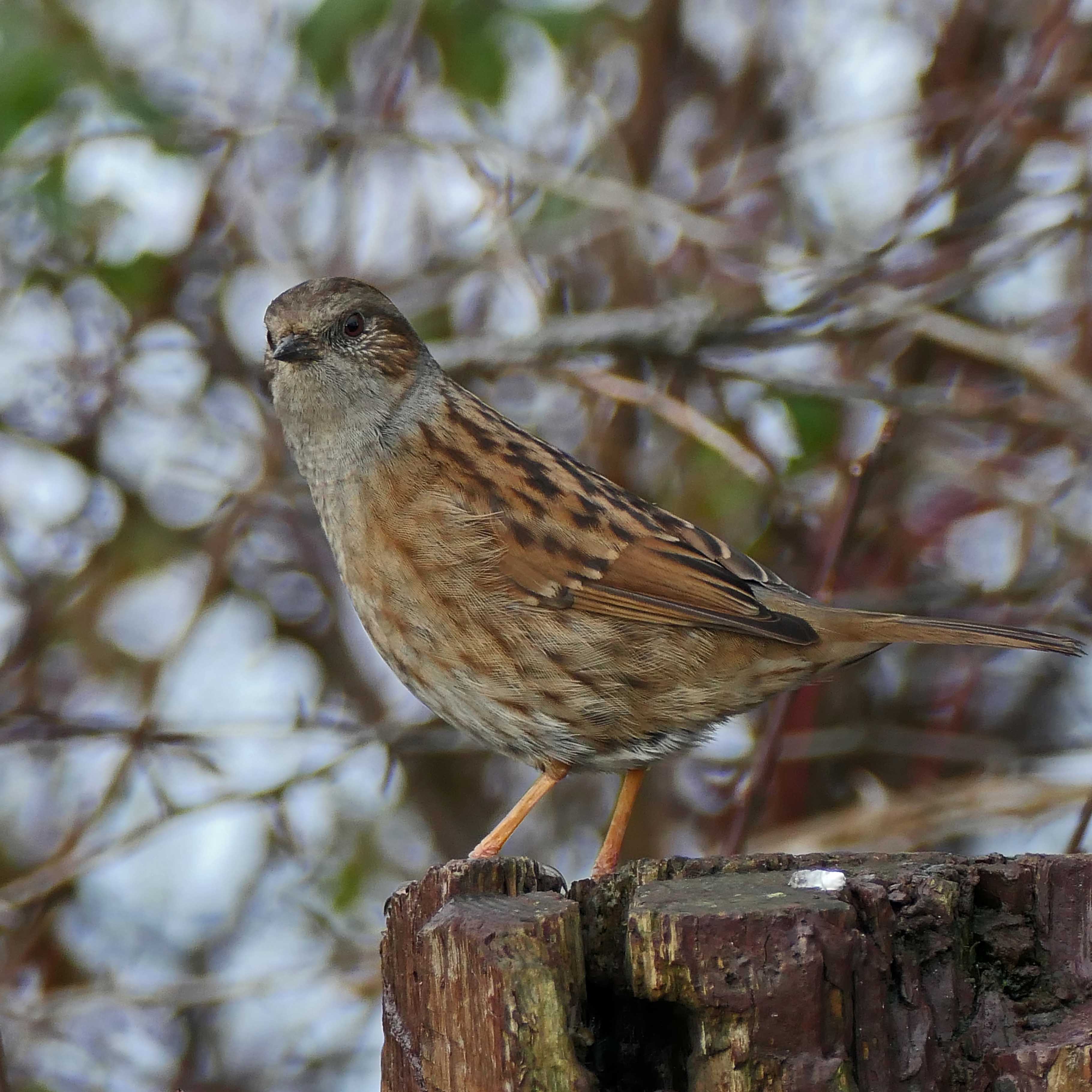
Today’s ‘did you know?’ information comes from the Woodland Trust website:
Dunnocks can raise several broods of chicks per year. This means the population can be maintained despite some nests being taken over by cuckoos.
As I’m sure most of you are aware, the Cuckoo practises brood parasitism, laying its eggs in the nests of certain other bird species, and then taking no part in the rearing of its offspring.
 earthstar
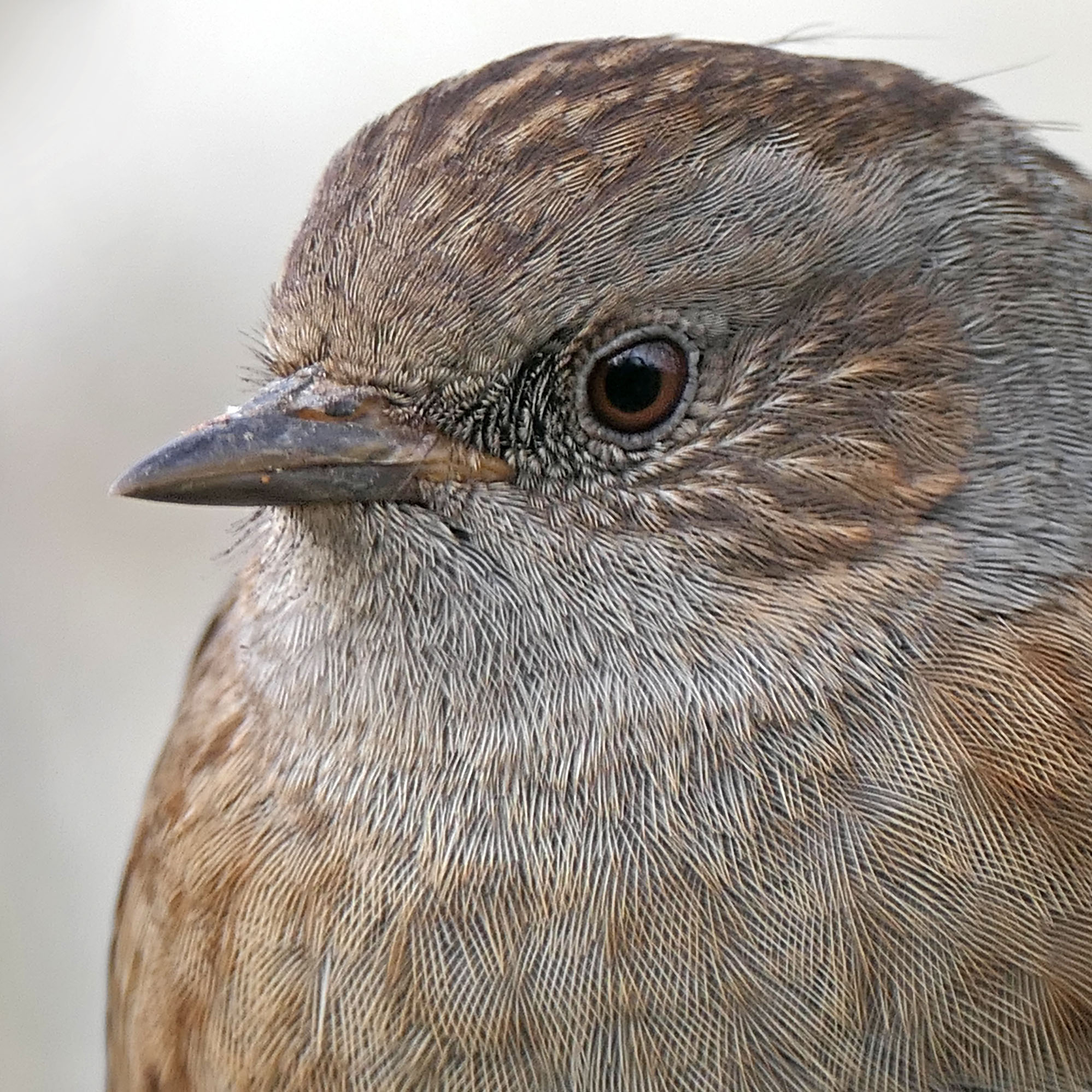
I’m a great admirer of the Dunnock; a much under-appreciated bird in my view. There is a whole multitude of them in my garden, and they are an absolute pleasure to watch, scurrying about underneath the shadows of the larger plants in the ‘relative’ safety the borders. Although they are (usually) unable to access the various bird feeders, they frequently dash out from the sidelines, gathering the discarded or dropped seeds which have been missed by the other birds who brave the hostilities of the pecking-order on the bird feeders.
LikeLiked by 1 person
I agree, and am also a great admirer, and your description of their behaviour is perfectly in line with what I see. They’re kind of the underdogs/birds and I find they get picked on a lot by those garden bullies, the Robins. 🙂
LikeLiked by 1 person