• ABOUT
  • BIRDING 2018
  • Birding 2019
  • BLOG POSTS
  • Butterflies 2018
  • Resources

earthstar

~ a celebration of nature

earthstar

Tag Archives: Cardiff Bay birds

14/366 Peter and friends

14 Tuesday Jan 2020

Posted by sconzani in birds, nature, winter

≈ 2 Comments

Tags

birding, birdwatching, British birds, Cardiff Bay, Cardiff Bay birds, Ely embankment, Redshank

200114 redshank (1)

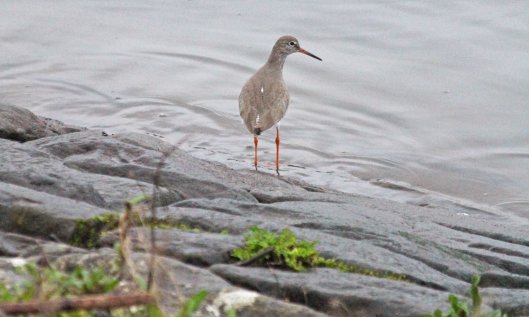
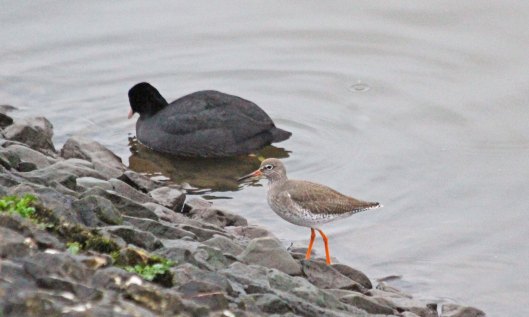
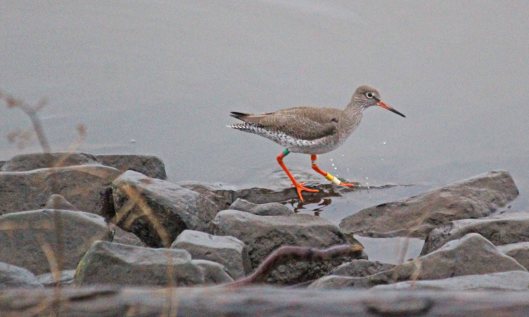
During my early morning walk my little Redshank friend Peter (the bird ringed at Peterstone in 2016, hence my name for him) was on the foreshore where the River Ely flows into Cardiff Bay.

200114 redshank (2)200114 redshank (3)

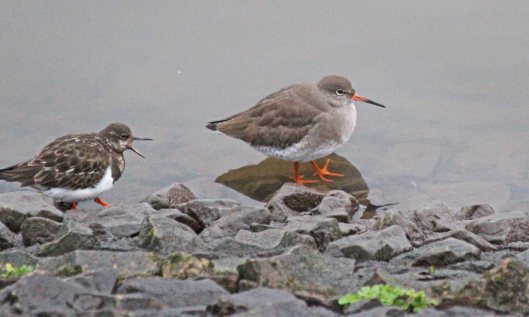
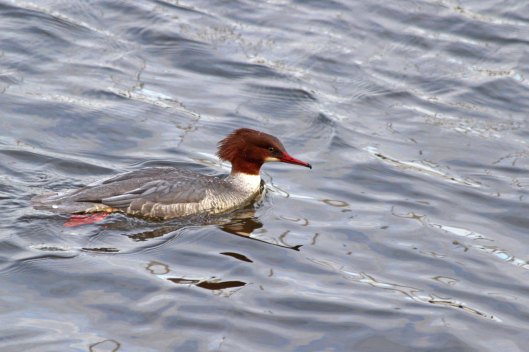
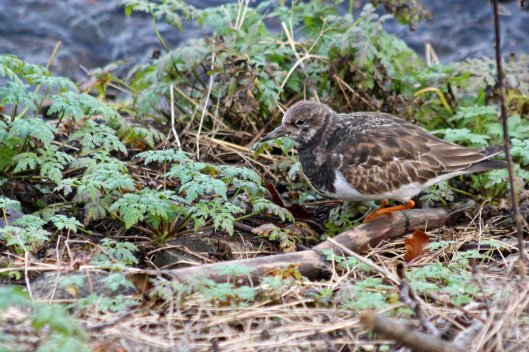
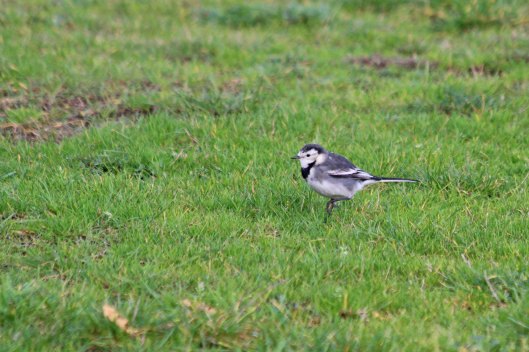
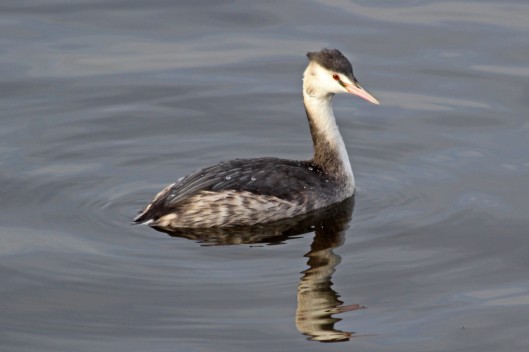
And he wasn’t alone – his companions included 5 other Redshanks, 21 Turnstones (a large number for this site), 1 Pied and 5 Grey wagtails, 7 Great crested grebes, 2 Mute swans, 7 Mallards, 5 Goosanders, and the usual large numbers of Coots and gulls.

200114 redshank (4)200114 redshank (5)

Were there so many birds because they were all sheltering from Storm Brendan’s wild winds or is it simply that I need to walk early more often?

200114 redshank (6)

Like Loading...

333/365 A Bay full of birds

29 Friday Nov 2019

Posted by sconzani in autumn, birds, nature

≈ 4 Comments

Tags

birding, birdwatching, Black-headed gull, British birds, Cardiff Bay, Cardiff Bay birds, Chiffchaff, Coot, Goosander, Great Crested Grebe, Kingfisher, Linnet, Pied wagtail, Turnstone

What a wonderful long walk I had around Cardiff Bay today! Here are some of the birds I spotted along the way.

191129 1 goosander

There were nine Goosanders in total, four in the River Ely where it flows in to the Bay and another five further east, in the Bay proper.

191129 2 turnstone

My favourite little Turnstones, again four along the Ely embankment and more near Mermaid Quay.

191129 3 linnet

Linnets, a small flock of six flitting about the grassy slopes of the Barrage.

191129 4 pied wagtail

Pied wagtails – I lost count of these cheery little characters who appeared wherever I wandered.

191129 5 Great crested grebe

One of several Great crested grebes that live in the Bay, constantly diving for fish.

191129 6 black-headed gull

I was getting ‘the look’ from this Black-headed gull, in the pond at the wetlands reserve, for not supplying food!

191129 7 coot

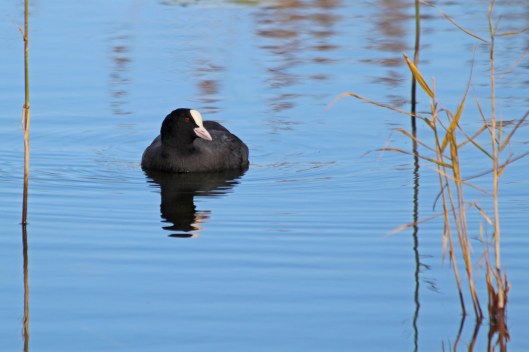
This Coot was also hoping for food.

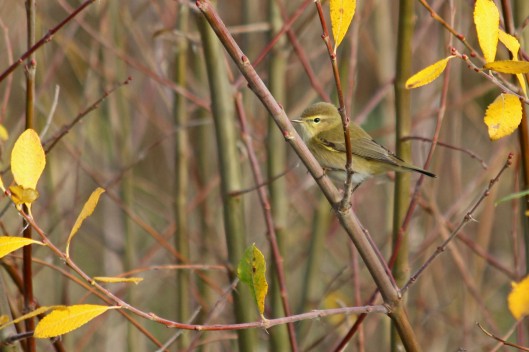
191129 8 chiffchaff

This Chiffchaff was a surprise – it’s either very late migrating or has decided to over-winter in Britain, as some now do. Interestingly, I saw a Chiffchaff yesterday too, in a different location.

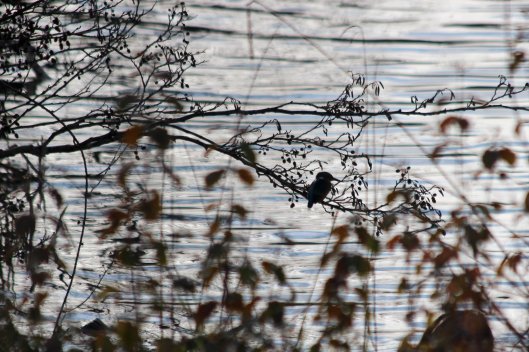
191129 9 kingfisher

The best possible end to my walk – a Kingfisher peep-peep-peeped in to the pool near Hamadryad Park and perched on a branch over the water.

Like Loading...

Black-necked grebe

22 Saturday Dec 2018

Posted by sconzani in birds, nature

≈ 4 Comments

Tags

birding, birdwatching, Black-necked grebe, British birds, British grebes, Cardiff Bay, Cardiff Bay birds, grebe, Podiceps nigricollis

There are five species of grebe you can reasonably expect to see in Britain: the Great crested and the Little grebes are relatively common here in south Wales, while the Slavonian, the Red-necked and the Black-necked are rarer visitors. Yet, I’ve been lucky enough to see all five this year and all within 30 miles of home – in fact, except for the Slavonian at Kenfig National Nature Reserve, the other four were within walking distance of home, and one of these lovely rarities is currently visiting Cardiff Bay.

181222 CardiffBay (1)

This handsome little water bird is a Black-necked grebe (Podiceps nigricollis). Its generic name Podiceps is a combination of two Latin words, podicis, meaning vent or anus, and pes, meaning foot. This has nothing to do with the bird’s bottom – cute though that certainly is – but is, rather, a reference to the fact that its legs are attached to its body at the extreme back end. The epithet nigricollis is Latin for black-necked (niger means black and collis means neck).

181222 CardiffBay (2)

This is a bird that switches from freshwater to saline habitats throughout the year, favouring freshwater lakes throughout Europe in which to breed, then moving to saline waterways to undergo its moult, before migrating to winter in the coastal estuaries of the south-western Palearctic and eastern parts of Africa. According to the RSPB website, an average of 130 birds opt to spend their winter in Britain.

181222 CardiffBay (3)

This is the second Black-necked grebe to spend some time in Cardiff Bay in 2018: another – or perhaps the same – bird was here for a couple of weeks in September. Although I did see that grebe, I didn’t get very good views of it, whereas this latest visitor has been treating birders to relatively close views from the Cardiff Bay Barrage in recent days, usually in the company of Tufted ducks and Coots.

181222 CardiffBay (4)

It’s a small bird – only about 12 inches long and, from the way it appears to bob about on top of the water, it must be as light as a feather. In its searches for the aquatic insects, small fish and crustaceans that make up its diet, it dives frequently, staying underway for several minutes at a time and sometimes reappearing a considerable distance from where it originally disappeared.

181222 CardiffBay (5)

Some of the local birding community, me included, are hoping this little grebe will stay around until at least the dawn of 2019, as it would certainly be a treat to have this on our bird lists on the first day of the new year.

Like Loading...
Newer posts →

About me

sconzani

sconzani

I'm a writer and photographer; researcher and blogger; birder and nature lover; countryside rambler and city strider; volunteer and biodiversity recorder.

View Full Profile →

Follow earthstar on WordPress.com

Enter your email address to follow this blog and receive notifications of new posts by email.

Recent blog posts

  • Bay bunnies March 11, 2026
  • Beating the gloom March 10, 2026
  • No booming Bittern but … March 9, 2026
  • Danish scurvygrass March 8, 2026
  • Four weeks early March 7, 2026

From the archives

COPYRIGHT

Unless otherwise acknowledged, the text and photographs on this blog are my own and are subject to international copyright. Nothing may be downloaded or copied without my permission.

Fellow Earth Stars!

  • Unknown's avatar
  • Unknown's avatar
  • Unknown's avatar
  • Unknown's avatar
  • Unknown's avatar
  • Unknown's avatar
  • Unknown's avatar
  • Unknown's avatar
  • Unknown's avatar
  • Unknown's avatar
  • Unknown's avatar
  • Unknown's avatar
  • Unknown's avatar
  • Unknown's avatar
  • Unknown's avatar
  • Unknown's avatar
  • Unknown's avatar
  • Unknown's avatar
  • Unknown's avatar
  • Unknown's avatar
  • Unknown's avatar
  • Unknown's avatar
  • Unknown's avatar
  • Unknown's avatar
  • Unknown's avatar
  • Unknown's avatar
  • Unknown's avatar
  • Unknown's avatar
  • Unknown's avatar
  • Unknown's avatar
  • Unknown's avatar
  • Unknown's avatar
  • Unknown's avatar
  • Unknown's avatar
  • Unknown's avatar
  • Unknown's avatar
  • Unknown's avatar
  • Unknown's avatar
  • Unknown's avatar
  • Unknown's avatar
  • Unknown's avatar
  • Unknown's avatar
  • Unknown's avatar
  • Unknown's avatar
  • Unknown's avatar
  • Unknown's avatar
  • Unknown's avatar
  • Unknown's avatar
  • Unknown's avatar
  • Unknown's avatar

Blog at WordPress.com.

Privacy & Cookies: This site uses cookies. By continuing to use this website, you agree to their use.
To find out more, including how to control cookies, see here: Cookie Policy
  • Subscribe Subscribed
    • earthstar
    • Join 668 other subscribers
    • Already have a WordPress.com account? Log in now.
    • earthstar
    • Subscribe Subscribed
    • Sign up
    • Log in
    • Report this content
    • View site in Reader
    • Manage subscriptions
    • Collapse this bar
 

Loading Comments...
 

You must be logged in to post a comment.

    %d