
Tags
British fungi, CHEG fungi groups, CHEGD fungi groups, Clavulinopsis corniculata, coral fungi, grassland fungi, Meadow coral
The clubs and corals, properly known as the Clavariacae, come in many shapes and colours; some are small, simple and singular, resembling worms standing upright in the grass, while others form in multi-branching clumps that really do resemble the corals you can find growing under the sea.
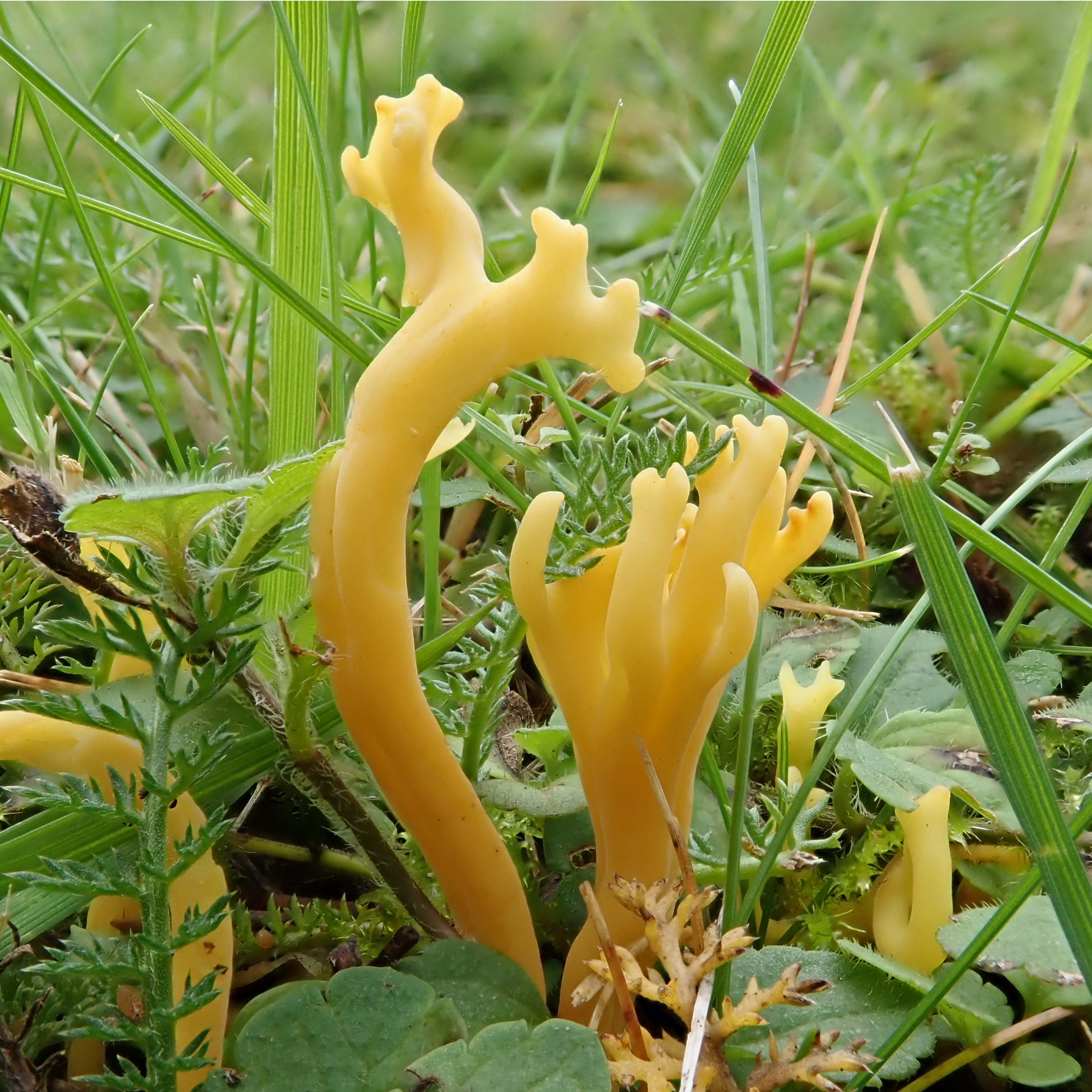
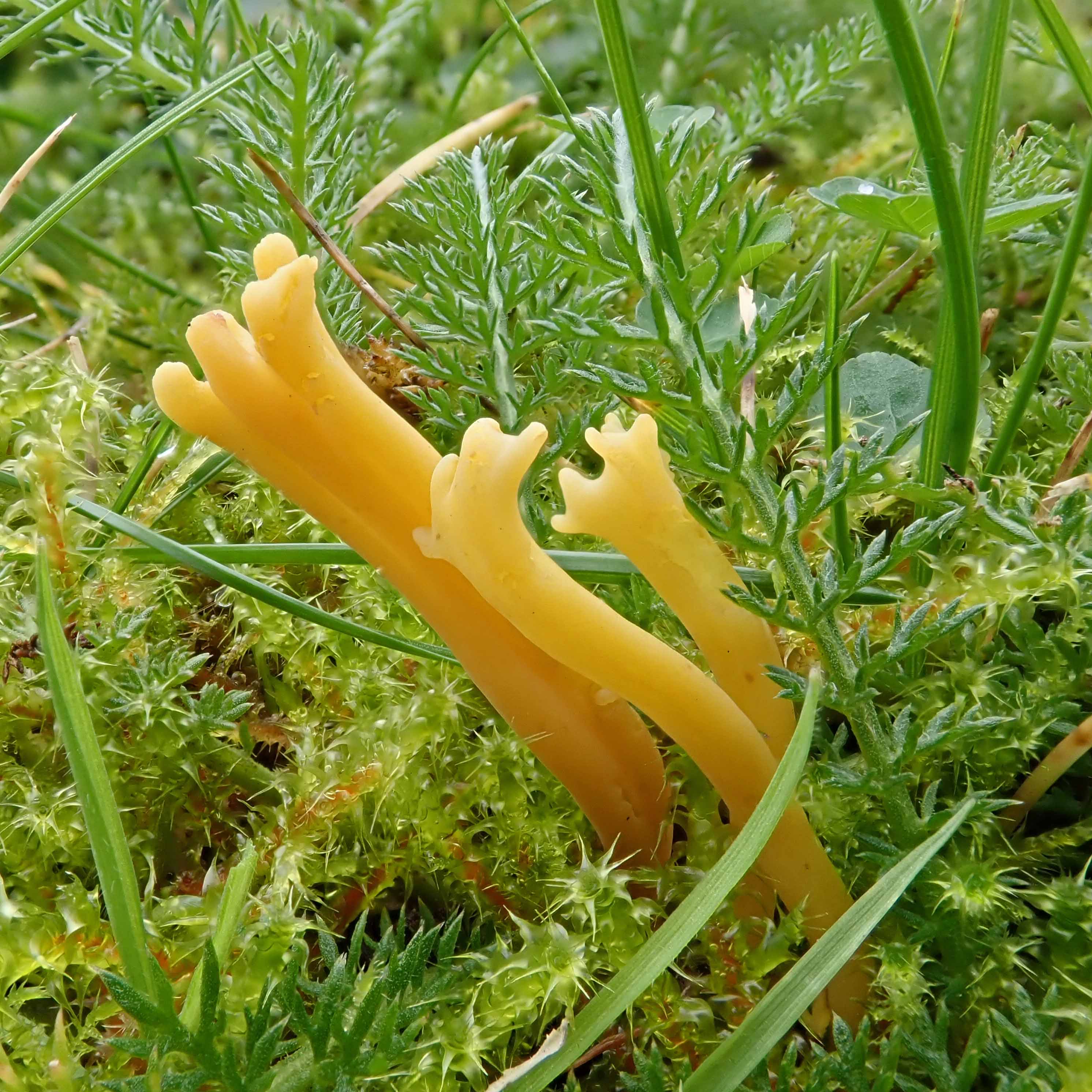
Today’s offerings slot somewhere in between the two, sometimes growing as individual stems but mostly in loose clumps of multi-branched stems that divide, like antlers, near the stem tops. Standing between 4 and 8cm tall, these lovely little yellow fungi are Meadow coral (Clavulinopsis corniculata).
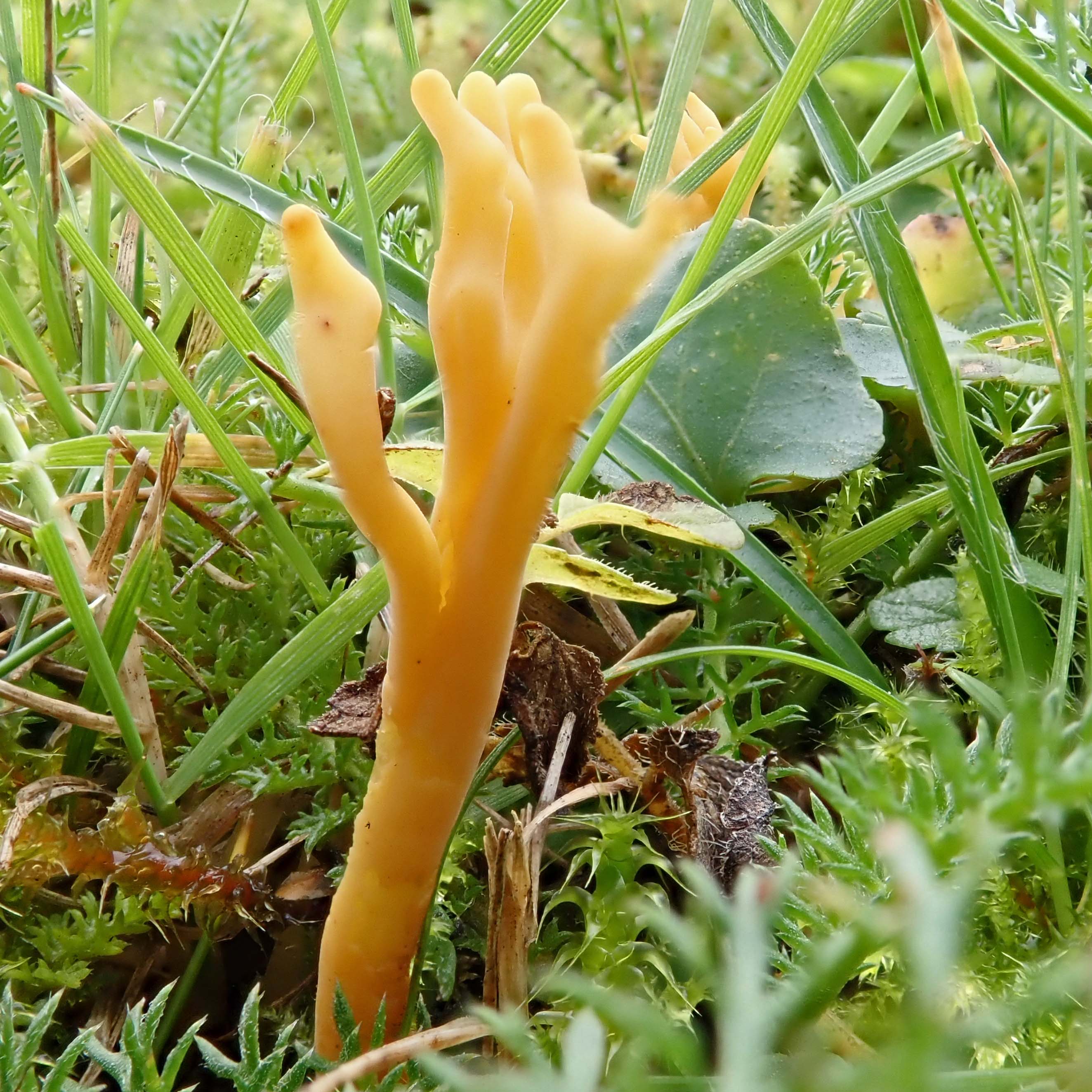
Clavarioid fungi are usually found growing in unimproved grasslands and are one of the 4 (or 5) groups used to assess the conservation value of grasslands; the CHEG (or CHEGD) system assigns a value to the number of species of each of the fungal groups found at particular location (see this page on Wikipedia for a more detailed, though still simple explanation).
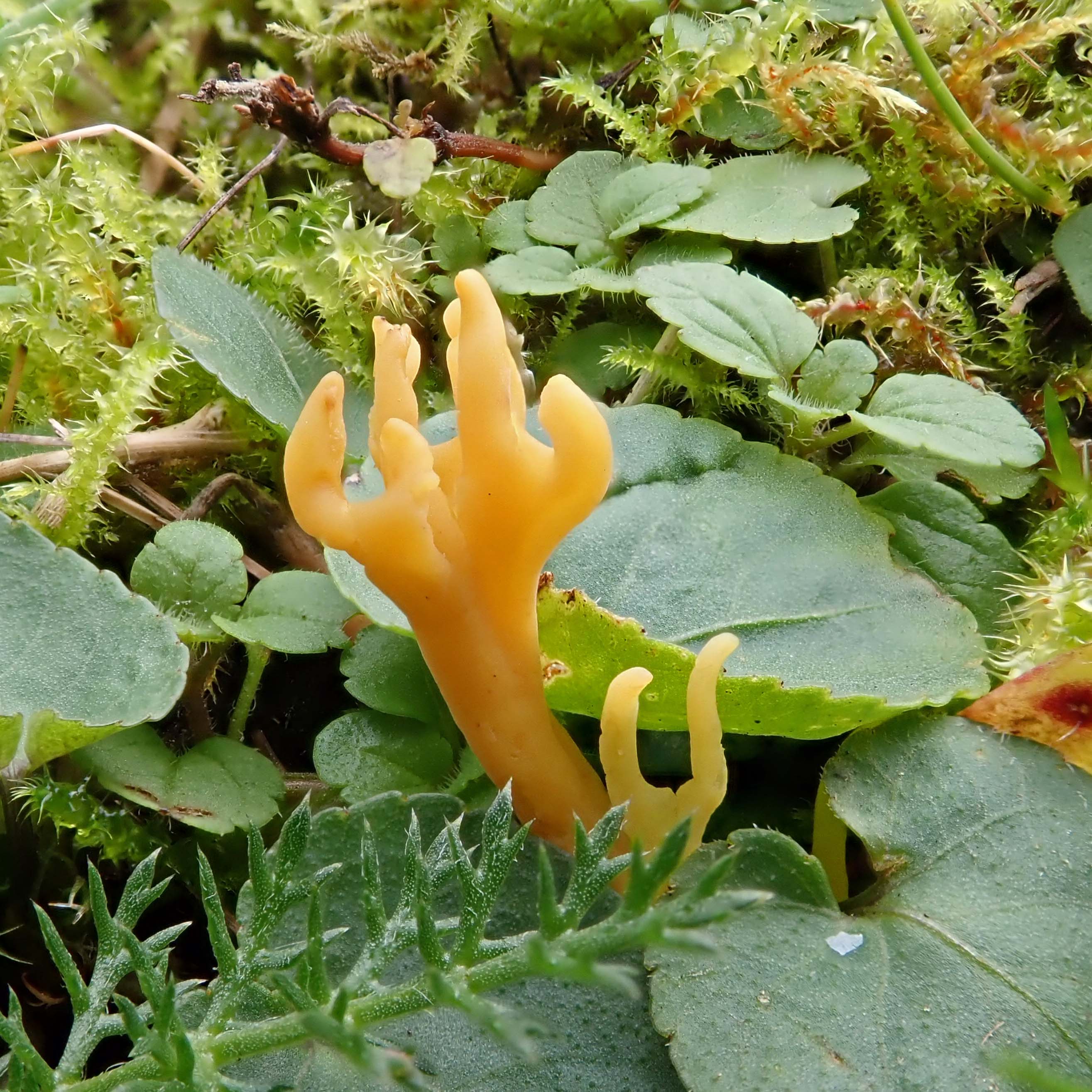
I found these examples of Meadow coral growing on a road verge that, presumably, was once grassland before houses and roads, a supermarket, a petrol station and a restaurant, and, of course, the ubiquitous car parks were built in the area.
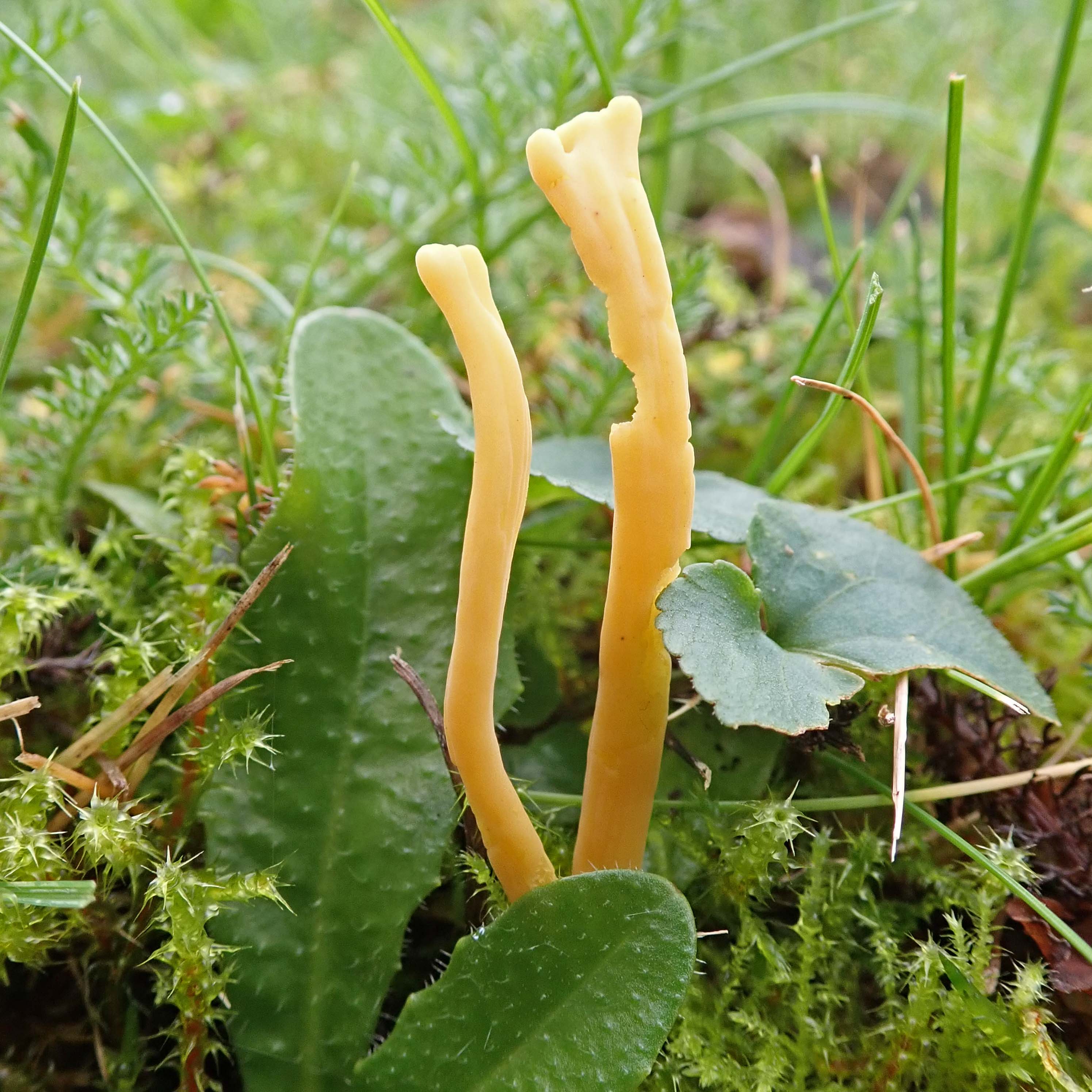
When I spotted them, I was actually looking for the Hairy earthtongue fungi (Trichoglossum hirsutum, another of the CHEG/CHEGD fungi) I’ve found previously at this location. My disappointment at not finding any of those turned quickly to delight when I spotted the Meadow coral, which I don’t often find in my local area.
 earthstar
You must be logged in to post a comment.