During last Sunday’s local meander, I couldn’t help but notice how the recent rains have triggered autumnal fungi to begin fruiting and so, as I often find fungi very photogenic, I took rather a lot of photos. Of course, when I got home and thought I’d try to put names to those I’d photographed, I was reminded, as happens every year, of how tricky they can be to identify and of how many require microscopic analysis to determine their exact species. I, almost literally, threw my hands in the air, filed the photos in a temp folder, and didn’t look at them again until yesterday.
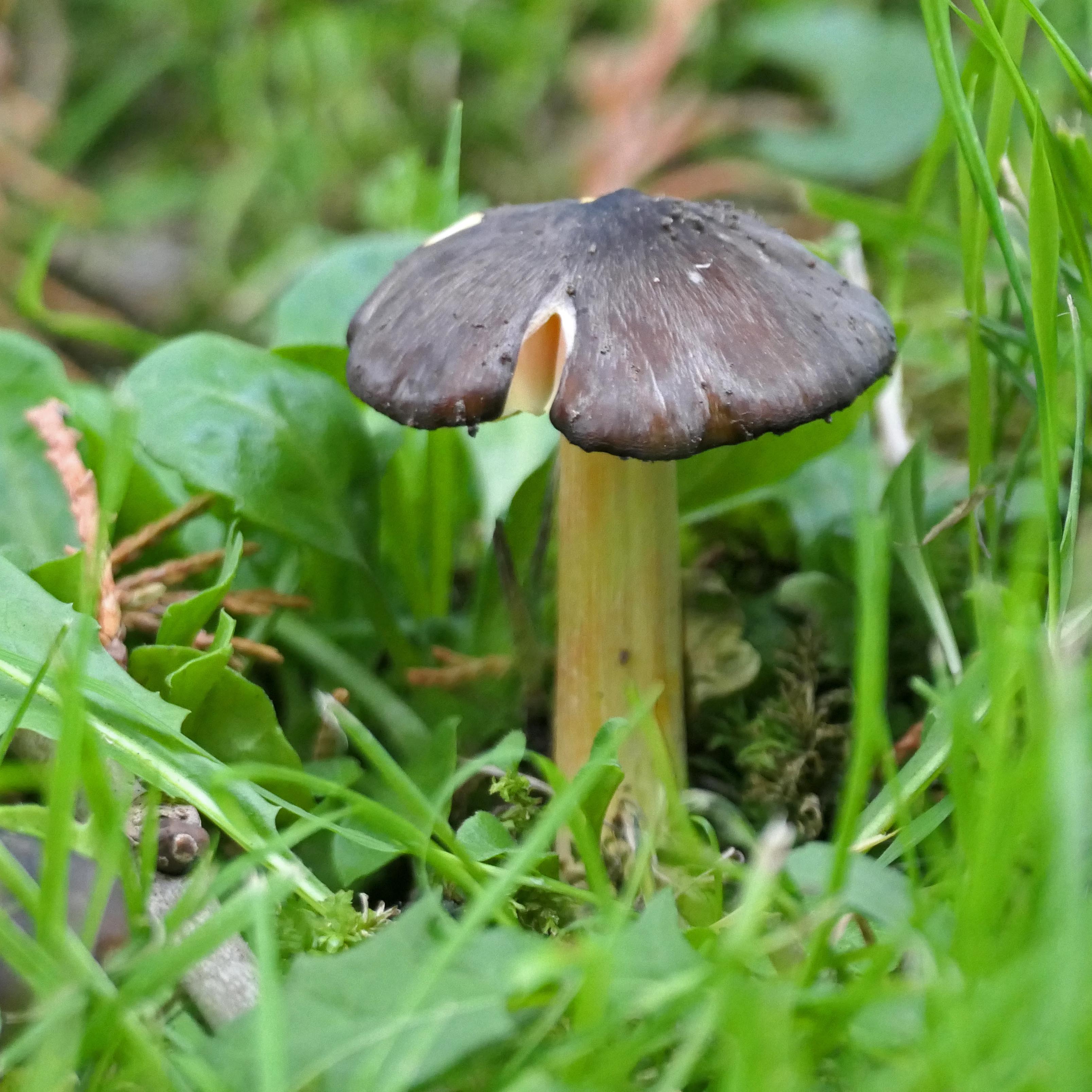
And then, when I went through the images more carefully and looked more closely, I realised that I might just have found something rather good, something I’d never seen before, something quite rare. I sought opinions from a couple of fungi experts and both agreed with me – you could’ve knocked me over with a feather … or a fungus!
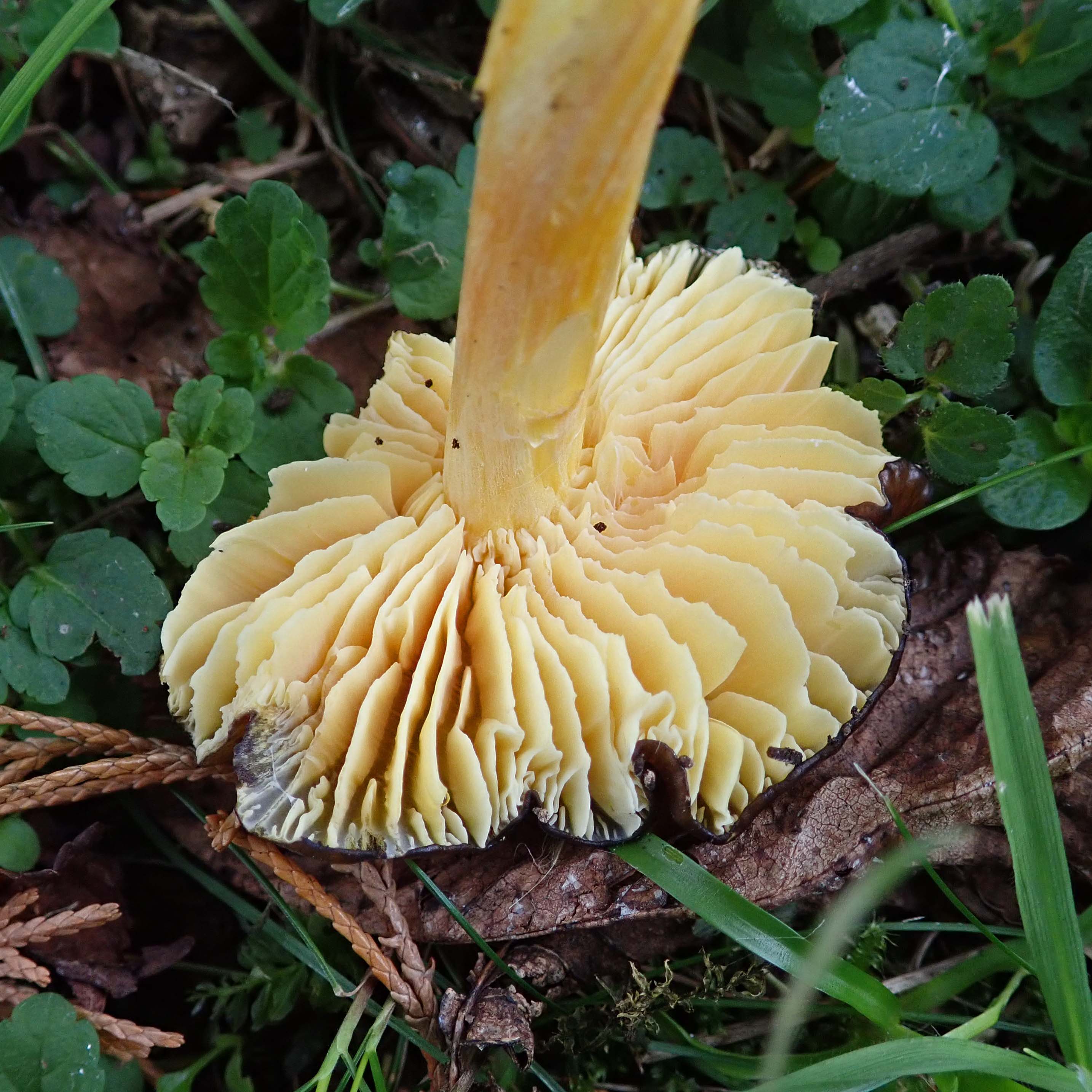
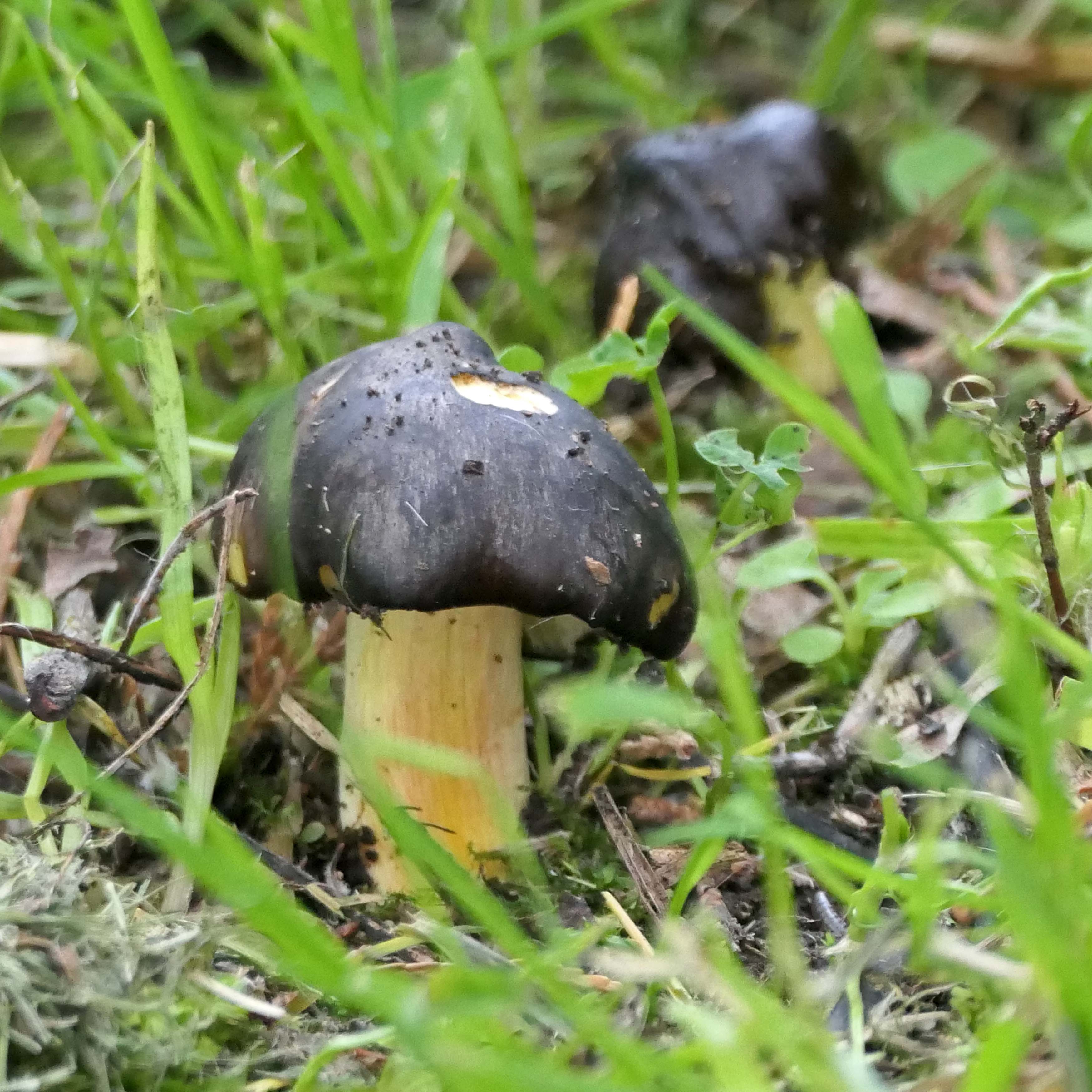
These are Date waxcaps, also known as Date-coloured waxcaps, Hygrocybe spadicea. There are fewer than 100 British records of these beauties showing on iRecord but, luckily for those of us who live here, Wales has enjoyed the majority of those sightings. I understand they are found most years at Kenfig National Nature Reserve and, in the past, there have been one-off sightings in a couple of places around Cardiff but none since 2018.
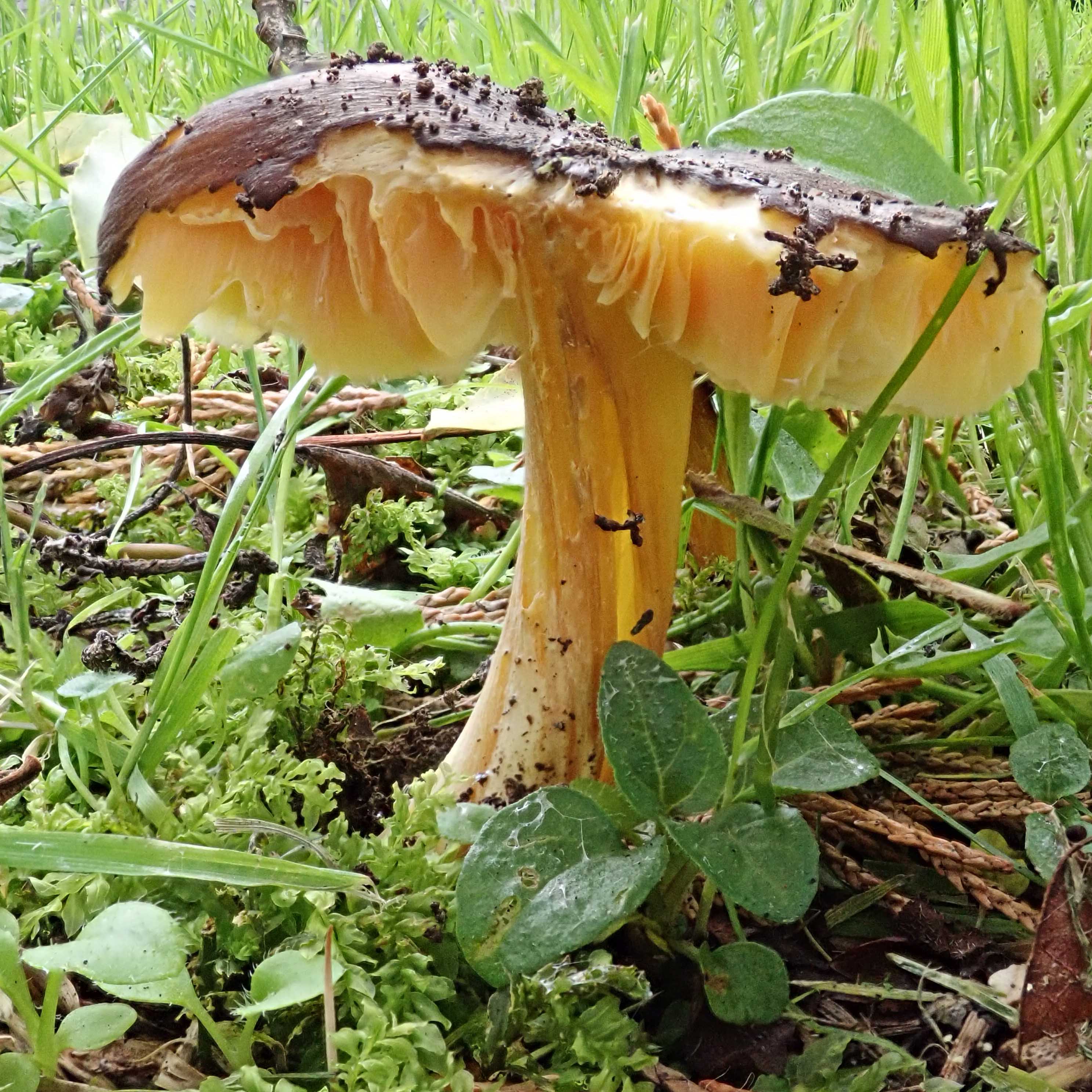
Like most waxcap species, Hygrocybe spadicea grows mostly on unimproved calcareous grasslands but fungi don’t always follow what we humans think we know about them. Mine were growing on a road verge, under an Ash tree. Perhaps they have survived from the time when the area was unimproved grassland, before roads and houses were built all around them.
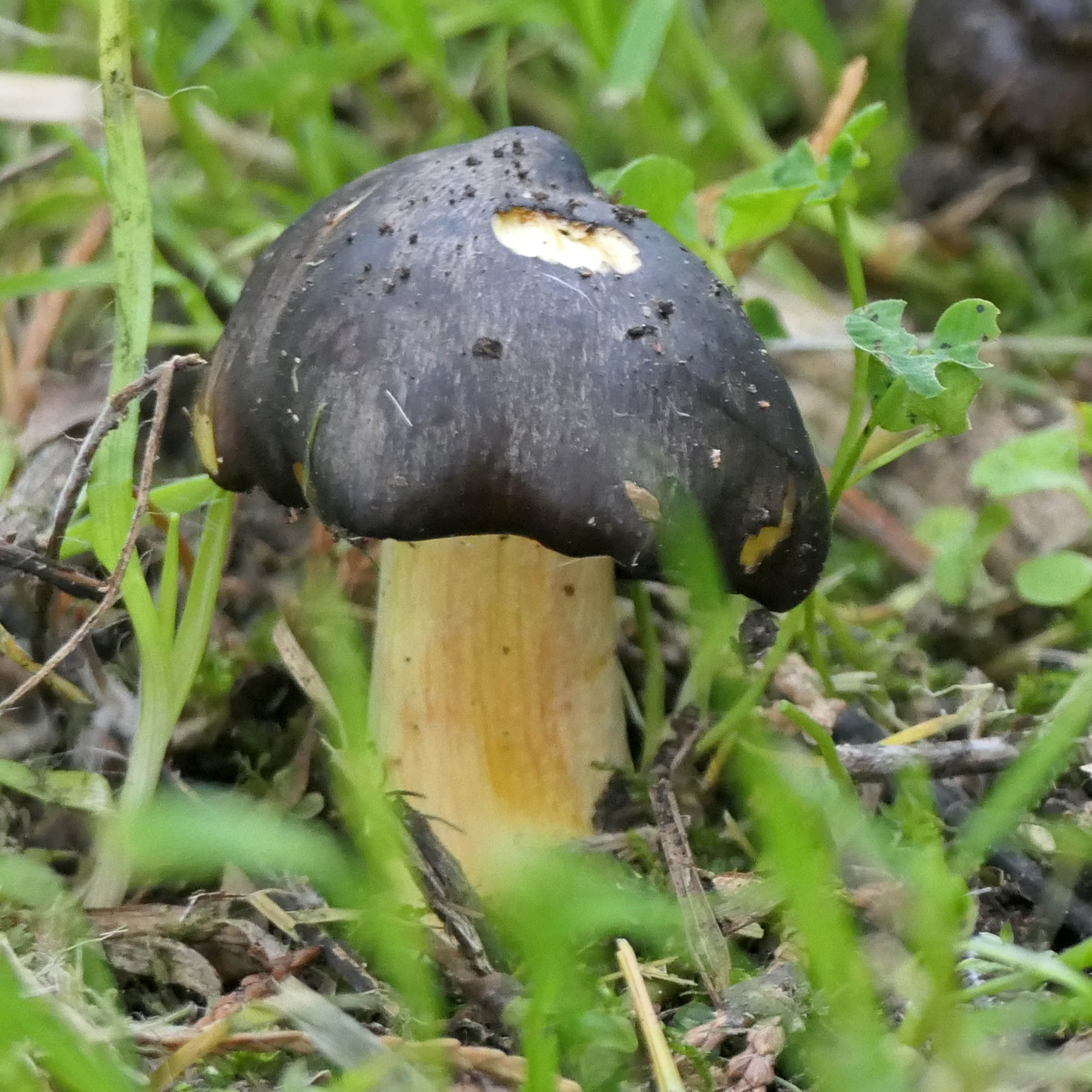
I revisited the site today, for a better look and to take more images. Amazingly, the waxcaps were more abundant than I had initially thought, with many still just emerging brown bumps barely visible amongst the grass. I’m still buzzing from the find.

 earthstar
You must be logged in to post a comment.