
Tags
birding, birdwatching, British birds, Lapwing, Lodmoor Nature Reserve, Peewit, RSPB Lodmoor, Vanellus vanellus
Very occasionally small numbers of Lapwing (Vanellus vanellus) are seen alighting briefly in local farm fields or are spotted passing overhead by keen-eyed birders but, generally speaking, Lapwings are a rarity in my part of south Wales. Which is a great shame because they are stunning looking birds, and their evocative call, the Peewit sound that has given them one of their many common names, is wonderful to hear.
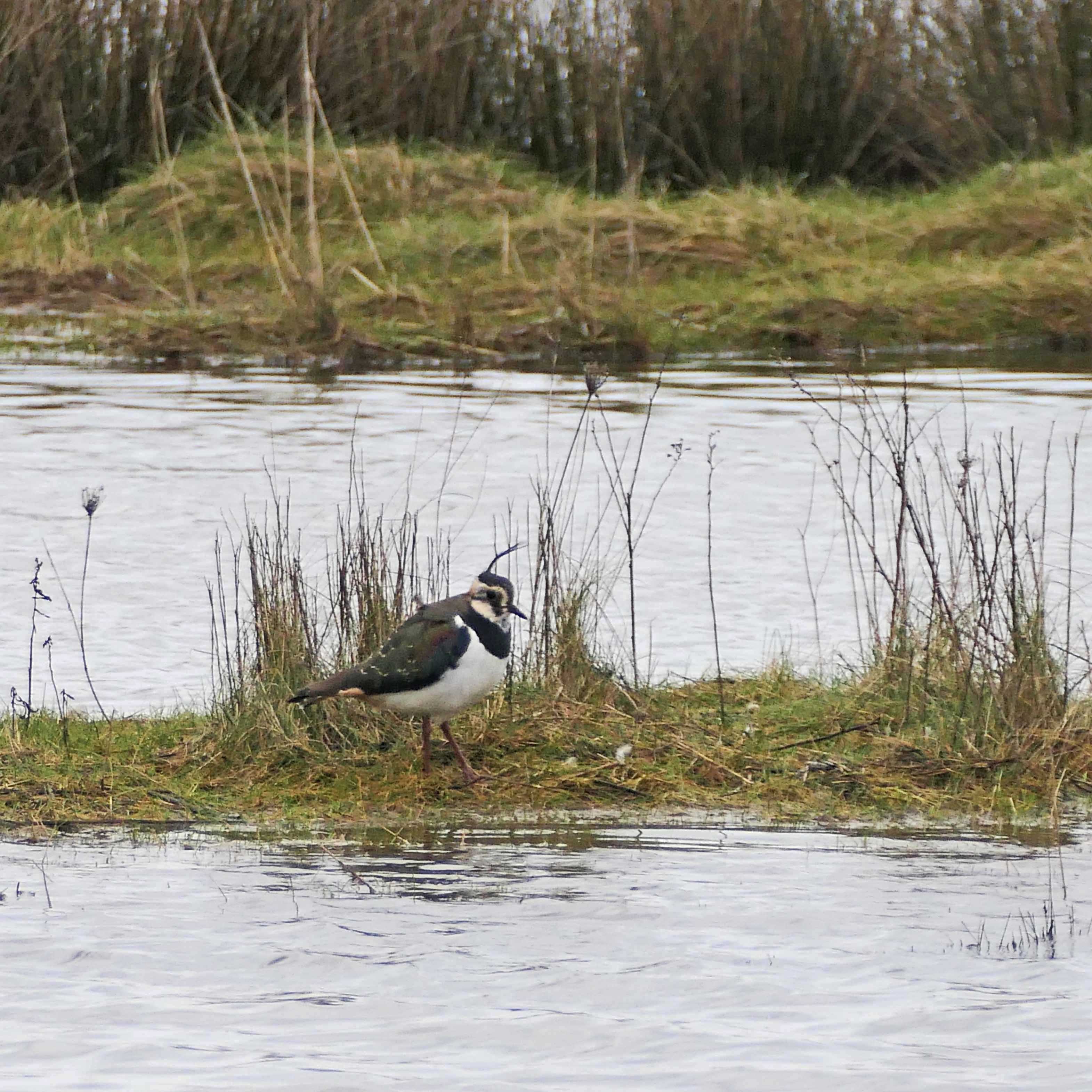
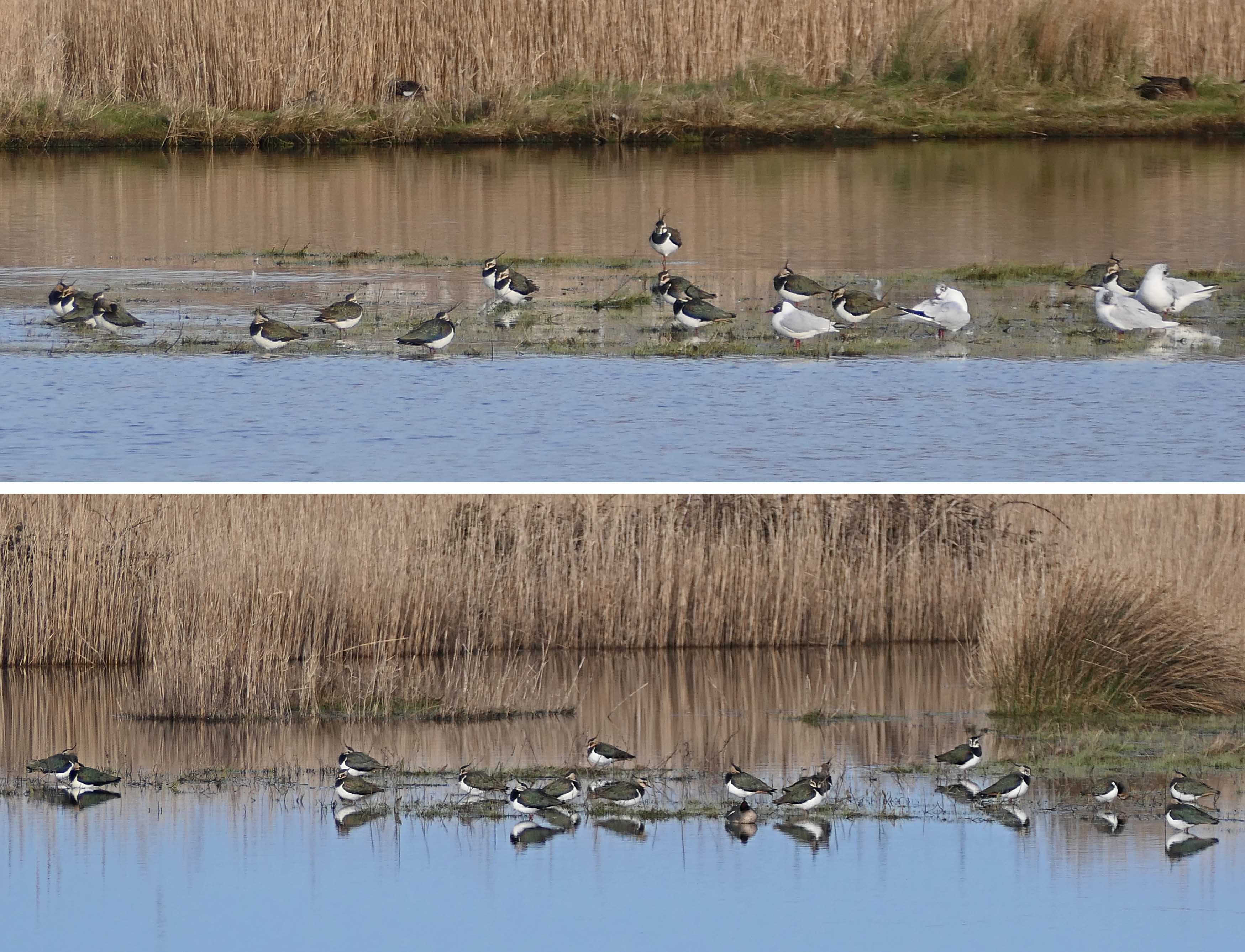
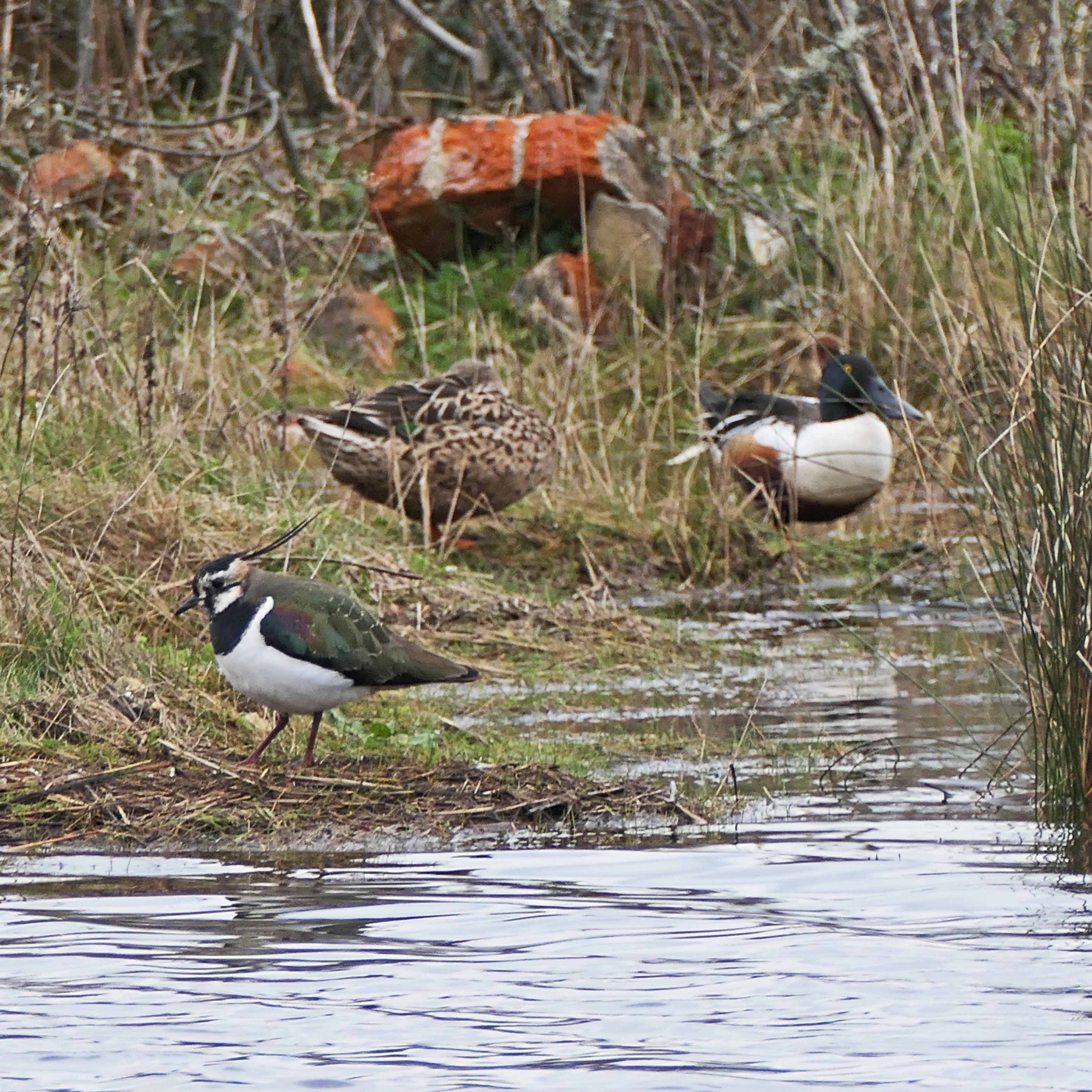
So, you can probably imagine my delight when, on the first afternoon of my most recent Dorset trip, I made my first visit to RSPB Lodmoor and immediately saw and heard large numbers of Lapwings. Sporting the largest crest of any British bird and plumage that flashes with a metallic sheen in the sunshine, Lapwings are very handsome birds.
Somewhat surprisingly, it wasn’t the harvesting of their feathers that caused the Lapwing population to crash in previous centuries; according to Fauna Britannica, the declines were caused by people plundering Lapwing nests for their eggs, which were considered a delicacy. The book cites an example where ‘280 dozen lapwing eggs were taken annually in the 1860s’ from just one estate near Thetford.
Lapwings recovered well after this practice was made illegal in the Lapwing Act of 1926 but numbers are once again declining, this time due to changes in agricultural practices; the birds require fallow fields in which to feed during the winter but the majority of farmers now sow their fields twice each year, in spring and again in autumn. According to the British Trust for Ornithology’s publication Into the Red, the Lapwing population in Wales and southern England has declined by 80 per cent since the 1970s meaning the species is now classified as red-listed. It was a privilege to spend time watching these beautiful birds during my four visits to Lodmoor last week.
 earthstar
You must be logged in to post a comment.