
Tags
British wildflowers, Dyer’s greenweed, imperial colours, Marsh woundwort, purple wildflowers, Rosebay willowherb, Yellow loosestrife, yellow wildflowers
It occurs to me when looking at recent flower photos I’ve taken that the wildflowers currently in bloom have a very imperial look to them: masses of purple, the colour favoured by the emperors of Rome, and swathes of yellow, the colour that dominated the imperial wardrobe in China.
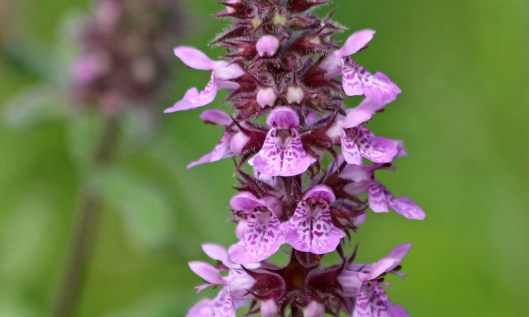
Marsh woundwort (Stachys palustris), found growing in the wildflower meadows in Cardiff’s Hailey Park this week; once regarded as the most effective of the wound-healing woundwort family.

Dyer’s greenweed (Genista tinctoria), plentiful at Lavernock Nature Reserve; also found in archaeological remains left by Vikings in York, proving its use as a yellow dye since at least the 9th century.
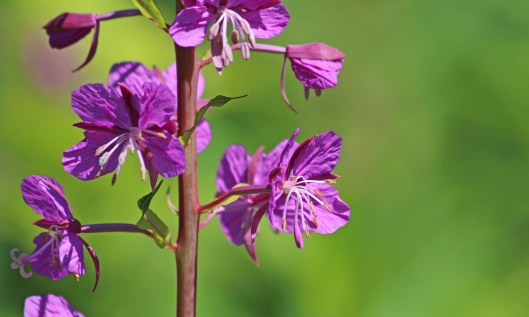
Rosebay willowherb (Chamerion angustifolium), firing up the conservation areas at Cathays Cemetery; nicknamed ‘bombweed’ during World War II when it grew in the London ruins created by German bombing raids.
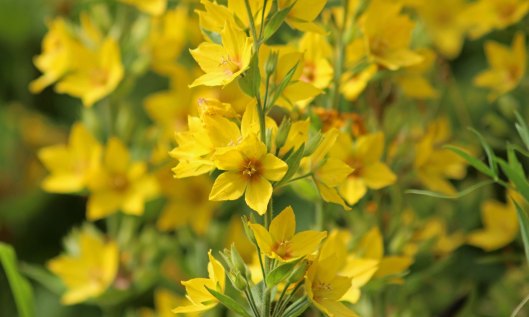
Yellow loosestrife (Lysimachia vulgaris), ablaze beside the River Taff in Cardiff; named in honour of Macedonian King Lysimachus who supposedly fed it to his cattle to calm them, hence lose + strife!
The interesting snippets about these plants were mostly extracted from my Flora Britannica.
 earthstar
A very informative post, thank you for that.
LikeLiked by 1 person
Glad you enjoyed it. 🙂
LikeLiked by 1 person