
Tags
Aleiodes wasp, Gelis species, Gelis wasp, moth larva parasitised by wasp, parasitic wasp, wasp larva parasitised by wasp
This is an update on two previous blogs: Aleiodes mummy wasp, posted 28 August and Aleiodes wasp update, 5 September.
You might think this is like something out of a horror movie but I find it fascinating. I got an email a couple of days ago through iRecord (the national system through which biodiversity records are channelled so the verifiers can check them) from Gavin Broad of the Natural History Museum: ‘The mummy was indeed caused by an Aleiodes. However, the wasp which emerged is a Gelis sp. (probably Gelis areator), which has parasitized the Aleiodes.’
So, just to be clear …
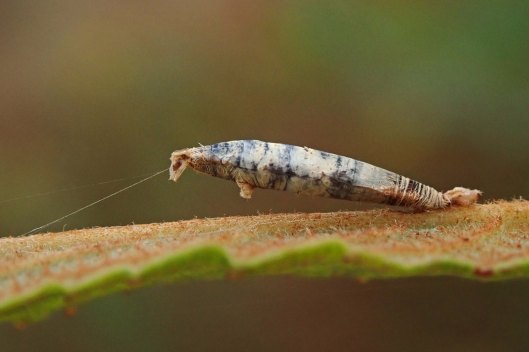
a moth caterpillar was parasitised by an Aleiodes wasp
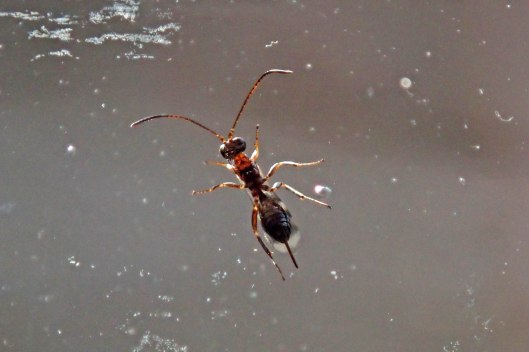
and the Aleiodes wasp larva was parasitised by a Gelis wasp. Amazing!
 earthstar
You must be logged in to post a comment.