
Tags
British wildflowers, Hairy violet, Spring colour, spring wildflowers, Viola hirta, violet species, violets
As I wrote in last Sunday’s post, it’s violet time, and I’ve since realised that I’ve not previously blogged about one violet species I see very often, the Hairy violet (Viola hirta).
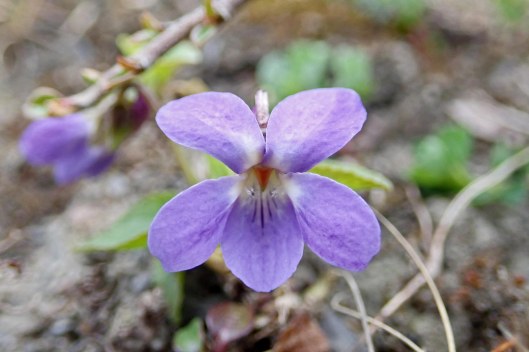
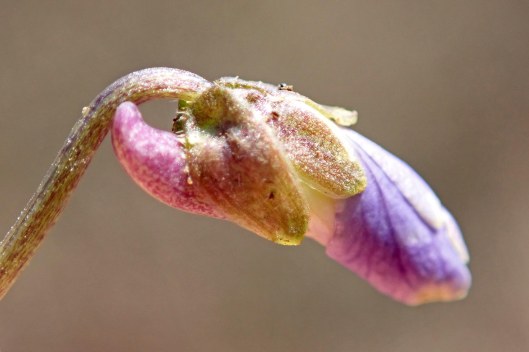
This species and the Sweet violet (Viola odorata) are the only two to have rounded sepals, which narrows down the possibilities for identification purposes. Also, the sepal appendages are different: in Sweet violet, these are angled away from the flower’s stem, while the sepal appendages of the Hairy violet are pressed towards the stem.
Another distinguishing feature is the petal colour: the petals of the Hairy violet are paler, with a lilac hue, whereas those of the Sweet violet are a deep purple (unless they’re the white-coloured sub-species, of course).
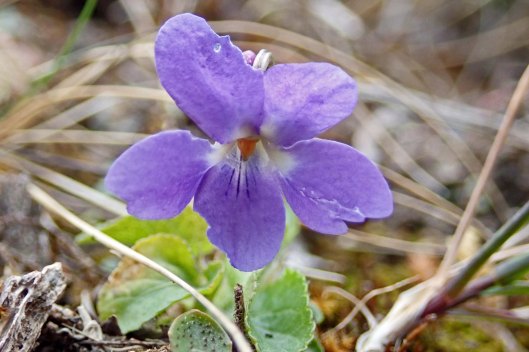
The two violet species also grow in different environments. Sweet violets prefer the edges of woodland rides, and churchyards, and roadside verges, while Hairy violets are mostly found on dry calcareous grasslands, like those found in two of the fields at my local country park, Cosmeston Lakes, which is where I took these photos earlier today.

 earthstar
You must be logged in to post a comment.