
In fact, you probably wouldn’t want to eat the other form of tripe, the stomach lining of cows, pigs and sheep, either, unless you were desperate, and definitely not if, like me, you’re a vegetarian.
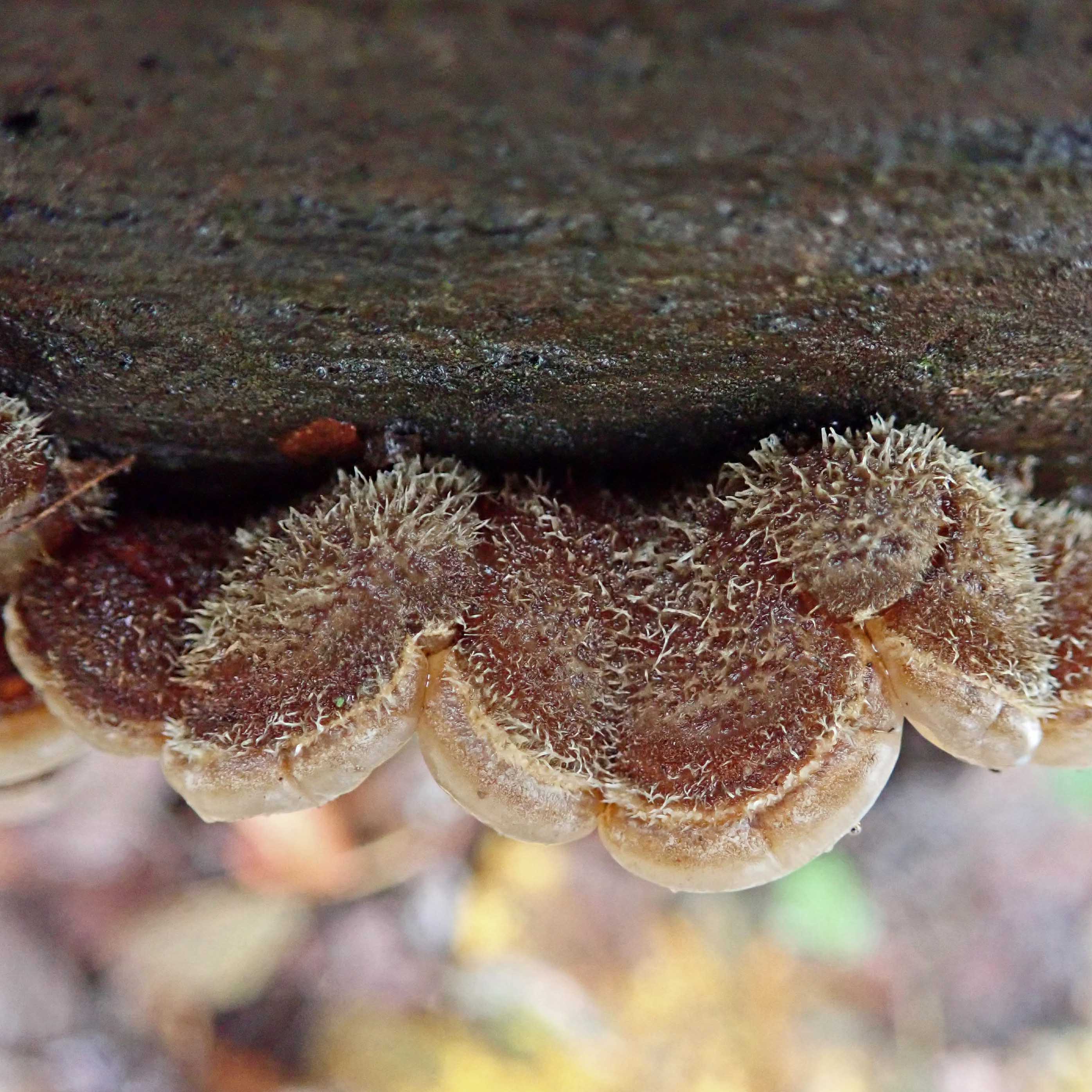
I’ve only ever seen Tripe fungus (Auricularia mesenterica) in a couple of different places before today, so it was good to add a new site to my list.
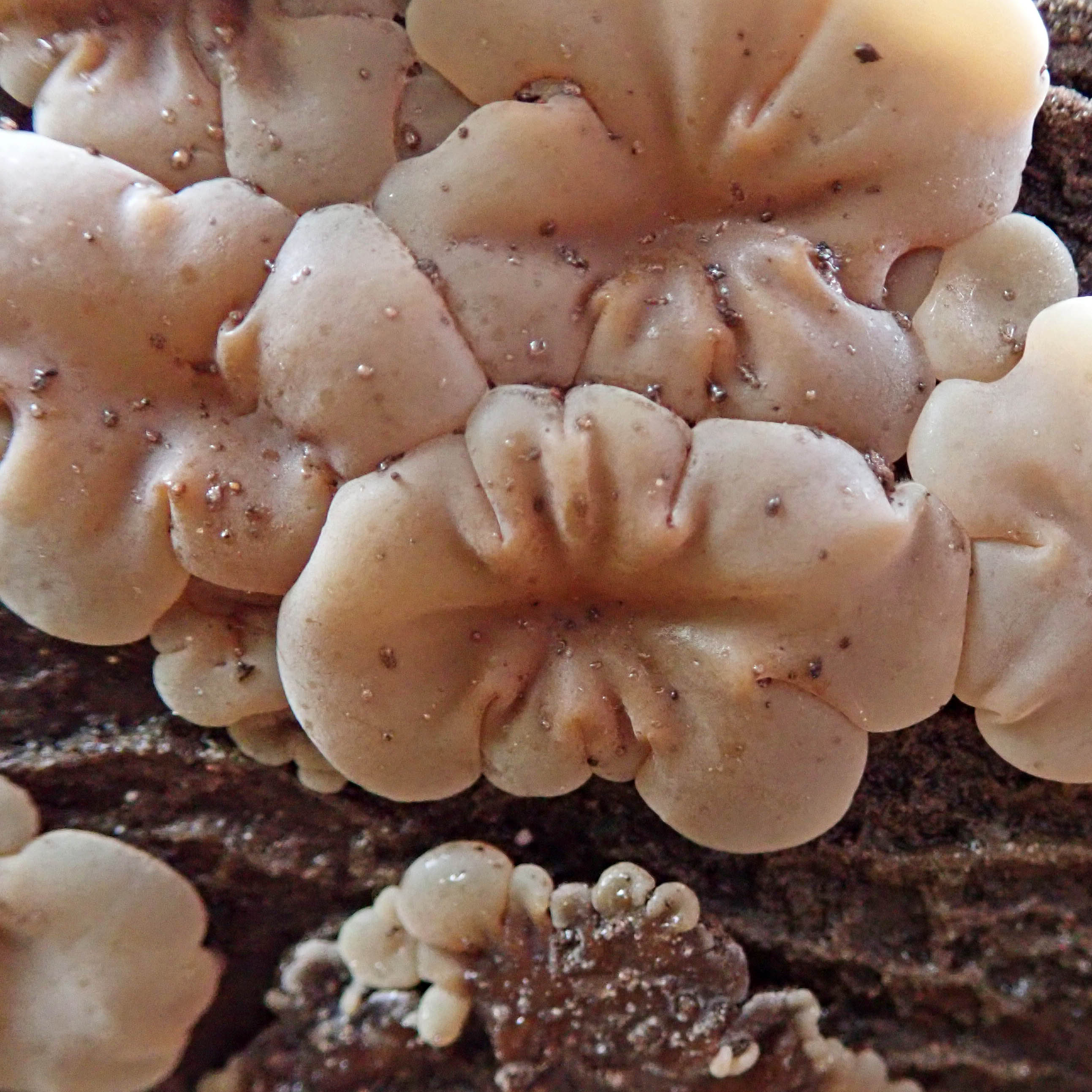
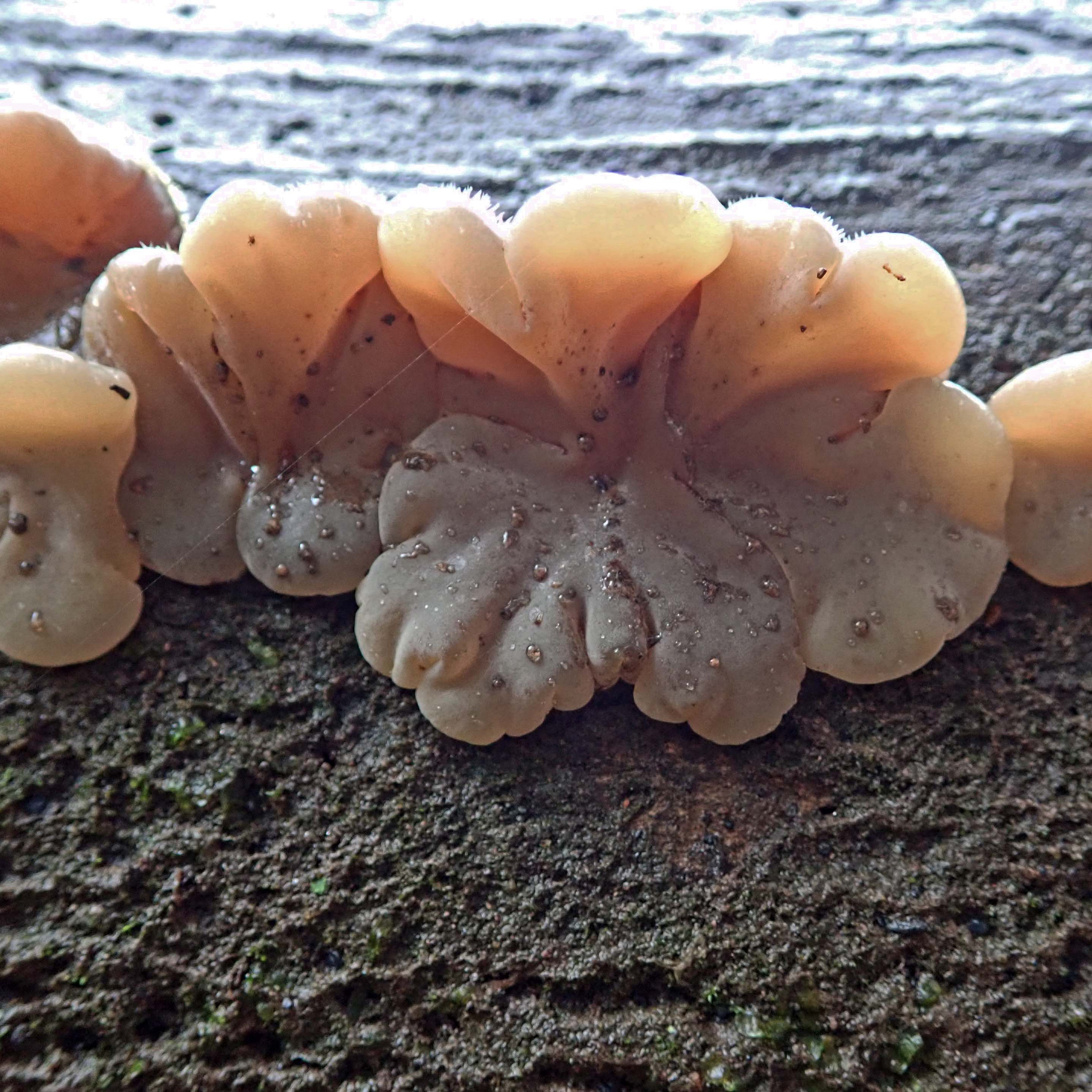
There’s one particular location I know, where the fungus can be seen year round on the stump of a long dead Elm tree, in summer looking just like a grouping of dried, shrivelled brackets but, in winter, when they’ve rehydrated, plump and hairy like these ones I found today.
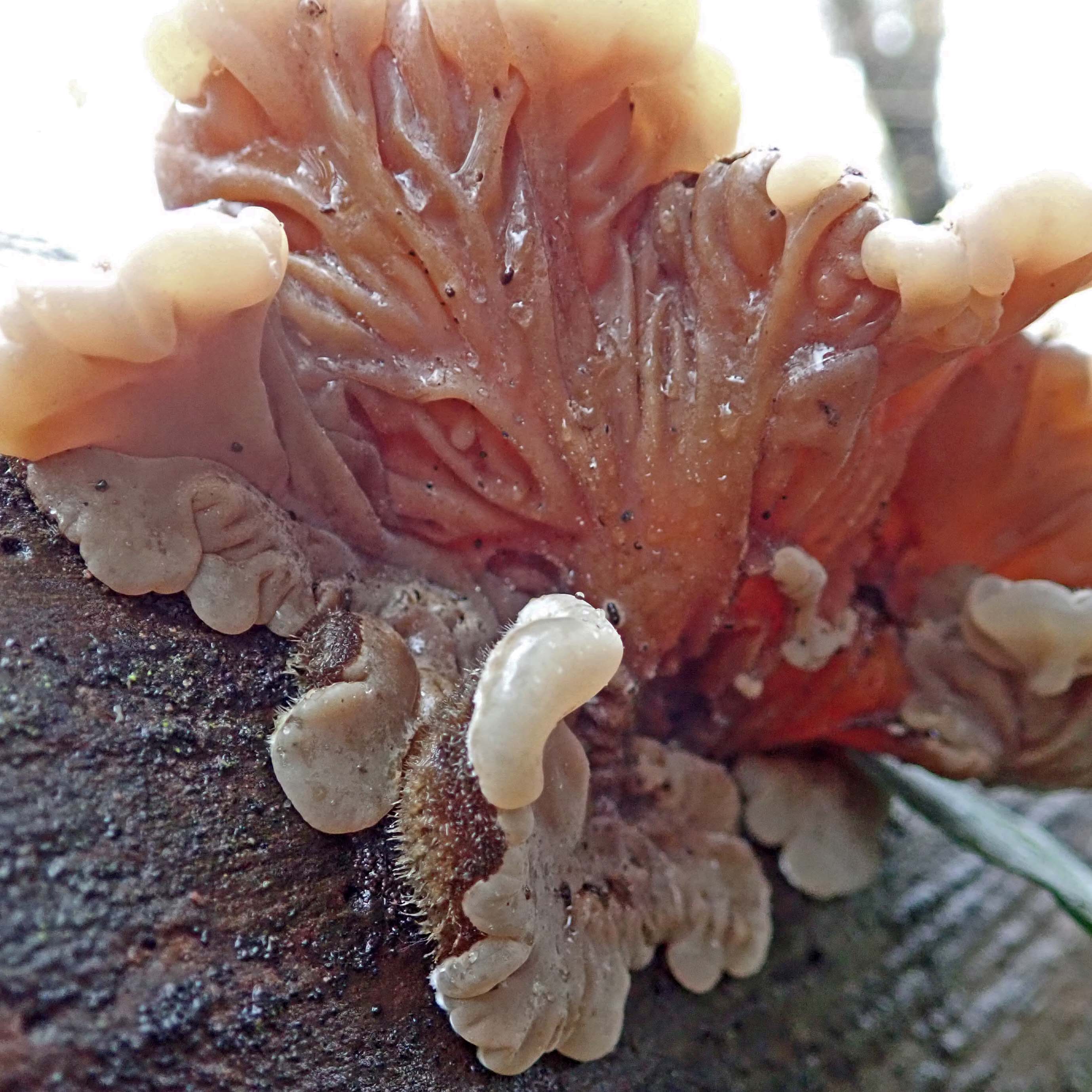
The various species of Elm are where Tripe grows most commonly and, though today’s new location was a large fallen tree trunk that could have been any species of tree, I had previously found Wrinkled peach growing on it, another Elm-specific fungus.
 earthstar
Indeed – neither variation is high on my menu. That said, these are fascinating in shape, solor and and size.
LikeLiked by 1 person
Yes, it’s interesting to see how they shrivel and almost disappear in the dry periods, then rehydrate in the wet. 🙂
LikeLiked by 1 person