
Tags
birding, birdwatching, British birds, Collared dove, Columba oenas, Forest Farm Nature Reserve, Stock dove, Streptopelia decaocto
Britain is home to five members of the Pigeon family: Rock dove (which manifests for most of us in the form of the domesticated Feral pigeon, though there are still thought to be wild Rock dove populations in north-west Scotland and the south and west of Ireland), Stock dove, Woodpigeon, Collared dove, and Turtle dove. Though I haven’t seen wild Rock doves, I have been lucky enough to have seen all these species, including, just once, the very rare Turtle dove.
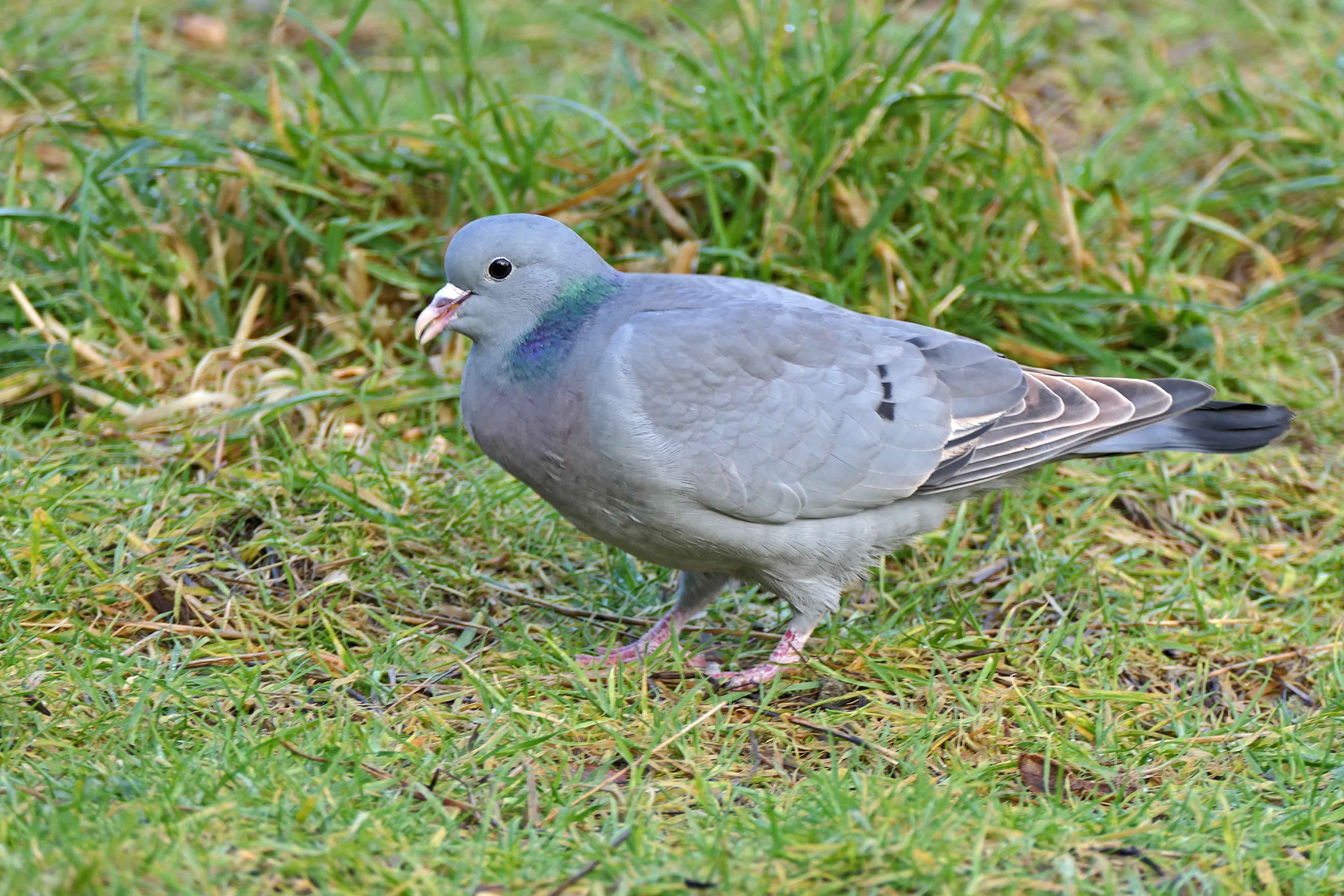
The Stock dove (Columba oenas) is not that easy to see in my area. According to my RSPB bird book, the historic expansion of their population was a benefit of the expansion of arable farming but the use of chemical seed dressings in the 1950s and 1960s led to a huge decline in the Stock dove’s population, a decline the species is still recovering from. Fortunately for those of us who want to see these handsome birds, at Forest Farm Nature Reserve in north Cardiff there are at least two Stock doves that have taken advantage of the food people leave for the local birds and are now quite confiding, if you’re careful.
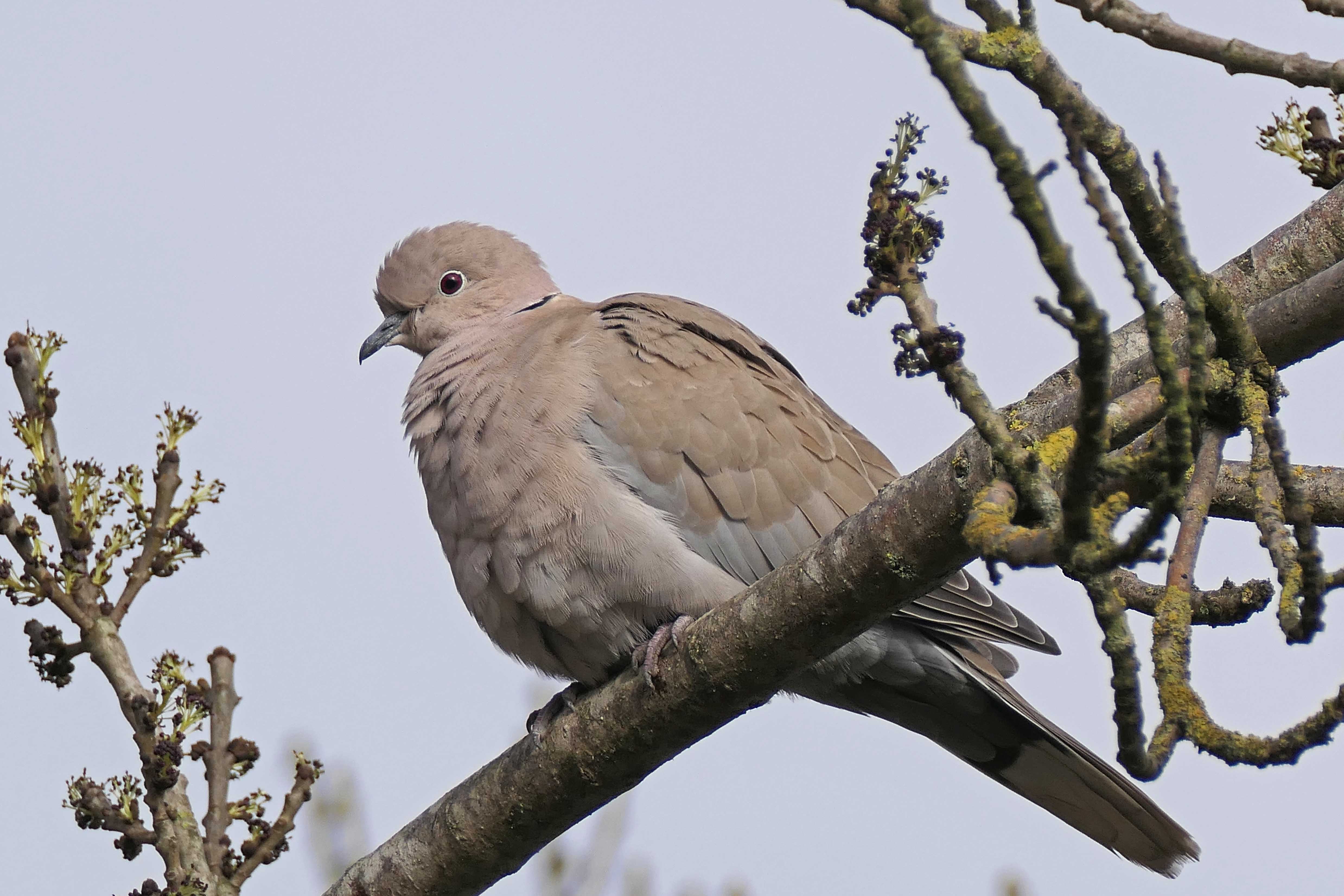
Back in April 2017, I explained in my blog post, Genetic mutation leads to immigration, about the arrival in Britain in the 1950s of the Collared dove (Streptopelia decaocto). Now they’re a common sight in my local area, and, I think, a lovely addition to Britain’s avian population. They seem to have set territories, and the bird shown here is one of a pair I see quite often when I’m walking by the River Taff in Cardiff.
 earthstar
You must be logged in to post a comment.