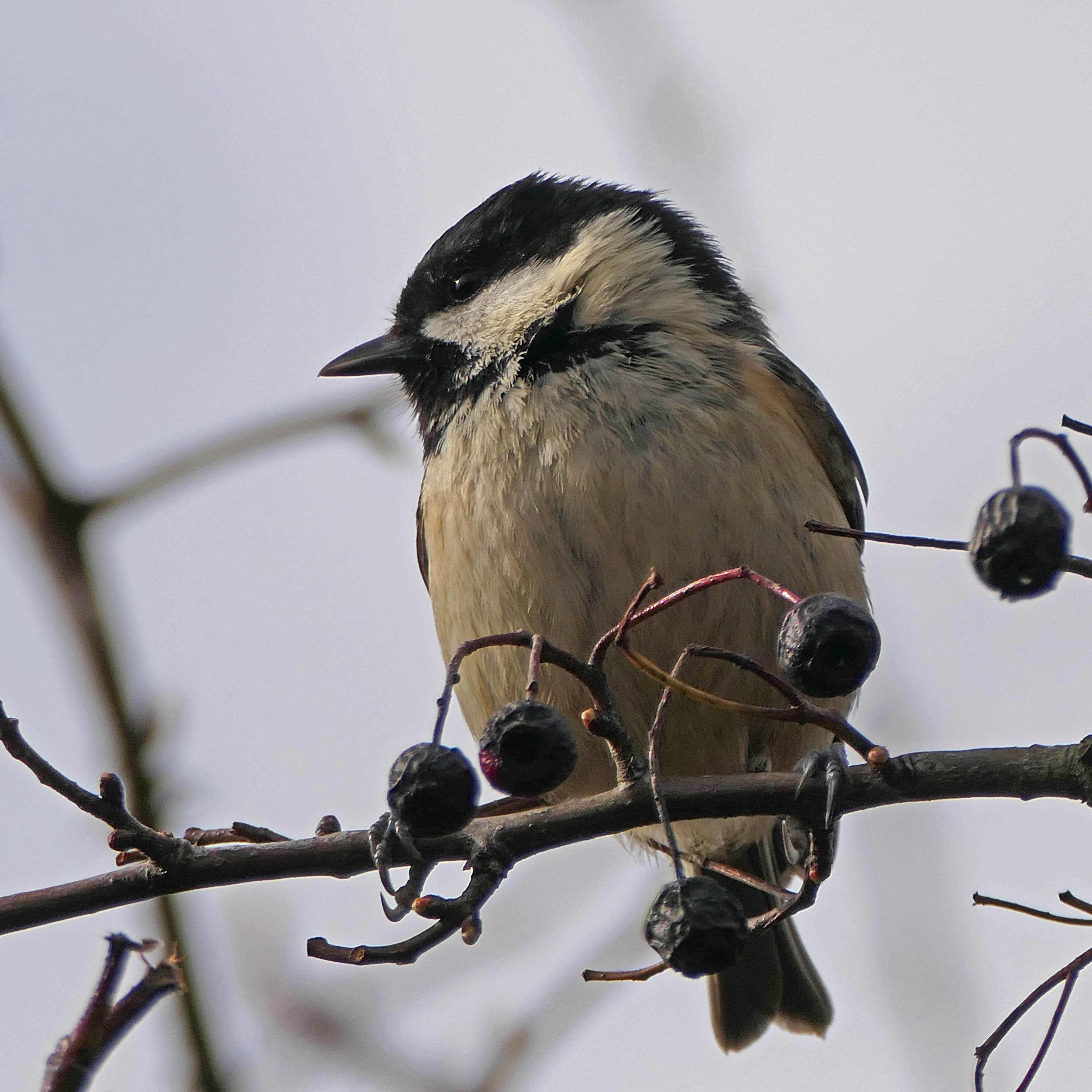
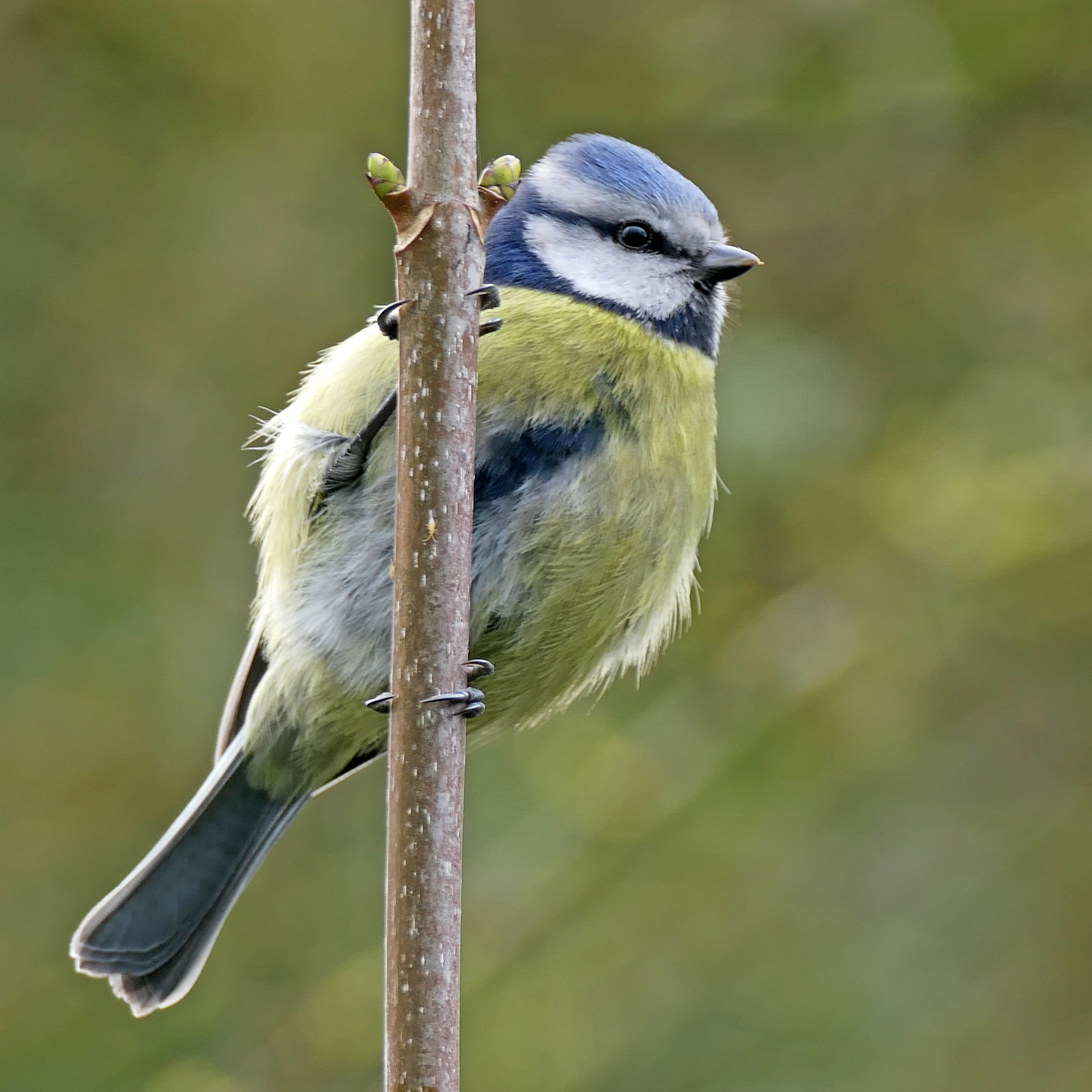
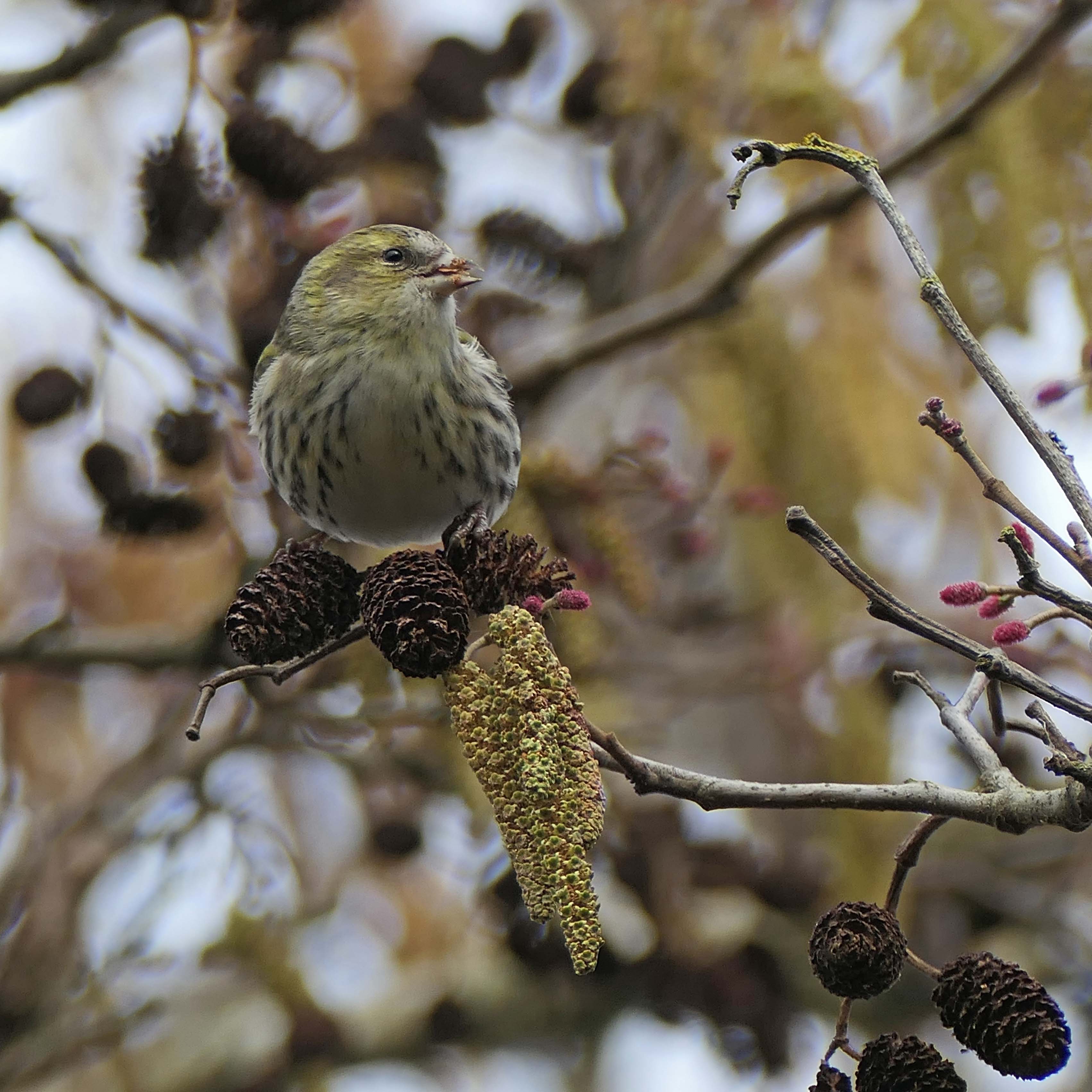
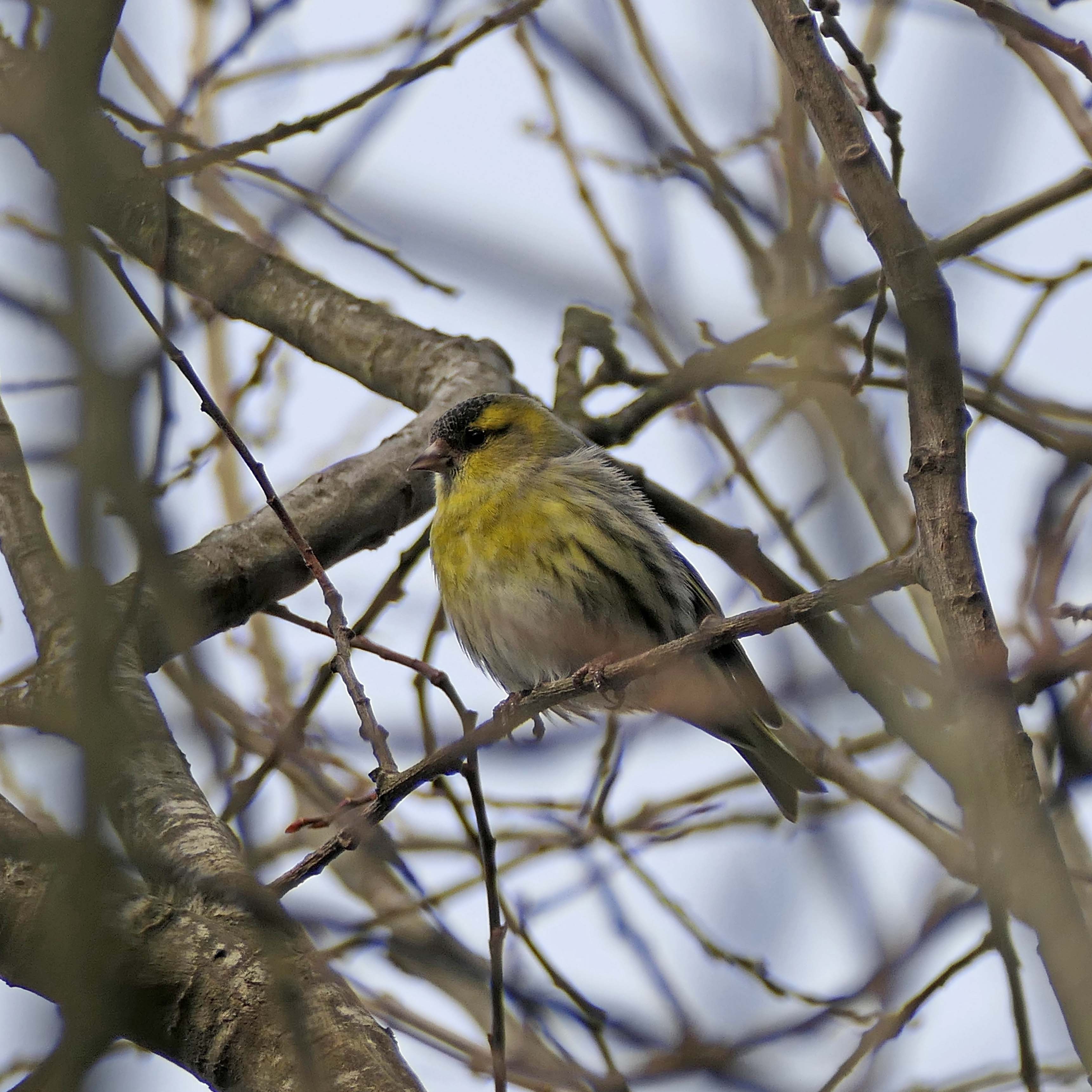
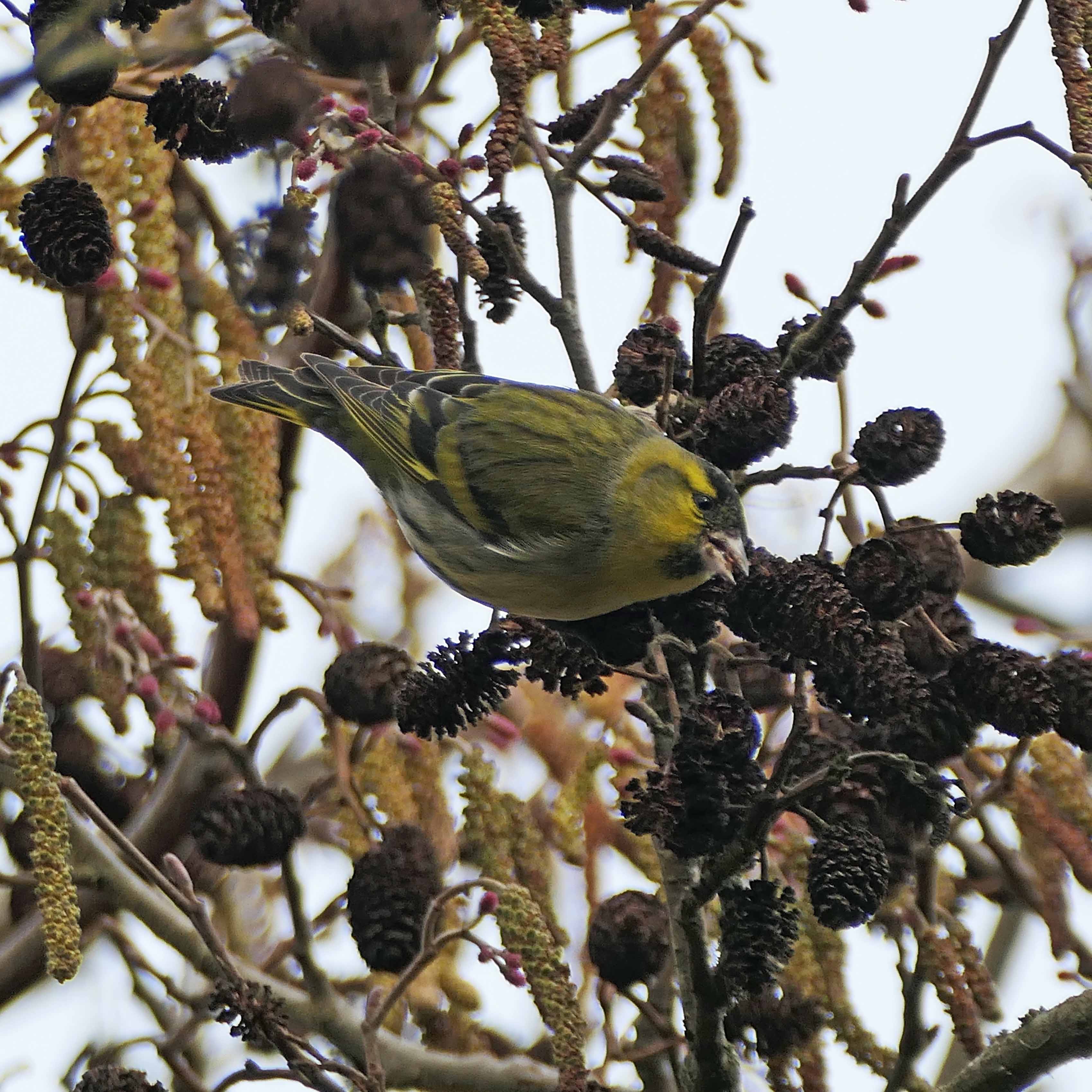
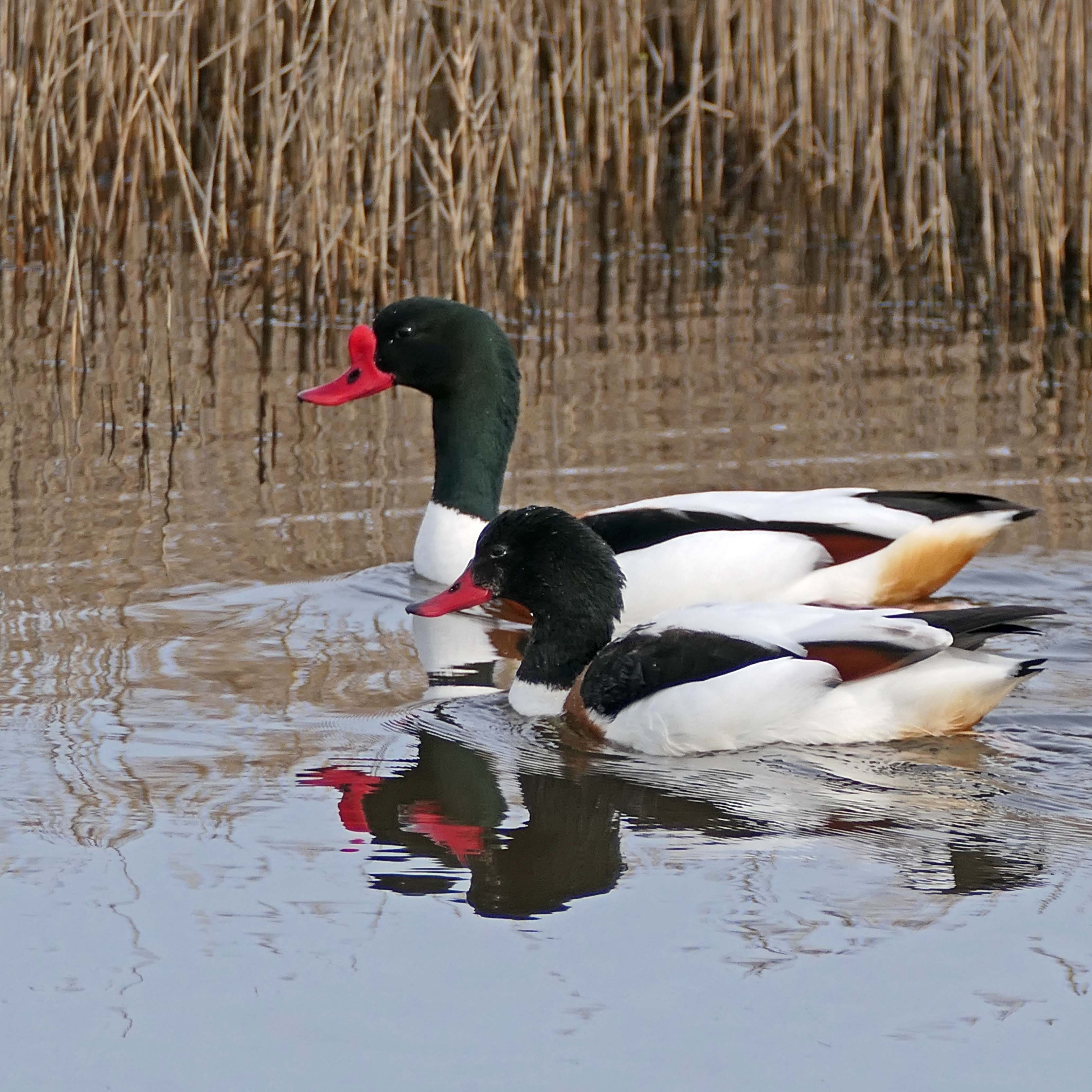
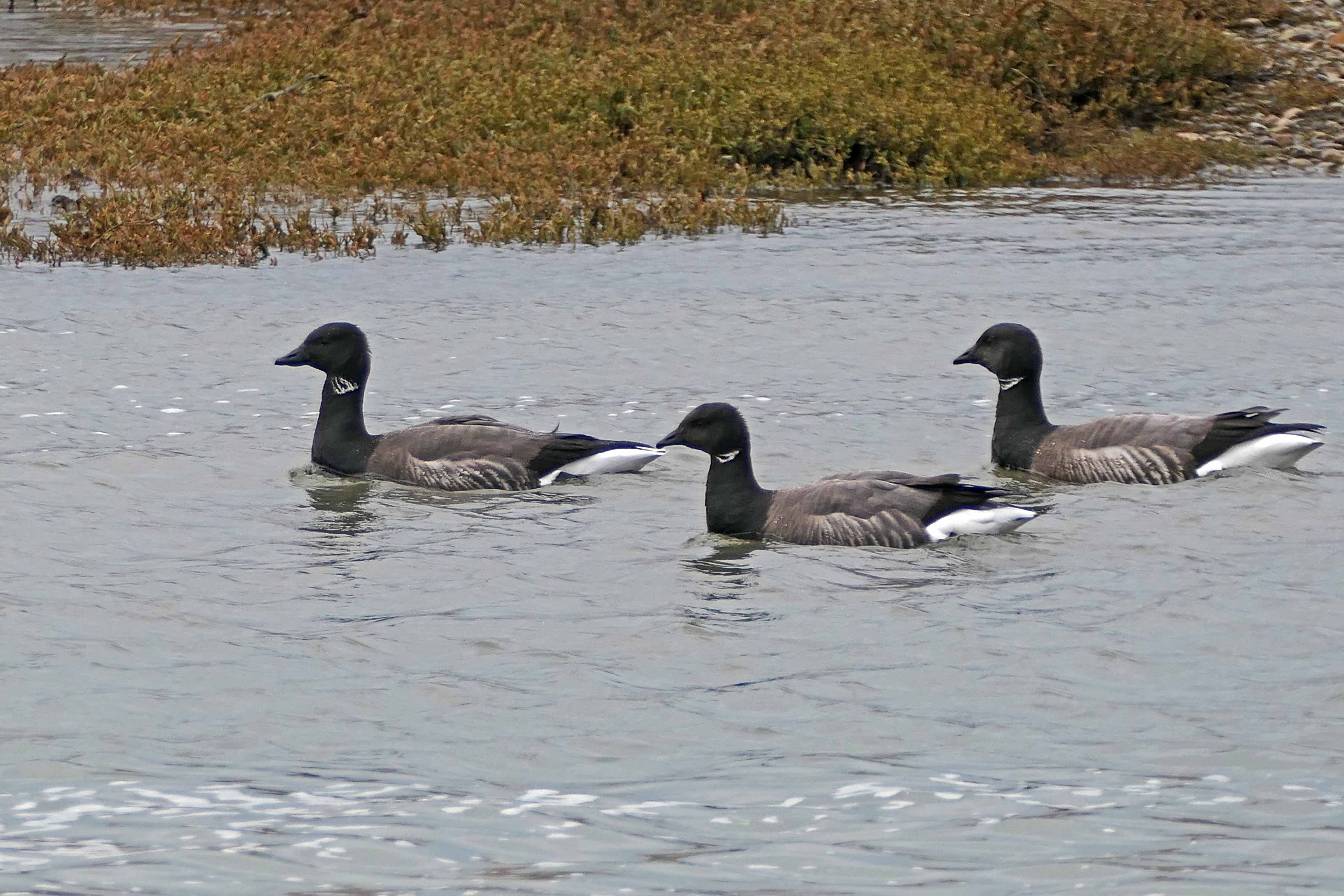
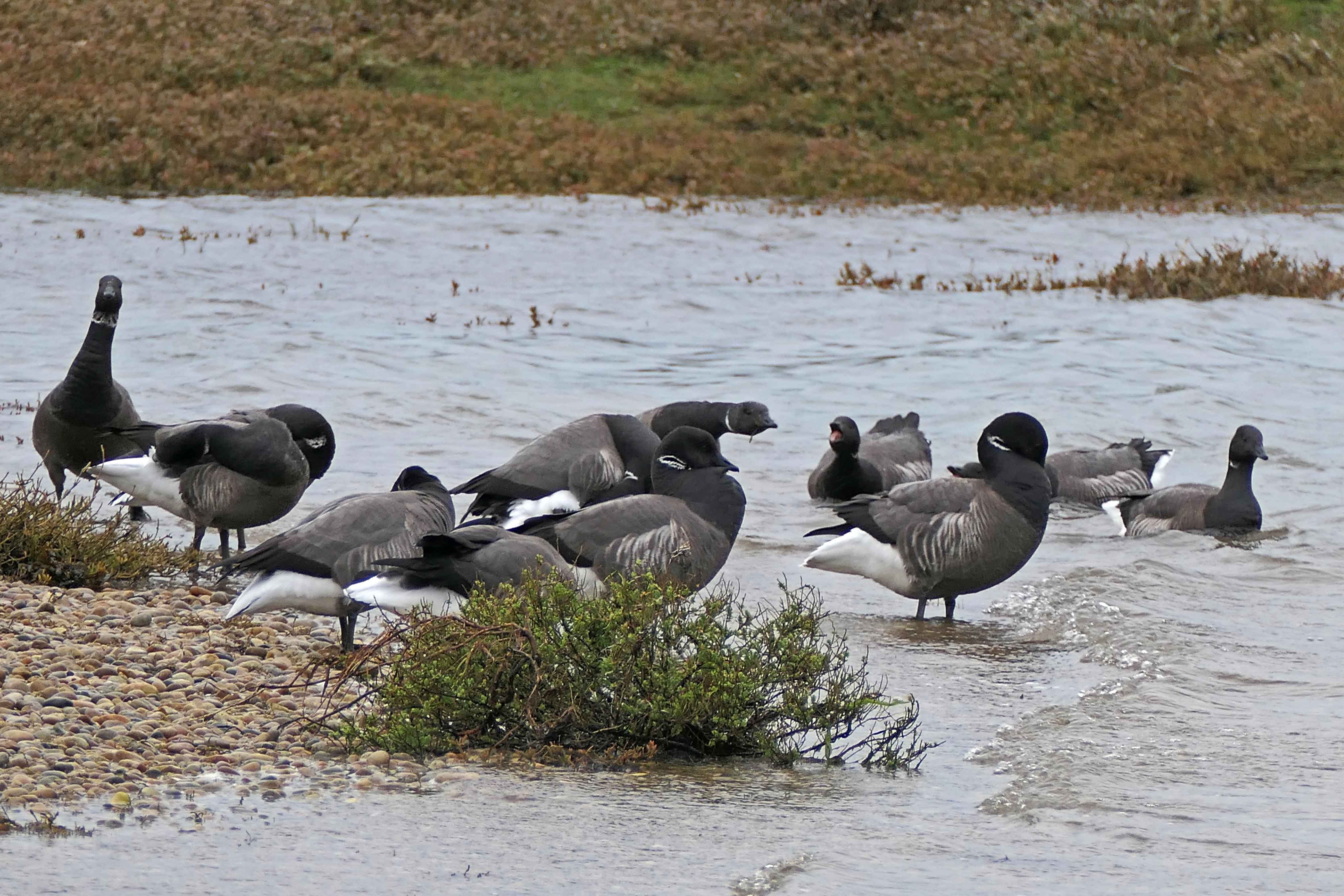
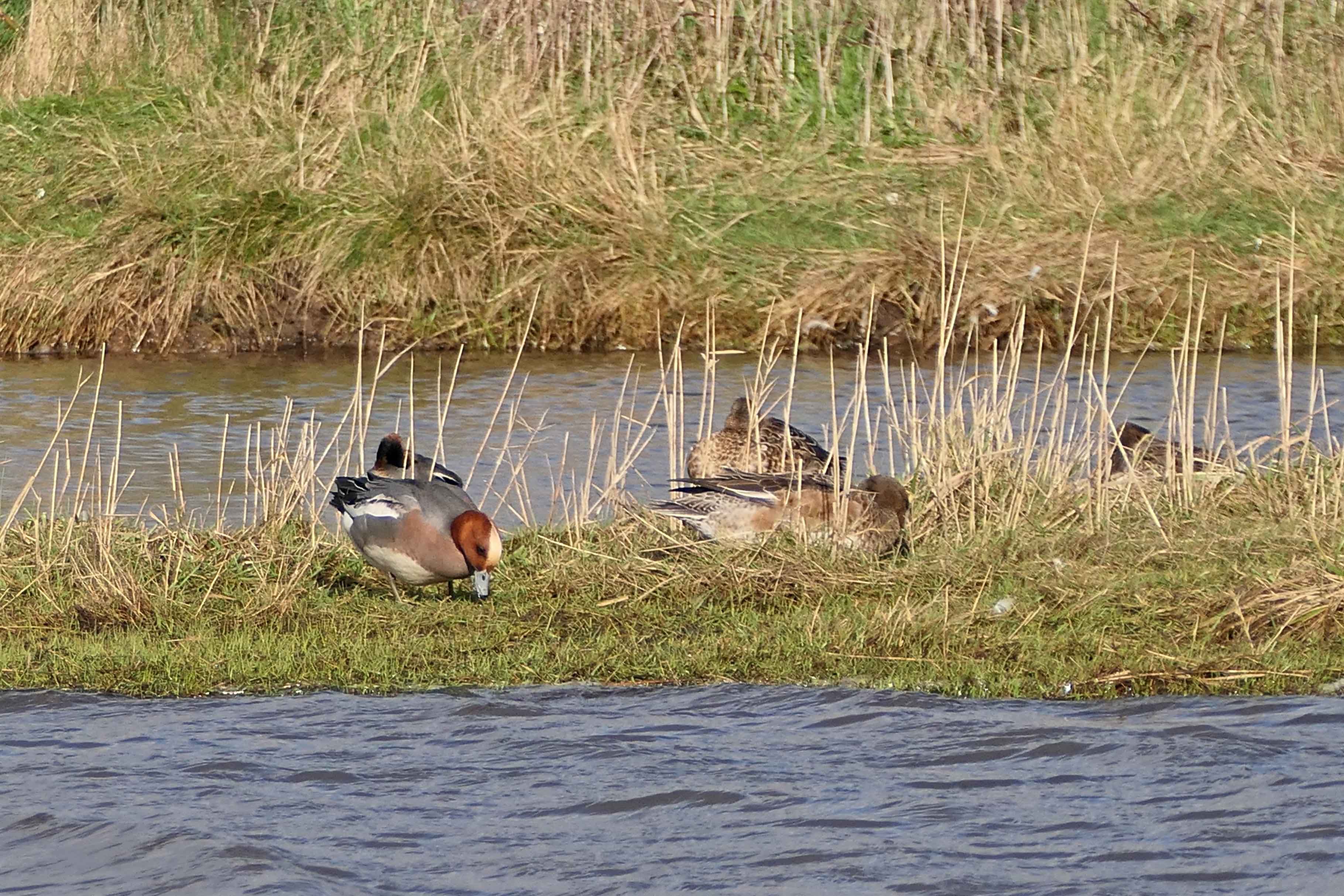
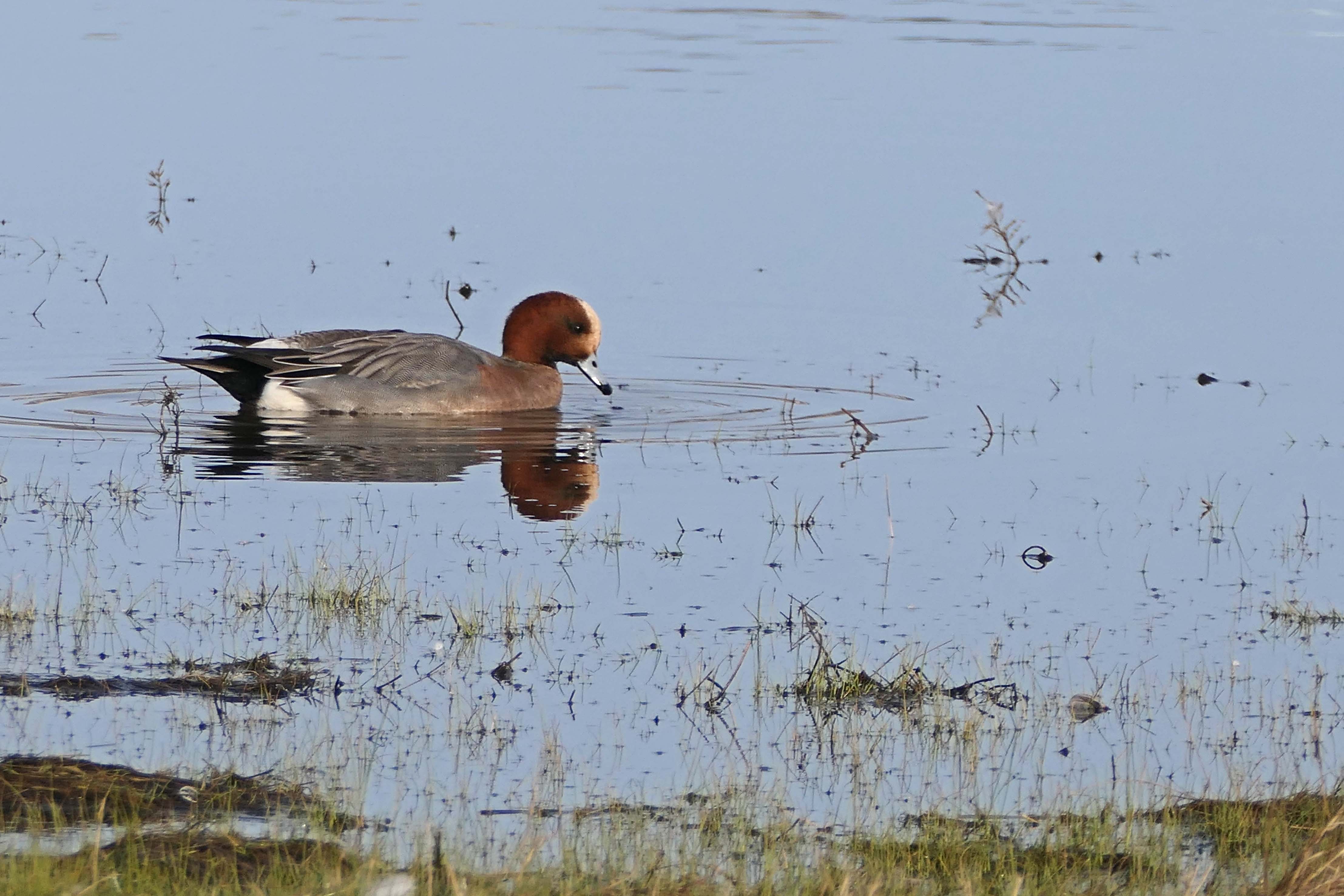
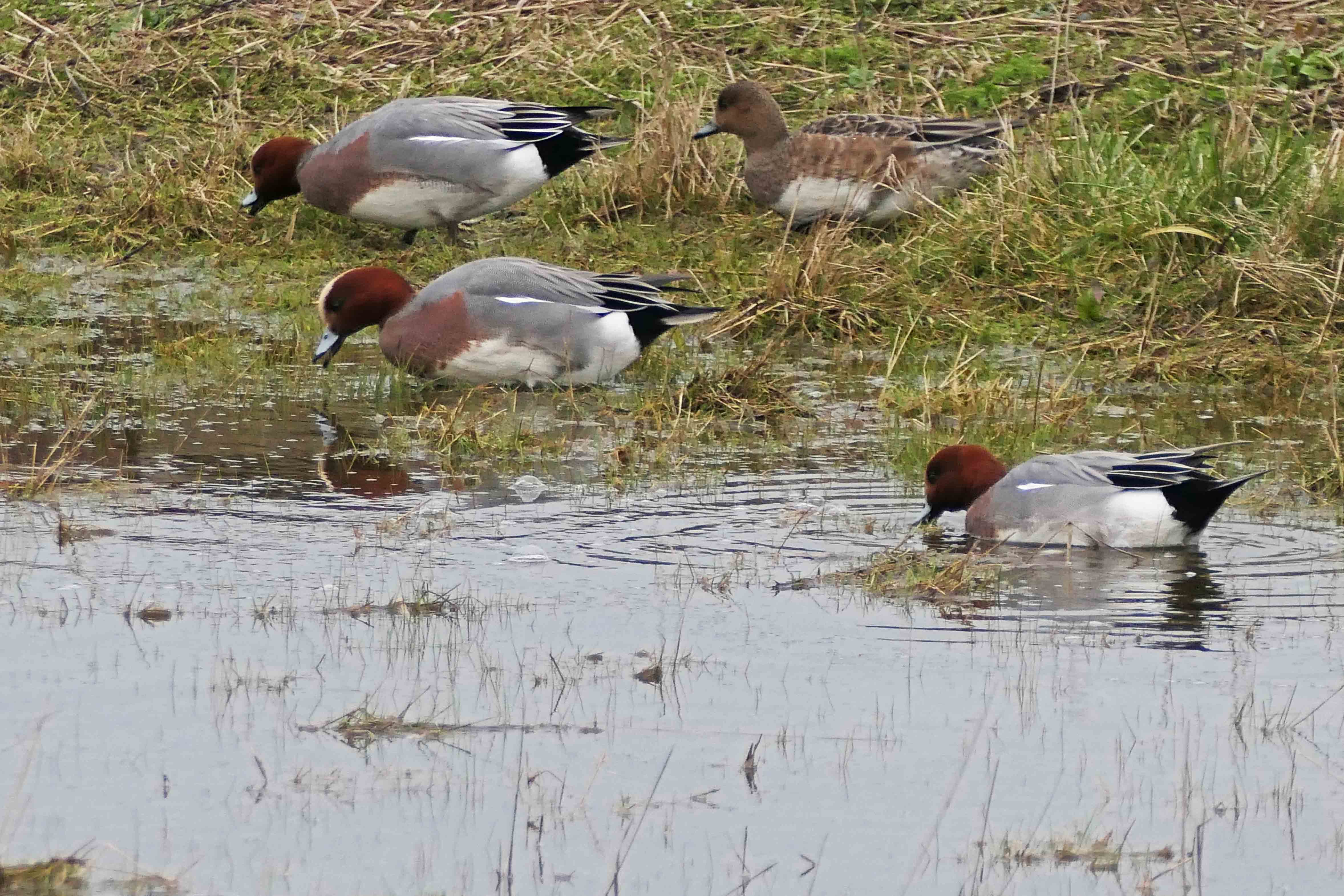
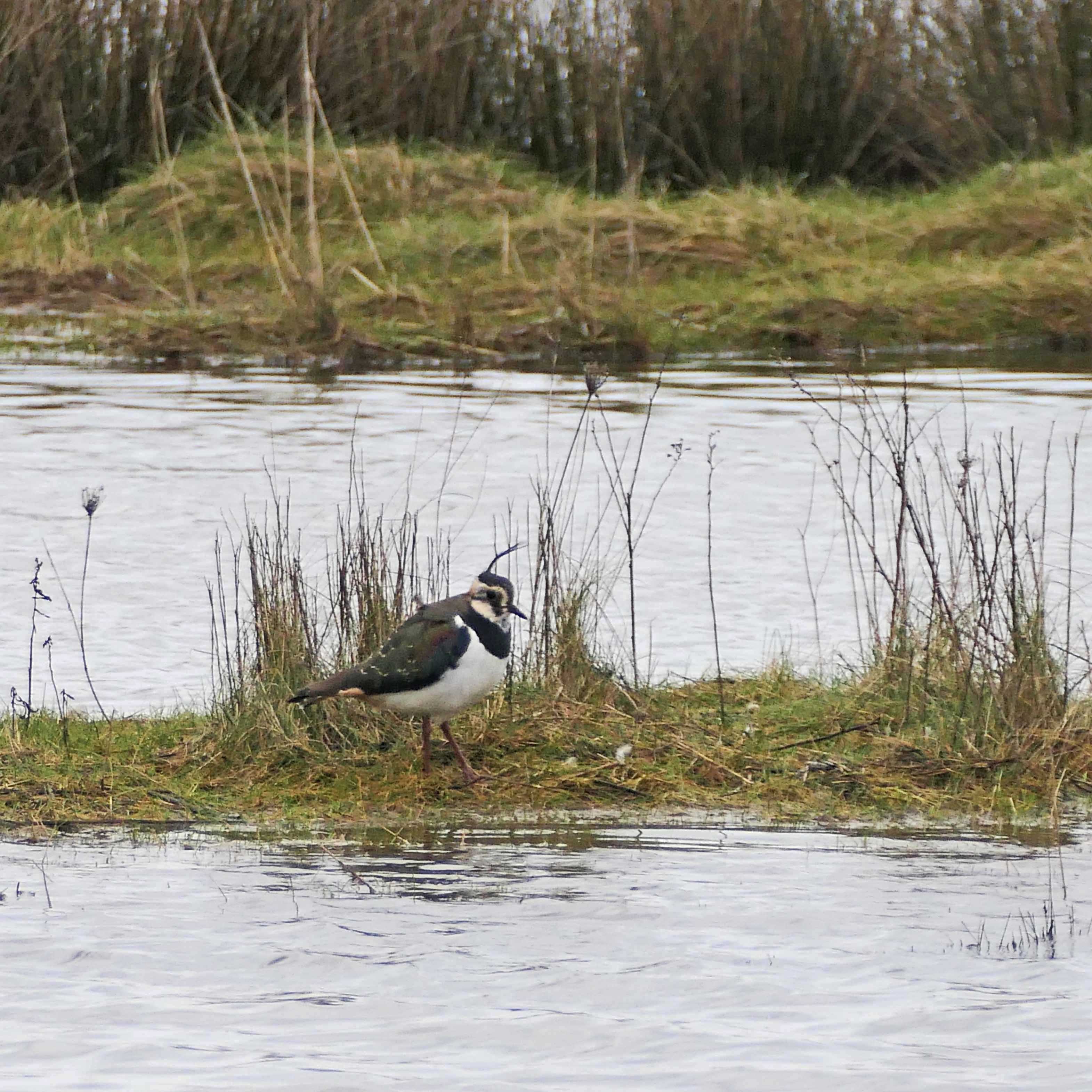
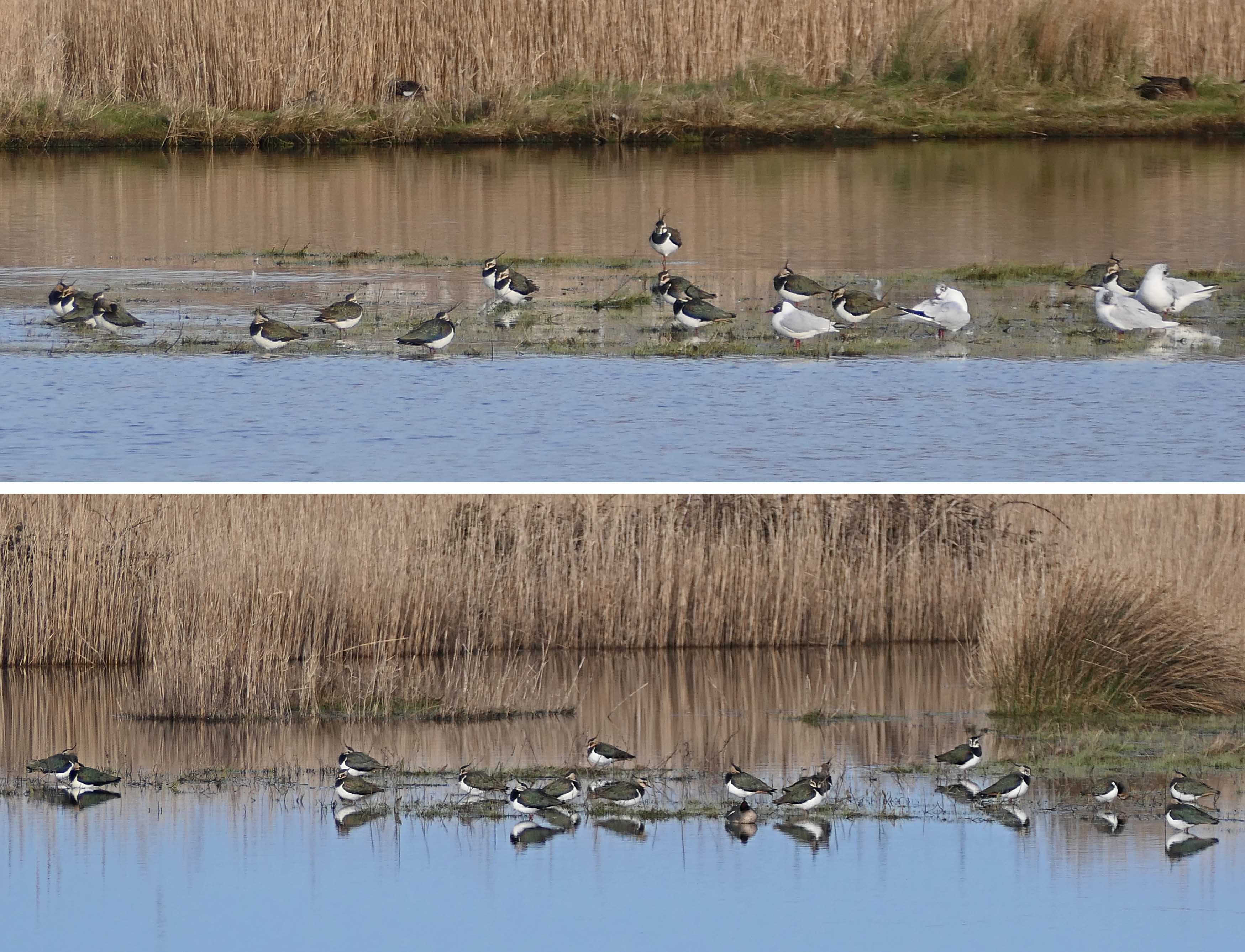
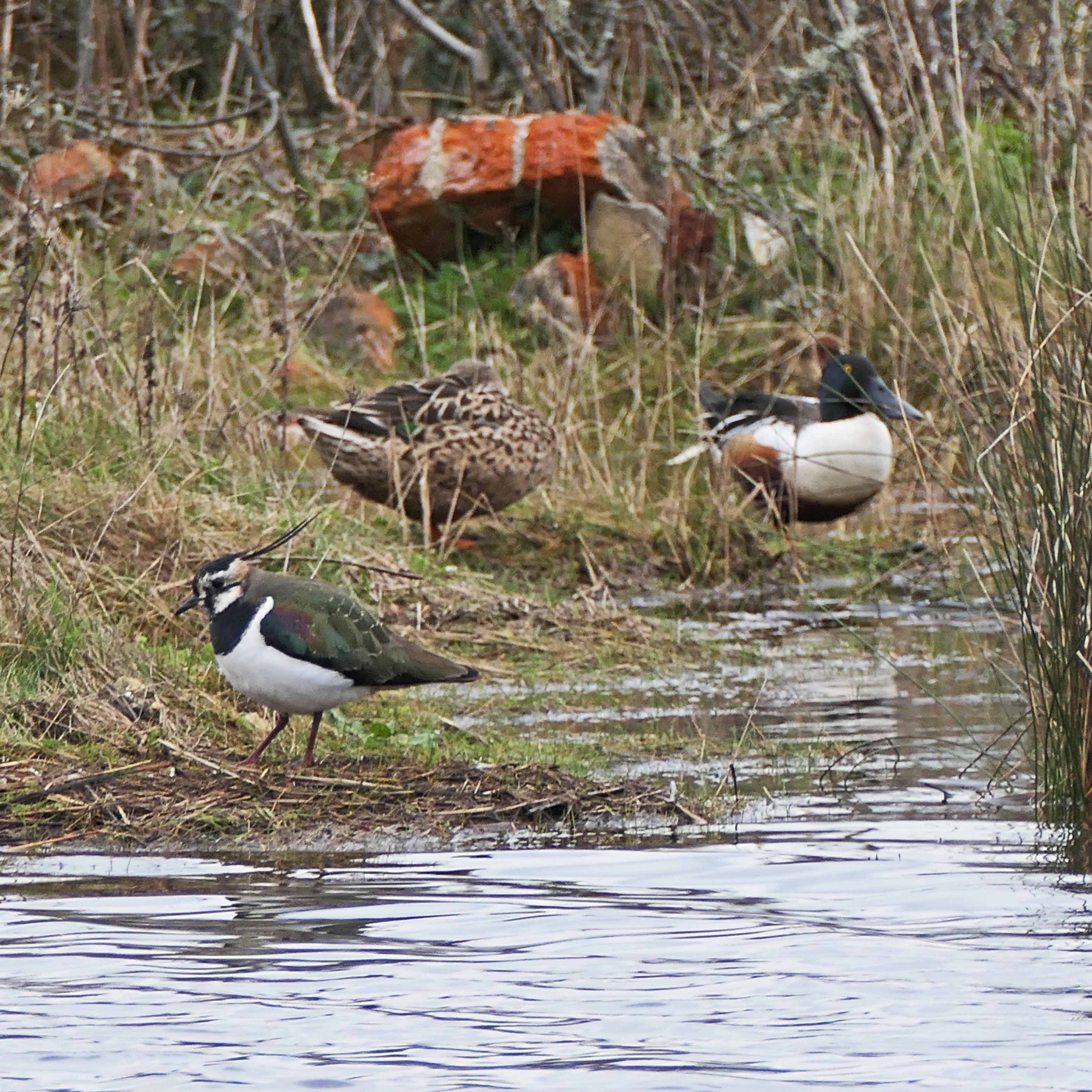
Just because I adore these cheeky little characters …


29 Saturday Nov 2025
Posted in birds
Just because I adore these cheeky little characters …


27 Thursday Nov 2025
Posted in birds
Tags
birding, birdwatching, British birds, Cardiff Bay birding, Coot, Coot with leg problem, disabled Coot
Call me heartless but, when I first noticed this Coot in Cardiff Bay yesterday, I laughed out loud. Then I felt ashamed of laughing and couldn’t help but admire how tenacious the bird was. Despite having something wrong with its left leg, it was swimming strongly, and clearly not letting its disability limit its determination to get where it was going.
24 Monday Nov 2025
Posted in birds
Tags
birding, birdwatching, British birds, Carrion crow, Cosmeston Lakes Country Park, crow with deformed beak
Let me introduce you to Beaky the Carrion crow. It lives at Cosmeston Lakes Country Park, in the area around the visitor centre and car park at the southern end of the east lake. I’ve heard about Beaky from other park visitors and know some elderly gents who throw it some bread whenever they visit but, as I don’t often walk in that area (too many people for my liking), I hadn’t met Beaky until last Friday. I had some bird food with me so threw it into the water at the lake edge for the Tufted ducks then was sitting on a bench, putting away my bins and camera in preparation for heading home, when this crow landed in front of me and stared, as if to say ‘Where’s my food?’ And, of course, I couldn’t help but notice its deformed bill so knew immediately this must be Beaky. Unfortunately, I didn’t have any food left but I’ll definitely save some for this characterful bird next time I head that way.

And, just in case you’re wondering, ‘my’ crows are well, and still/always hungry. I don’t go to Cosmeston as often as I used to (too many people for my liking, and that’s only going to get worse, as the Welsh government has just approved a development of 576 new homes on the land opposite) but, as soon as I walk in to my crows’ territory, they come flying in to see me.

The male, above, usually lands right by my feet, whereas the female, below, more wary, perches in a nearby tree. I don’t know if you’ve ever felt a close connection to a wild creature but it truly makes my heart sing when these birds fly in, feed near me, and often walk around the field with me.

22 Saturday Nov 2025
I wrote that title in an optimistic frame of mind a week ago, when planning forthcoming blog posts and after seeing my first Black redstart of the autumn/winter season in a nearby seaside town. This female / immature bird – it’s impossible to tell whether they’re male or female at this time of year when they haven’t yet acquired their adult plumage – was moving between the rooftops of local houses and an adjacent newly planted park.

This was apparently one of two birds, and, a few days later, two males were also seen. I had intended to go for another look but the park also held a children’s playground very close to where the birds were feeding and it’s not really a good idea to linger near a playground with binoculars and a camera. Then, yesterday I heard that no Black redstarts have been seen at all this week so it looks like they’ve moved on. Fingers crossed we’ll get some local over-wintering birds, in a more suitable location.

20 Thursday Nov 2025
Tags
autumn bird migration, autumn migration, birding, birdwatching, British birds, Woodpigeon, Woodpigeon migration
This time is 7.35am Monday morning, and the sun has just risen above the Mendip Hills, on the north Somerset coast.

And the Woodpigeons have begun moving northwards again, along the south Wales coast, reversing the journey they made a week or so ago. Their flocks – at least, the ones I can see – are smaller, in the tens and hundreds, not the massive flocks of several thousand birds I saw moving south.

Did they get to Land’s End and think ‘You’ve gotta be kidding me?’ Do the young birds tag along for the British section of the flight as a learning exercise? Are Woodpigeons like sheep that just mindlessly follow a leader? Do they get caught up in the fun, the exhilaration, the sense of adventure but then realise their limitations when they meet the challenge of a sea crossing? Do they somehow realise the grass, and the berries, are not greener on the other side?

Just as with their migration south, so with the move of smaller numbers back north, no one knows why they do it; why some carry on with their migration while others return back the way they came, and whether they return to where their journey originated or whether they stop off to overwinter somewhere different along the way. Woodpigeons are much more mysterious than you might think!
17 Monday Nov 2025
Tags
birding, birds eating berries, birdwatching, blackbird, British birds, Buckthorn berries, Buckthorn tree, Song thrush, Woodpigeon
Last Wednesday’s weather was dreich. (Are you familiar with that word? It’s Scottish English, a word I learnt when married to a Scotsman and from having lived for a few years in Scotland. It means bleak and dreary, and is the perfect descriptive for much of our recent weather.)

Back to last Wednesday … it was too bleak even for me to go out walking so, while sitting at my dining table/desk, deliberately placed by my living room windows for maximum external views, I had one eye on any wildlife activity happening outside.

Though the berries on this Buckthorn tree had looked ripe for a week or more, the birds chose this particular day to begin selecting the most juicy plump fruit to eat. As I watched, first male and female Blackbirds flew in and began scoffing the berries. Then, the Woodpigeons turned up, the branches of the tree drooping and swaying under their weight. And, lastly, a handsome Song thrush appeared to join in the feast.

As my photos were taken through rain-covered double-glazed windows, they’re not very sharp but I thought they were still worth sharing. Watching all these beautiful birds certainly cheered a very grey day.

11 Tuesday Nov 2025
Posted in birds
Tags
birding, birdwatching, British birds, Cardiff birding, Lisvane Reservoir, little grebe, Little grebe out of the water, Little grebe preening
Last week, we had Wednesday wash day; this week, it’s Tuesday but, heck, every day is wash day for birds, especially waterfowl that rely on their feathers being in peak condition to repel water and keep them warm. And, as I don’t recall ever having seen a Little grebe out of the water before, I was entranced to watch this sweet little bird working quite strenuously to sort out its feathers.

Little grebes are not normally very confiding but this one was so focused on its preening that it seemed totally oblivious to passers-by, and me, on the pavement just a few feet above it.
10 Monday Nov 2025
Last Friday morning, one of the autumn’s massive flocks of migrating Woodpigeons passed over my house, and what an incredible sight it was as they headed south along the coast. There were, perhaps, several thousand birds in the flock, which seemed an enormous number to me but, the very next day, there was a report on social media from a birder who’d had his second highest ever count on the Severn of 242,160 Woodpigeons, viewed from the sea wall at Goldcliff.

Despite the enormous quantities of birds that participate in these autumn migrations, they are something of a mystery in the bird world. No one truly knows where the birds originate from or where they’re going. Even expert birders have different theories; last week I read the blog of a well known ornithologist (Pigeons move in mysterious ways) who suggested ‘They may be Scandinavian birds heading for the Cork Oak forests of Iberia, as there is good evidence of migration from ringed birds but perhaps their visits through southern Britain are so rapid that no rings are recovered.’ But another birder, who seems to have a very good understanding of the autumn migration of most species of birds (see this presentation on YouTube: An Introduction to Visible Migration – Dan Webb), commented on the blog, writing that the Woodpigeons are
Almost certainly not Scandinavian birds. Most likely to be British birds moving to the Continent and south western Britain in search of acorns and mast backed up by observers recording departing flocks from Start Point in Devon and further evidenced by a spring return passage along the English side of the Severn in early spring. Scandinavian woodpigeon movement through the Continent peaks several weeks before ours.

Some, perhaps 100, of the Woodpigeons that flew over my house stopped off briefly in the local trees, until the local crows made a fuss and sent them packing.
06 Thursday Nov 2025
Posted in birds
Tags
birding, birdwatching, Black-headed gull, British birds, Cardiff Bay birding, gulls washing, Mediterranean gull
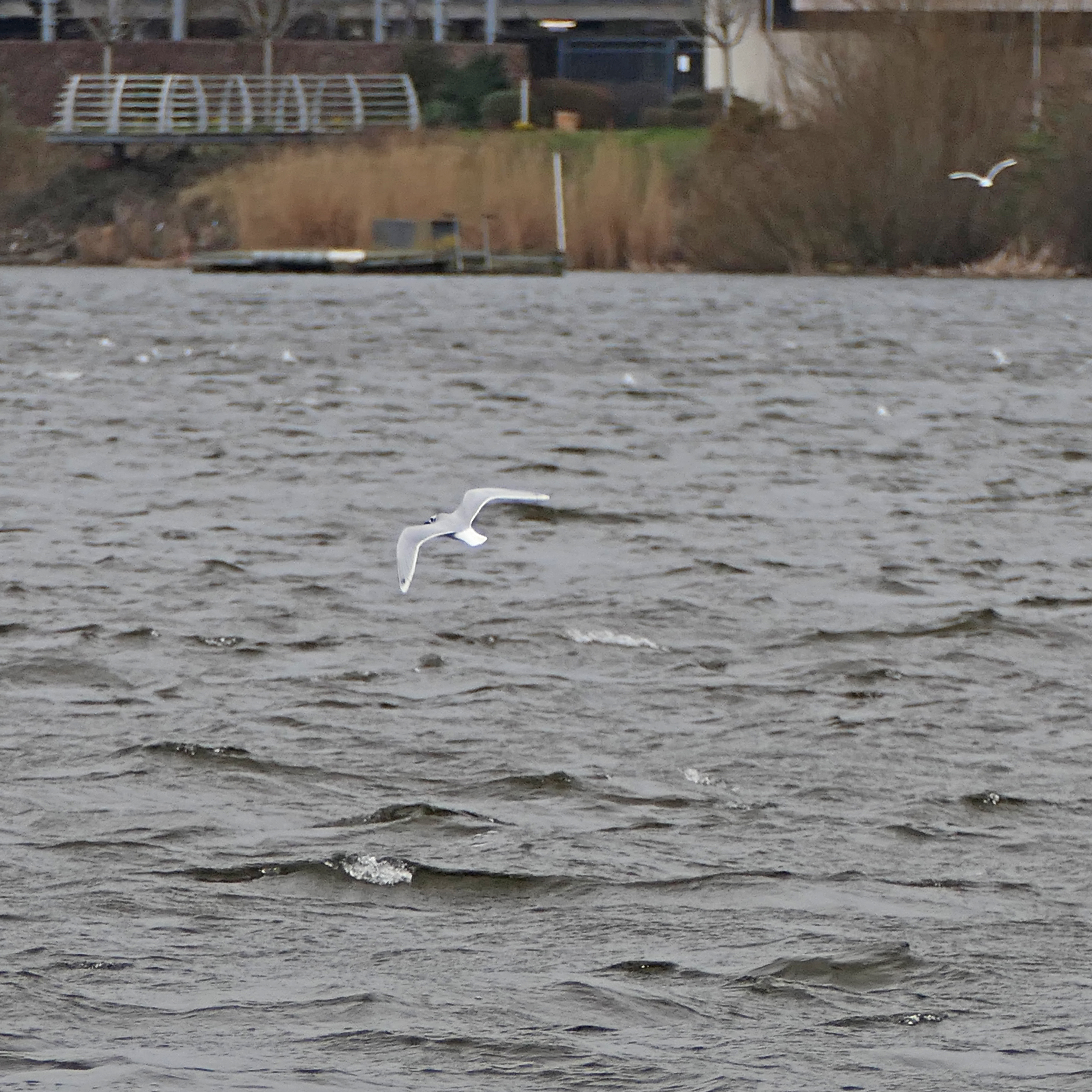
We don’t see very many Mediterranean gulls in Cardiff Bay so it was a real treat yesterday to see this one at Cardiff Bay Wetlands Reserve yesterday.


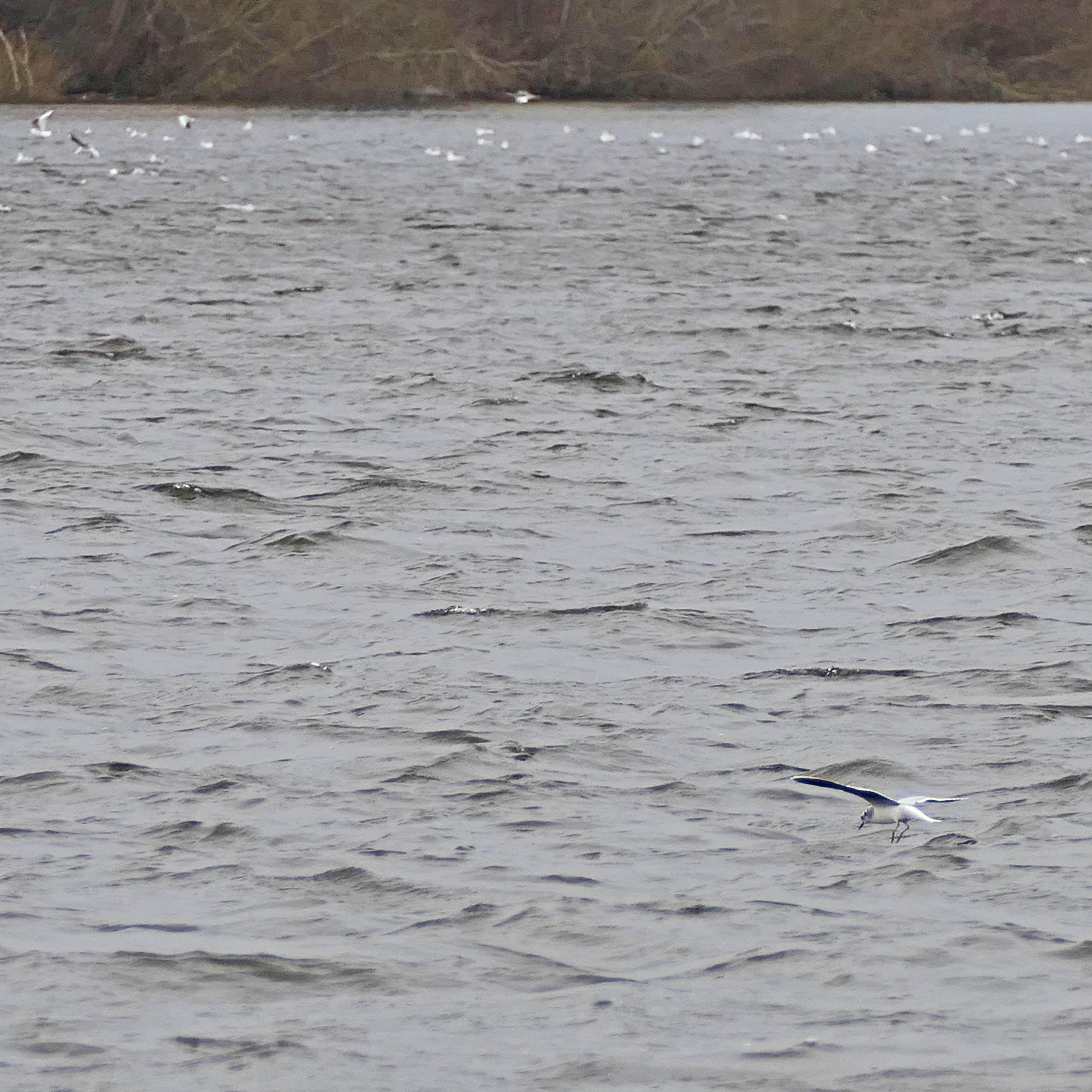
The resident Black-headed gulls often use this area as a good place to wash, plunging into the water, giving themselves a good shake, flapping their wings … you get the idea. And, if you don’t, here’s a short video.
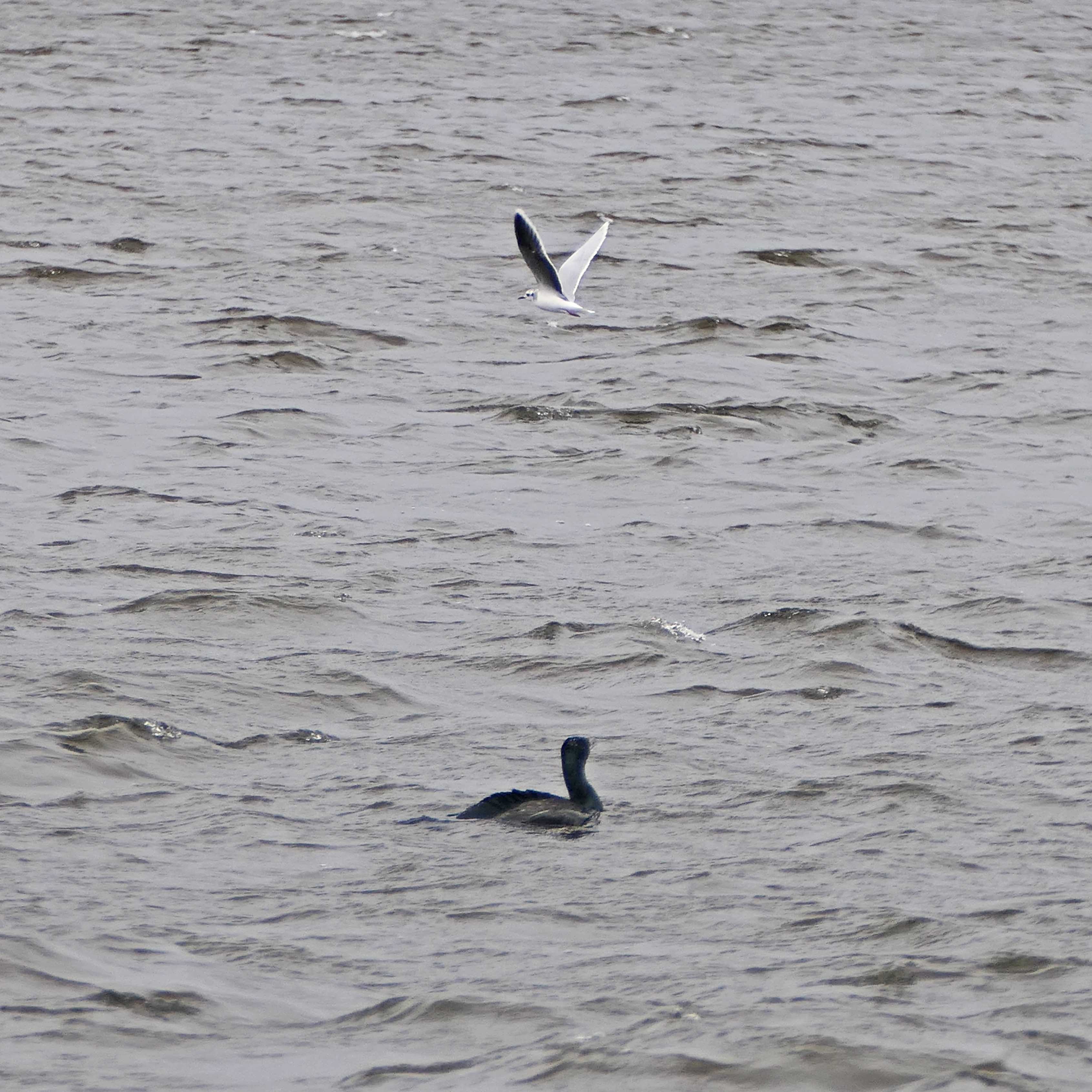
The Med gull is the one that looks to have a completely white body and wings, though it actually has a very fine dark line along the edge of its wings. In my photos, above and below, the Med gull is the bird at the back, with a Black-headed gull in front so you can compare the two.

04 Tuesday Nov 2025
Posted in birds
Tags
birding, birdwatching, British birds, Cardiff Bay birding, Cormorant, Cormorant drying its wings
Do I give the impression that I always find what I go searching for? If I do, then I apologise because I don’t but, rather than letting that get me down, I’ve learnt to appreciate what I find along the way.

Yesterday was one of those days. Three Firecrests had been reported the previous day, in trees around the edge of a local recreation ground; I couldn’t find them. A female Goldeneye had been seen in Cardiff Bay over several days and, though I’d had a fleeting glimpse, I wanted to try for photos; I couldn’t find her. And, though, as you’ve seen, I have already taken photos of the Red-throated diver that’s still feeding in the channel off the Barrage, I was hoping for closer views; it stayed distant.

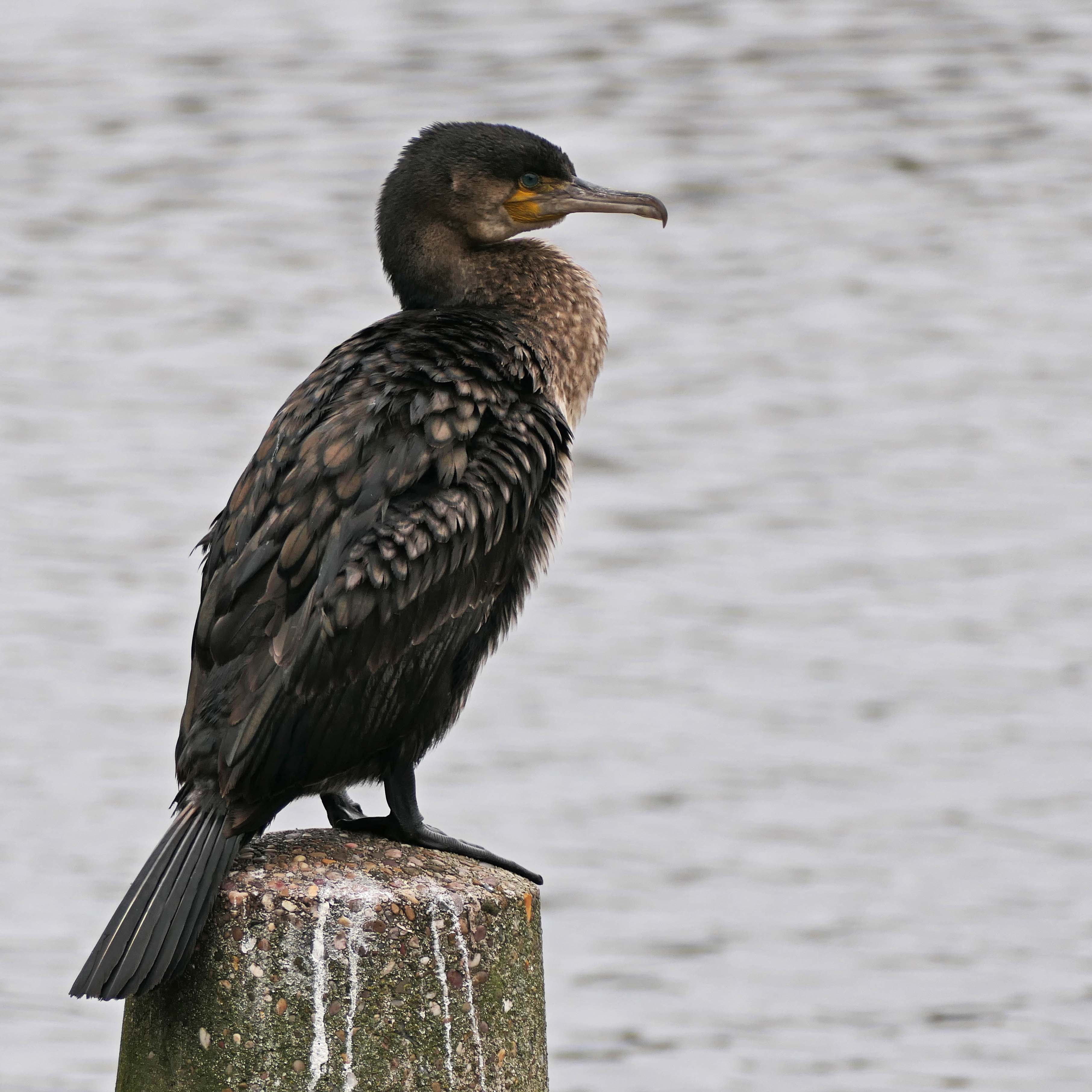
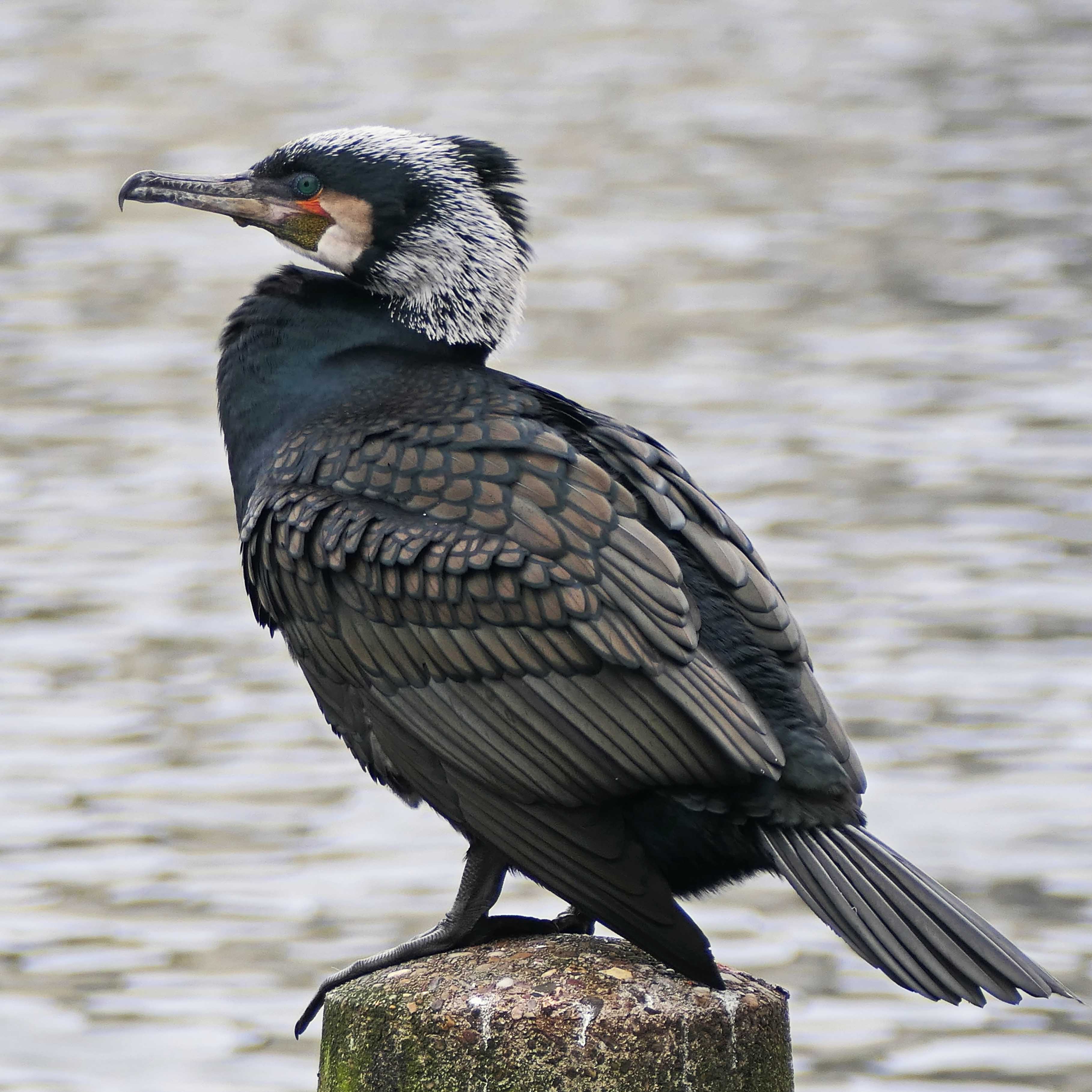
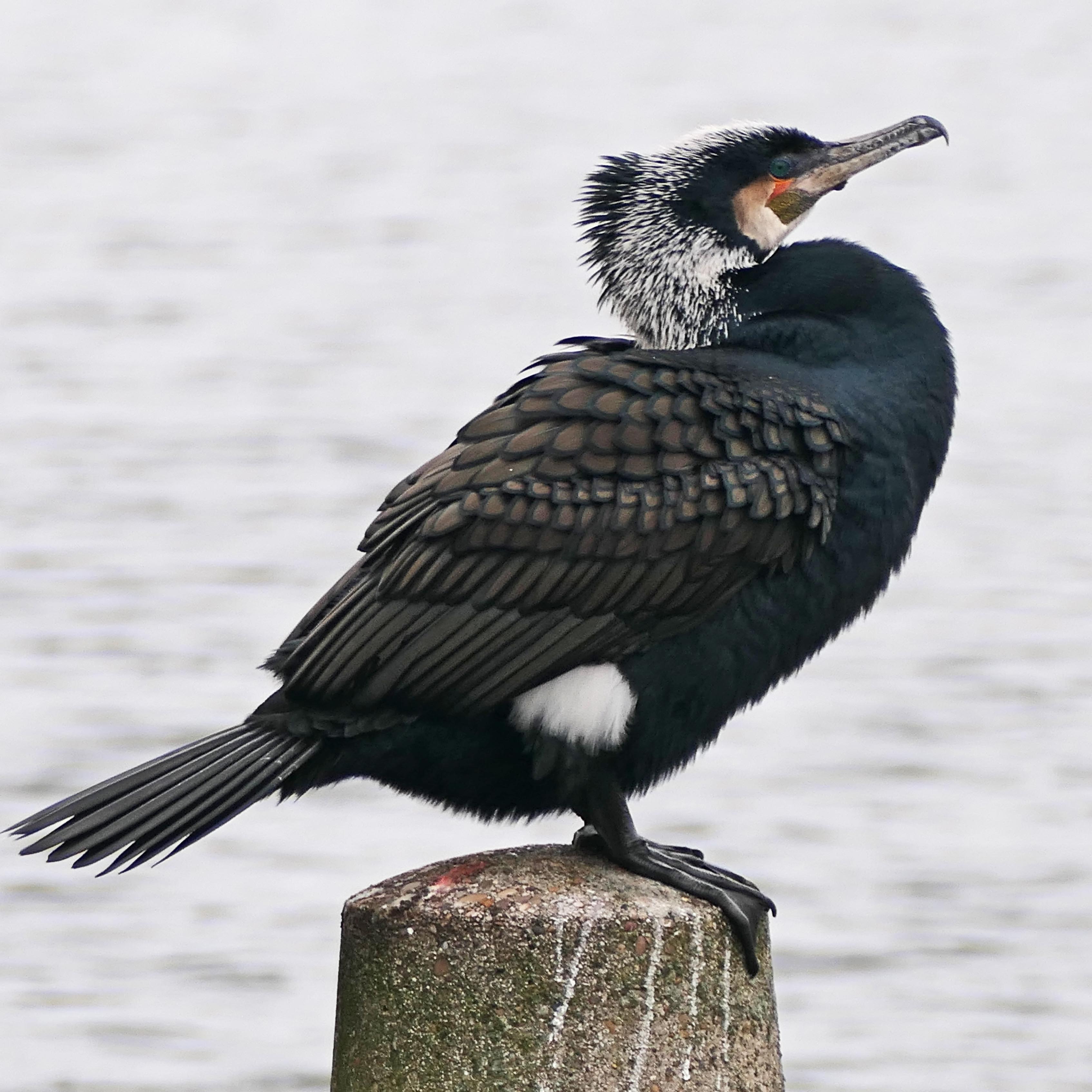
But there was a consolation prize from my seven-mile walk: the one bird that did pose well for me, allowing a close look at its stunning plumage and some reasonable photos as I watched it drying its wings, this handsome young Cormorant.
You must be logged in to post a comment.