• ABOUT
  • BIRDING 2018
  • Birding 2019
  • BLOG POSTS
  • Butterflies 2018
  • Resources

earthstar

~ a celebration of nature

earthstar

Tag Archives: British beetles

B is for bugs and beetles

07 Sunday Dec 2025

Posted by sconzani in insects

≈ 2 Comments

Tags

British beetles, British bugs, Juniper shieldbug, Kleidocerys resedae, new beetle finds, new bug finds

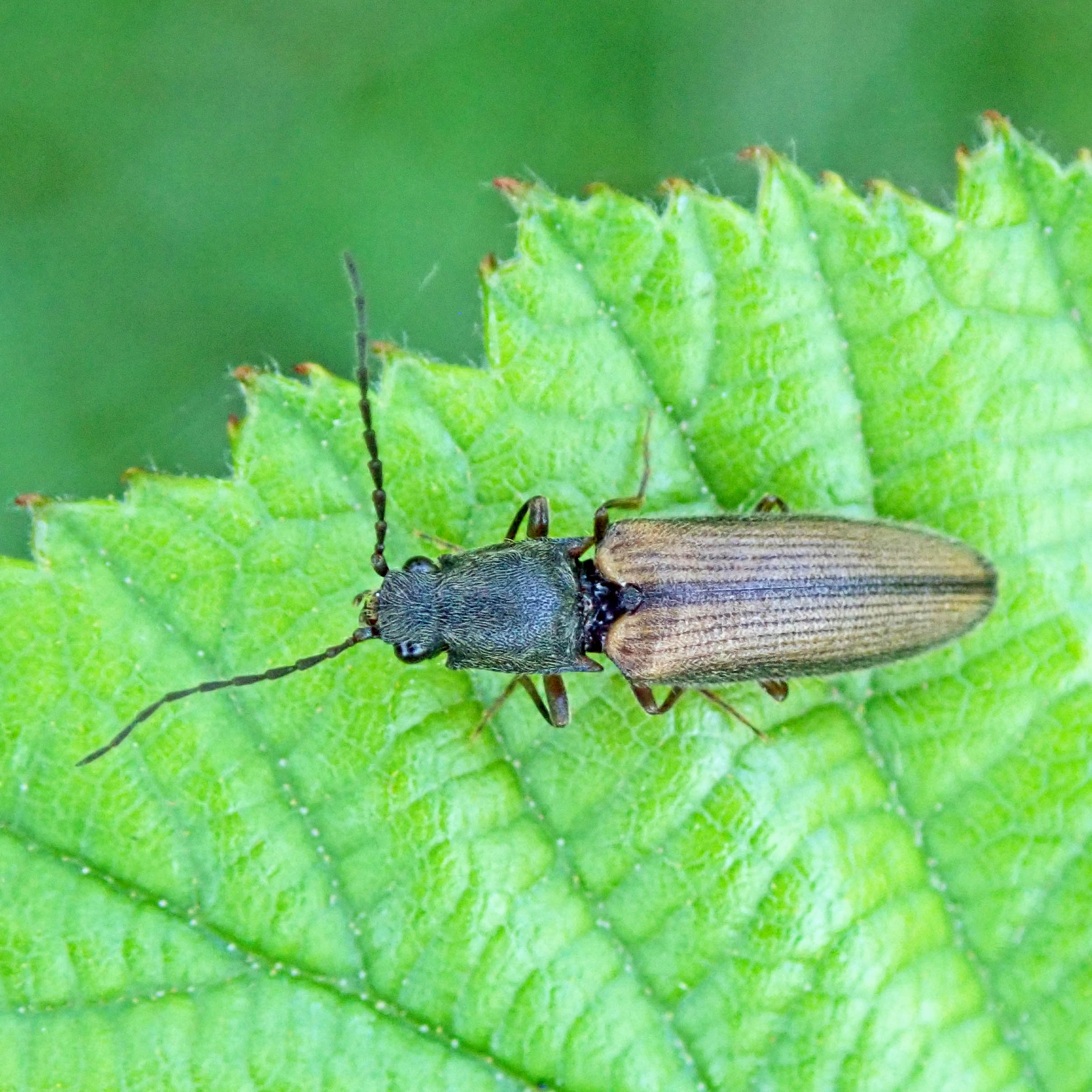
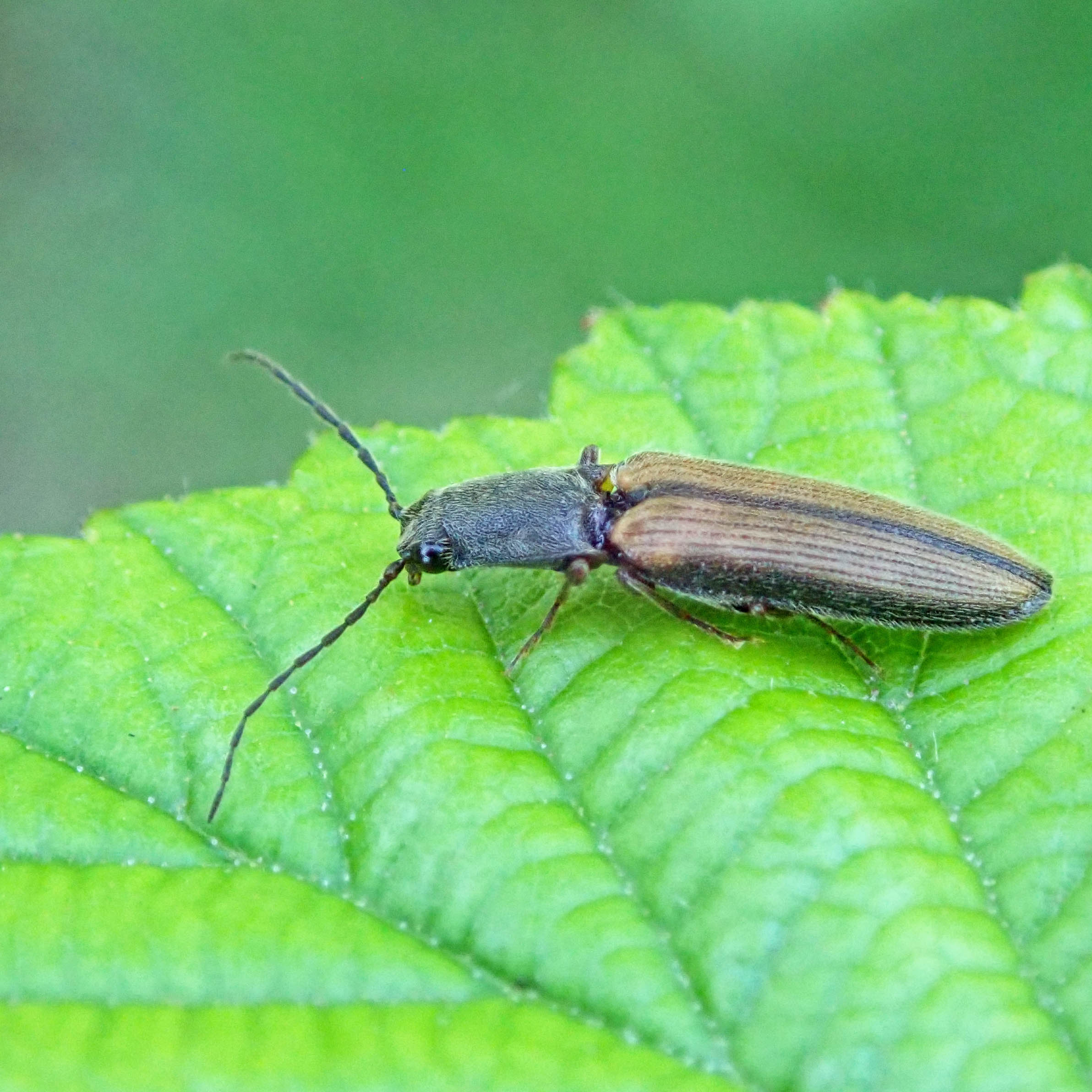
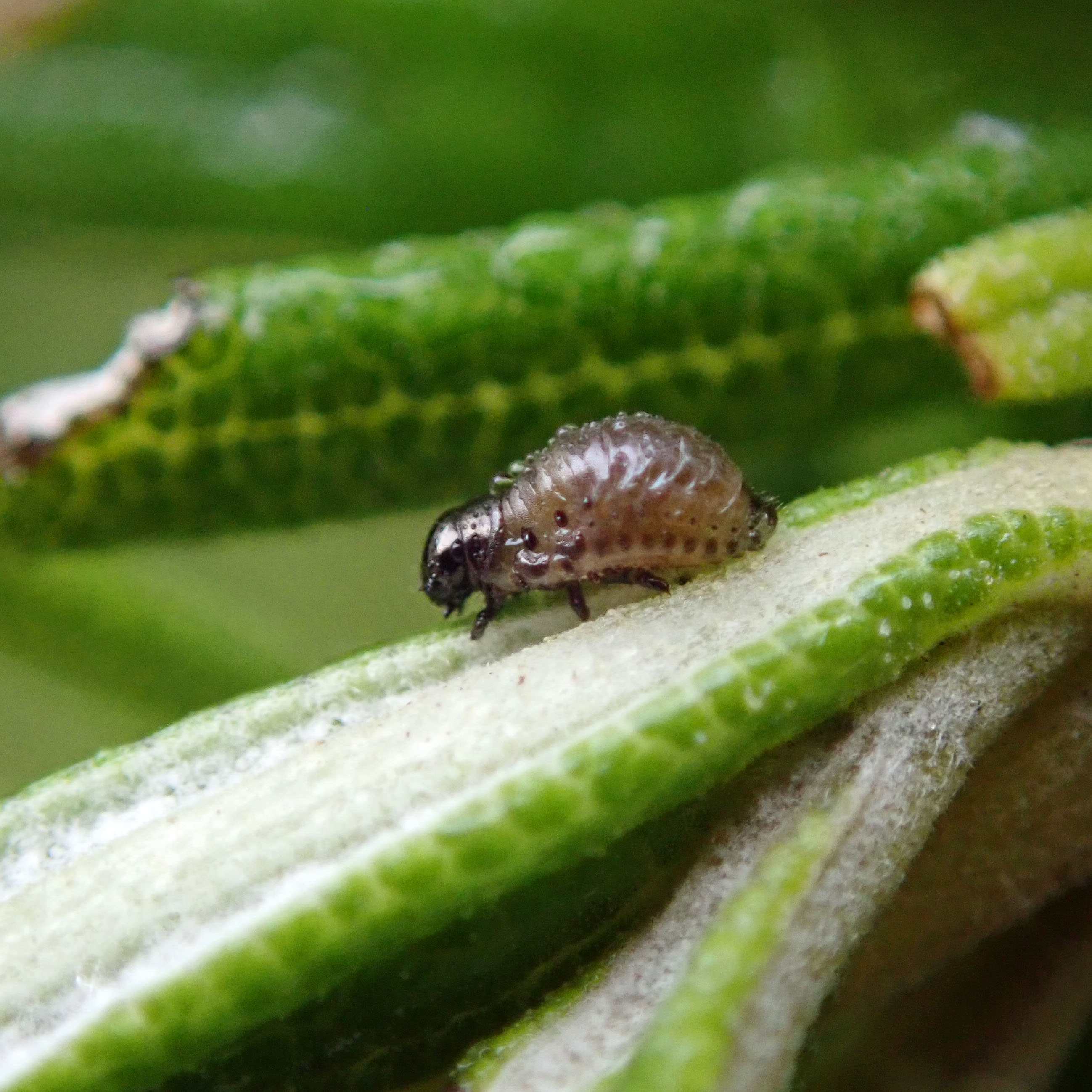
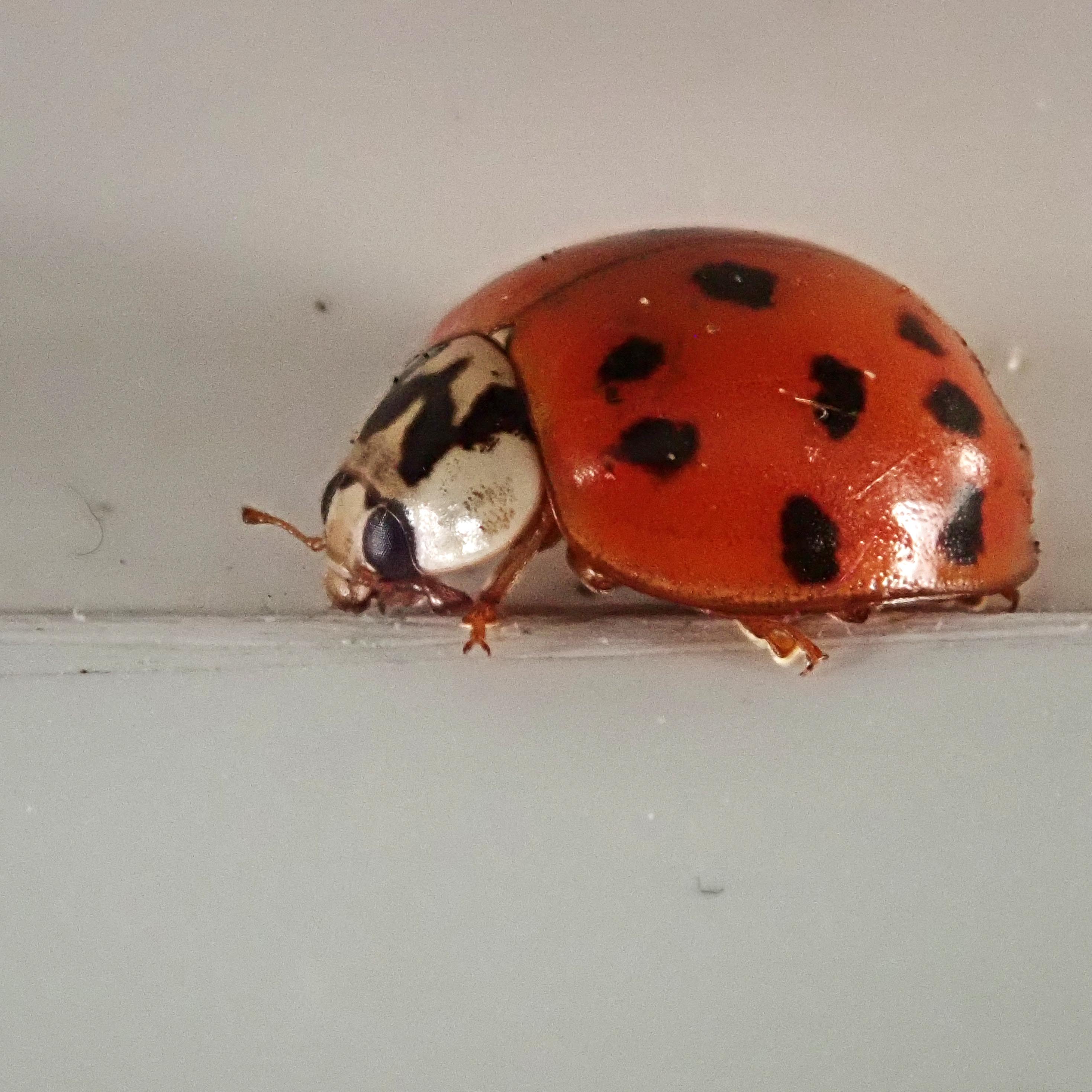
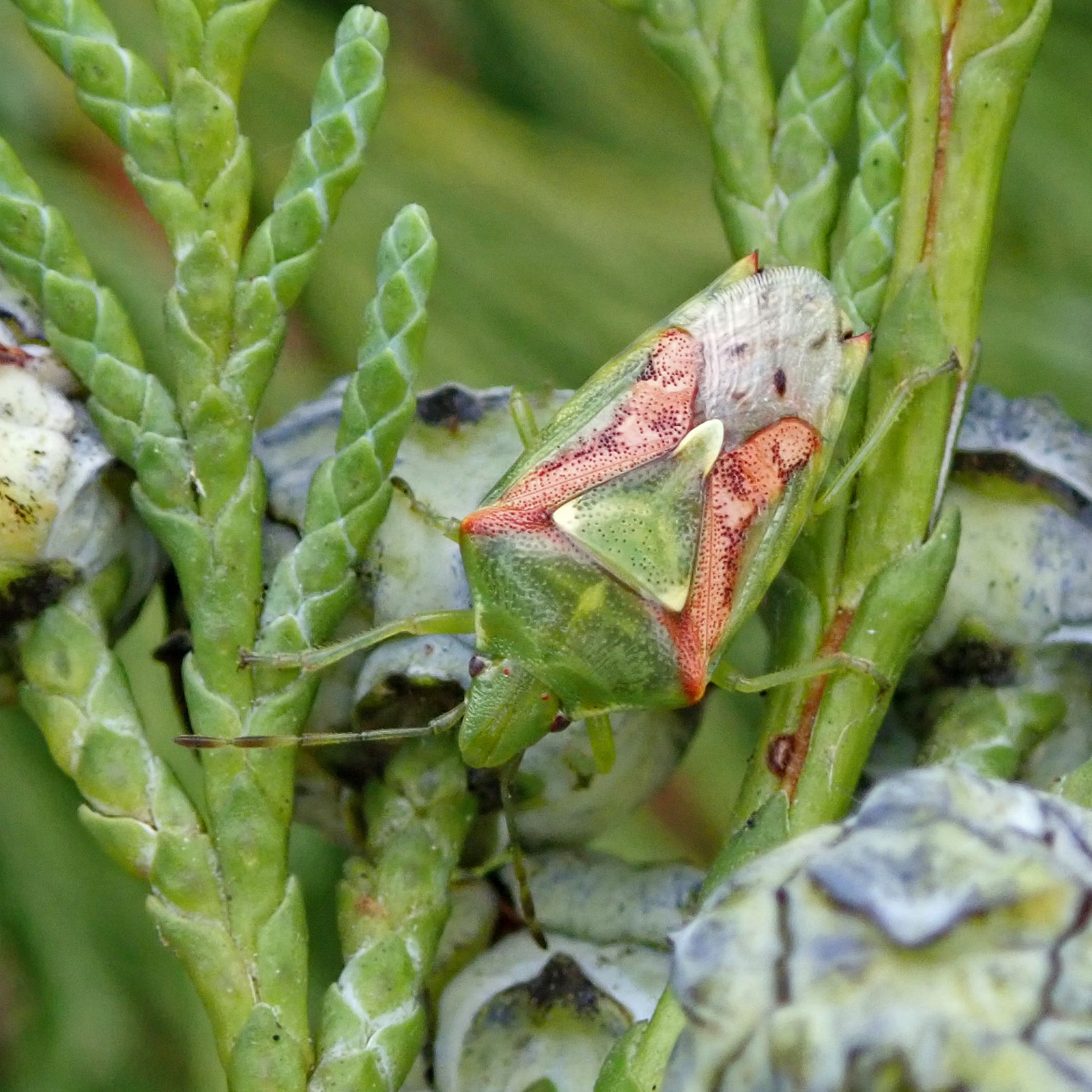
One of my wildlife aims this year has been to try to find as many new species, of all kinds, as possible, and I’ve been extremely lucky to have found many new-to-me bugs and beetles. These include Lesser thorn-tipped longhorn beetle, 4 January; My first Pine ladybird, 10 March; My first Eyed ladybird, 22 April; Fine streaked bugkins, 26 April; Cyllecoris histrionius, adult and nymph, 12 May; Cantharis decipiens, 13 May; Cacopsylla ambigua, 29 May; Rhopalus subrufus, 6 June; Rhabdomiris striatellus, 10 June; Bug: Deraeocoris flavilinea, 28 June; Beetle: Grammoptera ruficornis, 30 July; Beetle: Four-banded longhorn, 2 August; and Bug: Megacoelum infusum, 12 September.

I was particularly chuffed to find my first Juniper shieldbugs (Juniper shieldbug, 3 June) and, now that I know to look for them on some other tree species, I’ve managed to find them on four separate occasions, three of those in the same location as my initial find, on a Cypress growing in a local park, and the other on a different Cypress species growing in one of Cardiff’s oldest cemeteries, alongside Llandaff Cathedral.

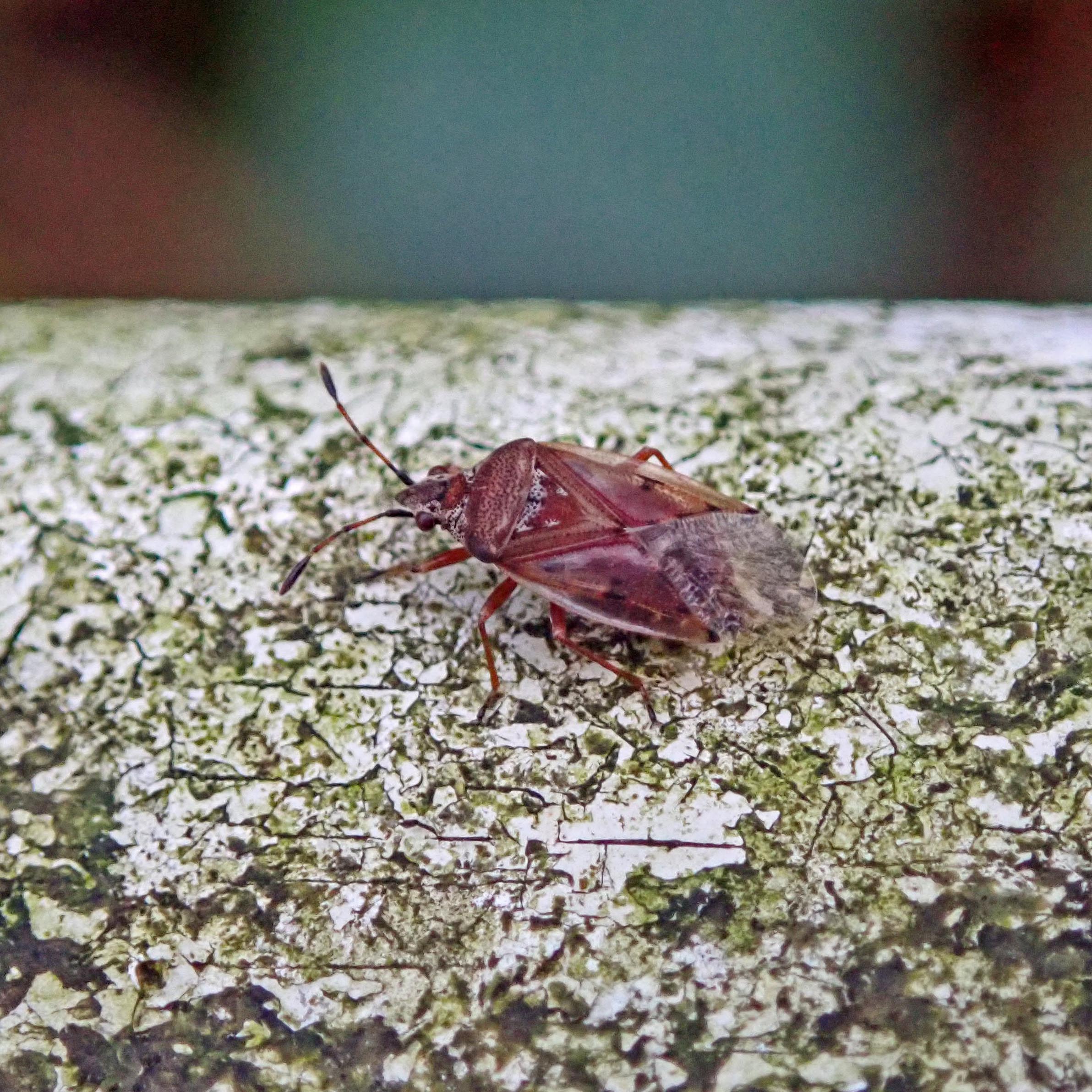
Another new bug that I think is particularly attractive is Bug: Kleidocerys resedae. I wrote about that on 27 June, and this is another species that I’ve managed to re-find, on 15 November, when I spotted three different adult bugs within a few metres of each other.

Like Loading...

Beetle: Four-banded longhorn

02 Saturday Aug 2025

Posted by sconzani in insects

≈ Leave a comment

Tags

British beetles, British insects, British longhorn beetles, Four-banded beetle, Leptura quadrifasciata, Longhorn beetle, yellow-and-black longhorn beetle

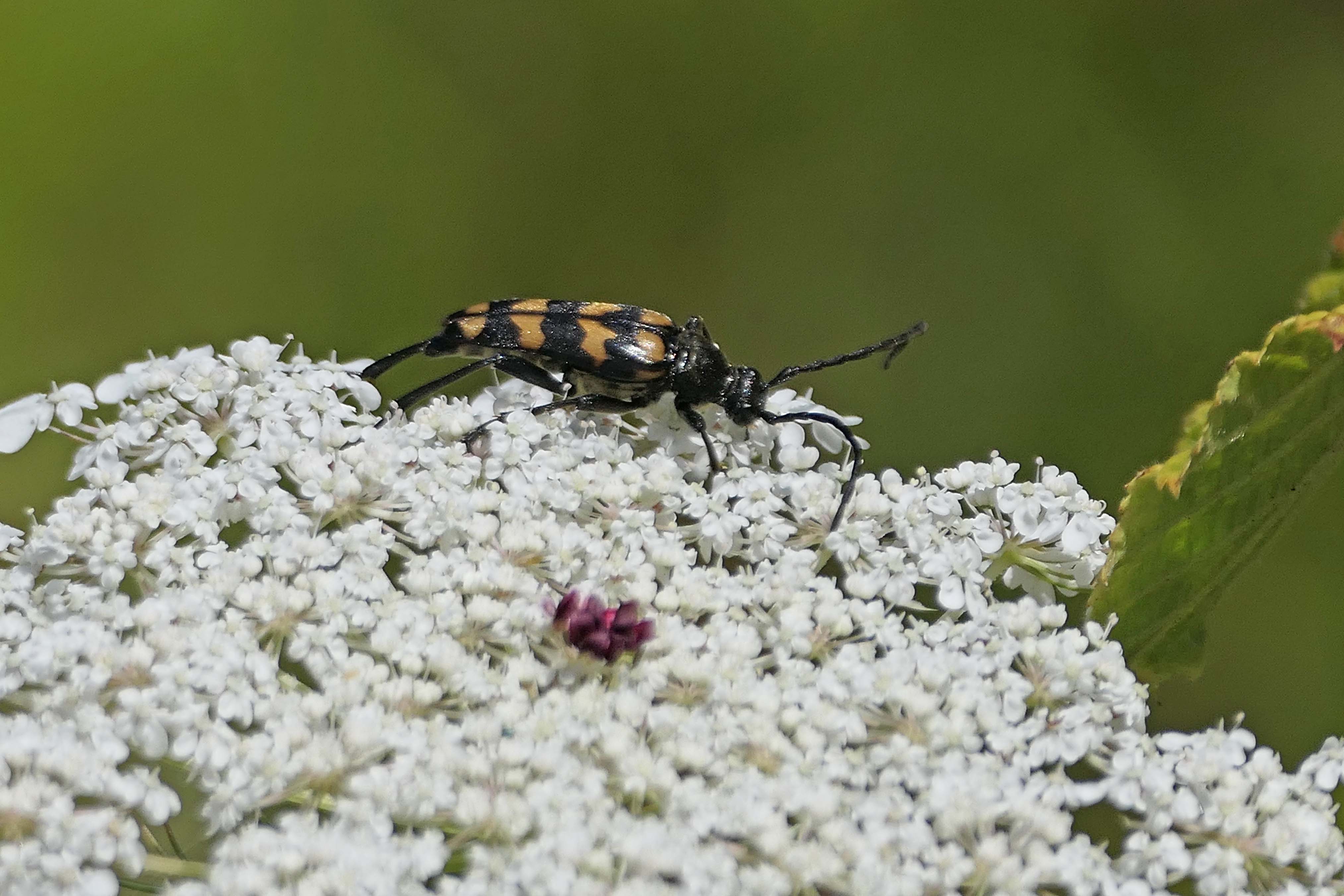
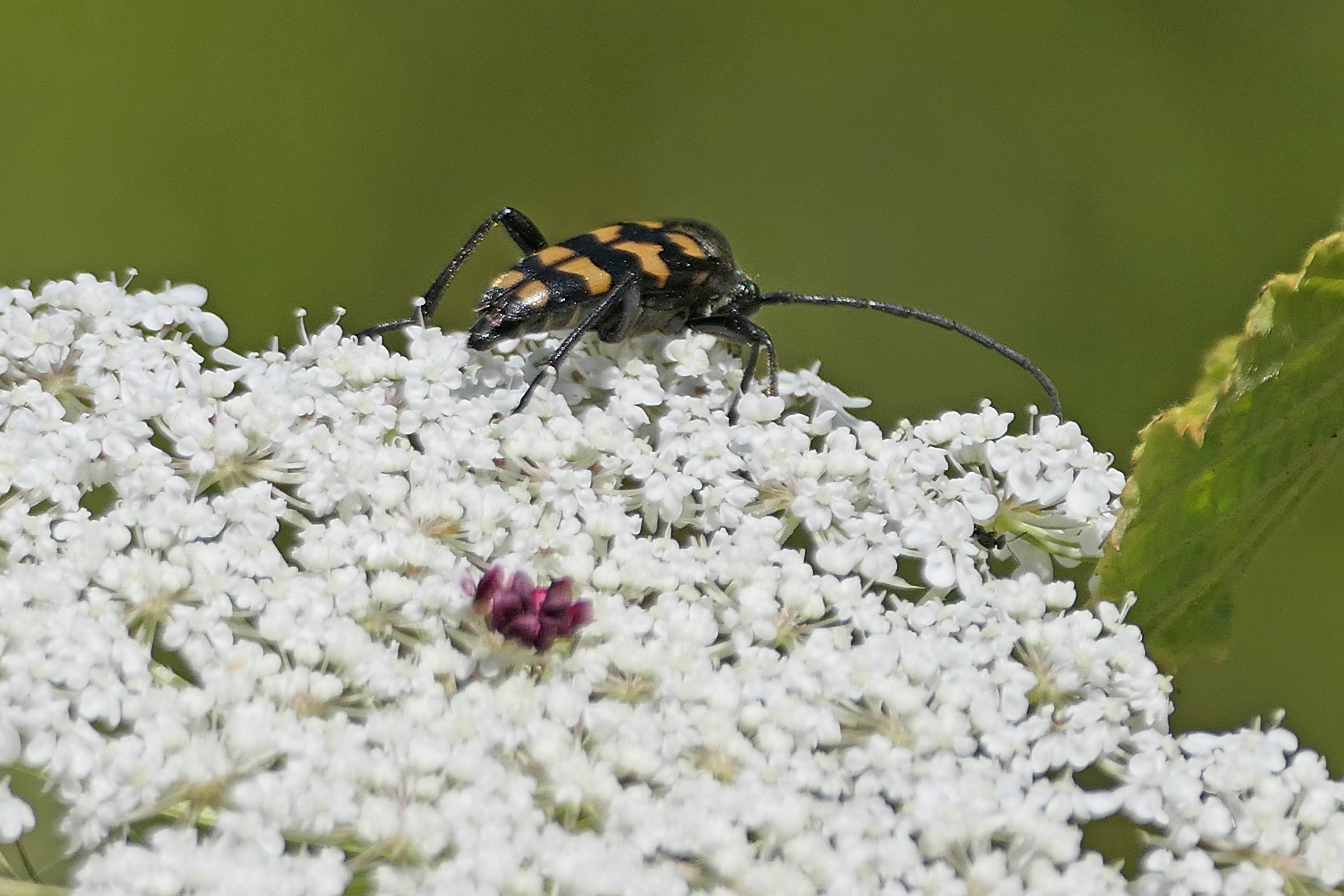
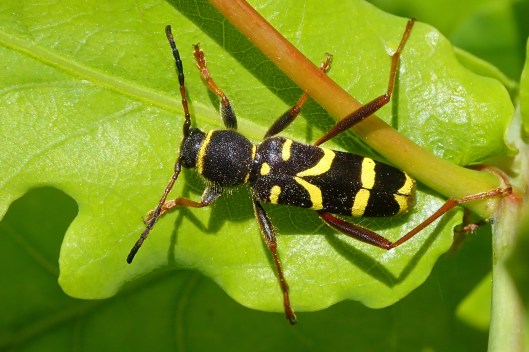
This is my second recent new longhorn beetle find, Leptura quadrifasciata, also known as the Four-banded longhorn – the reason for that name will be immediately obvious, I’m sure.

Interestingly, these beetles are associated with old woodland, though I found this one feeding on a Wild carrot flower (they feed on umbellifers) on the edge of Cardiff’s Grangemoor Park, a former landfill site. The nearest old woodland would probably be about a mile away in a direct line, quite a long flight for a beetle.

At first glance, Leptura quadrifasciata looks quite similar to the other yellow-and-black longhorn beetle, the Spotted longhorn Rutpela maculata, but the four bands on the former’s abdomen are quite regular and precise whereas the markings on the latter are more random and splotchy. My immediate impression of Leptura quadrifasciata was of a darker-looking beetle than Rutpela maculata, which always looks quite bright to my eye, and that’s actually what made me look closer; one of my ‘Oh, what are you?’ moments!

Like Loading...

Beetle: Grammoptera ruficornis

30 Wednesday Jul 2025

Posted by sconzani in insects

≈ Leave a comment

Tags

beetle, British beetles, British insects, British longhorn beetles, Grammoptera ruficornis, Longhorn beetle

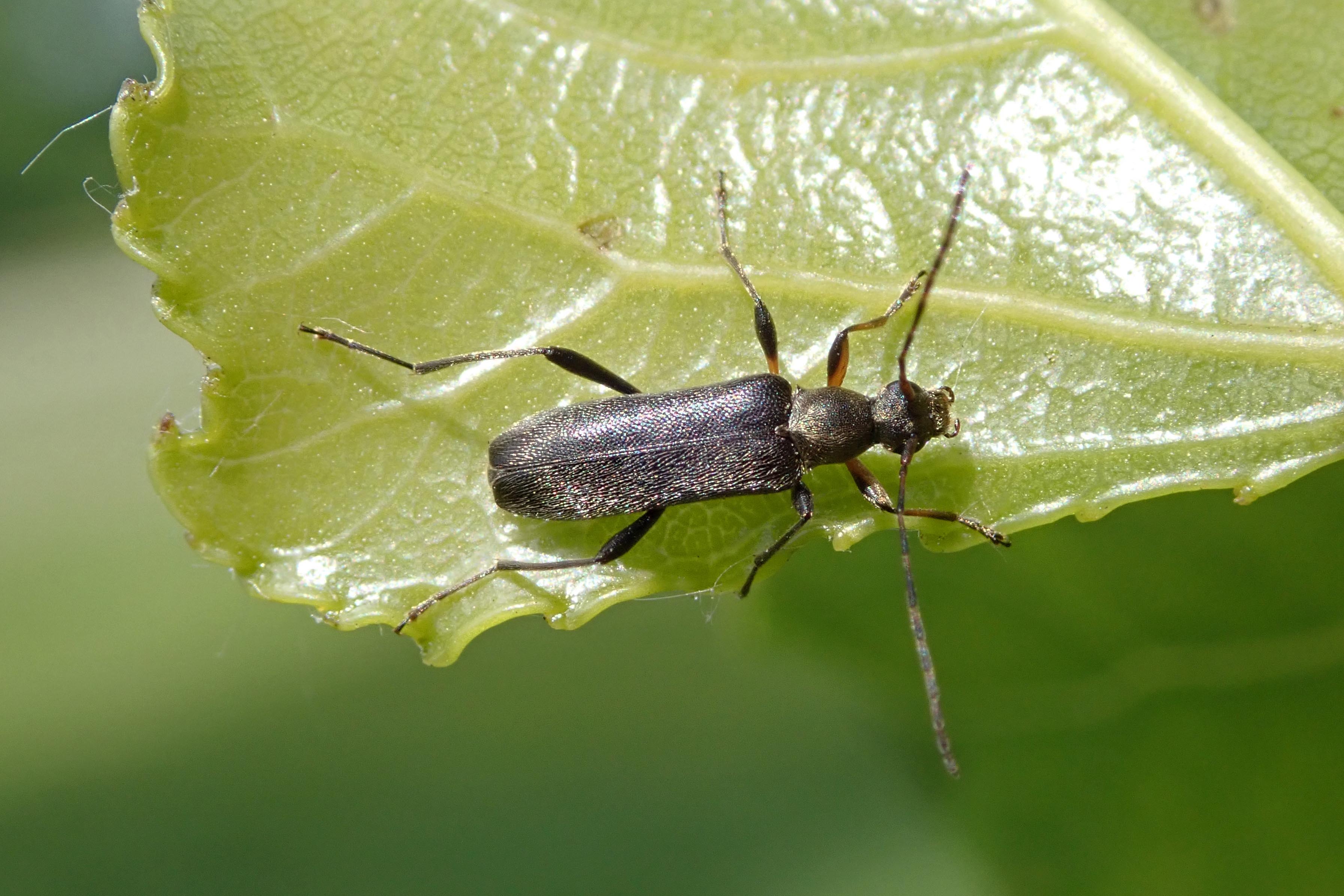
This is one of two new longhorn beetles I’ve found recently, not because I was specifically searching for them, just pure happenstance. (The second species will appear here on Saturday.)

This first is quite small for a longhorn beetle, is a dull brown and has wing cases covered in silken hairs, which, as you can see, make it look quite shiny. Adult longhorn beetles feed on the pollen and nectar of flowers, in the case of Grammoptera ruficornis, the flowers of Hogweed and Hawthorn in particular. The Naturespot website entry for this beetle warns that there are three similar-looking longhorns but, fortunately, the other two species are rarely seen and there are particular features of their antennae that can be used to separate the species.

Like Loading...

Thistle tortoise beetle

20 Tuesday May 2025

Posted by sconzani in insects

≈ Leave a comment

Tags

beetle egg-laying, bettle, British beetles, Cassida rubiginosa, Thistle tortoise beetle, tortoise beetles

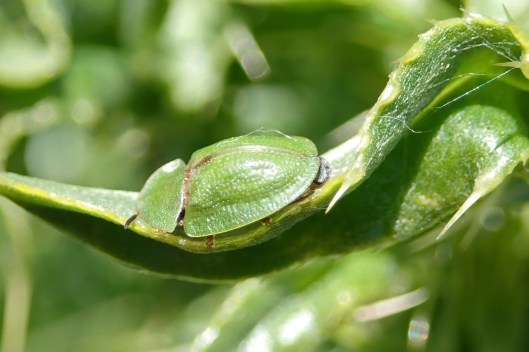
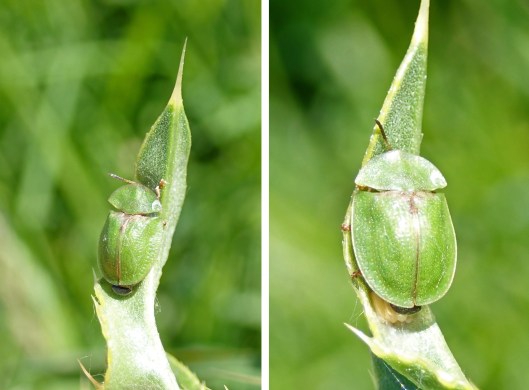
Back in 2022, I blogged about this beetle’s bizarre larvae, the ones that carry their own poo above their backs as camouflage (see Thistle tortoise beetle larvae, July 2022). It’s taken me almost three years to spot an adult Thistle tortoise beetle (Cassida rubiginosa) but, now that I see how well they blend in to their thistle surroundings (no poo required), I understand why.

I also understand now why they’re called tortoise beetles, as their ‘shell’ really is tortoise-like. And, even better, if you look closely at the rear end of the beetle in the photo below right, you may be able to spot some tiny cream-coloured tubes – this beautiful beetle was a female and she was egg-laying.

Like Loading...

A Wasp beetle

03 Saturday May 2025

Posted by sconzani in insects

≈ Leave a comment

Tags

beetle, beetle that mimics a wasp, British beetles, Clytus arietis, Wasp beetle

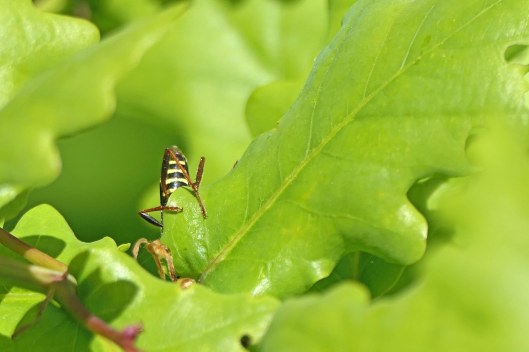
Some of the creatures I encounter when leaf fossicking are off in the blink of an eye and I get no more than a tantalising glimpse of something intriguingly colourful disappearing into the undergrowth. For a horrible moment this morning, I thought that was going to be the case when I spotted the stripey underbelly of this Wasp beetle (Clytus arietis) heading behind a leaf.

Luckily for me, it re-emerged on the other side, then proved remarkably tolerant of me and my camera as I took lots of photos. I’ve only seen this wasp-mimicking beetle once before and that was back in 2016, so I was particularly pleased it proved co-operative for me today.

Like Loading...

My first Pine ladybird

10 Monday Mar 2025

Posted by sconzani in insects, ladybird

≈ Leave a comment

Tags

British beetles, British ladybirds, Exochomus quadripustulatus, ladybird, Pine ladybird

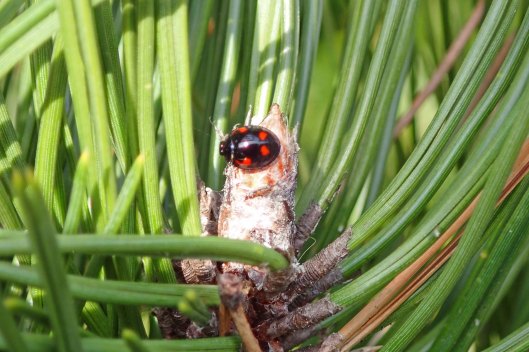
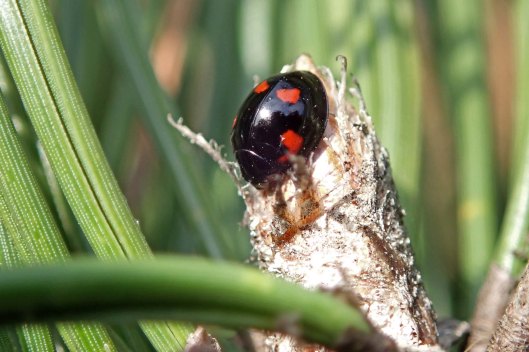
I don’t know why this has taken me so long but yesterday, by sheer chance, I finally found my first Pine ladybird (Exochomus quadripustulatus), which also happened to be the 1600th species I’ve recorded with my local biodiversity records centre since I first started recording back in February 2016.

At first, I wasn’t entirely sure it was a Pine ladybird but a ladybird sitting on a Pine tree had to be a strong contender so I took some photos and, when I checked later at home, I was able to confirm that the red splodges that look a bit like commas on the front of its black wing-casings (elytra) are diagnostic.

The Pine ladybird is listed as common throughout much of England and Wales, though, in fact, there are only nine records of this little ladybird, dating from 2007-2022, in my local 10km grid square, and that is my excuse for not having found it before now! You can see a map of its distribution on the UK Beetle Recording website here.

Like Loading...

Lesser thorn-tipped longhorn beetle

04 Saturday Jan 2025

Posted by sconzani in insects, winter

≈ Leave a comment

Tags

British beetles, British insects, Lesser thorn-tipped longhorn beetle, Pogonocherus hispidus

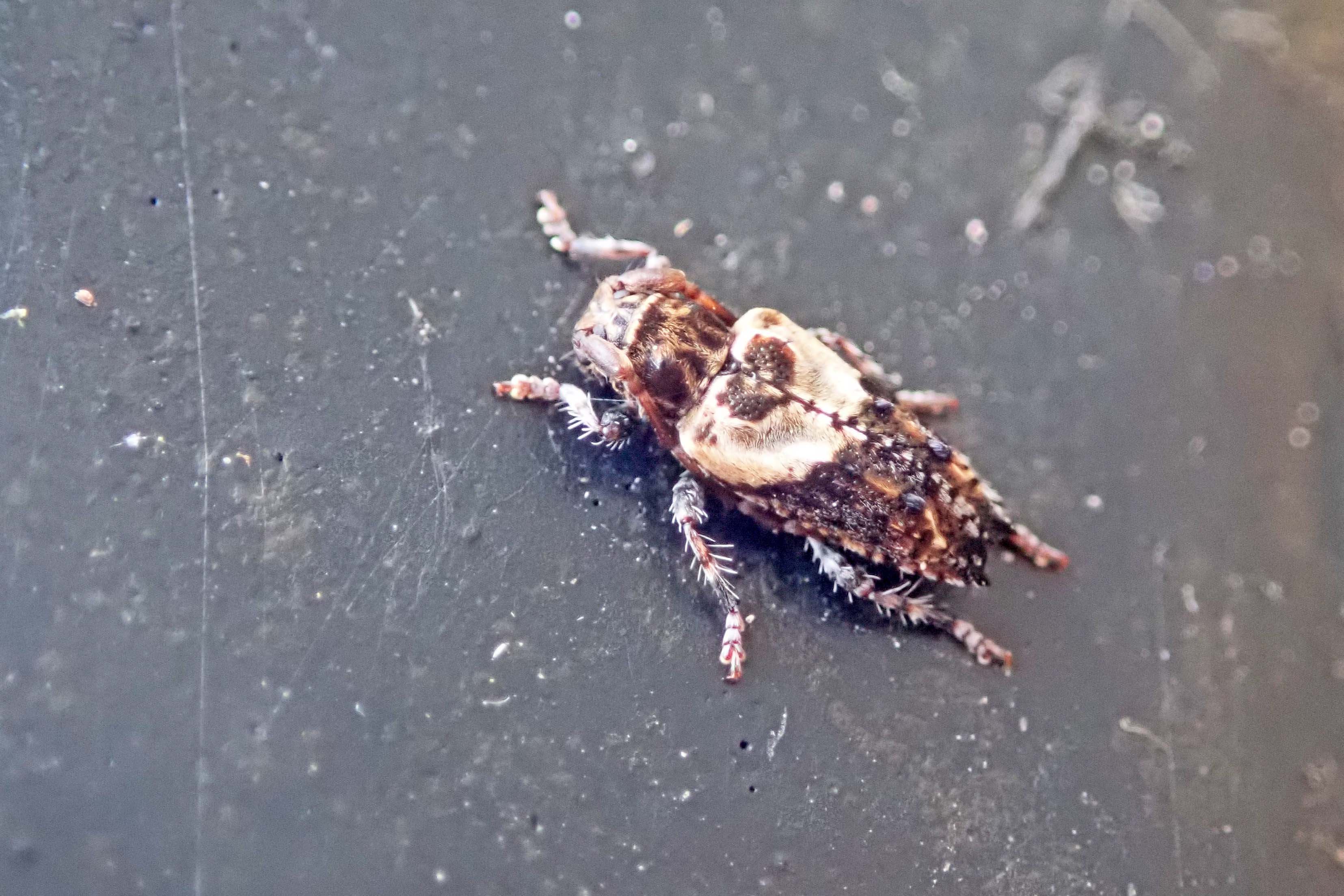
On 9 December, once again on the local park railings (I check them regularly now as I keep finding interesting creatures on them), I found my first ever Lesser thorn-tipped longhorn beetle (Pogonocherus hispidus). It’s thought to resemble a bird-dropping for camouflage, and named ‘thorn-tipped’ because of the thorn-like projections at the tips of its elytra (wing cases). I wondered, on social media, about its presence on the railings, and one of my followers provided the likely reason: ‘I think they get blown out of trees in windy weather. We get them on gravestones under trees in our local cemetery after high winds.’ The specimen I found has its ‘long horns’ tucked in at its sides so I recommend you take a look at the much clearer photos of this odd-looking beetle and read more about it in one of Steven Falk’s Flickr albums here.

250104 Lesser Thorn-tipped Longhorn Beetle

Like Loading...

Alder leaf beetles

18 Thursday Jul 2024

Posted by sconzani in insects

≈ Leave a comment

Tags

Agelastica alni, Alder leaf beetles, blue beetles, British beetles, leaf beetles

Much to my surprise, my record of Alder Leaf Beetle (Agelastica alni) was the SEWBReC (South East Wales Biodiversity Records Centre) record of the week for week ending 12 July. I had thought these beetles were common so was a little surprised to read in SEWBReC’s social media post that ‘It is expanding its range, so any records help track its spread.’ So, I took a look at the NBN Atlas map, which shows there are few records so far in south Wales, and I also checked the UK Beetles website, which notes

It was formerly considered extinct in the UK; it was recorded a few times from widely scattered localities across England during the mid-20th century but following its rediscovery in 2004 in northwest England it has spread rapidly and it is now locally common and often abundant across the south of England and the midlands and it seems to be increasing in range and abundance.

240718 alder leaf beetles (1)

As well as several of the shiny blue adult beetles, my leaf-bothering had turned up lots of larvae. The UK Beetles website also gives interesting details about these tiny creatures:

females oviposit during May and June …attach groups of eggs to the underside of host foliage, usually between 50 and 70 eggs in each batch and each will lay between 200 and 250 … Larvae emerge 10-12 days later, they pass through 3 instars and are fully grown within 25-30 days; they feed communally but in the last instar disperse throughout the host plant, they are very distinctive and easily recognized; elongate and pale grey when small and shiny black as final instars.

240718 alder leaf beetles (2)

Like Loading...

Two longhorns

16 Tuesday Jul 2024

Posted by sconzani in insects

≈ Leave a comment

Tags

British beetles, Longhorn beetles, Rutpela maculata, Spotted longhorn beetle, Stenocorus meridianus

I’m sure many of you will have seen this first longhorn beetle, the Spotted longhorn (Rutpela maculata). Though the patterns may vary, its colourful yellow-and-black colouring is quite distinctive, and it is our most common longhorn beetle, though it doesn’t frequent the more northerly parts of Britain. Look for it along the edges of woodland rides and in hedgerows, particularly on the flowers of Hawthorn and various species of umbellifer, throughout the summer months.

240716 rutpela maculata

My second longhorn was a new discovery for me, once again from my recent visit to Slade Wood: this is Stenocorus meridianus (no common name). The fragmented broadleaf woodland of Slade Wood – where a lot of non-native trees have been felled in recent years to make way for native species – is the ideal habitat for this beetle, as it likes to feed on the flowers growing in sunny locations along woodland rides and on the edges of clearings. It is a large beetle, between 15 and 25mm, quite triangular in shape with its broad shoulders tapering to a more narrow apex. Its head and thorax are black (though that’s not so obvious when it’s covered in white pollen like this beastie), and the colour of its electra (wing covers) can vary from pale brown to black.

240716 Stenocorus meridianus

Like Loading...

Metallic green beetles

03 Wednesday Jul 2024

Posted by sconzani in insects

≈ Leave a comment

Tags

British beetles, British insects, Cryptocephalus aureoles, green beetles, metallic green beetles

There are other species of similar metallic green beetles in Britain, but the UK Beetles website says only one (Cryptocephalus hypochaeridis) is likely to cause confusion, so I think I’ve got my identification right here. Meet Cryptocephalus aureoles, a beetle that is reasonably common in much of southern Britain, particularly in sunny, open, dry environments, like woodland and countryside footpath edges, roadsides, embankments and, in my case, the south-facing slope of a coal spoil tip.

240703 Cryptocephalus aureolus (1)

Though the adults can be seen from April through to September, they are particularly active in June and July, when they are often to be found feeding on various species of plants with yellow flowers – hawkweeds (Hieraceum sp.) and cat’s-ears (Hypochaeris sp.) are particular favourites.

240703 Cryptocephalus aureolus (2)

Somewhat surprisingly, their exact life cycle has not been confirmed. The UK Beetles website explains that, after mating,

oviposition occurs from late spring; each egg being coated with faecal matter and secretions and dropped to the ground by the female. Larvae emerge after three or four weeks, depending on the temperature, and develop through the summer, it is not known which stage overwinters but young larvae have been recorded late in the summer and so it is likely to be as larvae which complete their development and pupate in the spring

Like Loading...
← Older posts

About me

sconzani

sconzani

I'm a writer and photographer; researcher and blogger; birder and nature lover; countryside rambler and city strider; volunteer and biodiversity recorder.

View Full Profile →

Follow earthstar on WordPress.com

Enter your email address to follow this blog and receive notifications of new posts by email.

Recent blog posts

  • M is for mite December 18, 2025
  • L is for lepidopteran lifers December 17, 2025
  • K is for Keeled skimmers December 16, 2025
  • J is for Jersey tiger December 15, 2025
  • I is for Ichneumon December 14, 2025

From the archives

COPYRIGHT

Unless otherwise acknowledged, the text and photographs on this blog are my own and are subject to international copyright. Nothing may be downloaded or copied without my permission.

Fellow Earth Stars!

  • Unknown's avatar
  • Unknown's avatar
  • Unknown's avatar
  • Unknown's avatar
  • Unknown's avatar
  • Unknown's avatar
  • Unknown's avatar
  • Unknown's avatar
  • Unknown's avatar
  • Unknown's avatar
  • Unknown's avatar
  • Unknown's avatar
  • Unknown's avatar
  • Unknown's avatar
  • Unknown's avatar
  • Unknown's avatar
  • Unknown's avatar
  • Unknown's avatar
  • Unknown's avatar
  • Unknown's avatar
  • Unknown's avatar
  • Unknown's avatar
  • Unknown's avatar
  • Unknown's avatar
  • Unknown's avatar
  • Unknown's avatar
  • Unknown's avatar
  • Unknown's avatar
  • Unknown's avatar
  • Unknown's avatar
  • Unknown's avatar
  • Unknown's avatar
  • Unknown's avatar
  • Unknown's avatar
  • Unknown's avatar
  • Unknown's avatar
  • Unknown's avatar
  • Unknown's avatar
  • Unknown's avatar
  • Unknown's avatar
  • Unknown's avatar
  • Unknown's avatar
  • Unknown's avatar
  • Unknown's avatar
  • Unknown's avatar
  • Unknown's avatar
  • Unknown's avatar
  • Unknown's avatar
  • Unknown's avatar
  • Unknown's avatar

Blog at WordPress.com.

Privacy & Cookies: This site uses cookies. By continuing to use this website, you agree to their use.
To find out more, including how to control cookies, see here: Cookie Policy
  • Subscribe Subscribed
    • earthstar
    • Join 667 other subscribers
    • Already have a WordPress.com account? Log in now.
    • earthstar
    • Subscribe Subscribed
    • Sign up
    • Log in
    • Report this content
    • View site in Reader
    • Manage subscriptions
    • Collapse this bar
 

Loading Comments...
 

You must be logged in to post a comment.

    %d