• ABOUT
  • BIRDING 2018
  • Birding 2019
  • BLOG POSTS
  • Butterflies 2018
  • Resources

earthstar

~ a celebration of nature

earthstar

Tag Archives: British birds

Birding at RSPB Lytchett Fields & Arne

02 Friday Nov 2018

Posted by sconzani in birds, nature

≈ Leave a comment

Tags

birding, birdwatching, British birds, Green sandpiper, Little egret, RSPB Arne, RSPB Lytchett Fields, Spoonbill, trip list

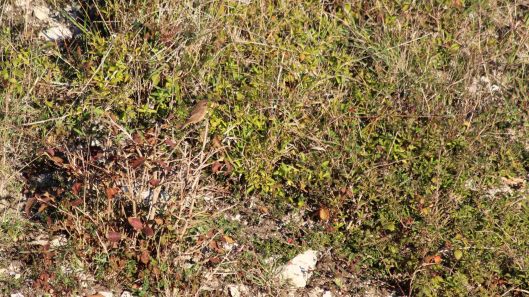
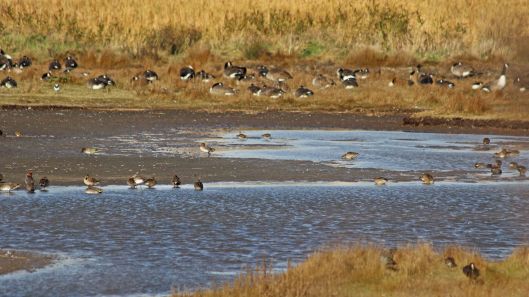
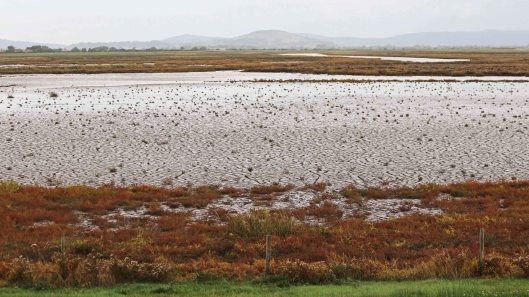
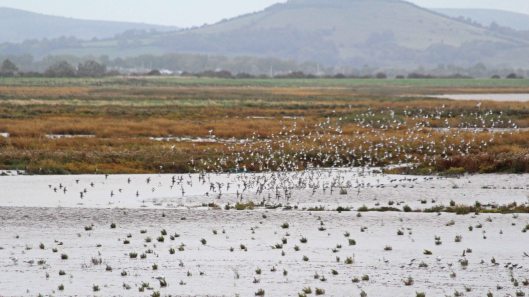
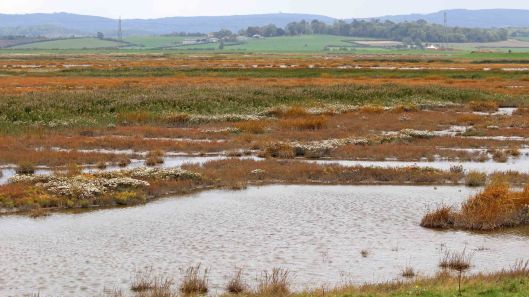
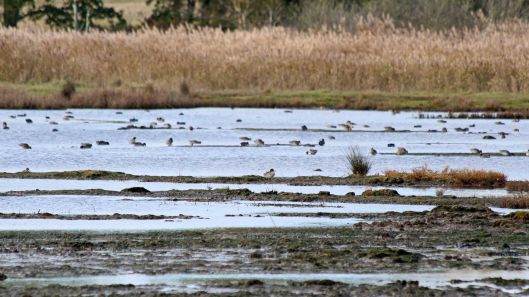
Sunday at Portland Obs dawned cold and windy – again – so, at around 9am, we set off on a meandering route back to south Wales. First stop was a reserve new to all of us, RSPB Lytchett Fields. In fact, it’s just plain new, having only been open to the public since 2013. Sitting on the northern edge of Poole Harbour, the fields contain a series of large and small pools, reed beds, wet grassland and sacrificial crops that are ideal for waders and over-wintering finches.
181102 (1) Lytchett Fields

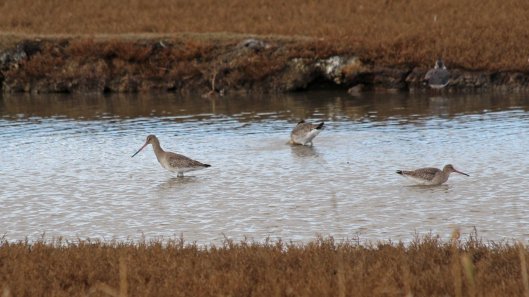
Teal seemed to be the dominant species during our visit but we also saw two Green sandpipers, Dunlins, Redshanks, Black-tailed godwits and a Common gull, as well as both Peregrine and Sparrowhawk out hunting. This reserve will only get better and is well worth a visit.

181102 (2) Green sandpiper

181102 (3) ArneFrom Lytchett Fields, it was a short drive to RSPB Arne, an enormous area of woodland and scrub on the western shores of Poole Harbour. Thanks to our knowledgeable team, at Arne I learnt to spot the difference between the holes made in trees by Great spotted and Lesser spotted woodpeckers – not surprisingly, the Great spotted’s hole (on the left) is, well, greater and the Lesser spotted’s (on the right) is smaller – but seeing them side by side was a really useful comparison.

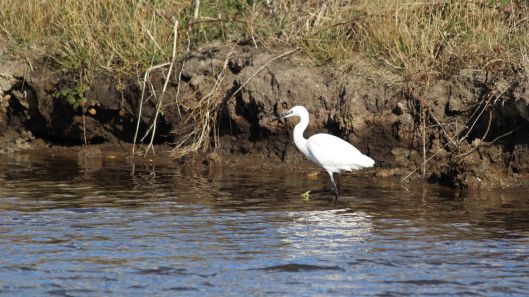
Our target species at Arne was the Dartford warbler but we couldn’t find the little blighters anywhere. However, the flock of 42 Spoonbills more than made up for them, and we also spotted Brent geese, Avocets, Wigeon, Curlew, lots of Little egrets, and one Grey plover, amongst other things (be sure to check tomorrow’s blog post for those).
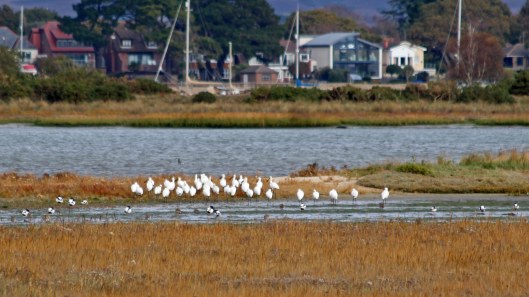
181102 (4) spoonbills

By mid afternoon we were back at the car park, a little footsore and weary, ready to start making our way homeward. Thanks to Alan, our organiser and team leader, and our wonderful group of birders/friends, and, of course, to all the fabulous birds we saw, it had been yet another excellent Glamorgan Bird Club trip – I do love them!
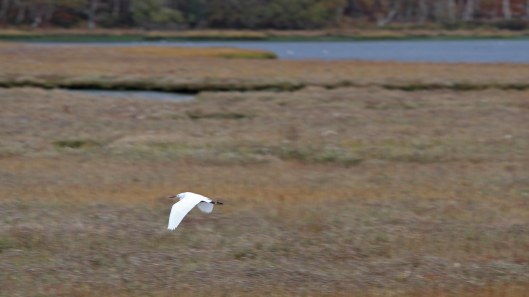
181102 (5) little egret

Here’s my list for the full 3 days, a total of 83 species: Mute Swan, Canada Goose, Brent Goose, Shelduck, Wigeon, Teal, Mallard, Pochard, Tufted Duck, Pheasant, Little Grebe, Spoonbill, Grey Heron, Little Egret, Gannet, Cormorant, Marsh Harrier, Sparrowhawk, Common Buzzard, Kestrel, Peregrine, Moorhen, Coot, Oystercatcher, Avocet, Ringed Plover, Golden Plover, Grey Plover, Lapwing, Knot, Dunlin, Ruff, Common Snipe, Black-tailed Godwit, Curlew, Green Sandpiper, Greenshank, Lesser Yellowlegs, Common Redshank, Black-headed Gull, Mediterranean Gull, Common Gull, Lesser Black-backed Gull, Herring Gull, Great Black-backed Gull, Turnstone, Feral Pigeon, Stock Dove, Woodpigeon, Collared Dove, Short-eared Owl, Magpie, Jay, Jackdaw, Carrion Crow, Blue Tit, Great Tit, Skylark, Cetti’s Warbler, Long-tailed Tit, Common Chiffchaff, Goldcrest, Wren, Nuthatch, Starling, Blackbird , Fieldfare, Song Thrush, Redwing, Robin, Stonechat, Dunnock, House Sparrow, Pied Wagtail, Meadow Pipit, Rock Pipit, Chaffinch, Brambling, Goldfinch, Linnet, Bullfinch, Corn Bunting, and, on the way home but still east of the M5, a Grey partridge flew up in front of the car.

The team total was 99, as the following birds were also seen or heard by members of our group: Pintail, Common Scoter, Water Rail, Great Crested Grebe, Shag, Bar-tailed Godwit, Sandwich Tern, Little Owl, Green Woodpecker, Great Spotted Woodpecker, Swallow, Rook, Raven, Coal Tit, Blackcap and Treecreeper.

Like Loading...

Birding on Portland

01 Thursday Nov 2018

Posted by sconzani in autumn, birds, nature

≈ Leave a comment

Tags

birding, birding on Portland, birdwatching, British birds, Chesil Beach, Fieldfare, Kestrel, Portland Bill, Portland Bird Observatory, Rock pipit, Stonechat

From Lodmoor we continued on towards Portland, stopping for a scan through the few birds on the water and shore at Ferry Bridge (but there wasn’t a lot of be seen) and for a wander through the quarries looking for the reported Ring ouzels at The Verne (turns out we were in the wrong place but the Stonechats were nice to see). Friday ended with us all settled in our rooms at the Obs (Portland Bird Observatory) and off for a meal at The Pulpit Inn.

181101 birding Portland (1)

181101 birding Portland (2)

Saturday was our day for birding around Portland but the weather really was against us on this year’s trip. The strong freezing northerlies and clear skies meant most migrating birds were being driven on above our heads, rather than being caught in the nets at the Obs or stopping over somewhere on the island to refuel.

181101 birding Portland (3)181101 birding Portland (4)

With nothing much happening on the sea or in the Obs garden, we had a wander down to the Bill and along the shore. Rock pipits, pied wagtails and a confiding Kestrel were about all we found there – no Purple sandpipers to be seen.

181101 birding Portland (5)181101 birding Portland (6)

From the Obs, we drove to Pennsylvannia and walked down the track to Church Ope Cove, checking all the while for the Yellow-browed warblers that had been seen there – no luck, unfortunately, but it was a lovely walk, with stunning views, and we did see some Stonechats.

181101 birding Portland (7)

Another walk took us between the various quarries and past the remains of windmills to The Hump, where Yellow-browed warblers had also been reported. Once again we lucked out … but saw more Stonechats!

181101 birding Portland (8)

Having walked back to the cars, we drove on to The Verne, to look once again (in the right place this time) for the Ring ouzels, but they remained elusive. It was another good walk though, with more cracking views, out over the sea and along the coast over Chesil Beach.

181101 birding Portland (9)

After a second look at Ferry Bridge (our first Knot of the trip spotted through the ’scopes), it was back to the Obs for the night and another meal, amidst much banter and laughter, at The Pulpit, though not before we indulged in a spot of Short-eared owl watching in the fields across the road from the Obs itself. Three birds seen flying – superb!

181101 birding Portland (10)

My first Fieldfare of the season in the Obs garden

Like Loading...

Birding at RSPB Lodmoor

31 Wednesday Oct 2018

Posted by sconzani in autumn, birds, nature

≈ Leave a comment

Tags

birding, birdwatching, Black-tailed godwit, British birds, Greenshank, Lapwing, Lesser yellowlegs, Little egret, Lodmoor, RSPB Lodmoor, Ruff, Snipe, Teal

Oh to have somewhere like RSPB Lodmoor as my local birding patch! Its 76 hectares of wetlands and grasslands, saltmarsh and reed beds are home to a huge variety of birds and often attract passing rarities, plus it’s a lovely place to walk and all within a mile of Weymouth town centre.

181031 birding Lodmoor (1)

This was our second stop on the way to Portland last Friday. Our target bird was the Lesser yellowlegs – amazingly, a Lesser yellowlegs was also at Lodmoor when we went to Portland in 2017 – but there were many other lovely birds to be seen, and, as I was able to get reasonably good photos, some of these birds will be getting their own blog posts in the coming days. So, here are some tasters of what you can expect to see at this outstanding reserve.

181031 birding Lodmoor (2)181031 birding Lodmoor (3)

Most of my photos of the Black-tailed godwits are like this first one – heads down, bottoms up – but I did manage to get some head shots.

181031 birding Lodmoor (4)

Just a few years ago Little egrets would have been a rare sight in Britain but not any more. They’re now well settled, breeding and frequently seen.

181031 birding Lodmoor (5)
181031 birding Lodmoor (6)

I love the colours in the Lapwings’ plumage. They look plain black and white from a distance but are, in fact, adorned in rich sumptuous greens. Such elegant birds.

181031 birding Lodmoor (7)

We saw several Snipe poking about in the mud for food.

181031 birding Lodmoor (8)

After the Canada geese, probably the second most abundant species of bird we saw was Teal, many of which were sheltering from the freezing wind behind clumps of reeds. If you look carefully, you can just see a Ruff in the centre near the reeds.

181031 birding Lodmoor (9)

The star of the Lodmoor show, the Lesser yellowlegs, seen here behind a Black-tailed godwit and to the left of 2 lovely Greenshanks. All three of these birds will be getting their own blog posts.

Like Loading...

Mega: Lapland bunting!

30 Tuesday Oct 2018

Posted by sconzani in autumn, birds, nature

≈ 3 Comments

Tags

birding, birdwatching, British birds, Cardiff Bay, Cardiff Bay Barrage, Lapland bunting

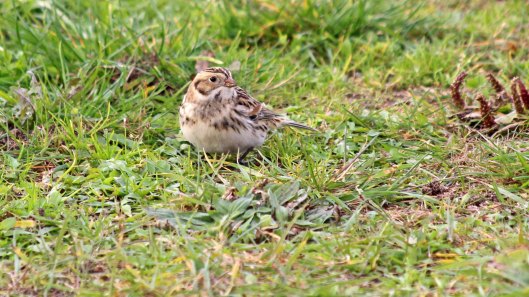
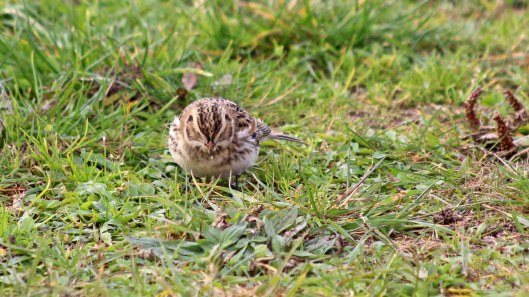
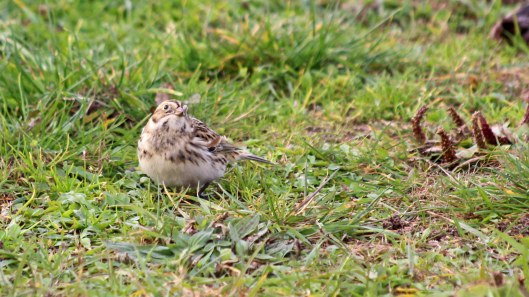
I’m interrupting my series of posts about my long weekend birding in Portland because today I found a rather special bird, a Lapland bunting, quite a rare bird for Cardiff.

181030 lapland bunting (1)

What first caught my eye was a Meadow pipit having a bath in the tiny pond on the Cardiff Bay Barrage and then, while watching and photographing that bird, I became aware that there was another bird very close by on the grass.

181030 lapland bunting (2)

I took some photos but, as I’ve never seen a Lapland bunting before, I thought this bird was a very pale Reed bunting. It wasn’t until I got home and looked more closely at my photos that I realised I had something different. After consulting my bird guide, I sent a couple of images to our county bird recorder and he confirmed what I was thinking (and hoping).

181030 lapland bunting (3)

As you might guess from its name, this little beauty is more at home in the Arctic than in Britain, though our recent chilly weather may well suit it. According to my RSPB Handbook of British Birds, only ‘about 700 birds are seen in Britain and Ireland most winters’ and it is ‘mostly an autumn and winter visitor, especially to the east coast of England and Scotland’. I guess the strong easterlies of recent days blew this one a little further than usual.

181030 lapland bunting (5)

Unfortunately, the birders who went looking for it this evening weren’t able to re-find it but I’ll be up and out bright and early in the morning, hoping to see it again.

181030 lapland bunting (4)

Like Loading...

Birding at Maiden Castle

29 Monday Oct 2018

Posted by sconzani in birds, nature

≈ 2 Comments

Tags

birding, birdwatching, British birds, Corn bunting, Glamorgan Bird Club, Golden plover, Kestrel, Maiden Castle

This past Friday to Sunday was the annual Glamorgan Bird Club long weekend trip to Portland Bird Observatory, and my second visit to the fascinating island of Portland. But first the trip down …

181029 birding at maiden castle (1)

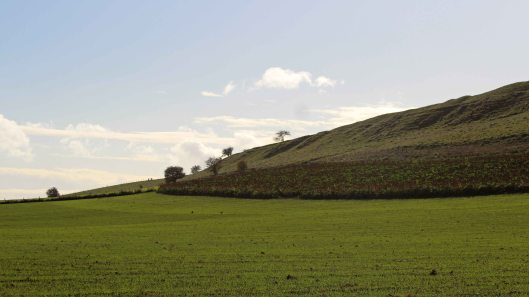
Eleven of us left south Wales in various car-share combinations and via various routes to meet up around 10am at Maiden Castle, just outside of Dorchester. The ‘castle’ is, of course, not a castle but rather an ancient Iron Age hillfort, one of the largest in Europe.

181029 birding at maiden castle (3)

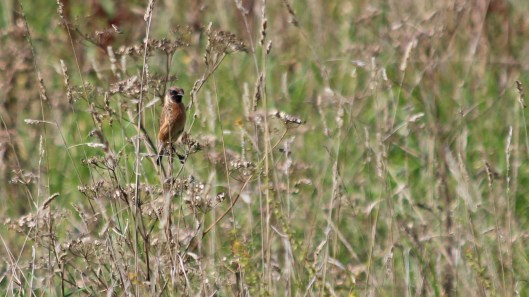
I still haven’t managed to explore the site itself, as our primary reason for meeting there is because we’re almost certain to see a Corn bunting, a bird we don’t get in Wales so it’s a year tick for most of us and a lifer for some. (You’ll need to believe me when I say that the small brown blob sitting on the fence is a Corn bunting.)

181029 birding at maiden castle (2)

Sitting in the field adjacent to the Maiden Castle carpark were over a hundred Golden plovers, a bird that seems common in this area as we also saw a large flock of them on the 2017 trip.

181029 birding at maiden castle (4)
181029 birding at maiden castle (5)
181029 birding at maiden castle (6)
181029 birding at maiden castle (7)

We were also treated to our first of many Kestrel sightings of the weekend. After a bit of fence-post sitting and some hovering, this beautiful little bird plunged down to the earth in a nearby field, having apparently caught something. It fluttered about several times, as if its prey was still alive and trying to escape and the Kestrel was having trouble subduing it.

181029 birding at maiden castle (8)

My long lens wasn’t quite long enough to identify the victim but, whatever it was, it seems it may have been too large and/or heavy for the Kestrel to carry as the bird eventually flew off empty-clawed.

181029 birding at maiden castle (9)

Soon afterwards – though probably unrelated – something spooked the Golden plovers and they treated us to a wonderful display of formation flying before settling again further off. And that was our cue also to head off, to our next stop en route to Portland.

Like Loading...

No. 198: Wryneck

25 Thursday Oct 2018

Posted by sconzani in birds, nature

≈ 6 Comments

Tags

birding, birdwatching, British birds, Jynx torquilla, woodpeckers, Wryneck

You’ve heard of a needle in a haystack? Well, that’s kind of what it was like trying to see this incredibly well-camouflaged little bird, my 198th species for the year and a lifer for me, a Wryneck.

181025 wryneck (1)

These first two uncropped photos were taken with my 300mm lens – can you spot the bird?

181025 wryneck (2)

It’s a little easier to see when it had popped up on to a clod of earth, instead of disappearing in to the furrows in search of its favourite food, ants.

181025 wryneck (3)
181025 wryneck (4)

One of the things that helped me spot the bird was the reaction of the House sparrows that were also feeding in the field at the time. They were clearly aware that this Wryneck was something different, something odd, something to be looked at and investigated. The sparrows also provide a good size comparison – as you can see, the Wryneck is a small bird.

181025 wryneck (5)

The Wryneck (Jynx torquilla) is a member of the woodpecker family, hence its liking for ants, but it prefers spending its time on the ground rather than in trees, like most other woodpeckers.

181025 wryneck (7)

The name Wryneck comes from the bird’s ability to swivel its head around 180° – a bit creepy but probably very handy for the bird. This is yet another bird that has declined in numbers in recent years. It once used to nest in Britain but these days it just passes through in Spring and Autumn on its way to pastures greener (or, perhaps, that should be pastures ant-ier).

181025 wryneck (6)

Like Loading...

The ones that got away

24 Wednesday Oct 2018

Posted by sconzani in autumn, birds, nature

≈ 5 Comments

Tags

birding, birdwatching, British birds, Goldfinch, Goldfinch plumage, Goldfinches eating seeds, Linnet

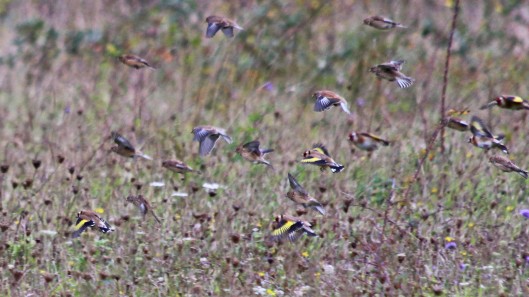
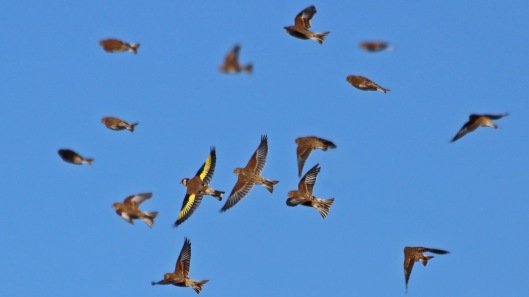
These are just a few of the Goldfinches that have managed to escape the talons of the Sparrowhawk I featured yesterday (and other hungry birds of prey). This seems to be a particularly good year for these little birds, as small flocks of them have been everywhere in recent weeks, in local parks and reserves, flying along Penarth’s cliff tops, in the neighbour’s garden over the back lane, even in the tree outside my living room window.

181024 goldfinches (1)181024 goldfinches (2)

Although it’s not the sharpest of shots, I particularly like this photo of the Goldfinch flying with a flock of Linnets as it shows its distinctive yellow wing-bars so well.

181024 goldfinches (3)

The juveniles take a while to get their full bright red and yellow colours so look a little scruffy for a time … but very cute with it!

181024 goldfinches (4)
181024 goldfinches (5)
181024 goldfinches (6)
181024 goldfinches (7)
Like Loading...

Sparrowhawk goes a’hunting

23 Tuesday Oct 2018

Posted by sconzani in birds, nature

≈ 3 Comments

Tags

birding, birds of prey, birdwatching, British birds, Goldfinch, Lavernock coastal fields, Linnet, Penarth-Lavernock coastal path, Sparrowhawk, Sparrowhawk trying to catch prey

Until the farmer decided to plough them last week, the fields alongside the coastal path between Penarth and Lavernock were alive with birds, hundreds, perhaps thousands of Linnets and Goldfinches.

181023 Sparrowhawk hunting (1)

For those fascinated by birds, it was a feast for the eyes but for the local birds of prey, it was just a feast … or, at least, this Sparrowhawk was fervently hoping it would be a feast.

181023 Sparrowhawk hunting (2)

However, although I watched it for over an hour one day, flap-flap-flap-gliding effortlessly overhead and then swooping very low and very fast over the fields, I never saw it actually catch anything.

181023 Sparrowhawk hunting (3)

It seems the Sparrowhawk mostly went hungry and most of the little finches lived to fly another day.

181023 Sparrowhawk hunting (4)

Like Loading...

Saxicola rubicola

16 Tuesday Oct 2018

Posted by sconzani in birds, nature

≈ Leave a comment

Tags

birding, birdwatching, British birds, Cosmeston, Cosmeston Lakes Country Park, Saxicola rubicola, Stonechat

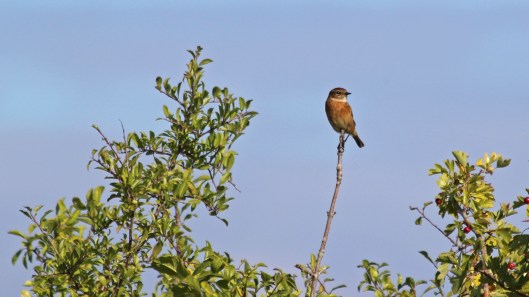
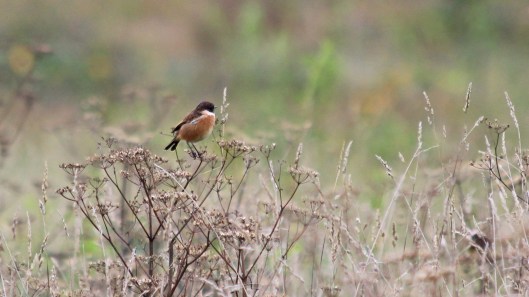
Very few scientific species names roll off the tongue – most are more inclined to be tongue twisters – but the Stonechat has a name I find much easier to say and remember. Saxicola means rock dweller (from the Latin saxum, meaning ‘rock’, and cola from incola, meaning ‘dwelling in’) and rubicola means bramble dweller, so we have a small bird that lives amongst rocks and brambles.

181016 Stonechats Cosmeston (1)181016 Stonechats Cosmeston (6)

In fact, most of the Stonechats I see seem to prefer tall shrubs or hedgerows or wildflowers: at Cosmeston Lakes Country Park, where there have been good numbers of Stonechats in recent weeks, some perch on the tallest branches in the hedges, and many seem to prefer sitting atop and hunting for insects beneath the tall umbellifer flower-heads that grow in the northern end of the west paddock.

181016 Stonechats Cosmeston (2)181016 Stonechats Cosmeston (5)

This time last year, that paddock was mowed and I assume that mowing will be scheduled to happen again soon, so I’ve been making an effort to see this year’s Stonechats as often as I can before they get forced to move elsewhere.

181016 Stonechats Cosmeston (3)181016 Stonechats Cosmeston (4)

Like Loading...

Birding at WWT Steart Marshes

14 Sunday Oct 2018

Posted by sconzani in animals, autumn, birds, nature, seaside, walks

≈ 1 Comment

Tags

Bar-tailed godwits, birding, birdwatching, British birds, Cattle egret, coastal habitats, Glamorgan Bird Club, Golden plover, Greenshank, Hare, Roe deer, saltmarsh, WWT Steart Marshes

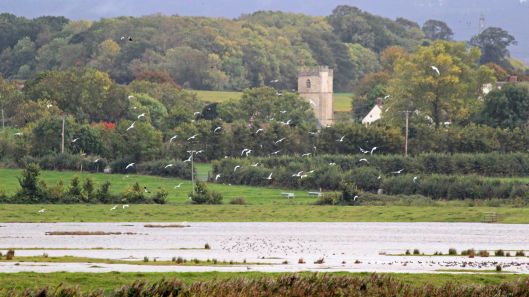
Storm Callum was wind-blasting the south-western counties of Wales and England with 50-mph-plus gusts yesterday but that didn’t deter 10 mad keen (some might just say mad) members of the Glamorgan Bird Club from heading to England, to the Wildfowl & Wetlands Trust property at Steart Marshes in Somerset, for a day’s birding. And what a magnificent place it is and an incredible day we had!

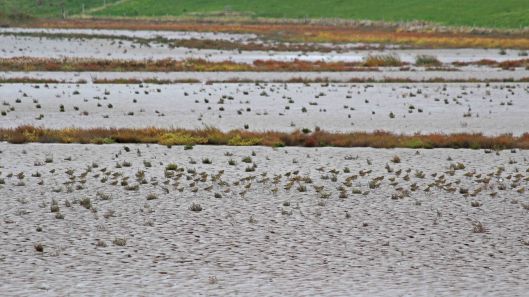
181014 Steart Marshes (1)

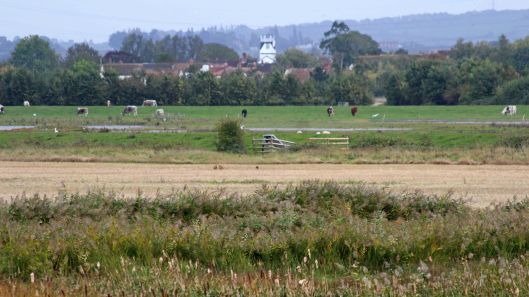
This is a man-made landscape, engineered to deal with local flooding issues and future sea-level rises, but it has the advantage of providing much-needed and extensive salt- and fresh-water wetland habitats. You can read more and watch a video on the WWT website.

181014 Steart Marshes (2)

I don’t have a lot of close-up photos to share from this trip. As I mentioned at the start, it was incredibly windy so the conditions for non-blurry photography were difficult, and many of the birds were distant so I was relying on my bins and the generosity of my birding friends and their telescopes for better views.

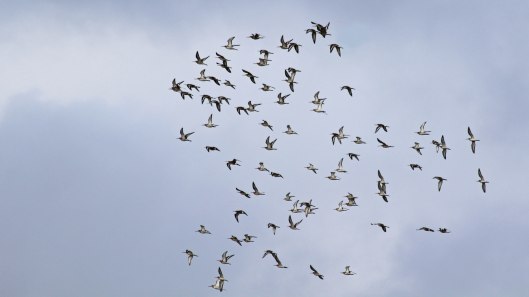
181014 Steart Marshes (3)

That doesn’t mean you can’t see some incredible sights here with the naked eye though: the miracle of hundreds of Lapwings or Bar-tailed godwits rising and flying in unison is one of Nature’s finest wonders, as are views of birds of prey like Merlin and Hobby screaming like fighter jets across the marshes in pursuit of prey.

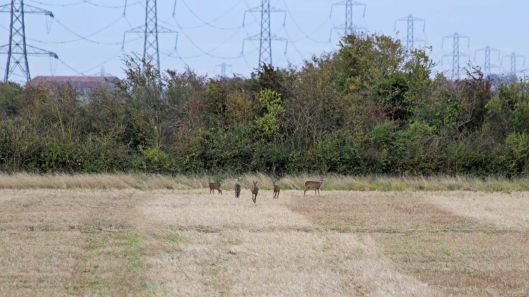
181014 Steart Marshes (10)181014 Steart Marshes (7)

We also saw small numbers of Roe deer and Hares, scampering about in the fields.

181014 Steart Marshes (5)181014 Steart Marshes (6)

For the serious birder, there was much to quicken the heartbeat, with 13 species of wader seen, 12 Cattle egrets, a Spoonbill and a Glossy ibis. I managed to add five ticks to my year list so I was well pleased.

181014 Steart Marshes (9)181014 Steart Marshes (8)

This is a site that will only improve in future years and will almost certainly continue to attract star birds, but it’s also a place for everyone to enjoy the many walking trails, the excellent wildlife viewing facilities and the stunning beauty of the saltmarsh, an environment more colourful than I had imagined it would be. If you can, do visit!

181014 Steart Marshes (11)

My species total for the day was only 49 but this list is about quality, not quantity. Five of these were year ticks for me: Mute Swan, Canada Goose, Shelduck, Eurasian Wigeon, Mallard, Northern Pintail, Pheasant, Little Grebe, Glossy Ibis, Spoonbill, Cattle Egret, Grey Heron, Little Egret, Cormorant, Marsh Harrier, Common Buzzard, Kestrel, Merlin, Hobby, Moorhen, Coot, Ringed Plover, European Golden Plover, Grey Plover, Northern Lapwing, Knot, Little Stint, Dunlin, Ruff, Common Snipe, Black-tailed Godwit, Bar-tailed Godwit, Eurasian Curlew, Spotted Redshank, Greenshank, Common Redshank, Black-headed Gull, Lesser Black-backed Gull, Herring Gull, Woodpigeon, Magpie, Carrion Crow, Skylark, Wren, Starling, Pied Wagtail, Meadow Pipit, Goldfinch and Linnet.

The ones I missed but others saw or heard: Eurasian Teal, Northern Shoveler, Mediterranean Gull, Stock Dove, Collared Dove, Raven, Jackdaw, Blue Tit, Cetti’s Warbler, Blackbird and Chaffinch.

Like Loading...
← Older posts
Newer posts →

About me

sconzani

sconzani

I'm a writer and photographer; researcher and blogger; birder and nature lover; countryside rambler and city strider; volunteer and biodiversity recorder.

View Full Profile →

Follow earthstar on WordPress.com

Enter your email address to follow this blog and receive notifications of new posts by email.

Recent blog posts

  • Thrift March 29, 2026
  • The day of the Wheatears March 28, 2026
  • Cetti’s warblers March 27, 2026
  • Goose barnacles March 26, 2026
  • Black-tailed godwits fighting March 25, 2026

From the archives

COPYRIGHT

Unless otherwise acknowledged, the text and photographs on this blog are my own and are subject to international copyright. Nothing may be downloaded or copied without my permission.

Fellow Earth Stars!

  • Unknown's avatar
  • Unknown's avatar
  • Unknown's avatar
  • Unknown's avatar
  • Unknown's avatar
  • Unknown's avatar
  • Unknown's avatar
  • Unknown's avatar
  • Unknown's avatar
  • Unknown's avatar
  • Unknown's avatar
  • Unknown's avatar
  • Unknown's avatar
  • Unknown's avatar
  • Unknown's avatar
  • Unknown's avatar
  • Unknown's avatar
  • Unknown's avatar
  • Unknown's avatar
  • Unknown's avatar
  • Unknown's avatar
  • Unknown's avatar
  • Unknown's avatar
  • Unknown's avatar
  • Unknown's avatar
  • Unknown's avatar
  • Unknown's avatar
  • Unknown's avatar
  • Unknown's avatar
  • Unknown's avatar
  • Unknown's avatar
  • Unknown's avatar
  • Unknown's avatar
  • Unknown's avatar
  • Unknown's avatar
  • Unknown's avatar
  • Unknown's avatar
  • Unknown's avatar
  • Unknown's avatar
  • Unknown's avatar
  • Unknown's avatar
  • Unknown's avatar
  • Unknown's avatar
  • Unknown's avatar
  • Unknown's avatar
  • Unknown's avatar
  • Unknown's avatar
  • Unknown's avatar
  • Unknown's avatar
  • Unknown's avatar

Blog at WordPress.com.

Privacy & Cookies: This site uses cookies. By continuing to use this website, you agree to their use.
To find out more, including how to control cookies, see here: Cookie Policy
  • Subscribe Subscribed
    • earthstar
    • Join 642 other subscribers
    • Already have a WordPress.com account? Log in now.
    • earthstar
    • Subscribe Subscribed
    • Sign up
    • Log in
    • Report this content
    • View site in Reader
    • Manage subscriptions
    • Collapse this bar
 

Loading Comments...
 

You must be logged in to post a comment.

    %d