• ABOUT
  • BIRDING 2018
  • Birding 2019
  • BLOG POSTS
  • Butterflies 2018
  • Resources

earthstar

~ a celebration of nature

earthstar

Tag Archives: British ichneumons

I is for Ichneumon

14 Sunday Dec 2025

Posted by sconzani in insects

≈ Leave a comment

Tags

British wasps, ichneumon, Ichneumon wasps, British ichneumons, Pimpla species, Campopleginae pupa, Ichneumon pupa

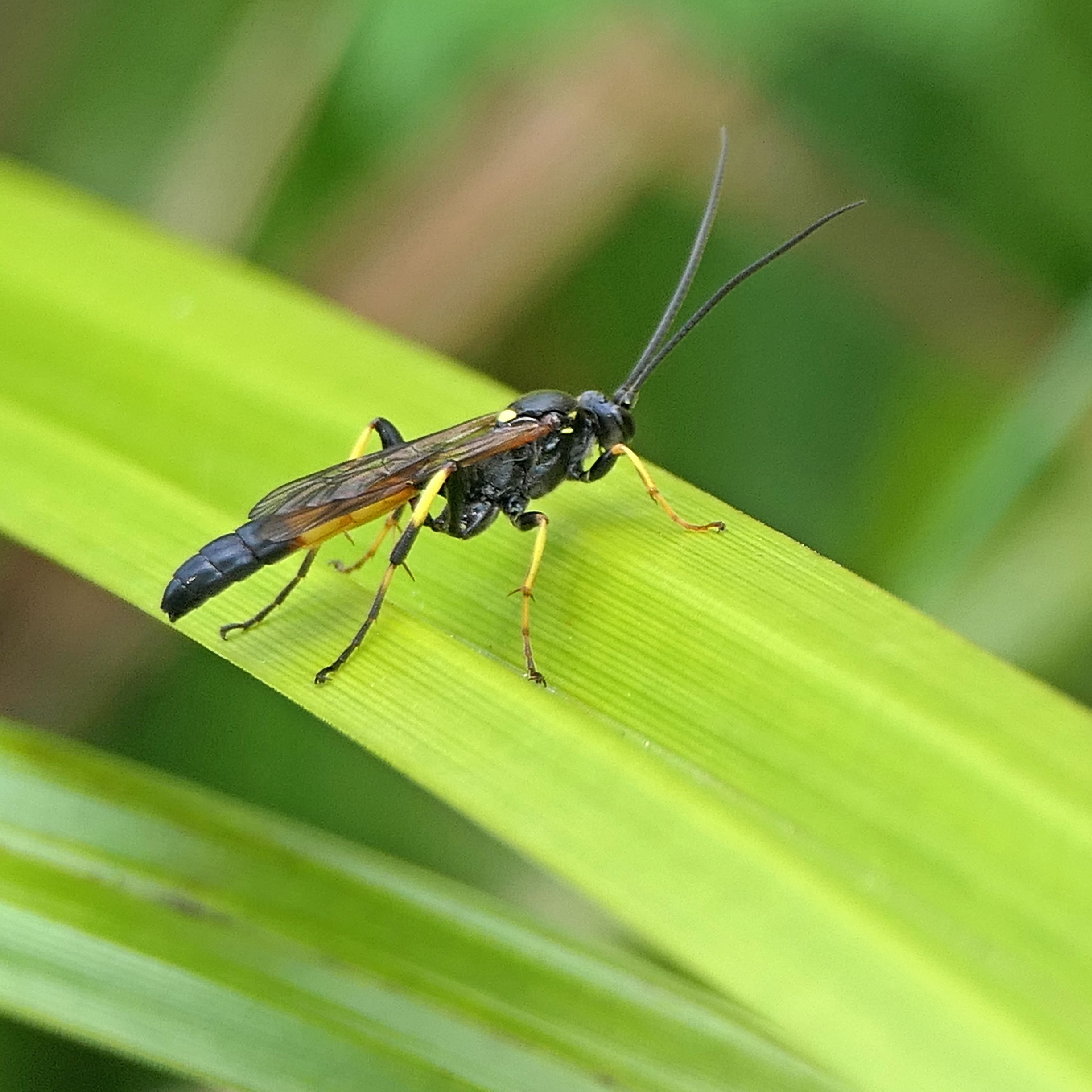
This has been a good year for sightings of Ichneumon wasps, and I have written a couple of posts about some I’ve found: Three Ichneumon wasps, on 19 August, featured my first Ctenichneumon panzeri record (now verified); Heteropelma amictum, found on the same day but not yet verified (the national Ichneumon recorder is currently working his way through what must be a huge number of national records – these voluntary verifiers do an incredible job!); and Ichneumon stramentor, a species I’d seen previously and which has been verified. Another first sighting, the handsome Tromatobia lineatoria, whose identity has also now been confirmed, featured in a second blog, Ichneumon: Tromatobia lineatoria, published recently, on 13 November.
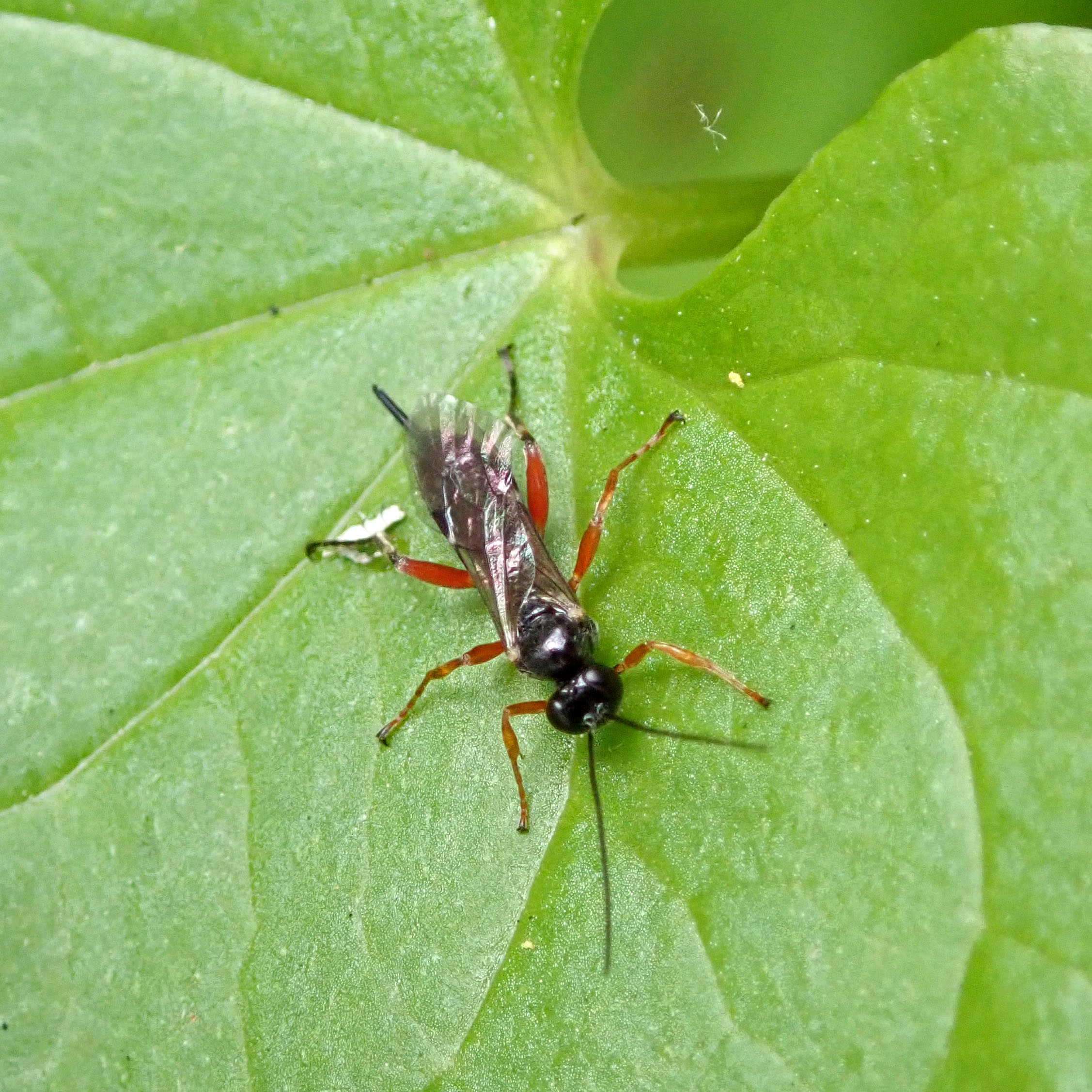
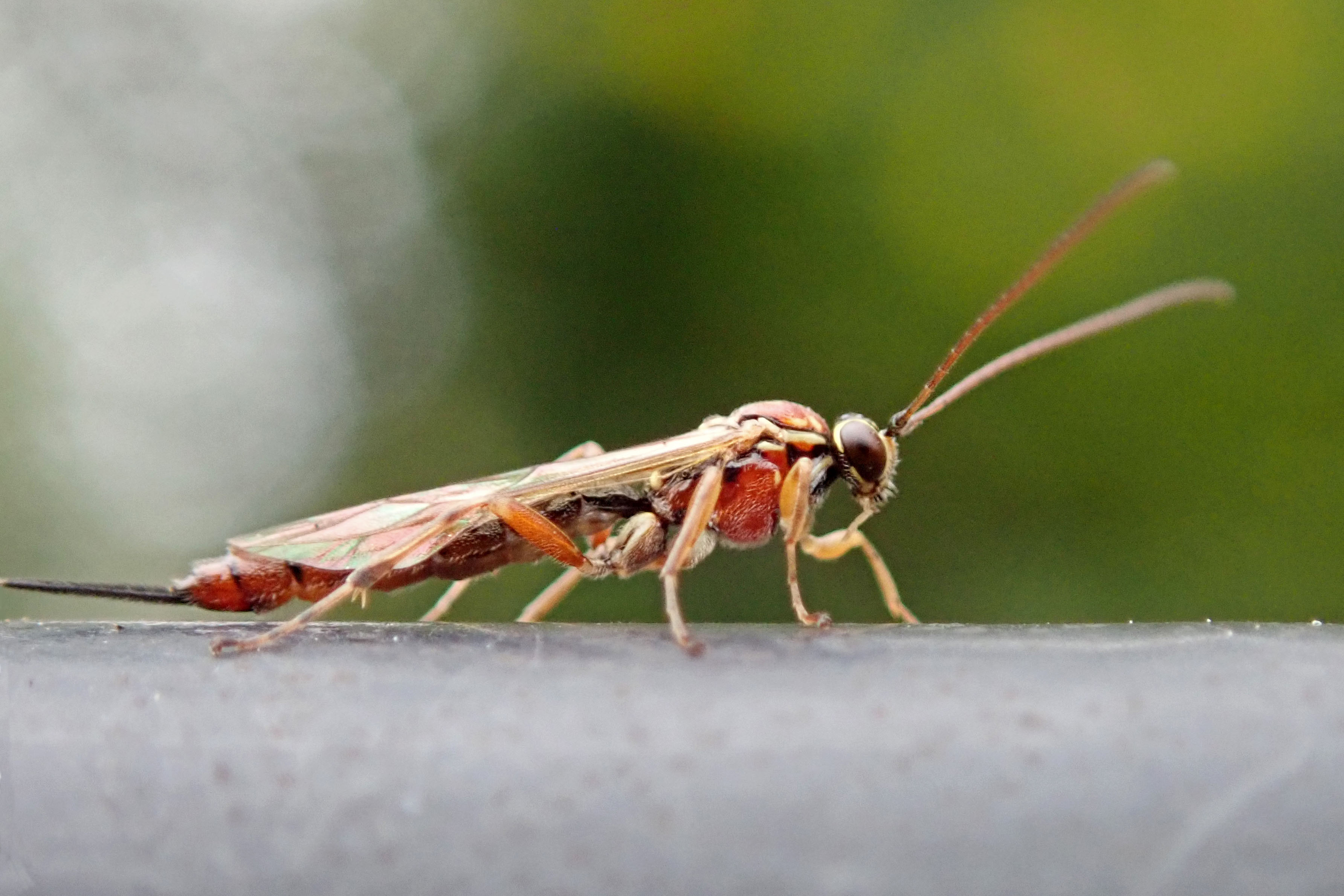
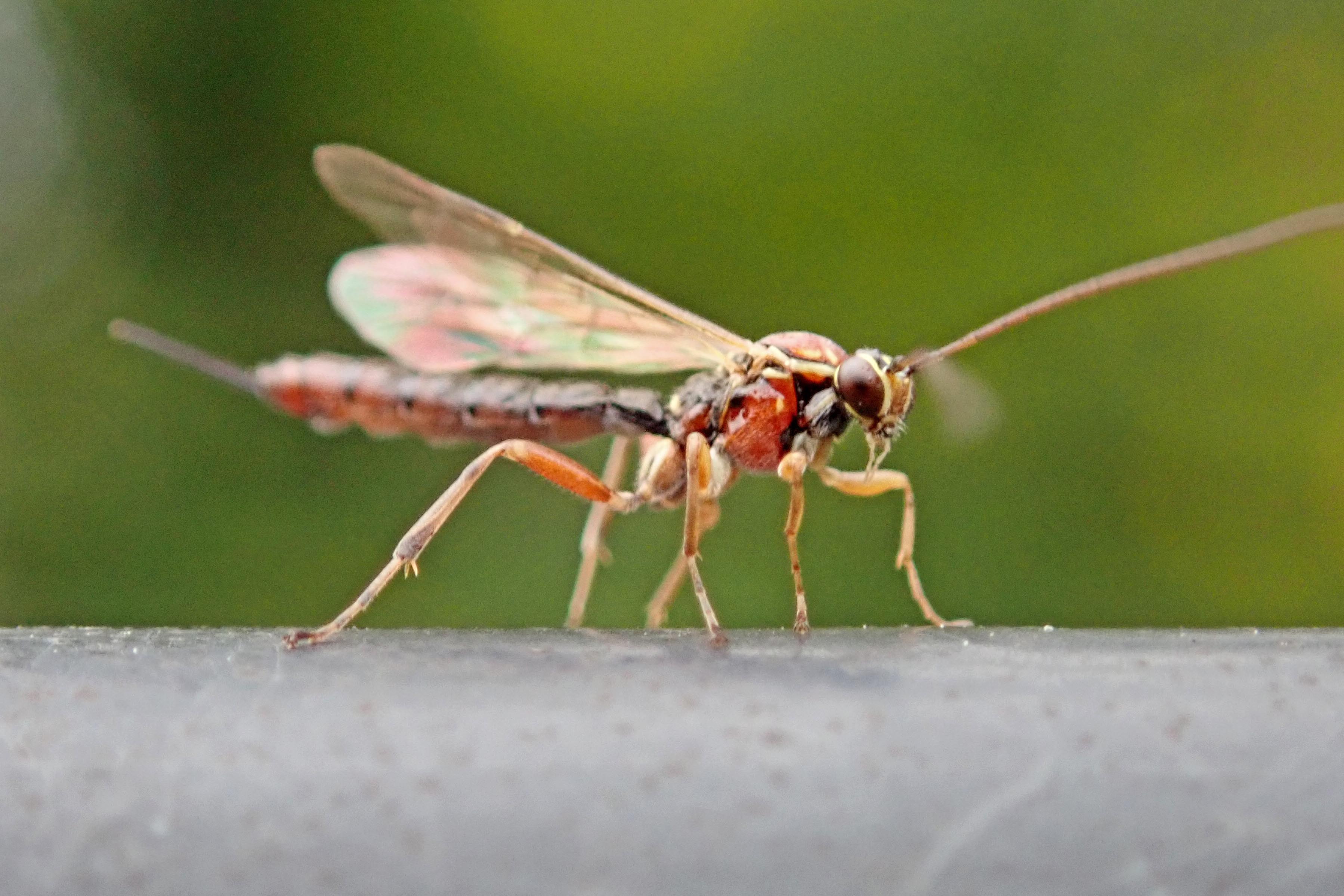
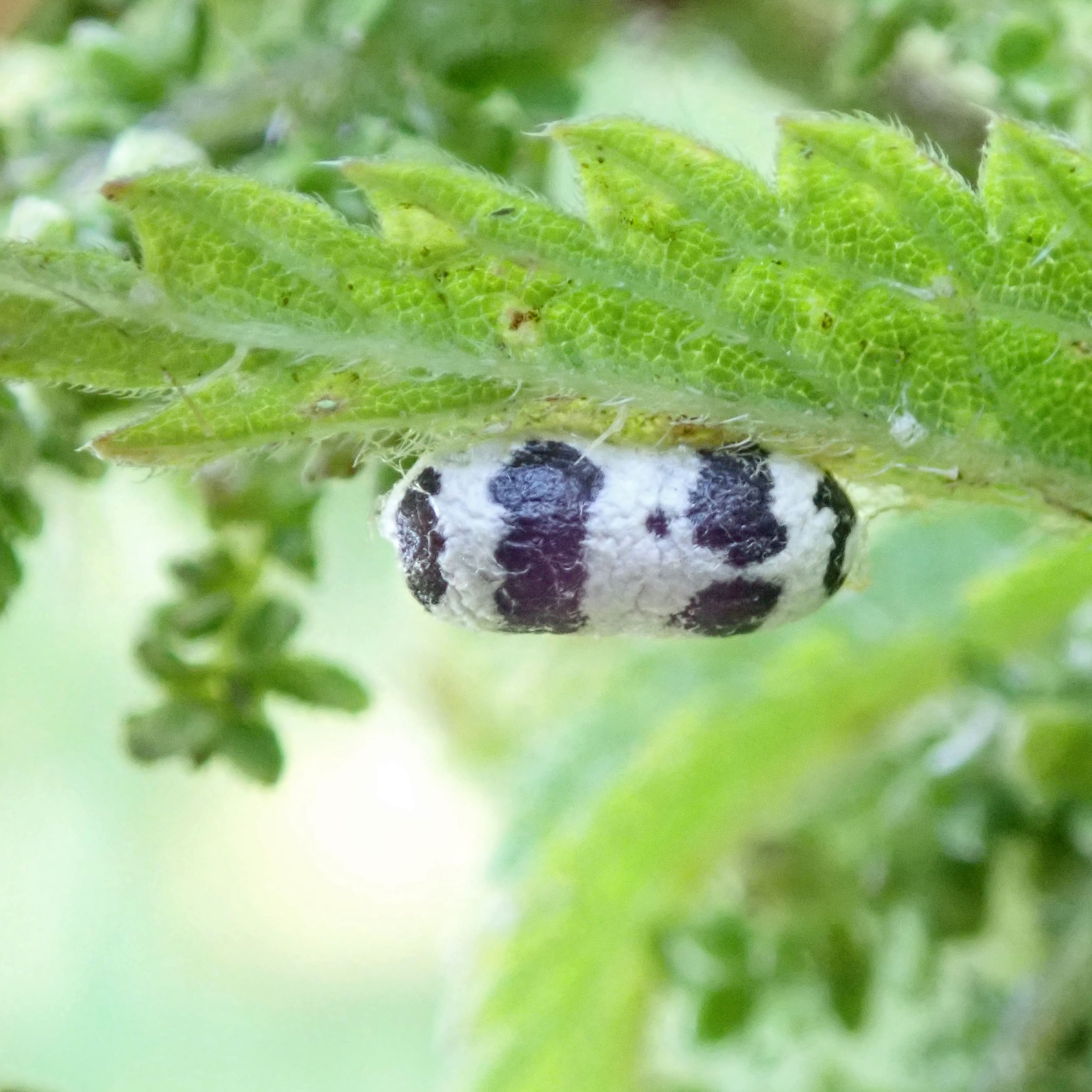
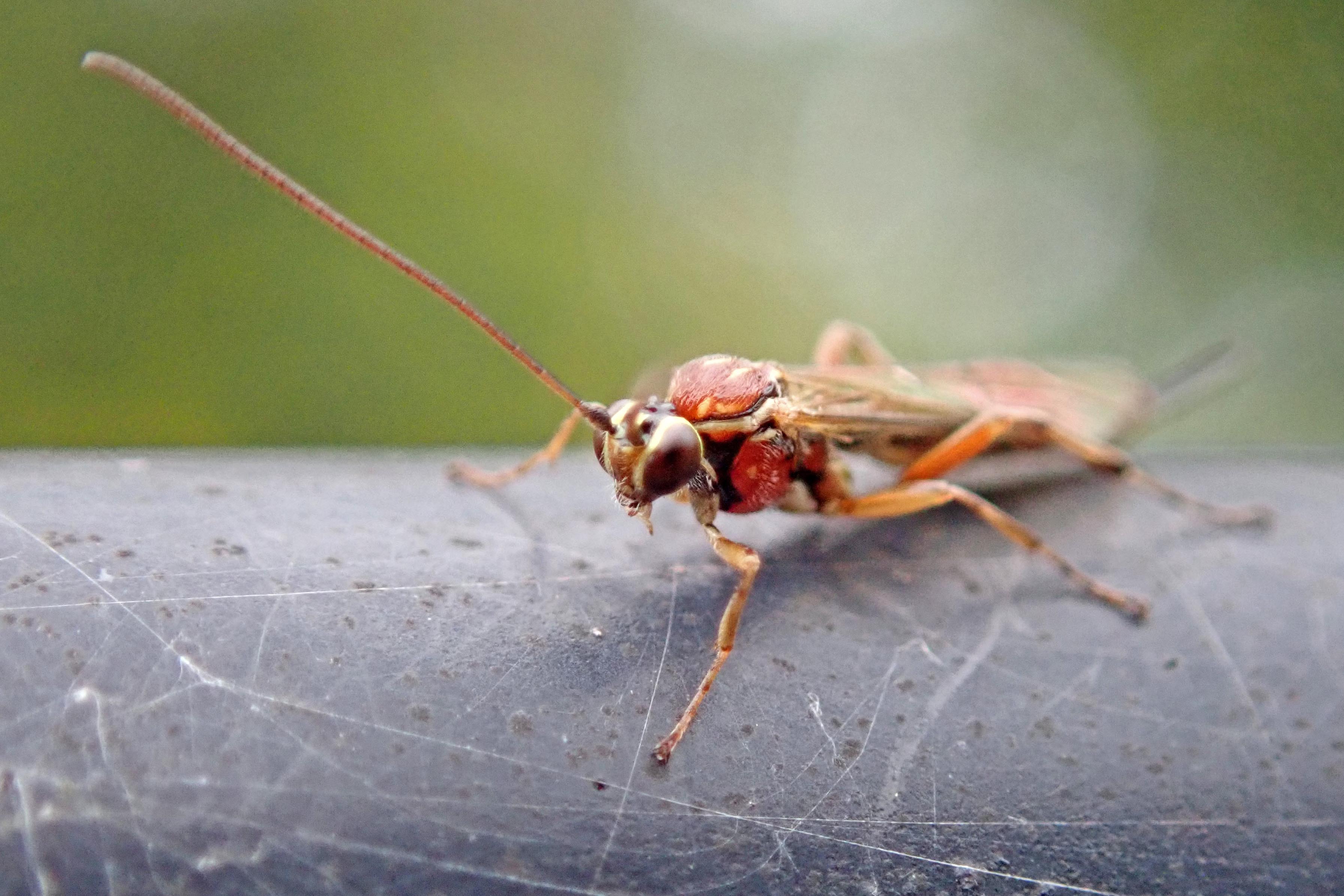
There have, of course, been other Ichneumon sightings. One that I didn’t write about because I was rather unsure of its identification is shown above; it has now been verified as one of the Pimpla species. And in July I found a cocoon, which I recognised as having been created by an Ichneumon wasp but has now been confirmed as belonging to the subfamily Campopleginae. I’m hoping my luck at finding new Ichneumon species will continue in 2026.
Like Loading...

Ichneumon: Tromatobia lineatoria

13 Thursday Nov 2025

Posted by sconzani in insects

≈ 2 Comments

Tags

British ichneumons, ichneumon, Ichneumon wasps, parasitic wasp, parasitoid of spider egg sacs, Tromatobia lineatoria

Different days, different ways, different directions …
I have no real plan for my daily walks but, recently, my feet have been taking me past the local park whose railings have turned up some nice insects in the past, and the location is again proving productive.

This handsome ichneumon is one of my finds from last week and, though it hasn’t been confirmed (there doesn’t seem to be anyone nationwide verifying ichneumon records, unfortunately), I think this is Tromatobia lineatoria. There is another very similar looking ichneumon, Perithous scurra, but the female of that species has a much longer ovipositor.

I was a little surprised to find an ichneumon this late in the year but the Naturespot website says this species can be found between May and November, so this is right at the end of its date range. The website entry also says this ichneumon is a parasitoid of spider egg sacs; there are plenty of spider webs strung along the railings so my sighting in this location is understandable.

Like Loading...

Three Ichneumon wasps

19 Tuesday Aug 2025

Posted by sconzani in insects

≈ Leave a comment

Tags

British ichneumons, British wasps, Ctenicheumon panzeri, Heteropelma amictum, Ichneumon wasps, Ichneumon xanthorius

Two things:
Firstly, my records of these three Ichneumon wasps have not yet been verified so, although I’m fairly confident of their identification, I’m not 100% certain.
And, secondly, I decided to write this blog after someone replied to one of my social media posts, saying – supposedly jokingly – that they had scurried away after seeing one of these creatures, a female with a prominent ‘stinger’ (the implication being that they were frightened of the wasp). So, just to be clear, these wasps will not harm humans; the ‘stinger’ is an ovipositor, for depositing eggs in to their hosts; and many Ichneumon wasps are large, colourful, and really quite beautiful creatures.

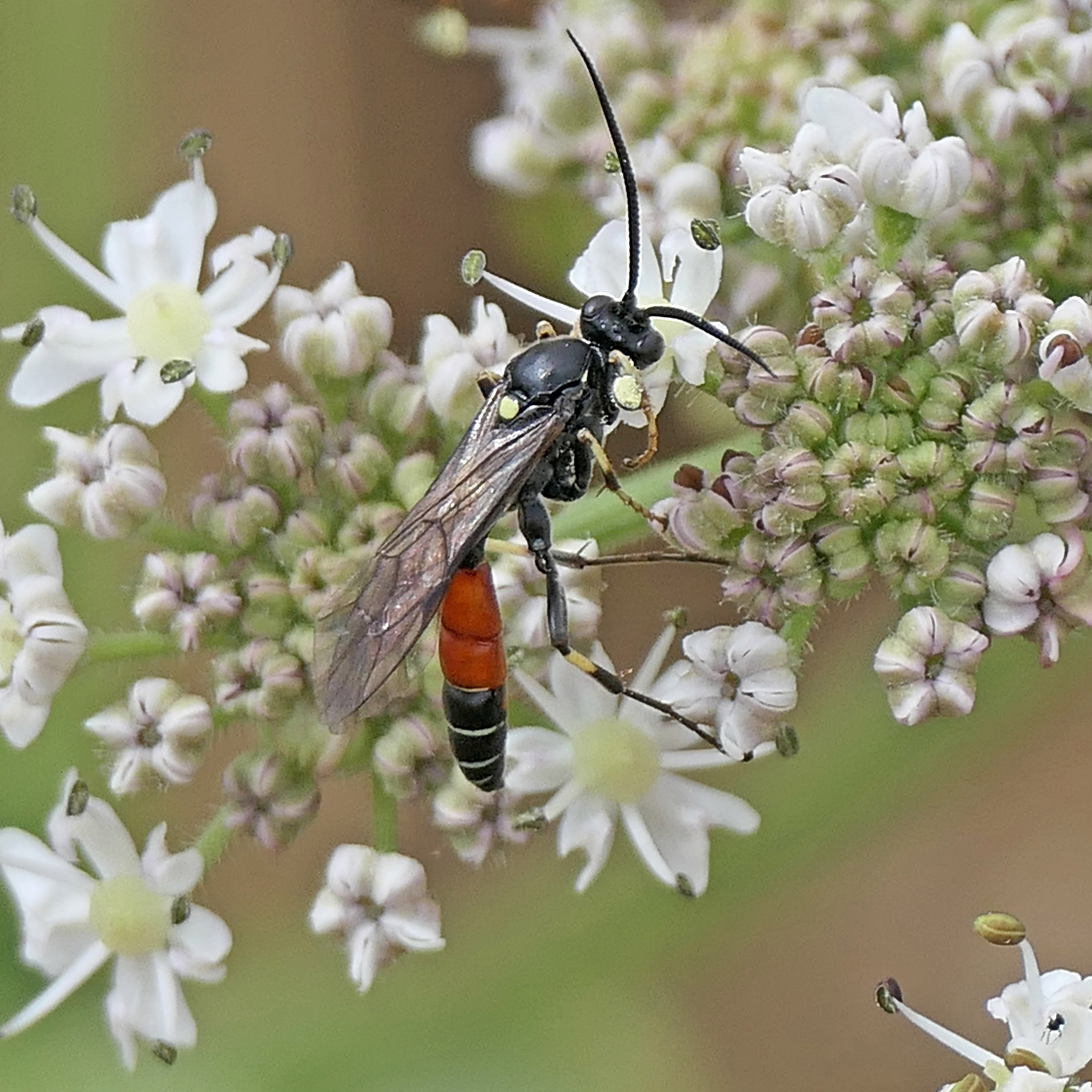
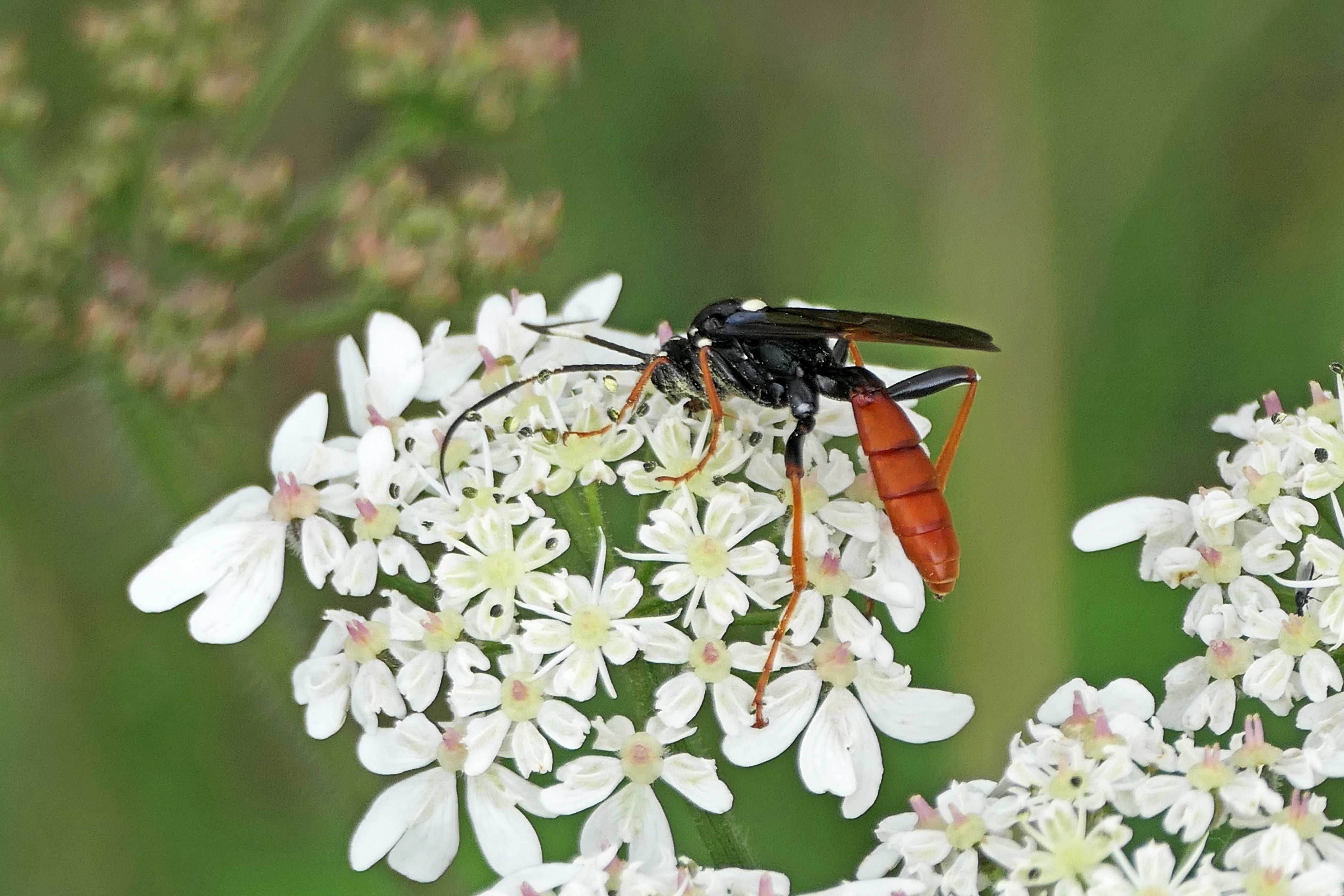
At 10-15mm, Ctenichneumon panzeri is a medium-sized Ichneumon that can often be found on umbellifer flowers, as you can see in my photo. As with all Ichneumon wasps, they are parasitoids; Ctenicheumon panzeri deposits its eggs in the larvae of moths of the Noctuidae family.

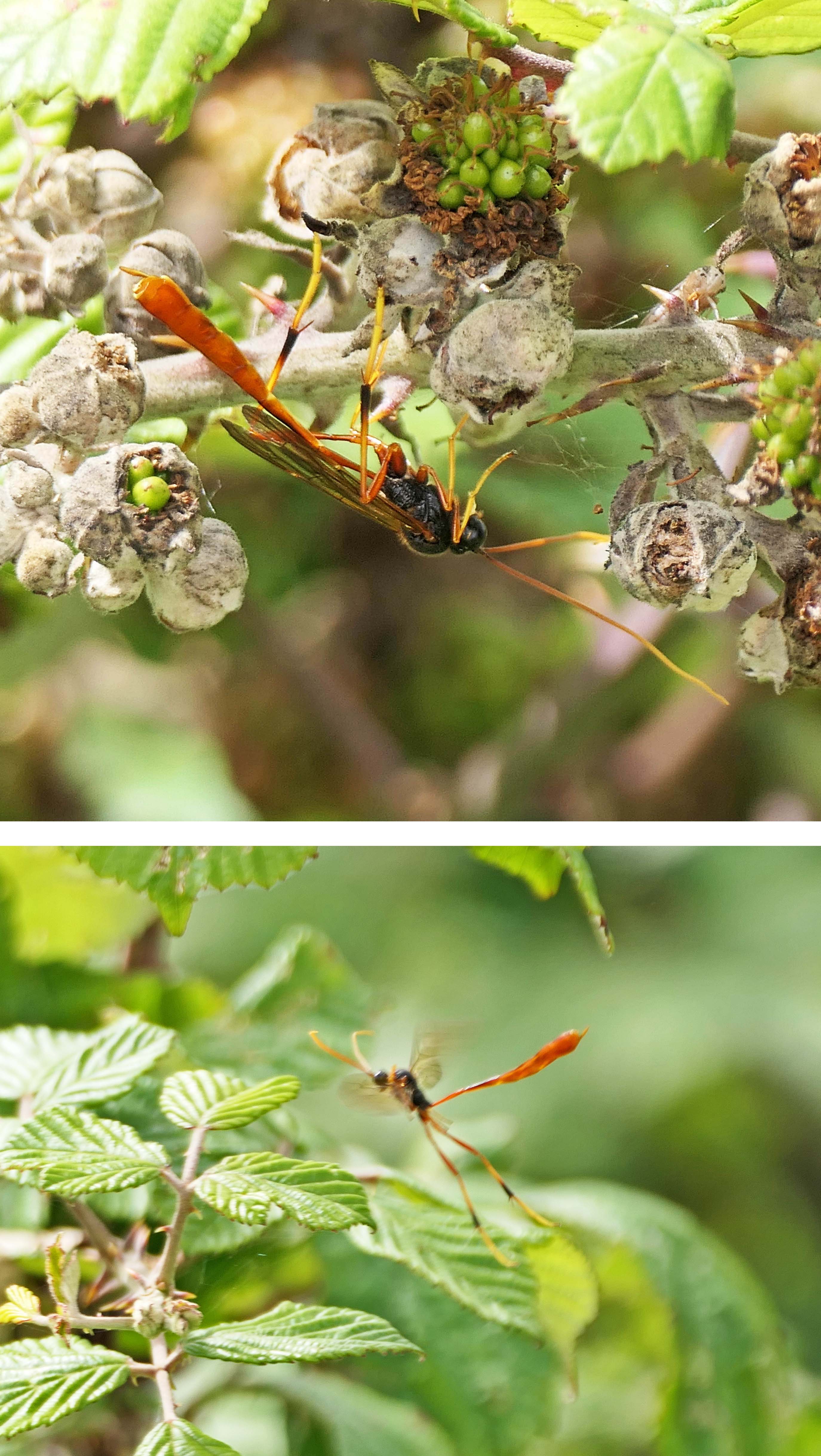
Heteropelma amictum is one of the larger (20-30mm) and more spectacular ichneumonids, with a long narrow body and equally long back legs, both of which are very prominent when it flies (my flight photo is blurry but I wanted to show you how it holds its body erect and dangles its legs below). Heteropelma amictum uses moth pupae, rather than larvae, as its larval hosts.

Ichneumon xanthorius is another medium-sized wasp, and one I see more often than other species, when it’s feeding on umbellifer flowers or perching on shrubs and bushes. Its larvae feed on the pupae of both moths and butterflies.

The British Natural History Museum has produced an excellent Beginner’s Guide to identifying British ichneumonids, which you can access and download by clicking on this link.

Like Loading...

I is for ichneumon

14 Thursday Dec 2023

Posted by sconzani in insects

≈ Leave a comment

Tags

Amblyjoppa fuscipennis, British ichneumons, British wasps, Ichneumon sarcitorius, Ichneumon wasps, wasp

I’m not very good at photographing and/or identifying bee and wasp species (they’re almost never still, and they can be tricky to identify) so I was very happy to nail not one, but two wasp species in August. Both were ichneumon wasps, the first, which featured in An ichneumon, 10 August, is Amblyjoppa fuscipennis.

231214 Amblyjoppa fuscipennis

And this second beauty was also distinctive enough for me successfully to identify. Meet Ichneumon sarcitorius (from Another ichneumon, 11 August).

231214 Ichneumon sarcitorius

Like Loading...

About me

sconzani

sconzani

I'm a writer and photographer; researcher and blogger; birder and nature lover; countryside rambler and city strider; volunteer and biodiversity recorder.

View Full Profile →

Follow earthstar on WordPress.com

Enter your email address to follow this blog and receive notifications of new posts by email.

Recent blog posts

  • M is for mite December 18, 2025
  • L is for lepidopteran lifers December 17, 2025
  • K is for Keeled skimmers December 16, 2025
  • J is for Jersey tiger December 15, 2025
  • I is for Ichneumon December 14, 2025

From the archives

COPYRIGHT

Unless otherwise acknowledged, the text and photographs on this blog are my own and are subject to international copyright. Nothing may be downloaded or copied without my permission.

Fellow Earth Stars!

  • Unknown's avatar
  • Unknown's avatar
  • Unknown's avatar
  • Unknown's avatar
  • Unknown's avatar
  • Unknown's avatar
  • Unknown's avatar
  • Unknown's avatar
  • Unknown's avatar
  • Unknown's avatar
  • Unknown's avatar
  • Unknown's avatar
  • Unknown's avatar
  • Unknown's avatar
  • Unknown's avatar
  • Unknown's avatar
  • Unknown's avatar
  • Unknown's avatar
  • Unknown's avatar
  • Unknown's avatar
  • Unknown's avatar
  • Unknown's avatar
  • Unknown's avatar
  • Unknown's avatar
  • Unknown's avatar
  • Unknown's avatar
  • Unknown's avatar
  • Unknown's avatar
  • Unknown's avatar
  • Unknown's avatar
  • Unknown's avatar
  • Unknown's avatar
  • Unknown's avatar
  • Unknown's avatar
  • Unknown's avatar
  • Unknown's avatar
  • Unknown's avatar
  • Unknown's avatar
  • Unknown's avatar
  • Unknown's avatar
  • Unknown's avatar
  • Unknown's avatar
  • Unknown's avatar
  • Unknown's avatar
  • Unknown's avatar
  • Unknown's avatar
  • Unknown's avatar
  • Unknown's avatar
  • Unknown's avatar
  • Unknown's avatar

Blog at WordPress.com.

Privacy & Cookies: This site uses cookies. By continuing to use this website, you agree to their use.
To find out more, including how to control cookies, see here: Cookie Policy
  • Subscribe Subscribed
    • earthstar
    • Join 667 other subscribers
    • Already have a WordPress.com account? Log in now.
    • earthstar
    • Subscribe Subscribed
    • Sign up
    • Log in
    • Report this content
    • View site in Reader
    • Manage subscriptions
    • Collapse this bar
 

Loading Comments...
 

You must be logged in to post a comment.

    %d