• ABOUT
  • BIRDING 2018
  • Birding 2019
  • BLOG POSTS
  • Butterflies 2018
  • Resources

earthstar

~ a celebration of nature

earthstar

Tag Archives: Greenshank

Greenshanks

05 Monday Nov 2018

Posted by sconzani in autumn, birds, nature

≈ 2 Comments

Tags

birding, birdwatching, British birds, green-legged bird, Greenshank, RSPB Lodmoor, Tringa nebularia, wading birds

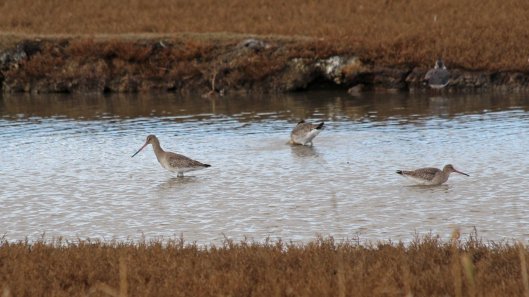
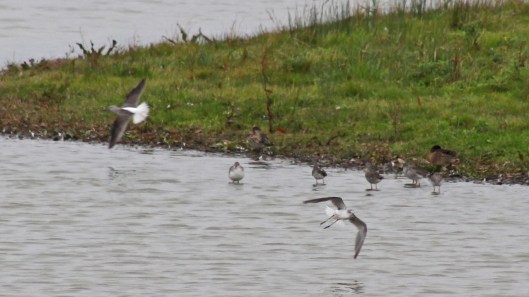
As they breed in Scotland and mostly migrate to Africa for the winter (some birds do over-winter in coastal estuaries in Britain), I don’t get to see Greenshanks very often in my part of south Wales. So, it was particularly nice to get quite close, prolonged views of this pair at RSPB Lodmoor recently.

181105 greenshanks (1)

Tringa nebularia is the Greenshank’s scientific name, which Wikipedia explains as follows:

The genus name Tringa is … based on [the] Ancient Greek trungas, a thrush-sized, white-rumped, tail-bobbing wading bird mentioned by Aristotle. The specific nebularia is from [the] Latin nebula “mist” [which] … refers to the greenshank’s damp marshy habitat.

181105 greenshanks (2)
181105 greenshanks (3)

I’d like to think nebularia also refers to its winter appearance, a ghostly grey-and-white bird wading through mist-wreathed waterways on a chilly winter morning, uttering its short but evocative teu-teu-teu call, or, as Brett Westwood and Stephen Moss more elegantly write in their treasury of daily wildlife encounters, Wonderland:

… on a misty September morning, they have a pale luminosity, white beneath and lichen-grey above with a longish, slightly retroussé bill and greenish legs.

181105 greenshanks (4)

The greenish legs are, of course, the origin of its common name Greenshank and, though the colour is not always very apparent, you can see the obvious contrast between the Greenshanks’ legs and those of the Lesser yellowlegs in the photo below.

181105 greenshanks (5)

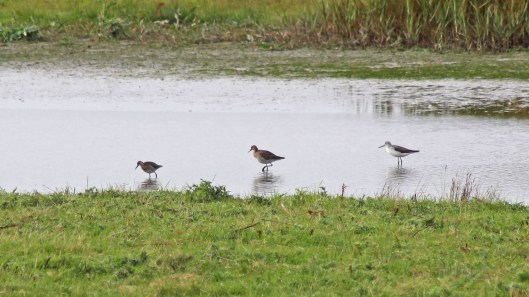
You can also get a good idea of the Greenshanks’ comparative size in this next photo, which shows, from left to right, a Ruff, the Lesser yellowlegs, two Greenshanks and a Dunlin.

181105 greenshanks (6)

Like Loading...

Lesser yellowlegs

04 Sunday Nov 2018

Posted by sconzani in birds, nature

≈ Leave a comment

Tags

American bird, autumn migration, birding, birdwatching, Black-tailed godwit, British vagrant bird, Dunlin, Greenshank, Lesser yellowlegs, RSPB Lodmoor, Tringa flavipes

Its name says it all really – the Lesser yellowlegs (Tringa flavipes) is a slender wader, with long yellow legs, and the smudgy, less defined markings on the breast of this particular bird point to it being a juvenile.

181104 lesser yellowlegs (1)

The Lesser yellowlegs is native to the Americas, spending its summers breeding in the northern forests that lie between Alaska and Quebec and its winters on the United States’ Gulf coast and in parts of South America.

181104 lesser yellowlegs (2)
181104 lesser yellowlegs (3)

The birds we see here in Britain are vagrants, birds that have strayed or been blown off course during their migration. On average, about ten birds are seen in various parts of Britain each year and, amazingly, there was also a Lesser yellowlegs at RSPB Lodmoor when we visited during last year’s Portland trip

181104 lesser yellowlegs (4)
181104 lesser yellowlegs (5)

Two interesting facts about this bird from the Cornell Lab of Ornithology website:

Both the male and female Lesser Yellowlegs provide parental care to the young, but the female tends to leave the breeding area before the chicks can fly, thus leaving the male to defend the young until fledging.

and …

The oldest recorded Lesser Yellowlegs was at least 4 years, 11 months old when it was found in South Dakota in 1965. It had been banded in the Lesser Antilles in 1960.

181104 lesser yellowlegs (6)

Back here in Dorset, it was great to get such close views of the Lodmoor Lesser yellowlegs and particularly to see it in close company firstly with two Greenshanks and a Black-tailed godwit (photo above), and then with the same two Greenshanks and a Dunlin (below). This really helped to see the relative differences in size, shape and plumage.

181104 lesser yellowlegs (7)

Heck, I even managed to get a short video of the lovely little thing. Enjoy!

Like Loading...

Birding at RSPB Lodmoor

31 Wednesday Oct 2018

Posted by sconzani in autumn, birds, nature

≈ Leave a comment

Tags

birding, birdwatching, Black-tailed godwit, British birds, Greenshank, Lapwing, Lesser yellowlegs, Little egret, Lodmoor, RSPB Lodmoor, Ruff, Snipe, Teal

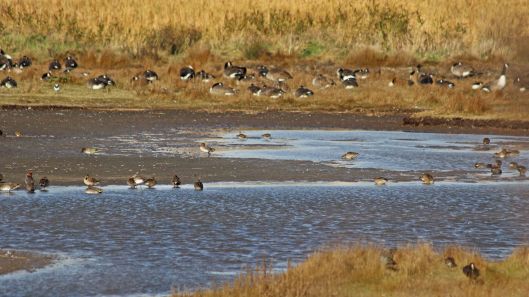
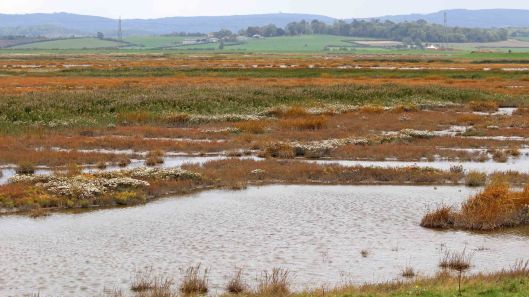
Oh to have somewhere like RSPB Lodmoor as my local birding patch! Its 76 hectares of wetlands and grasslands, saltmarsh and reed beds are home to a huge variety of birds and often attract passing rarities, plus it’s a lovely place to walk and all within a mile of Weymouth town centre.

181031 birding Lodmoor (1)

This was our second stop on the way to Portland last Friday. Our target bird was the Lesser yellowlegs – amazingly, a Lesser yellowlegs was also at Lodmoor when we went to Portland in 2017 – but there were many other lovely birds to be seen, and, as I was able to get reasonably good photos, some of these birds will be getting their own blog posts in the coming days. So, here are some tasters of what you can expect to see at this outstanding reserve.

181031 birding Lodmoor (2)181031 birding Lodmoor (3)

Most of my photos of the Black-tailed godwits are like this first one – heads down, bottoms up – but I did manage to get some head shots.

181031 birding Lodmoor (4)

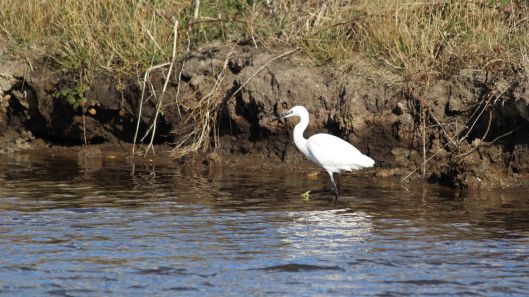
Just a few years ago Little egrets would have been a rare sight in Britain but not any more. They’re now well settled, breeding and frequently seen.

181031 birding Lodmoor (5)
181031 birding Lodmoor (6)

I love the colours in the Lapwings’ plumage. They look plain black and white from a distance but are, in fact, adorned in rich sumptuous greens. Such elegant birds.

181031 birding Lodmoor (7)

We saw several Snipe poking about in the mud for food.

181031 birding Lodmoor (8)

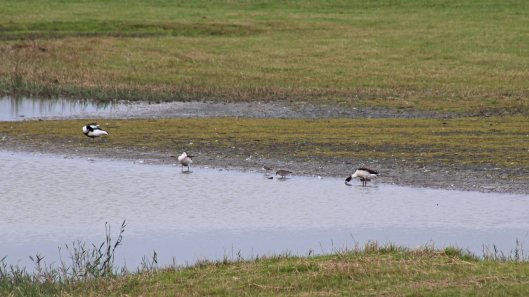
After the Canada geese, probably the second most abundant species of bird we saw was Teal, many of which were sheltering from the freezing wind behind clumps of reeds. If you look carefully, you can just see a Ruff in the centre near the reeds.

181031 birding Lodmoor (9)

The star of the Lodmoor show, the Lesser yellowlegs, seen here behind a Black-tailed godwit and to the left of 2 lovely Greenshanks. All three of these birds will be getting their own blog posts.

Like Loading...

Birding at WWT Steart Marshes

14 Sunday Oct 2018

Posted by sconzani in animals, autumn, birds, nature, seaside, walks

≈ 1 Comment

Tags

Bar-tailed godwits, birding, birdwatching, British birds, Cattle egret, coastal habitats, Glamorgan Bird Club, Golden plover, Greenshank, Hare, Roe deer, saltmarsh, WWT Steart Marshes

Storm Callum was wind-blasting the south-western counties of Wales and England with 50-mph-plus gusts yesterday but that didn’t deter 10 mad keen (some might just say mad) members of the Glamorgan Bird Club from heading to England, to the Wildfowl & Wetlands Trust property at Steart Marshes in Somerset, for a day’s birding. And what a magnificent place it is and an incredible day we had!

181014 Steart Marshes (1)

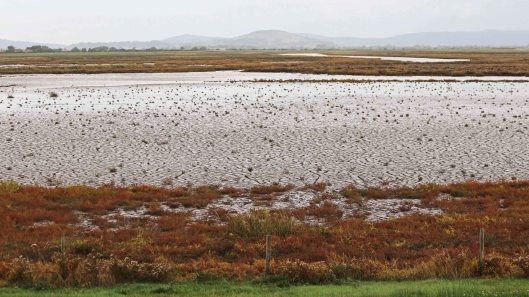
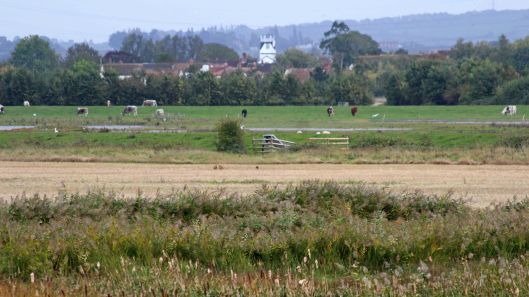
This is a man-made landscape, engineered to deal with local flooding issues and future sea-level rises, but it has the advantage of providing much-needed and extensive salt- and fresh-water wetland habitats. You can read more and watch a video on the WWT website.

181014 Steart Marshes (2)

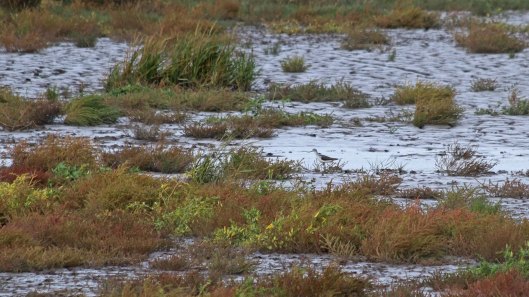
I don’t have a lot of close-up photos to share from this trip. As I mentioned at the start, it was incredibly windy so the conditions for non-blurry photography were difficult, and many of the birds were distant so I was relying on my bins and the generosity of my birding friends and their telescopes for better views.

181014 Steart Marshes (3)

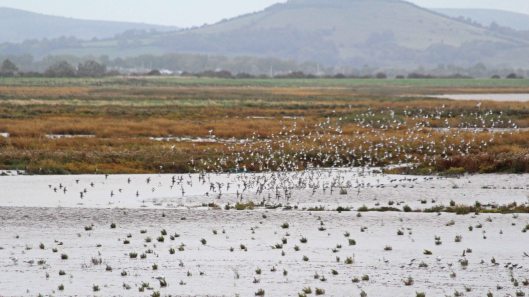
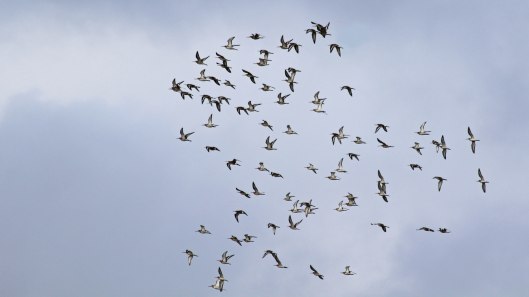
That doesn’t mean you can’t see some incredible sights here with the naked eye though: the miracle of hundreds of Lapwings or Bar-tailed godwits rising and flying in unison is one of Nature’s finest wonders, as are views of birds of prey like Merlin and Hobby screaming like fighter jets across the marshes in pursuit of prey.

181014 Steart Marshes (10)181014 Steart Marshes (7)

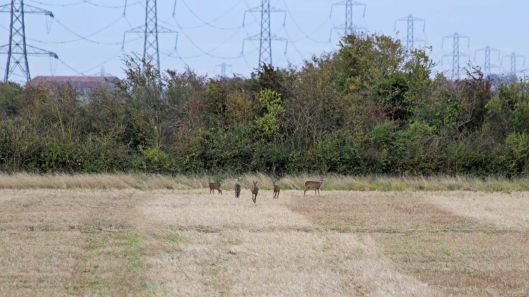
We also saw small numbers of Roe deer and Hares, scampering about in the fields.

181014 Steart Marshes (5)181014 Steart Marshes (6)

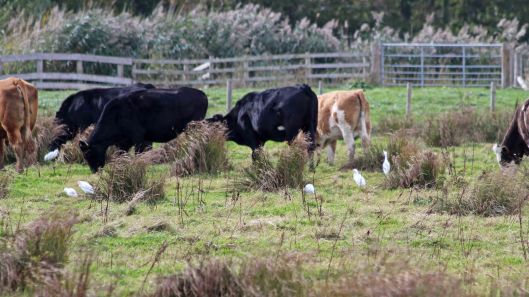
For the serious birder, there was much to quicken the heartbeat, with 13 species of wader seen, 12 Cattle egrets, a Spoonbill and a Glossy ibis. I managed to add five ticks to my year list so I was well pleased.

181014 Steart Marshes (9)181014 Steart Marshes (8)

This is a site that will only improve in future years and will almost certainly continue to attract star birds, but it’s also a place for everyone to enjoy the many walking trails, the excellent wildlife viewing facilities and the stunning beauty of the saltmarsh, an environment more colourful than I had imagined it would be. If you can, do visit!

181014 Steart Marshes (11)

My species total for the day was only 49 but this list is about quality, not quantity. Five of these were year ticks for me: Mute Swan, Canada Goose, Shelduck, Eurasian Wigeon, Mallard, Northern Pintail, Pheasant, Little Grebe, Glossy Ibis, Spoonbill, Cattle Egret, Grey Heron, Little Egret, Cormorant, Marsh Harrier, Common Buzzard, Kestrel, Merlin, Hobby, Moorhen, Coot, Ringed Plover, European Golden Plover, Grey Plover, Northern Lapwing, Knot, Little Stint, Dunlin, Ruff, Common Snipe, Black-tailed Godwit, Bar-tailed Godwit, Eurasian Curlew, Spotted Redshank, Greenshank, Common Redshank, Black-headed Gull, Lesser Black-backed Gull, Herring Gull, Woodpigeon, Magpie, Carrion Crow, Skylark, Wren, Starling, Pied Wagtail, Meadow Pipit, Goldfinch and Linnet.

The ones I missed but others saw or heard: Eurasian Teal, Northern Shoveler, Mediterranean Gull, Stock Dove, Collared Dove, Raven, Jackdaw, Blue Tit, Cetti’s Warbler, Blackbird and Chaffinch.

Like Loading...

Birding at Goldcliff

28 Thursday Sep 2017

Posted by sconzani in birds, nature

≈ 4 Comments

Tags

birding, birdwatching, British birds, Dunlin, Glamorgan Bird Club, Goldcliff lagoons, Greenshank, Knot, Newport Wetlands, Shelduck, Spotted redshank, Wheatear

190728 2 mixed flock

I am SO pleased I bought binoculars. My second trip to Goldcliff lagoons and Newport Wetlands with my Glamorgan Bird Club buddies last weekend was just so much better for having them, as there was an incredible diversity of birds to be seen but most were distant views from hides or platforms. Using the bins not only brings the birds closer but it also means I get to watch and learn more of each bird species’ habits and actions, which I really enjoy.

190728 4 spotted redshank dunlin greenshank flying

Though I’m not an obsessive twitcher, I am keeping a personal list of bird sightings this year and saw a few new birds to add to my list (which now totals a respectable but not huge 130). The Club’s list for the day totalled 77 species but I didn’t see (or hear) the Great Crested Grebe, Siskin, Great Spotted Woodpecker, Goldcrest, Song Thrush, Mistle Thrush and Yellow Wagtail, so my total was 69 species: Mute Swan, Canada Goose, Shelduck, Wigeon, Gadwall, Teal, Shoveler, Tufted Duck, Little Grebe, Grey Heron, Little Egret, Cormorant, Marsh Harrier, Buzzard, Kestrel, Sparrowhawk, Peregrine, Water Rail (heard), Moorhen, Coot, Oystercatcher, Ringed Plover, Lapwing, Knot,

190728 1 shelduck knot ringed plover

and Little Stint (below with Ringed plover),

190728 little stint ringed plover

and Dunlin, Ruff (two below with a Greenshank),

190728 3 ruff greenshank

and Snipe, Black-tailed Godwit, Whimbrel, Curlew, Spotted Redshank, Greenshank,

190728 5 greenshank

and Redshank, Black-headed Gull, Lesser Black-backed Gull, Herring Gull, Feral Pigeon, Woodpigeon, Collared Dove, Kingfisher, Magpie, Jay, Carrion Crow, Raven, Blue Tit, Great Tit, Skylark, House Martin, Swallow, Cetti’s Warbler (heard, several times), Long-tailed Tit, Chiffchaff, Willow Warbler, Sedge Warbler, Blackcap, Wren, Starling, Blackbird, Robin, Stonechat, Wheatear (they do like their fenceposts),

190728 6 wheatear
190728 7 wheatear

and House Sparrow, Pied Wagtail, Meadow Pipit, Chaffinch, Goldfinch, Linnet, Reed Bunting, and Mallard. It was a wonderful day’s birding.

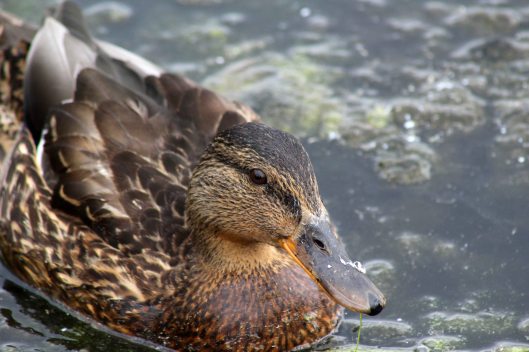
190728 8 mallard female

Like Loading...

A Green-legged long-shank comes to call

17 Monday Apr 2017

Posted by sconzani in birds, nature

≈ 2 Comments

Tags

birding, birdwatching, Cardiff Bay, Green-legged horseman, Green-legged long-shank, Greenshank, Tringa nebularia

I get alerts for sightings of uncommon birds through various Twitter accounts and my birding group on Facebook and, when I heard a Greenshank had been spotted in Cardiff Bay, I crossed my fingers it would stay around overnight and was up early the next morning to see. I was lucky and, considering they have a reputation for being flighty, this bird was uncommonly still and very obliging. When it did start a little nervous jiggle, I quickly moved on.

170417 Greenshank (1)

The Greenshank (Tringa nebularia) has gained a delightful collection of common names including barker, stiltie (in Scotland, meaning wader with long legs), greater plover, green-legged horseman, green-legged long-shank, and green-shanked godwit. As you might guess from all those mentions of ‘green shanks’, it has a greenish tinge to its long slim legs. It’s an elegant bird, I think, not large, though it is the largest amongst its close relatives the redshanks and larger sandpipers.

170417 Greenshank (2)

In south Wales, the Greenshank is mostly a passage bird, seen around coastal wetlands and estuaries and near inland waters like ponds and marshes. They spend their winters in western Europe, the Mediterranean and Africa, through the Middle East and Arabian Peninsula to Southeast Asia, and as far south as Australia, and in Britain they spend their summers in the north and west of Scotland, where they breed on upland moorlands, usually near trees, a large rock or fencepost (possibly as a visual aid to nest location).

Like Loading...

About me

sconzani

sconzani

I'm a writer and photographer; researcher and blogger; birder and nature lover; countryside rambler and city strider; volunteer and biodiversity recorder.

View Full Profile →

Follow earthstar on WordPress.com

Enter your email address to follow this blog and receive notifications of new posts by email.

Recent blog posts

  • N is for nest December 19, 2025
  • M is for mite December 18, 2025
  • L is for lepidopteran lifers December 17, 2025
  • K is for Keeled skimmers December 16, 2025
  • J is for Jersey tiger December 15, 2025

From the archives

COPYRIGHT

Unless otherwise acknowledged, the text and photographs on this blog are my own and are subject to international copyright. Nothing may be downloaded or copied without my permission.

Fellow Earth Stars!

  • Unknown's avatar
  • Unknown's avatar
  • Unknown's avatar
  • Unknown's avatar
  • Unknown's avatar
  • Unknown's avatar
  • Unknown's avatar
  • Unknown's avatar
  • Unknown's avatar
  • Unknown's avatar
  • Unknown's avatar
  • Unknown's avatar
  • Unknown's avatar
  • Unknown's avatar
  • Unknown's avatar
  • Unknown's avatar
  • Unknown's avatar
  • Unknown's avatar
  • Unknown's avatar
  • Unknown's avatar
  • Unknown's avatar
  • Unknown's avatar
  • Unknown's avatar
  • Unknown's avatar
  • Unknown's avatar
  • Unknown's avatar
  • Unknown's avatar
  • Unknown's avatar
  • Unknown's avatar
  • Unknown's avatar
  • Unknown's avatar
  • Unknown's avatar
  • Unknown's avatar
  • Unknown's avatar
  • Unknown's avatar
  • Unknown's avatar
  • Unknown's avatar
  • Unknown's avatar
  • Unknown's avatar
  • Unknown's avatar
  • Unknown's avatar
  • Unknown's avatar
  • Unknown's avatar
  • Unknown's avatar
  • Unknown's avatar
  • Unknown's avatar
  • Unknown's avatar
  • Unknown's avatar
  • Unknown's avatar
  • Unknown's avatar

Blog at WordPress.com.

Privacy & Cookies: This site uses cookies. By continuing to use this website, you agree to their use.
To find out more, including how to control cookies, see here: Cookie Policy
  • Subscribe Subscribed
    • earthstar
    • Join 667 other subscribers
    • Already have a WordPress.com account? Log in now.
    • earthstar
    • Subscribe Subscribed
    • Sign up
    • Log in
    • Report this content
    • View site in Reader
    • Manage subscriptions
    • Collapse this bar
 

Loading Comments...
 

You must be logged in to post a comment.

    %d