
• ABOUT
  • BIRDING 2018
  • Birding 2019
  • BLOG POSTS
  • Butterflies 2018
  • Resources

earthstar

~ a celebration of nature

earthstar

Tag Archives: Harmonia axyridis

First beetles

13 Tuesday Jan 2026

Posted by sconzani in insects, winter

≈ Leave a comment

Tags

beetle, British beetles, British ladybirds, Harlequin, harlequin ladybird, Harmonia axyridis, ladybird, ladybirds overwintering indoors

Though I’ve mostly been focusing on finding new bird species during this first couple of weeks of 2026, I have also, when the sun has been shining, been keeping an eye out for any bugs or beetles that might have emerged briefly to bask in its relative warmth. So far, that has proved fruitless, and my first beetle sightings of the new year have actually been here at home, in my flat – in fact, as I type this I can see one of them walking along one of the living room blinds. They are ladybirds – all have been Harlequin ladybirds (Harmonia axyridis) – that came flooding in through my open windows just as the winter days began to get colder.
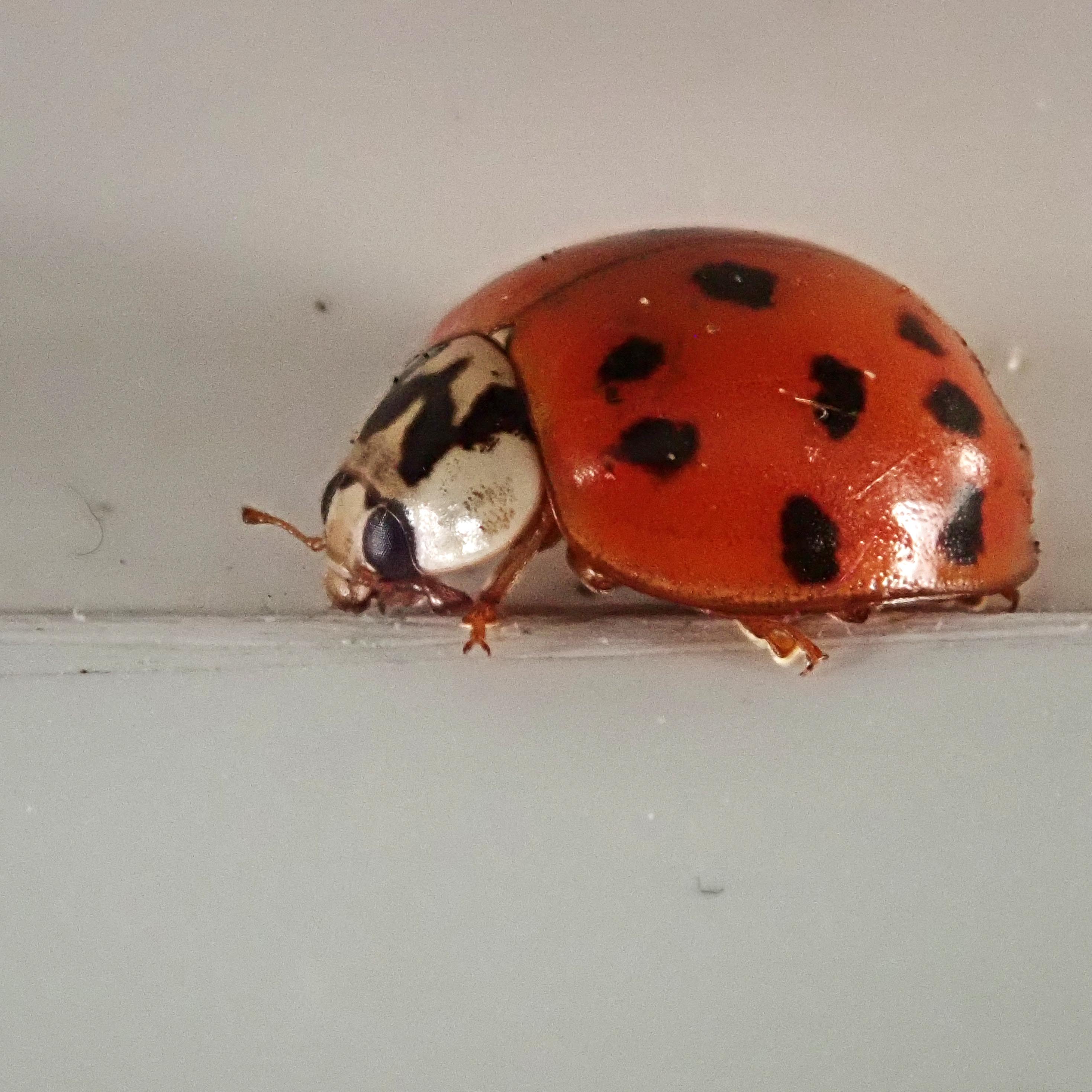
This is quite normal – ladybirds look for places to sleep away the wintery weather. I don’t mind them doing this in my flat apart from one issue; during those blue-sky days when the sun is out all day, my south-facing flat gets quite warm and the ladybirds wake up and start wandering about, looking for a way to get outside again. I have ejected five that seemed particularly agitated, flying in to the glass again and again, but there are at least two still lurking on the blinds or amongst my house plants.

Like Loading...

The ladybird lifecycle

09 Tuesday Aug 2016

Posted by sconzani in insects, nature

≈ 7 Comments

Tags

Halyzia 16-punctata, harlequin ladybird, Harmonia axyridis, ladybird, ladybird larva, ladybird lifecycle, ladybird pupa, Orange ladybird

Just like every other insect, a ladybird goes through a complete transformation during its short, one-year life but the various stages are something I’ve only become aware of this year so I thought I’d share them with you.

160809 ladybird (1) 22 spot
160809 ladybird (2)

Adult ladybirds spend the cold winter months in a dormant state, awakening in the springtime as the weather begins to warm up. After munching away on some aphids to get their juices flowing again, they look for a member of the opposite sex and mate. I don’t have any egg photos but they are, apparently, bright yellow and are laid on the underside of leaves. Once the mating and egg-laying are complete, the adult ladybirds die.

160809 ladybird (3)
160809 ladybird (4)
160809 ladybird (5) orange Halyzia 16-punctata

Depending on the temperature and weather conditions, the eggs hatch after 3 to 10 days and the little larvae immediately begin eating: scale insects and aphids are their favourites so you can see why gardeners love them. At this stage, they look nothing at all like ladybirds, though they do have unique patterns – left and centre above are Harlequins (Harmonia axyridis) and the one on the right is an Orange (Halyzia 16-punctata).

160809 ladybird (6)
160809 ladybird (7)

After 3 to 4 weeks of constant eating, the larvae pupate, shedding their larval skin and changing into this strange-looking blob you can find attached to the tops of leaves. The metamorphosis from larvae to adult ladybird only takes 7 to 10 days – a miracle really!

160809 ladybird (8)

When the adult ladybird first emerges from its pupa, it is very pale and takes a little while for its final colours to show, though you can usually see traces of its spots. And that’s it! The adult will trundle around the leaves, eating all those pesky aphids until the winter months come, and the whole process will begin all over again.

Like Loading...

About me

sconzani

sconzani

I'm a writer and photographer; researcher and blogger; birder and nature lover; countryside rambler and city strider; volunteer and biodiversity recorder.

View Full Profile →

Follow earthstar on WordPress.com

Enter your email address to follow this blog and receive notifications of new posts by email.

Recent blog posts

  • Kestrel 2026 : 86 January 31, 2026
  • Birch polypore January 30, 2026
  • The Marl Med gull January 29, 2026
  • Recording Grey squirrels January 28, 2026
  • Jimmy Wren January 27, 2026

From the archives

COPYRIGHT

Unless otherwise acknowledged, the text and photographs on this blog are my own and are subject to international copyright. Nothing may be downloaded or copied without my permission.

Fellow Earth Stars!

  • Unknown's avatar
  • Unknown's avatar
  • Unknown's avatar
  • Unknown's avatar
  • Unknown's avatar
  • Unknown's avatar
  • Unknown's avatar
  • Unknown's avatar
  • Unknown's avatar
  • Unknown's avatar
  • Unknown's avatar
  • Unknown's avatar
  • Unknown's avatar
  • Unknown's avatar
  • Unknown's avatar
  • Unknown's avatar
  • Unknown's avatar
  • Unknown's avatar
  • Unknown's avatar
  • Unknown's avatar
  • Unknown's avatar
  • Unknown's avatar
  • Unknown's avatar
  • Unknown's avatar
  • Unknown's avatar
  • Unknown's avatar
  • Unknown's avatar
  • Unknown's avatar
  • Unknown's avatar
  • Unknown's avatar
  • Unknown's avatar
  • Unknown's avatar
  • Unknown's avatar
  • Unknown's avatar
  • Unknown's avatar
  • Unknown's avatar
  • Unknown's avatar
  • Unknown's avatar
  • Unknown's avatar
  • Unknown's avatar
  • Unknown's avatar
  • Unknown's avatar
  • Unknown's avatar
  • Unknown's avatar
  • Unknown's avatar
  • Unknown's avatar
  • Unknown's avatar
  • Unknown's avatar
  • Unknown's avatar
  • Unknown's avatar

Blog at WordPress.com.

Privacy & Cookies: This site uses cookies. By continuing to use this website, you agree to their use.
To find out more, including how to control cookies, see here: Cookie Policy
  • Subscribe Subscribed
    • earthstar
    • Join 670 other subscribers
    • Already have a WordPress.com account? Log in now.
    • earthstar
    • Subscribe Subscribed
    • Sign up
    • Log in
    • Report this content
    • View site in Reader
    • Manage subscriptions
    • Collapse this bar
 

Loading Comments...
 

You must be logged in to post a comment.

    %d