• ABOUT
  • BIRDING 2018
  • Birding 2019
  • BLOG POSTS
  • Butterflies 2018
  • Resources

earthstar

~ a celebration of nature

earthstar

Tag Archives: Lapwing

Lodmoor’s distant birds

07 Thursday Aug 2025

Posted by sconzani in birds

≈ Leave a comment

Tags

Bearded tit, birding, birdwatching, Black-tailed godwits, British birds, Common tern, Dunlin, Green sandpiper, Lapwing, Little tern, Marsh harrier, RSPB Lodmoor, Wood sandpiper

I wrote in Tuesday’s blog (Egrets, little and large) that I would share in a subsequent post more of the birds I saw during last week’s three visits to RSPB Lodmoor, and here they are. Most were quite distant but I thought it was worth documenting the wide variety of birds that can be seen at this wonderful reserve.

You may struggle to spot the two birds in this photo – they are sitting facing each other on the ‘beach’ area but their colours blend in rather well to the background. In spite of that, this was probably the standout sighting for me, as these are Bearded tits, and, given their sandy colouring, these were probably fledglings, the first ones I’ve seen.

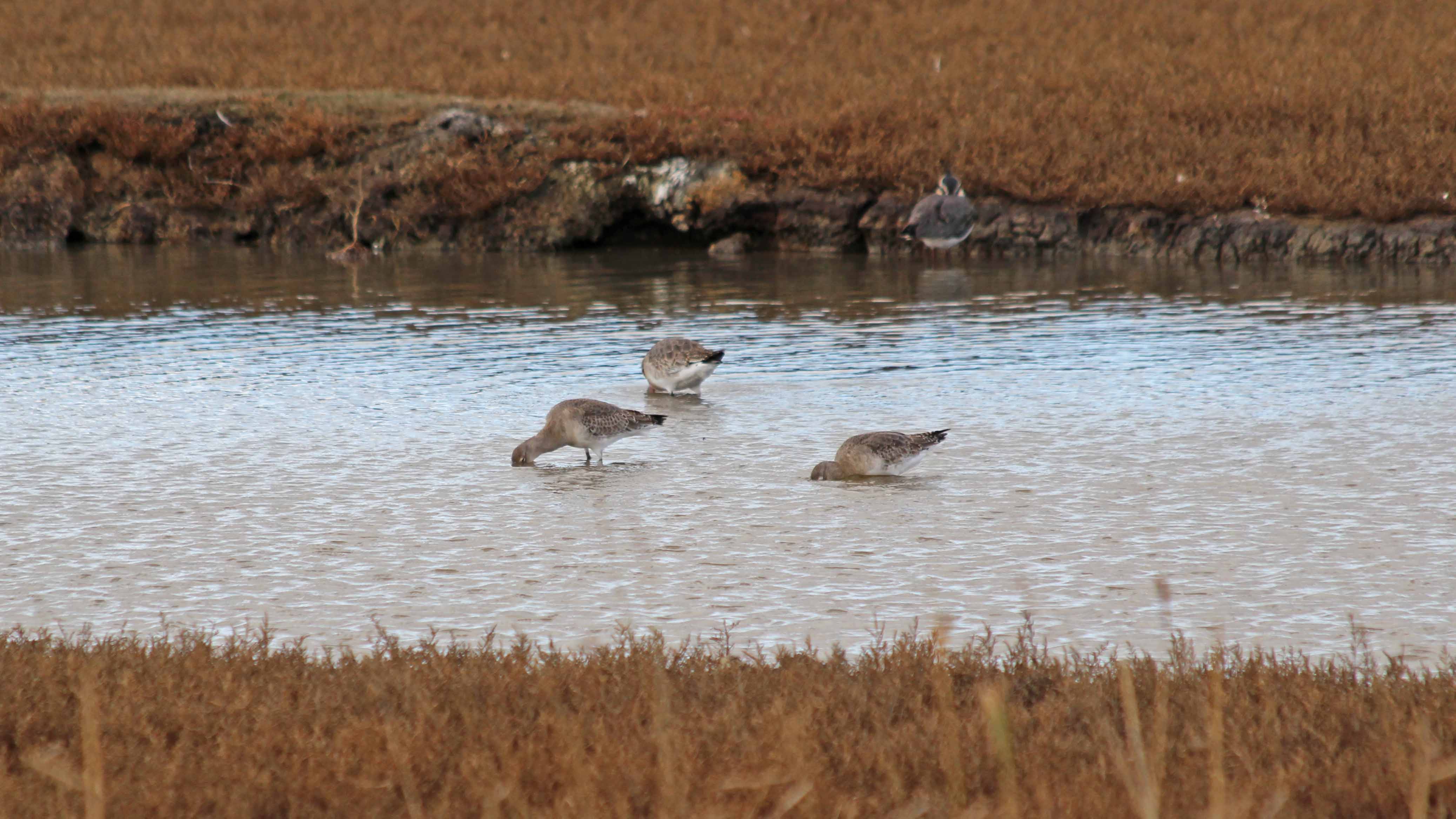
Black-tailed godwit numbers increased from three on my first visit to Lodmoor to eight on my final visit, and numbers will likely continue to increase as these birds return from their breeding grounds in Iceland and continental Europe. You may just be able to spot some smaller birds amongst the shorter reeds in the foreground. These are Dunlin.

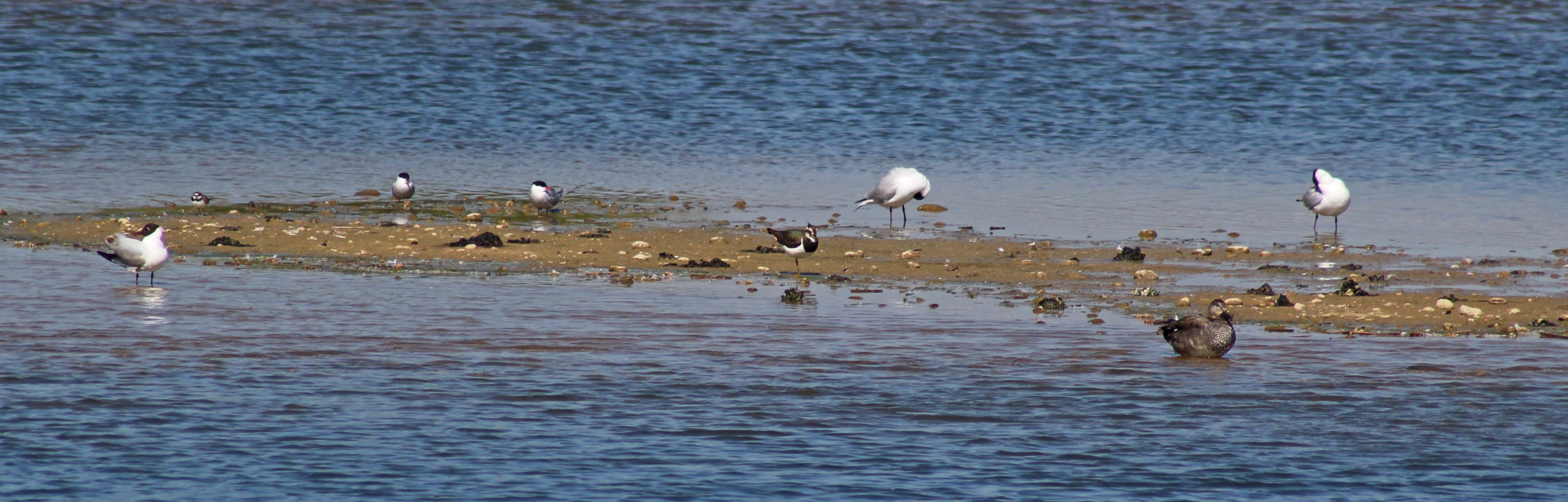
I blogged about seeing Breeding Common terns after my June visit to Lodmoor. This time the Common terns had almost all fledged, though one chick remained on one of the breeding platforms and several sat on the sand waiting for their parents to return and feed them. Above you can see two Common terns at the left of the frame but the two terns in the centre of the image are Little terns. These breed, in a specially protected area, on nearby Chesil Beach and, though I saw some there very distantly during my last visit, it was wonderful to see these two at a much closer distance. The birds in the background are a mix of Mediterranean and Black-headed gulls.

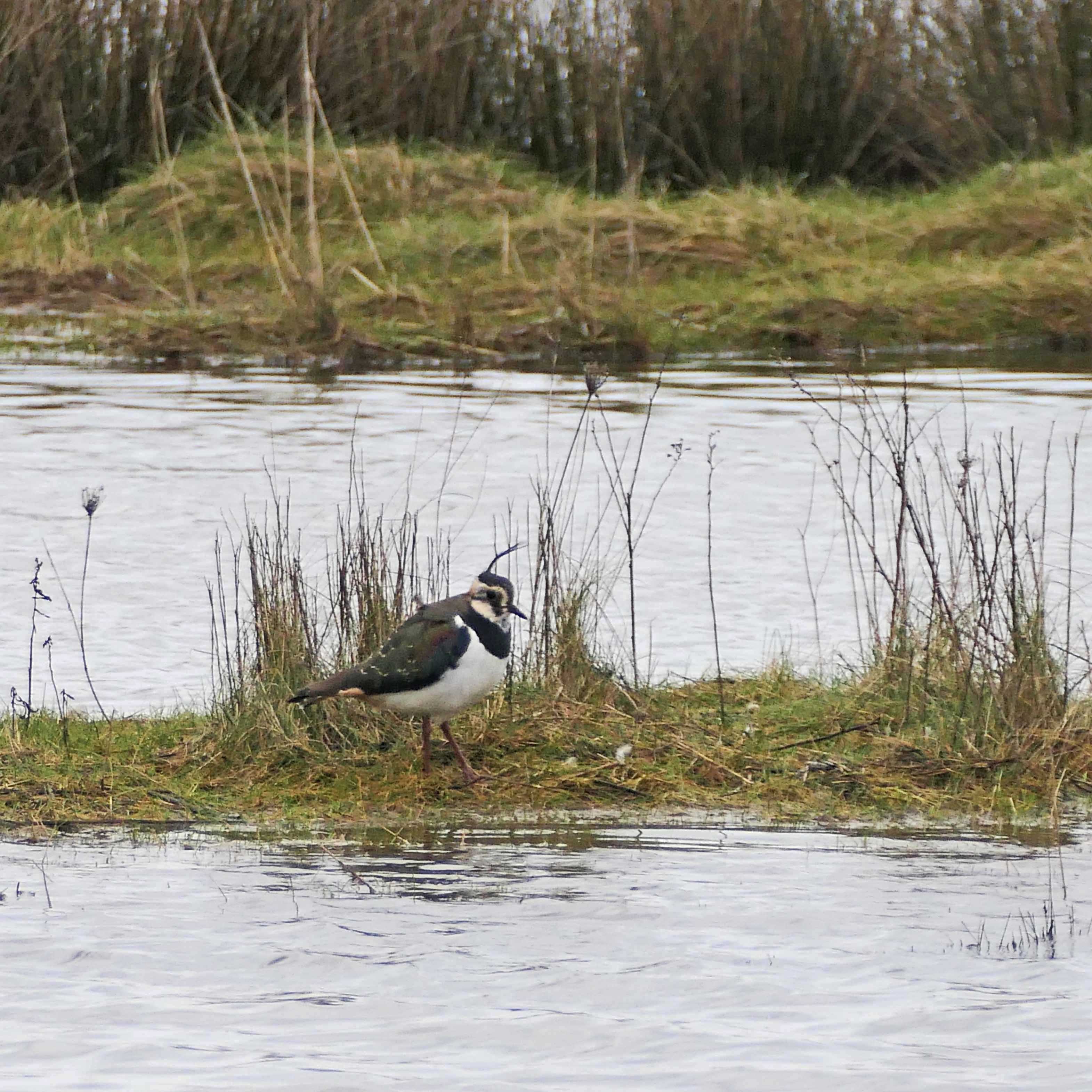
How gorgeous is this Lapwing? I think it’s a juvenile bird as it seemed curious rather than scared by my proximity on the path just across from where it was foraging for food, and I had read that Lapwings have bred on the reserve this year.

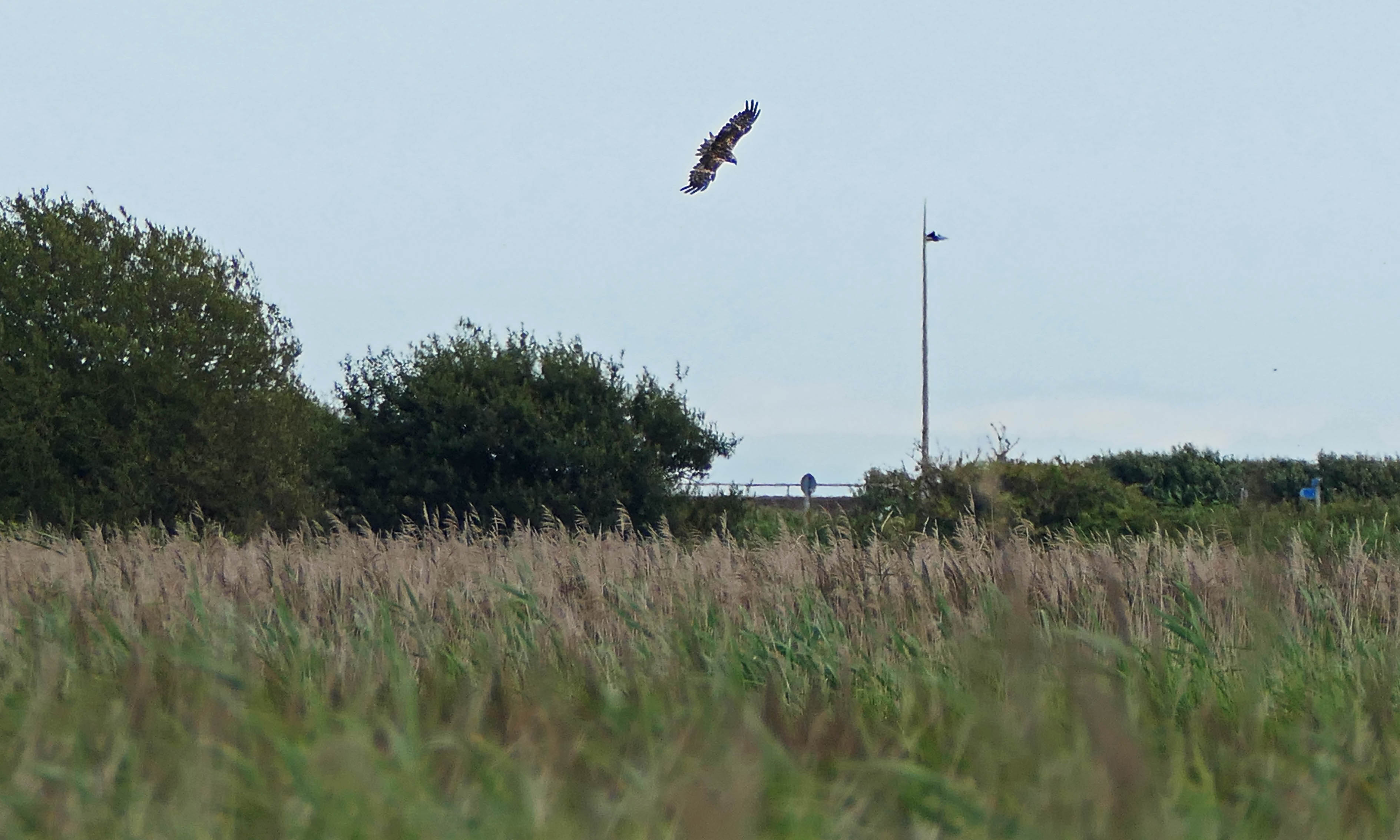
I was scanning the reeds for anything interesting when this stunning Marsh harrier flew up almost right in front of me. Bushes obscured it from view for a few minutes so I couldn’t get any better photos and, though it did a circuit around the far side of the reserve, it soon disappeared from sight once again.

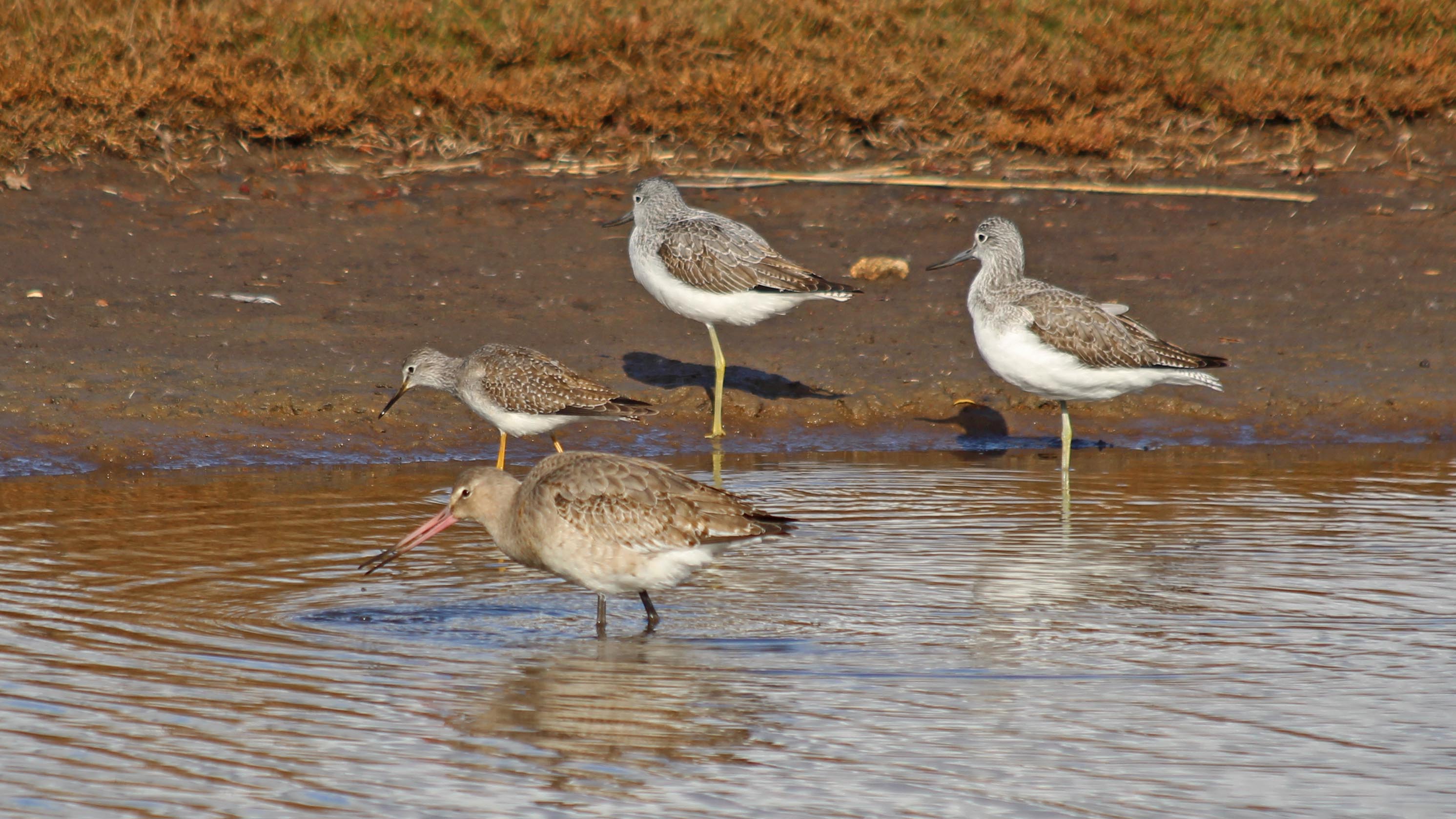
Last but by no means least are two sandpipers. On the left is a Wood sandpiper, a bird I’d only ever seen once before and, though my picture only shows one, two birds frequented this pool all of last week. This species is only seen in Britain during Spring and Autumn as they move between their breeding grounds in northern Europe and their over-wintering locations in Africa, so I was particularly lucky to have synchronised my visit with their stopover. The bird on the right is a Green sandpiper, another bird I don’t see very often. Though they are known to frequent a river quite near where I live, it’s not a location I can easily access, plus they are very flighty birds, heading for the skies at the slightest suggestion of humans close by.
Like Loading...

Birding at RSPB Lodmoor

31 Wednesday Oct 2018

Posted by sconzani in autumn, birds, nature

≈ Leave a comment

Tags

birding, birdwatching, Black-tailed godwit, British birds, Greenshank, Lapwing, Lesser yellowlegs, Little egret, Lodmoor, RSPB Lodmoor, Ruff, Snipe, Teal

Oh to have somewhere like RSPB Lodmoor as my local birding patch! Its 76 hectares of wetlands and grasslands, saltmarsh and reed beds are home to a huge variety of birds and often attract passing rarities, plus it’s a lovely place to walk and all within a mile of Weymouth town centre.

181031 birding Lodmoor (1)

This was our second stop on the way to Portland last Friday. Our target bird was the Lesser yellowlegs – amazingly, a Lesser yellowlegs was also at Lodmoor when we went to Portland in 2017 – but there were many other lovely birds to be seen, and, as I was able to get reasonably good photos, some of these birds will be getting their own blog posts in the coming days. So, here are some tasters of what you can expect to see at this outstanding reserve.

181031 birding Lodmoor (2)181031 birding Lodmoor (3)

Most of my photos of the Black-tailed godwits are like this first one – heads down, bottoms up – but I did manage to get some head shots.

181031 birding Lodmoor (4)

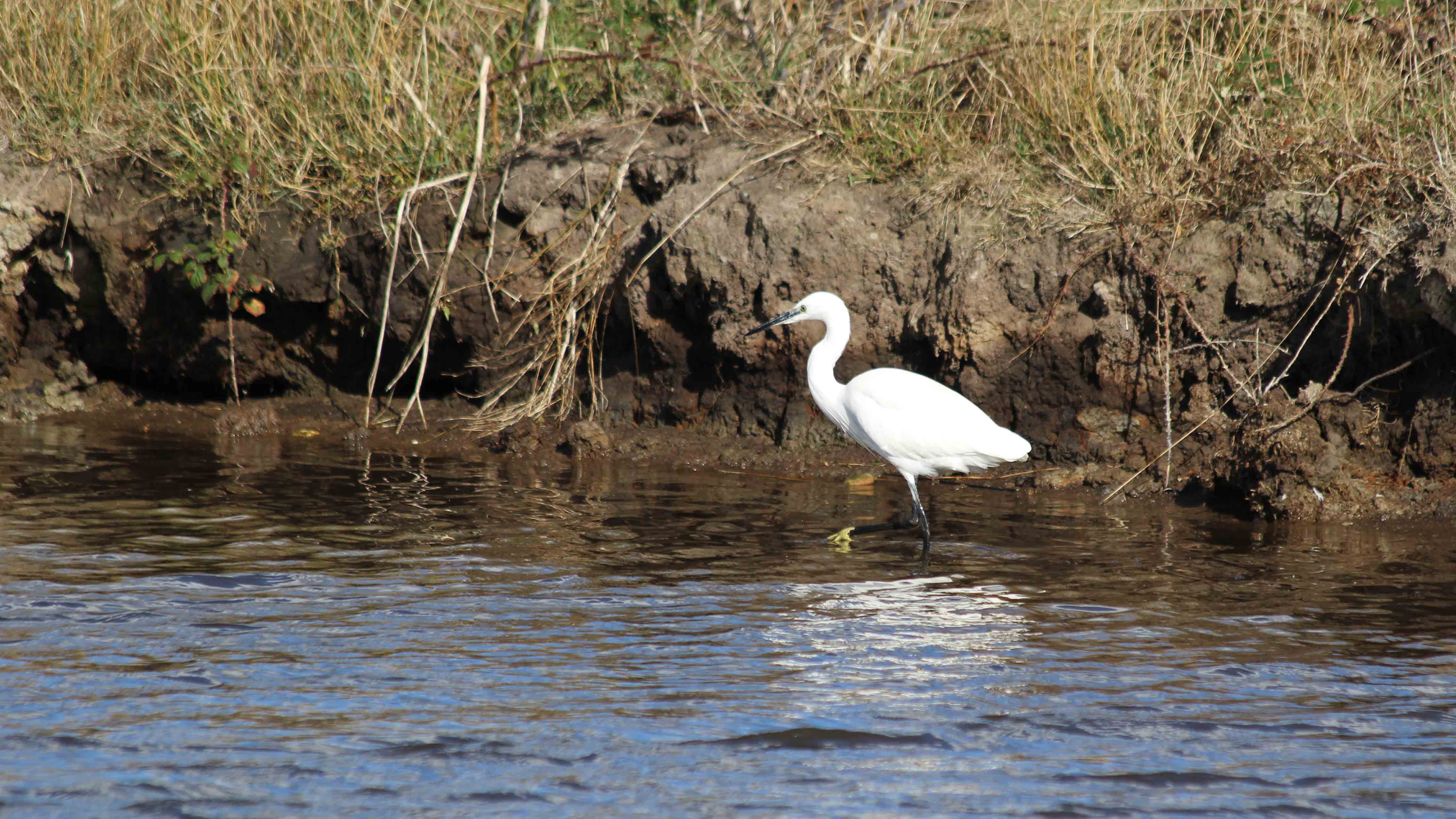
Just a few years ago Little egrets would have been a rare sight in Britain but not any more. They’re now well settled, breeding and frequently seen.

181031 birding Lodmoor (5)
181031 birding Lodmoor (6)

I love the colours in the Lapwings’ plumage. They look plain black and white from a distance but are, in fact, adorned in rich sumptuous greens. Such elegant birds.

181031 birding Lodmoor (7)

We saw several Snipe poking about in the mud for food.

181031 birding Lodmoor (8)

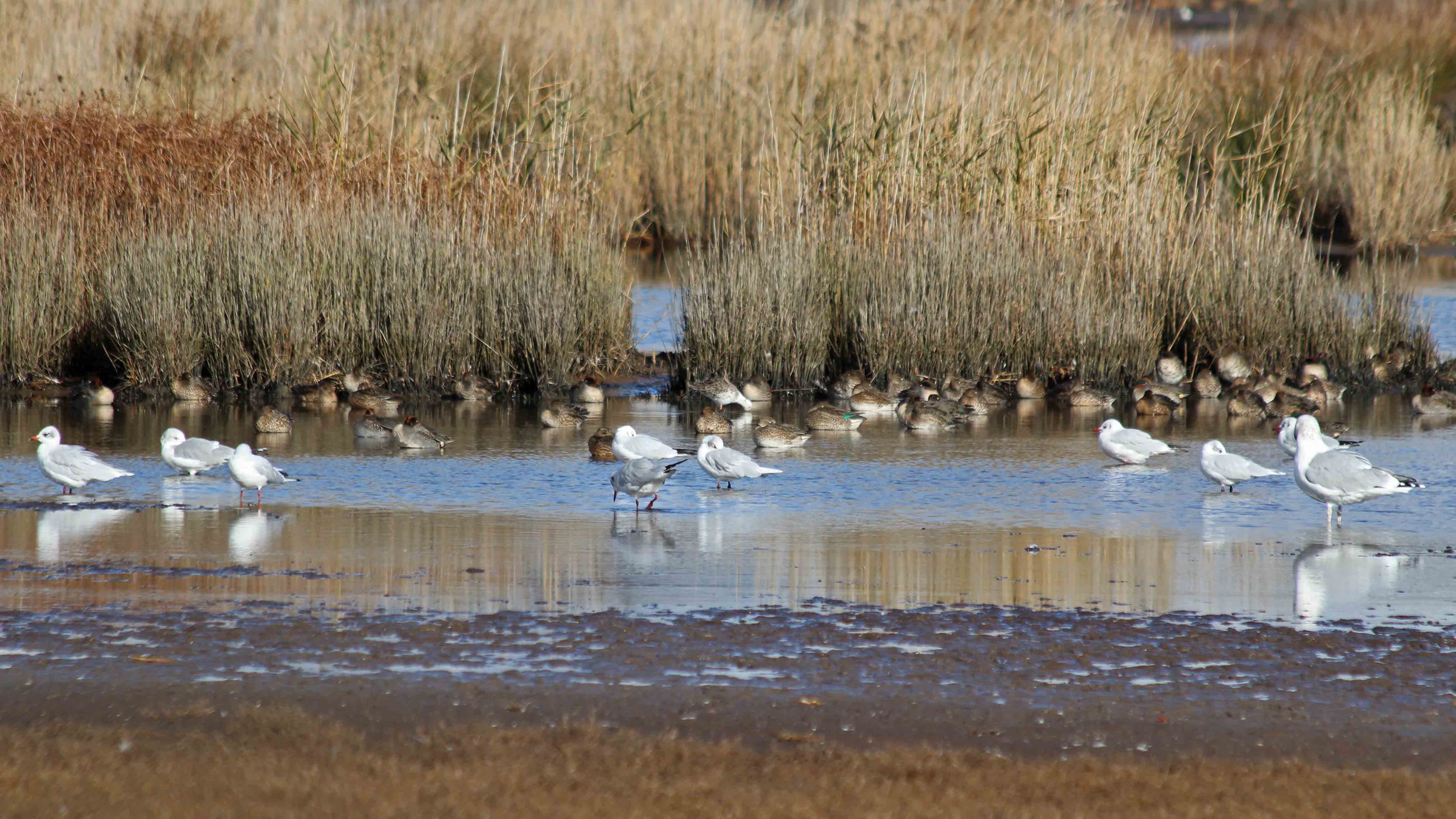
After the Canada geese, probably the second most abundant species of bird we saw was Teal, many of which were sheltering from the freezing wind behind clumps of reeds. If you look carefully, you can just see a Ruff in the centre near the reeds.

181031 birding Lodmoor (9)

The star of the Lodmoor show, the Lesser yellowlegs, seen here behind a Black-tailed godwit and to the left of 2 lovely Greenshanks. All three of these birds will be getting their own blog posts.

Like Loading...

Birding at Dryslwyn, Cilsan Bridge and Tregaron Bog

02 Friday Mar 2018

Posted by sconzani in birds, nature, walks, winter

≈ 3 Comments

Tags

birding, birdwatching, British birds, Cors Caron, Dryslwyn Castle, Glamorgan Bird Club, Green sandpiper, Lapwing, Red kite, Tregaron Bog, Tywi Valley, Whooper swan

Up at 6, collected at 7 and off we headed, west along the M4 for a 9 o’clock meet up with our other Glamorgan Bird Club buddies at the foot of Dryslwyn Castle in mid Wales. This was unexplored territory for me and the scenery of the Tywi (or Towy) Valley was simply stunning, with castles and monuments seemingly on every hill top and the beautiful River Tywi meandering through the valley below them. It was clear but cold, with a bitter wind, and heavy frost and thick ice still blanketing those spots the sun could not reach. Later, we moved on to Tregaron Bog, also known as Cors Caron National Nature Reserve, a fabulous area of marsh and wetland. And what a superb day’s birding we had!

180302 Tywi Valley (1)

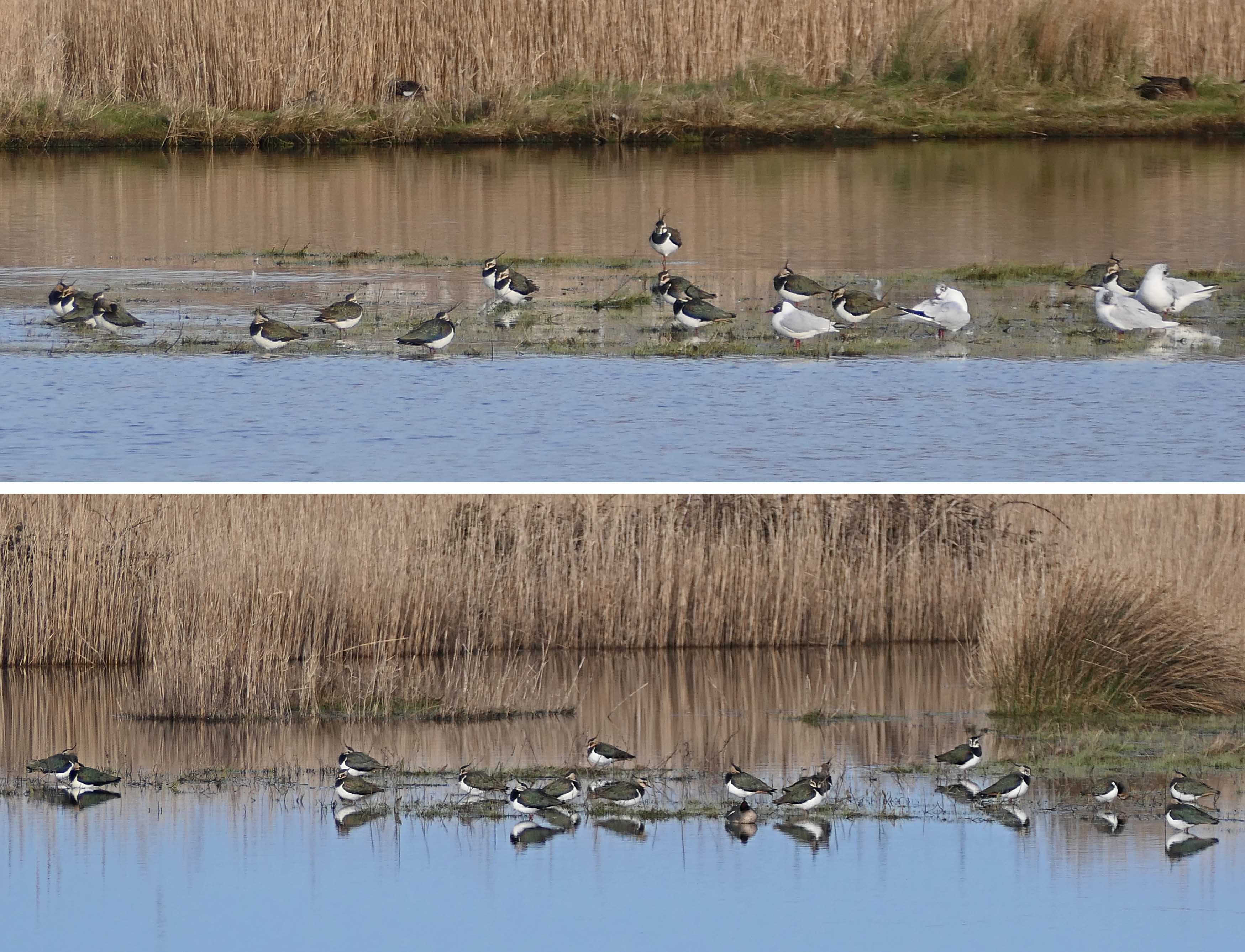
A large flock of Lapwing on the fields next to the River Tywi, and a Grey heron flying in.

180302 Tywi Valley (2)

Ducks, geese and Little grebes in the river.

180302 Tywi Valley (3)

A Red kite looks for lunch from its perch on this big old dead tree.

180302 Tywi Valley (4)

Looking towards Dinefwr Castle, with two swans flying off (possibly Mute but we also saw Whooper).

180302 Tywi Valley (5)

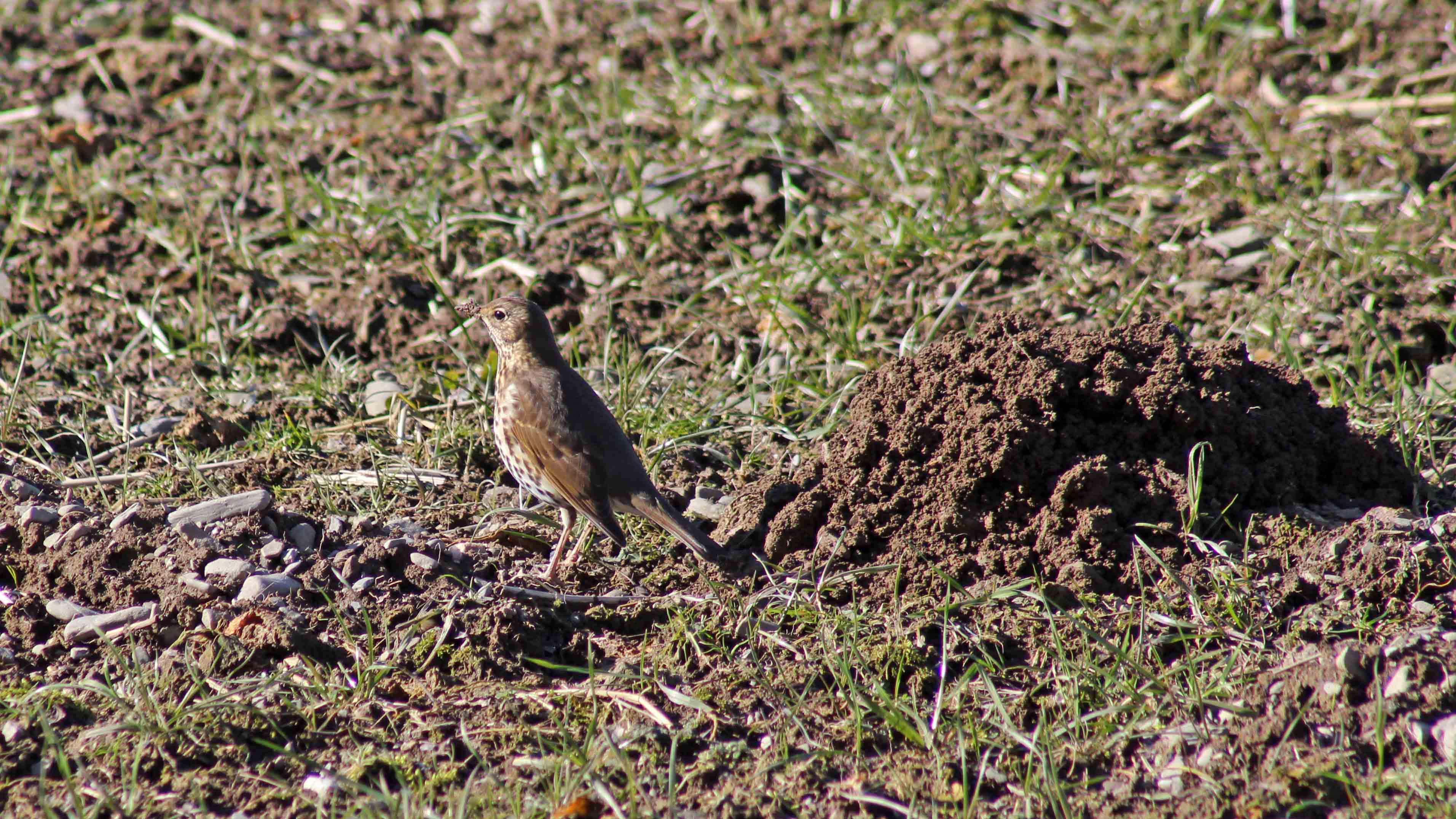
A thrush checks through a mole hill for potential food.

180302 Tregaron Bog (1)

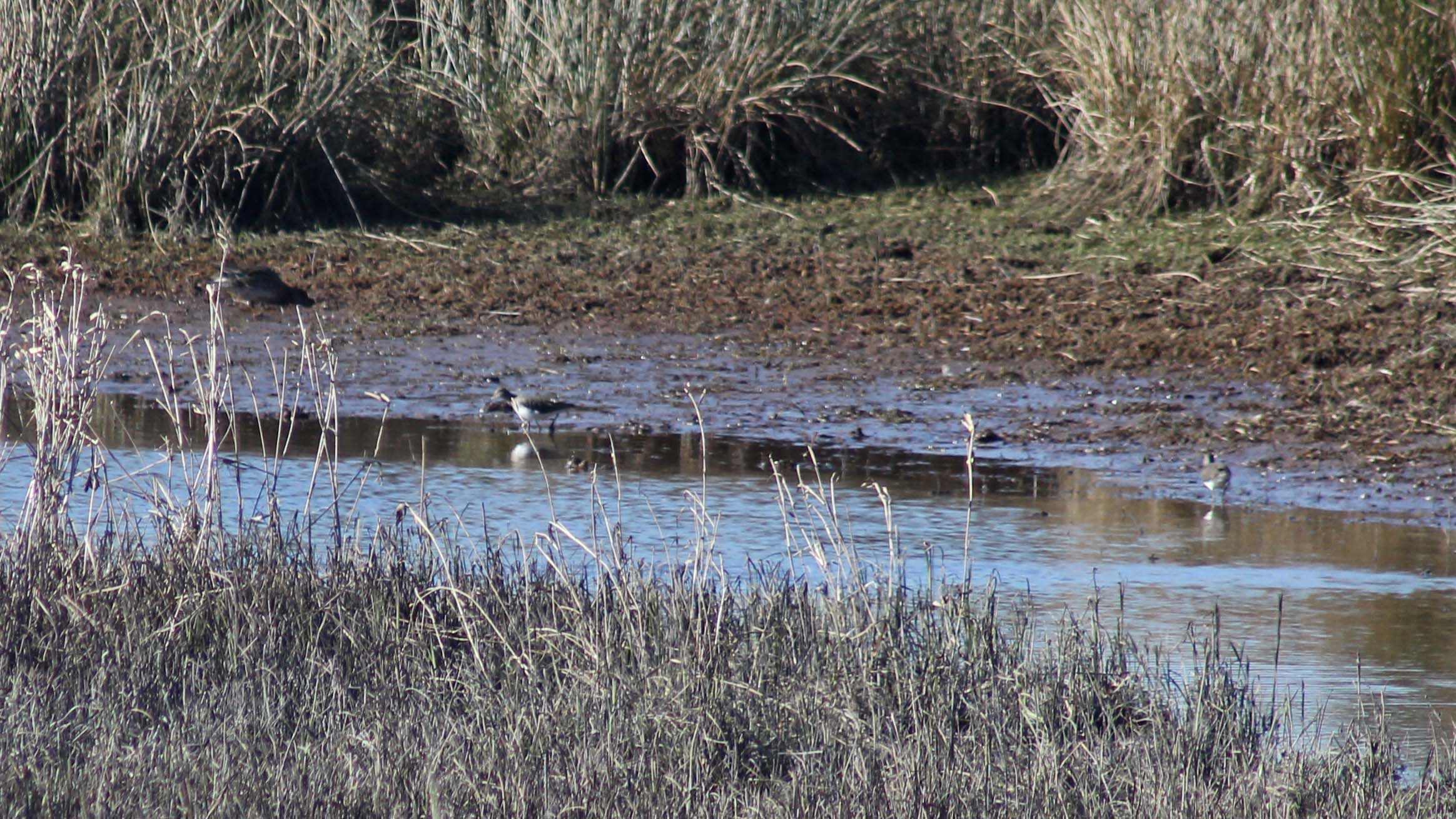
Too distant for clear shots, two Green sandpipers (and a Teal), from one of the hides at Tregaron Bog.

180302 Tregaron Bog (2)

Intrepid birders, well rugged up against the chill.

180302 Tregaron Bog (3)

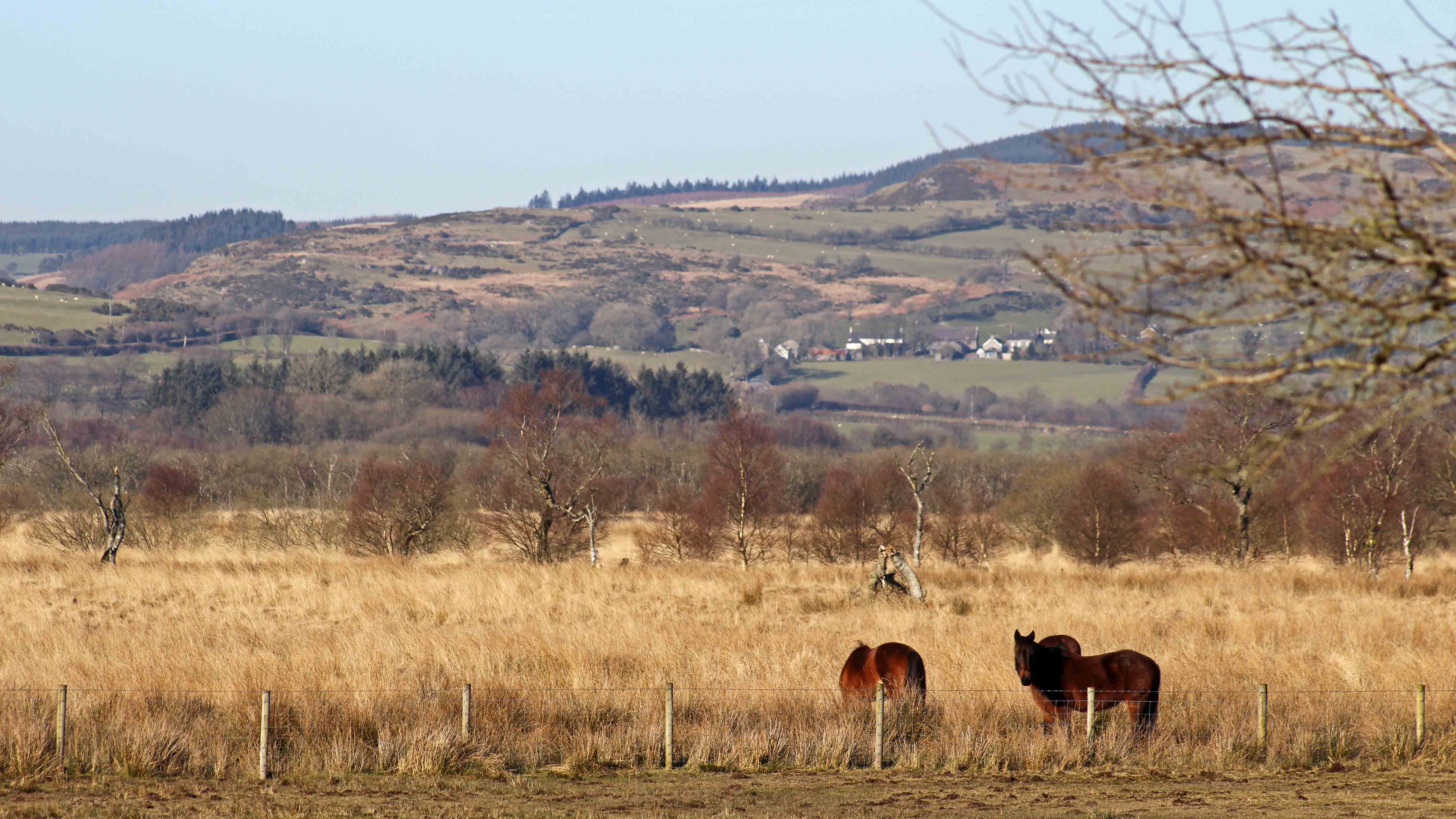
Beautiful countryside around Tregaron Bog, where grazing ponies help to manage the wetland environment.

180302 Tregaron Bog (4)

A Red kite; one of several seen this day and spectacular birds to watch.

My species list for the day was: Mute Swan, Whooper Swan, Pink-footed Goose, Greylag Goose, Canada Goose, Wigeon, Teal, Mallard, Goosander, Little Grebe, Grey Heron, Great White Egret, Little Egret, Cormorant, Red Kite, Hen Harrier, Buzzard, Lapwing, Snipe, Curlew, Green Sandpiper, Black-headed Gull, Herring Gull, Lesser Black-backed Gull, Woodpigeon, Great Spotted Woodpecker, Magpie, Jackdaw, Carrion Crow, Raven, Blue Tit, Great Tit, Coal Tit, Wren, Treecreeper, Starling, Blackbird, Fieldfare, Song Thrush, Redwing, Mistle Thrush, Robin, Stonechat, Dunnock, House Sparrow, Tree Sparrow, Pied Wagtail, Chaffinch, Goldfinch and Bullfinch. A further 7 species were seen by other members of our group but not by me: Peregrine, Common Gull, Rook, Long-tailed Tit, Goldcrest, Nuthatch, and Greenfinch.

Like Loading...

Rye birds

27 Tuesday Feb 2018

Posted by sconzani in birds, nature, seaside, weather

≈ Leave a comment

Tags

birding, birdwatching, British birds, Cormorant, Great black-backed gull, Lapwing, Redshank, Rye Harbour Nature Reserve, shoveler, Wigeon

My original title for this blog was ‘A mad Kiwi and an Englishwoman go birding in a howling gale’. I decided that was a trifle long but it was certainly an accurate reflection of our day at Rye Harbour Nature Reserve. Nevertheless, we persevered, though we did put off walking the beach-top path – I think we would’ve been blown all the way back to Rye township if we’d tried that.

180227 Rye Harbour birds (4)

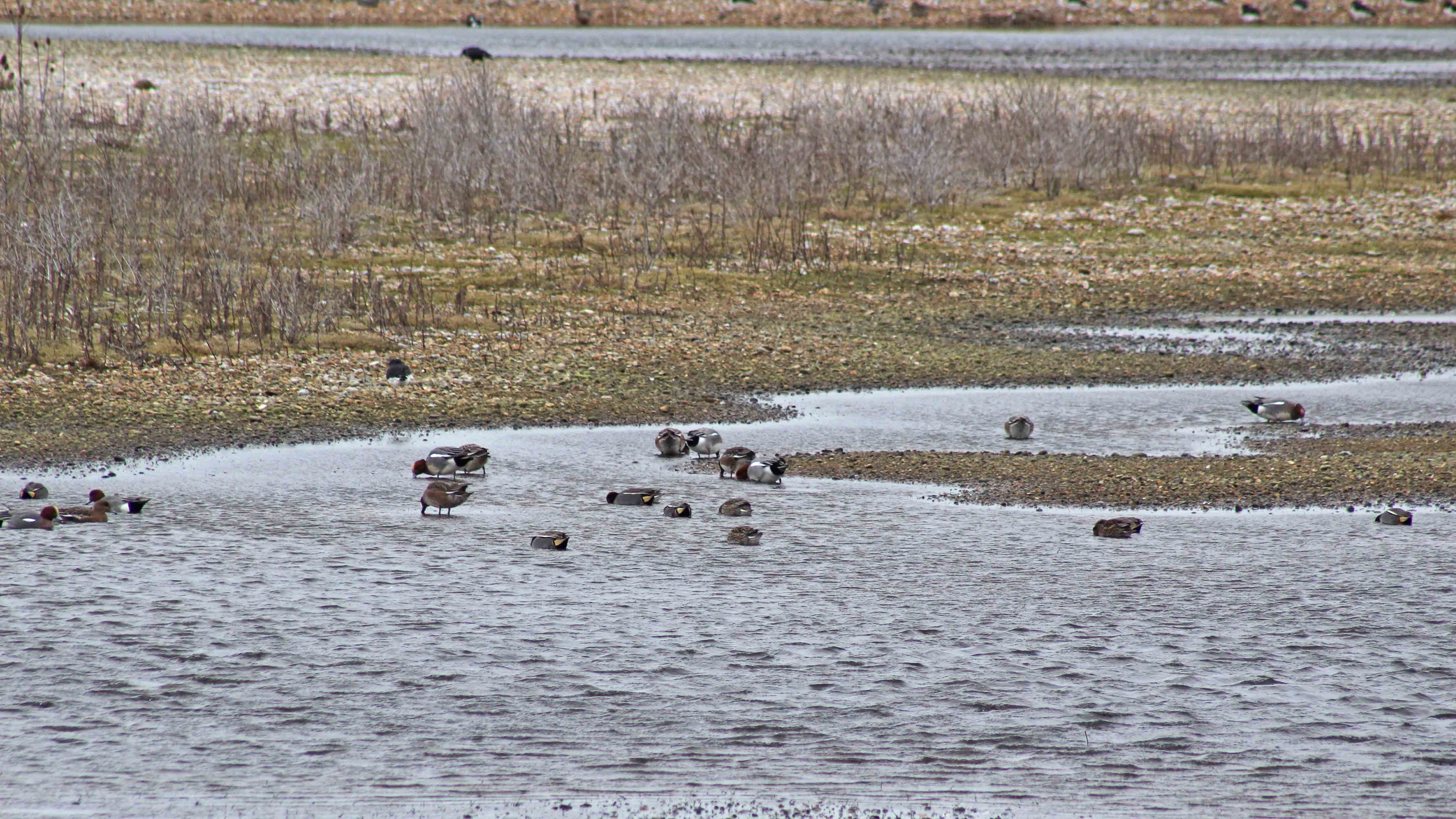
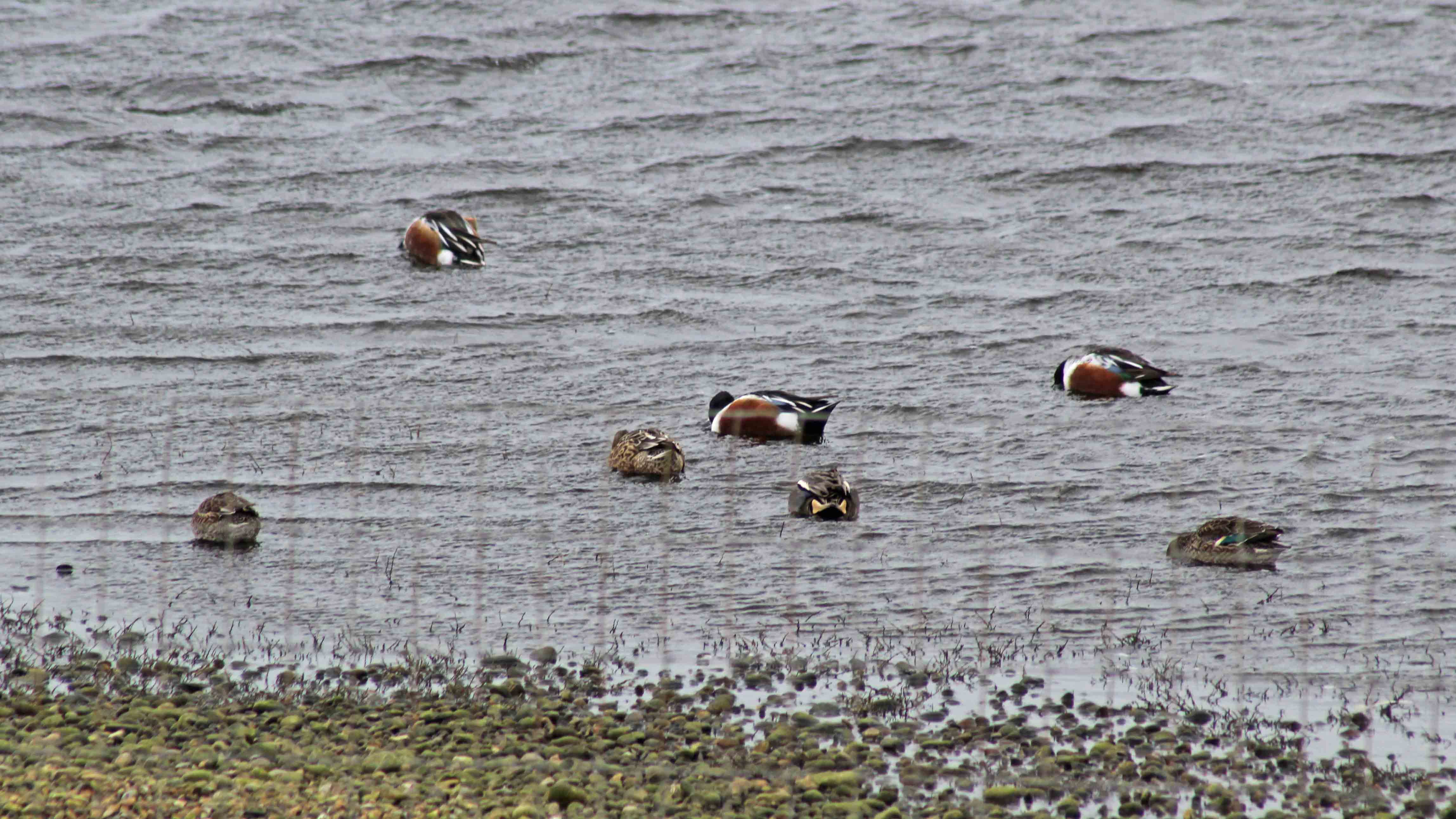
As you might expect, the birds were mostly hunkered down, sheltering where possible behind clumps of grass or huddled alongside sandy banks. Still, with brief stops here and there to scan the shingle and reeds with constantly watering eyes through fogging-up binoculars and short pops into hides (as much to warm up as to look out), we managed to clock up a total of 35 species. They were: Kestrel, House sparrow, Herring gull, Lesser black-backed gull, Black-headed gull, Mallard, Shelduck …

180227 Rye Harbour birds (3)

Shoveler (above, seen through a netting fence), Brent goose …

180227 Rye Harbour birds (5)

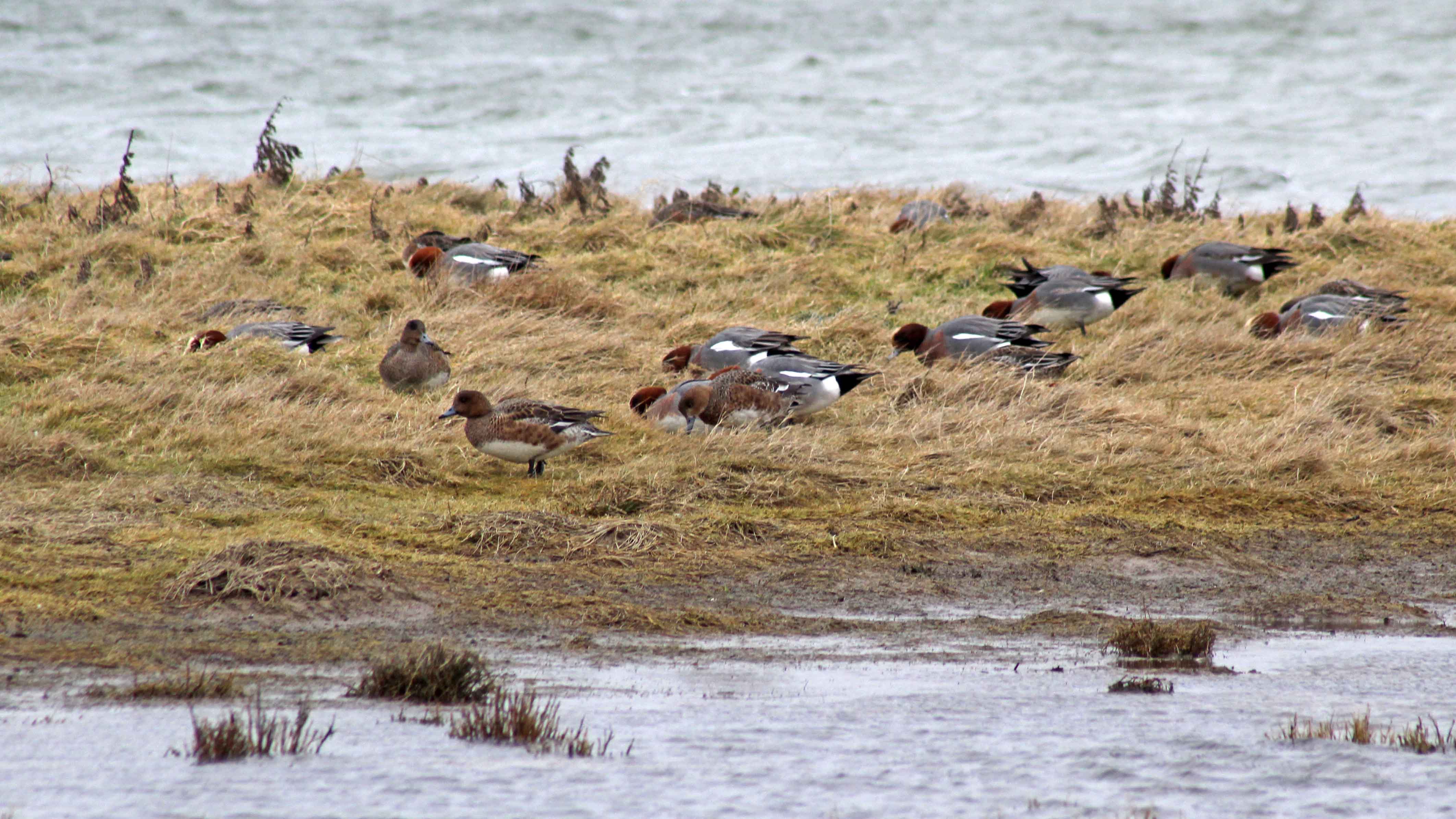
Wigeon (those handsome birds above), Oystercatcher, Carrion crow, Tufted duck …

180227 Rye Harbour birds (1)

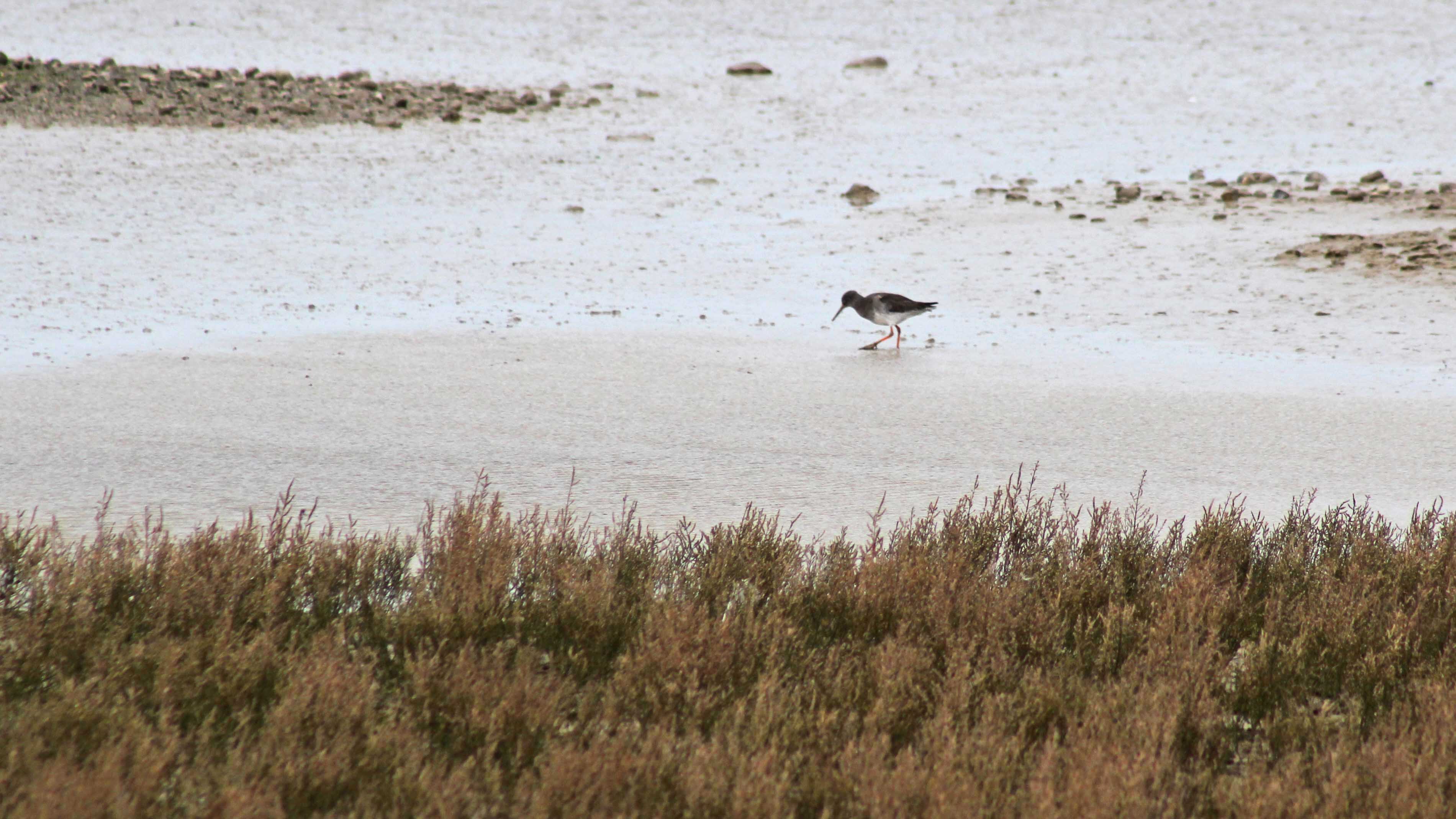
Redshank (always a favourite of mine), Coot …

180227 Rye Harbour birds (6)

Cormorant (already beginning to nest in trees near Castle Water) …

180227 Rye Harbour birds (2)

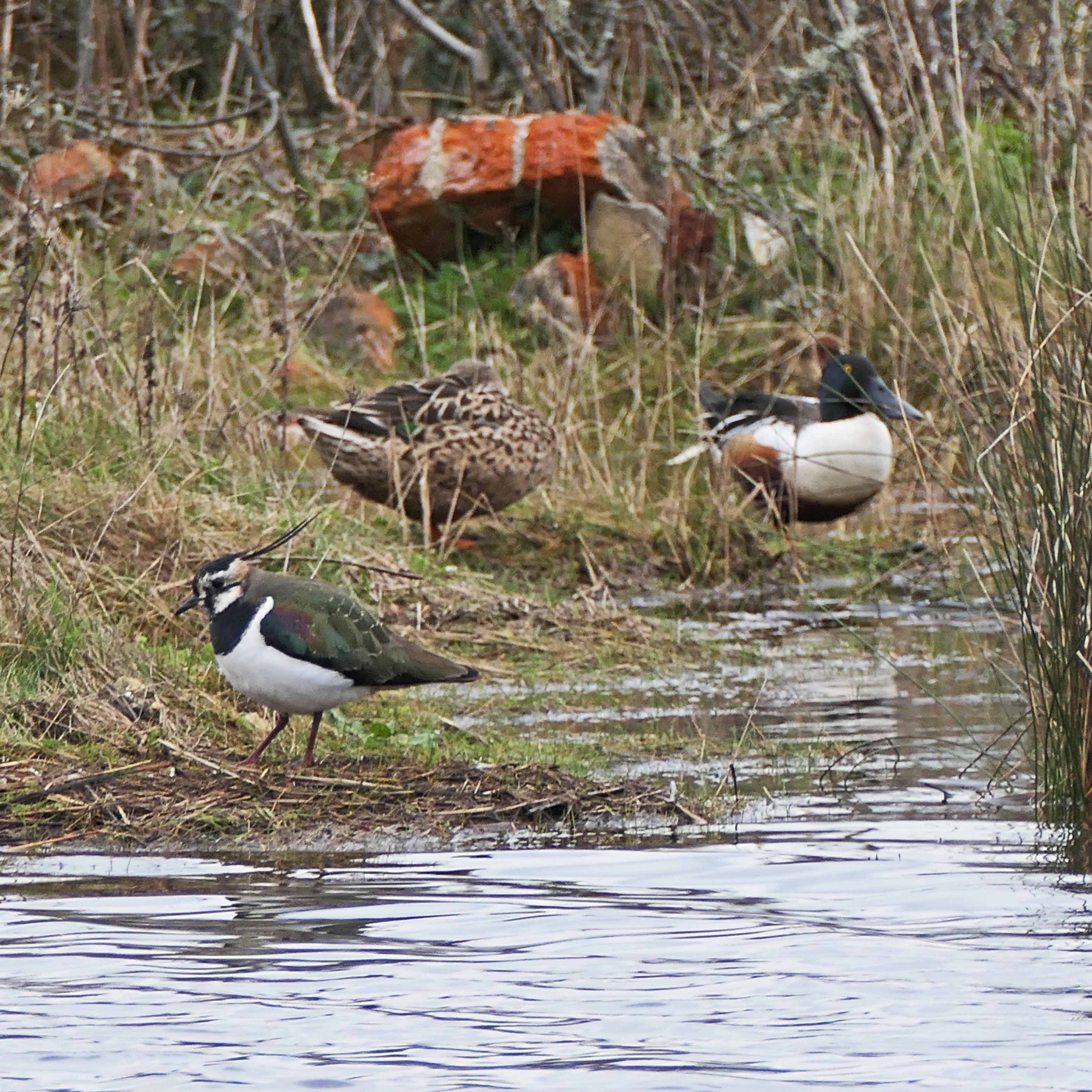
Great black-backed gull and Lapwing (both above), Little grebe, Mute swan, Teal, Little egret, Goldfinch, Woodpigeon, Blackbird, Green woodpecker, Great tit, Coal tit, Magpie, Mistle thrush, Pied wagtail, Greylag goose, Egyptian goose, Pheasant, and Starling.

Like Loading...

Two go cuckoo at Camber

25 Thursday May 2017

Posted by sconzani in birds, coastal fauna, nature, walks

≈ 2 Comments

Tags

birding, birdwatching, Black-headed gull, Common tern, Gadwall, Lapwing, Marsh harrier, Oystercatchers, Ringed plover, Rye Harbour Nature Reserve, sheep, Shelduck, Skylark, Sussex Wildlife Trust guided walk

I celebrated my birthday, with my friend Jill, with a quick morning romp around the bird hides at Rye Harbour Nature Reserve, followed by an afternoon Sussex Wildlife Trust guided walk around the inland part of the reserve, including a peek inside the normally locked Camber Castle. And what a superb day it was!

170524 Rye Harbour fauna (10)

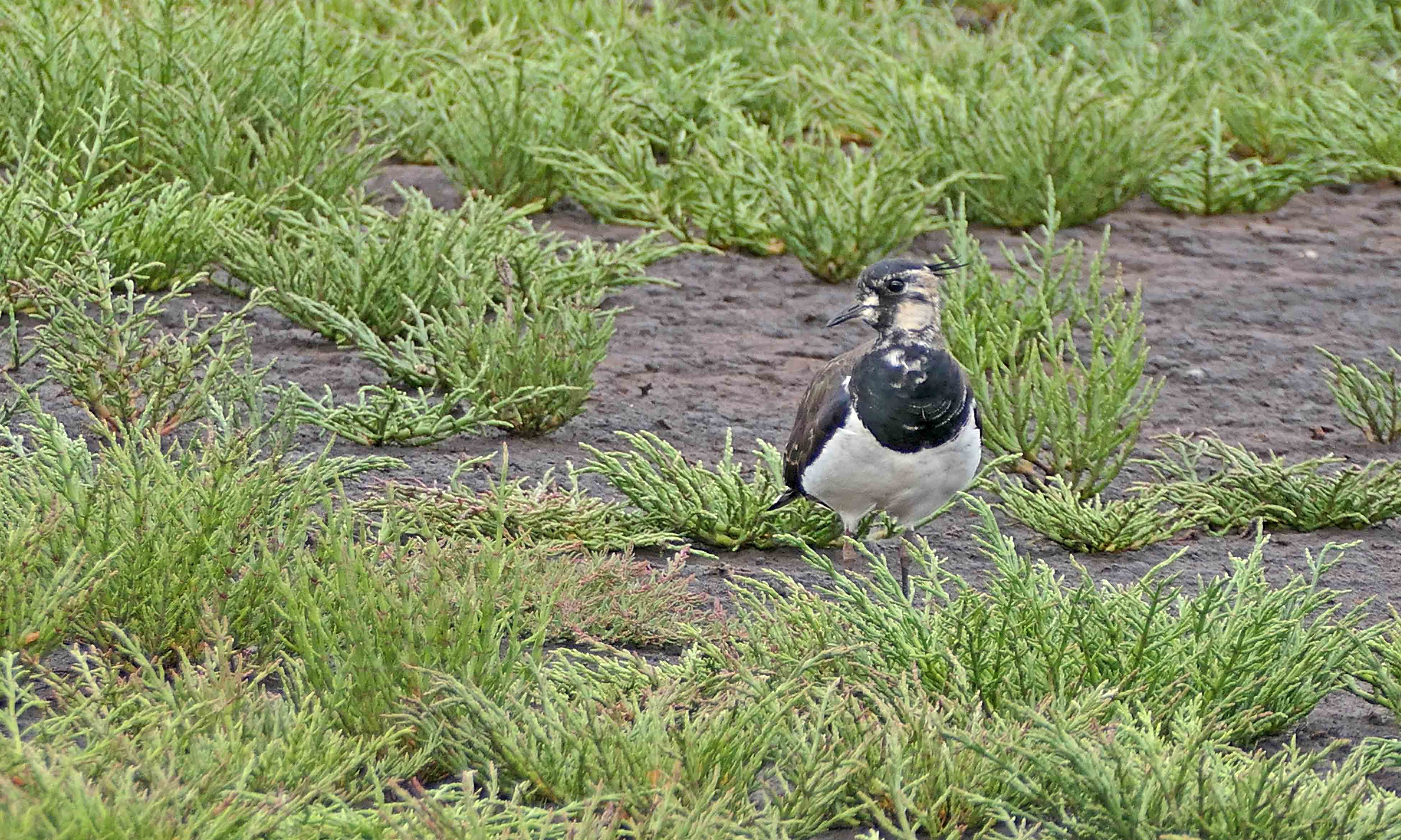
I’ve already blogged about one of the highlights, the gorgeous Avocets and their chicks; another was hearing, and catching a fleeting glimpse of my very first Cuckoo. Here are a few more (not so crisp) photos of the wonderful (but mostly distant) wildlife we saw: Common terns, Skylark, Oystercatchers and Dunlin, Black-headed gull, Ringed plover, Gadwall and Shelduck, Lapwing and a Pied wagtail, Marsh harrier, and a number 72; plus, not pictured, Redshank, Coot, Cormorant, Tufted duck, Mallard, Little ringed plover, Grey heron, Kestrel and Whitethroat, as well as the more common birds. A birthday to remember!

170524 Rye Harbour fauna (1)
170524 Rye Harbour fauna (2)
170524 Rye Harbour fauna (3)
170524 Rye Harbour fauna (4)
170524 Rye Harbour fauna (5)
170524 Rye Harbour fauna (6)
170524 Rye Harbour fauna (7)
170524 Rye Harbour fauna (8)
170524 Rye Harbour fauna (9)

Like Loading...

About me

sconzani

sconzani

I'm a writer and photographer; researcher and blogger; birder and nature lover; countryside rambler and city strider; volunteer and biodiversity recorder.

View Full Profile →

Follow earthstar on WordPress.com

Enter your email address to follow this blog and receive notifications of new posts by email.

Recent blog posts

  • N is for nest December 19, 2025
  • M is for mite December 18, 2025
  • L is for lepidopteran lifers December 17, 2025
  • K is for Keeled skimmers December 16, 2025
  • J is for Jersey tiger December 15, 2025

From the archives

COPYRIGHT

Unless otherwise acknowledged, the text and photographs on this blog are my own and are subject to international copyright. Nothing may be downloaded or copied without my permission.

Fellow Earth Stars!

  • Unknown's avatar
  • Unknown's avatar
  • Unknown's avatar
  • Unknown's avatar
  • Unknown's avatar
  • Unknown's avatar
  • Unknown's avatar
  • Unknown's avatar
  • Unknown's avatar
  • Unknown's avatar
  • Unknown's avatar
  • Unknown's avatar
  • Unknown's avatar
  • Unknown's avatar
  • Unknown's avatar
  • Unknown's avatar
  • Unknown's avatar
  • Unknown's avatar
  • Unknown's avatar
  • Unknown's avatar
  • Unknown's avatar
  • Unknown's avatar
  • Unknown's avatar
  • Unknown's avatar
  • Unknown's avatar
  • Unknown's avatar
  • Unknown's avatar
  • Unknown's avatar
  • Unknown's avatar
  • Unknown's avatar
  • Unknown's avatar
  • Unknown's avatar
  • Unknown's avatar
  • Unknown's avatar
  • Unknown's avatar
  • Unknown's avatar
  • Unknown's avatar
  • Unknown's avatar
  • Unknown's avatar
  • Unknown's avatar
  • Unknown's avatar
  • Unknown's avatar
  • Unknown's avatar
  • Unknown's avatar
  • Unknown's avatar
  • Unknown's avatar
  • Unknown's avatar
  • Unknown's avatar
  • Unknown's avatar
  • Unknown's avatar

Blog at WordPress.com.

Privacy & Cookies: This site uses cookies. By continuing to use this website, you agree to their use.
To find out more, including how to control cookies, see here: Cookie Policy
  • Subscribe Subscribed
    • earthstar
    • Join 667 other subscribers
    • Already have a WordPress.com account? Log in now.
    • earthstar
    • Subscribe Subscribed
    • Sign up
    • Log in
    • Report this content
    • View site in Reader
    • Manage subscriptions
    • Collapse this bar
 

Loading Comments...
 

You must be logged in to post a comment.

    %d