
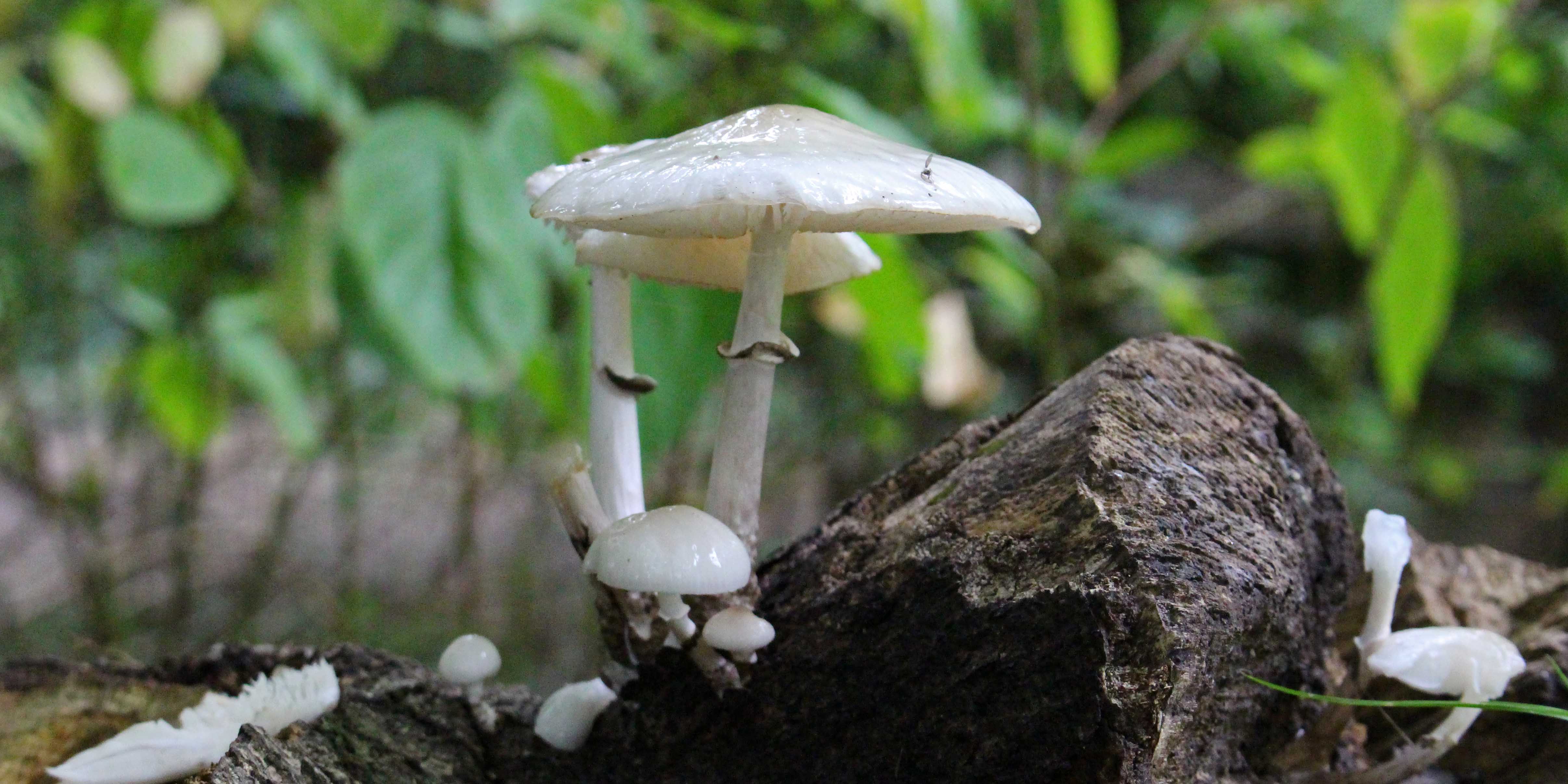
It’s been ages since I’ve seen Porcelain fungus (Oudemansiella mucida) so, though it was a bit sad to see an enormous old Beech tree had lost one of its huge branches, it was a real treat for me to see tiny bulb-shaped fungi emerging all over the wood.
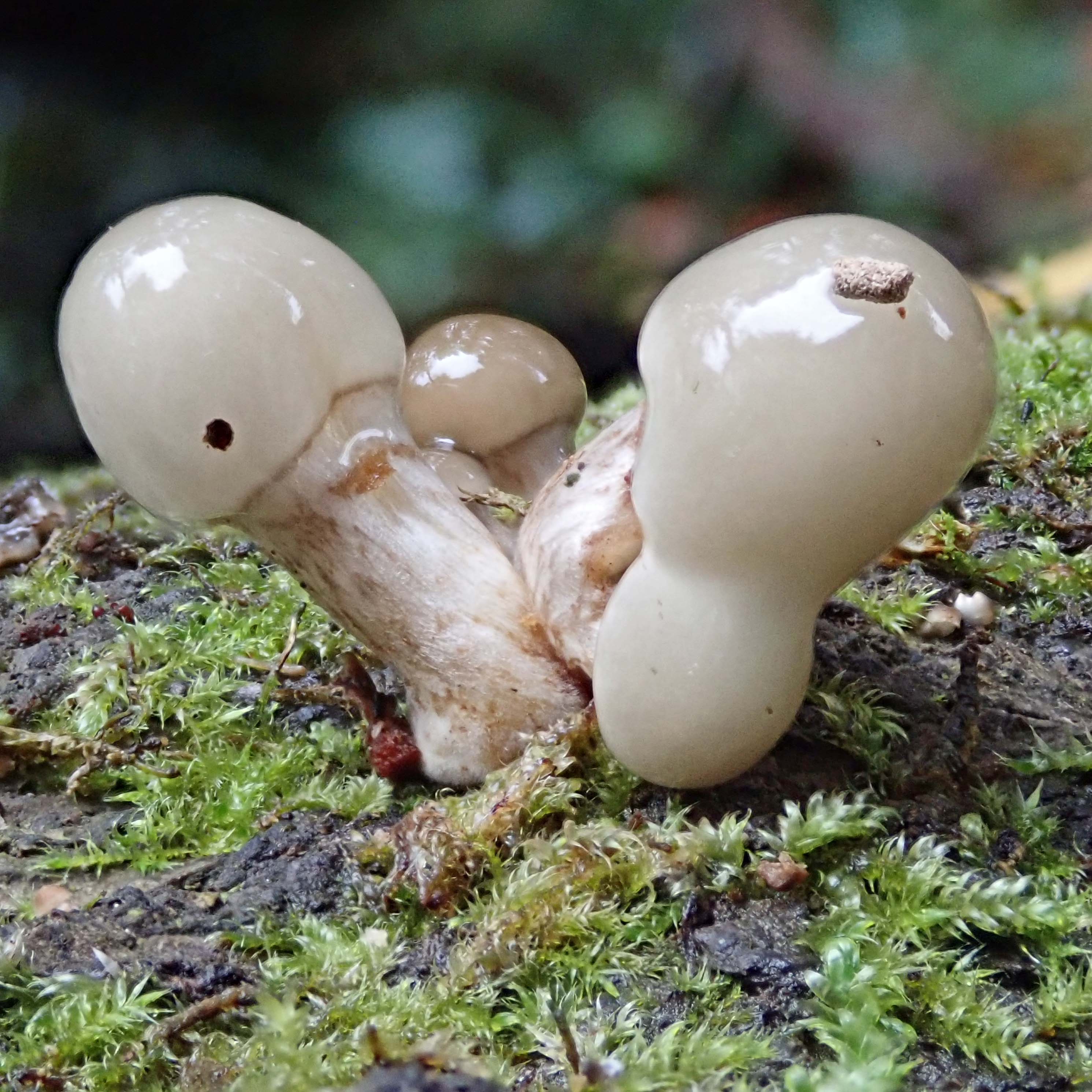
There were hundreds of them, and I’ve just read on the First Nature website that this is due to the fact that ‘Oudemansiella mucida releases a powerful fungicide that deters or even annihilates competitors’, giving Porcelain fungus exclusive access to the nutrients of the fallen Beech.
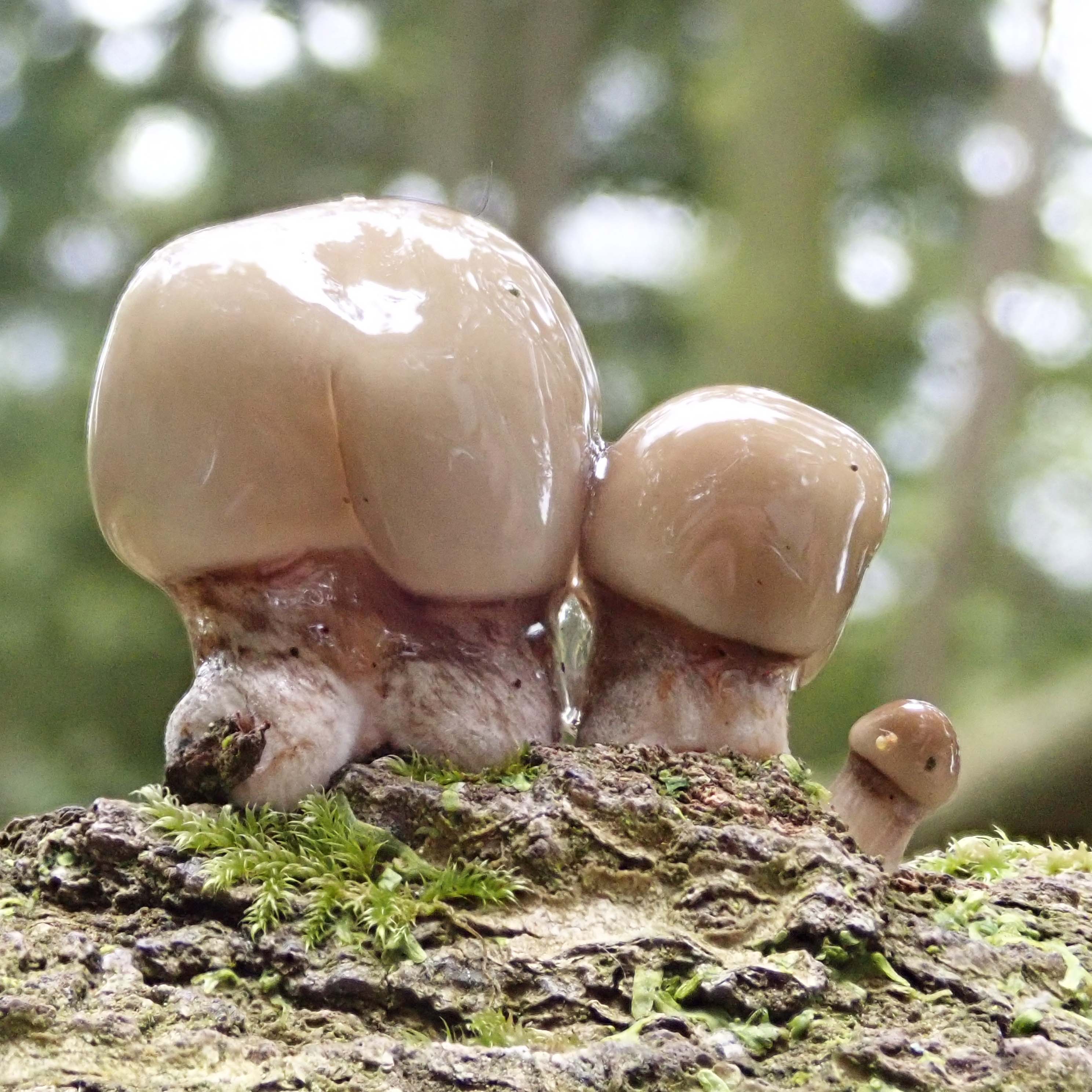
Porcelain fungus is found exclusively on Beech, usually on dead or dying fallen branches on the ground but sometimes on dead branches high up in the canopy of an old tree.
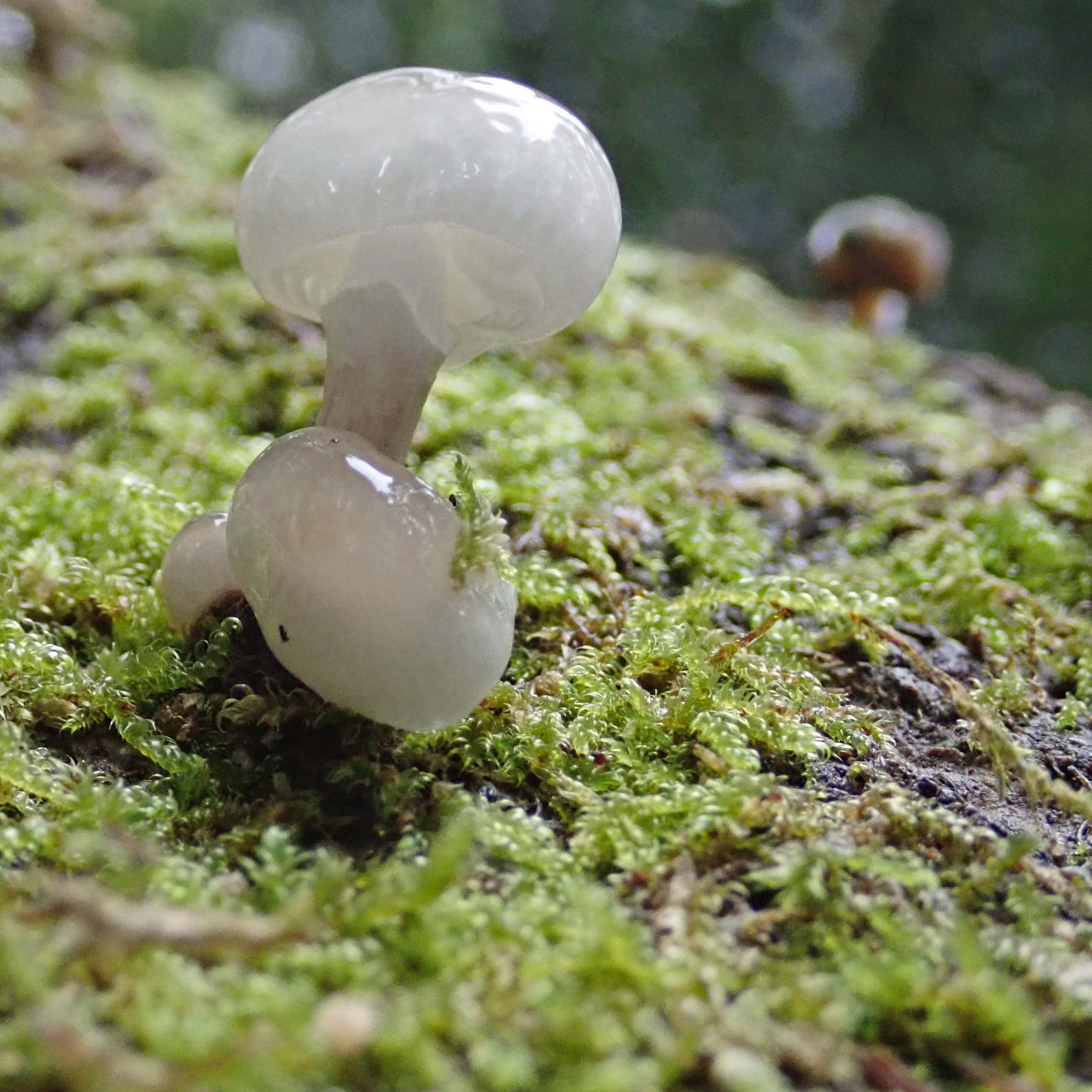
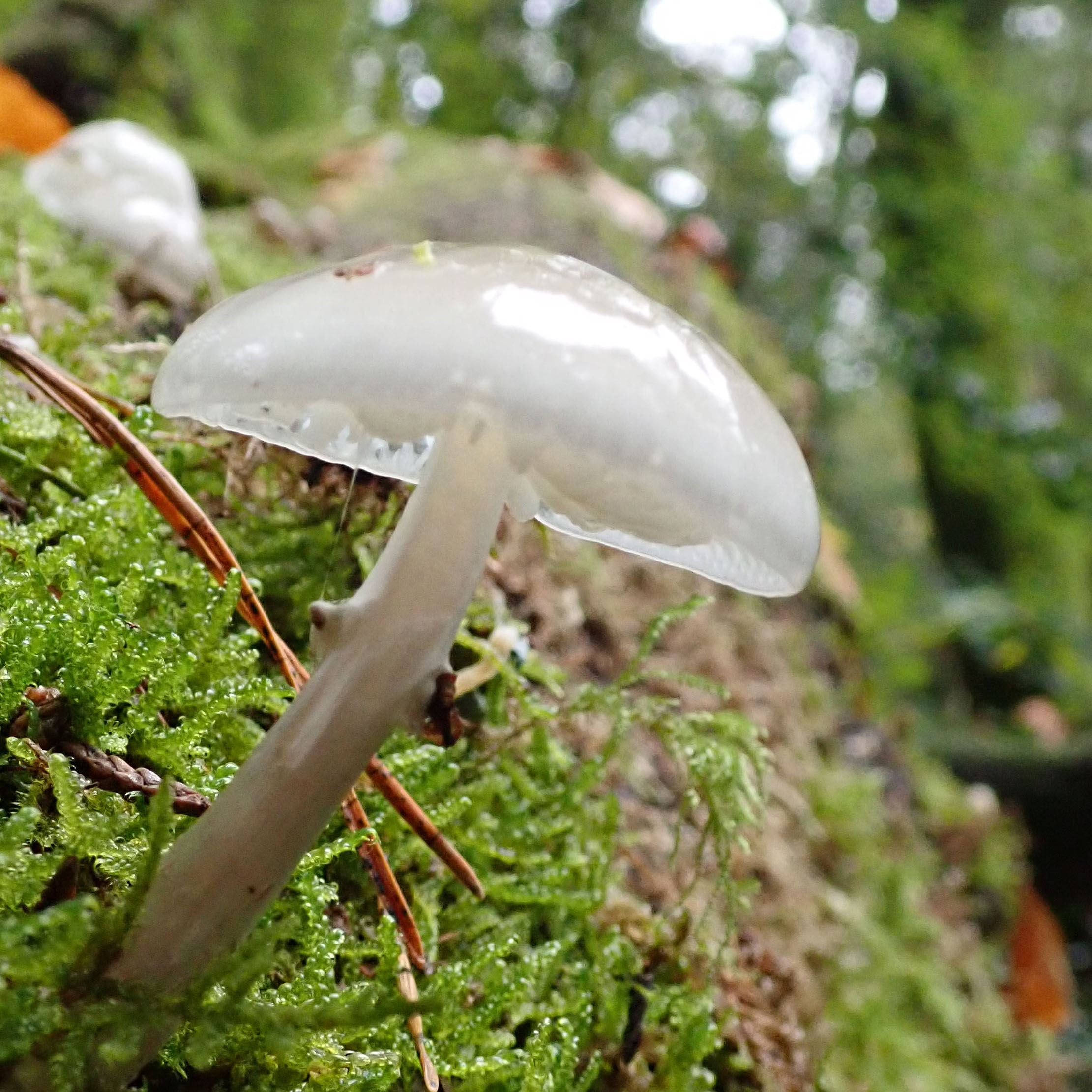
The mucida in its scientific name refers to the slimy mucus that covers the upper sides of the caps of this fungus. And, though the idea of mucus might give a negative impression, these are stunning fungi, especially when the fruiting bodies are fully open. Their pure white colour and the translucence of their caps is where the common name Porcelain comes from.


 earthstar
You must be logged in to post a comment.