
As you might guess from the name, the leaves of both Common scurvygrass (Cochlearia officinalis) and Danish scurvygrass (C. danica) are high in vitamin C and so were used in the days of sailing ships to combat the danger to seamen of suffering from scurvy due to a lack of citrus fruit in their diets.
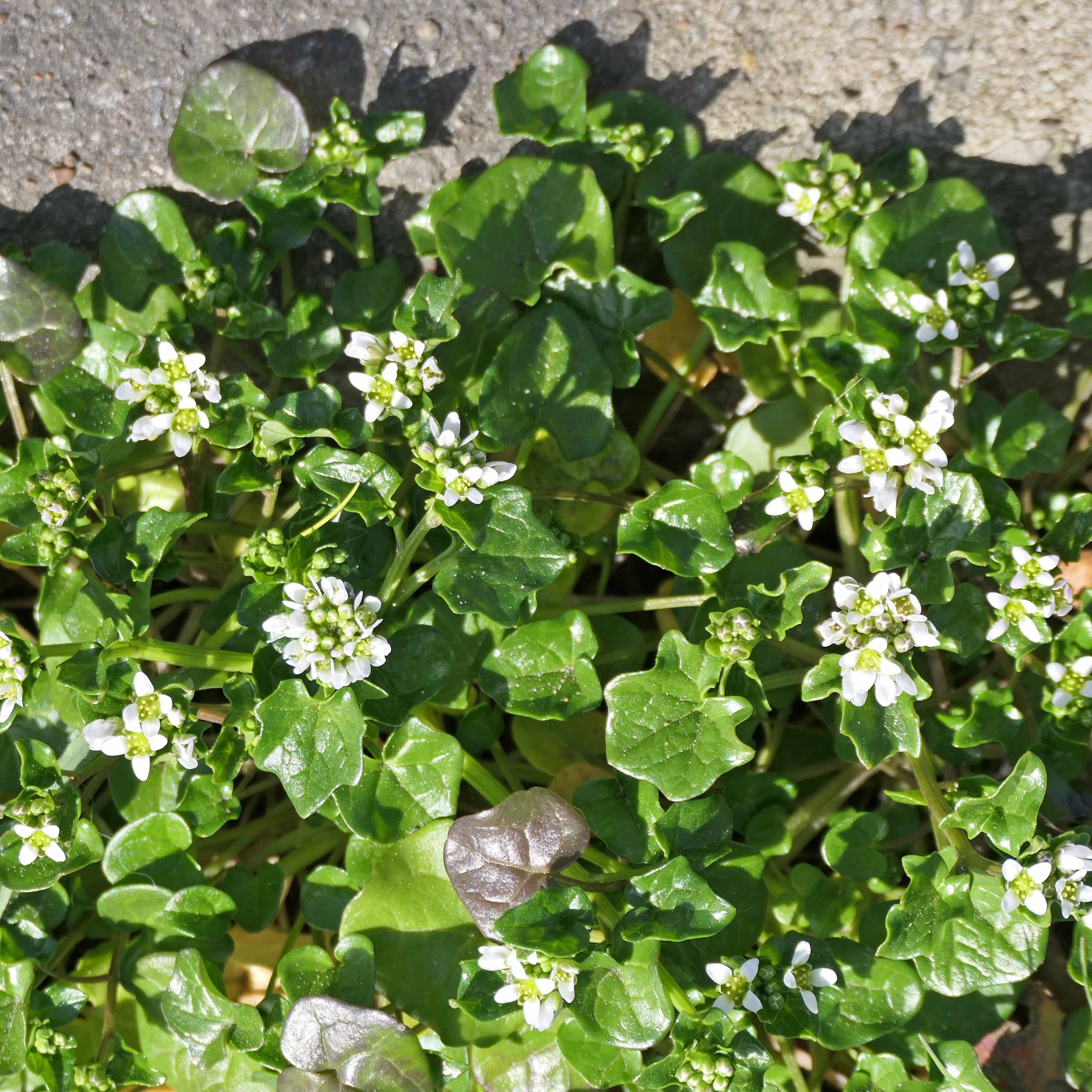
As far as I’m aware, I’ve never seen Common scurvygrass, which grows in saltmarshes, on cliffs and in sand dunes, but the Danish variety is locally very common, especially along the edges of our busier roads and motorways, where the salt used to clear the roads of ice and snow during the winter months provides the plants with the salt they would usually enjoy when growing close to the sea.
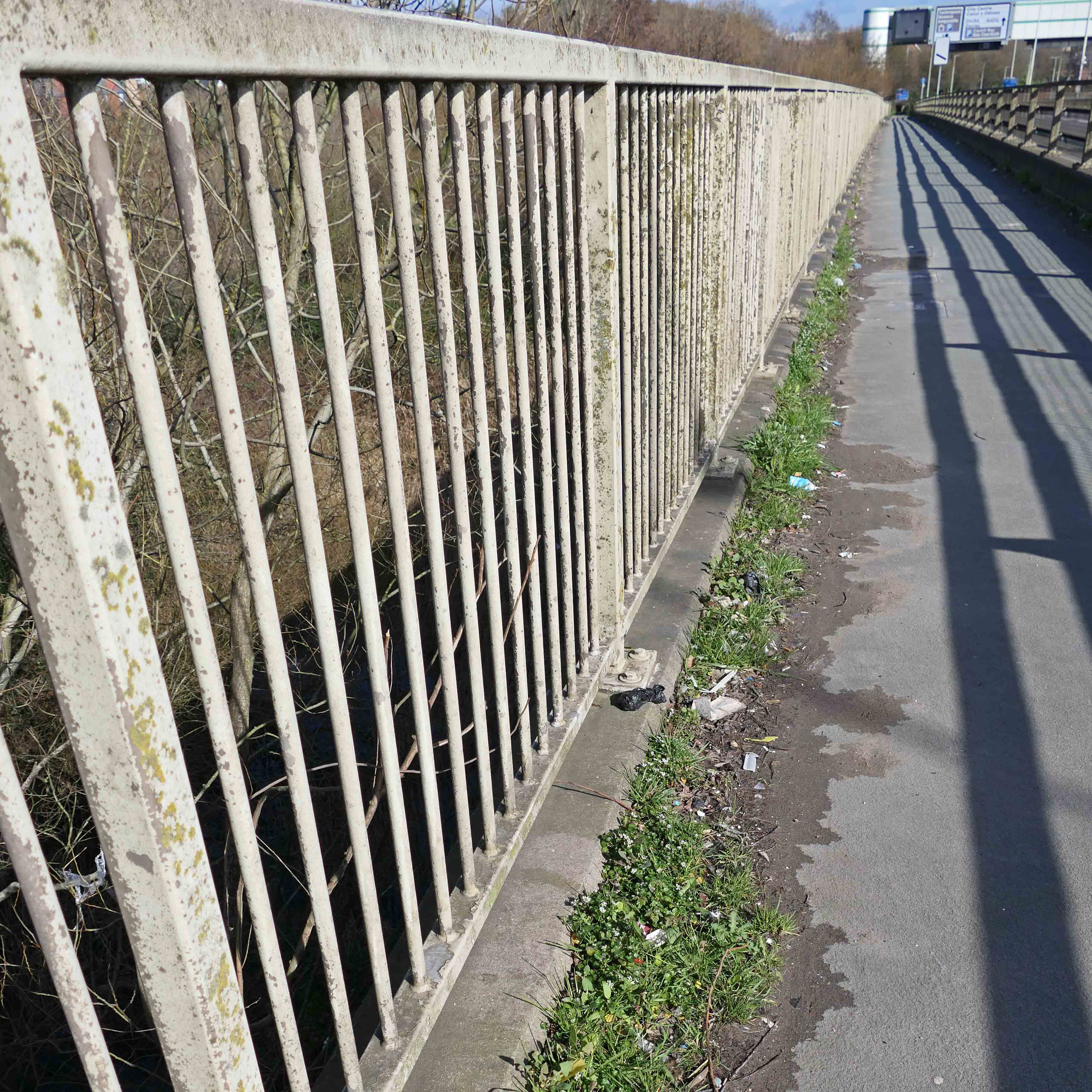
I found the plants shown here growing along the edge of the footways on either side of the four traffic lanes on the A4232 Cardiff Bay Link Road, on the bridge that carries vehicles across the River Taff where the river flows in to Cardiff Bay. The bridge must be about 7 metres (23 feet) above the water (it has a navigable clearance height of around 5.3 metres [17.4 feet]) so it’s fairly safe to assume the seeds of the Danish scurvygrass arrived on the bridge by being blown along by passing traffic.
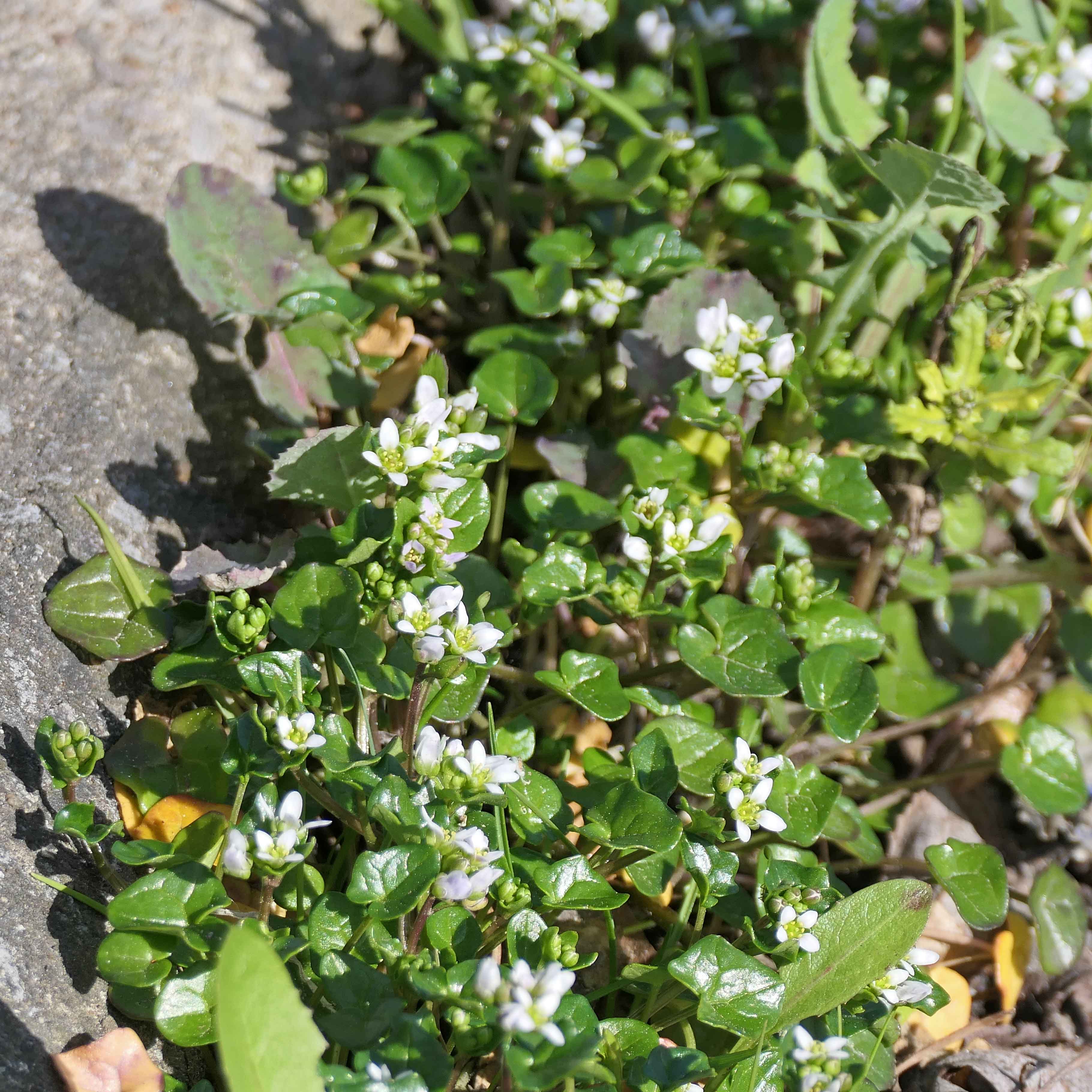
It’s also fairly safe to assume that the council doesn’t clean the footways very often as enough soil/mud has accumulated for the scurvygrass (and other plants) to grow in. It’s an attractive little plant, its pretty white flowers and glossy green leaves much more pleasant to look at than the rubbish that also collects along the road and footways.
 earthstar
You must be logged in to post a comment.