
Tags
Agalenatea redii, Agelena labyrinthica, Anyphaena accentuata, British spiders, Cheiracanthium erraticum, Eratigena species, Larinioides cornutus, Larinioides sclopetarius, Metellina segmentata, Pardosa species, Philodromus spiders, Platnickina tincta, Segestria florentina, spider, Steatoda nobilis, Zygiella x-notata
What a fabulous year this has been for new spider sightings, mostly inspired by the new spider guide book I bought with the financial support my local biodiversity records centre provides to its recorders. (I hope they’re pleased with the new records I’ve now provided.)
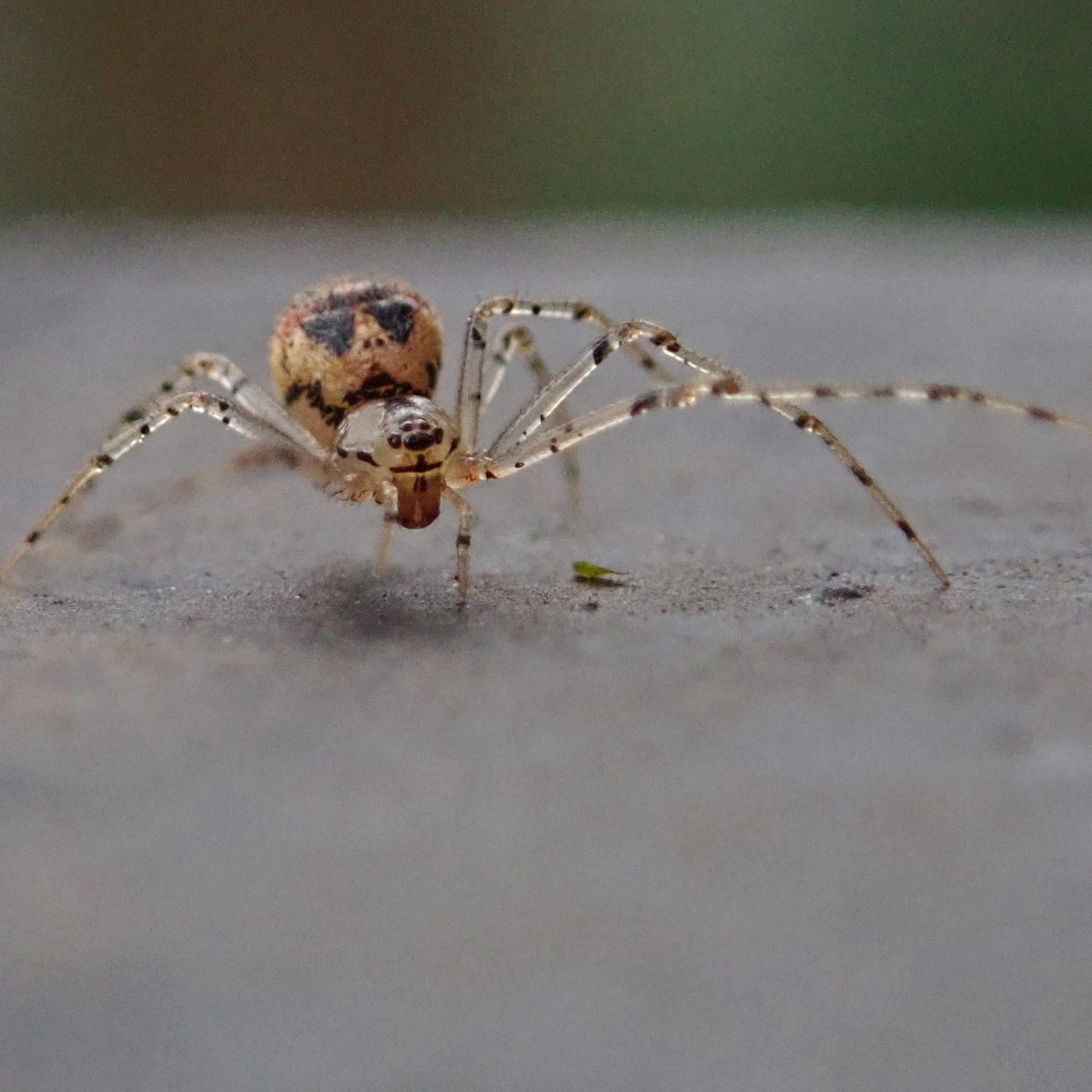
The image above is one of my new finds, Platnickina tincta (Spider: Platnickina tincta, 21 February), though this particular specimen was found very recently, on 14 December, on my local park railings. If you’re an arachnophile, you might enjoy perusing my list of this year’s finds; if not, I will completely understand if you prefer simply to scroll on. This year’s blogs: Spider: Steatoda nobilis, 25 March; Spider: Zygiella x-notata, 31 March; Spider: Larinioides cornutus, 7 April; Spiders: Philodromus species, 6 May; Spider: Segestria florentina, 21 May; Spider: Cheiracanthium erraticum, 31 May; Spider: Anyphaena accentuata, 4 June; Spider: Pardosa species, 11 June; Spider: Agelena labyrinthica, 9 July; Spider: Agalenatea redii, 9 September; Spider: Metellina segmentata, 20 September; Spider: Eratigena species, 13 October; and Spider: Larinioides sclopetarius, 28 October.
 earthstar
You must be logged in to post a comment.