
Tags
British moths, case-bearing moth larvae, case-bearing moth larvae on Hard rush, Coleophora alticolella/glaucicolella, coleophora on reeds, Hard rush, Juncus inflexus, seed-mining moth larvae
I haven’t posted this in my usual ‘Leafmines Monday’ spot as a) there are no leaves to speak of and b) the larvae actually feed on the seeds of the plants they inhabit. And I’ve never looked at reeds for any kind of leaf-mining creature or the cases of coleophora species of moths before but was, once again, prompted by a post of a rare find by a contact on social media. My find is not the rare one – in fact, I found so many of these in two different locations that they must be one of the most common coleophora species I’ve ever seen.
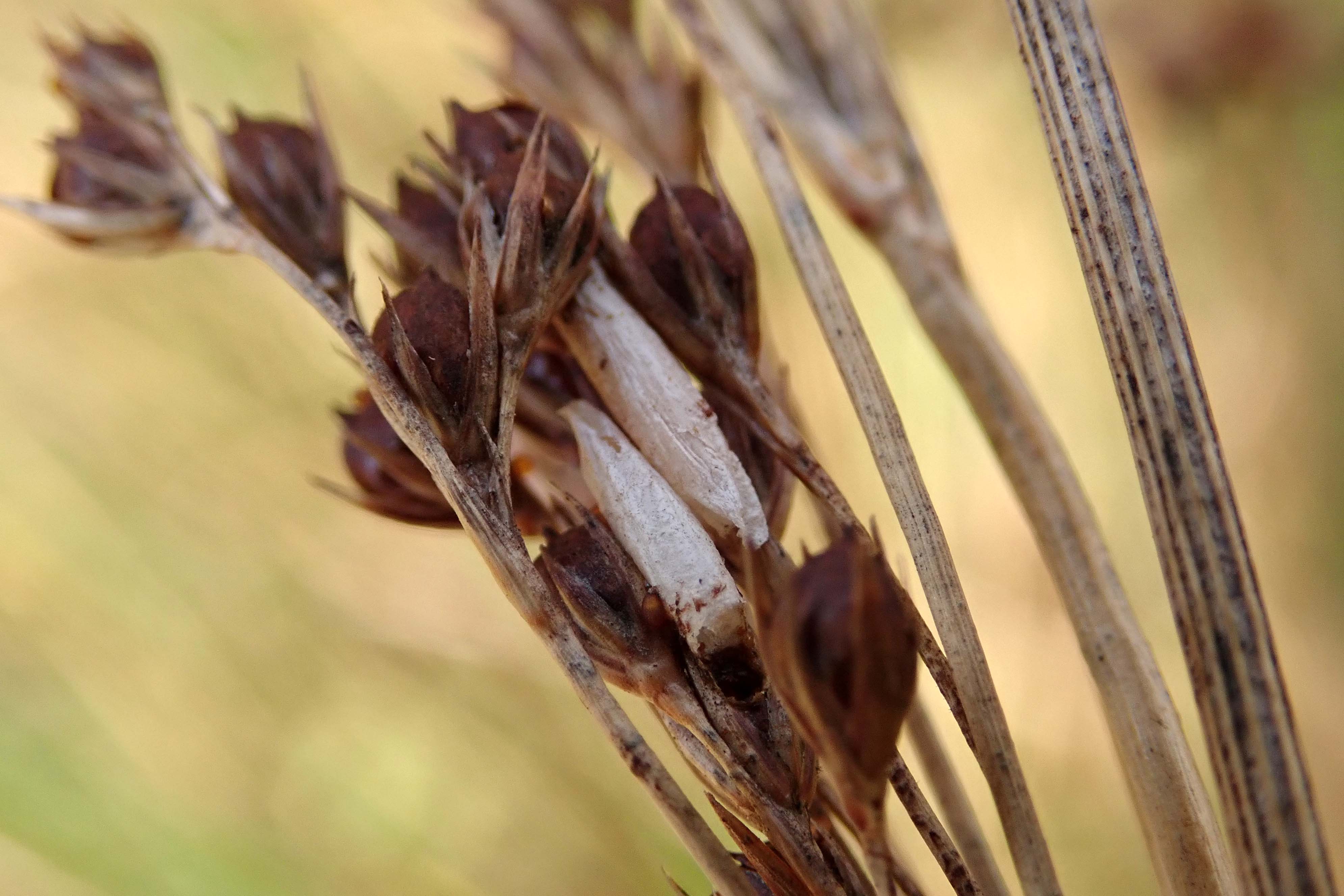
So, let me introduce you to Coleophora alticolella/glaucicolella; the slash between the two names indicates that these could actually be either Coleophora alticolella or Coleophora glaucicolella but it’s very difficult to differentiate between the two species without examining the larvae, which I didn’t do, or by breeding the larvae through to adulthood and examining their genitalia, which I also won’t be doing.

That social media post, and this find, have now prompted me to learn more about the various species of reed. The finds shown here were on Hard Rush (Juncus inflexus) but the rare species I want to try to find only feeds on two less common rush species. I like how one find leads me to have to learn more to find another!
 earthstar
You must be logged in to post a comment.