
Tags
British galls, Cecidomyiidae, folded leaf lobes on Oak leaves, gall midges, galls on Oak leaves, insects on Oak, Macrodiplosis pustularis
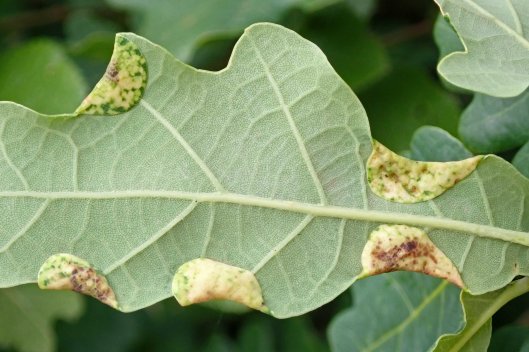
In my ignorance, when I first saw these folded-over leaf lobes on an Oak tree in a local park, I thought they had been created by leaf-mining moth larvae. Fortunately, there are much smarter people around than me and, when I posted some photos on social media, one of them popped up and told me what these really were: galls made by the larvae of the gall midge, Macrodiplosis pustularis.
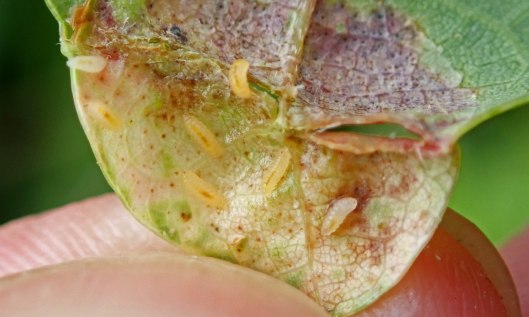
Of course, once I knew that I had to return to the spot and pull up a couple of the folds to see the tiny larvae. The numbers inside can vary, apparently, from one to six or more. They are white when young but change to an orange colour as they develop.
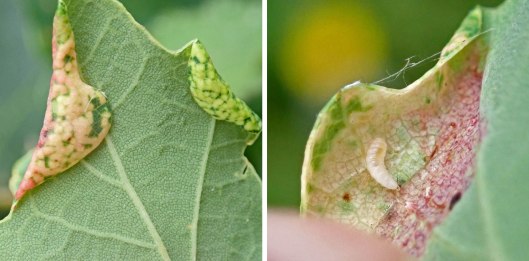
The fold of the leaf is both a means of protection for the vulnerable larvae and also a food larder; they eat the leaf from the inside. Eventually, the larvae will drop from their leaf shelters, pupate and remain in the soil until the following Spring, when the whole process begins again.
 earthstar
You must be logged in to post a comment.