
Tags
Aceria fraxinivora, Ash key galls, British galls, Cauliflower galls, galls caused by mites, galls on Ash keys
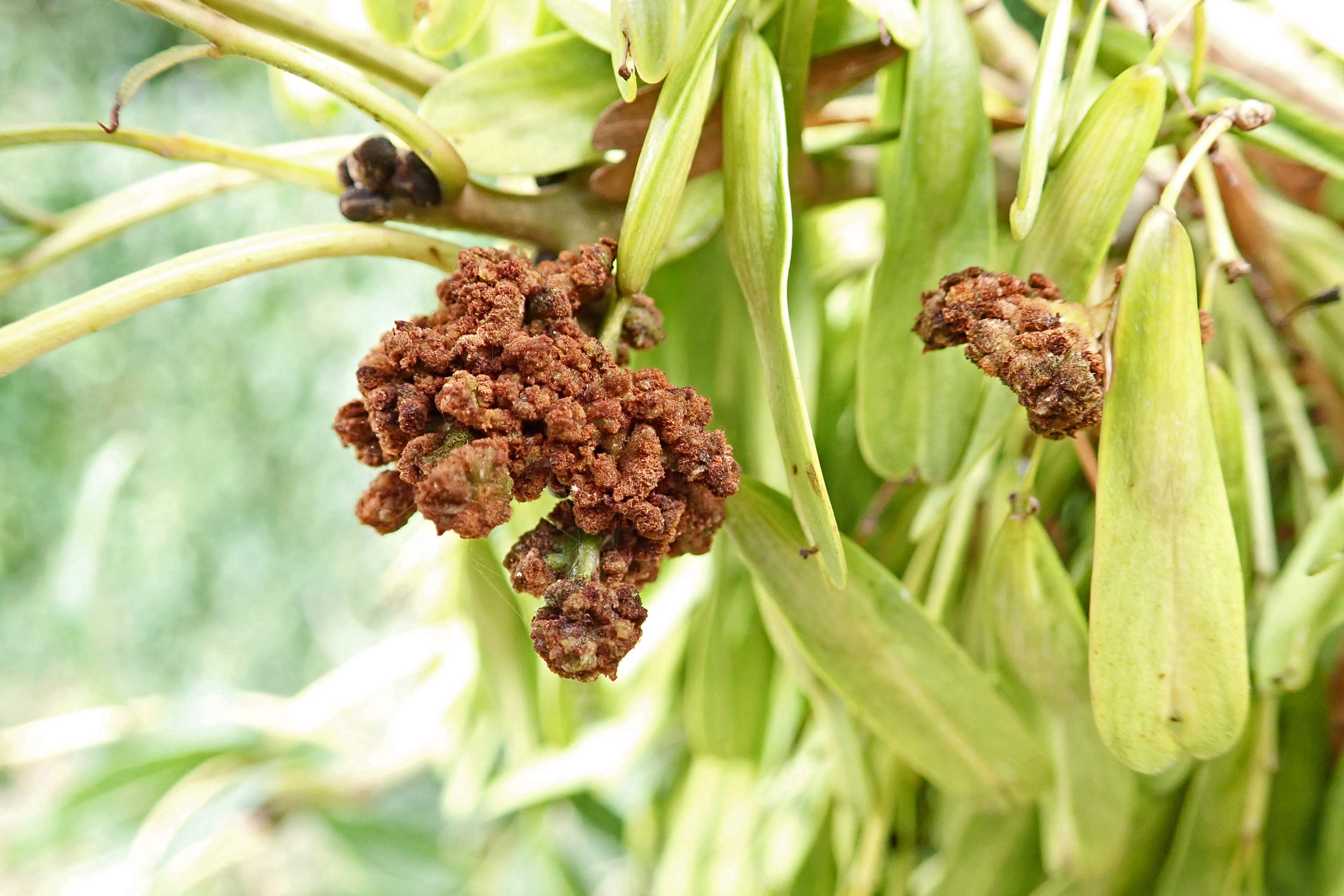
Over the years I must have looked at hundreds of bunches of Ash keys (so named because the clusters of seeds on Ash trees look like bunches of old-fashioned metal keys hanging together) yet this was the first time I had noticed these odd woody growths on any of them. The growths, which start off green but later turn brown, are known by the common name of Cauliflower galls – I think you can see why. The galls are caused by the mite Aceria fraxinivora, a mite so small you can’t even see it with the naked eye.
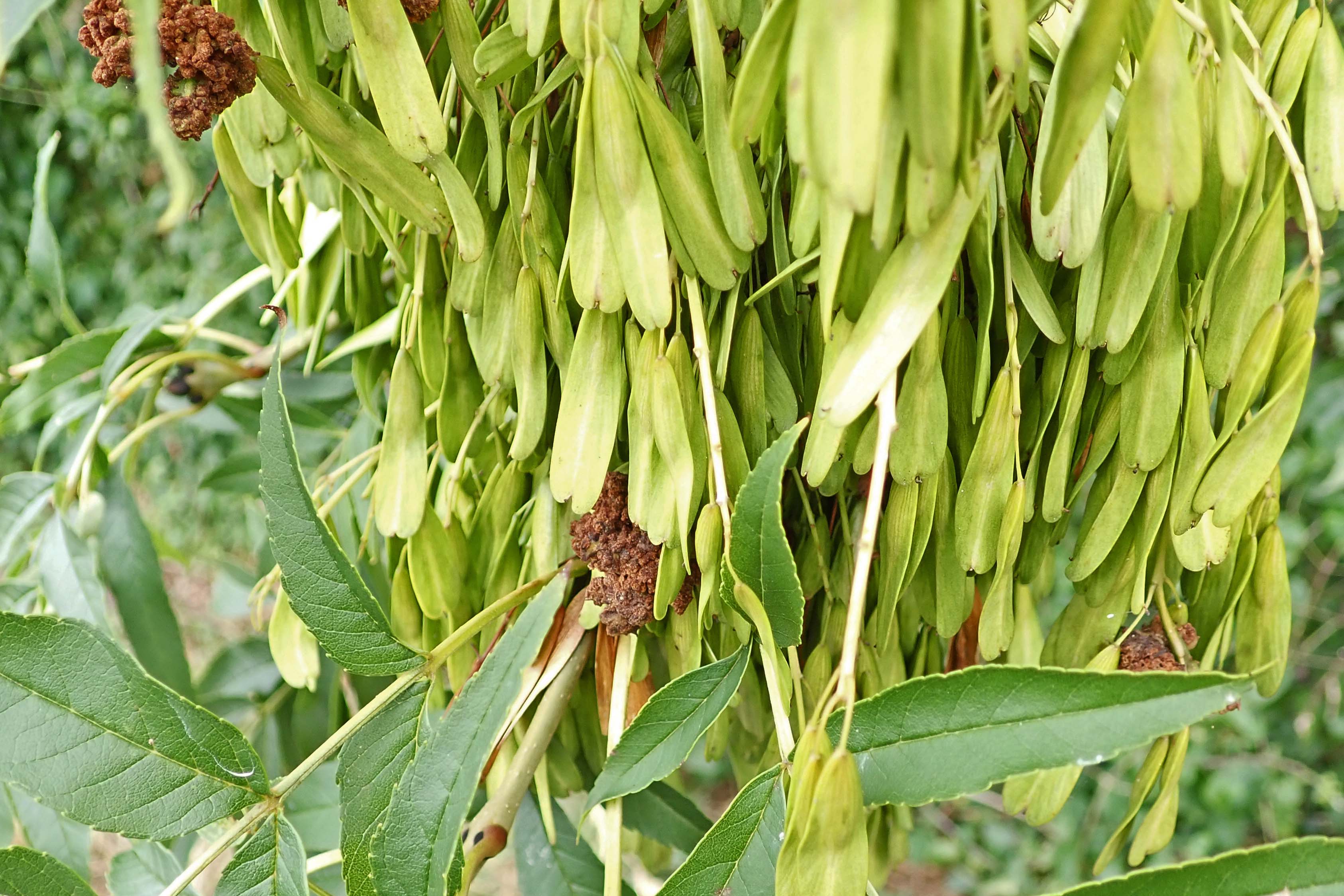
Despite their diminutive stature, by piercing the Ash’s cells to feed, the mite causes the surrounding plant cells to expand and multiply, thus forming the galls you can see in these photos. According to the Plant Parasites of Europe website, the galls sometimes occur on the stems and leaves of the Ash tree (the website has photos of these) but they are most often found on the flower heads, presumably because those cells are easier to access for the hungry mites.
 earthstar
You must be logged in to post a comment.