
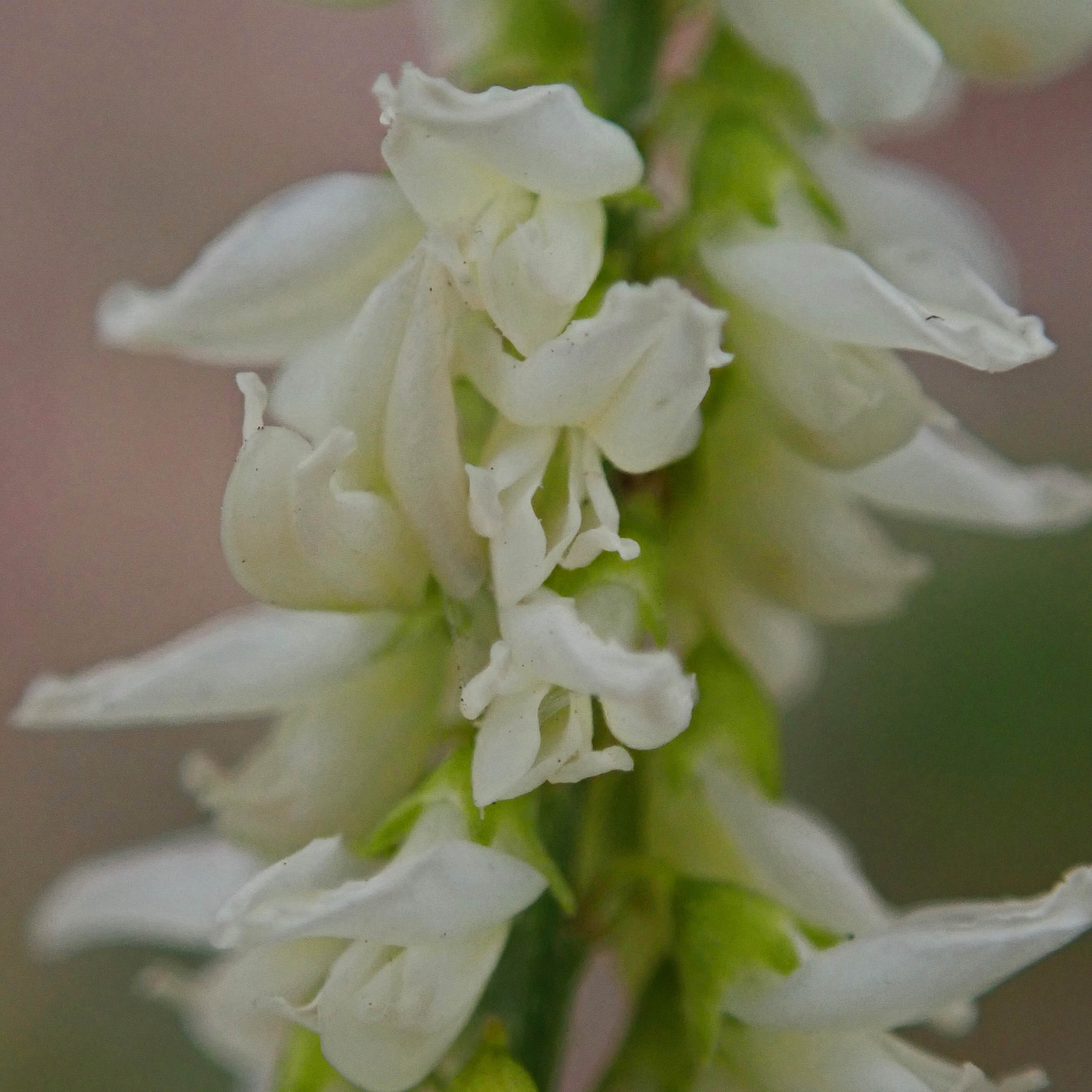
When I first saw this plant, I thought it was some weird variation on a vetch. I was wrong – I frequently am! – but I did have the correct family. This is White melilot (Melilotus albus), a member of the pea family, the Fabaceae (or Leguminosae).
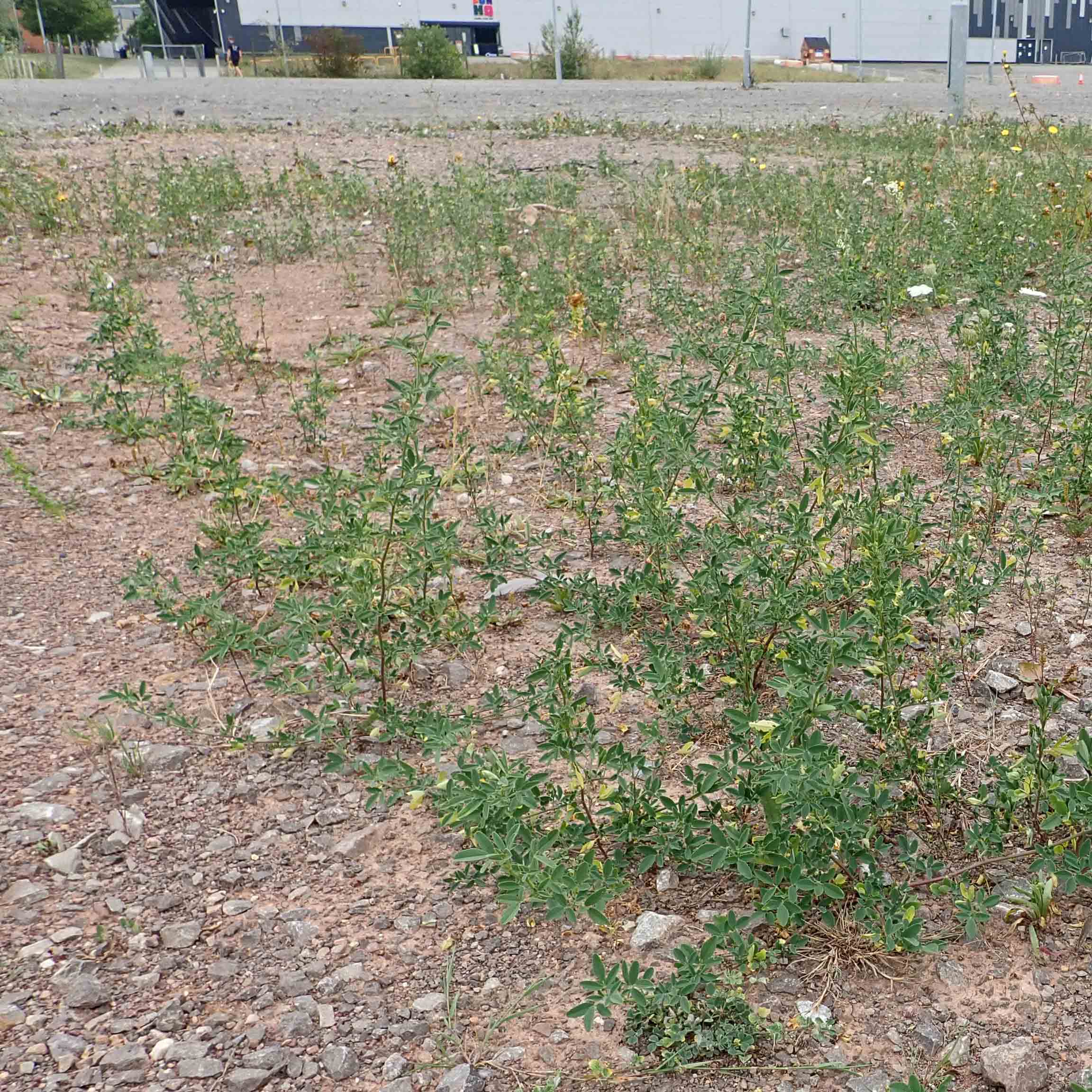
I’ve only ever seen it growing in this one location, an area of waste ground on the western side of Cardiff Bay, which leads me to wonder how it arrived there. In Flora Britannica, Richard Mabey writes that it was ‘originally introduced to this country from Europe as fodder plants’ and is ‘now well naturalised at the edges of arable fields, on roadsides and in waste places’. That’s certainly one explanation but I wonder if this particular colony has a different origin.
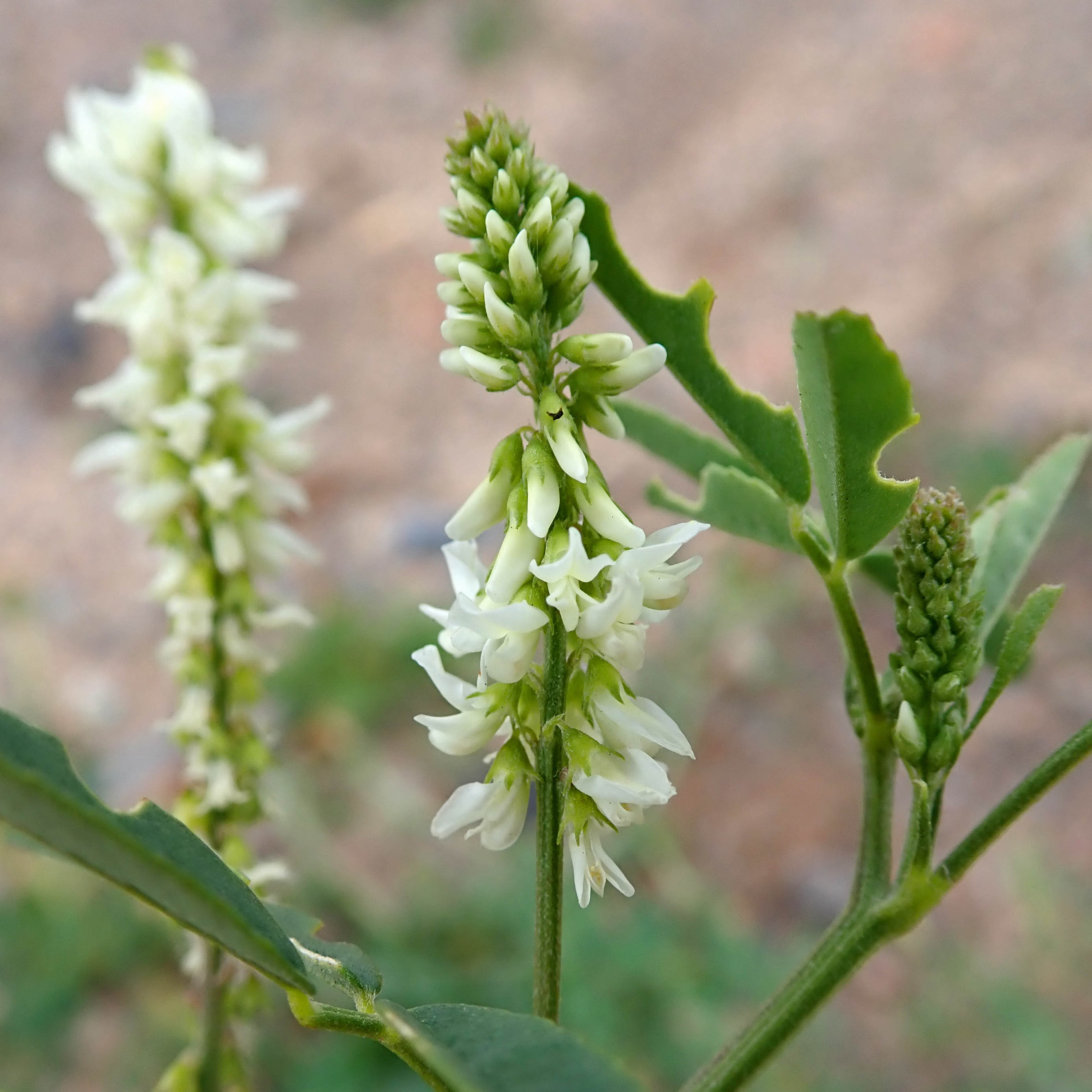
I know from my time volunteering on the Mary Gilham Archive Project that, in the days of sail and the once very active docks that flourished around the Bay, ships often used sand as ballast. When they arrived at Cardiff, the ships offloaded their sand before loading up with a cargo of coal, and the sand was often dumped or used to reclaim land. That sand contained a huge variety of dormant seeds, which is why the land around Cardiff Bay – and the ports of other cities – often contain alien plant species. Whatever the truth of its arrival, White melilot is an attractive, if straggly little plant, which, I think, deserves to grow more widely.
 earthstar
You must be logged in to post a comment.