
Tags
British leafminers, British moths, leaf-mining moth larvae, leafmines, leafmines on Goosefoot, leafmines on Orache
Last Wednesday evening I got a message from local moth expert George that another local moth-er had found the leafmines of the moth Chrysoesthia drurella, a new find for the county of Glamorgan, in a suburb on the opposite side of Cardiff to where I live. As he knows I’m a keen seeker of leafmines, George just wanted to let me know to keep an eye out for them when I’m out walking.
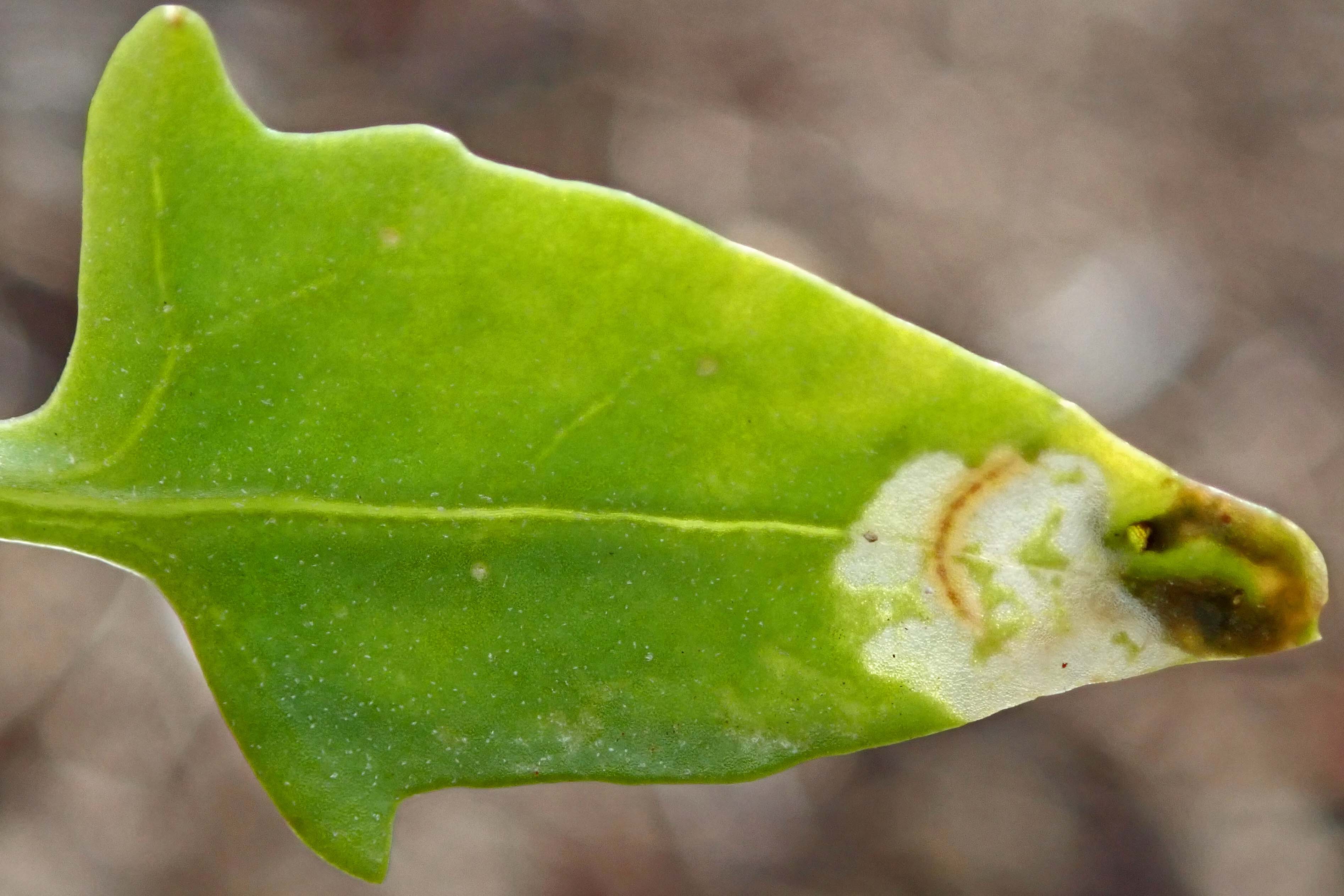
The moth larvae mine the leaves of Orache (Atriplex sp.) and Goosefoot (Chenopodium sp.), neither of which plants I’m familiar with so that was my first hurdle, being able to recognise the plants and knowing where to find them. Out came my plant books! Sometime later I was fairly confident I’d recognise the plants, though not be able to distinguish one from the other; fortunately, in this case that didn’t matter.
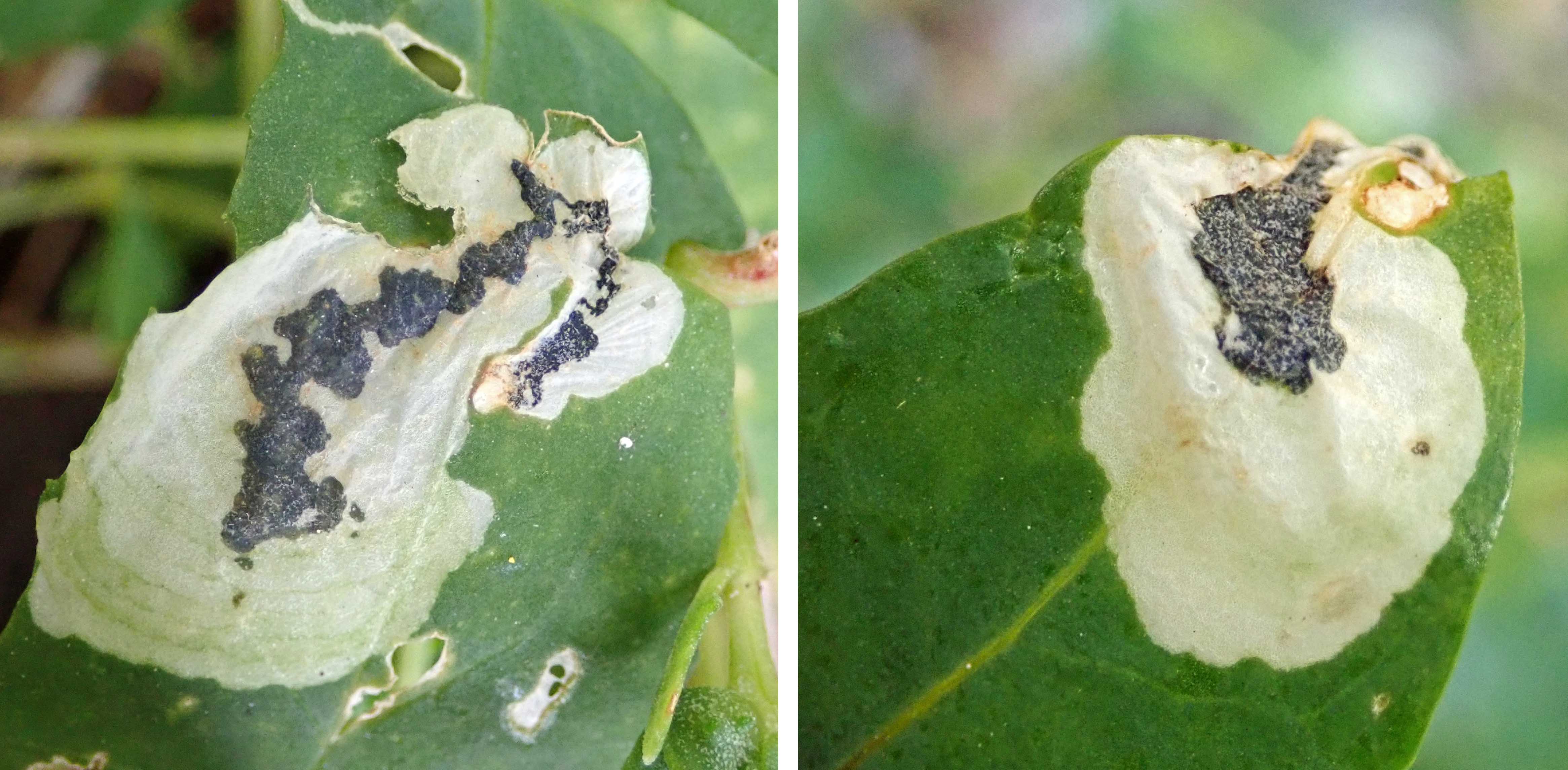
Thursday dawned and, after dealing with some necessary chores, I headed out for a walk, deciding to detour to a local beach in the hope of finding the correct plants. I was in luck, and the plants had mines on their leaves, though they didn’t look like how they should for the moth larvae I was seeking. So, finding a mine that still had a larva in it, I plucked it off the plant and brought it home to take a closer look at it, as the larva’s markings would tell me one way or the other whether I’d found C. drurella. I hadn’t!
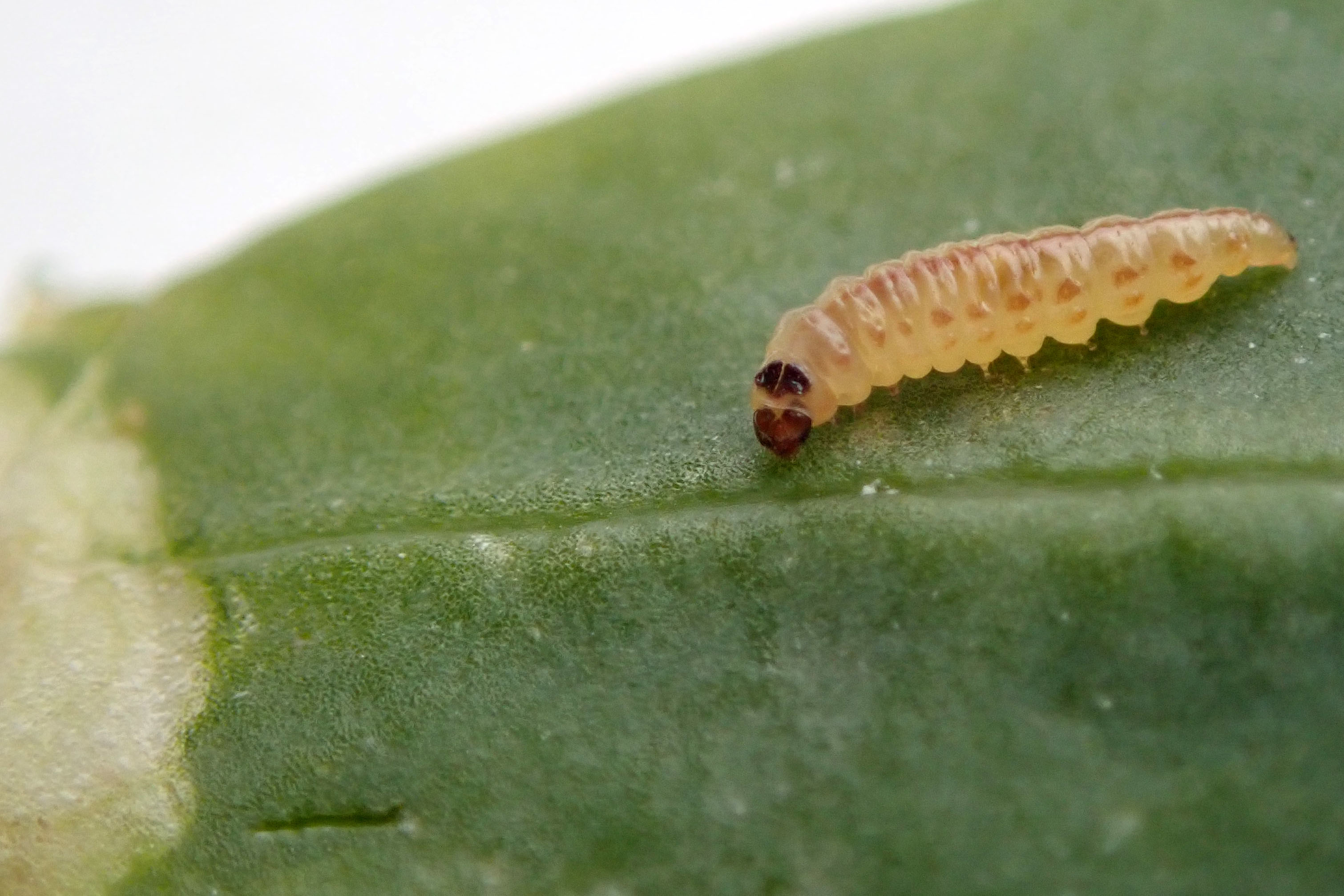
However, I had found a closely related species, Chrysoesthia sexgutella, which mines the leaves of the same plants and was a new find for me. This moth breeds twice each year, with the first brood adults flying in May/June and the second on the wing in August. You can see what the adult moth looks like on the UK Moths website. And my search for the rarer Chrysoesthia drurella continues.
 earthstar
You must be logged in to post a comment.