
Tags
British moths, Erannis defoliaria, moth, moths attracted to lights, Mottled umber, Operophtera brumata, Winter moth
Over the summer months I discovered how productive the solid fencing around this building site alongside the River Taff was for insect finds. A section of the fence along the access track to the site was where I saw my first Large white butterfly pupae and, subsequently, the parasitic wasps that preyed on them and were, in turn, the victims of other parasitic wasps (see Large whites and parasitism, part 1, 23 June and Large whites and parasitism, part 2, 24 June).

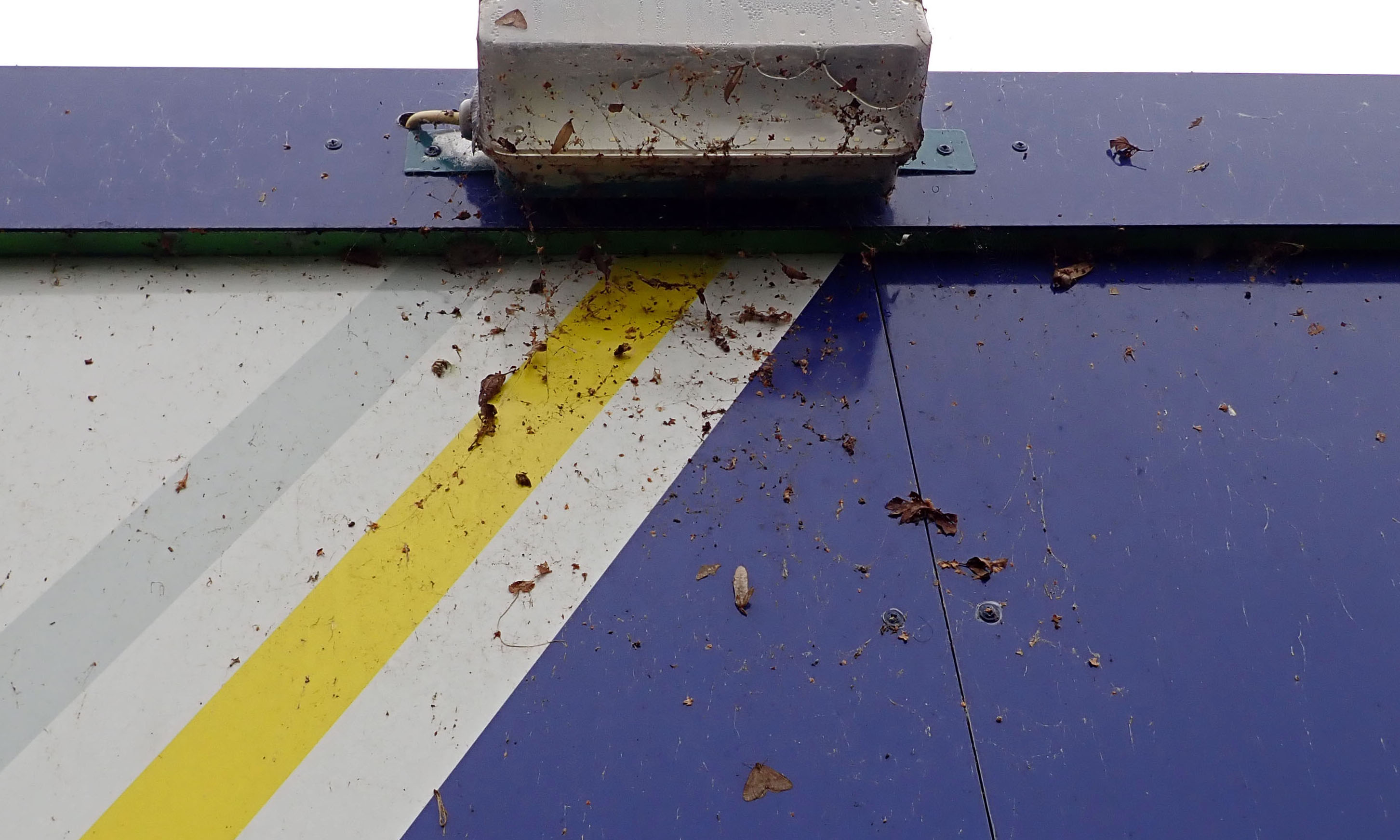
The interesting finds have continued with the changing seasons. Yesterday, when I walked slowly past, though there were several different creatures (including at least one Noble false widow spider), the highlights were moths, drawn to the wall, no doubt, by the lights that illuminate the wall at night. Yesterday’s finds were four Winter moths (Operophtera brumata) and a Mottled umber (Erannis defoliaria).
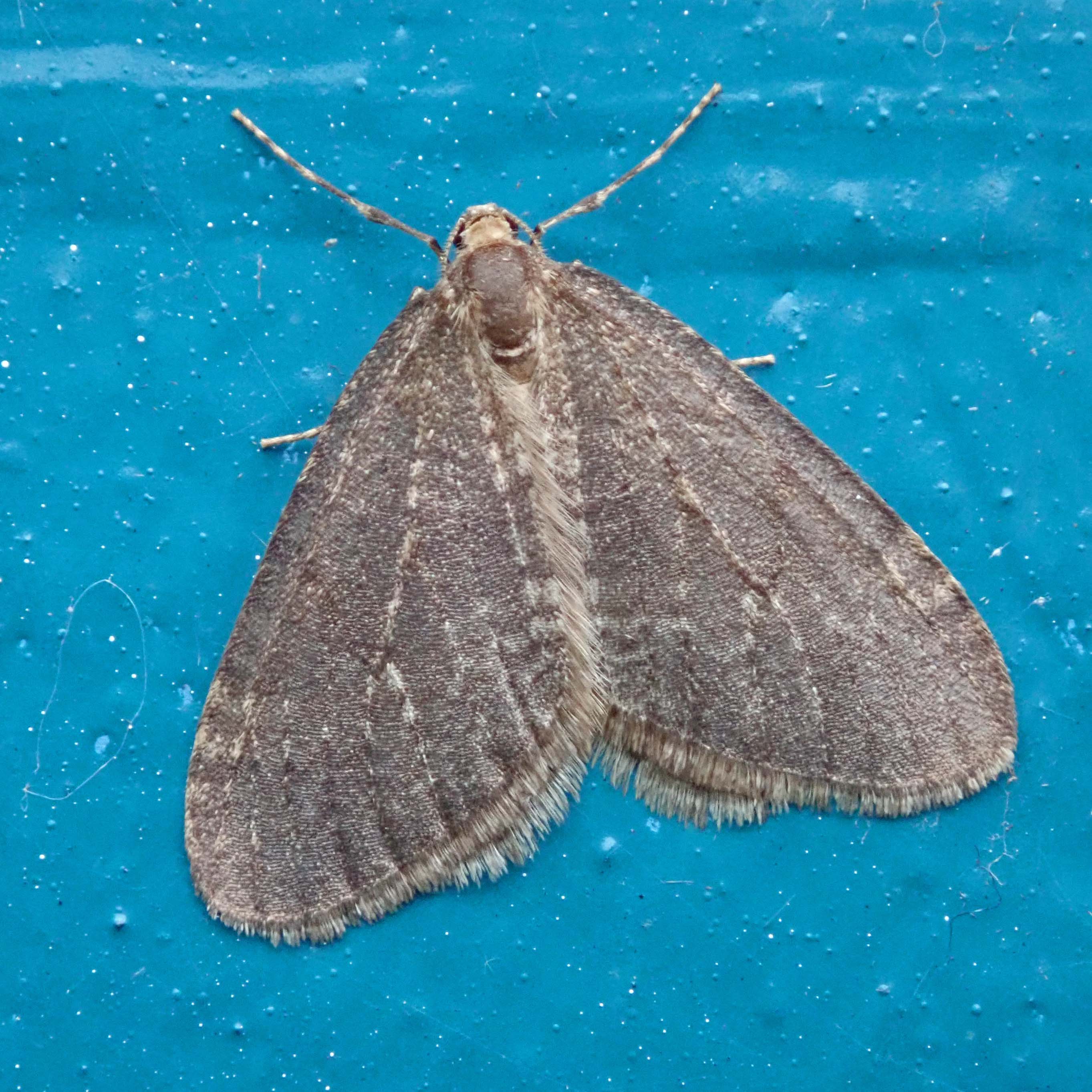
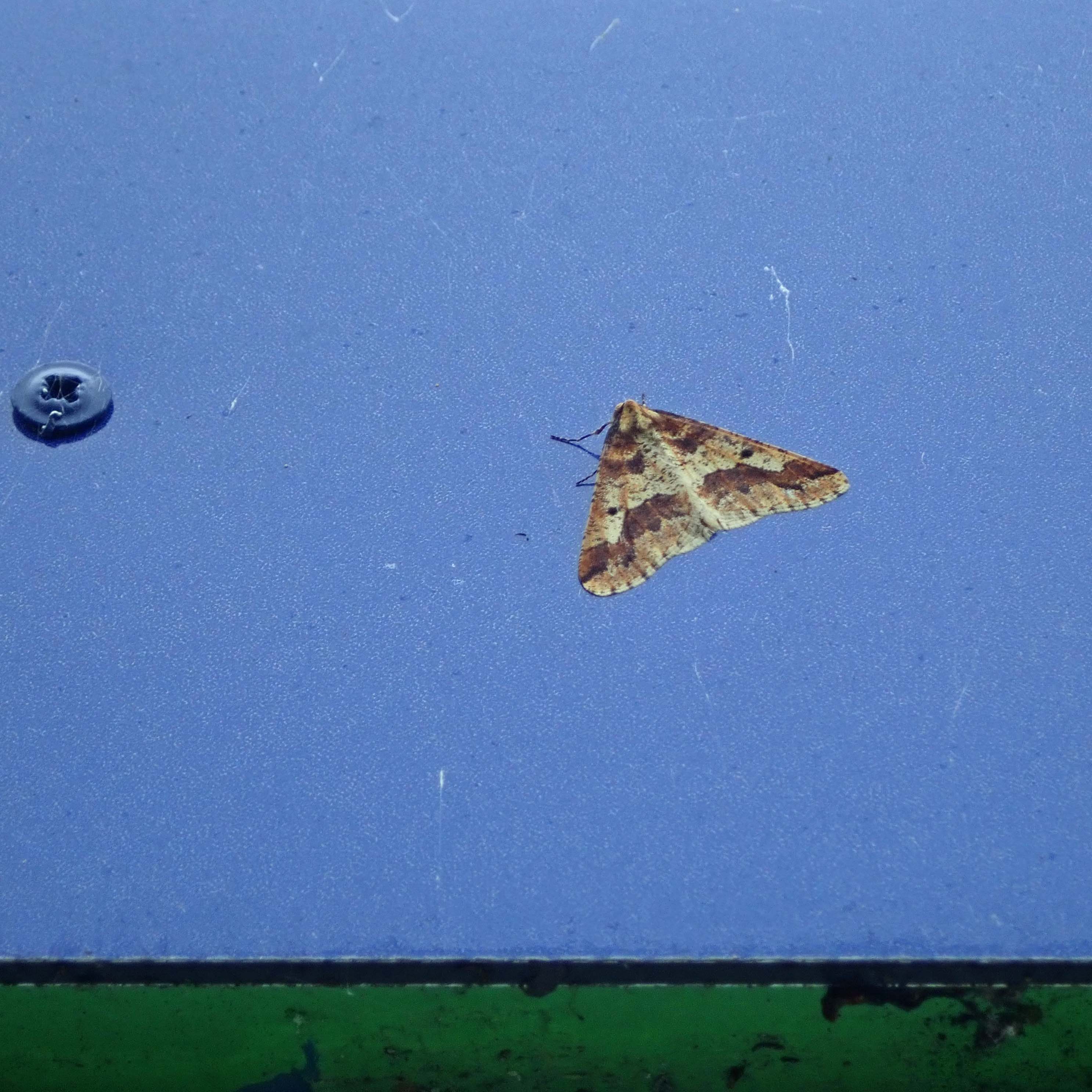
 earthstar
Fantastic! With regard to the Large White pupae, and no doubt all your other sightings as well, it’s really just a reminder that everything becomes part of the food chain sooner or later. As the phrase goes ‘Media vita in morte sumus’. Probably best to make the most of it whilst you can, as your excellent blog constantly confirms.
LikeLiked by 2 people
Carpe diem also comes to mind. The older I get the more I am reminded to truly live each day as if it were my last.
And thanks again for your generous comments. Much appreciated! 🙂
LikeLike