I is for Ichneumon

Tags

, , , , , ,

This has been a good year for sightings of Ichneumon wasps, and I have written a couple of posts about some I’ve found: Three Ichneumon wasps, on 19 August, featured my first Ctenichneumon panzeri record (now verified); Heteropelma amictum, found on the same day but not yet verified (the national Ichneumon recorder is currently working his way through what must be a huge number of national records – these voluntary verifiers do an incredible job!); and Ichneumon stramentor, a species I’d seen previously and which has been verified. Another first sighting, the handsome Tromatobia lineatoria, whose identity has also now been confirmed, featured in a second blog, Ichneumon: Tromatobia lineatoria, published recently, on 13 November.

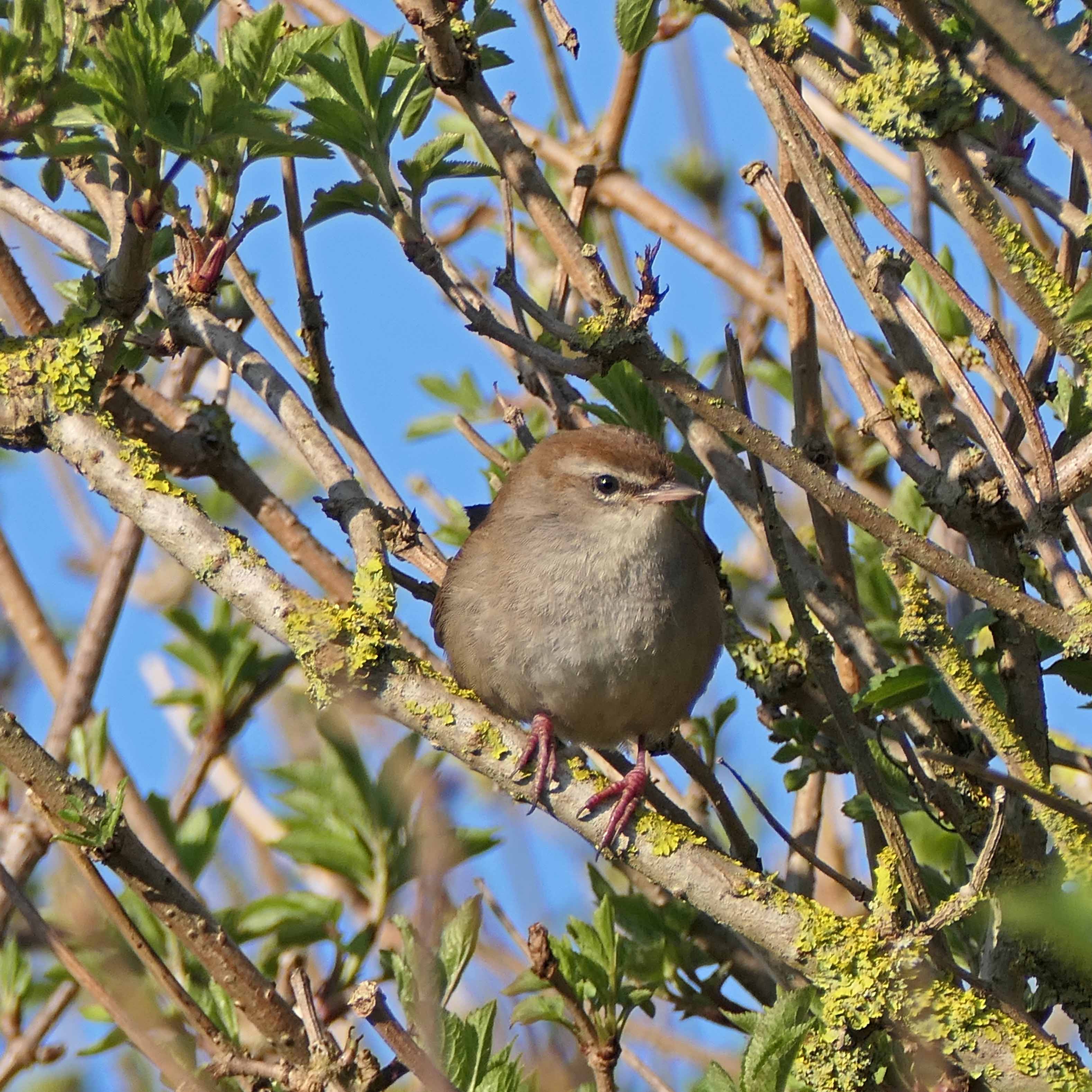
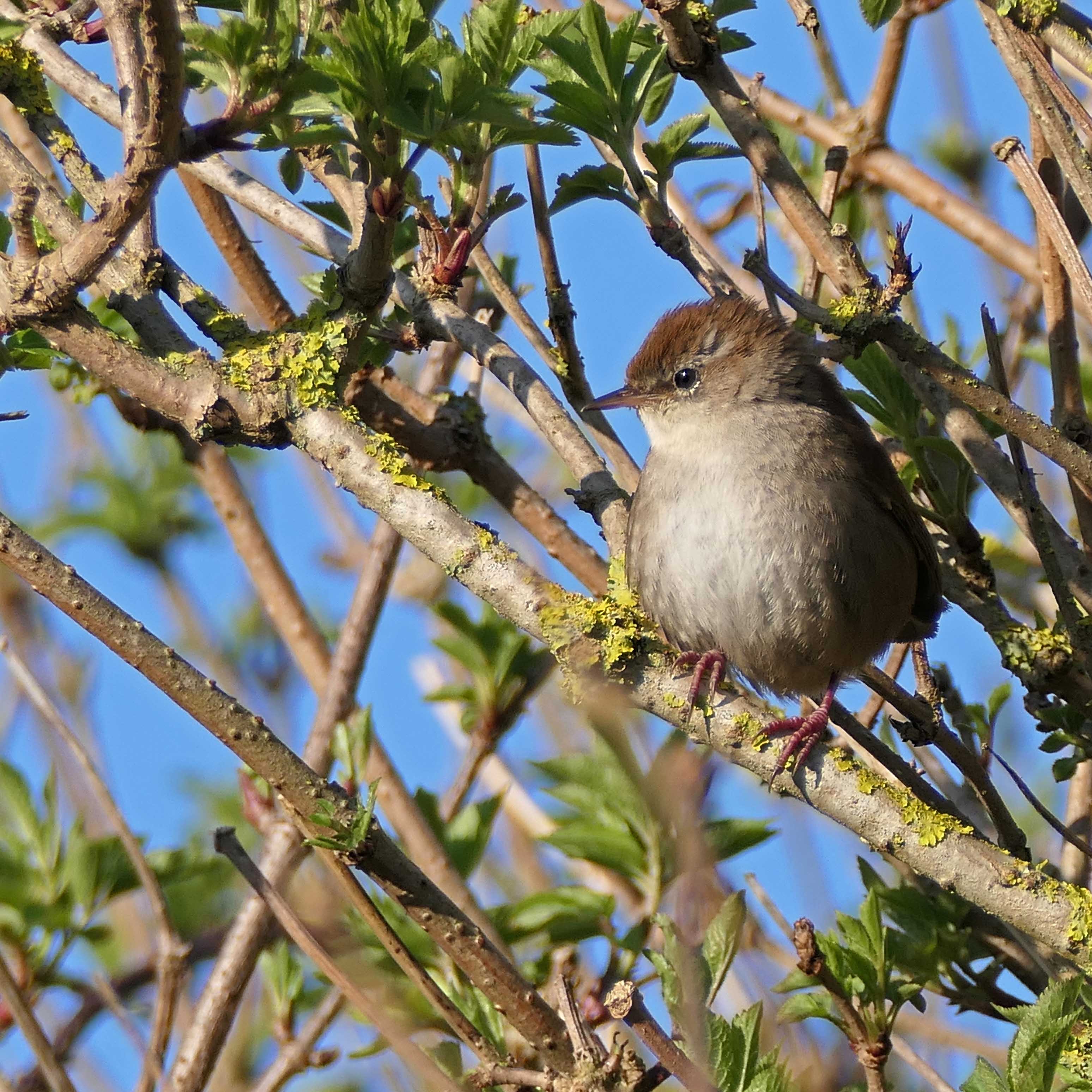
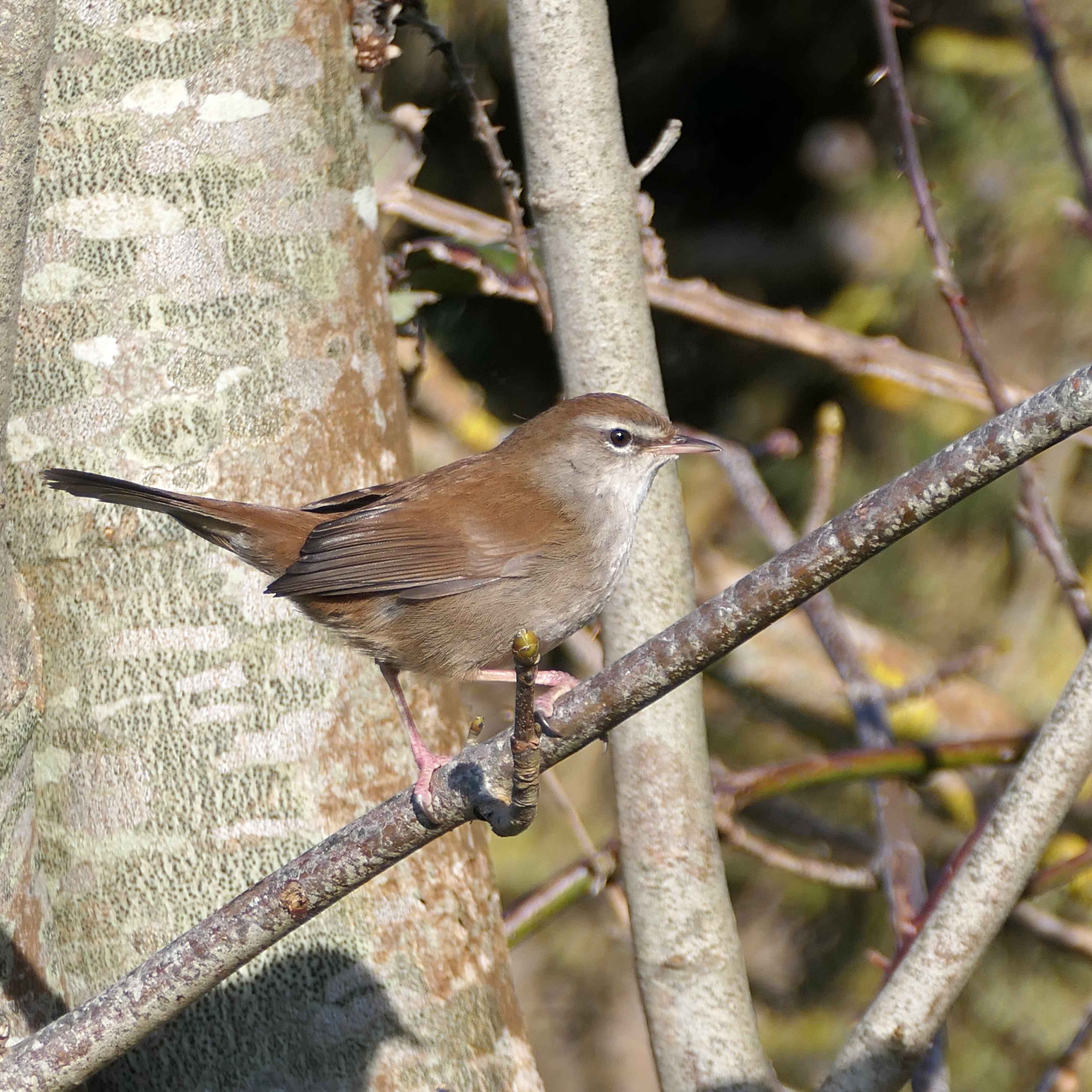
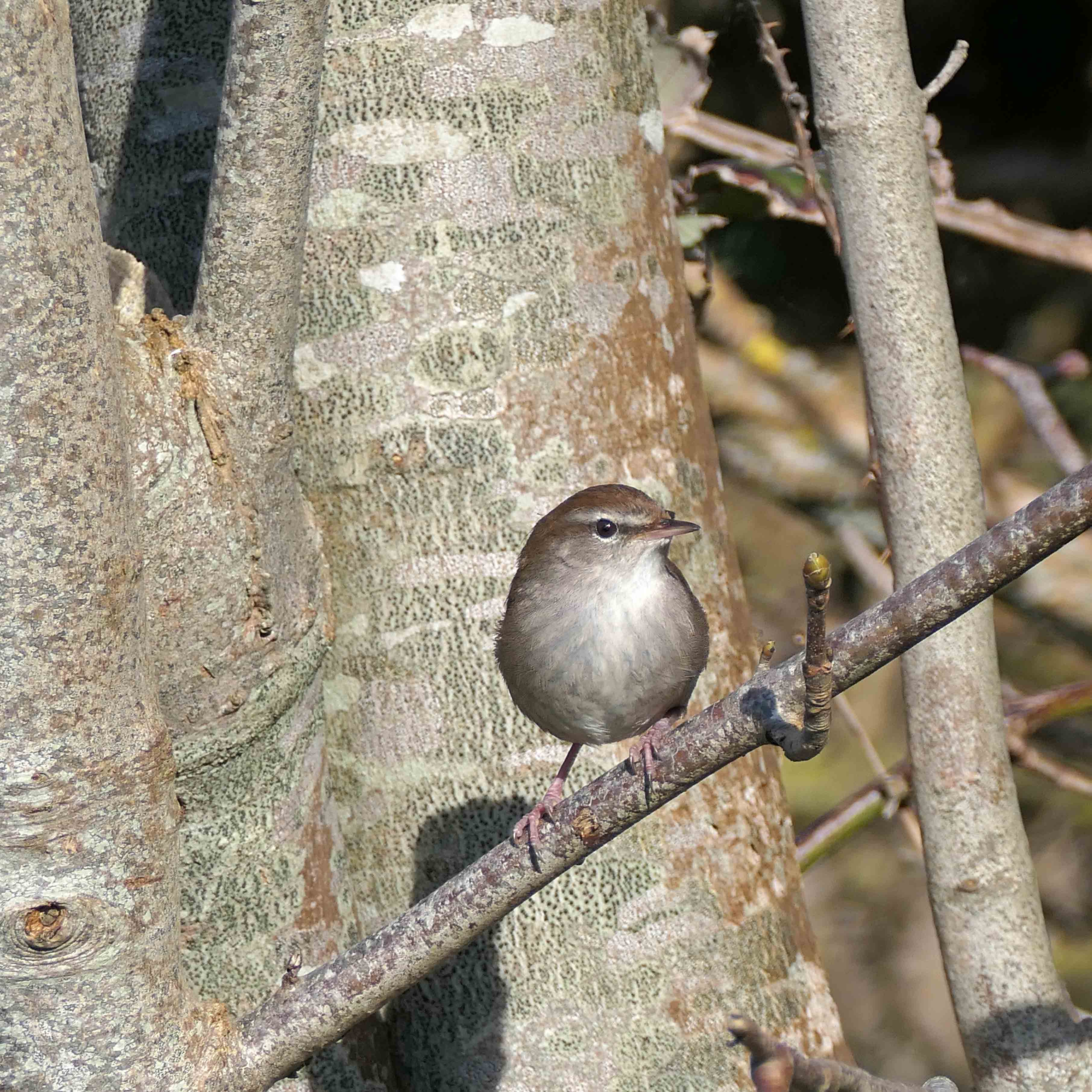
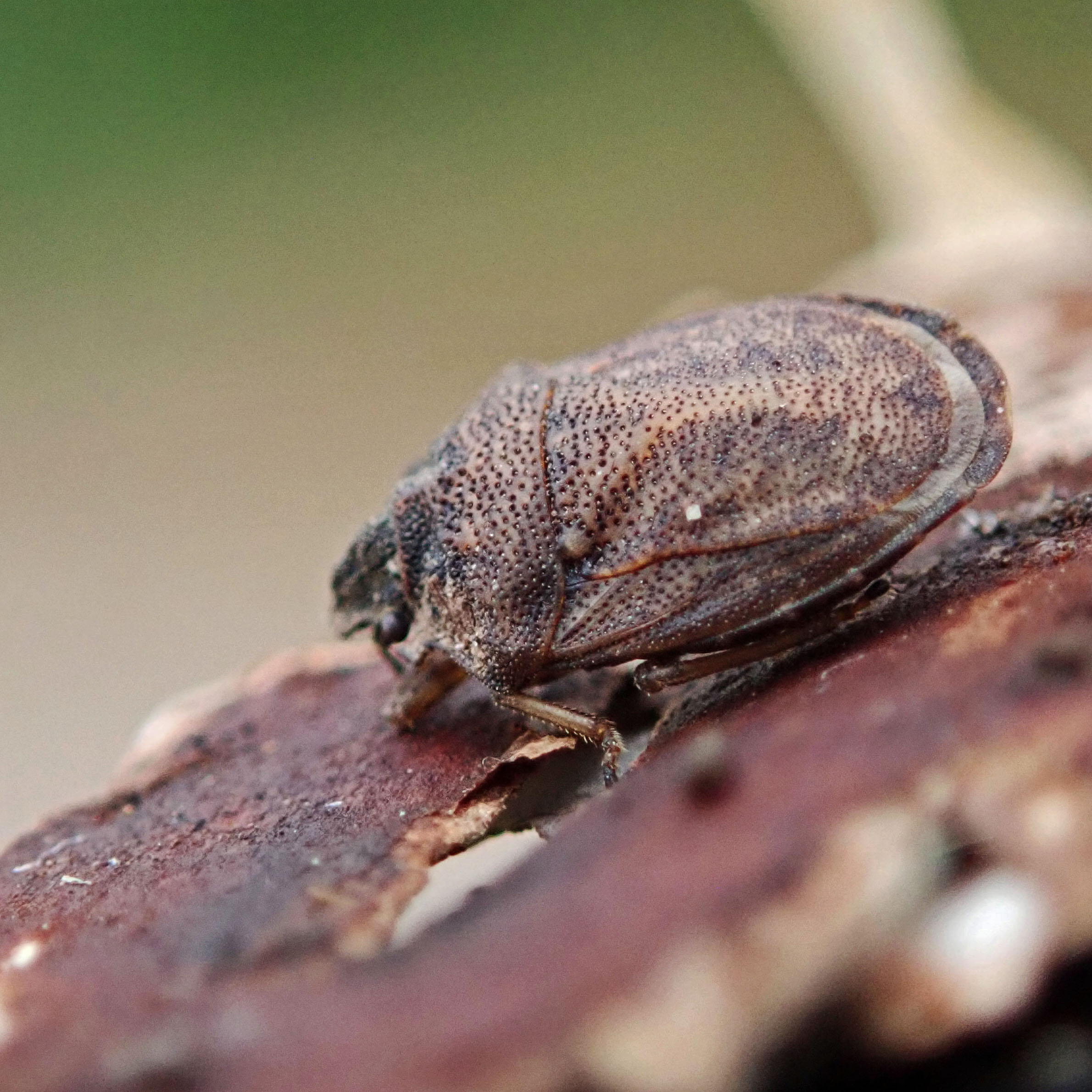
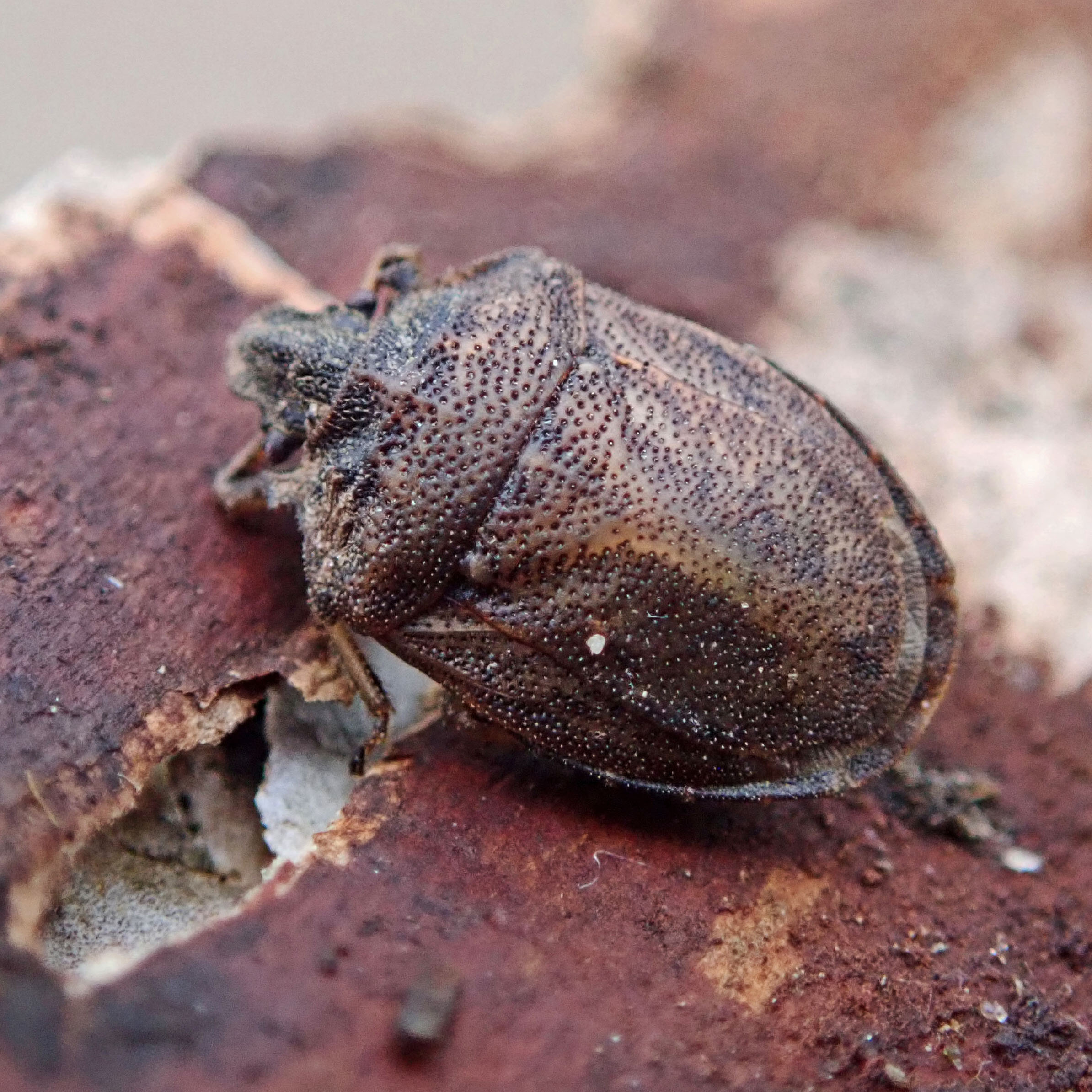
There have, of course, been other Ichneumon sightings. One that I didn’t write about because I was rather unsure of its identification is shown above; it has now been verified as one of the Pimpla species. And in July I found a cocoon, which I recognised as having been created by an Ichneumon wasp but has now been confirmed as belonging to the subfamily Campopleginae. I’m hoping my luck at finding new Ichneumon species will continue in 2026.

H is for hawkers

Tags

, , , , , ,

What a grand year 2025 has been for dragonfly sightings, partly because, since downsizing my home situation, I’ve finally been able to afford to venture further afield – nothing too adventurous, no trips abroad, but four lovely little mini-breaks in English locations to look for wildlife I’m not able to see closer to home.

That’s how, during a wonderful week in Weymouth in June, I saw my first ever Norfolk hawkers (see Lifer: Norfolk hawker, 18 June) (above). However, my second ‘first-ever’ hawker species sighting (see Lifer: Common hawker, 22 August) (below) was here in Wales, in a small town high in one of the south Wales valleys that I hadn’t previously visited and didn’t know was home to a pond that held some very nice dragonfly species. That visit was a good reminder to explore more widely here in Wales next year, as well as in England.

G is for Grey seal

Tags

, , , ,

Having walked across Cardiff Bay’s Barrage umpteen times in the more than ten years I’ve lived in this area and never seen a seal, I’m now been treated to four sightings since my first in early September (see my blog Finally, a Grey seal, on 6 September).

I have no idea why I was so unsuccessful in the past, nor why I’m seeing seals more often; though I think, in fact, it’s only one seal. Looking at my photos (the images below were taken on 27 September and 30 October), the markings around the seal’s head look the same to me, so I think this is the same seal returning to the Barrage because it’s learned that, after heavy rain and when the sluices are open, a plentiful quantity of fish is washed down the rivers Taff and Ely and out into the Bristol Channel. Not great for the fish but the perfect location for a hungry Grey seal.

F is for foxes

Tags

, , , , , ,

One of the best things about my change of abode earlier this year is the wildlife I now see in the garden, the occasional rare bird as well as the more common species and, best of all, the Foxes. I’ve blogged about them twice, views of the whole family in Foxes in the garden!, on 25 June, and the male and female adults reinforcing their pair bond in Amorous Foxes, on 7 October.

The photo above was taken more recently, on 10 November, when the local Magpies were playing chicken with the Fox, a game I’ve seen them play a few times. The birds hop as close as they dare to the Fox, it watches them and sometimes pretends to move towards them, making them fly off. There seems no real menace in the Fox’s expression but I’m sure it wouldn’t turn down a Magpie meal if it got the chance.

E is for earthstar, the eponymous fungus

Tags

, , , , ,

I just checked – I haven’t posted any photos of earthstars since December 2023. As they were the inspiration for the name of this blog (though the name is also meant to encompass all the flora and fauna that are the environmental stars on this amazing Earth), I really think they should feature here at least once a year.

These particular Collared earthstars (Geastrum triplex) were photographed in both the old and new sections of Cardiff’s Cathays Cemetery last week.

C is for Chough

Tags

, , , , ,

It was back in November 2019, at Rhossili, that I first saw Britain’s rarest corvid, the Chough, and I only managed to grab a few blurry record shots before the birds flew to a more distant location. So, you can perhaps imagine my delight when, this October, I had a totally unexpected and relatively close encounter of the Chough kind much closer to home (Choughed, 10 October). A definite highlight of my birding year!

B is for bugs and beetles

Tags

, , , , ,

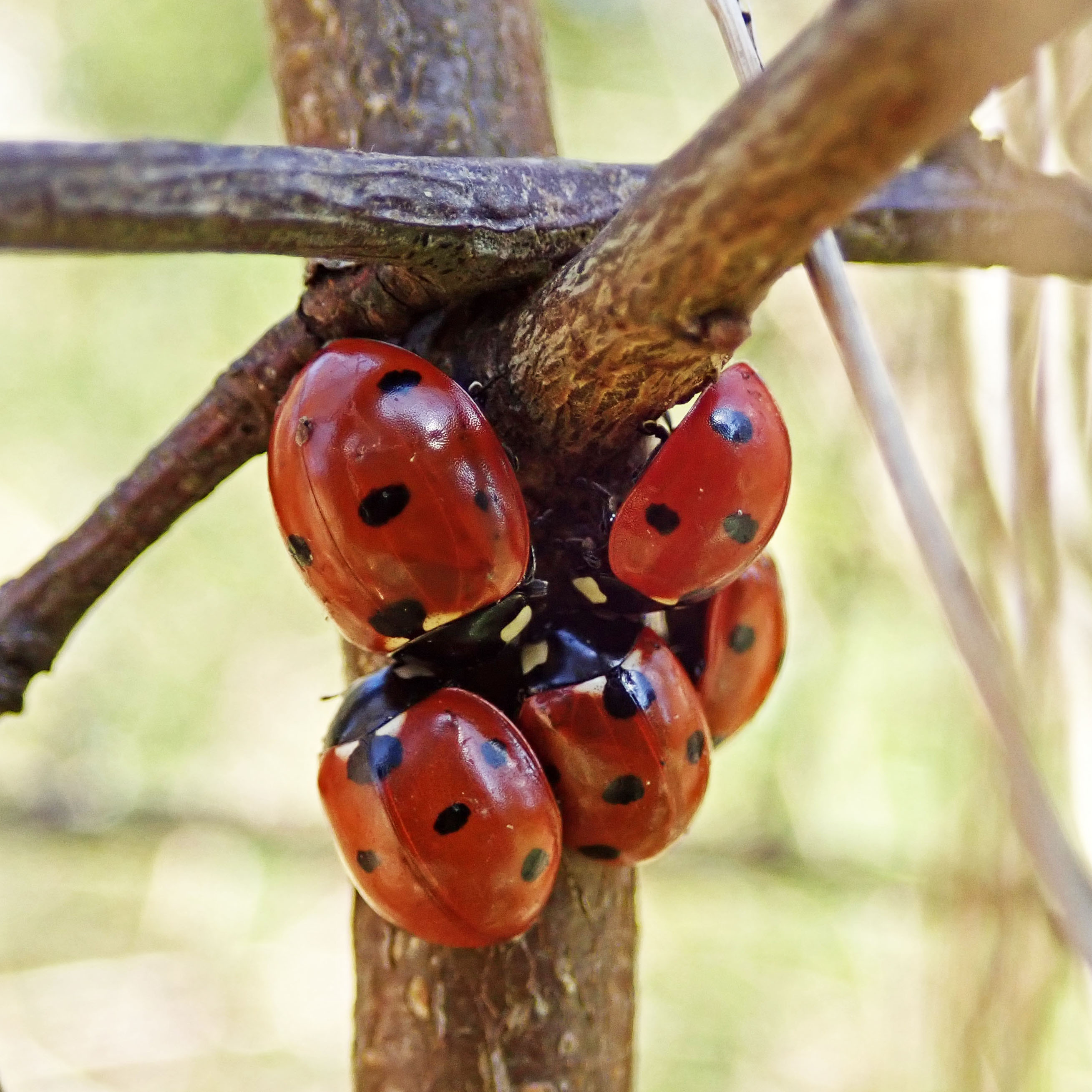
One of my wildlife aims this year has been to try to find as many new species, of all kinds, as possible, and I’ve been extremely lucky to have found many new-to-me bugs and beetles. These include Lesser thorn-tipped longhorn beetle, 4 January; My first Pine ladybird, 10 March; My first Eyed ladybird, 22 April; Fine streaked bugkins, 26 April; Cyllecoris histrionius, adult and nymph, 12 May; Cantharis decipiens, 13 May; Cacopsylla ambigua, 29 May; Rhopalus subrufus, 6 June; Rhabdomiris striatellus, 10 June; Bug: Deraeocoris flavilinea, 28 June; Beetle: Grammoptera ruficornis, 30 July; Beetle: Four-banded longhorn, 2 August; and Bug: Megacoelum infusum, 12 September.

I was particularly chuffed to find my first Juniper shieldbugs (Juniper shieldbug, 3 June) and, now that I know to look for them on some other tree species, I’ve managed to find them on four separate occasions, three of those in the same location as my initial find, on a Cypress growing in a local park, and the other on a different Cypress species growing in one of Cardiff’s oldest cemeteries, alongside Llandaff Cathedral.

Another new bug that I think is particularly attractive is Bug: Kleidocerys resedae. I wrote about that on 27 June, and this is another species that I’ve managed to re-find, on 15 November, when I spotted three different adult bugs within a few metres of each other.

A is for Arocatus roeselli

Tags

, , , ,

Another year of wonderful flora and fauna sightings is drawing to a close and, as I’ve done for a few years now, I’m going to do an alphabetical countdown of some of my more memorable moments in Nature. I’m very proud to have added three more first-for-Wales sightings to my list in 2025, and this beautiful bug was one of them (as reported in Bug: Arocatus roeselii, 12 July).

Tripe, but you wouldn’t want to eat it

Tags

, , , ,

In fact, you probably wouldn’t want to eat the other form of tripe, the stomach lining of cows, pigs and sheep, either, unless you were desperate, and definitely not if, like me, you’re a vegetarian.

I’ve only ever seen Tripe fungus (Auricularia mesenterica) in a couple of different places before today, so it was good to add a new site to my list.

There’s one particular location I know, where the fungus can be seen year round on the stump of a long dead Elm tree, in summer looking just like a grouping of dried, shrivelled brackets but, in winter, when they’ve rehydrated, plump and hairy like these ones I found today.

The various species of Elm are where Tripe grows most commonly and, though today’s new location was a large fallen tree trunk that could have been any species of tree, I had previously found Wrinkled peach growing on it, another Elm-specific fungus.