Lesser thorn-tipped longhorn beetle

Tags

, , ,

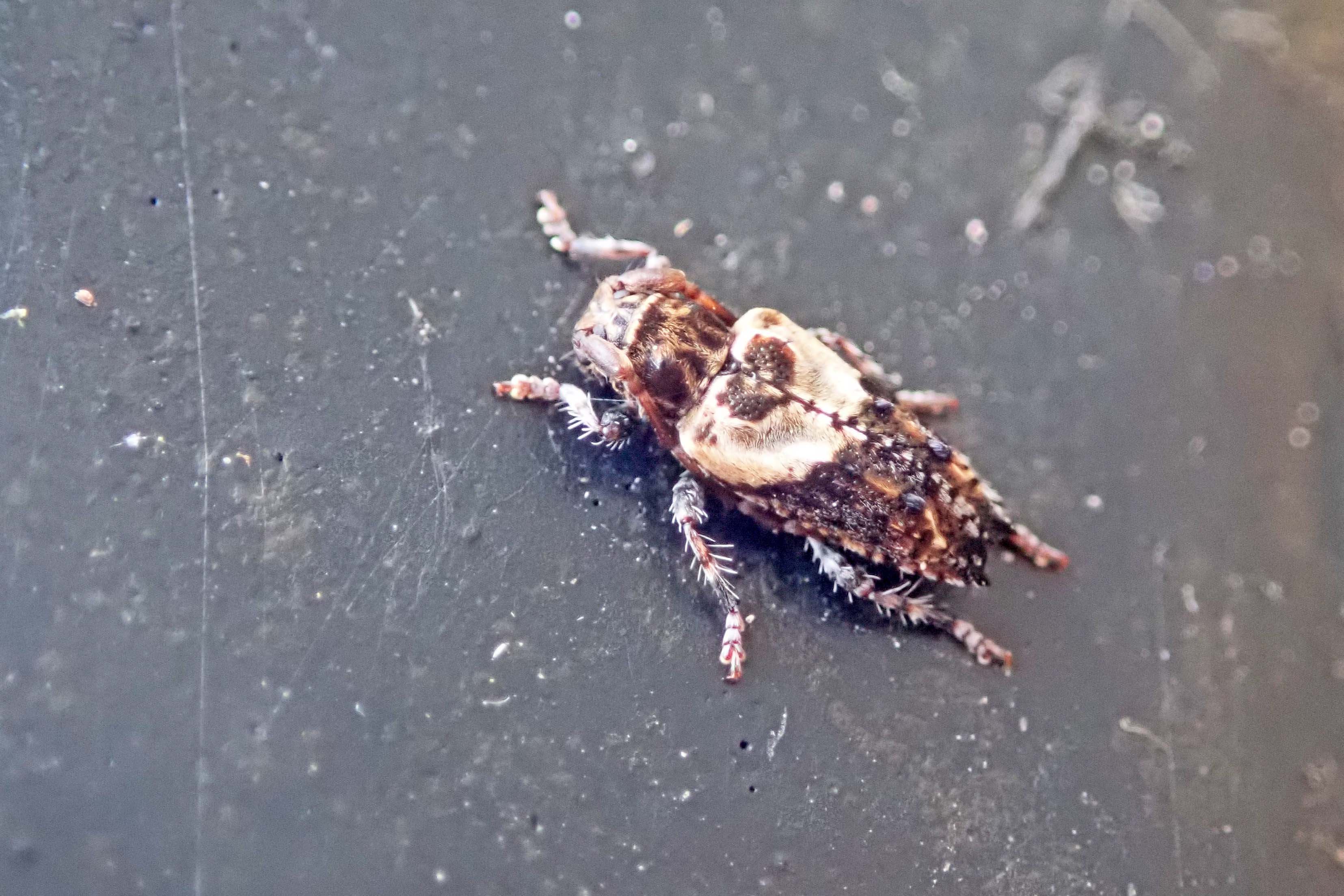
On 9 December, once again on the local park railings (I check them regularly now as I keep finding interesting creatures on them), I found my first ever Lesser thorn-tipped longhorn beetle (Pogonocherus hispidus). It’s thought to resemble a bird-dropping for camouflage, and named ‘thorn-tipped’ because of the thorn-like projections at the tips of its elytra (wing cases). I wondered, on social media, about its presence on the railings, and one of my followers provided the likely reason: ‘I think they get blown out of trees in windy weather. We get them on gravestones under trees in our local cemetery after high winds.’ The specimen I found has its ‘long horns’ tucked in at its sides so I recommend you take a look at the much clearer photos of this odd-looking beetle and read more about it in one of Steven Falk’s Flickr albums here.
250104 Lesser Thorn-tipped Longhorn Beetle

An elusive Scaup

Tags

, , , , , ,

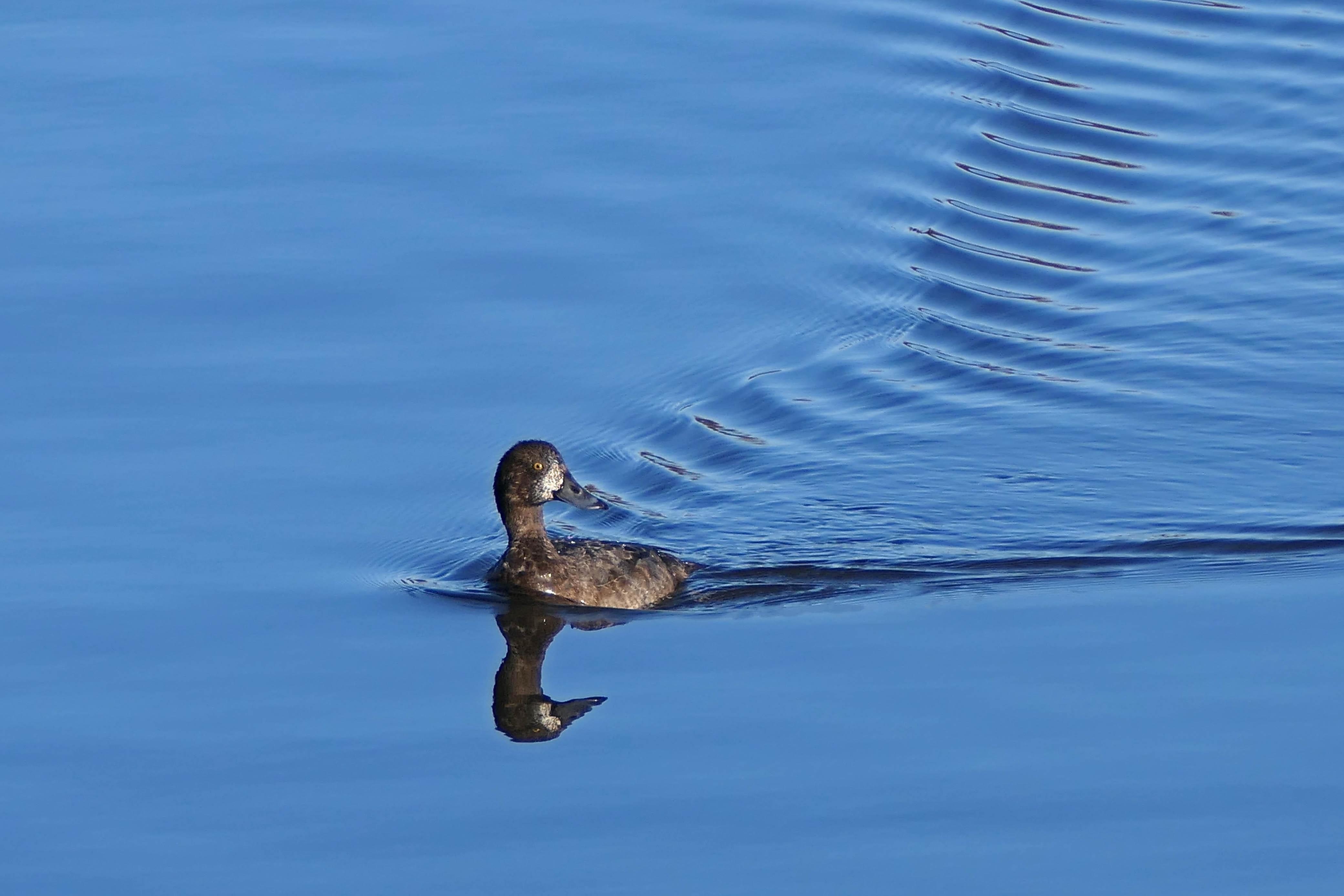
Half way through December a juvenile Scaup (Greater scaup Aythya marila) appeared on the Taff, near where the river runs in to Cardiff Bay. In our WhatsApp group, several birders regularly reported seeing the bird but do you think I could find it? One day I even resorted to photographing every single female Tufted duck in the area so I could check my images at home – the two birds look quite similar – and I still didn’t get it.

250103 scaup (1)

Then, finally, on Christmas Eve, on my third – or was it my fourth? – attempt, I found it, swimming along quite happily amongst the Tufted ducks and Coots, in the company of a female Pochard. That was a very grey, gloomy day, as many of our days were in December, so you can perhaps imagine my delight when, yesterday, though it was very cold, we had blue skies and sunshine, and there it was, the previously tricky little Scaup, paddling towards me from across the river, as if to show me that it’s really not elusive at all.

250103 scaup (2)

Vapourer cocoon and eggs

Tags

, , , , , ,

Here’s another find from December, this one attached to the local park railings. It’s the empty cocoon of a Vapourer moth (Orgyia antiqua), covered in the moth’s eggs. (I’ve blogged about finding one of these cocoons before, though that one was very fresh – see A Vapourer cocoon, 13 October 2023, which also included an image of the caterpillar.) Female Vapourers can’t fly (the UK Moths website has a photo of the female, which, at first sight, doesn’t look like a moth at all) – their sole purpose is to attract a mate and lay eggs. Presumably, this female scarcely moved from her cocoon, immediately emitting male-attracting pheromones as soon as she emerged. A male found and mated with her, and her empty cocoon became a very close and convenient place to lay her eggs.

250102 vapourer

Sparrowhawk

Tags

, , ,

Happy New Year, everyone!

250101 sparrowhawk (2)

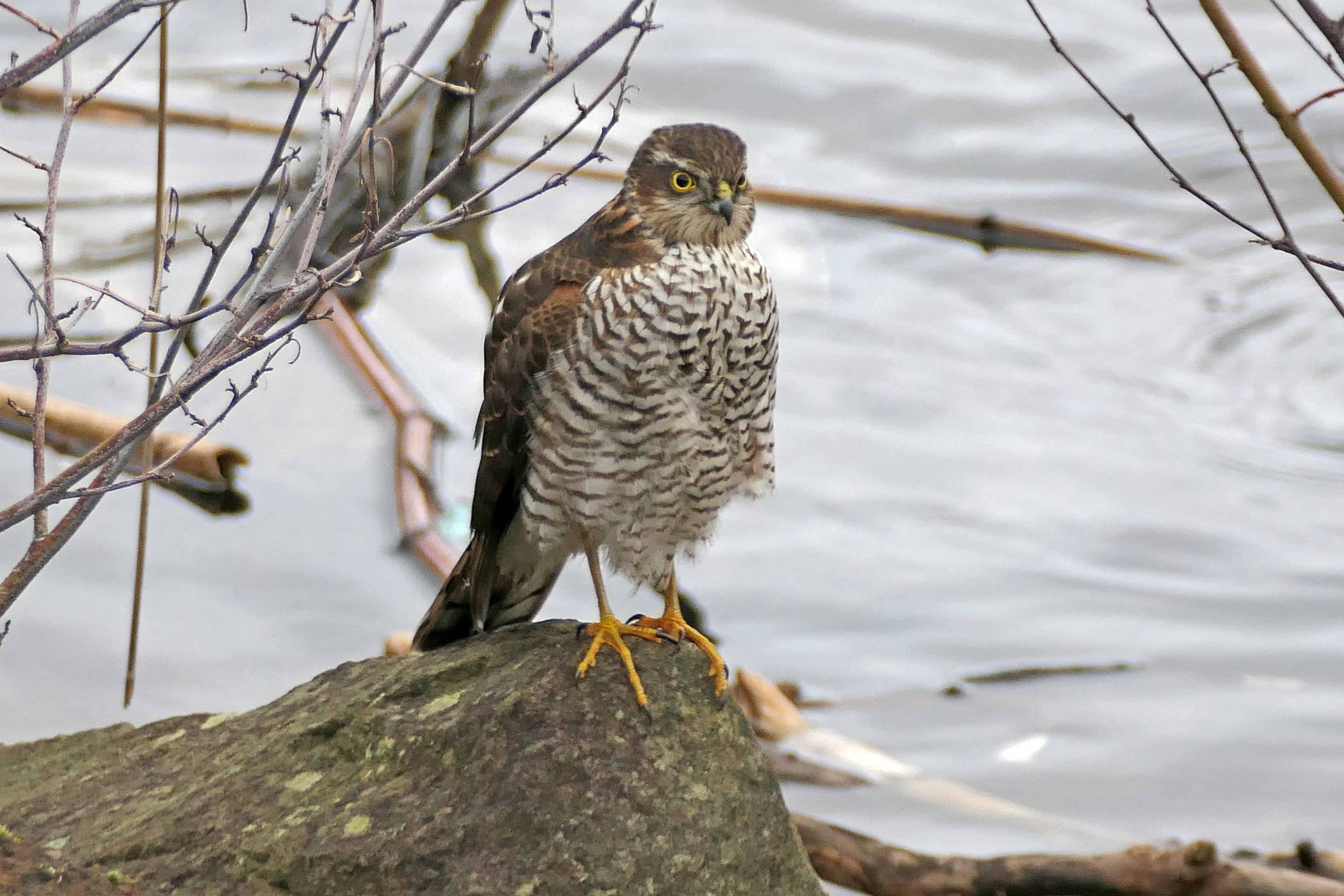
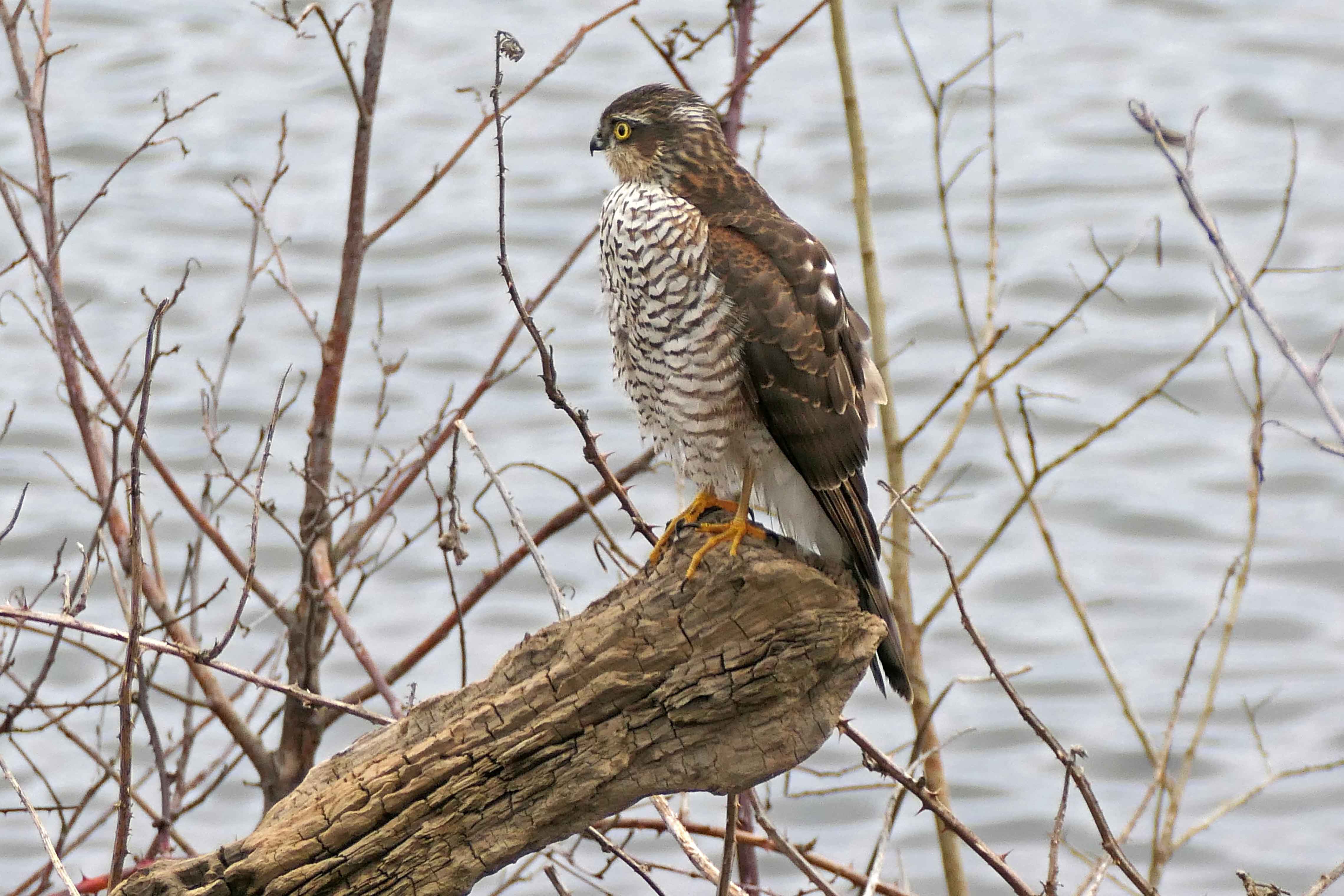
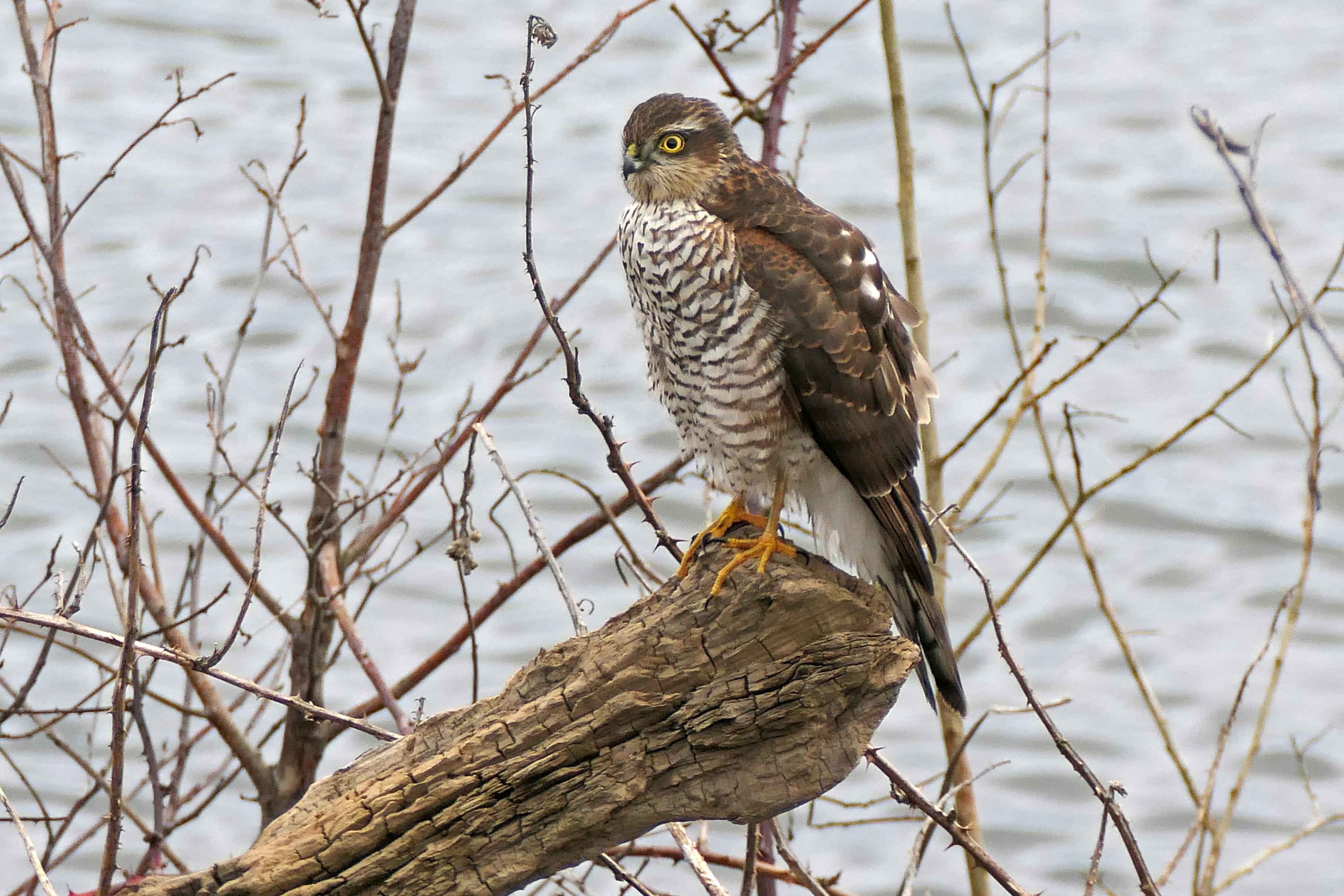
As I’ve done for the past few years, I’d planned to walk a circuit of Cardiff Bay today, challenging myself to find as many birds, and wildflowers in bloom, as possible. But the weather has intervened: heavy rain squalls are barrelling through and we’re under a yellow wind warning until 3pm. I hope to get out late afternoon for at least a local stomp but may return too late and too wet to get today’s blog out in good time. So, here’s a special encounter from a couple of weeks ago, on 17 December, when my end-of-year countdown blogs were underway.

250101 sparrowhawk (1)

Fortunately, as I rounded the corner to begin walking the path alongside the River Ely, I was searching the adjacent embankment for any birds and noticed this gorgeous Sparrowhawk, initially perched on a rock, and then it hopped on to a neighbouring dead tree trunk. Amazingly, it didn’t spot me (or, perhaps, wasn’t concerned by my presence), and I got quite a few photos before a motorboat, heading in to the marina, passed quite close behind, disturbing the bird and causing it to fly off.

250101 sparrowhawk (3)

These are the special moments I so love when I’m out on my daily wanders. I hope, in 2025, that your days will be full of wildlife and wildflowers, and similar special moments in Nature!

Z is for Zygina flammigera

Tags

, , , ,

And so, the end of the year is near and we’ve reached the final letter of this countdown. I have already covered the Cicadellidae, the leafhoppers that have so delighted me this year but, as its name begins with z, I couldn’t resist saving this species, Zygina flammigera, to be the subject of my final blog of 2024. I found two specimens of this new species in late September in riverside Alder trees. I think you’ll agree it is a very attractive little hopper, and I’m certainly hoping to find more of these and, indeed, more new species of hoppers in 2025.

241231 z is for Zygina flammigera

Thank you all for joining me on this year’s journey of discovery and learning and adventures in Nature. I sincerely appreciate your support, your likes and comments, and I’m excited for what the new year will bring.

Y is for Yaffle

Tags

, , , ,

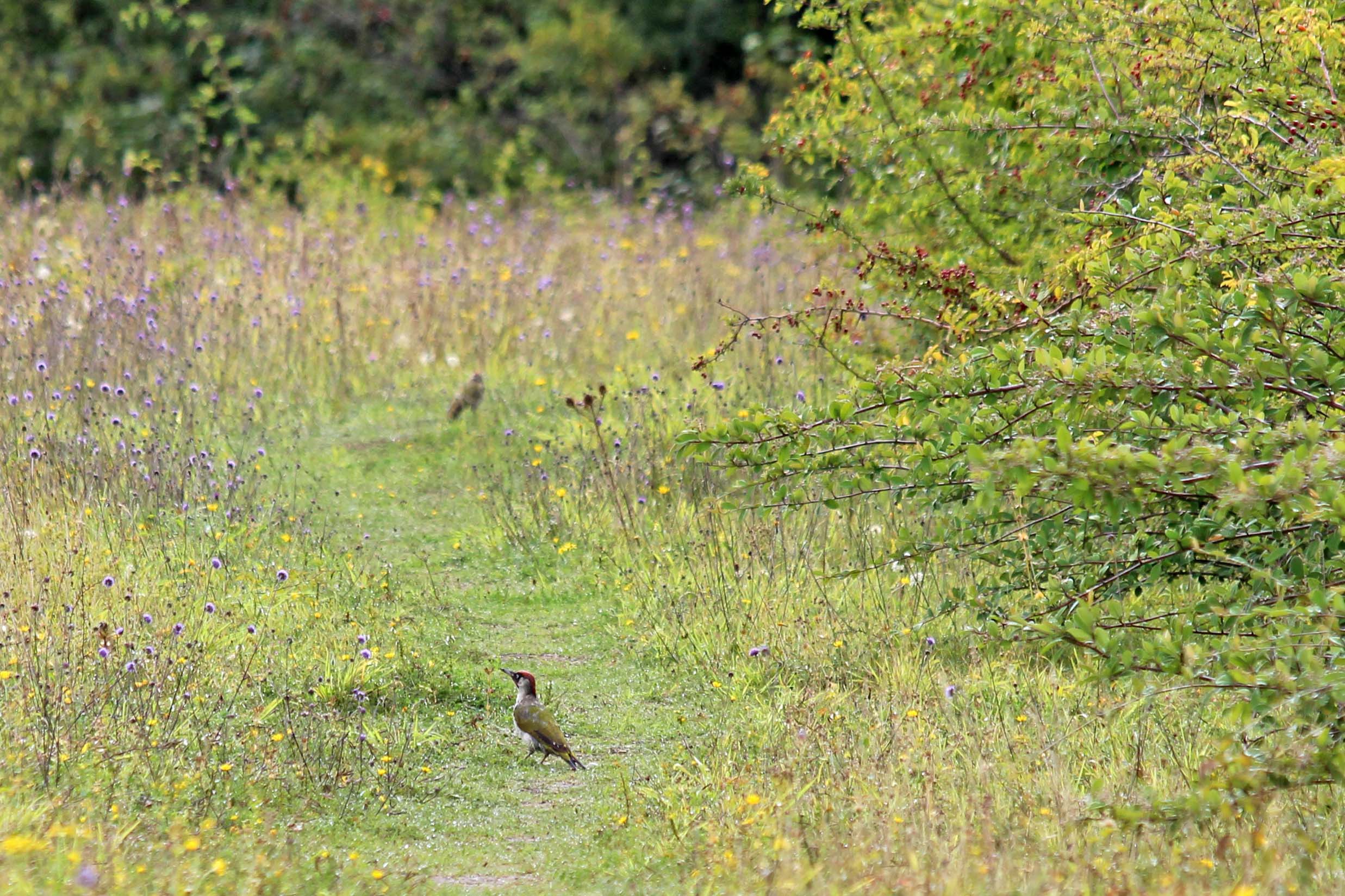
They laugh at me from the long grass.

241230 y is for yaffle (1)

They laugh at me from the branches.

241230 y is for yaffle (2)

Not only the adults but even the juveniles laugh at me. They’re the Green woodpeckers, also known as Yaffles precisely because of their laugh-like call. There’s nothing quite like a bird laughing at me to keep me humble when I’m being over-confident at my ability to find and identify flora and fauna, and I love them for it.

X is for Xanthogramma pedissequum

Tags

, ,

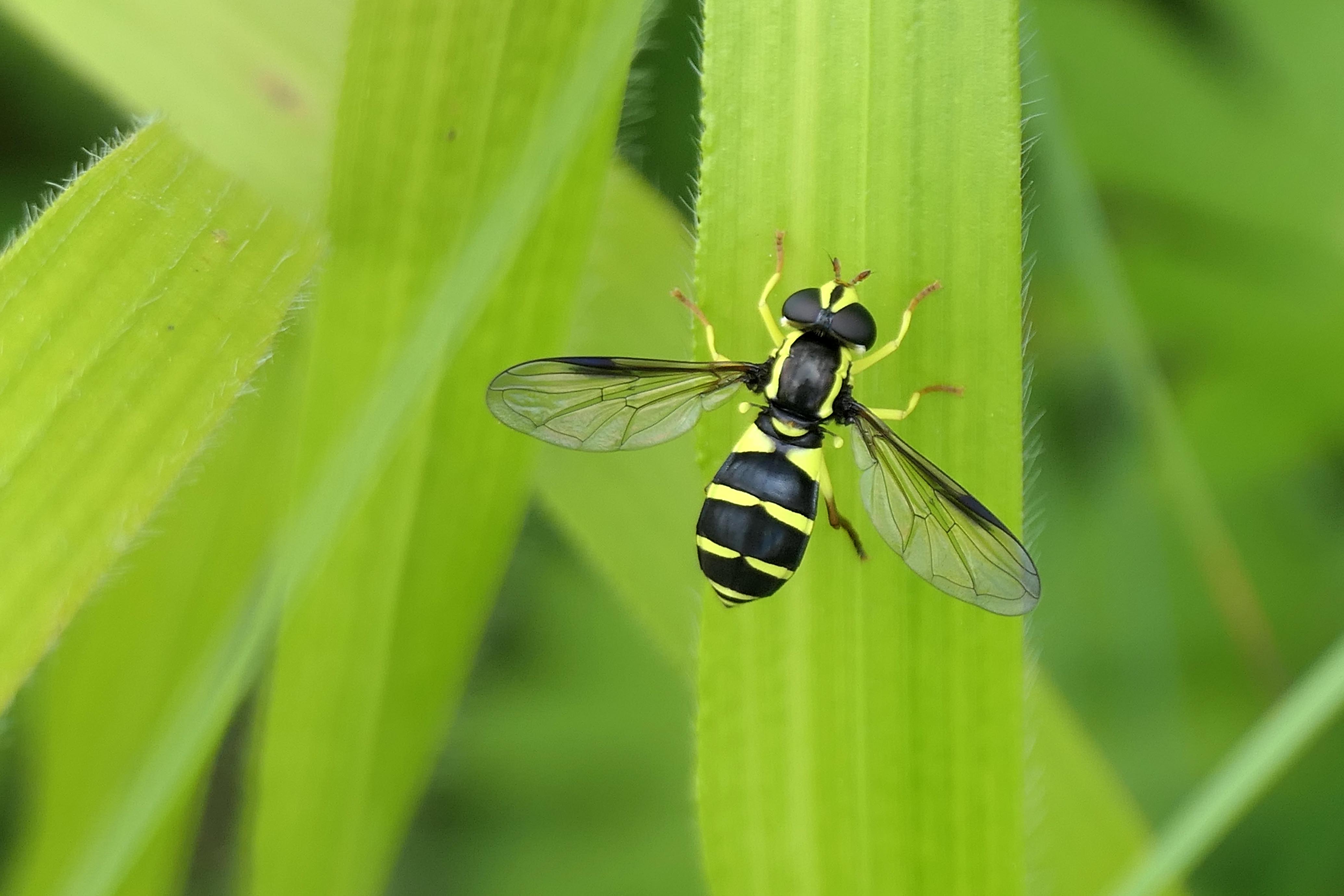
Hoverflies have barely flown in to my blog posts this year. There was a new-to-me species in August (Hoverfly: Melangyna umbellatarum, 3 August), and a hoverfly larva starred in a short video in October (Lucky, unlucky, 16 October) but that’s about the extent of their involvement. I have seen hoverflies, of course, though I often struggle to identify them. Luckily, the Xanthogramma pedissequum shown below is one of the easier species to name, and it fits perfectly in this countdown.

241229 x is for Xanthogramma pedissequum

W is for Waxwings

Tags

, , , , ,

My choice here was a foregone conclusion. I had never seen Waxwings before a small flock appeared in a north Cardiff park in mid January (Lifer: Waxwings, 13 January), and then a small gang of four arrived in Cosmeston Lakes, my local country park, on 2 March (Cosmeston’s Waxwings, 9 March). And, to my absolute delight, four new arrivals doubled our enjoyment and they stayed, and stayed, and stayed – 40 days in all (Waxwings, still, 22 March). It was a truly wonderful wildlife experience, not just seeing these birds but having them present for long enough to observe them more closely and really get to know their habits. Who knows how many years it will be till we are lucky enough to experience another Waxwing winter.

241228 w is for waxwings

V is for vetches

Tags

, , , , , , , , ,

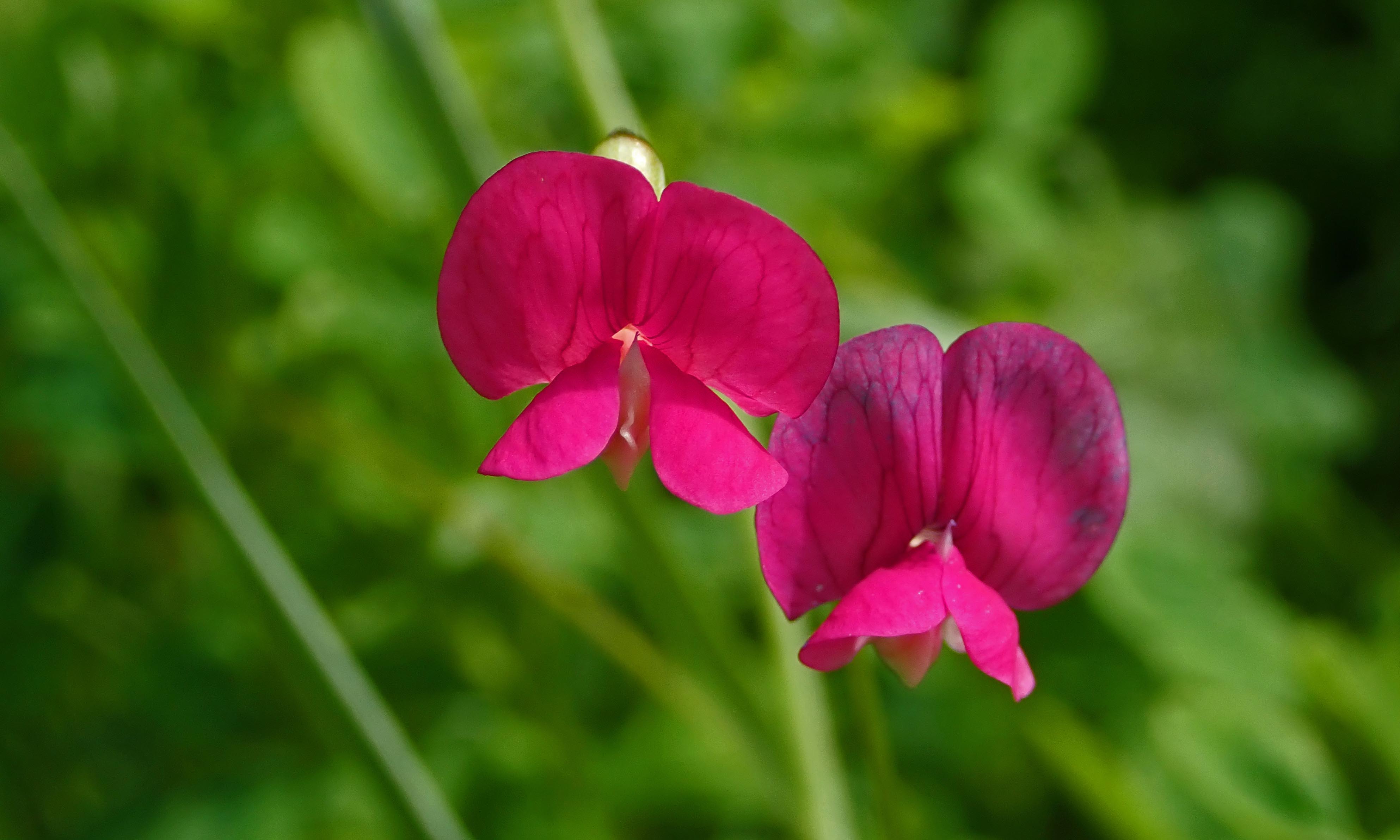
Wildflowers haven’t yet featured in this countdown so today’s post seeks to remedy that omission (you might think the letter W would be the obvious choice but that letter is already allocated to one of this year’s star species – can you guess which?). So, as these gorgeous members of the pea family are some of my favourite wildflowers, this year V is for vetch – and vetchling, and also Hairy tare as it’s one of the Vicia species.

241227 v is for vetch common

Common vetch (Vicia sativa)

241227 v is for vetch bush and crown

Bush vetch (Vicia sepium), left, and Crown vetch (Securigera varia), right

241227 v is for vetch tufted

Tufted vetch (Vicia cracca)

241227 v is for vetch meadow vetchling and hairy tare

Meadow vetching (Lathyrus pratensis), left, and Hairy tare (Vicia hirsuta), right

241227 v is for vetch grass vetchling

And, finally, my absolute favourite Grass vetchling (Lathyrus nissolia)

U is for UFO

Tags

, , , ,

U is another tricky letter in this alphabetical countdown. Initially, I was considering Ulex, as in Gorse, with a description of all the various creatures that live on that plant. Or maybe ‘unidentified’, as I have plenty of insects I haven’t yet found a name for. And then I thought of UFO, as in Unidentified Flying Objects, but found I’d deleted most of my images in a moment of frustration. But then yesterday, Christmas Day, Nature gave me the best possible present and I decided to use UFO but, in this case, it stands for Unforgettable Flying Object. Because as I walked across the Barrage, there was a feeding frenzy of hundreds of Black-headed gulls outside the sluices (seemingly catching tiny sprats washing out from Cardiff Bay) and, amongst them, I spotted this gorgeous Little gull. 2024 will be a Christmas I won’t forget in a hurry! I hope yours was also memorable for the best possible reasons.

241226 u is for ufo