68!

Tags

, , , , , , , ,

68! That’s the number of hoverfly larvae I found when turning over Sycamore leaves in a damp shady spot in one of my local parks last week. And they were all plump and well grown so had obviously been feasting well on aphids. (I have noticed during my leaf fossicking this year that, while insect numbers overall have been well down on previous years, the numbers of aphid seem about usual, which means that those creatures feeding on aphids seem also to have been thriving.)
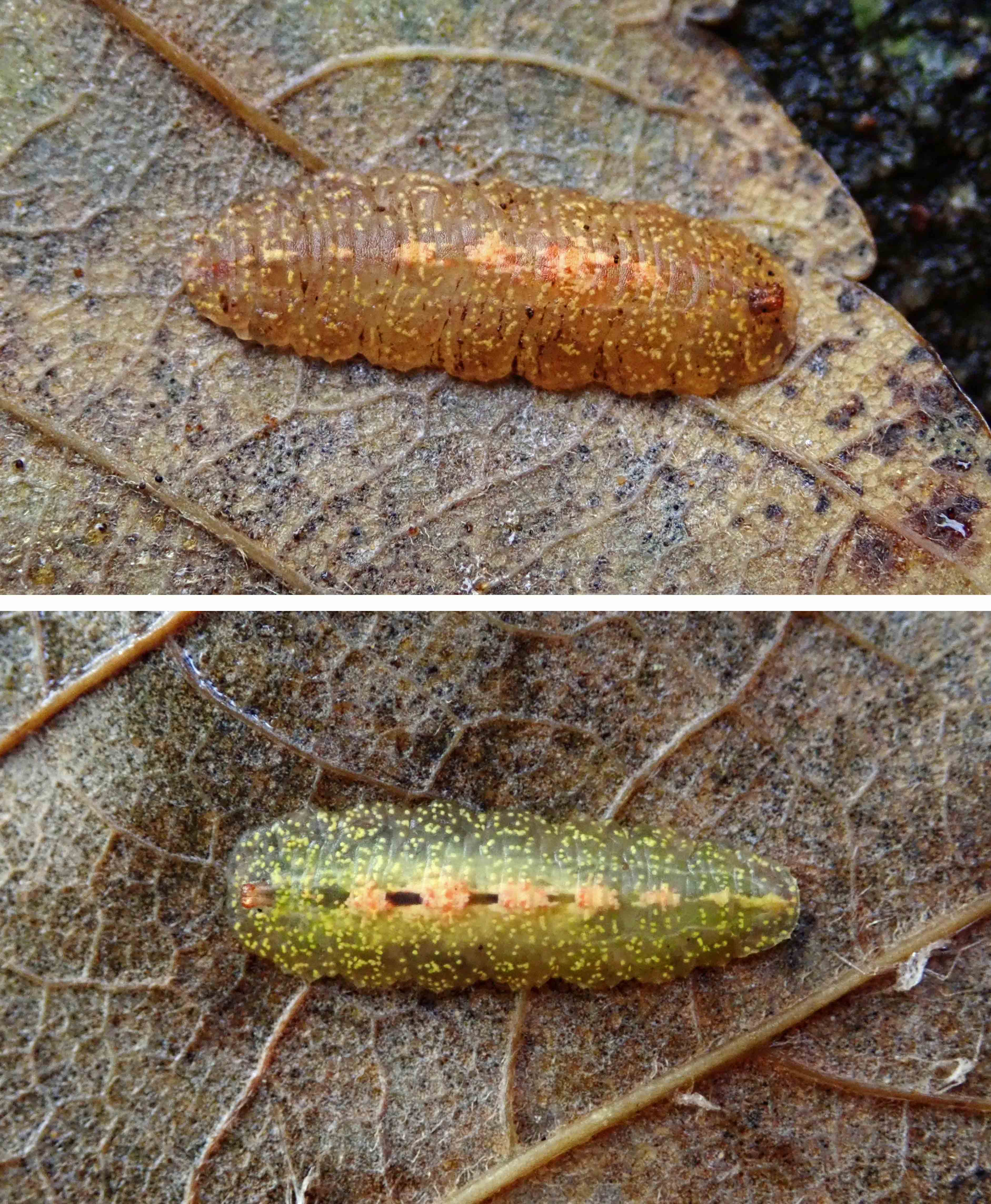
241107 Epistrophe grossulariae

The hoverfly larvae were of only two types, the Epistrophe grossulariae shown above (these larvae are usually green but turn an orange-brown colour in the autumn, an effective camouflage tactic – hence the two colour variations shown here), and those from the various Syrphus species shown below (it’s not possible to be more specific as to the exact identification of these larvae).

241107 syrphus sp

Leafhopper: Tremulicerus vitreus

Tags

, , , , , ,

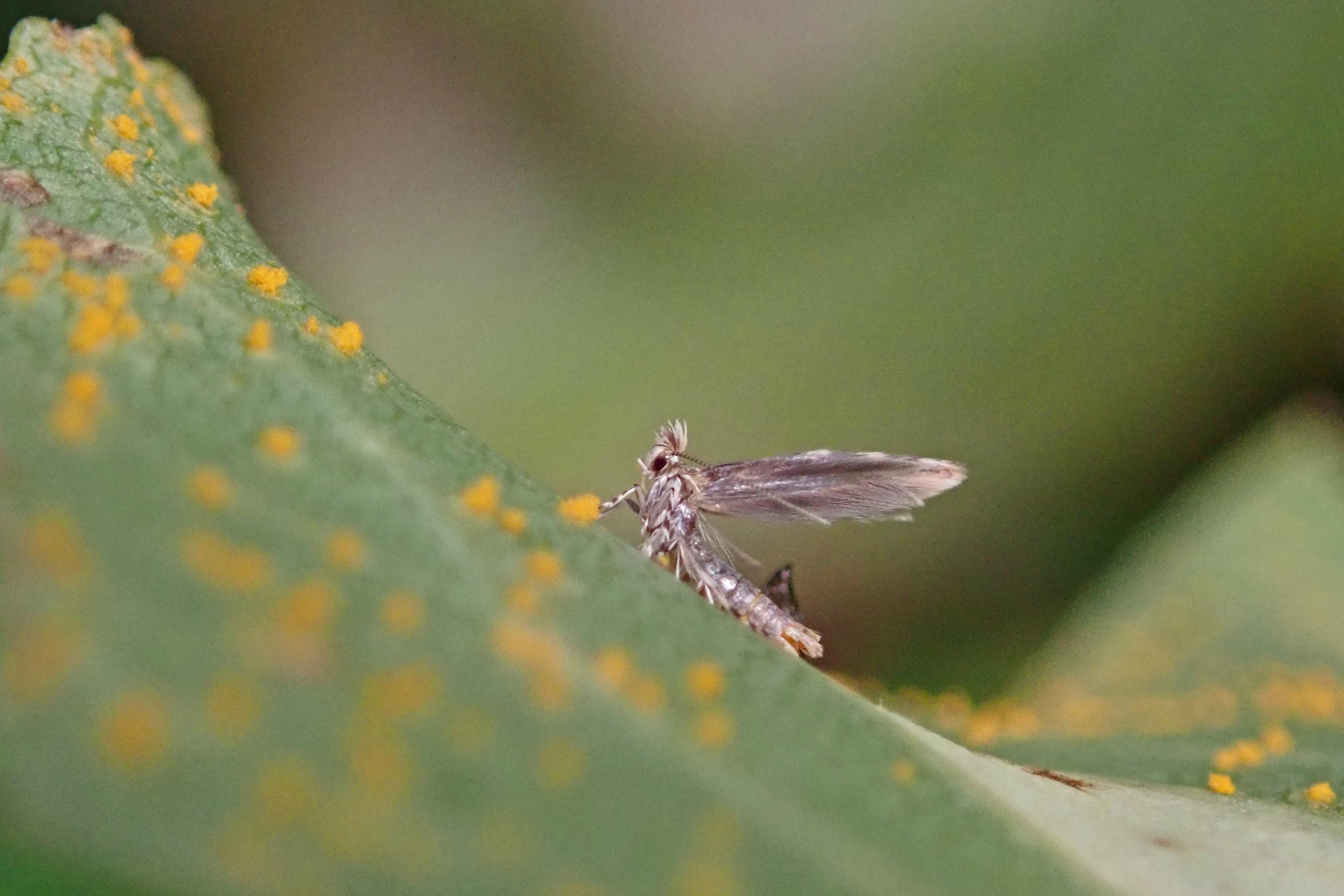
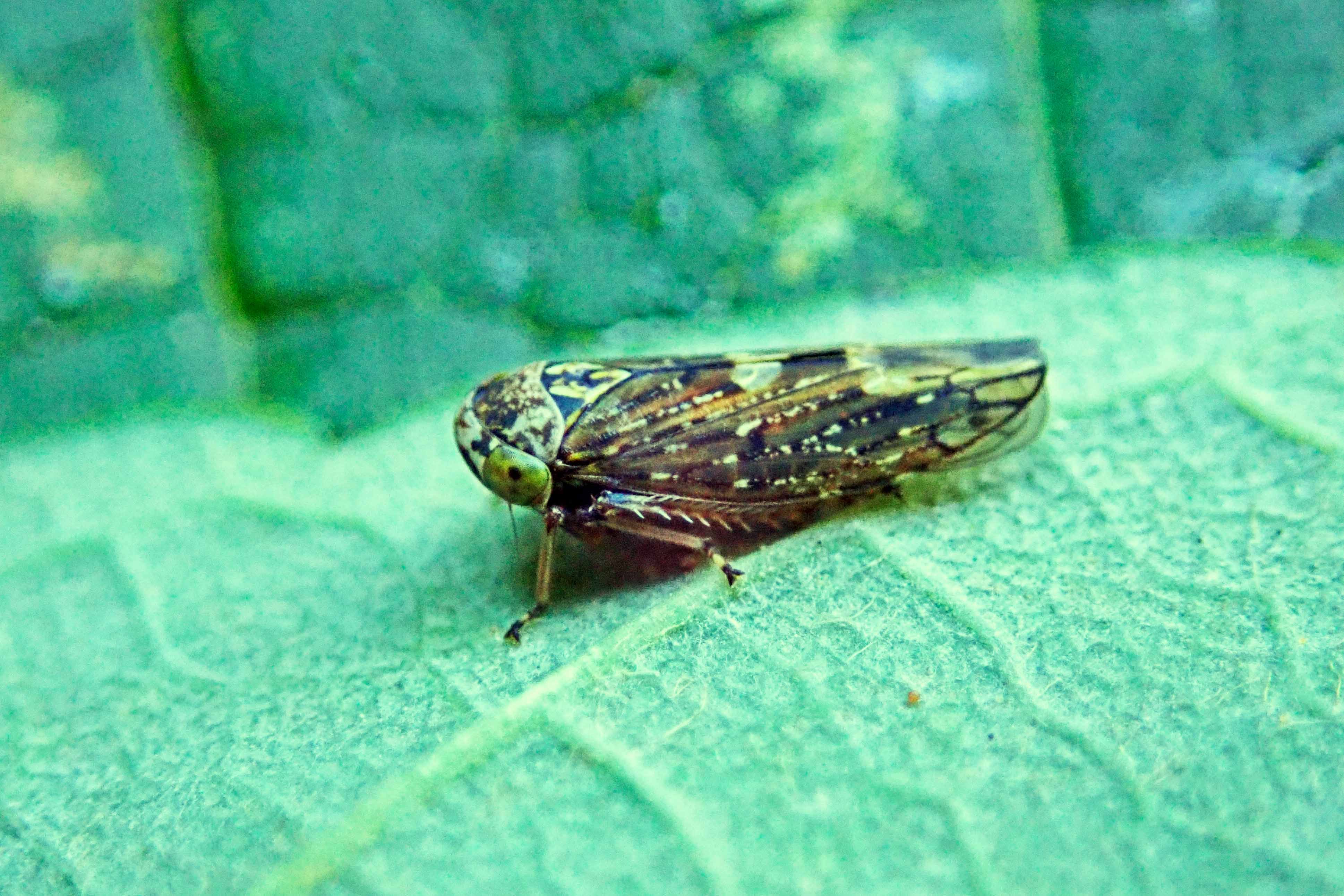
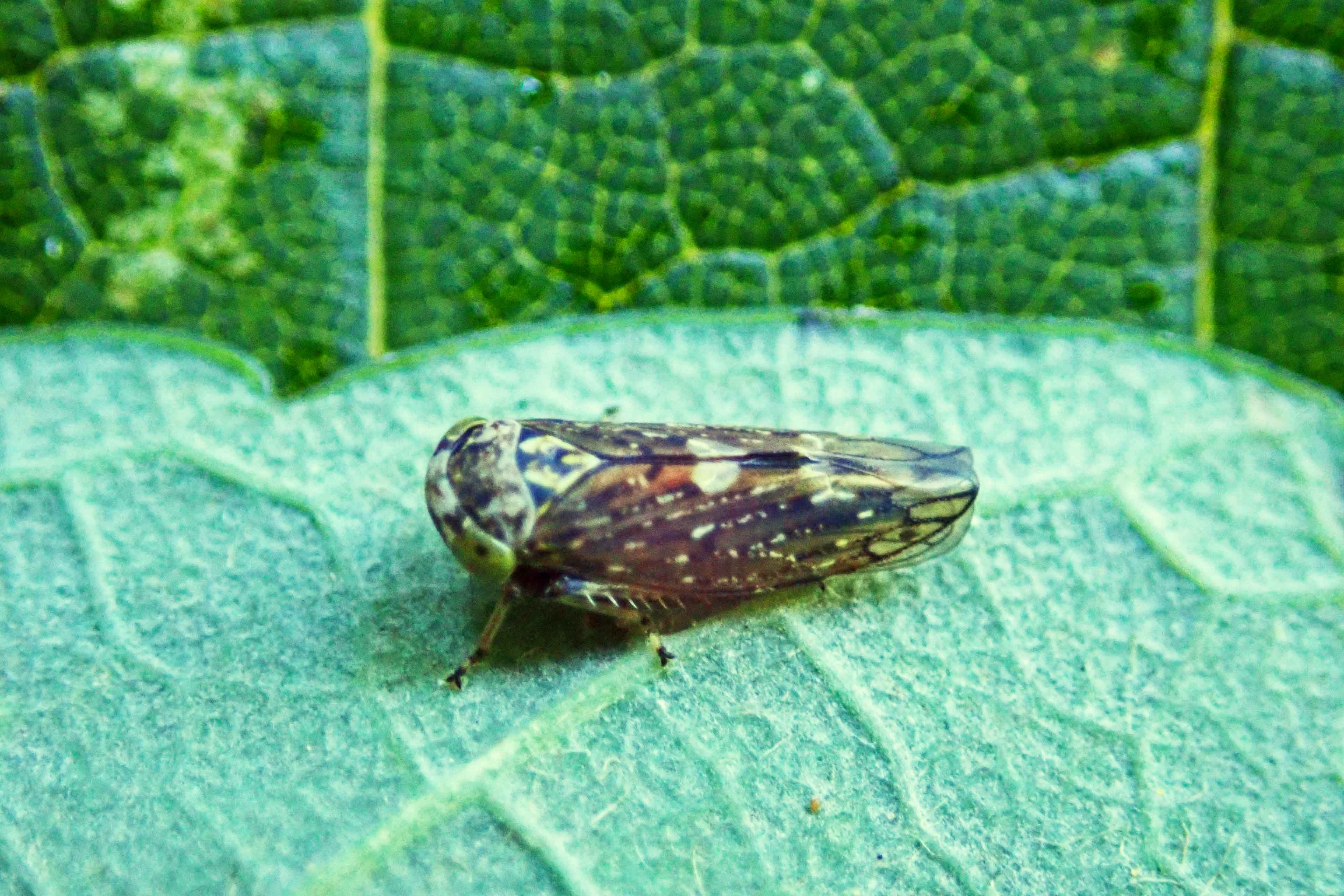
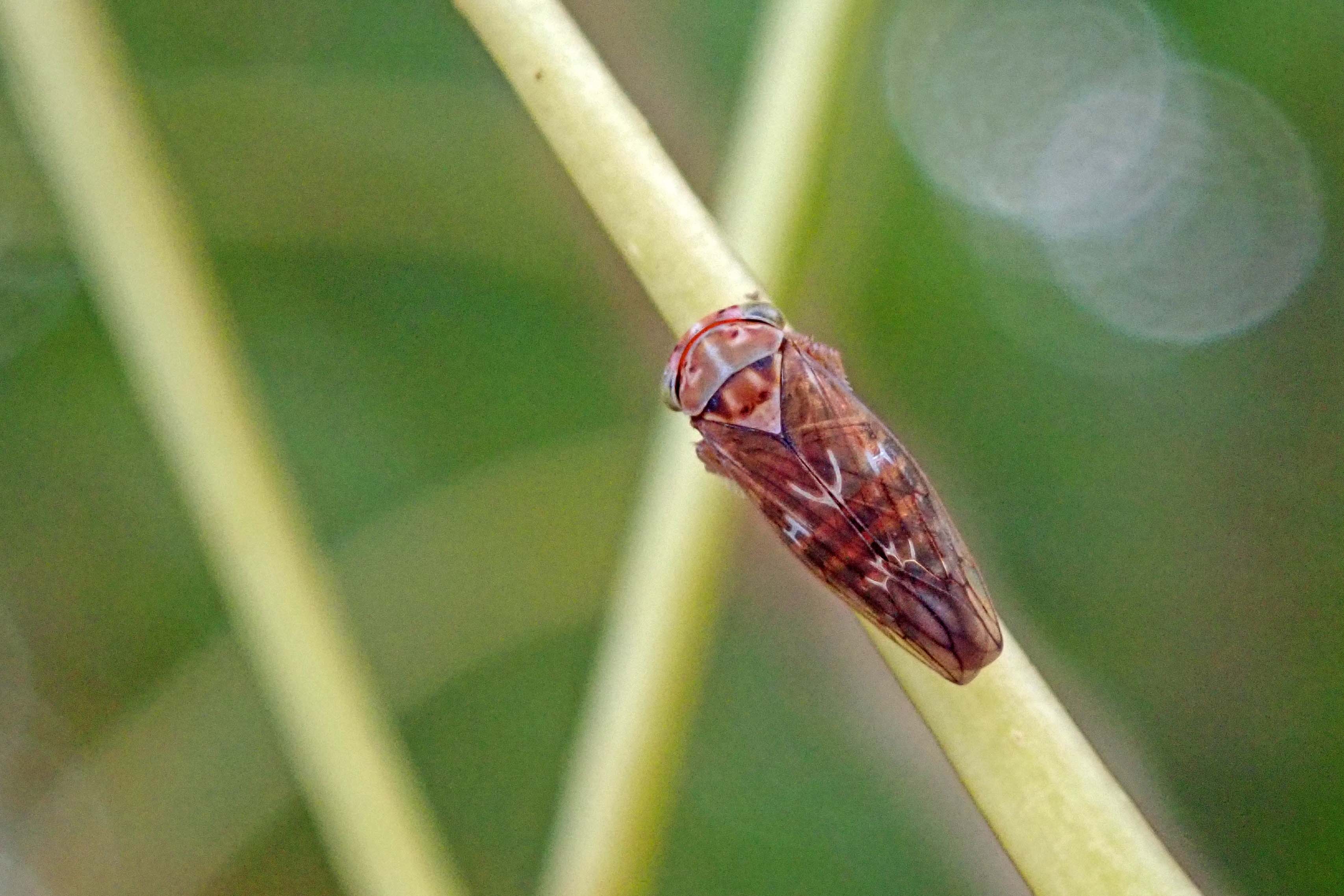
The hours I’ve spent fossicking around trees and turning over leaves have really paid off this year. As well as finding lots of new leaf-mining moth species, I’ve also been lucky with my search for new leafhopper species. Here’s the latest: Tremulicerus vitreus (previously known as Idiocerus vitreus). Looking at Aderyn, the Welsh biodiversity database and the NBN Atlas, there’s only been one previous Welsh record, back in 1989, and that’s showing on NBN as unconfirmed, so mine appears to be the first confirmed Welsh record. And I’ve now found around a dozen specimens, in two locations. I get the impression that I’m the only person checking for these creatures!

241106 tremulicerus vitreus (1)

The British Bugs website stresses that leafhoppers in this group are often difficult to identify but, luckily,

there is usually a pale midline on the pronotum and top of the face. Pale marks on the forewings are mostly restricted to the inner margin and the inner parts of some of the long veins….

241106 tremulicerus vitreus (2)

Though the best time to find these stunning little leafhoppers is between June and October on Poplar species, the adults do overwinter, and the females can sometimes be found on conifers during the winter months. Oh, and can you see why a photo of this leafhopper was posted on social media on Halloween, labelled the ‘Dracula bug’?

Mipits in the Bay

Tags

, , , ,

This time of year can be fairly quiet in Cardiff Bay bird-wise. Any migrating birds have mostly passed through, and the weather has been quite calm, which means that none of the rarities we are lucky enough to see during the winter months have yet appeared. The one bright light in my birding day when I walk around the Bay is the return of those birds that left to breed elsewhere but have now returned to overwinter in the Bay’s calmer conditions.

241106 meadow pipit (1)

One of those birds is the Meadow pipit. Though there are Rock pipits in the Bay all year round, they look very grey compared to the rich spicy brown of the Meadow pipits newly moulted plumage so they’re easy to identify, even when they perch on the Barrage rocks.

241106 meadow pipit (3)

Most of the time, the Meadow pipits can be found poking about in grassy areas, looking for tasty insects but, when disturbed, they frequently pop up on to higher spots, like fences, until they feel it’s safe to fly down to the ground again.

241106 meadow pipit (2)

Leafmines: Phyllonorycter comparella

Tags

, , , , ,

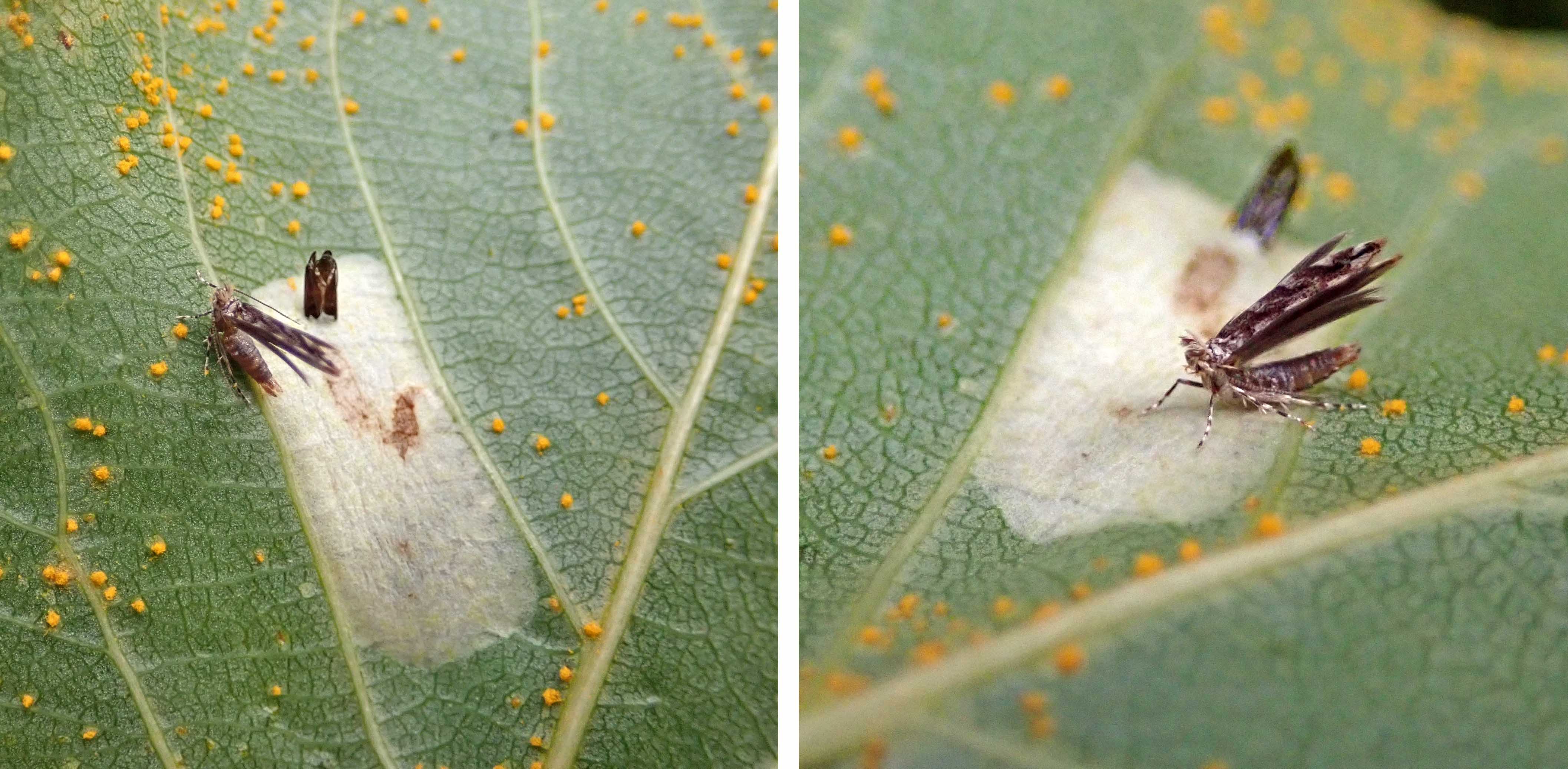
This was a wonderful surprise! I was checking Poplar leaves, not searching for anything in particular, when I turned over a leaf and found this tiny moth, presumably only just emerged from the pupa within its silken mine as its wings had not fully expanded.

241104 Phyllonorycter comparella (1)

I didn’t know what it was until I got home and checked my photos, and then was fairly sure I must have got my identification wrong as the Welsh biodiversity database was showing just four Welsh records, all closer to England, in the county of Gwent. The name I’d come up with was Phyllonorycter comparella (common name Poplar leaf-miner).

241104 Phyllonorycter comparella (2)

The mine certainly looked right, though it was difficult to be certain of the moth from what I had been able to see of its markings. But when I posted photos on social media, one of the moth experts I know almost immediately popped up with a comment ‘Blimey …’ and ‘I can’t think of any plausible alternatives’, and then another expert commented ‘Very good find’. And now my county moth recorder has confirmed my record. You can read more about this Poplar-leaf-mining moth on the British Leafminers website and see better photos of the adult moth on the UK Moths website.

Rowan, the thinker

Tags

, , , , , ,

Did you know there is an ancient Celtic zodiac, with trees as the symbols for each of the thirteen (moon-cycle-based, hence thirteen not twelve) signs? I didn’t, until I saw a post on Instagram by the extremely talented artist Luke Adam Hawker, who has just released a series of etchings, one for each of the signs (I wish I could afford to buy the etching for my sign!).

241103 rowan (1)

Along with the tree images he’s been posting, he’s also listed information about the qualities attributed to people born under each sign. The Rowan tree is the symbol for a person born between 21 January and 17 February, summarised as The Thinker, and the qualities they are said to possess are as follows:

Philosophical visionaries with original and creative minds, often misunderstood due to their passionate ideals. Despite a cool exterior, they burn with inner passion, transforming situations and inspiring others with their unique perspectives.

Are you a Thinker? Do you recognise yourself in this description?

241103 rowan (2)

The Rowans in my images, taken at Cardiff’s Cathays Cemetery during a recent wander, are lush with berries at the moment, providing welcome fodder for both local birds and the winter thrushes currently arriving from Europe and Scandinavia.

241103 rowan (3)

Like a miniature Mexican wave

Tags

, , ,

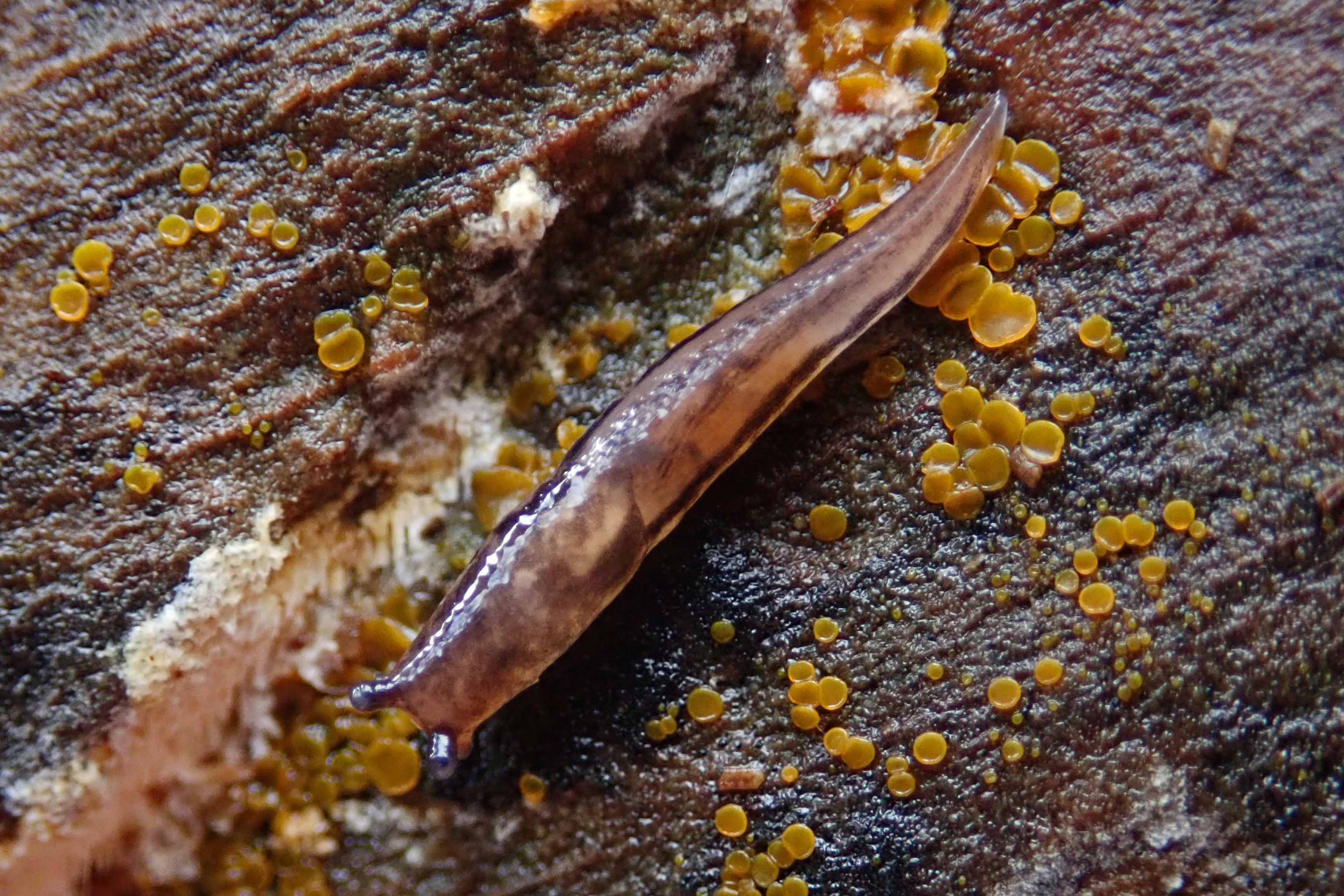
It was quite mesmerising watching each of this centipede’s tiny legs moving, rhythmically, one small step after another, like a miniature Mexican wave along each side of its body.

241101centipede

So, I thought I’d share a short video. I presume it is searching for food, a passing aphid, a stationary hoverfly larva, a slow slug perhaps.

Two Firecrests

Tags

, , ,

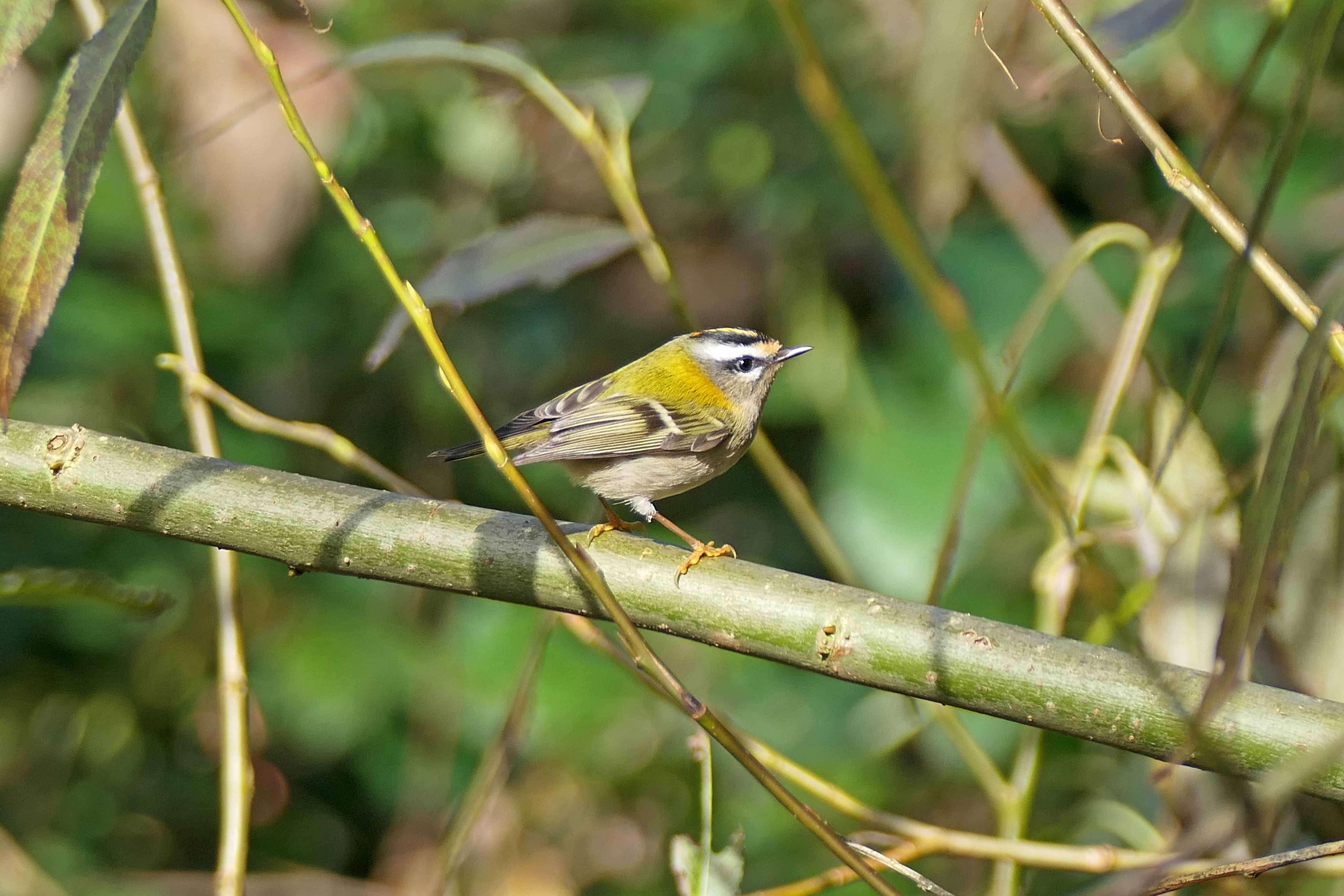
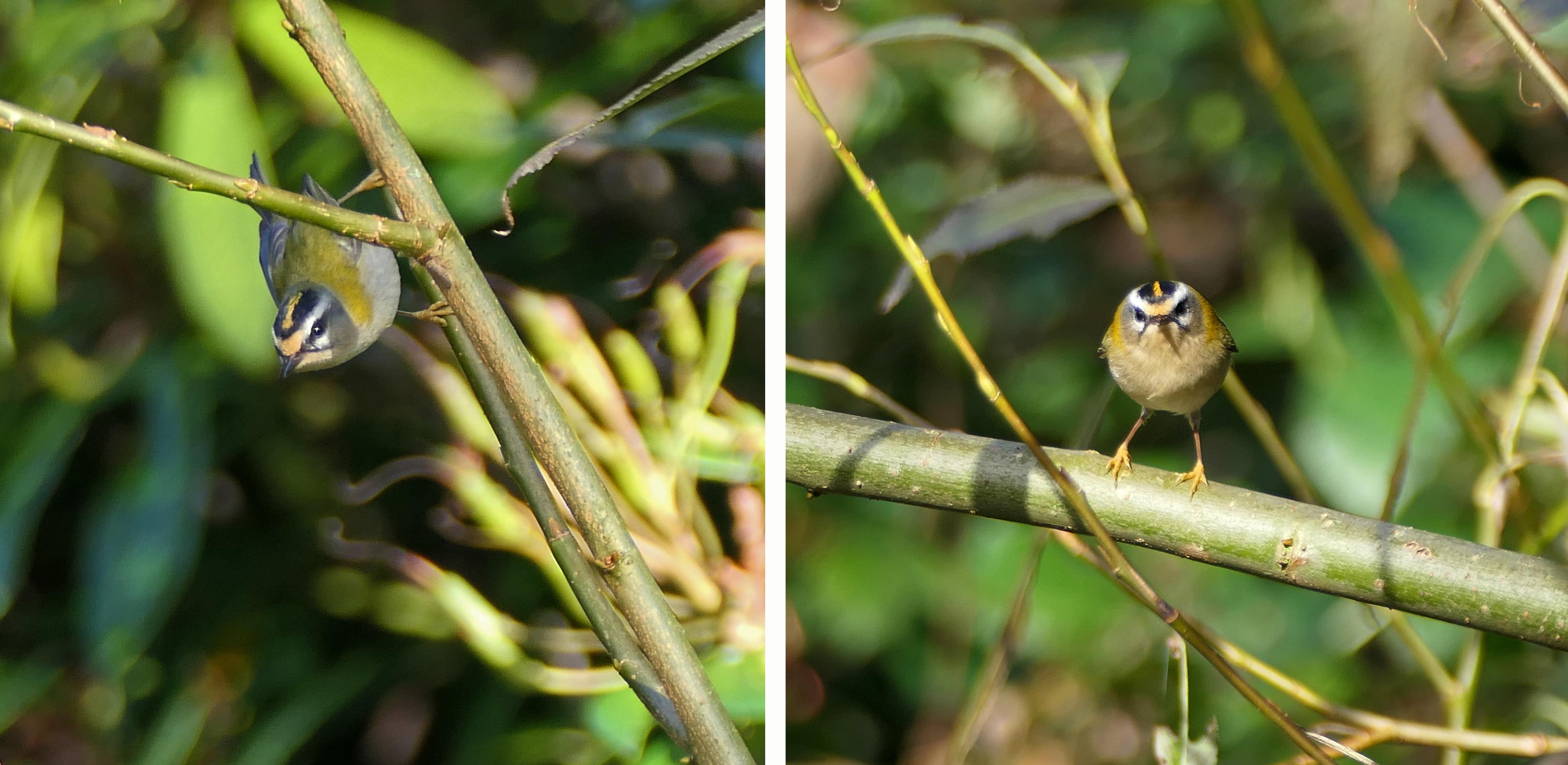
‘Tis the season for Firecrests, those darling little birds that only flit through my local area for a few of the cooler months of the year – the official description by Glamorgan Bird Club is ‘uncommon passage migrant and winter visitor’.

241031 firecrest (1)

This is another bird species that I’ve looked for over the past few weeks, in locations where it’s been seen in previous years, unsuccessfully. So, when I heard two Firecrests had been sighted in Cardiff’s Bute Park – another favoured location, I thought I’d take a look – I had chores to do in the city, and the autumn colours in the park are always worth a visit, so I figured that, even if I dipped the birds, it wouldn’t be a wasted journey.

241031 firecrest (2)

And, as you can see from my photos, it most definitely was not a wasted journey. Firecrests can be quite elusive and secretive, and, as they are tiny, are often obscured by vegetation. These were the best and closest views I’ve ever had, so I was over the moon!

241031 firecrest (3)

Leafhopper: Acericerus heydenii

Tags

, , , , ,

Today’s little leafhopper appeared when I was turning over leaves of Sycamore trees at Cardiff’s Cathays Cemetery. I initially thought it was Acericerus vittifrons but my record was redetermined to Acericerus heydenii by the national leafhopper recorder when he checked it.

241030 Acericerus heydenii (1)

Acericerus heydenii (previously known as Idiocerus heydenii) is a relatively recent arrival to Britain – it was first spotted in the south of England in 2010, probably having hitched a ride on a ferry across the Channel, or on a train through the Eurotunnel, from somewhere in Europe. Judging by the records on the Welsh national biodiversity database, it took about nine years to make its way across to Wales, where 15 specimens have now been recorded.

241030 Acericerus heydenii (2)

Please excuse the quality of my photos today. The camera I use for all my close-ups, an Olympus TG-5, does not deal well with low light (apparently, a known fault, which I did not know about when I bought it). This fault causes a purple cast in the centre of images, which I’ve tried not very successfully to correct. If you’re interested, you can see excellent images of today’s leafhopper on the True Hoppers of the Western Palearctic website.

Woodpigeon migration

Tags

, , , , ,

An amazing bird migration occurred last week, and the whole phenomenom is a bit of a mystery.

241029 woodpigeon migration (1)

The migrating birds were Woodpigeons (Columba palumbus), which may surprise you – who knew Woodpigeons migrated? Even more surprising is the numbers heading south west, estimated to be between 50,000 and 150,000 birds. I saw some of the flocks passing over and they were huge – it is truly an amazing spectacle to witness, and it happens every year, in late October / early November, the timing probably dependant on various weather conditions.

241029 woodpigeon migration (2)

What’s mysterious about this migration is where the birds come from and where they are going. These do not seem to be local British birds, as our population seems either to be mostly stationary or restricts its movements to within the UK, so the current assumption is that these are predominantly Woodpigeons passing through Britain, possibly originating in Scandinavia and likely heading to Spain and Portugal to over-winter.