
Tags
autumn colour, autumn leaves, British trees, Sorbus aria, Whitebeam, Whitebeam bark, whitebeam berries, Whitebeam leaves
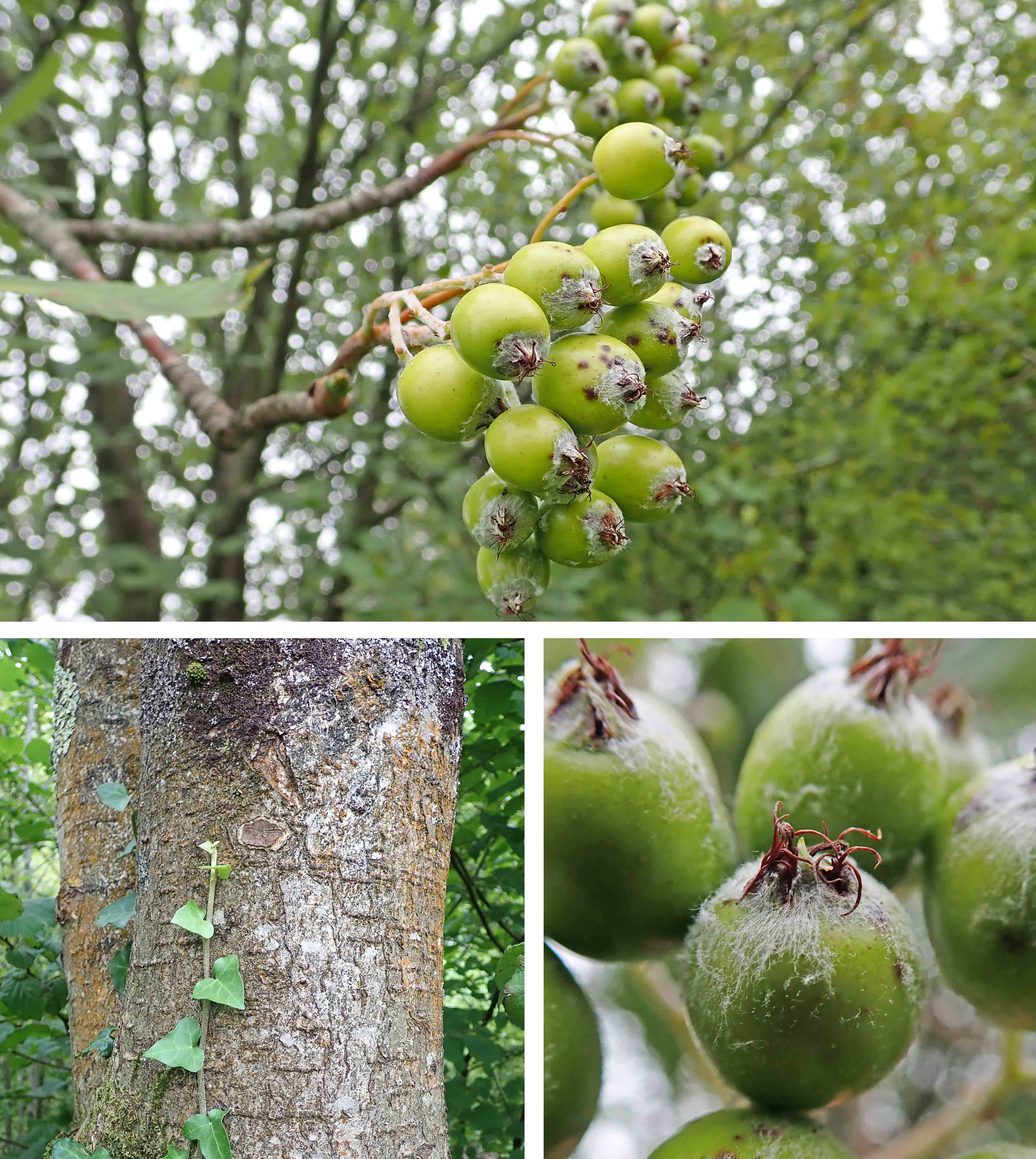
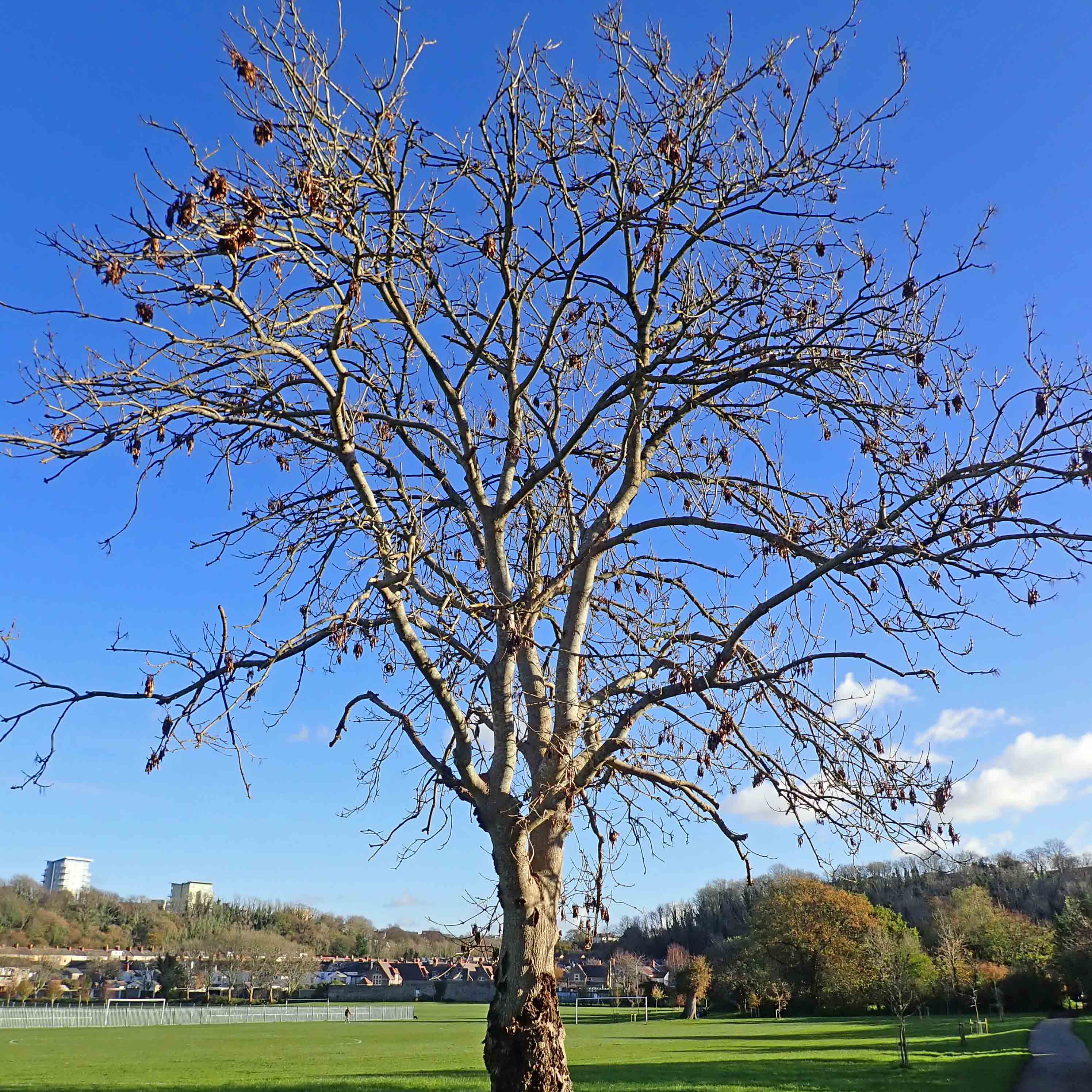
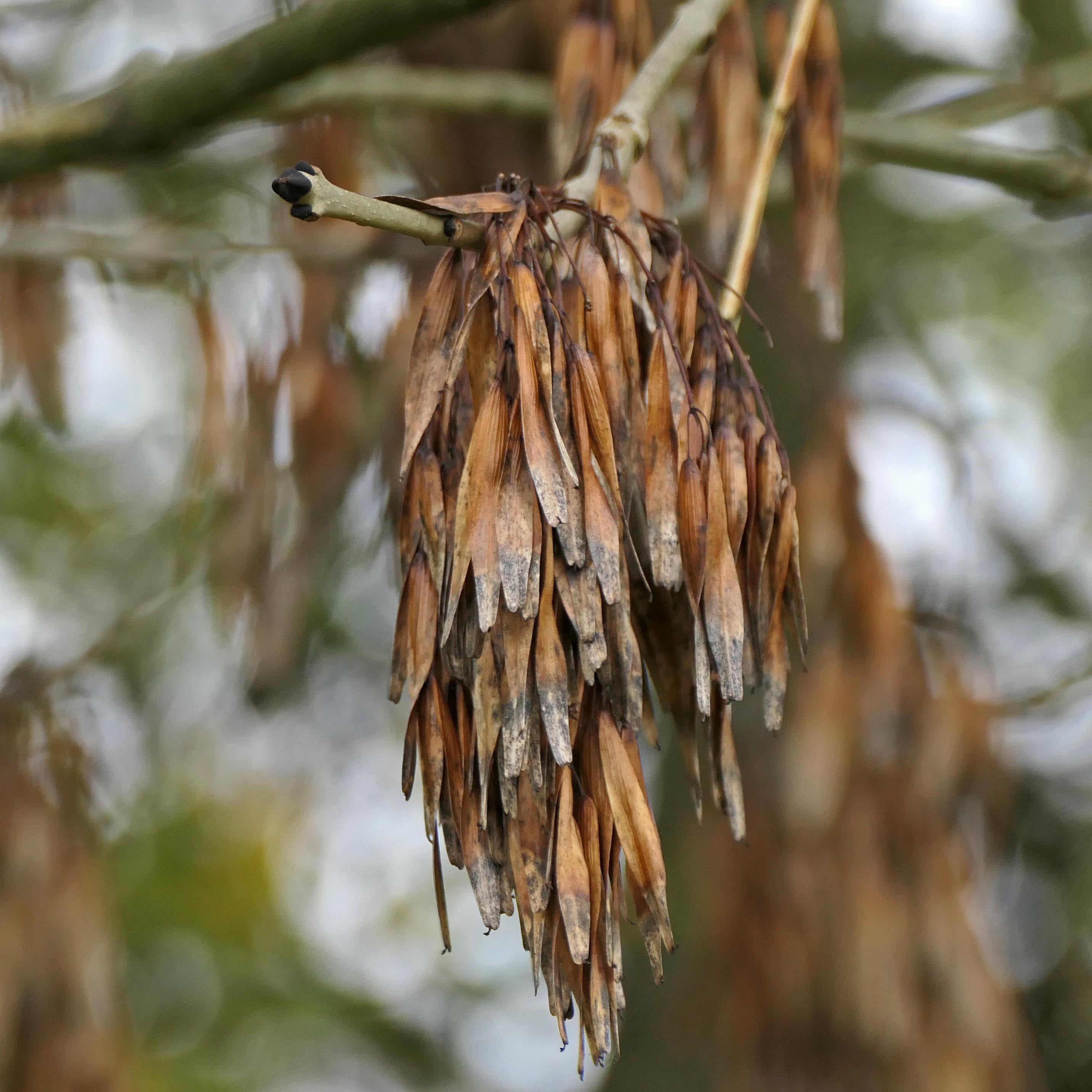
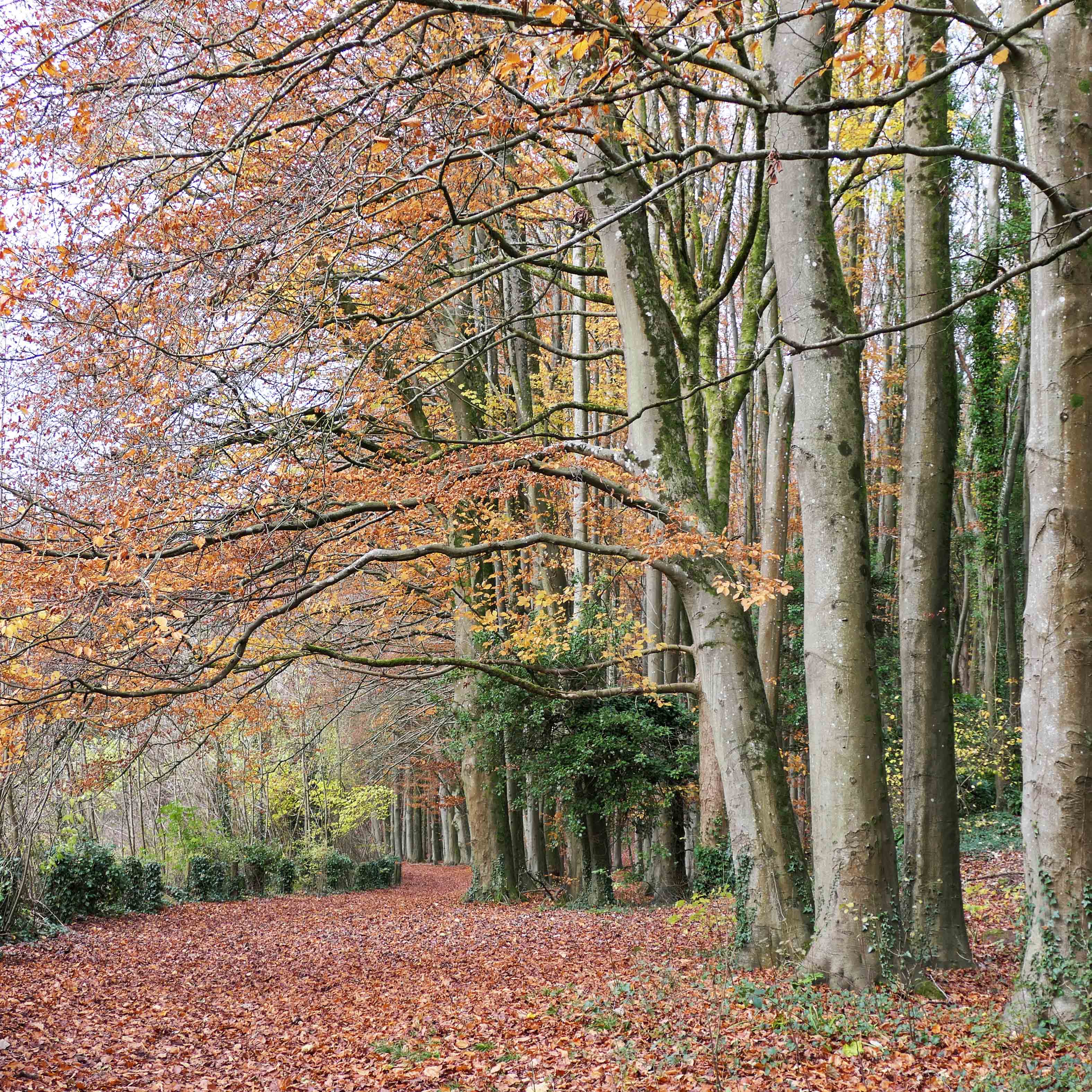
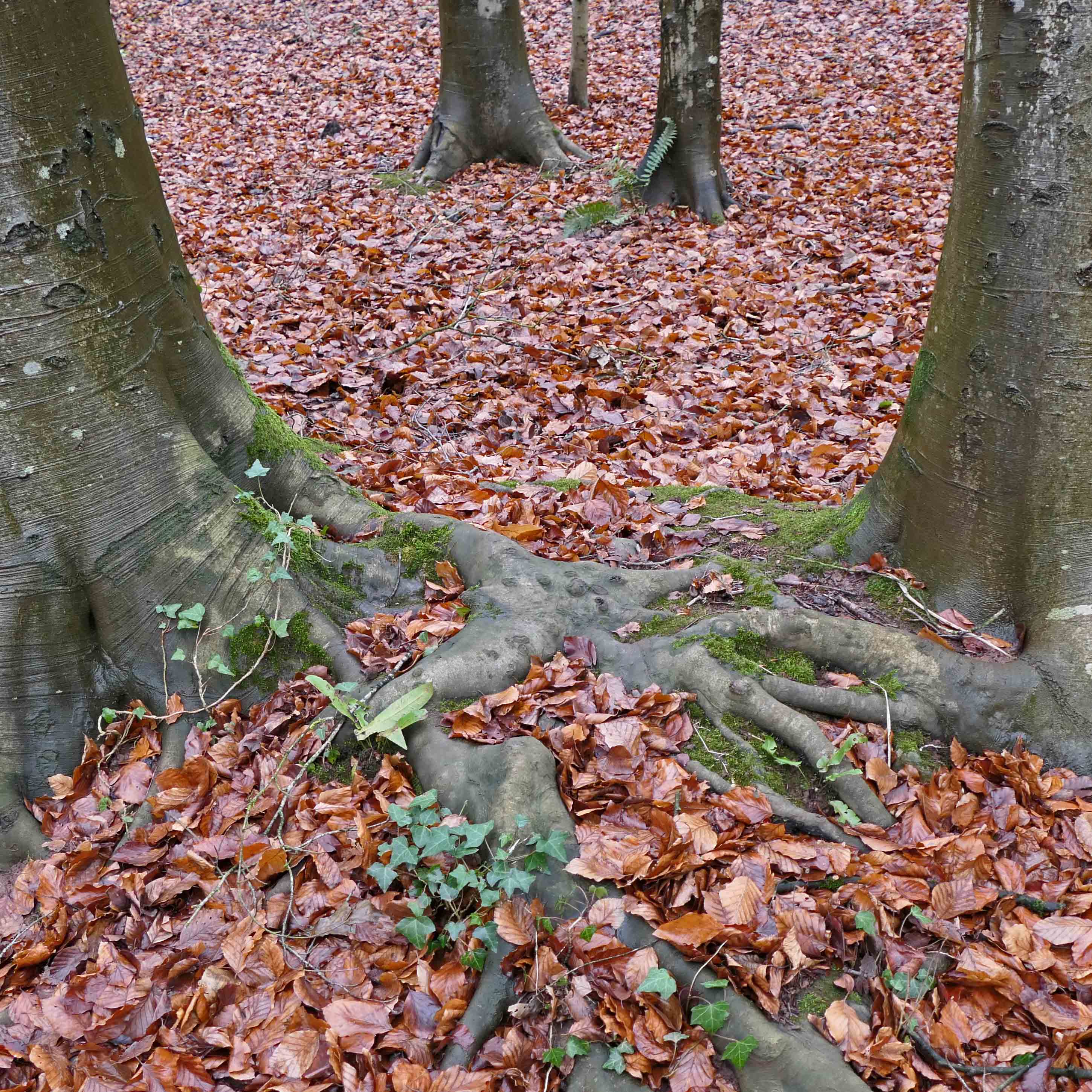
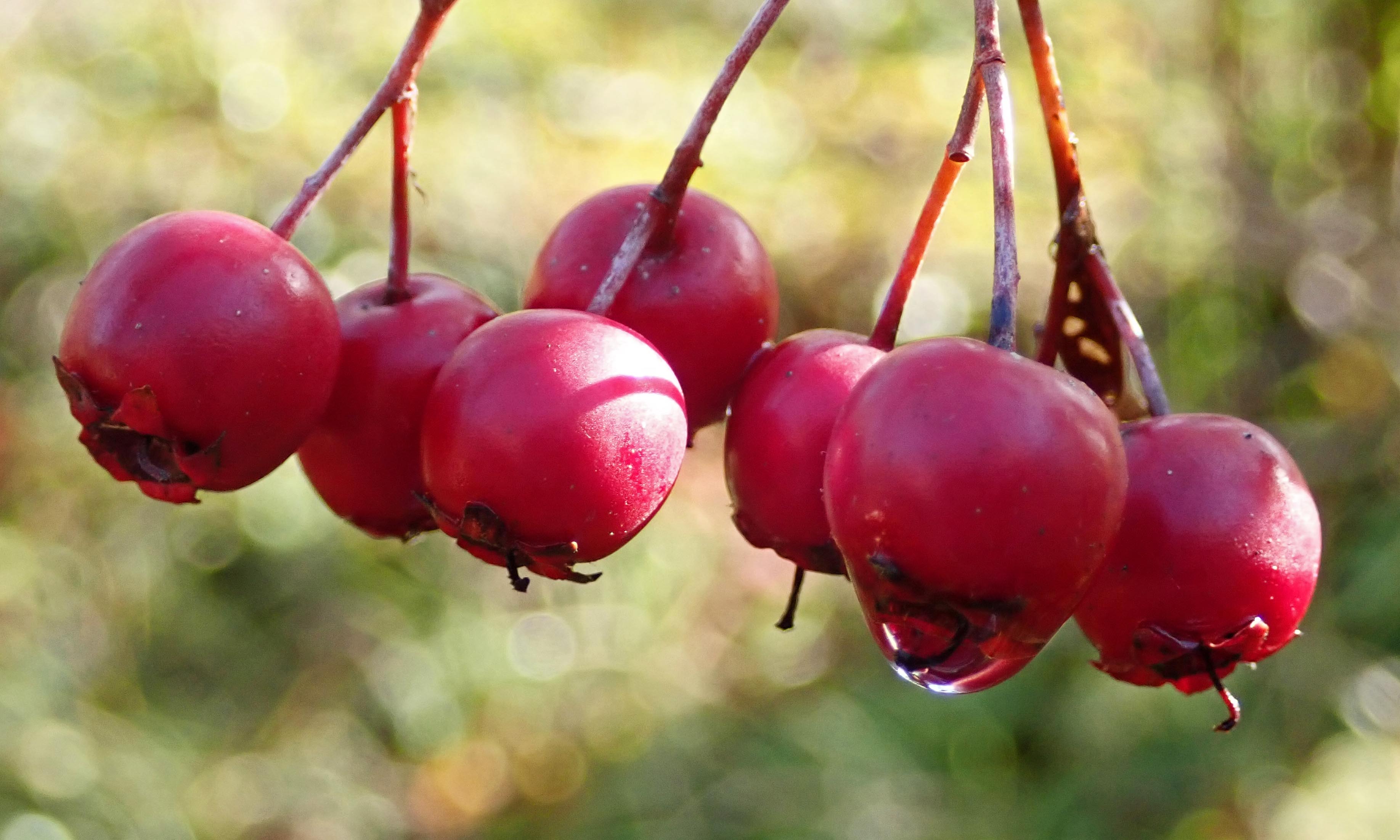
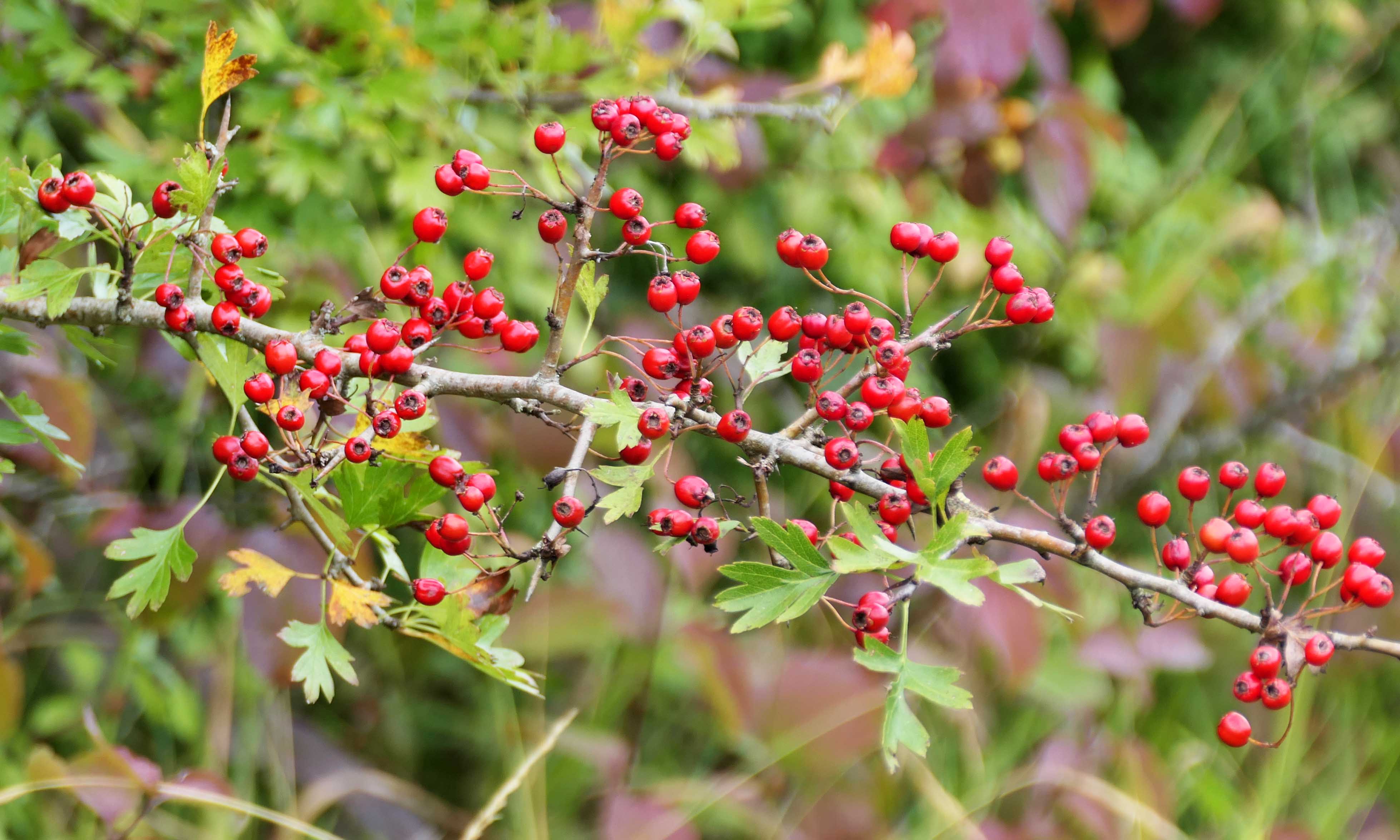
Whitebeam (Sorbus aria) is a tree I’ve overlooked until now, though I did take a few photos earlier in the year, of its smooth grey bark and its berries, before they ripened. (According to the Woodland Trust website, the berries ‘are known as chess apples in north-west England and are edible when nearly rotten’, which doesn’t make them sound very appetizing to me.)
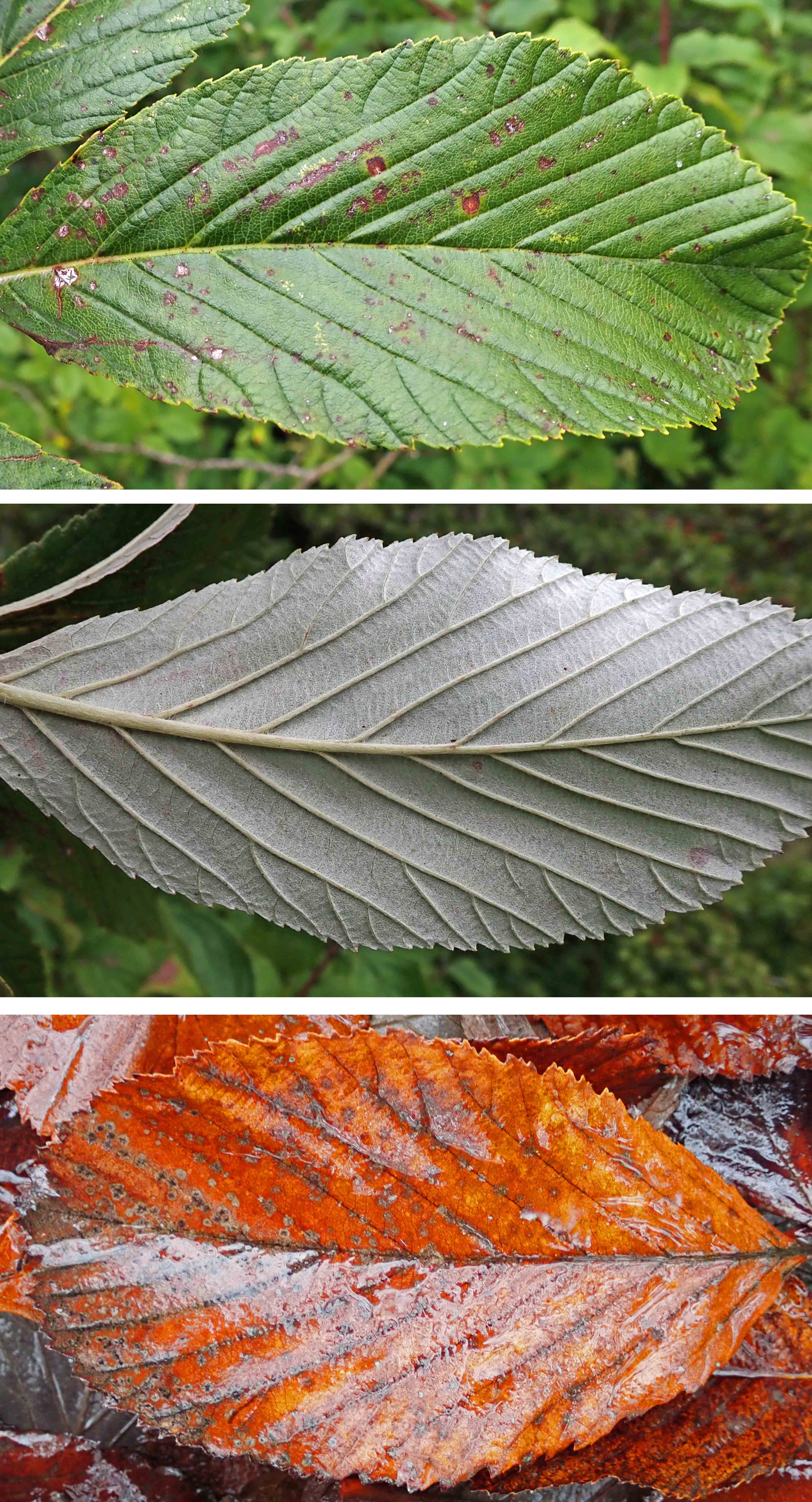
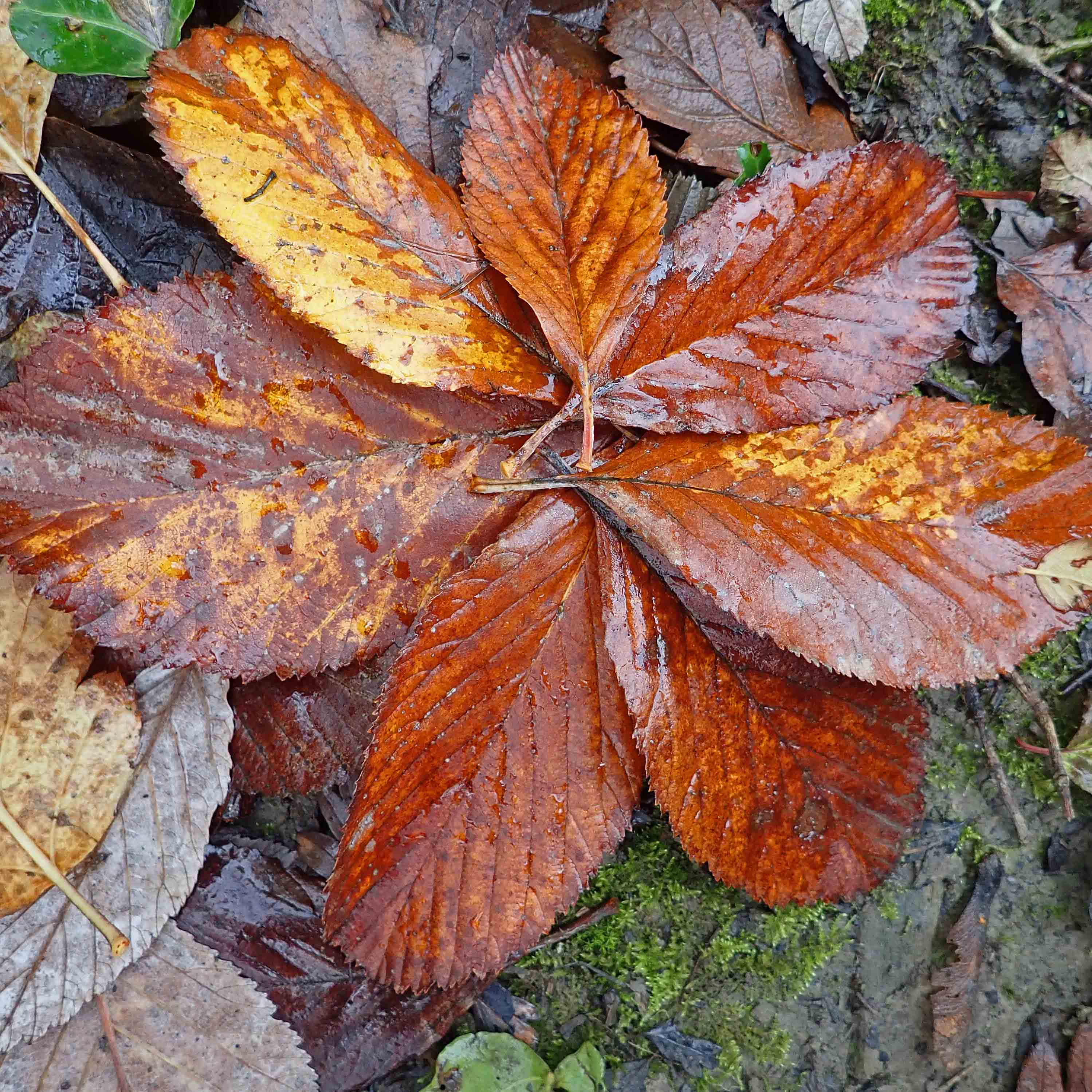
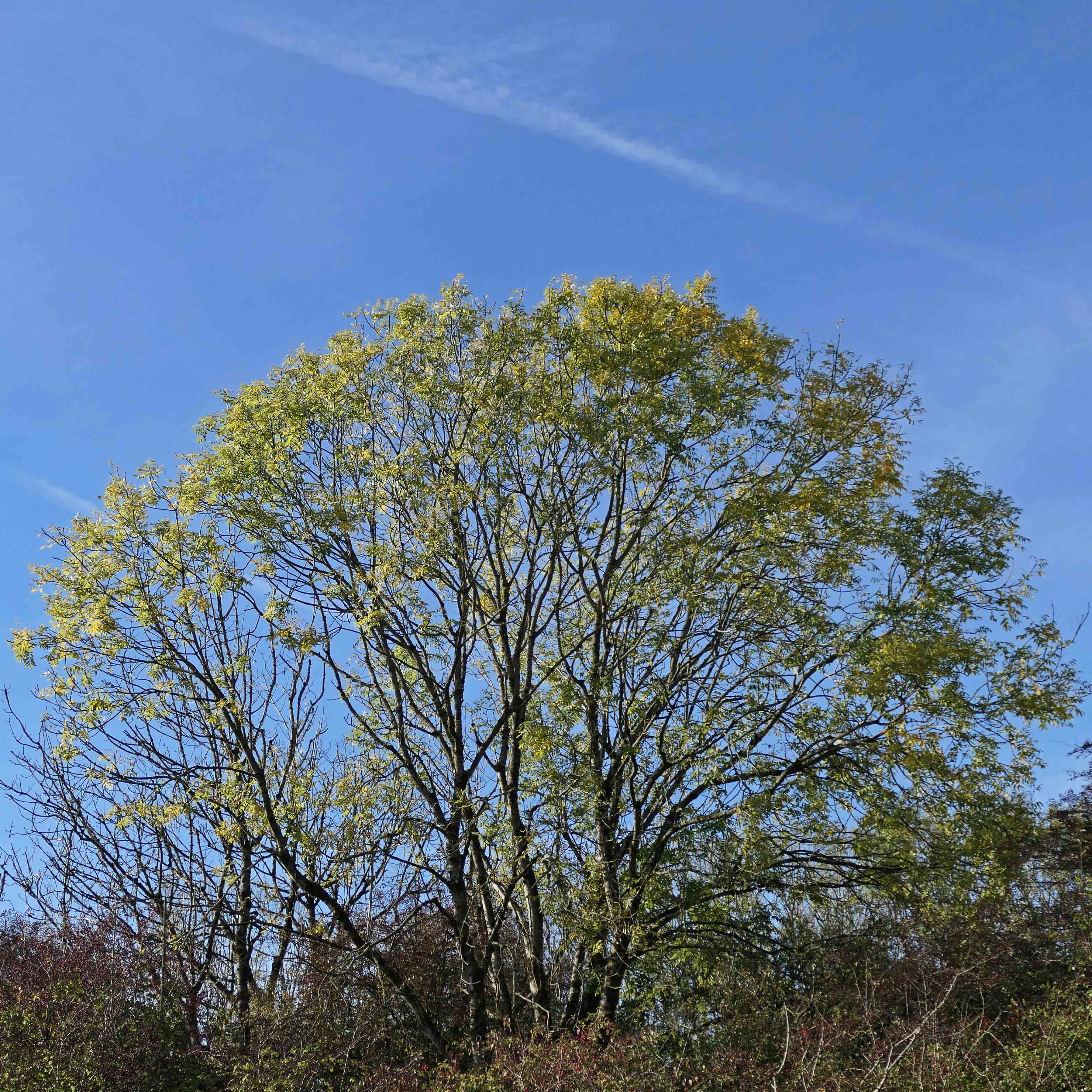
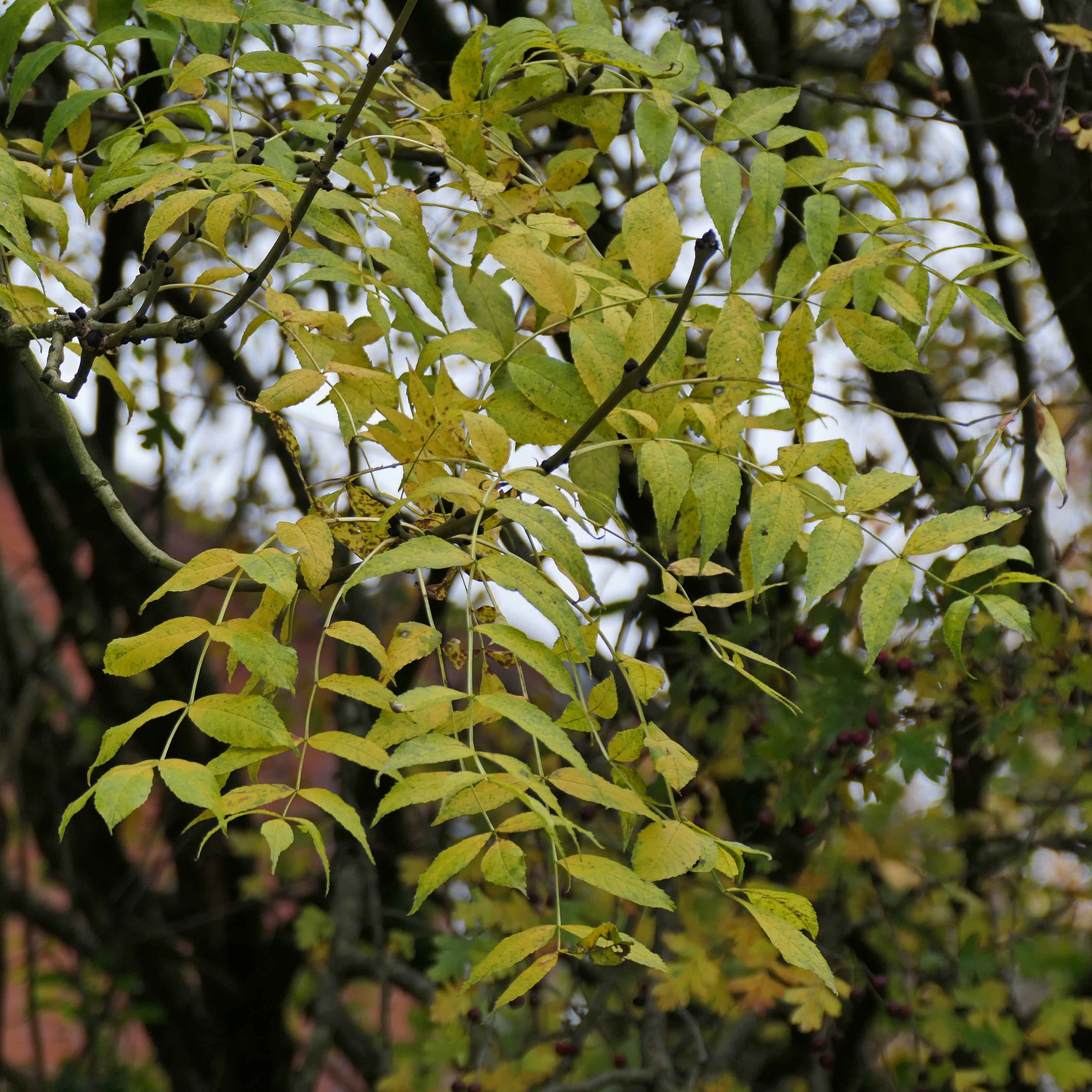
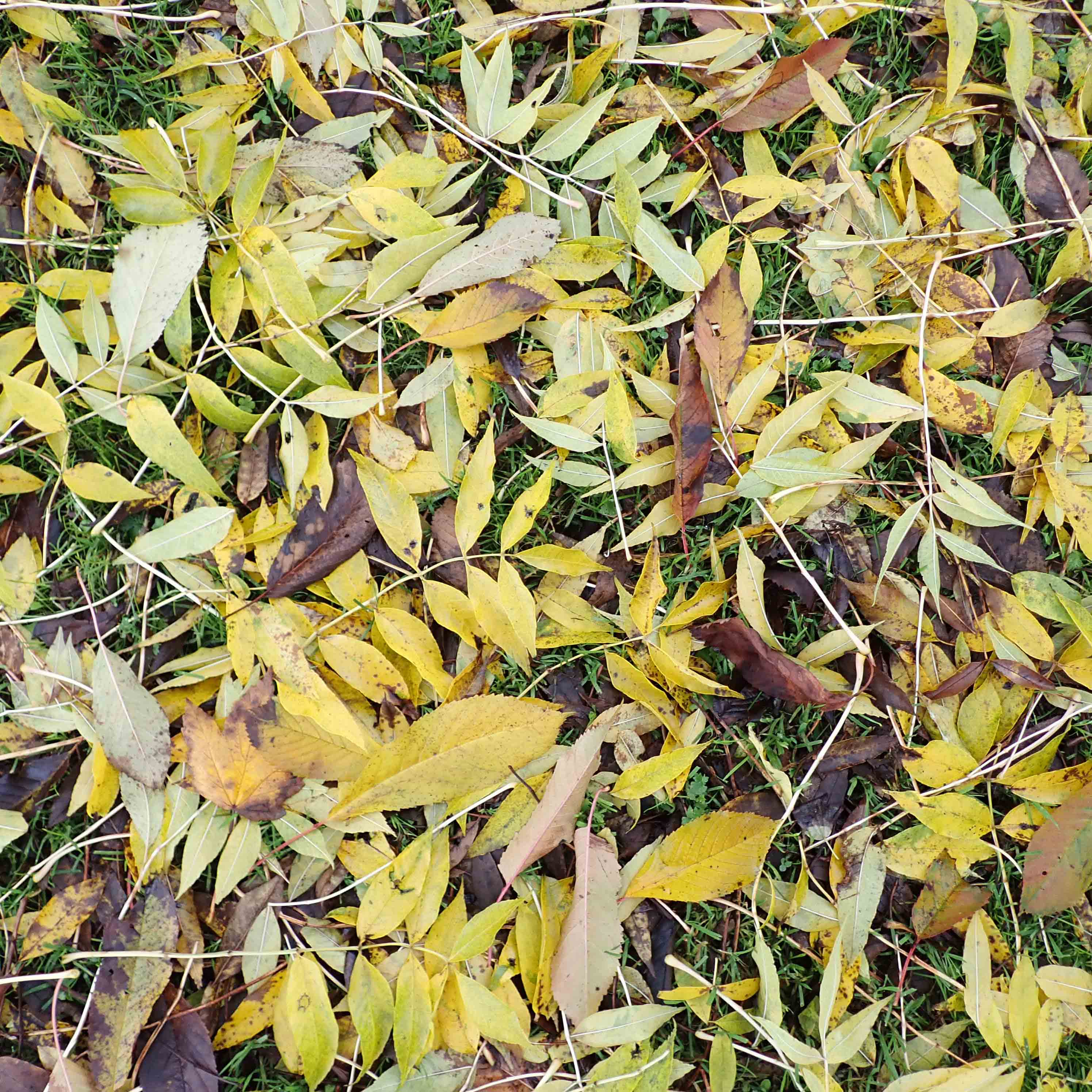
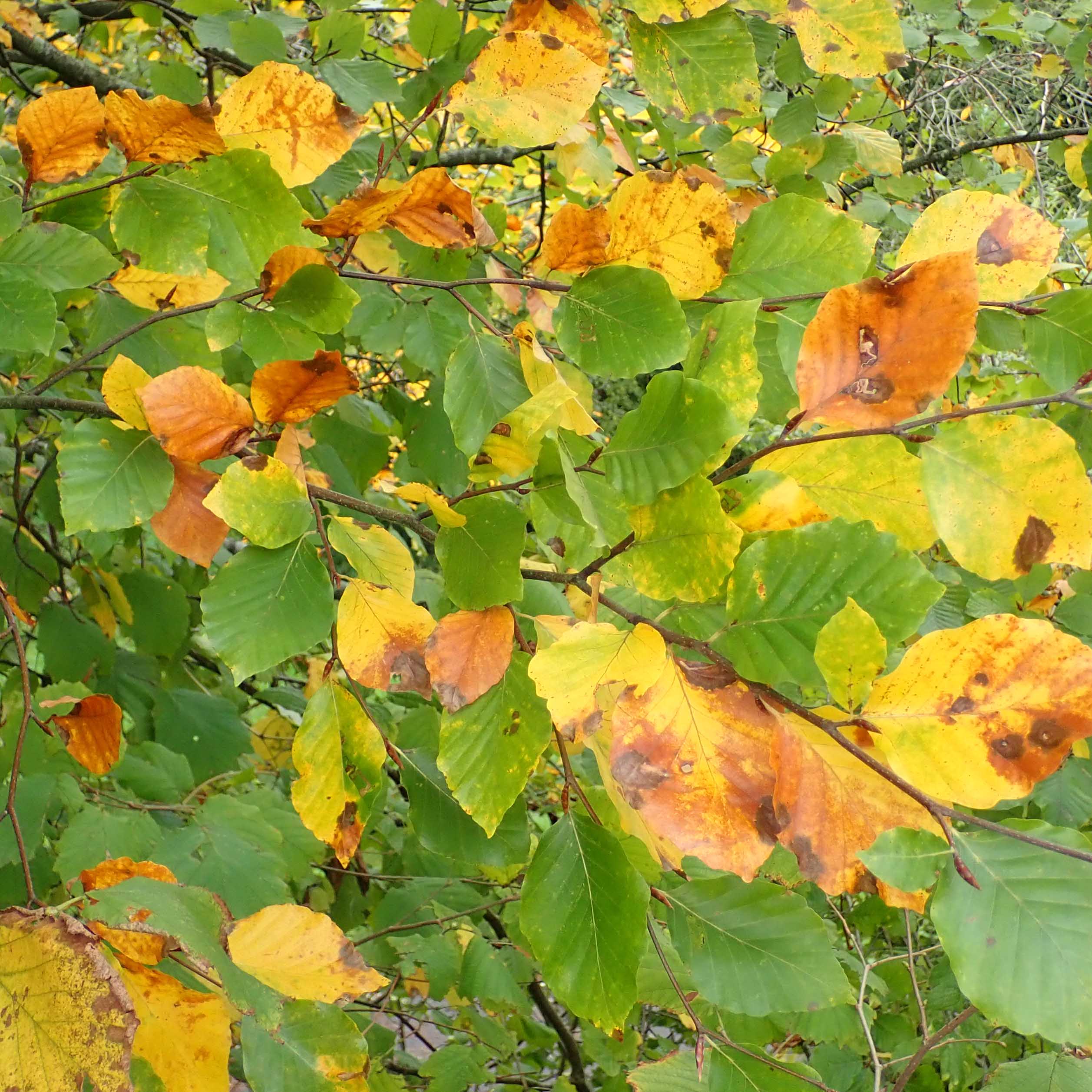
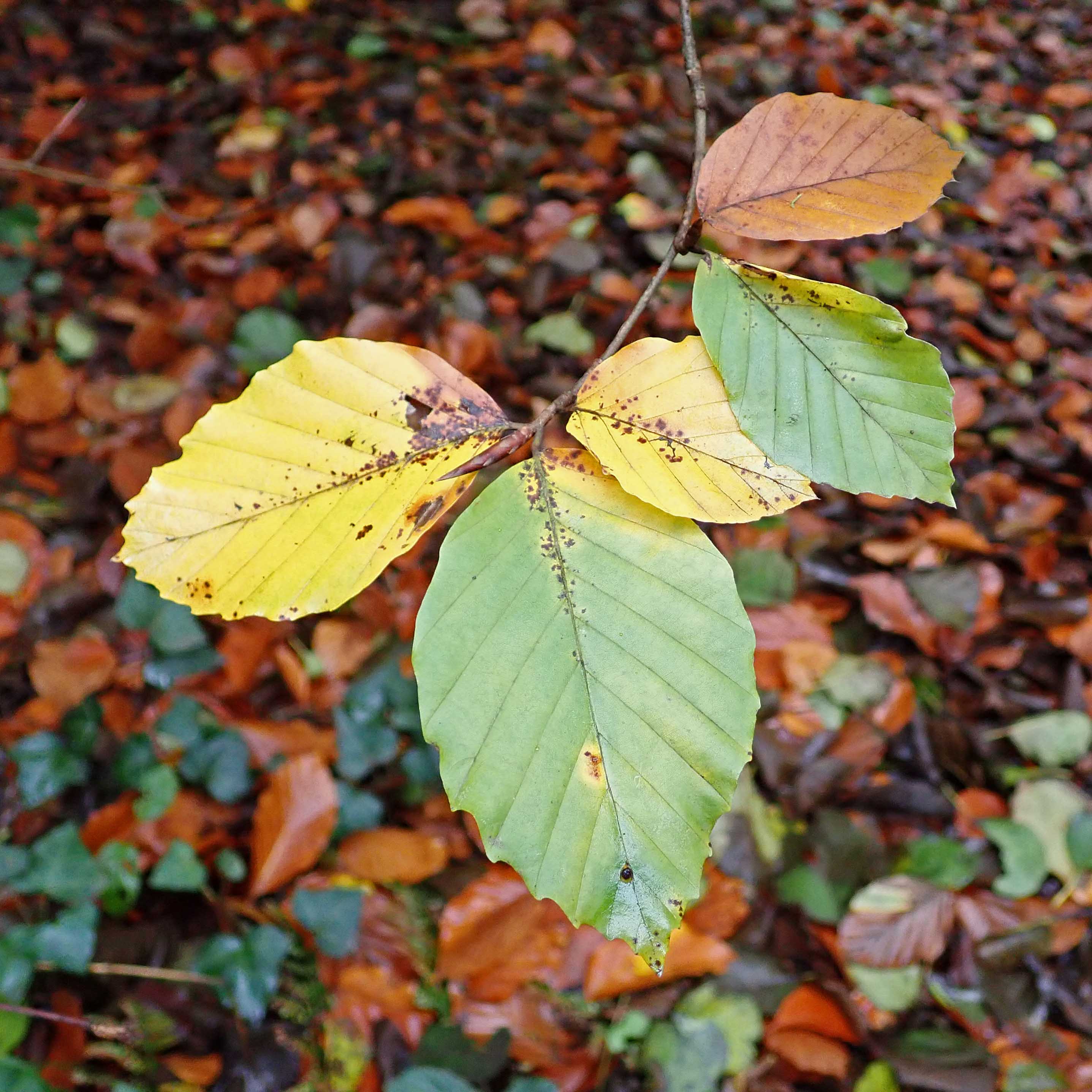
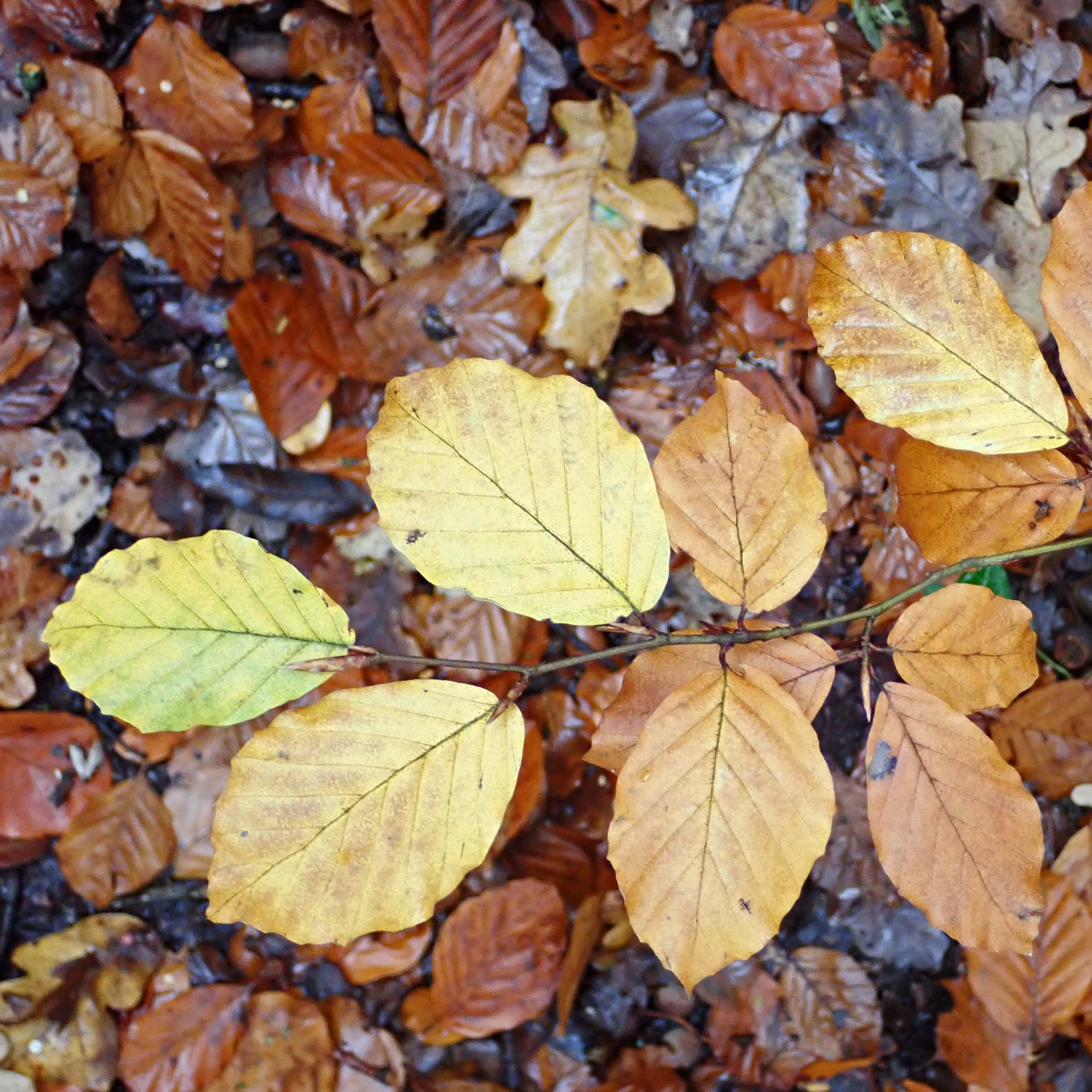
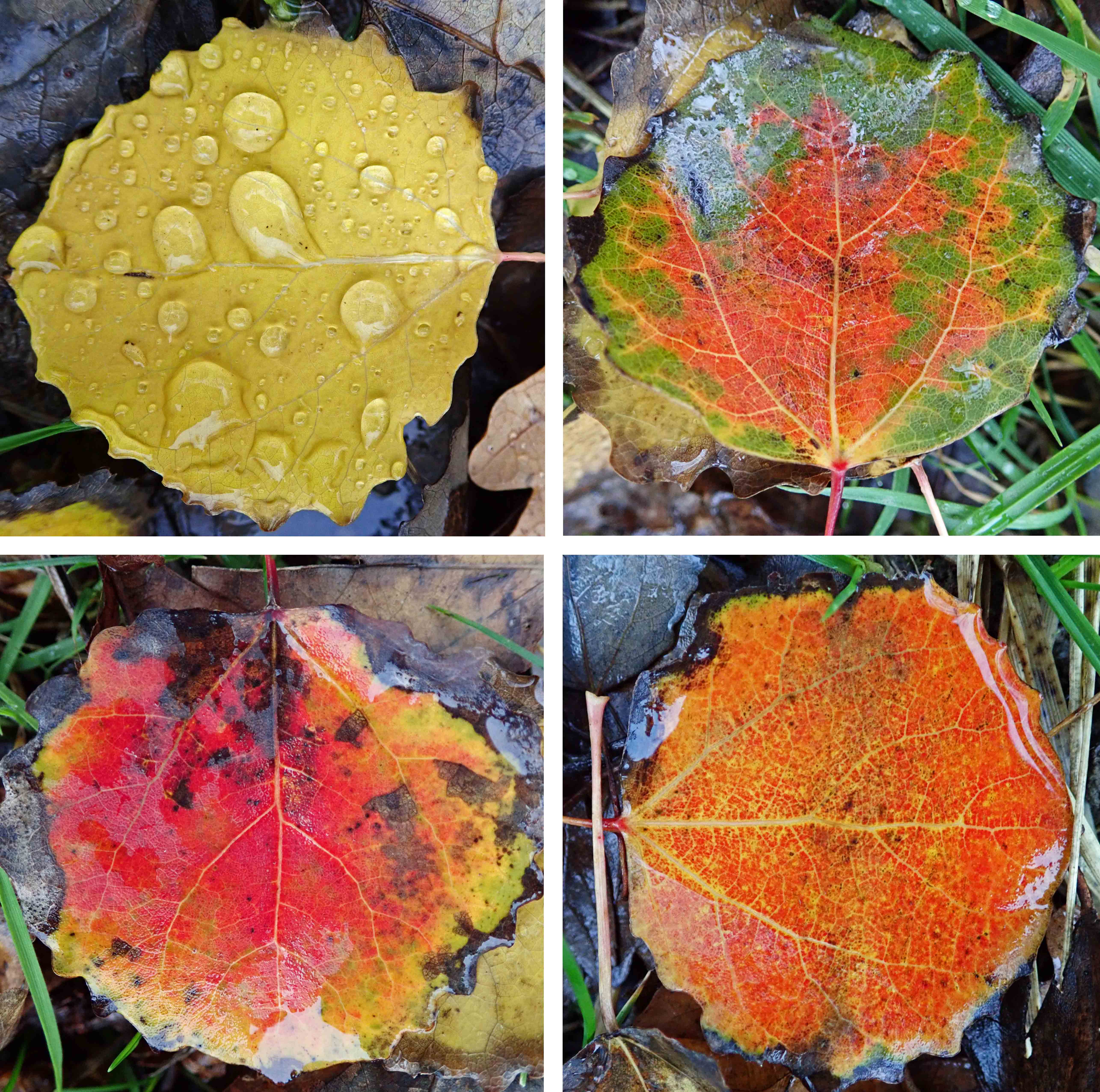
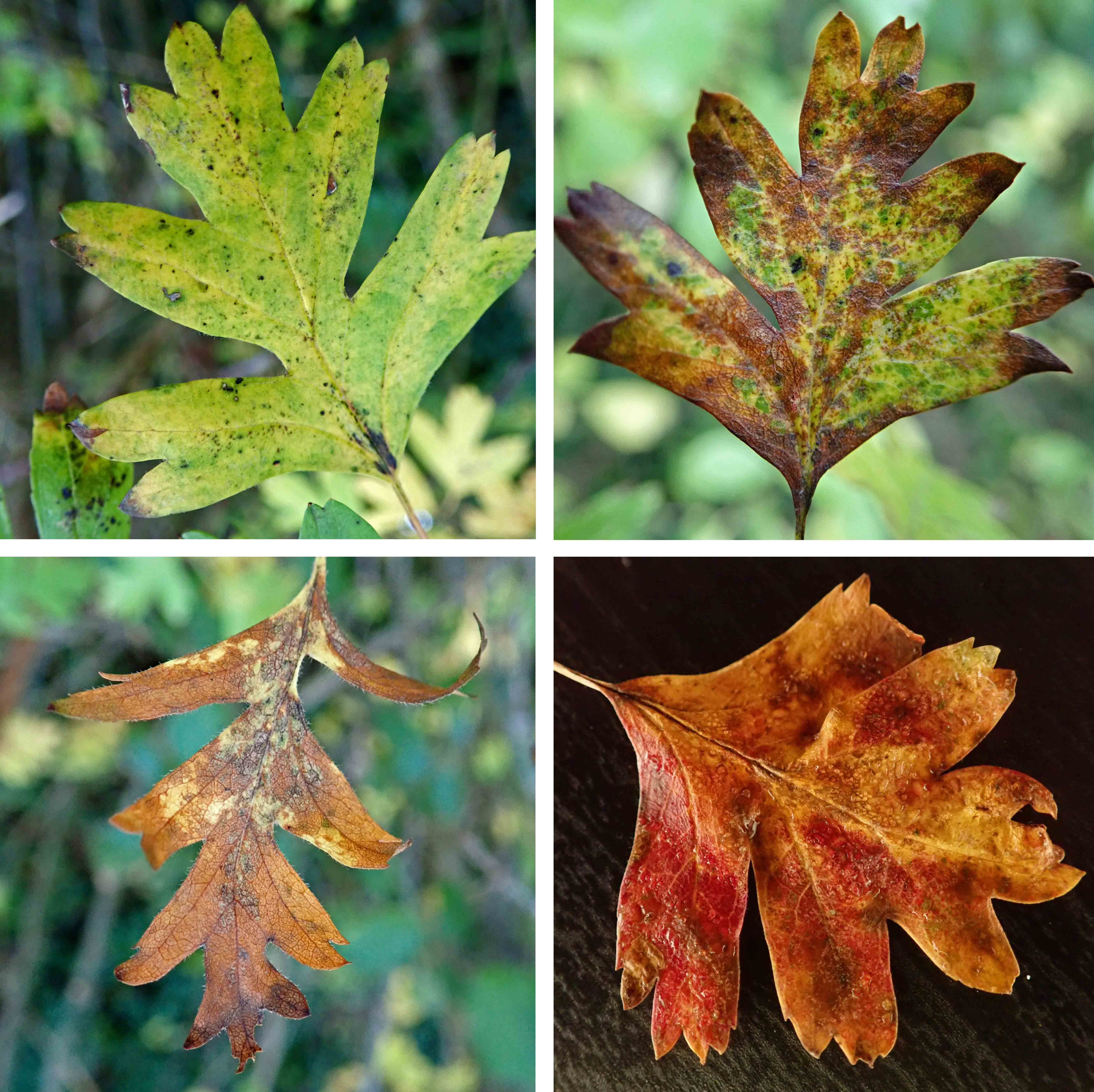
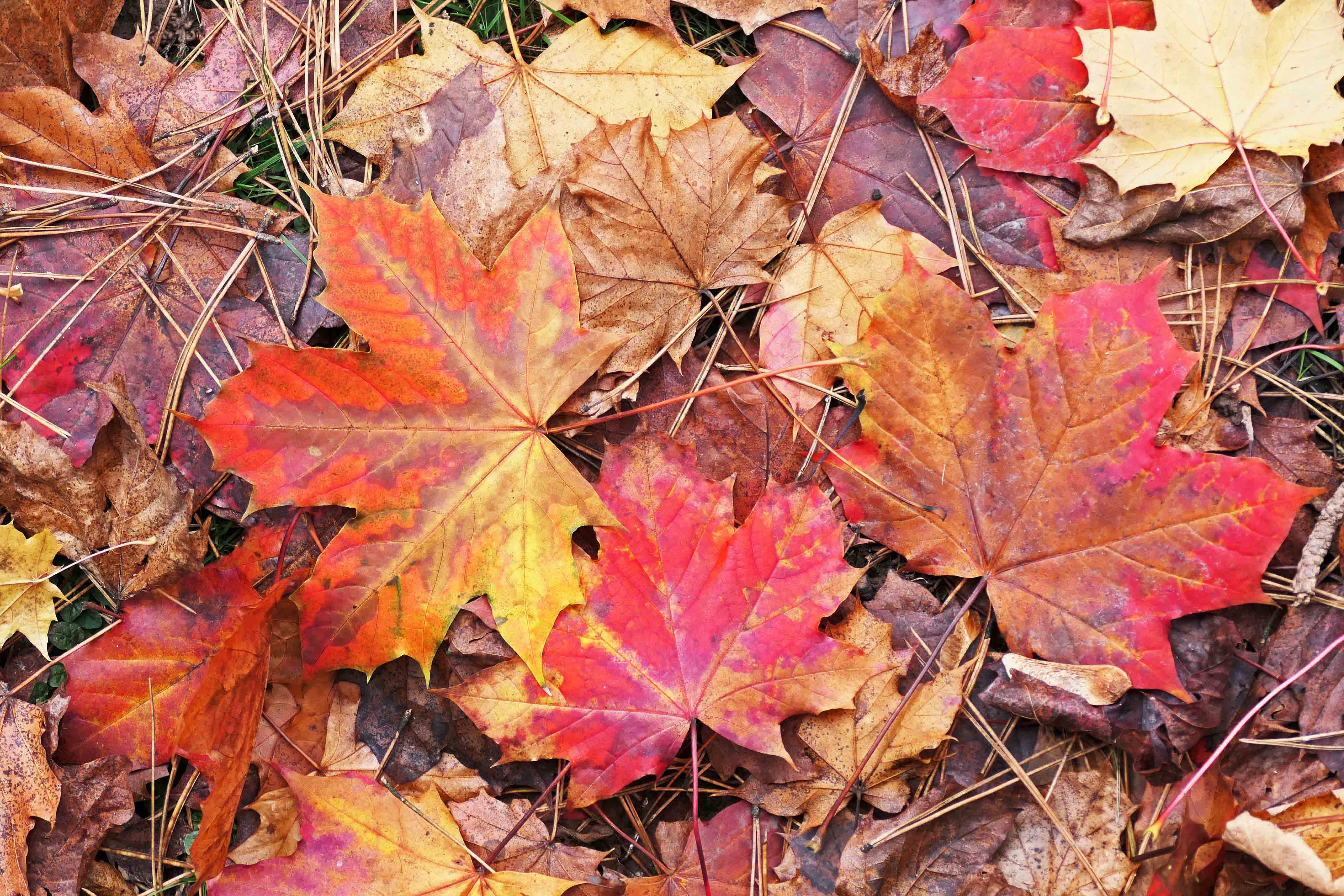
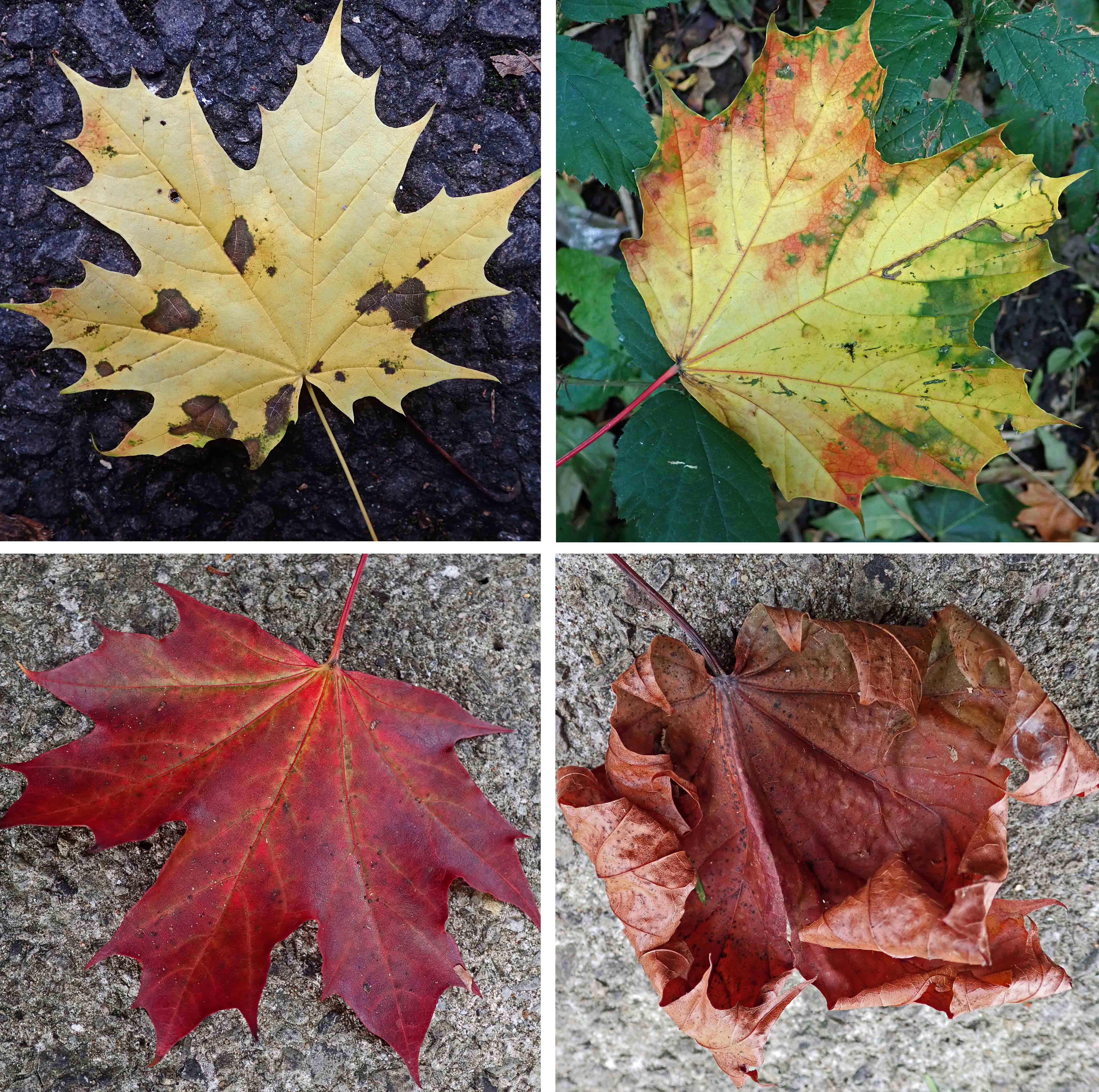
Whitebeam’s leaves are quite distinctive: elliptical in shape with serrated edges, the upper sides a shiny dark green, the under sides light grey and hairy. In the autumn, they aren’t particularly spectacular, simply changing to yellow, orange, and brown as they lose their chlorophyll.
The Woodland Trust site has some interesting facts about this handsome tree:
Whitebeam timber is fine-grained, hard and white. Traditional uses included wood turning and fine joinery, including chairs, beams, cogs and wheels in machinery.
And
Whitebeam is native to southern England, though widely planted in the north of the UK. It is common in parks and gardens, but is quite rare in the wild.
And
The leaves are eaten by caterpillars of a number of moths, including Parornix scoticella, Phyllonorycter corylifoliella and Phyllonorycter sorbi.
All three of those moths have leaf-mining larvae, none of which I’ve yet seen, so I must keep an eye out next year.

 earthstar
You must be logged in to post a comment.