• ABOUT
  • BIRDING 2018
  • Birding 2019
  • BLOG POSTS
  • Butterflies 2018
  • Resources

earthstar

~ a celebration of nature

earthstar

Tag Archives: British sawflies

A new sawfly slug

11 Wednesday Sep 2024

Posted by sconzani in insects

≈ Leave a comment

Tags

British sawflies, Caliroa cinxia, Caliroa sawfly larvae, sawfly larvae, sawfly slugs

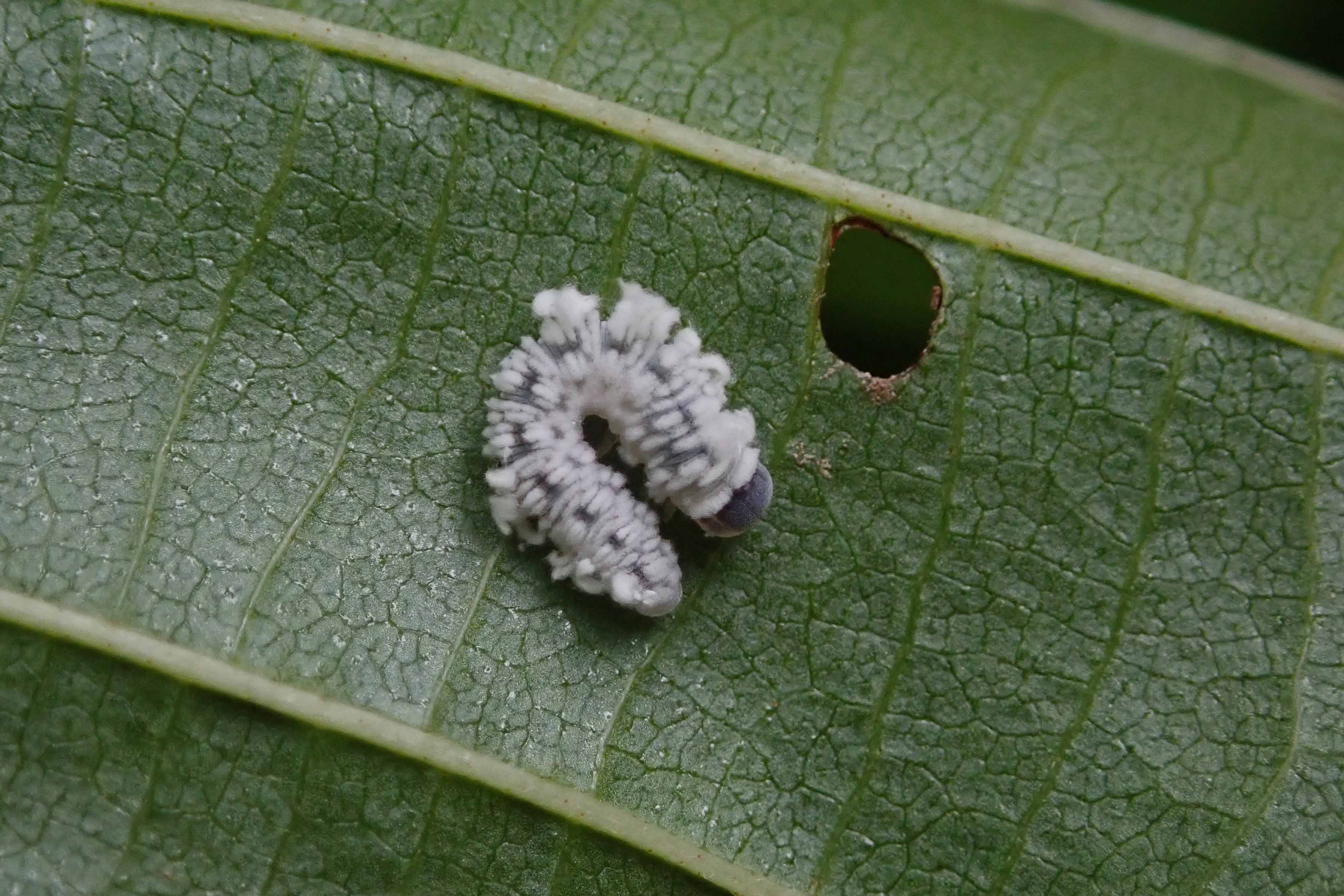
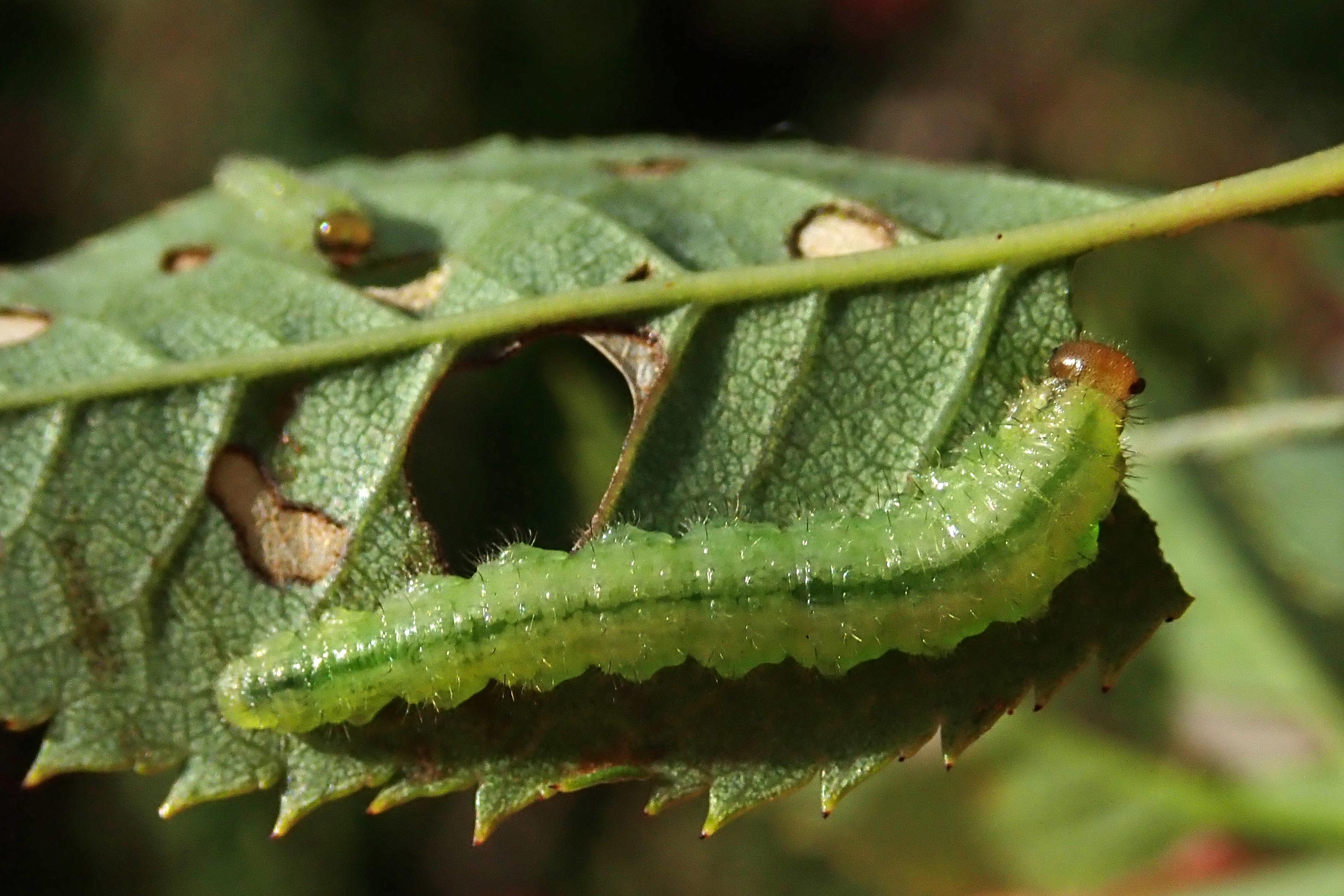
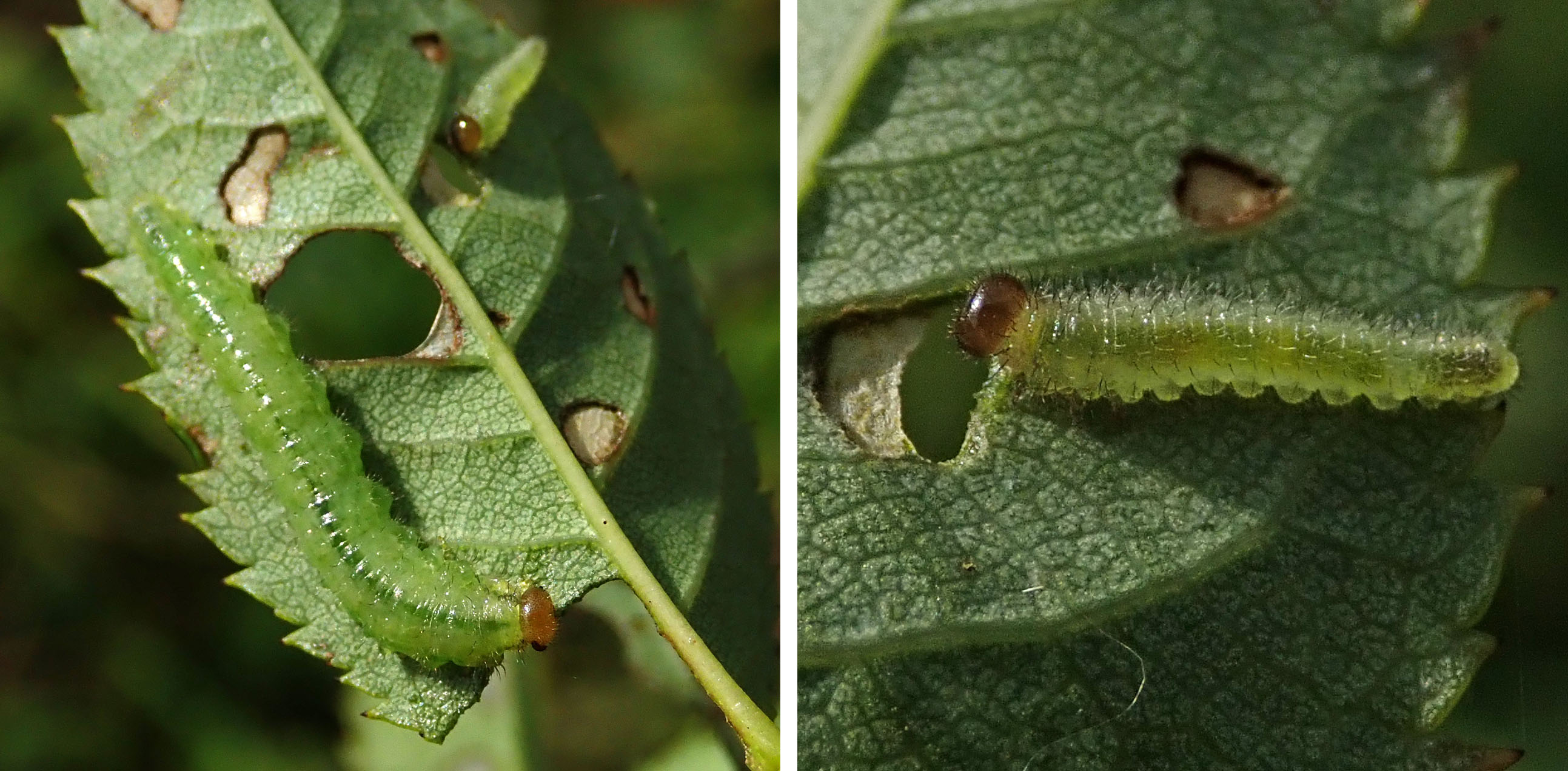
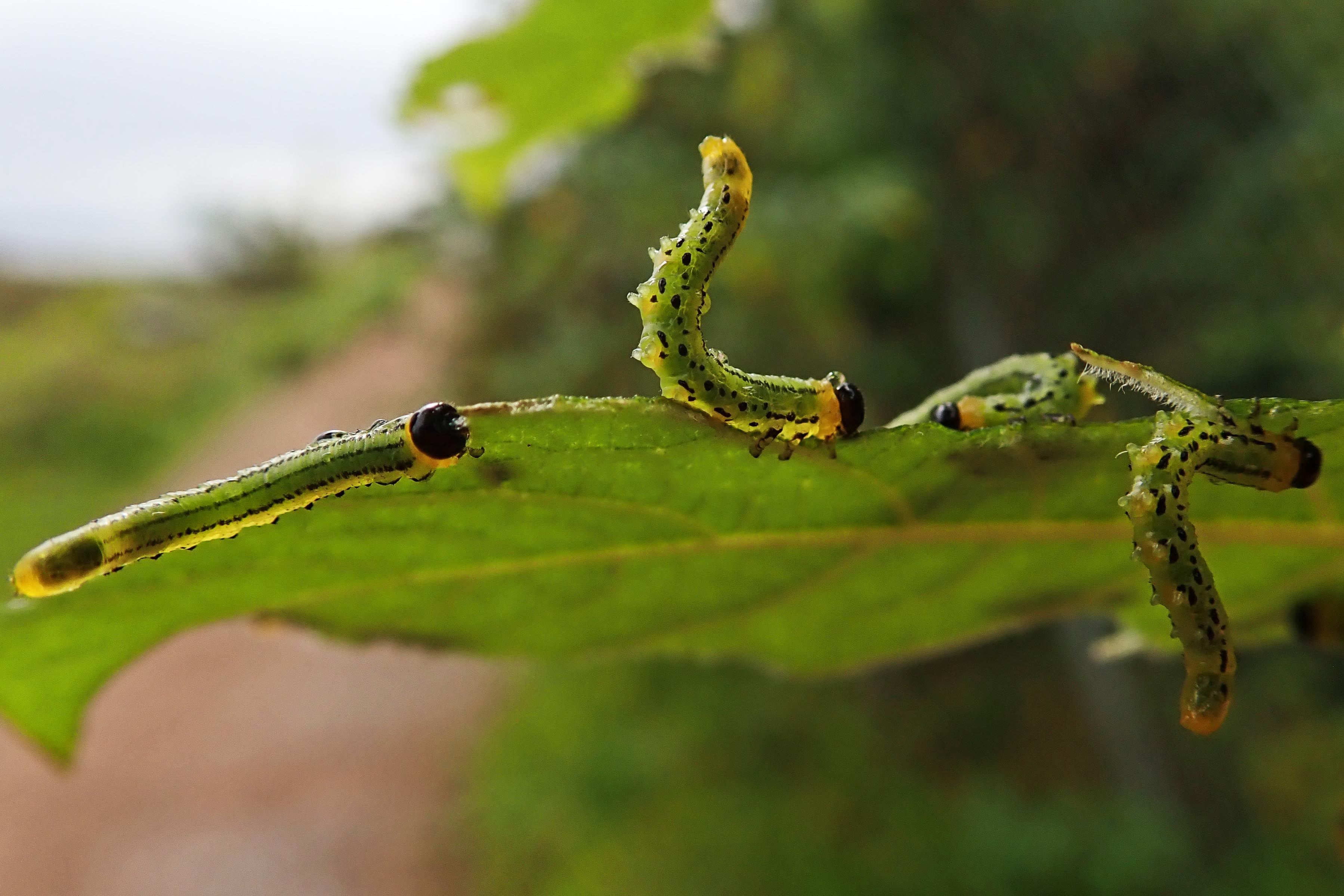
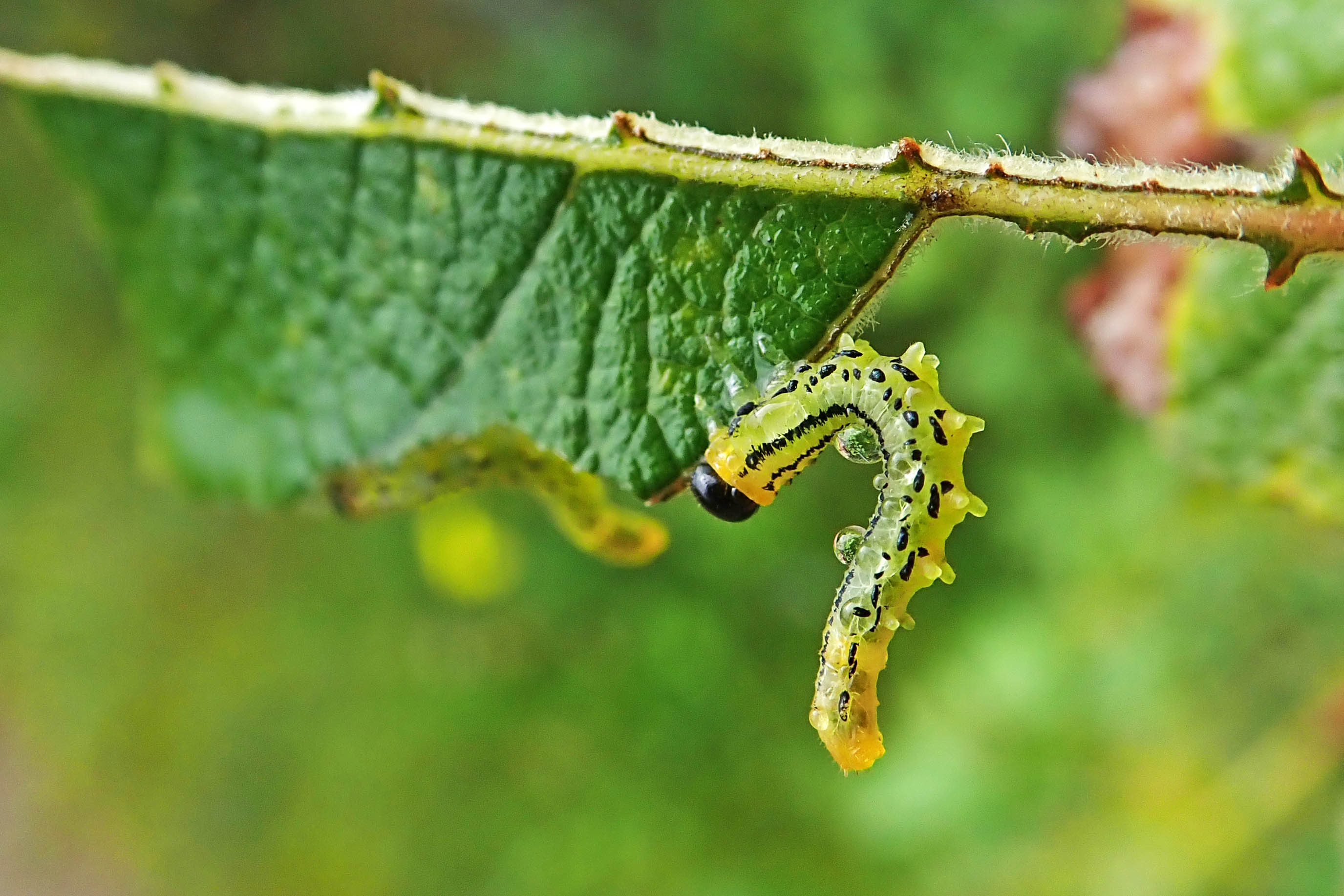
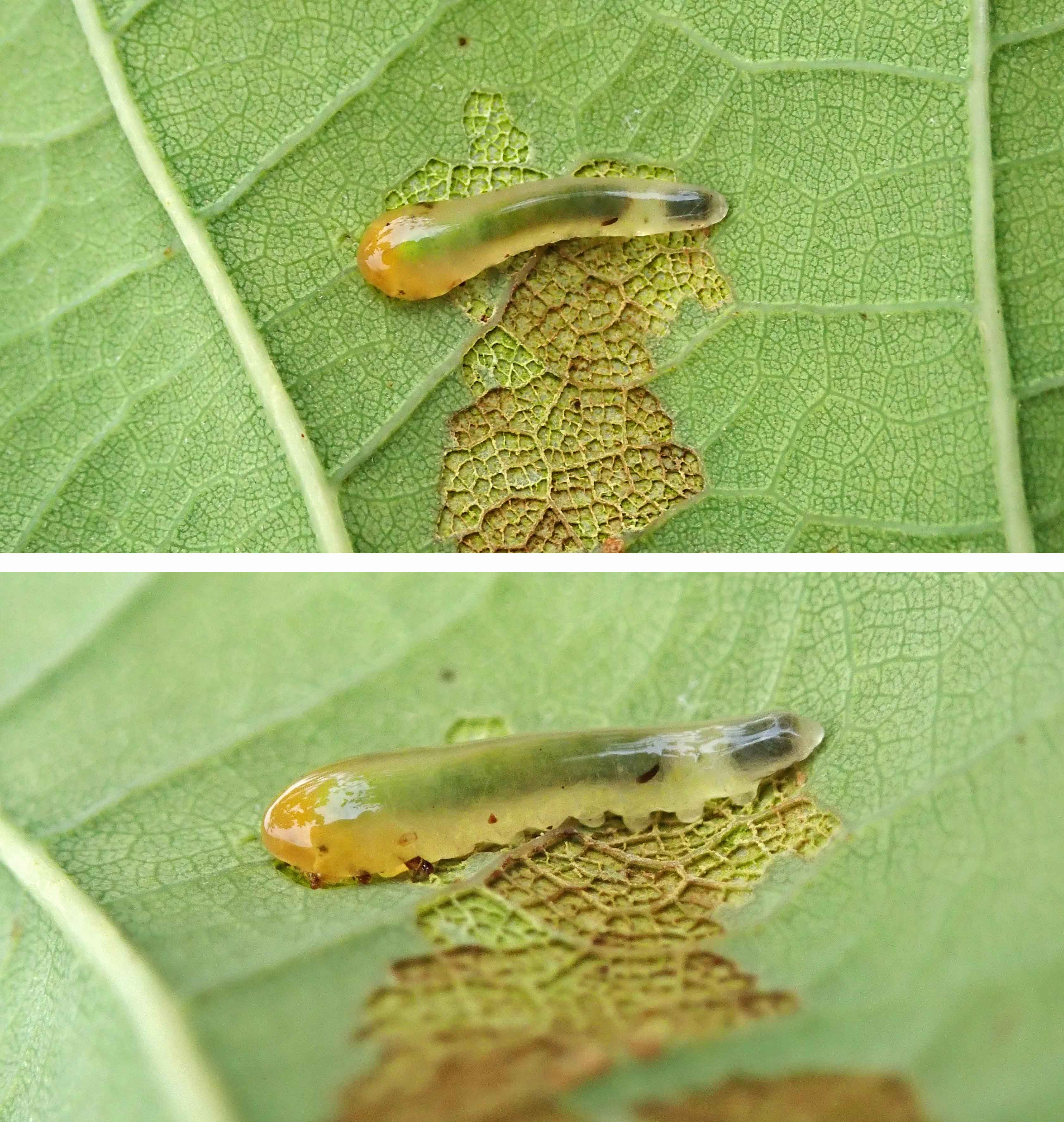
Back at the start of August, I blogged about The weird & wonderful world of Sawfly larvae, which included two of the slug-like species Caliroa annulipes and Caliroa cerasi. Recently, I found another one, Caliroa cinxia, a larva that looks very similar to Caliroa annulipes but its front end – more accurately, its thoracic region – is much more yellow in colour. You can read more about it and see what the adult sawfly looks like on The Sawflies (Symphyta) of Britain and Ireland website.

240911 Caliroa cinxia

Like Loading...

The weird & wonderful world of Sawfly larvae

01 Thursday Aug 2024

Posted by sconzani in insects

≈ Leave a comment

Tags

British sawflies, Caliroa annulipes, Caliroa cerasi, Eriocampa ovata, Euura pavida, Nematus septentrionalis, sawfly larvae

I mentioned earlier in the week, in my post about the sawfly larva Heterarthrus vagans mining the leaves of Alder, that I’d found that miner while checking out leaves to see what small creatures had been munching holes in their leaves. And my recent staring at holey leaves on other trees and shrubs, in other locations, has produced a nice variety of Sawfly larvae, some that look like regular caterpillars, others like slimy slugs. I’ve linked the names to the Sawflies of Britain and Ireland website for those interested in more information on each species.

240801 Caliroa annulipes

Caliroa annulipes on Hawthorn

240801 Caliroa cerasi

Caliroa cerasi, also on Hawthorn

240801 cladius sp

An unidentified Cladius species, on Field rose

240801 eriocampa ovata

The one that looks like bird poo, Eriocampa ovata, on Alder

240801 Euura pavida

One of the bum-waggling species, Euura pavida, on Willow

240801 Nematus septentrionalis

Another bottom waggler, Nematus septentrionalis, on Birch. I love how their munching has created a heart from their leaf.

Like Loading...

Leafmines: Scolioneura betuleti

24 Monday Jun 2024

Posted by sconzani in insects, leaves, trees

≈ Leave a comment

Tags

British leafminers, British sawflies, leaf-mining sawfly larvae, leafminers on Birch, sawfly larvae on Birch

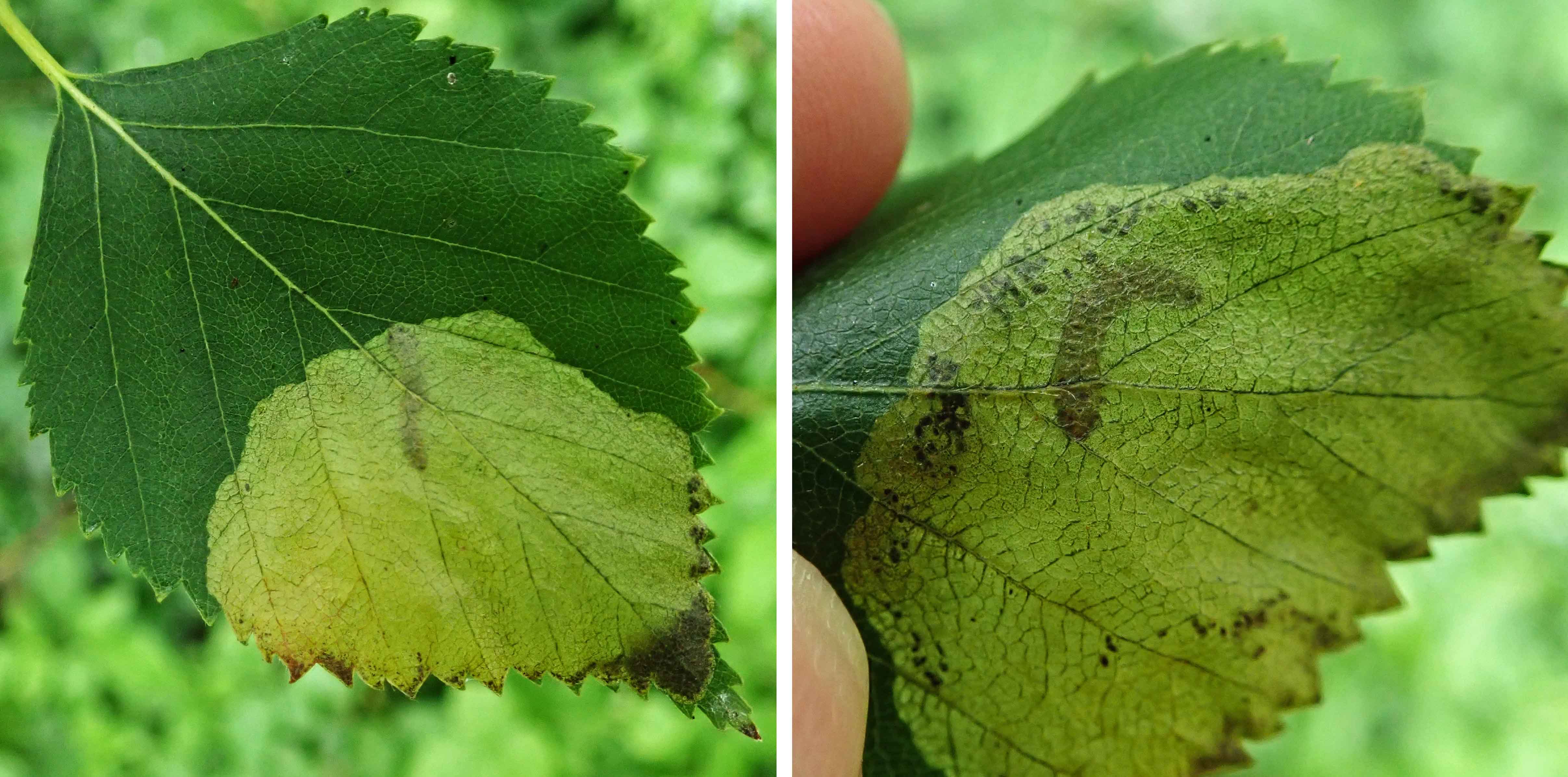
Staring at the leaves of young Birch trees paid off once again when I recently spotted these large blotches.

240624 Scolioneura betuleti (2)

They were made by the larvae of Scolioneura betuleti, a small black sawfly – you can see a photo of the adult on The Sawflies of Britain and Ireland website. The larvae are active in early summer and again in the autumn – the British Leafminers website has images of the distinctive larvae.

240624 Scolioneura betuleti (1)

Like Loading...

Saw-fly

25 Saturday Nov 2023

Posted by sconzani in insects

≈ Leave a comment

Tags

Arge pagana, British sawflies, Dog rose, sawfly egg scar, Sawfly name, sawfly scar on rose

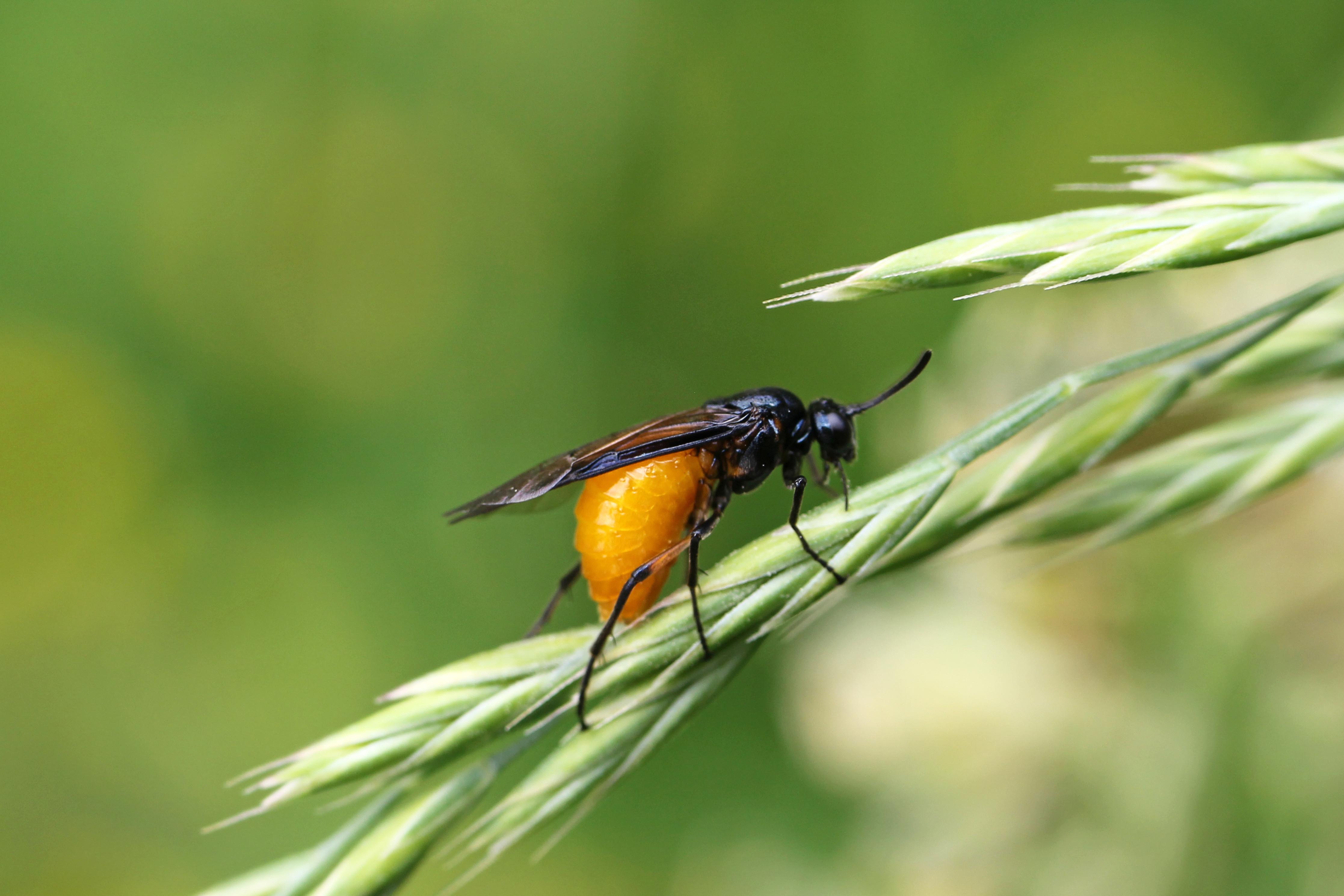
Did you know that the sawfly gets its name from the way it lays its eggs? Innocuous little flies, like the beauty shown below (Arge pagana, one of the UK species that uses the rose as its larval plant), have an in-built saw-like body part that they use to cut a slot in their larval plant material and in that slot they lay their eggs.

231125 Arge pagana

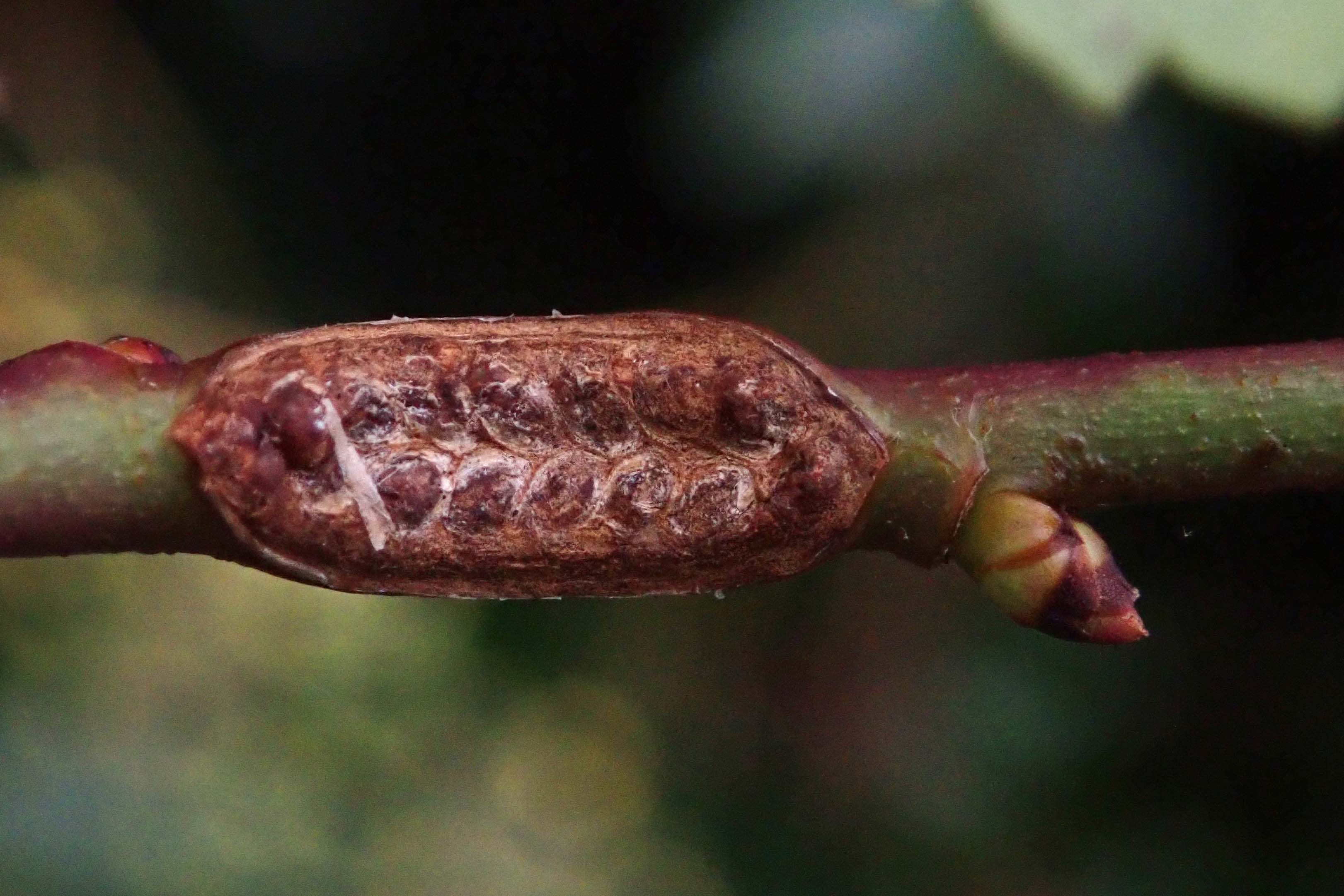
On some plants, like the stems of the various Rosa species used by Arge pagana, the slot leaves quite a substantial scar and, this week, for the first time, I noticed one of these when checking Dog roses for leafmines. As you can see, there’s a healthy leaf bud right next to the scar so the plant doesn’t seem to have been damaged by the slot-making process, though the voracious larvae that hatched from the eggs earlier in the year may well have stripped the rose of many of its leaves.

231125 sawfly egg scar

Like Loading...

A Cladius on rose

06 Friday Oct 2023

Posted by sconzani in insects, plants

≈ Leave a comment

Tags

British sawflies, sawfly larvae, sawfly larvae on rose, sawfly on Field rose

Another day, another Cladius sawfly – actually, this time, 6 sawfly larvae, all munching away on the leaves of a Field rose. I was hoping their identification would be as easy as yesterday’s Cladius ulmi, with its distinctive black-spotted face, but no!

231006 Cladius on rose (1)

This time my expert confirmed it was definitely a Cladius species and that my guess of Cladius pectinicornis was the most likely but C. pilicornis and C. compressicornis also use rose as their larval plant of choice. When I consulted The Sawflies (Symphyta) of Britain and Ireland website I found for C. pilicornis that the only larva shown on the website had a broad dark stripe down its back and the text said the larvae associated with Hawthorn, not rose, so that seemed unlikely. However, when I checked C. compressicornis, it did look to be a likely contender, with features and larval plants very similar to C. pectinicornis.

231006 Cladius on rose (2)

So, once again I have to concede that I can’t put an exact name to these very cute little sawfly larvae, but I certainly enjoyed watching them. When much in the world around us seems maddening and/or depressing, I find there’s something very calming about watching caterpillars eating and gliding about.

231006 Cladius on rose (3)

Like Loading...

A Cladius on Wych elm

05 Thursday Oct 2023

Posted by sconzani in insects, trees

≈ Leave a comment

Tags

British sawflies, Cladius sawflies, Cladius ulmi, Cladius ulmi larva, sawfly larva, sawfly on Wych elm, Wych elm

There are just seven species of Cladius sawfly found in Britain, which, you might think, would make them relatively easy to identify. Sadly, this isn’t the case, especially in their larval forms, as all their caterpillars look very similar, and even the expert I consulted said he was unsure about the larval differences.

231005 Cladius ulmi (1)

However, I seem to have struck it lucky with this particular species as The Sawflies (Symphyta) of Britain and Ireland website says: ‘They can be distinguished from the other elm feeding species, Cladius rufipes, by the presence of a black spot on the front of the face which is absent in rufipes.’ As you can clearly see in the photo above, this larva has that black spot, so meet Cladius ulmi, a sawfly species that feeds on elm, in this case Wych elm (Ulmus glabra).

231005 Cladius ulmi (2)

Like Loading...

Euura pavida

13 Wednesday Sep 2023

Posted by sconzani in insects, trees

≈ 1 Comment

Tags

British sawflies, Euura pavida, Euura pavida larvae, Nematus pavidus, sawfly larvae, sawfly on willow, willow, willow species

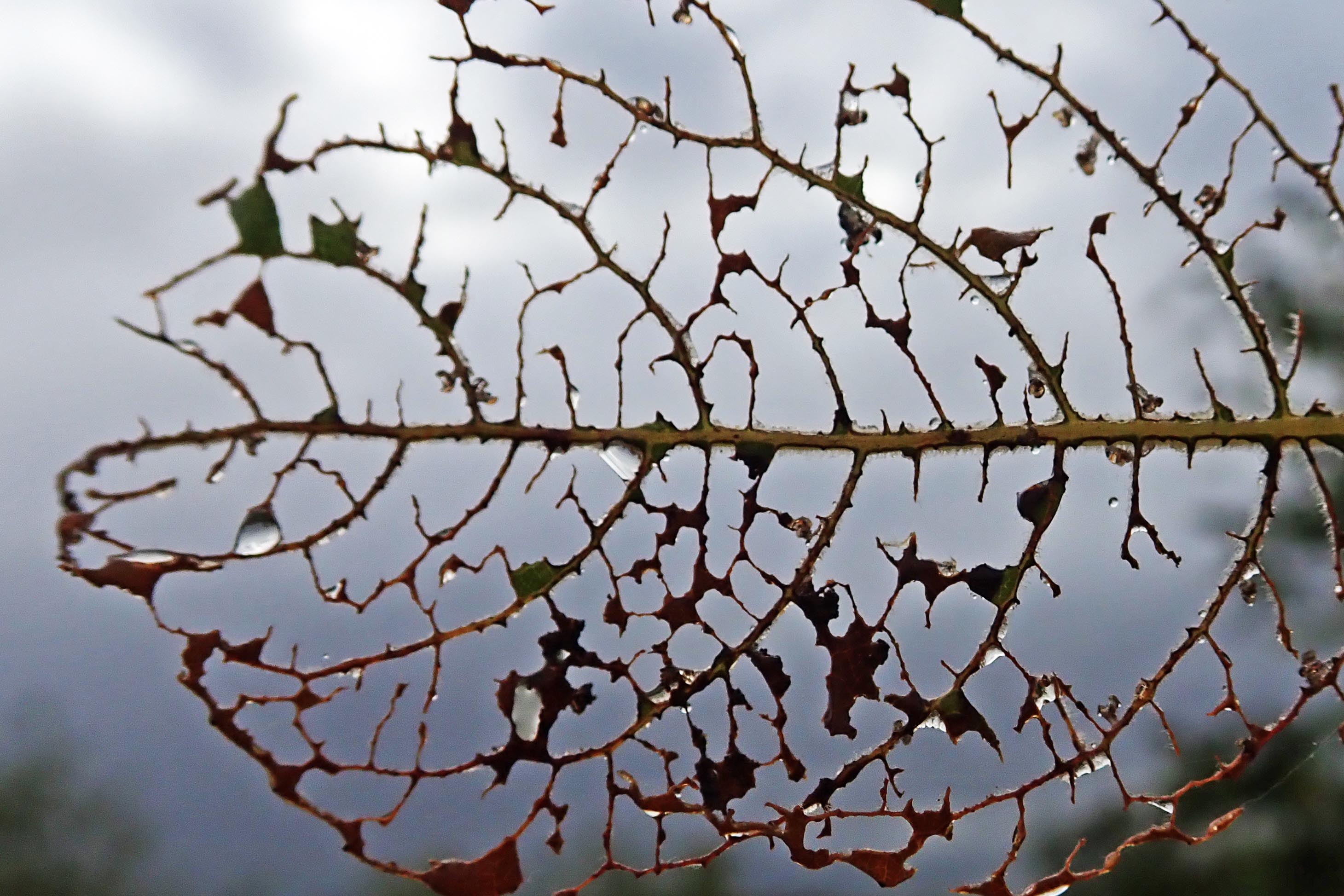
After last week’s heatwave (which kept me indoors a couple of days – I do NOT like the heat!), Monday’s walk was deliciously cool, if a little damp from un-forecast rain, and, even better, I found two new-to-me creatures. The first was a new species of sawfly larvae that I spotted when I saw this barely-there leaf. I’m always curious when I see leaves like this to find what has caused the damage.

230913 euura pavida (3)

It didn’t take long to find the culprits this time – at least 20, possibly more, hungry larvae munching the tough leaves of a willow species right down to their veins.

230913 euura pavida (2)

Previously known as Nematus pavidus, their species name has now changed to Euura pavida. The larvae are usually found chewing on willow leaves but can also be found on Alder and Poplar. You can see what the adult sawfly looks like on The Sawflies (Symphyta) of Britain and Ireland website.

230913 euura pavida (1)

Like Loading...

Nematus septentrionalis

23 Wednesday Aug 2023

Posted by sconzani in insects, trees

≈ 5 Comments

Tags

Birch, British sawflies, Nematus septentrionalis, sawfly eggs, sawfly larvae, sawfly larvae on Birch, sawfly on Birch

The sawfly larvae are back!

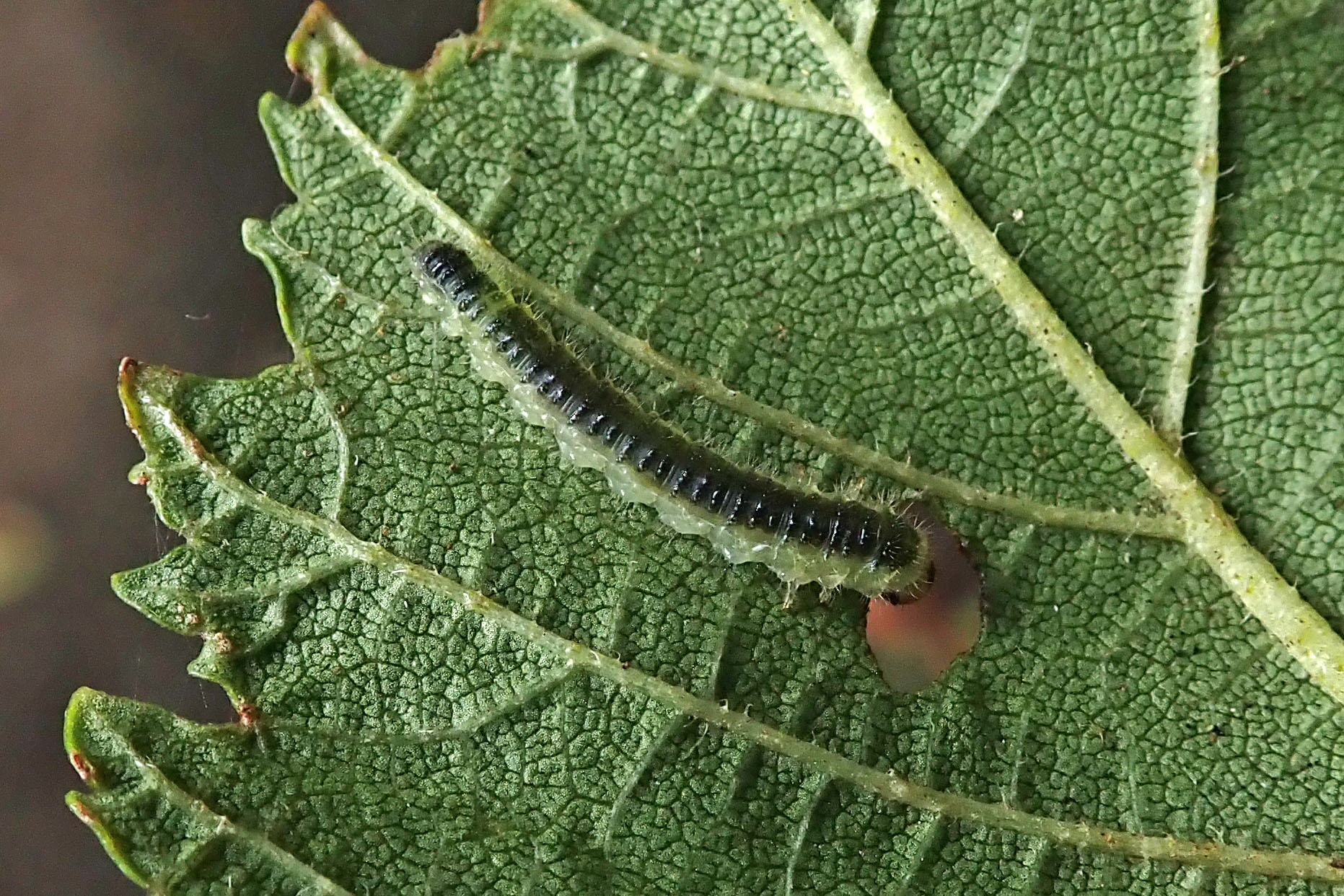
You may remember my post last summer (Sawfly larvae on Birch, July 2022) about the black-spotted yellow-and-green larvae of the sawfly Nematus septentrionalis that were munching through the leaves of a local Birch sapling. Well, luckily, the sapling survived but it’s now providing a feast for this year’s brood of the same sawflies.

This time around I’ve found the larvae at a much earlier stage of development. And, destructive though they may be, they do look rather cute curled up in their individual holes in the leaves, and quite different in colour at this young age.
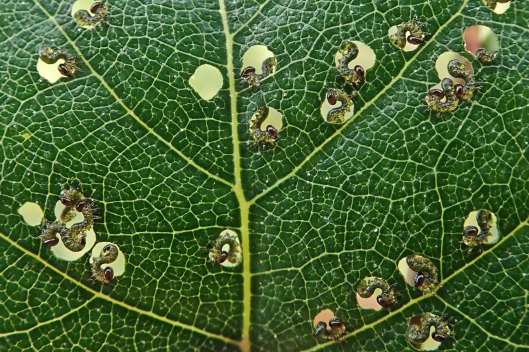
Plus, this time I spotted the eggs they emerged from – and some eggs yet to hatch, laid by the adult sawfly along the veins of the leaves.
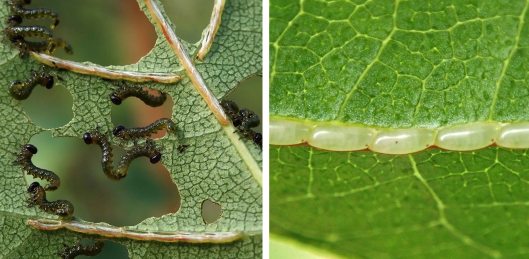
I may sound a trifle over-enthusiastic about creatures that are basically eating a tree. But, last year, something ate most of the larvae before they consumed too many leaves and, as there are a good number of hungry Stonechats, Whitethroats, Green- and Goldfinches currently in this field, I think the sawfly larvae’s days are probably numbered.

Like Loading...

Like a torpedo

12 Wednesday Apr 2023

Posted by sconzani in insects, nature

≈ Leave a comment

Tags

British sawflies, Nematus lucidus, Sawfly, sawfly on Blackthorn, sawfly on Hawthorn

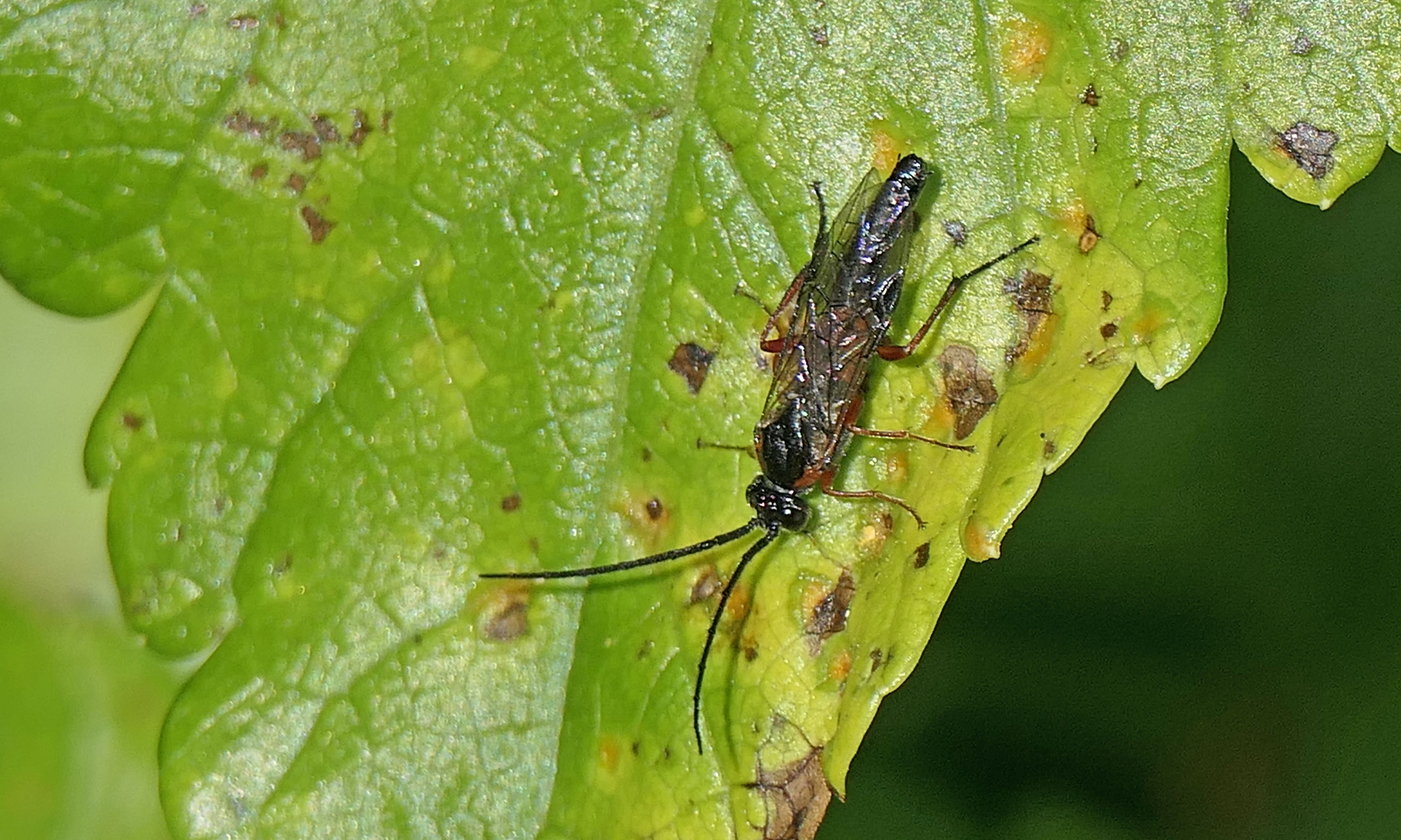
Meet Nematus lucidus, a sawfly that can be recognised both by the reddish-brown markings on its mostly black body and the torpedo shape of its abdomen.

230412 Nematus lucidus (1)

Nematus lucidus can be seen around Blackthorn and Hawthorn, as those are the plants its larvae feed on, and the adults can be seen any time from April to June. It’s thought to be common though there aren’t a lot of records in the national databases, probably because it’s under-recorded.

230412 Nematus lucidus (2)

Like Loading...

Agg is for aggregate

21 Thursday Jul 2022

Posted by sconzani in insects

≈ Leave a comment

Tags

British sawflies, Sawfly, Tenthredo arcuata/brevicornis/notha/schaefferi agg., Tenthredo sawflies

Have you ever wondered why the abbreviation ‘agg.’ is used after the scientific names of some flora and fauna? Well, this particular sawfly is a prime example.

‘Agg.’ is short for aggregate and is used where there exists a group of species that are so closely related and difficult to distinguish from each other, that for practical biodiversity recording purposes they are considered one species. As the Nature Spot website explains

The four species within the Tenthredo arcuata complex are problematic to distinguish and the species boundaries are unclear. The complex within Britain and Ireland consists of the species T. arcuata, brevicornis, notha and schaefferi. Unless specimens have been microscopically examined by someone with suitable expertise, we have decided that they should be recorded as part of this aggregate.

So, the scientific name used for this rather cute little sawfly is quite a mouthful: Tenthredo arcuata/brevicornis/notha/schaefferi agg.

220721 Tenthredo arcuata brevicornis agg

Like Loading...
← Older posts

About me

sconzani

sconzani

I'm a writer and photographer; researcher and blogger; birder and nature lover; countryside rambler and city strider; volunteer and biodiversity recorder.

View Full Profile →

Follow earthstar on WordPress.com

Enter your email address to follow this blog and receive notifications of new posts by email.

Recent blog posts

  • M is for mite December 18, 2025
  • L is for lepidopteran lifers December 17, 2025
  • K is for Keeled skimmers December 16, 2025
  • J is for Jersey tiger December 15, 2025
  • I is for Ichneumon December 14, 2025

From the archives

COPYRIGHT

Unless otherwise acknowledged, the text and photographs on this blog are my own and are subject to international copyright. Nothing may be downloaded or copied without my permission.

Fellow Earth Stars!

  • Unknown's avatar
  • Unknown's avatar
  • Unknown's avatar
  • Unknown's avatar
  • Unknown's avatar
  • Unknown's avatar
  • Unknown's avatar
  • Unknown's avatar
  • Unknown's avatar
  • Unknown's avatar
  • Unknown's avatar
  • Unknown's avatar
  • Unknown's avatar
  • Unknown's avatar
  • Unknown's avatar
  • Unknown's avatar
  • Unknown's avatar
  • Unknown's avatar
  • Unknown's avatar
  • Unknown's avatar
  • Unknown's avatar
  • Unknown's avatar
  • Unknown's avatar
  • Unknown's avatar
  • Unknown's avatar
  • Unknown's avatar
  • Unknown's avatar
  • Unknown's avatar
  • Unknown's avatar
  • Unknown's avatar
  • Unknown's avatar
  • Unknown's avatar
  • Unknown's avatar
  • Unknown's avatar
  • Unknown's avatar
  • Unknown's avatar
  • Unknown's avatar
  • Unknown's avatar
  • Unknown's avatar
  • Unknown's avatar
  • Unknown's avatar
  • Unknown's avatar
  • Unknown's avatar
  • Unknown's avatar
  • Unknown's avatar
  • Unknown's avatar
  • Unknown's avatar
  • Unknown's avatar
  • Unknown's avatar
  • Unknown's avatar

Blog at WordPress.com.

Privacy & Cookies: This site uses cookies. By continuing to use this website, you agree to their use.
To find out more, including how to control cookies, see here: Cookie Policy
  • Subscribe Subscribed
    • earthstar
    • Join 667 other subscribers
    • Already have a WordPress.com account? Log in now.
    • earthstar
    • Subscribe Subscribed
    • Sign up
    • Log in
    • Report this content
    • View site in Reader
    • Manage subscriptions
    • Collapse this bar
 

Loading Comments...
 

You must be logged in to post a comment.

    %d