• ABOUT
  • BIRDING 2018
  • Birding 2019
  • BLOG POSTS
  • Butterflies 2018
  • Resources

earthstar

~ a celebration of nature

earthstar

Tag Archives: British wildflowers

Skullcap

03 Sunday Aug 2025

Posted by sconzani in flowers, wildflowers

≈ Leave a comment

Tags

blue flowers, blue wildflowers, blue-flowered wildflowers, British wildflowers, flowers of damp places, Scutellaria galericulata, Skullcap

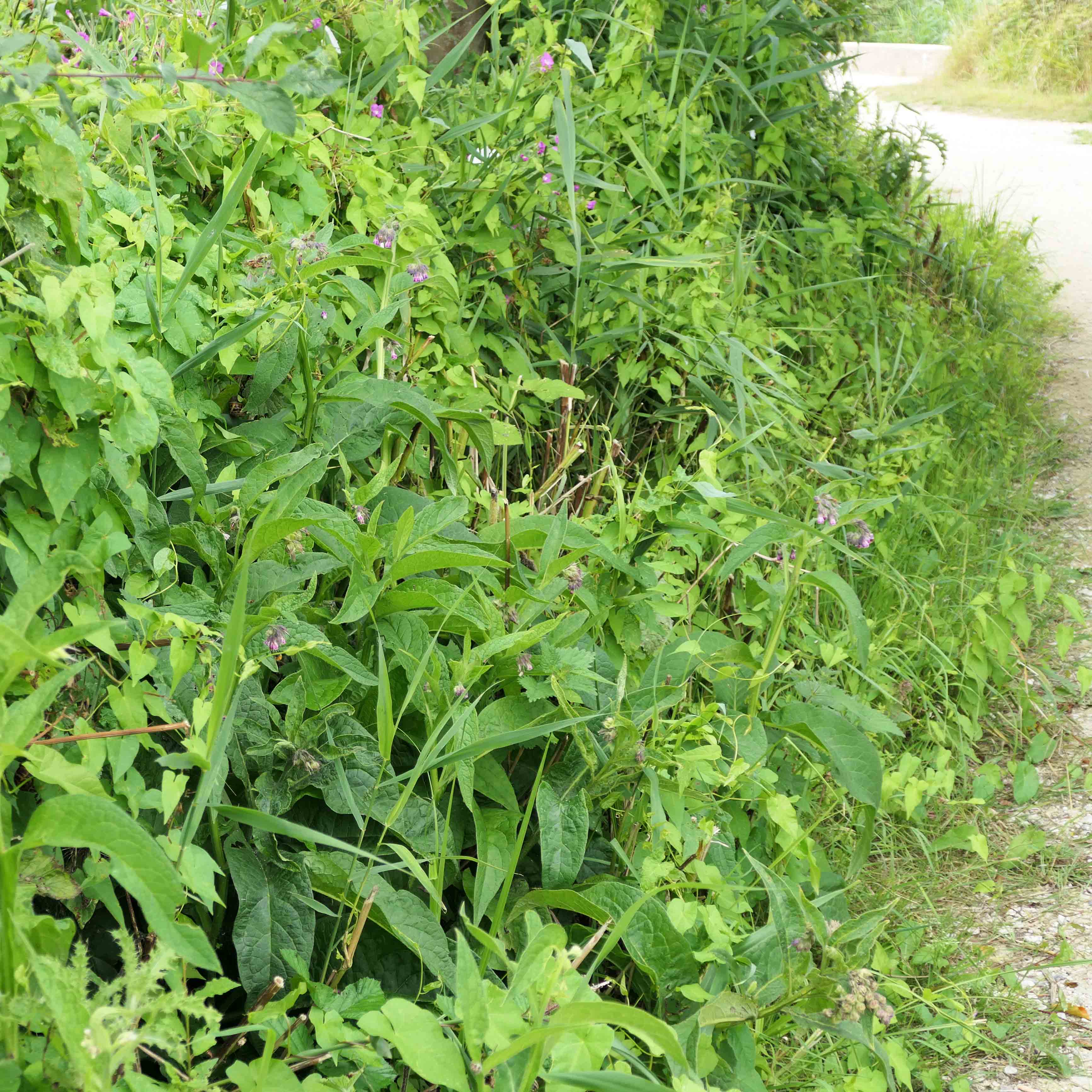
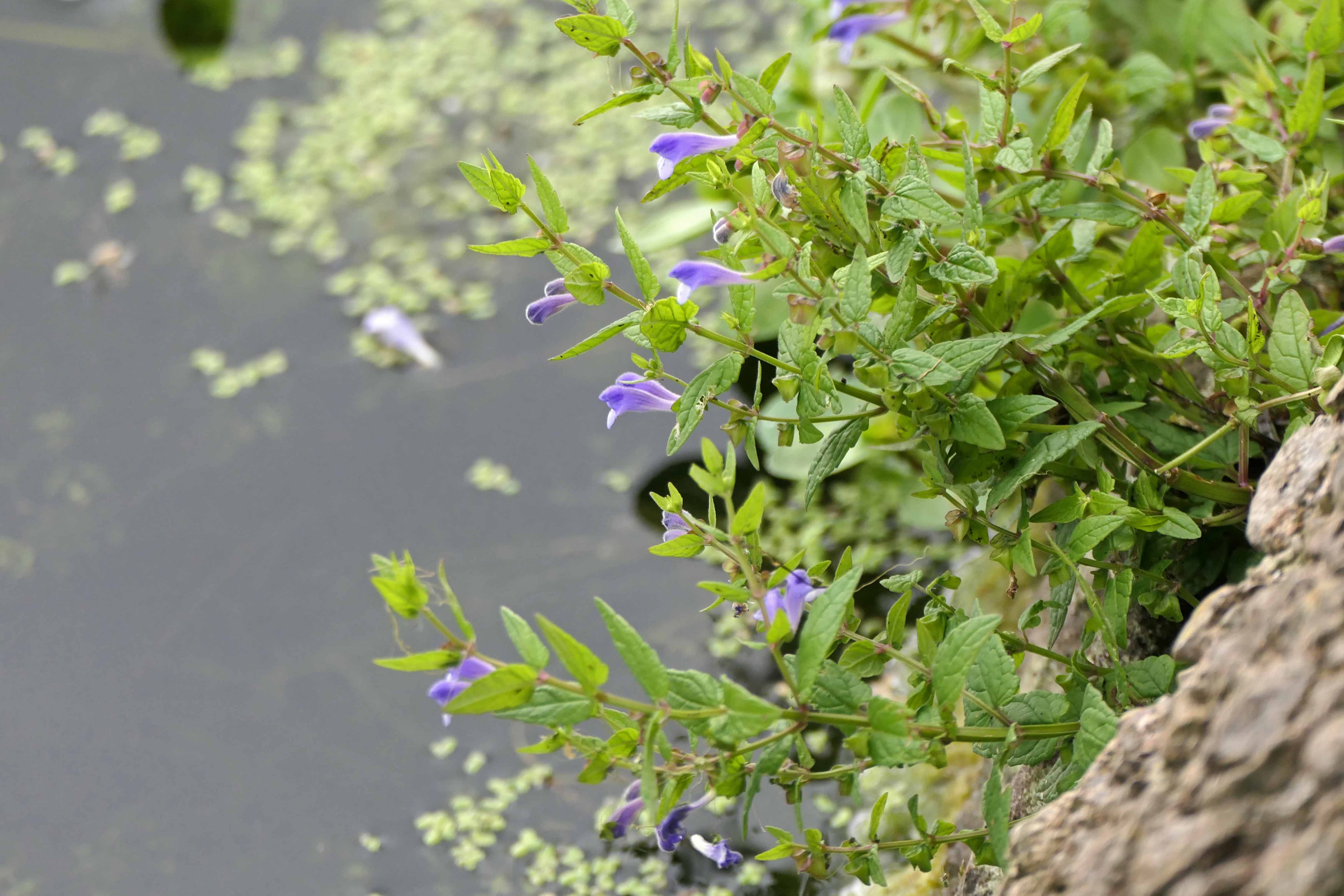
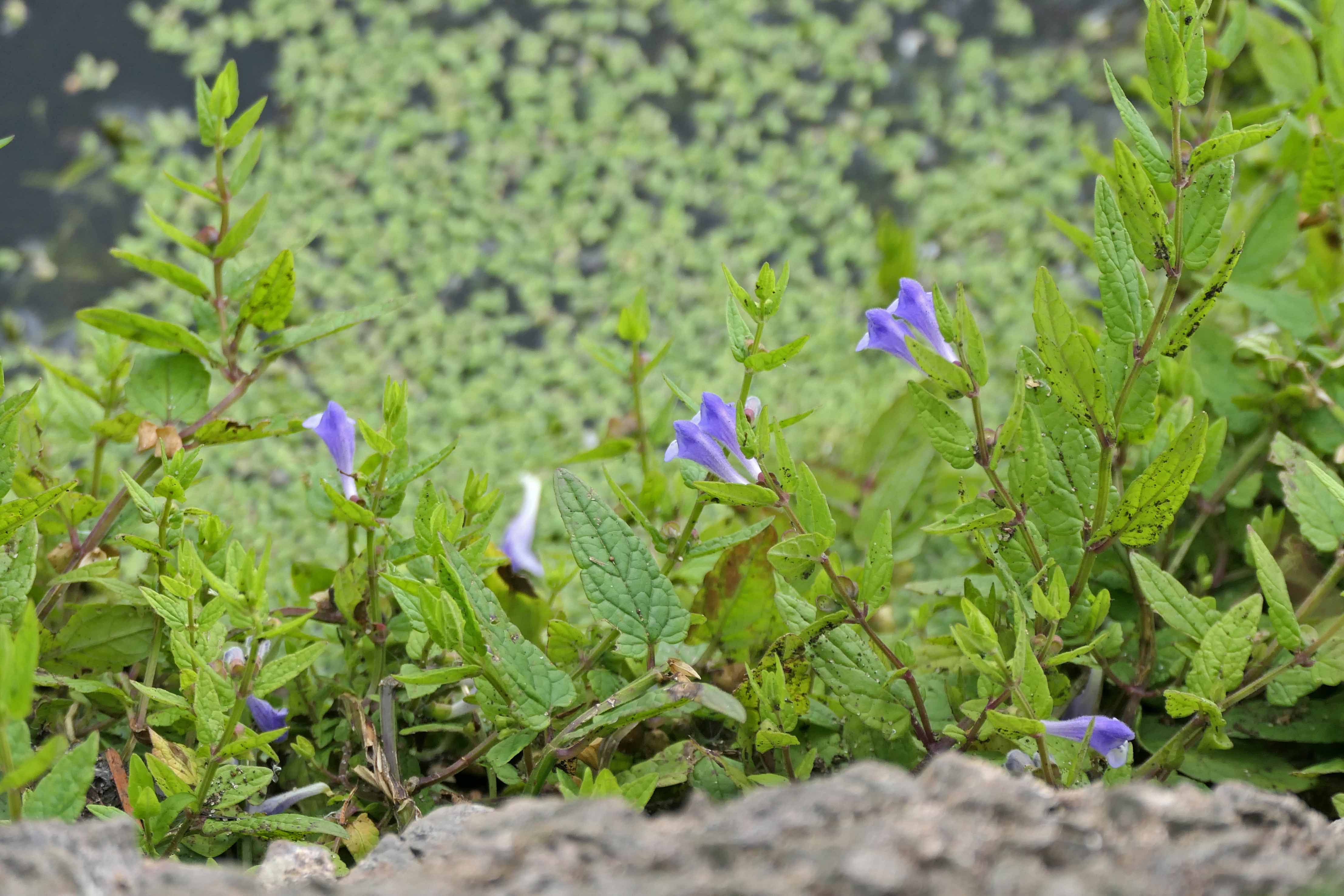
I don’t know how I’ve missed this pretty little plant during my summertime walks around Cardiff’s Roath Lake; I think it’s likely that it had been strimmed in previous years, as, for no good reason, that’s what usually happens to the wildflowers around the lake’s edge.

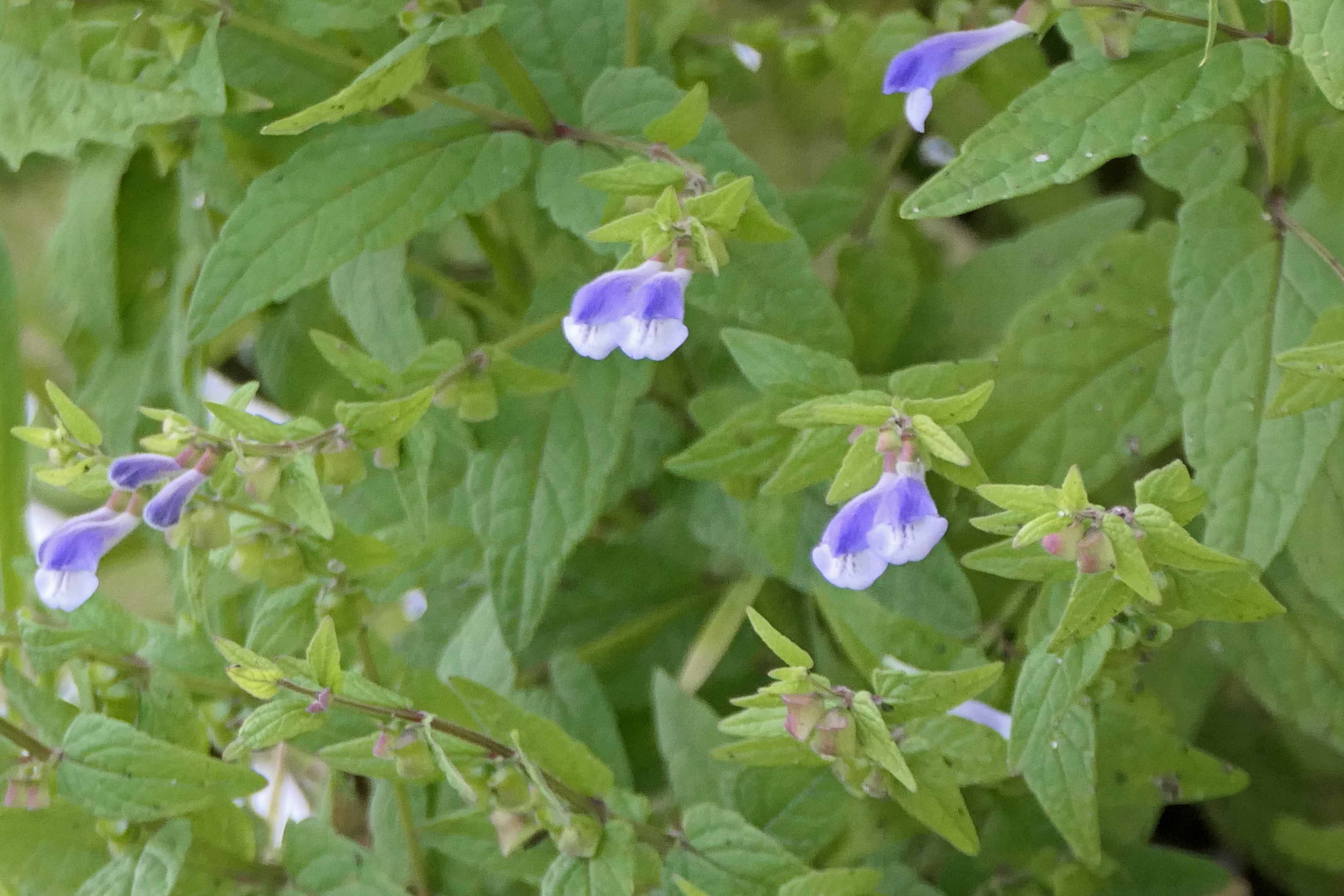
This is Skullcap (Scutellaria galericulata), a plant with delicate blue flowers that is most often found growing, as at Roath Lake, on the banks of lakes, ponds, marshes, and areas of slow-flowing water.

The very strange common name apparently refers to the shape of the flowers, which reminded those responsible for naming the plant of the helmet worn by soldiers in the Roman armies. I’ve seen references to a helmet called galerum (from galerus, meaning a cap made of leather or skin) and also a metal helmet named galea; neither cap nor helmet look like the tube-shaped flower to my eye, but Skullcap is certainly a memorable name for a plant!

Like Loading...

Tansy

27 Sunday Jul 2025

Posted by sconzani in flowers, wildflowers

≈ 2 Comments

Tags

British wildflowers, summer colour, Tanacetum vulgare, Tansy, yellow flowers

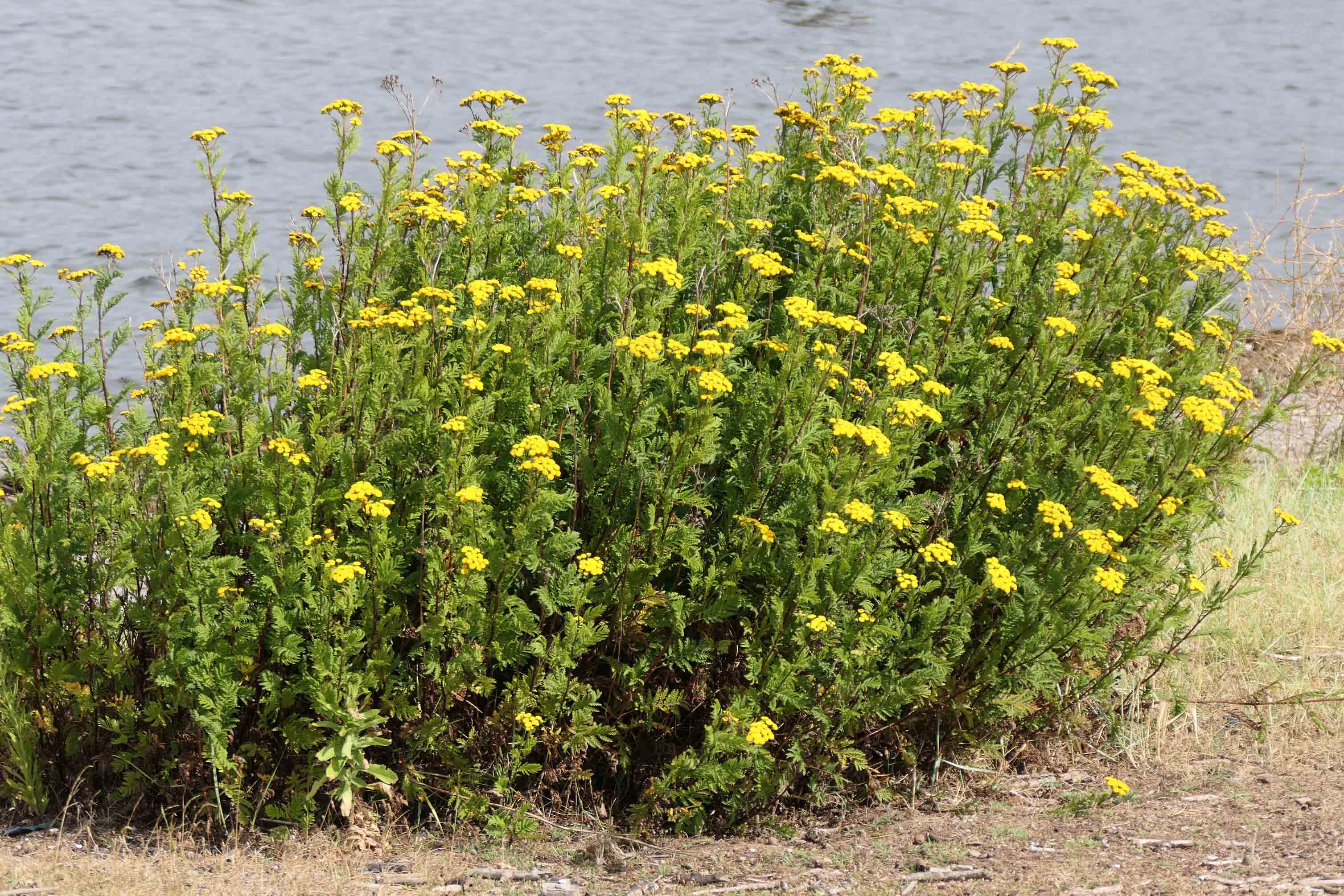
This is the only Tansy (Tanacetum vulgare) plant I know of and it’s in an odd location, growing as it does on a grassy slope on the Cardiff Bay Barrage. Who knows how it got there but it seems to be thriving and its golden-yellow button-like flowers make for a stunning display of summertime colour.

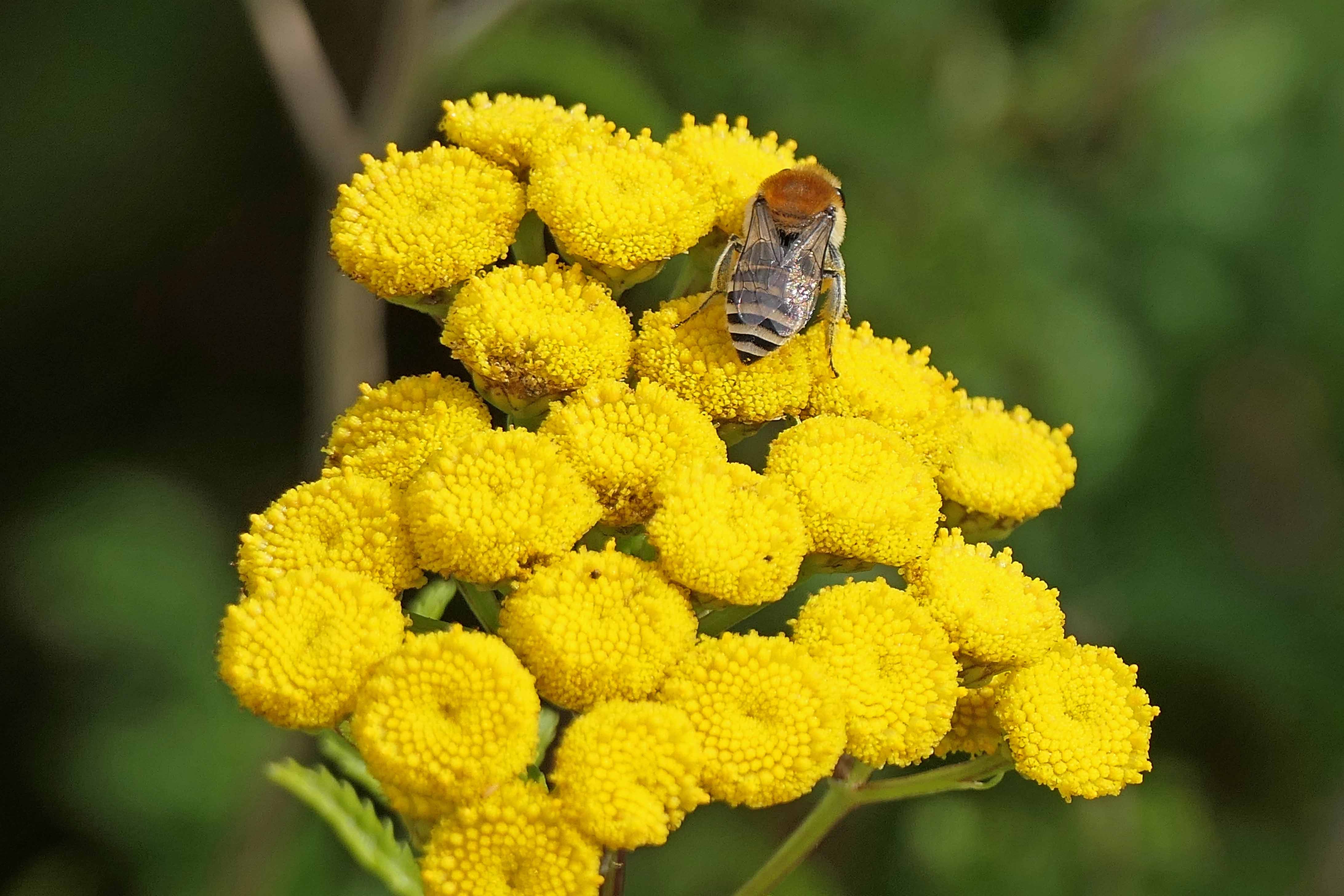
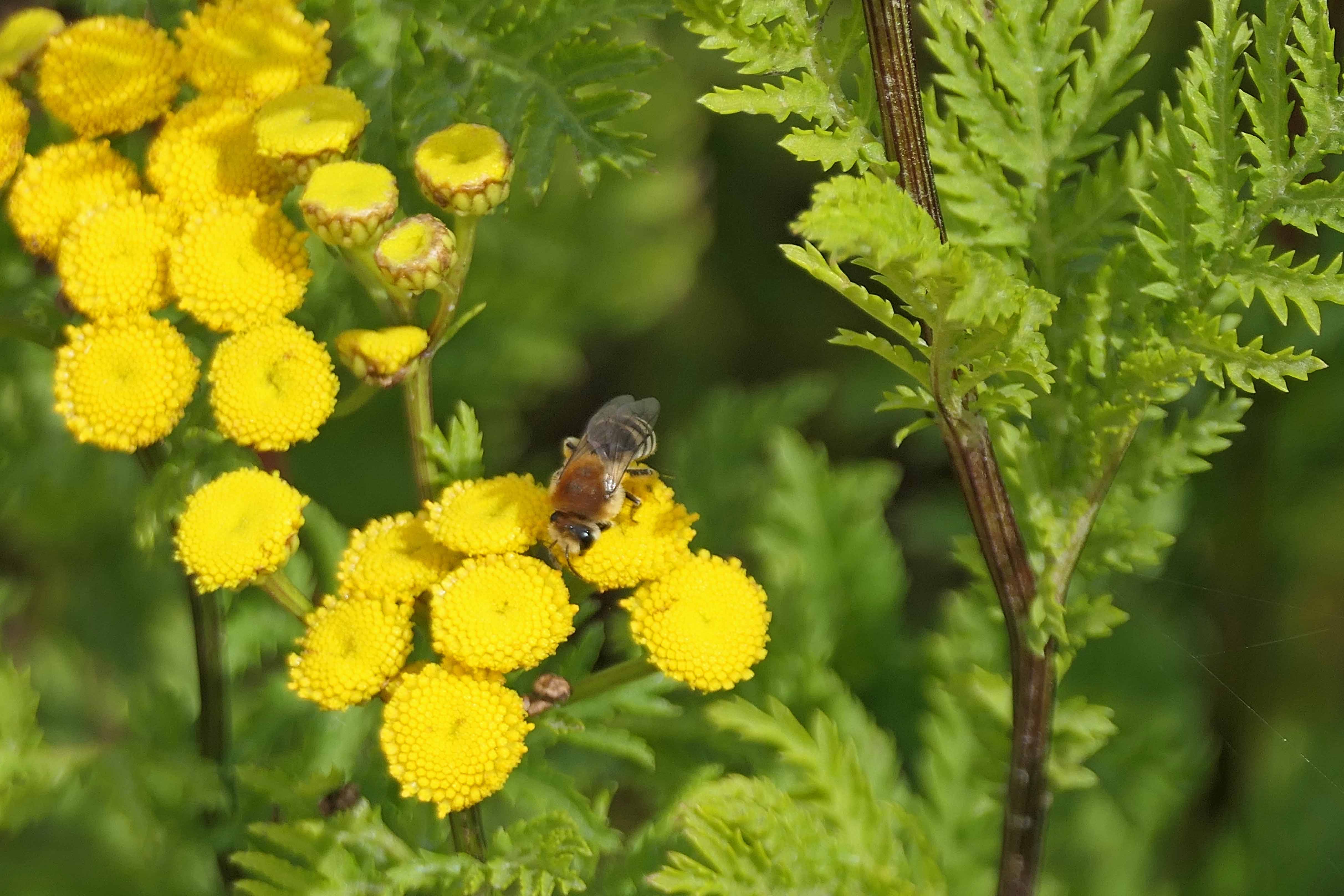
Those flowers also provide welcome food for insects at a time when many other plants are shrivelling due to the heat and lack of rain. (In case you’re wondering, the bee is a Colletes species but cannot be positively identified without closer examination – I did try asking an expert.)

I always enjoy reading the interesting snippets of information my copy of Flora Britannica provides about our various wildflowers. This is what Richard Mabey writes about Tansy:

Tansy’s leaves are pungent and bitter, and at one time they were eaten at Eastertide, to kill off the ‘phlegm and worms’ which the Lenten fish diet gave rise to. They were mixed with eggs, milk and flour, presumably to make them more palatable, and from the fifteenth to nineteenth centuries, a ‘tansye’ was a generic term for any omelette or pancake-like dish flavoured with bitter herbs.

Like Loading...

Woolly thistles

20 Sunday Jul 2025

Posted by sconzani in wildflowers

≈ Leave a comment

Tags

British thistles, British wildflowers, Cirsium eriophorum, symmetry in flower heads, symmetry in nature, thistles, Woolly thistle

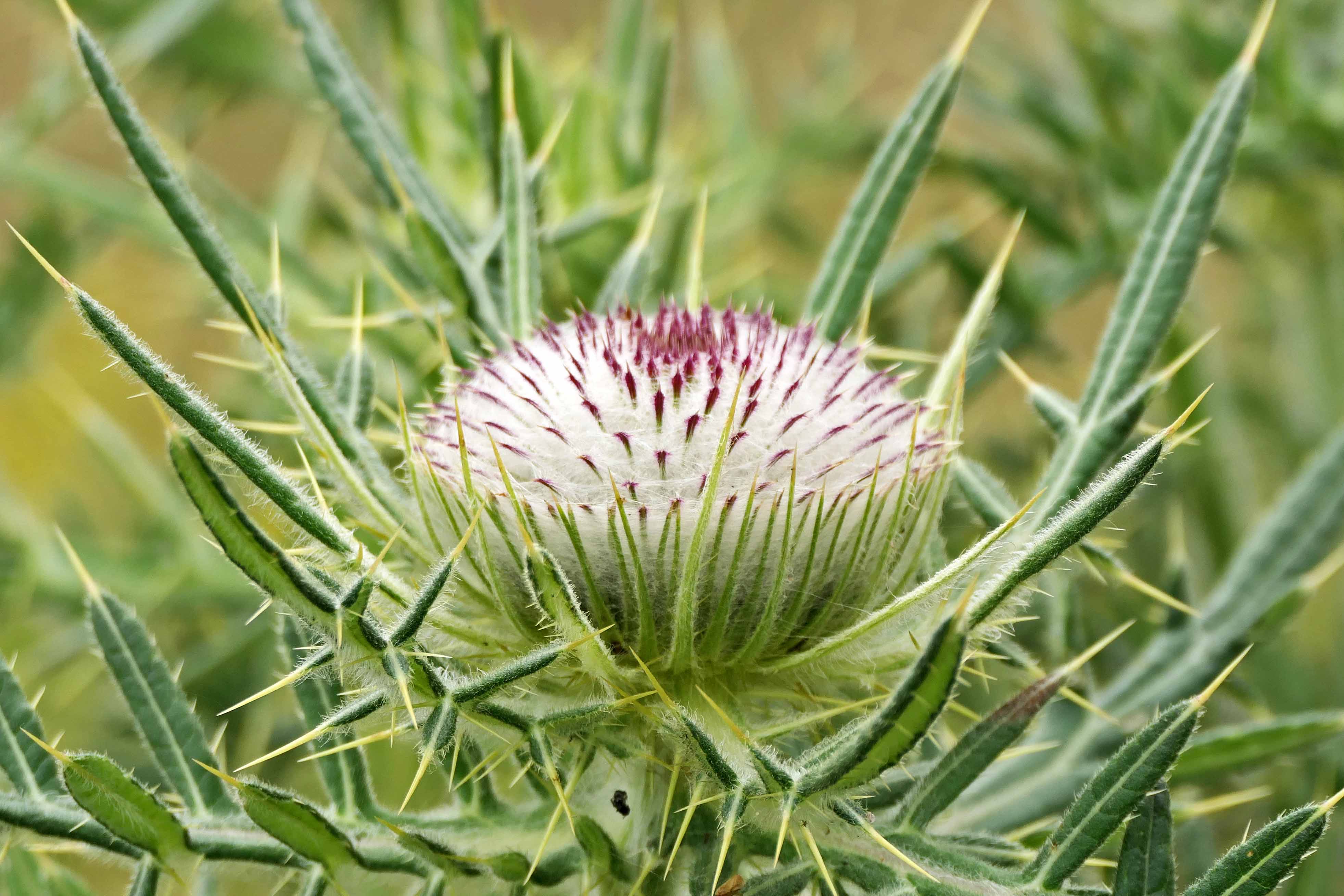
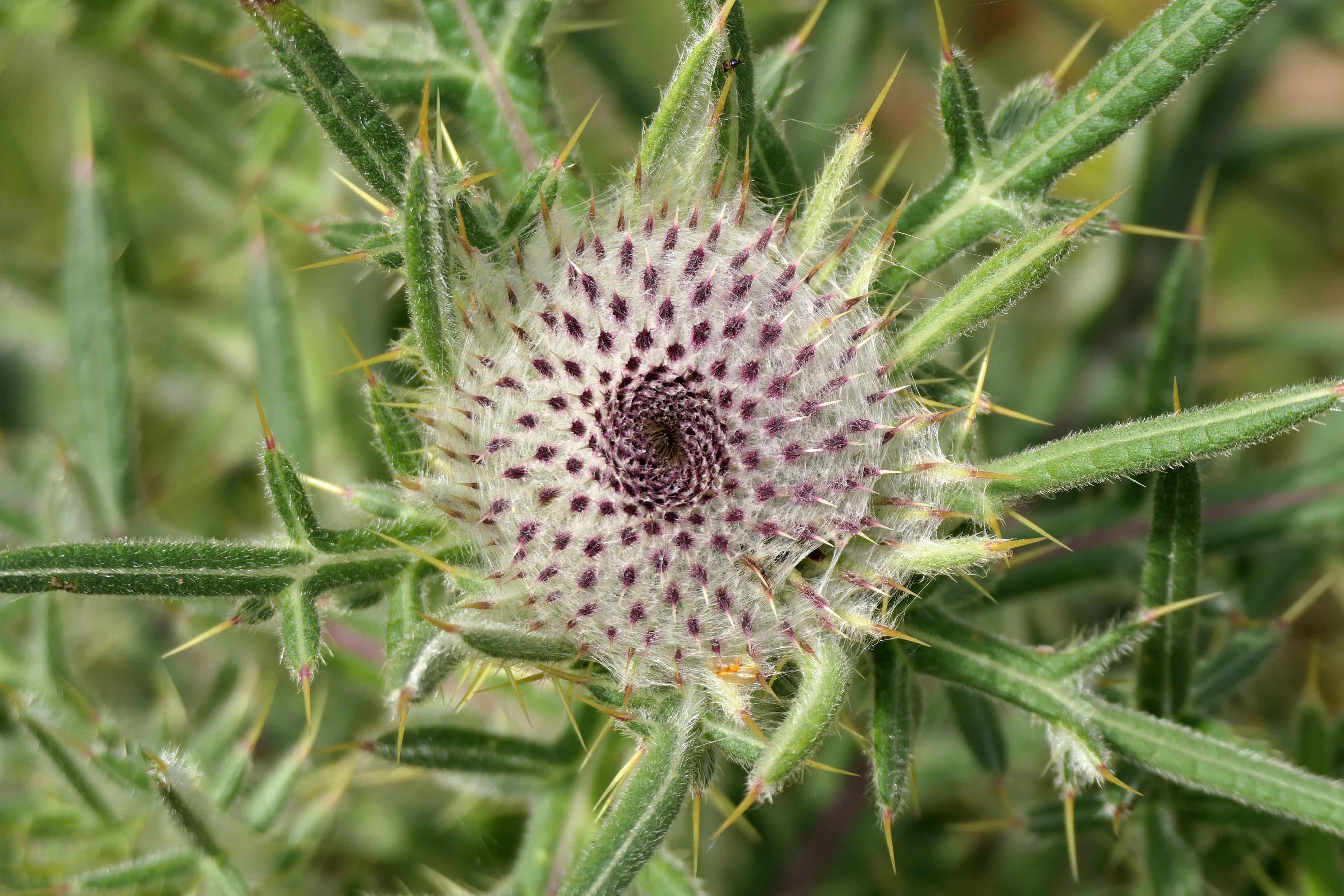
I’m a big fan of all thistle species; I love the purple colour and the shape of their flowers, and I appreciate what valuable plants they are for wildlife, both for insects and birds.

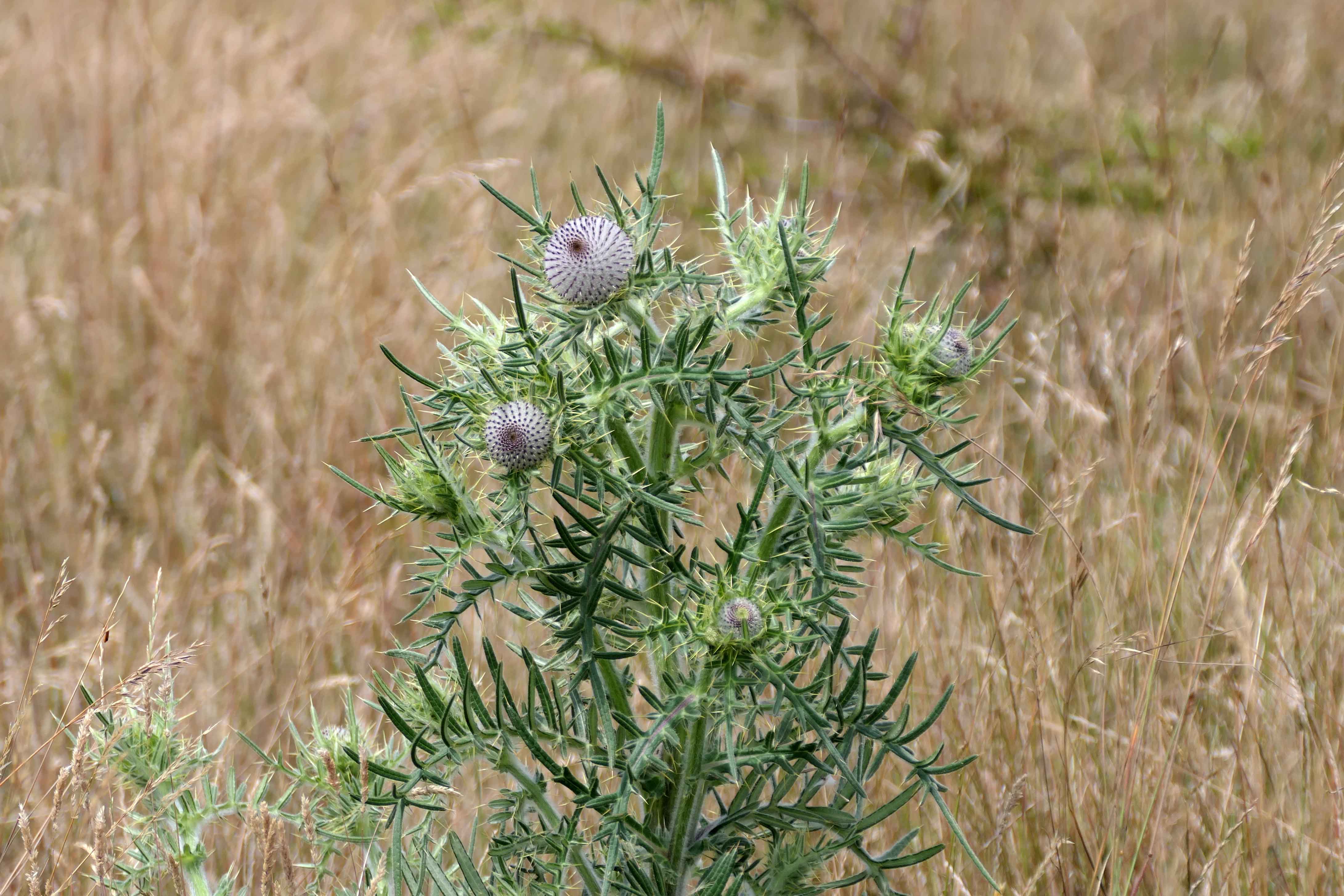
I don’t see Woolly thistle (Cirsium eriophorum) very often but it is certainly one of my favourite thistles, for the woolly looking stems and the generous size of its flowers and, most especially, for the spiralling symmetry of the flower heads.

Like Loading...

Harebells

13 Sunday Jul 2025

Posted by sconzani in flowers, wildflowers

≈ Leave a comment

Tags

blue wildflowers, British wildflowers, Campanula rotundifolia, Harebell, Rodborough Common, wildflowers on Rodborough Common

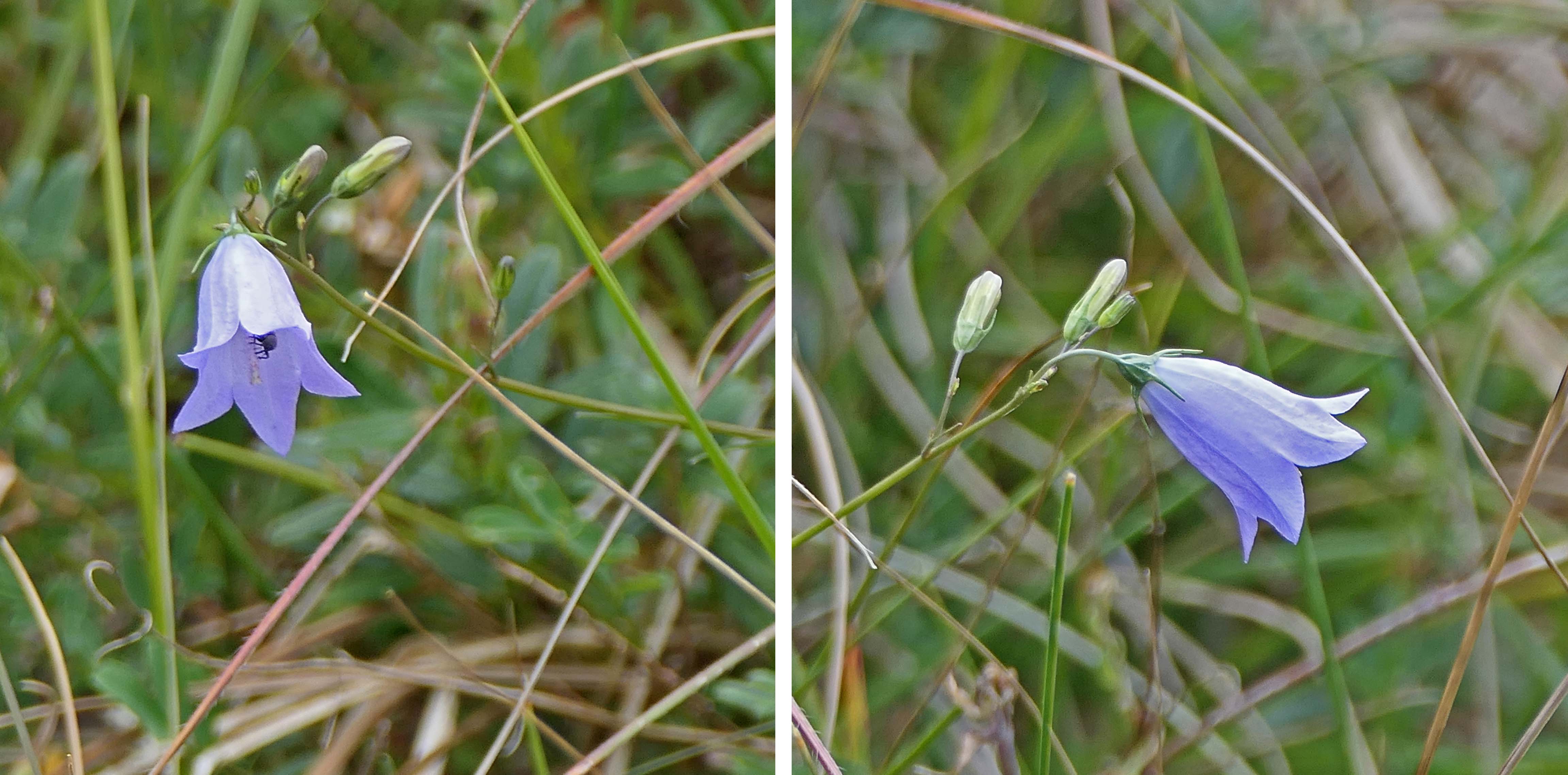
Though my Flora Britannica tells me the Harebell (Campanula rotundifolia) is ‘one of the most catholic in its choice of habitats’, growing on almost ‘any kind of dry, open and relatively undisturbed ground, from mountain-tops to sand-dunes’, it does not grow in my part of coastal south Wales.

So, for me, it was a delight to see the delicate blue bell-shaped flowers of this lovely wildflower nodding in the breeze on Rodborough Common during my recent visit to Gloucestershire. (In fact, I really must plan an earlier visit up that way as the Common is known for its wonderful wildflowers, especially several species of orchid, but everything was looking rather frazzled in the summer heat.)

It’s probably no surprise that the Scots often call Harebells ‘bluebells’ – the name fits well their flower’s colour and shape, though the Harebell blooms later, between July and September. The Wildlife Trusts website says Harebells have other vernacular names that allude to their magical associations: ‘witches’ thimbles’ and ‘fairy bells’, but I haven’t found any more detail about why that is.

Like Loading...

Wild madder

06 Sunday Jul 2025

Posted by sconzani in plants, wildflowers

≈ Leave a comment

Tags

British wildflowers, coastal plants, dye plants, plants with spines, Rubia peregrina, Wild madder

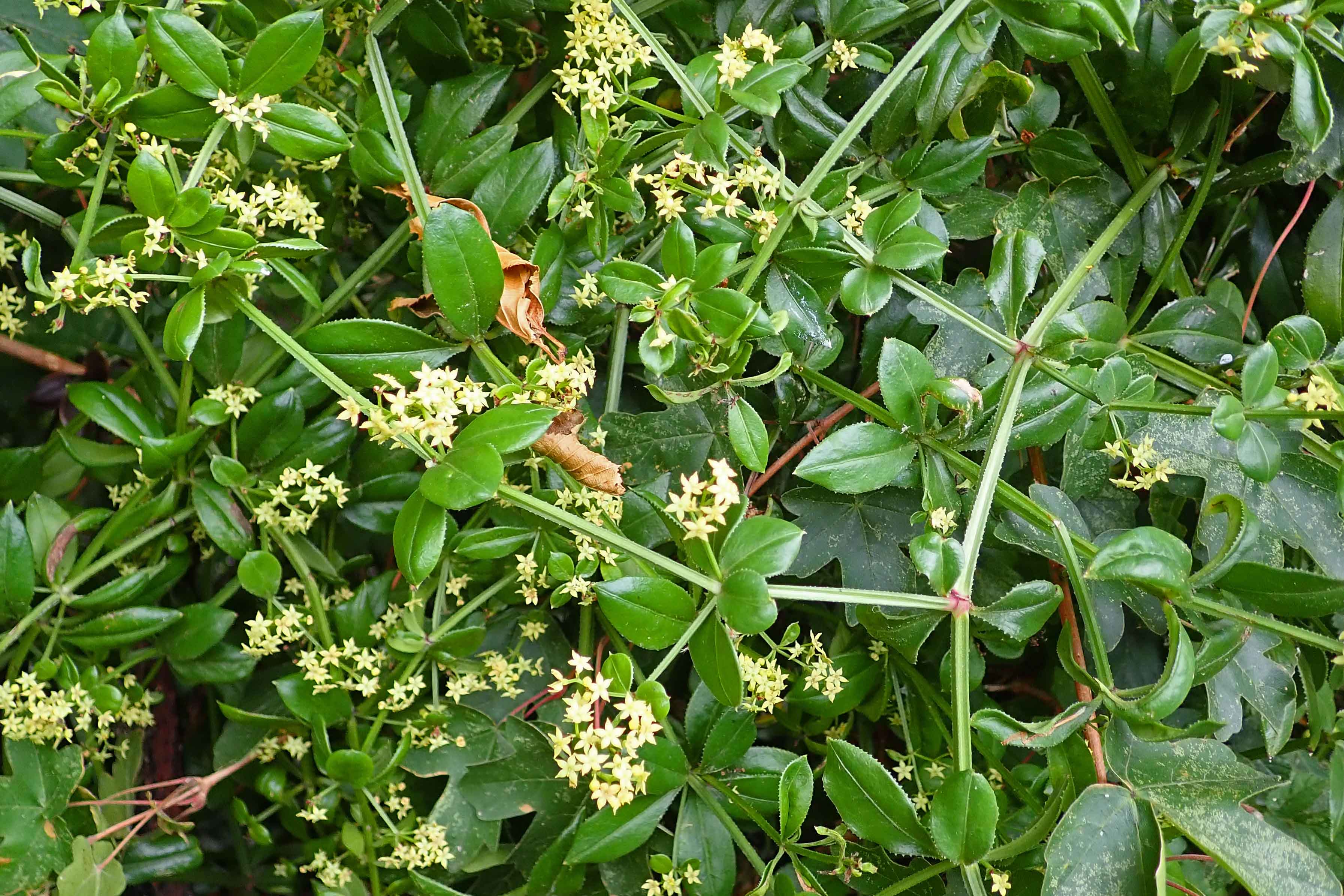
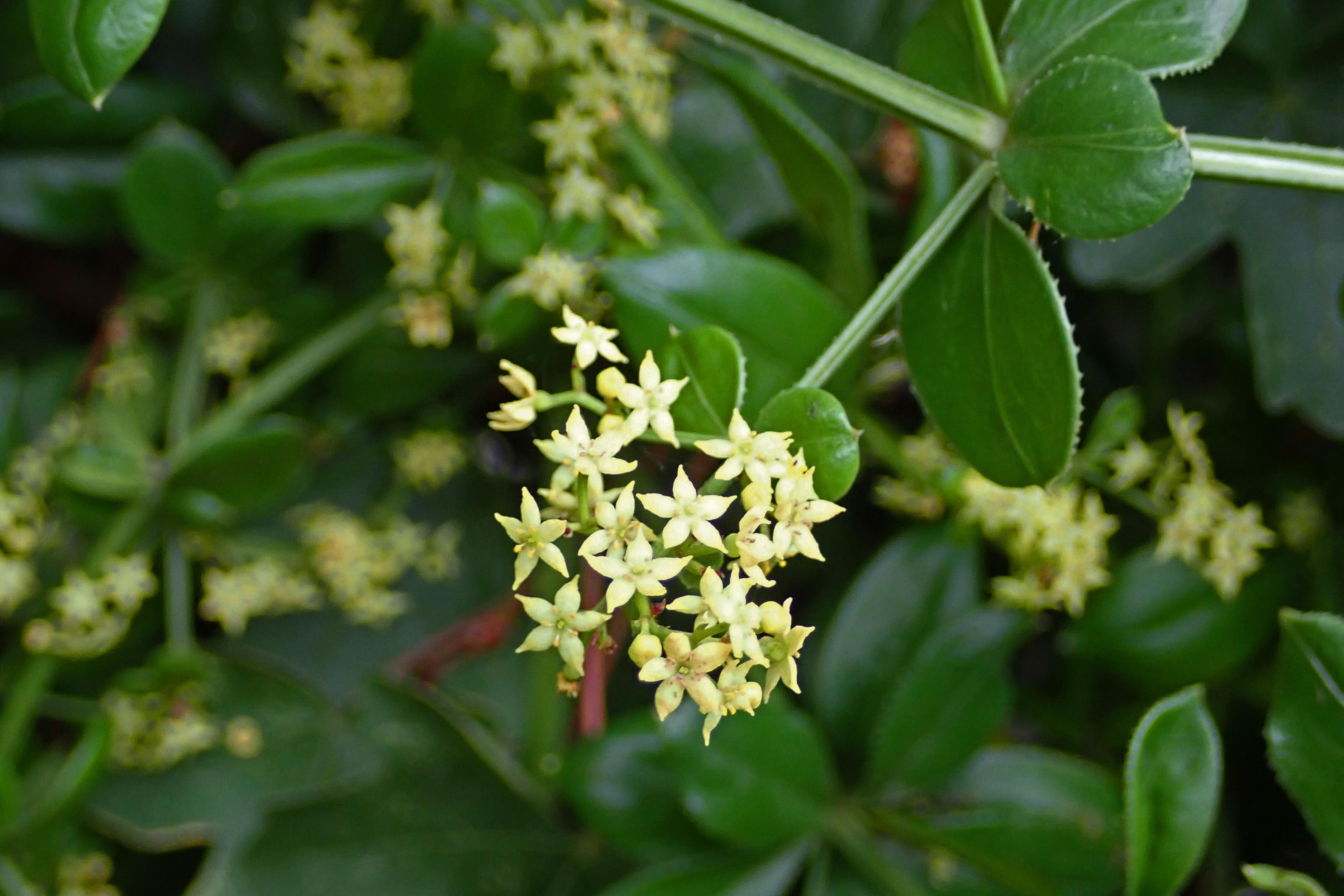
With short sharp hooked spines along the edges of its stems and leaves, Wild madder (Rubia peregrina) is one vicious-looking plant. You wouldn’t want to fall into a patch of it or mistakenly grab a stem for support if you lost your footing on one of the rocky slopes it likes to scramble over. Fortunately, my local plant was confined behind a metal fence though, even there, it was almost smothering the other scrub and was reaching its nasty tendrils through the railings as if to grab its next potential victim.

This is a coastal plant, found mainly in the south and west of Britain so along England’s southern coastline, right around the Welsh coast, and around Ireland’s southern coastline. In Flora Britannica, Richard Mabey writes that Wild madder is related ‘to the dye plant, madder, R. tinctorum, and its roots have been used to give a pink tone by English dyers’.

Like Loading...

Unbranched bur-reed

29 Sunday Jun 2025

Posted by sconzani in flowers, wildflowers

≈ Leave a comment

Tags

aquatic plants, British wildflowers, Bur-reed family, plants growing in water, Sparganium, Sparganium emersum, Unbranched bur-reed

When I popped down to the edge of the River Ely during last Monday’s walk, I was hoping for dragons and damsels. Instead, I saw flowers I’d not seen before; these plants with the rather lovely towers of globular spiky white blooms are members of the Bur-reed or Sparganium family of aquatic plants that grow both in moving and still fresh water.

There are four species of Bur-reed in Britain: Branched, Unbranched, Least and Floating. From the fact that there is a single unbranched flower spike (raceme), with just one group of the smaller, more compact male flowers at the top means that the species I found was Unbranched bur-reed (Sparganium emersum).

Like Loading...

Swine-cress

22 Sunday Jun 2025

Posted by sconzani in wildflowers

≈ Leave a comment

Tags

British wildflowers, Coronopus squamatus, Lepidium coronopus, roadside wildflowers, Swine-cress

After that wonderful short break away, it was back to earth with a bang; in fact, not just back to earth but in to the gutter with the pigs. Okay, not literally with the pigs but today’s wildflower is called Swine-cress, and I’ve found it growing very happily in the gutters and along the roadside, pavement and lane edges all around my coastal town.

As I’m fairly good at recognising the wildflowers I see these days, I was quite surprised to notice this little plant, whose name I didn’t know, growing so profusely. Swine-cress, which seems to have a variety of names: Coronopus squamatus and Lepidium coronopus, is a very small member of the Brassica family, an annual or biennial, with deeply cut leaves and tiny, almost unnoticeable white flowers. I haven’t yet discovered the reason for the ‘swine’ in its name so, if you know, please do tell me in the comments.

Like Loading...

Portland spurge

15 Sunday Jun 2025

Posted by sconzani in wildflowers

≈ Leave a comment

Tags

British wildflowers, Euphorbia, Euphorbia portlandica, Portland spurge, spurge, summer colour, summer wildflowers, yellow wildflowers

From its structure I knew this wonderfully sunny plant was a Euphorbia, a member of the Spurge family, as soon as I saw it, but I had no idea until I researched it later that the Isle of Portland had its very own species.

This is Portland spurge (Euphorbia portlandica), a close relative of Sea spurge (Euphorbia paralias) but with some subtle differences in the shape of its leaves: Sea spurge has thick fleshy leaves, whereas those of Portland spurge are thinner, with more pointy tips. Unfortunately, I wasn’t aware of that until later so the leaves are rather obscured in my photographs. I was just delighted by the joyous colour of Portland’s flowers, so appropriate for this seaside location.

Portland spurge is not confined to the Isle of Portland; it can also be found growing on dune sands and coastal sea cliffs around the south and west of Britain and Ireland.

Like Loading...

Smooth tare

01 Sunday Jun 2025

Posted by sconzani in wildflowers

≈ Leave a comment

Tags

British wildflowers, Ervum tetraspermum, Fabaceae, Pea family, Smooth tare, Vicia species, Vicia tetrasperma

Smooth tare (Vicia tetrasperma) (also known as Ervum tetraspermum) is a plant belonging to the pea (or bean or legume) family, the Fabaceae (or Leguminosae); so many names for one small plant.

As it grows in grassland and along road verges, it can often get lost amongst the larger, more dominant plant species – that’s certainly my excuse for having overlooked this lovely wildflower in previous years. But it is definitely worth searching for, if only to admire the ethereal beauty of its fine, delicate flowers. These are very pale, white with the merest hint of purple, with fine purple streaking on their upper petals. And now that Smooth tare has come to my attention, I am finding it in many of my favourite walking locations.

Like Loading...

Kidney vetch

18 Sunday May 2025

Posted by sconzani in wildflowers

≈ 2 Comments

Tags

Anthyllis vulneraria, British wildflowers, Kidney vetch, Spring colour, yellow wildflowers

If only Cardiff Bay had a large thriving area of Kidney vetch (Anthyllis vulneraria), then we might also have a small thriving colony of Small blue butterflies, as this is their larval food plant.

Sadly, the few plants that manage to survive in the Bay are locked away behind a tall barrier of diagonal wire mesh in a tiny patch of waste ground; the fact they’re inaccessible is probably the only reason they’ve survived Cardiff Council’s ‘spray herbicide on everything’ policy of environmental (mis)management. The mesh also means the plants are very much overlooked and under-appreciated, as well as being difficult to photograph, which is a great shame, as Kidney vetch is a very attractive wildflower.

Like Loading...
← Older posts
Newer posts →

About me

sconzani

sconzani

I'm a writer and photographer; researcher and blogger; birder and nature lover; countryside rambler and city strider; volunteer and biodiversity recorder.

View Full Profile →

Follow earthstar on WordPress.com

Enter your email address to follow this blog and receive notifications of new posts by email.

Recent blog posts

  • M is for mite December 18, 2025
  • L is for lepidopteran lifers December 17, 2025
  • K is for Keeled skimmers December 16, 2025
  • J is for Jersey tiger December 15, 2025
  • I is for Ichneumon December 14, 2025

From the archives

COPYRIGHT

Unless otherwise acknowledged, the text and photographs on this blog are my own and are subject to international copyright. Nothing may be downloaded or copied without my permission.

Fellow Earth Stars!

  • Unknown's avatar
  • Unknown's avatar
  • Unknown's avatar
  • Unknown's avatar
  • Unknown's avatar
  • Unknown's avatar
  • Unknown's avatar
  • Unknown's avatar
  • Unknown's avatar
  • Unknown's avatar
  • Unknown's avatar
  • Unknown's avatar
  • Unknown's avatar
  • Unknown's avatar
  • Unknown's avatar
  • Unknown's avatar
  • Unknown's avatar
  • Unknown's avatar
  • Unknown's avatar
  • Unknown's avatar
  • Unknown's avatar
  • Unknown's avatar
  • Unknown's avatar
  • Unknown's avatar
  • Unknown's avatar
  • Unknown's avatar
  • Unknown's avatar
  • Unknown's avatar
  • Unknown's avatar
  • Unknown's avatar
  • Unknown's avatar
  • Unknown's avatar
  • Unknown's avatar
  • Unknown's avatar
  • Unknown's avatar
  • Unknown's avatar
  • Unknown's avatar
  • Unknown's avatar
  • Unknown's avatar
  • Unknown's avatar
  • Unknown's avatar
  • Unknown's avatar
  • Unknown's avatar
  • Unknown's avatar
  • Unknown's avatar
  • Unknown's avatar
  • Unknown's avatar
  • Unknown's avatar
  • Unknown's avatar
  • Unknown's avatar

Blog at WordPress.com.

Privacy & Cookies: This site uses cookies. By continuing to use this website, you agree to their use.
To find out more, including how to control cookies, see here: Cookie Policy
  • Subscribe Subscribed
    • earthstar
    • Join 667 other subscribers
    • Already have a WordPress.com account? Log in now.
    • earthstar
    • Subscribe Subscribed
    • Sign up
    • Log in
    • Report this content
    • View site in Reader
    • Manage subscriptions
    • Collapse this bar
 

Loading Comments...
 

You must be logged in to post a comment.

    %d