
Tags
British damselflies, British dragonflies, damselfly, dragonfly, Emerald damsefly, Lestes sponsa, Odonata
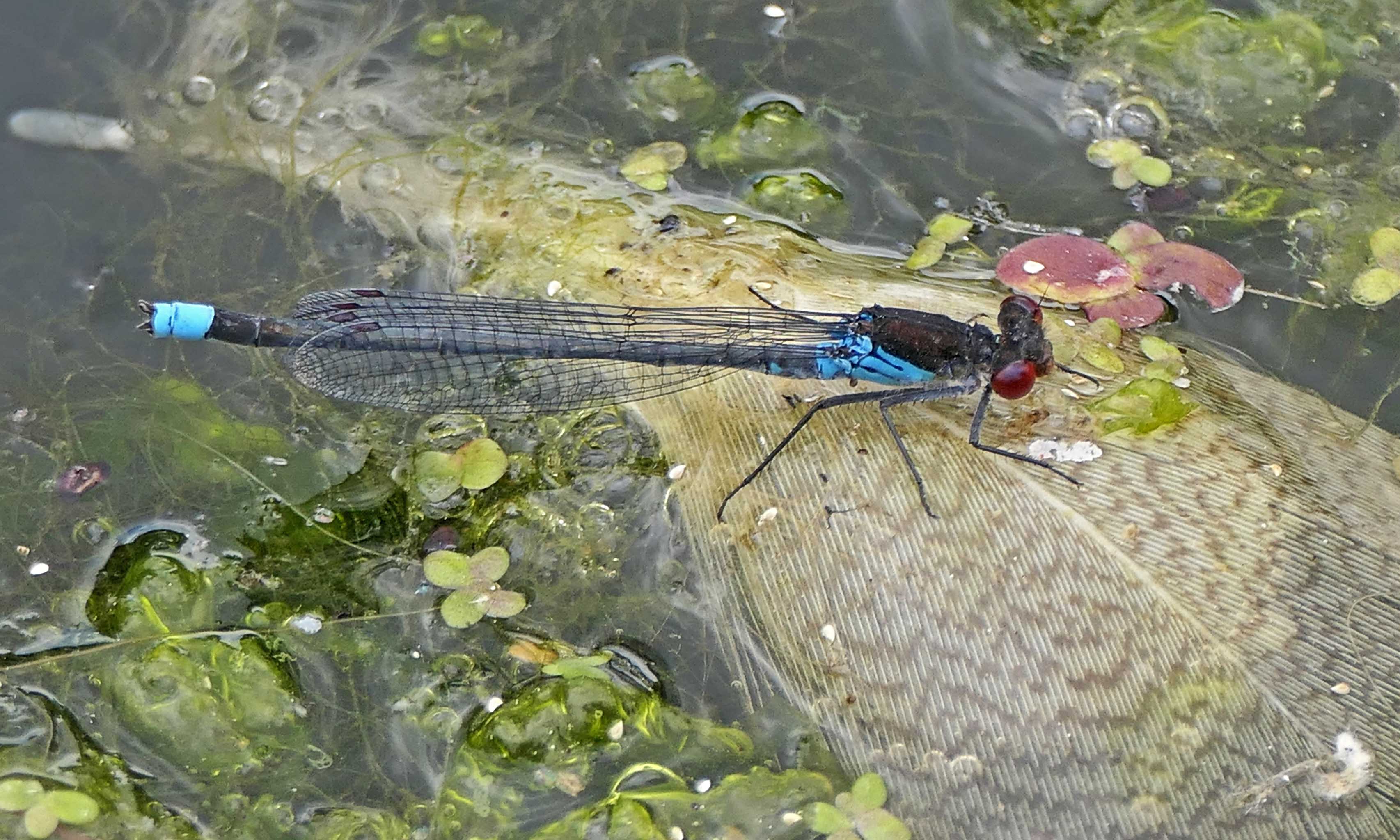
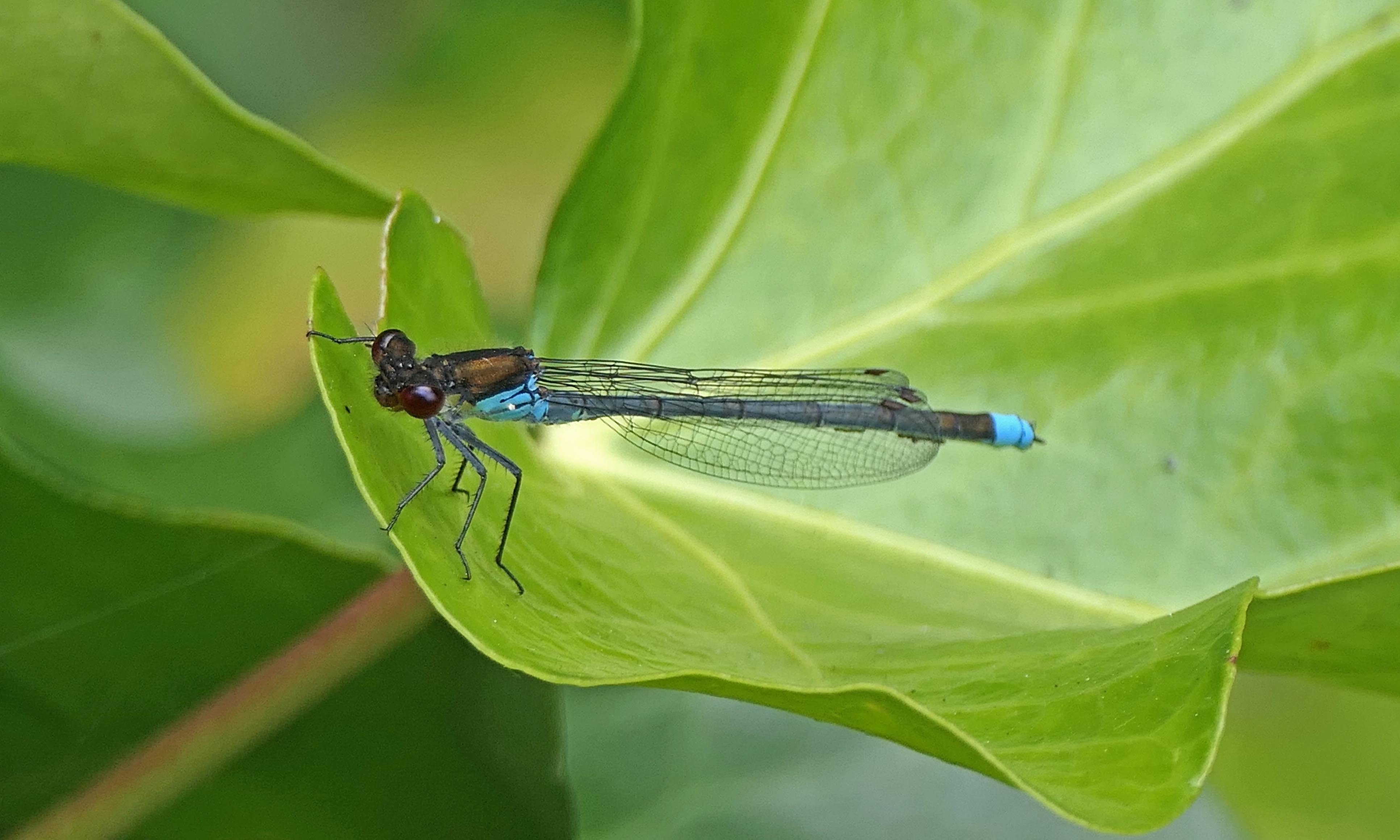
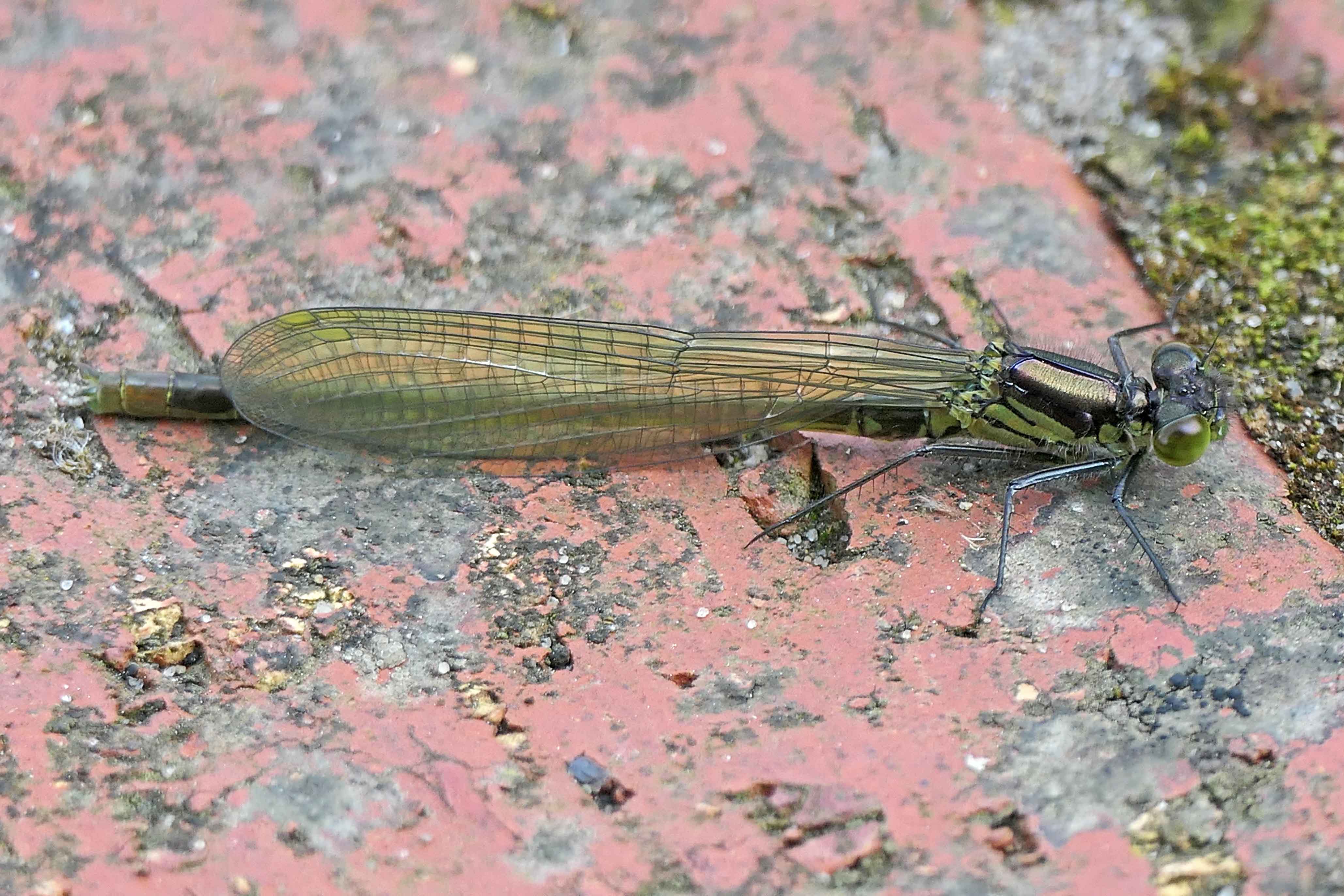
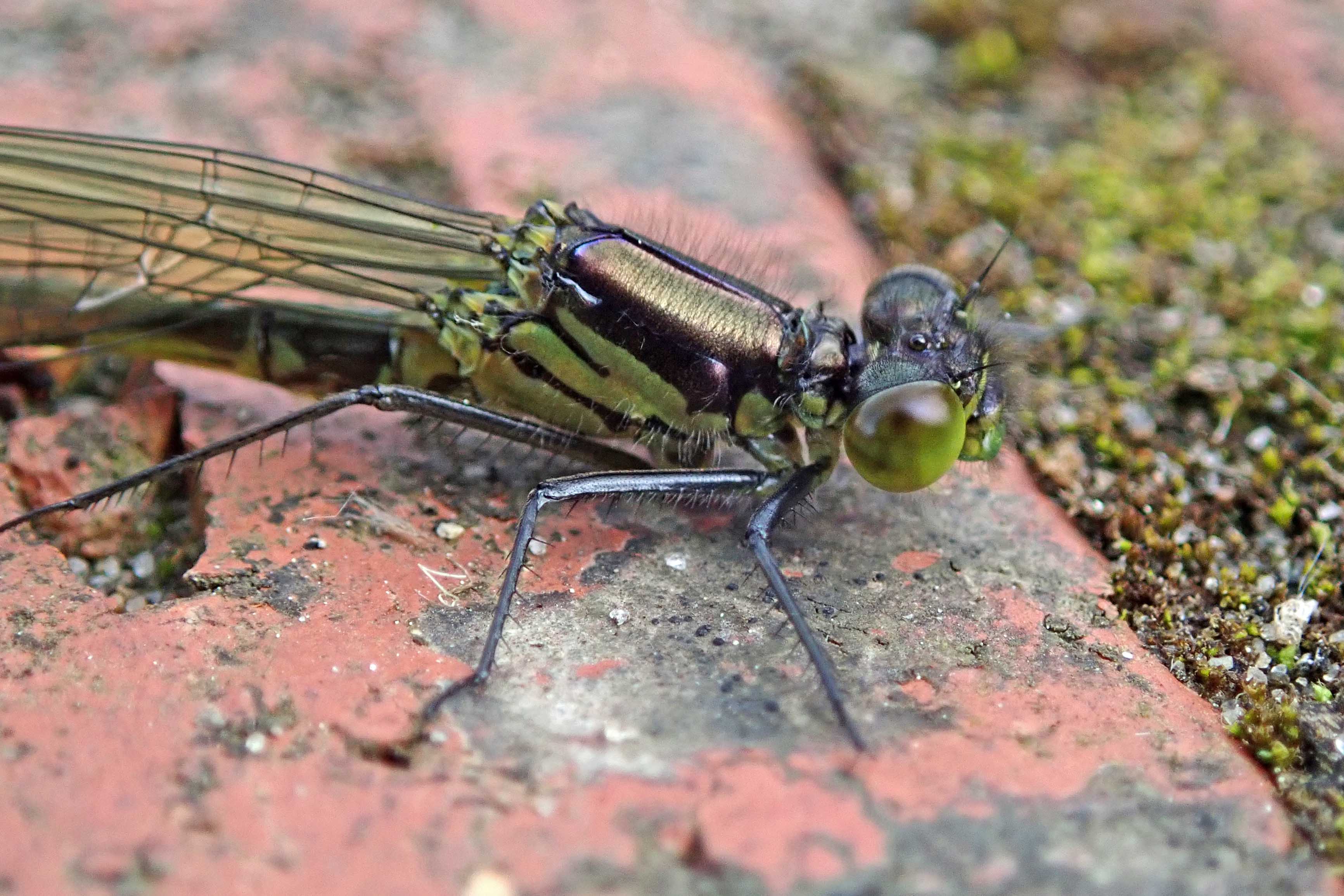
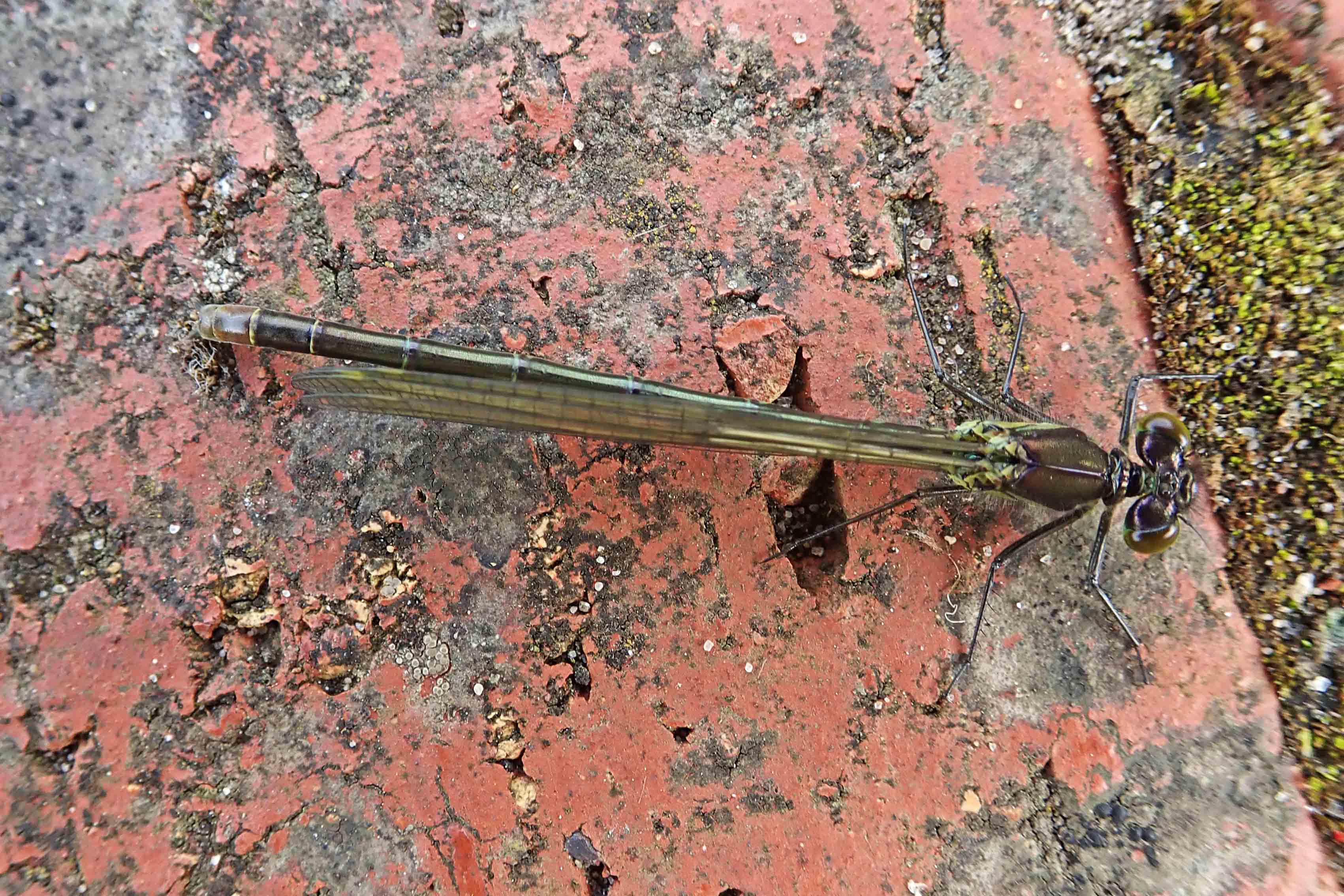
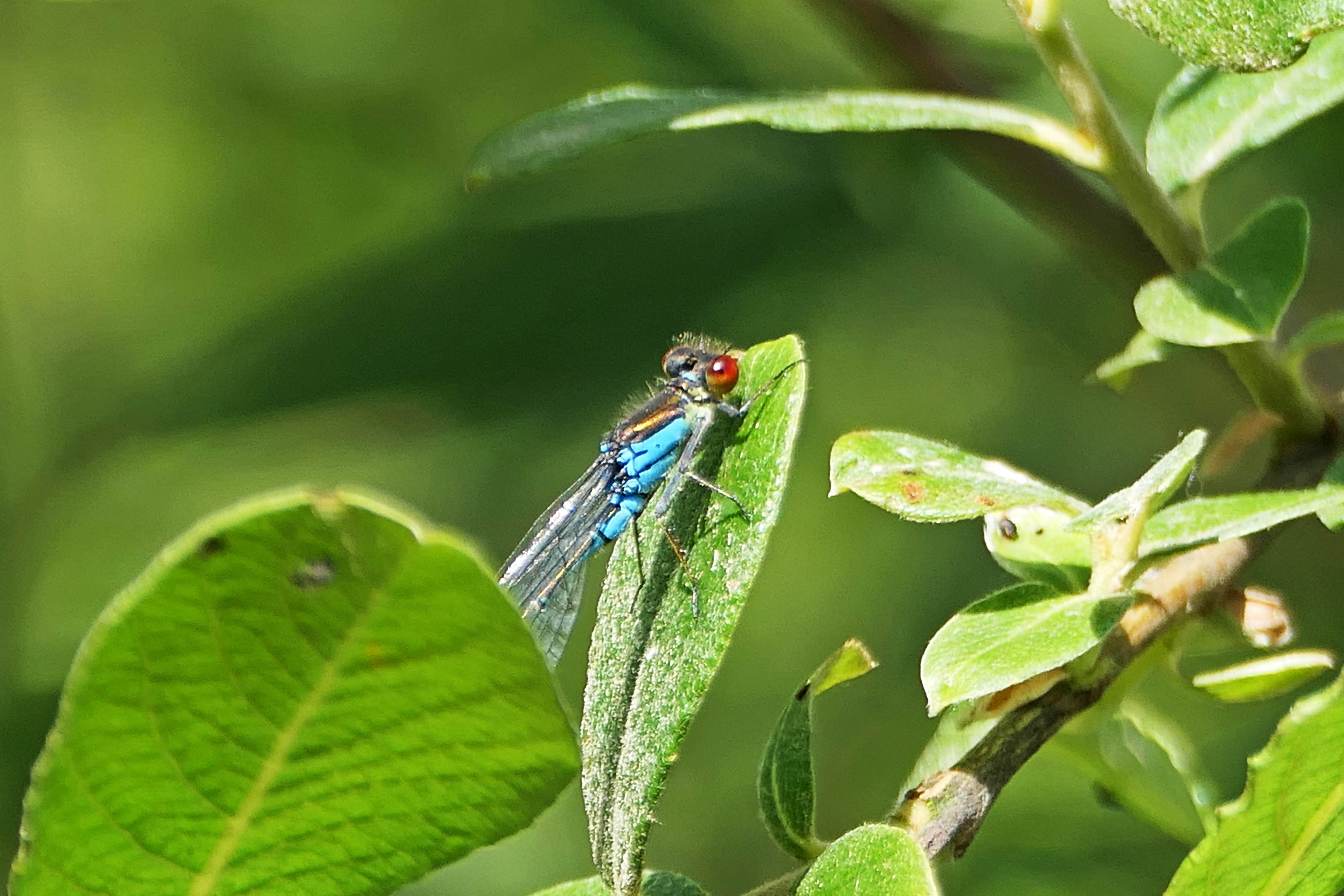
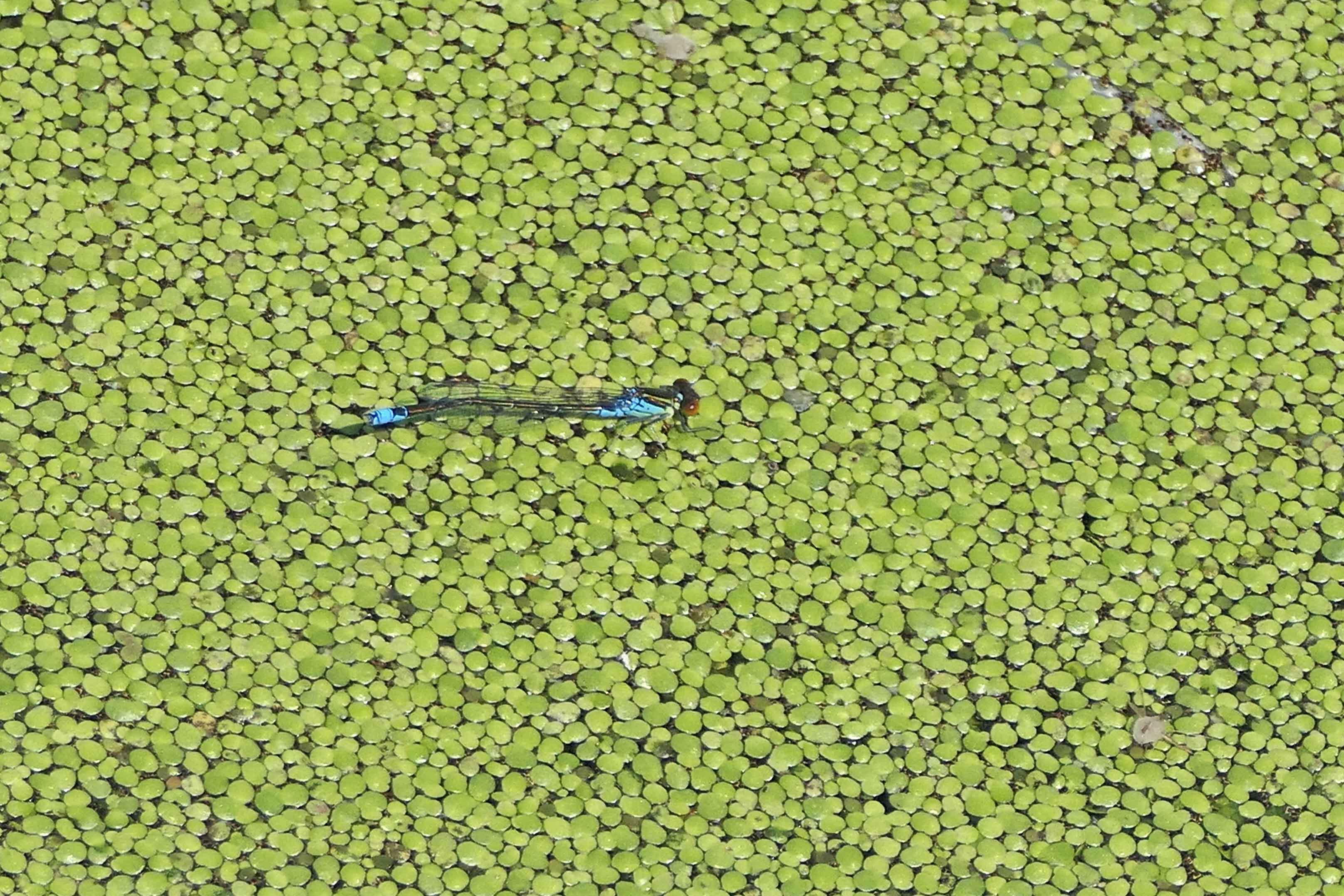
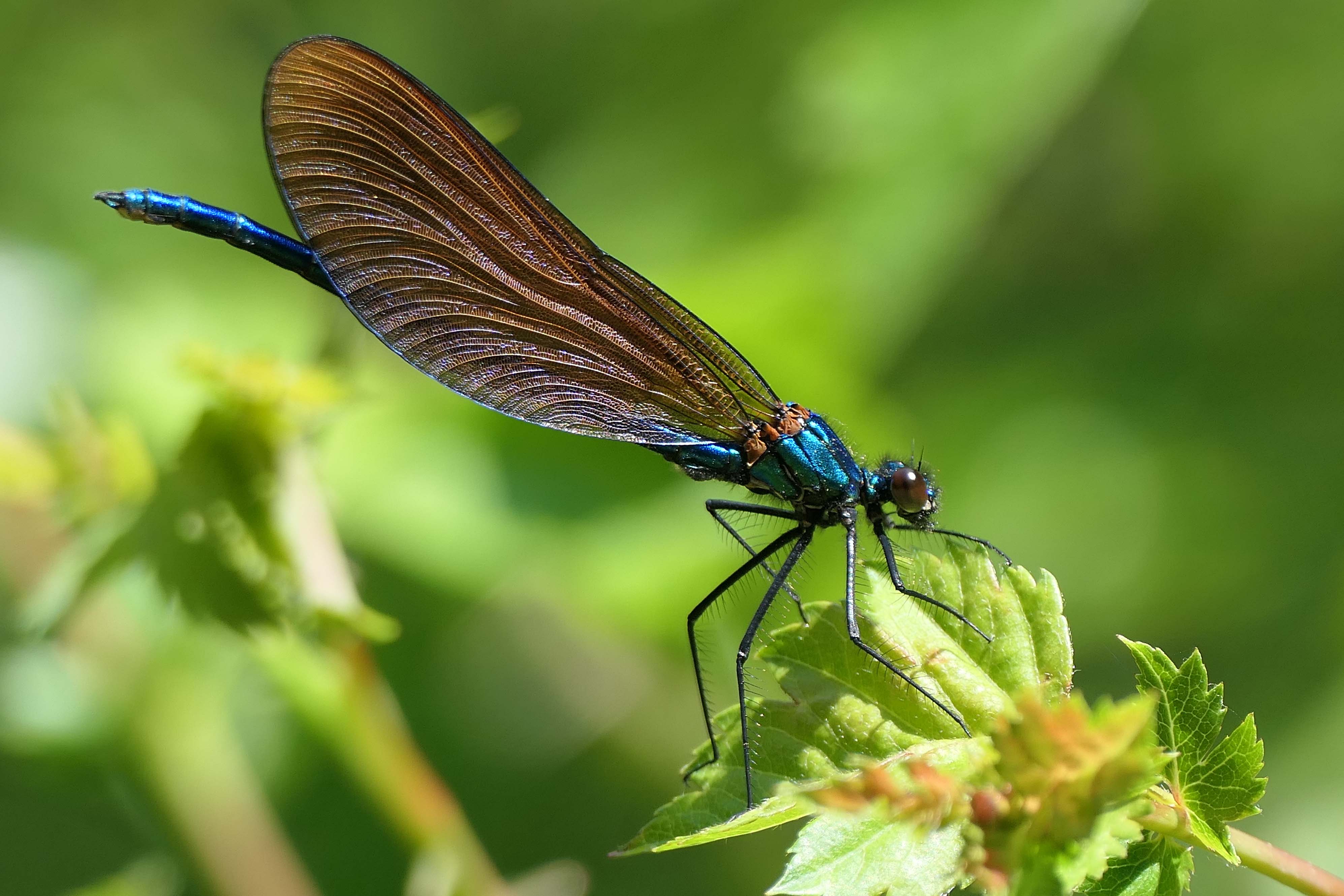
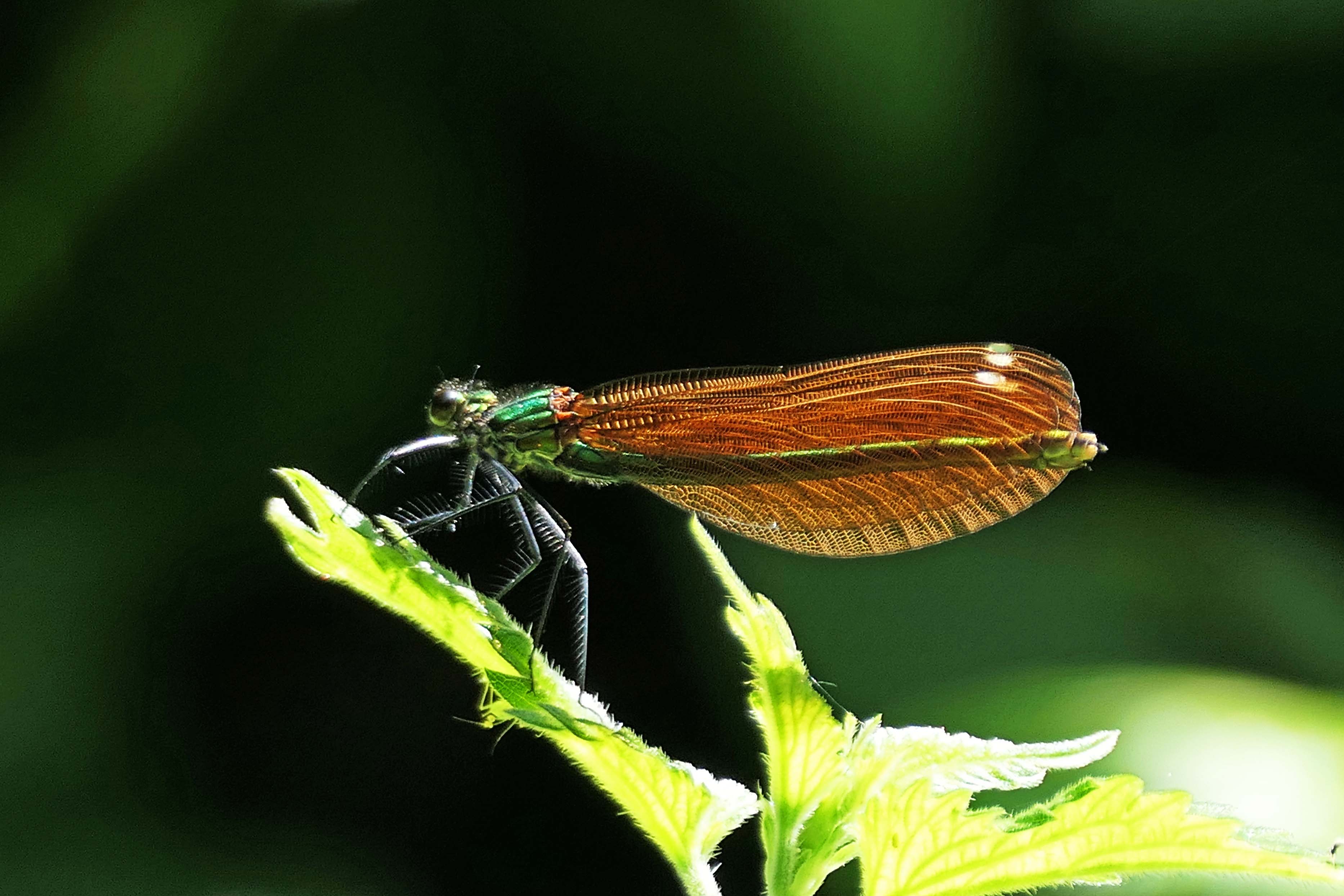
This is the final blog in my short series about the dragonflies I saw during last week’s rail journey up the south Welsh valleys to Maesteg. Today’s subject is the Emerald damselfly (Lestes sponsa), a species I’ve seen only twice before, in August 2017 and in September 2021. I’ve looked for them a couple of times at the 2021 location, Parc Penallta, but the small ponds there quickly dry out in hot summers and dog walkers allow their charges to splash about in them, displacing more water and polluting the water with the dogs’ chemical flea treatments. These are probably some of the reasons why the population of this damselfly species has been in steady decline since the 1990s.
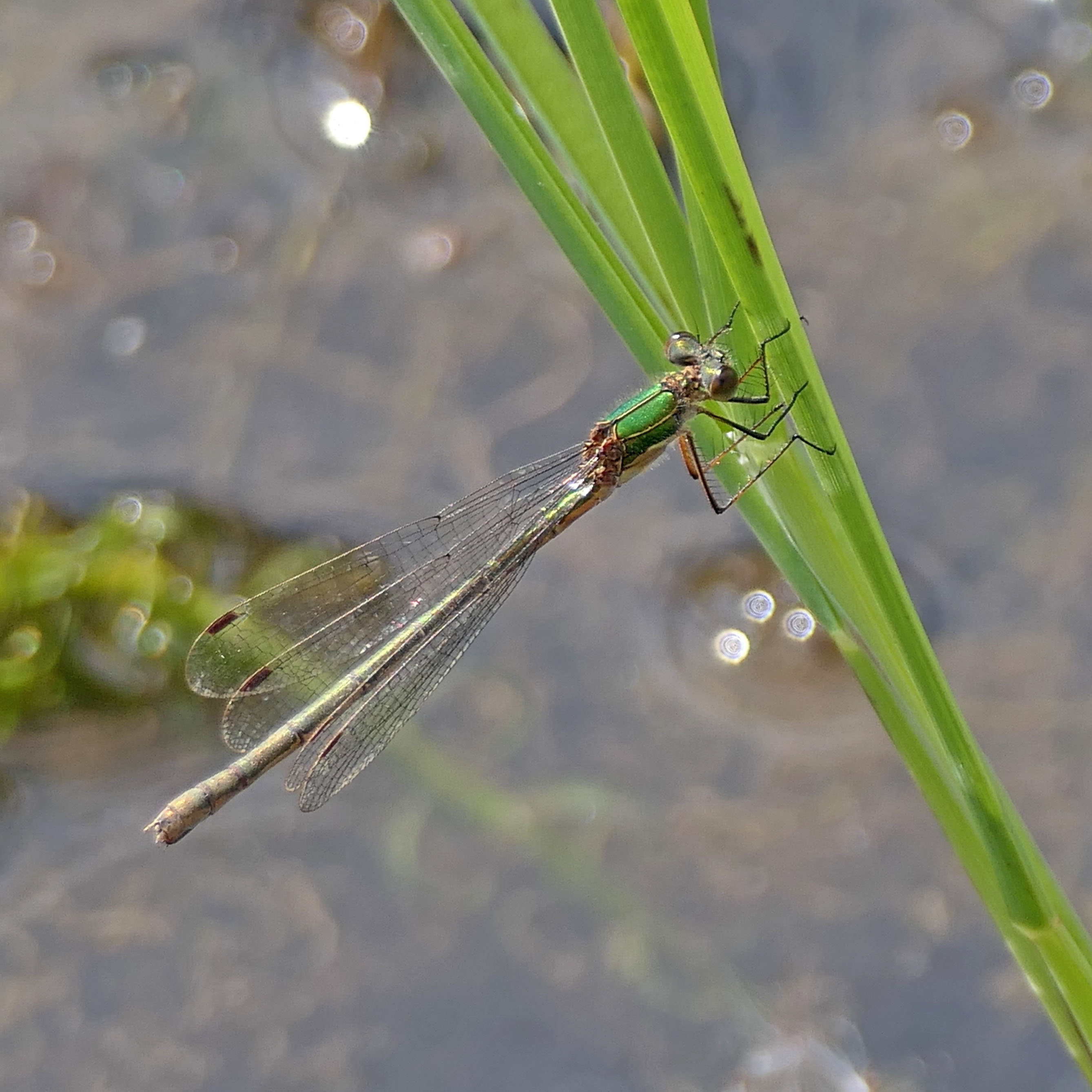
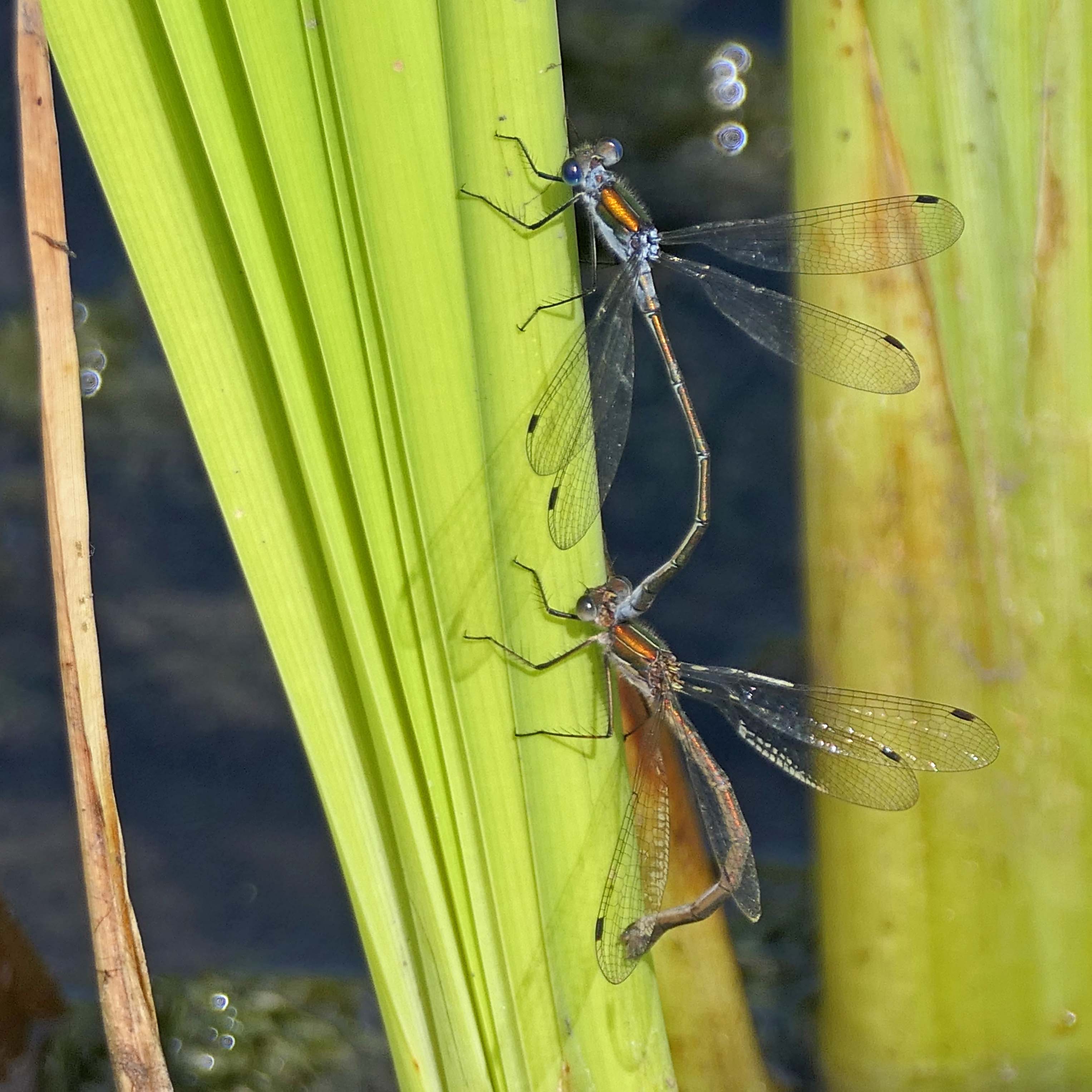
Emeralds are relatively large for damselflies and rest with their wings outspread, hence their European common name, Common spreadwing. Their bodies are metallic green, though the colours of some parts of their abdomens vary depending on whether they are male or female, immature or aging. Emeralds favour shallow standing waters, like bog pools and ponds, especially when these are surrounded by tall grasses, rushes and sedges.



 earthstar
You must be logged in to post a comment.