• ABOUT
  • BIRDING 2018
  • Birding 2019
  • BLOG POSTS
  • Butterflies 2018
  • Resources

earthstar

~ a celebration of nature

earthstar

Tag Archives: Grass vetchling

V is for vetches

27 Friday Dec 2024

Posted by sconzani in wildflowers

≈ Leave a comment

Tags

British wildflowers, Bush vetch, Common vetch, Crown vetch, Grass vetchling, Hairy tare, Meadow vetchling, Tufted vetch, Vetches, vetchlings

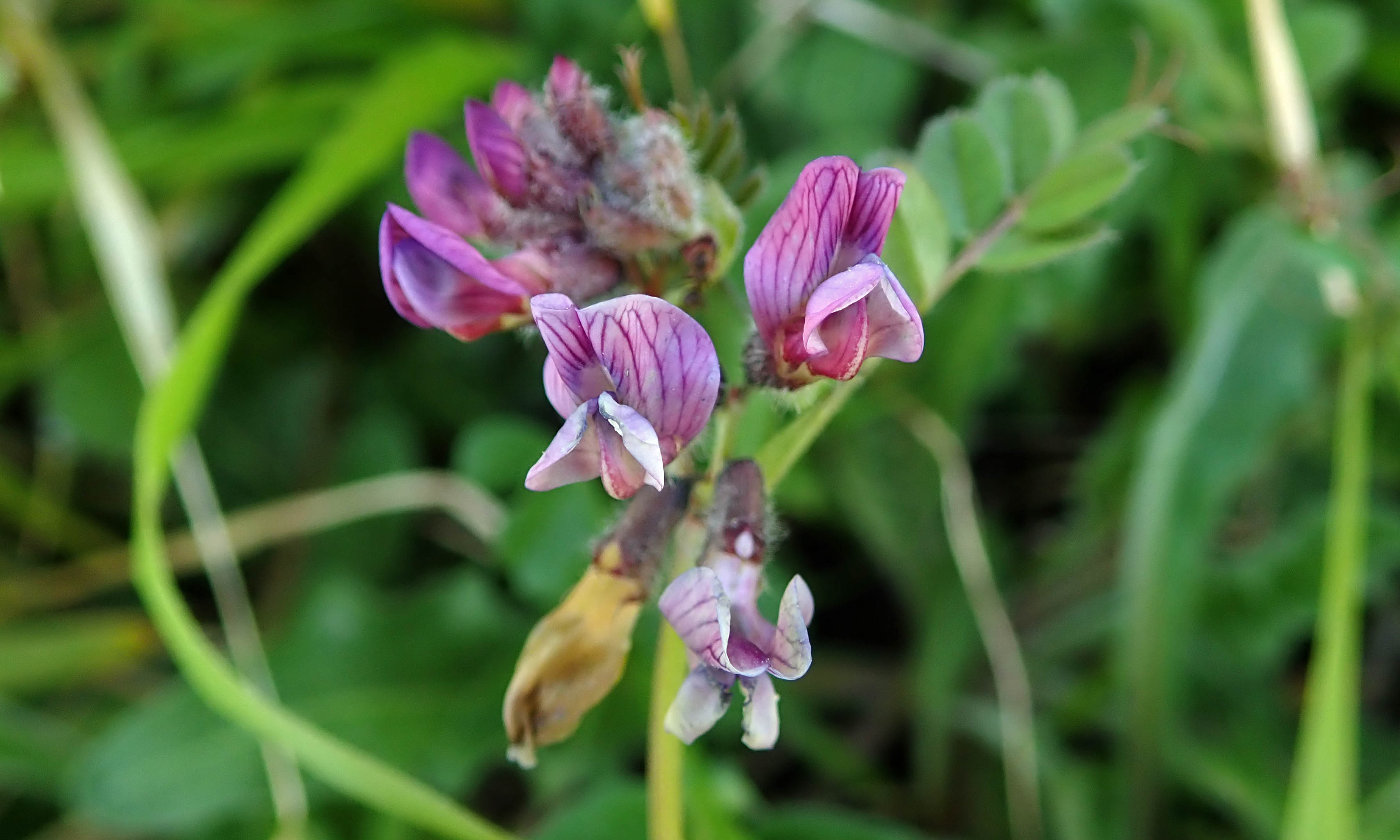
Wildflowers haven’t yet featured in this countdown so today’s post seeks to remedy that omission (you might think the letter W would be the obvious choice but that letter is already allocated to one of this year’s star species – can you guess which?). So, as these gorgeous members of the pea family are some of my favourite wildflowers, this year V is for vetch – and vetchling, and also Hairy tare as it’s one of the Vicia species.

241227 v is for vetch common

Common vetch (Vicia sativa)

241227 v is for vetch bush and crown

Bush vetch (Vicia sepium), left, and Crown vetch (Securigera varia), right

241227 v is for vetch tufted

Tufted vetch (Vicia cracca)

241227 v is for vetch meadow vetchling and hairy tare

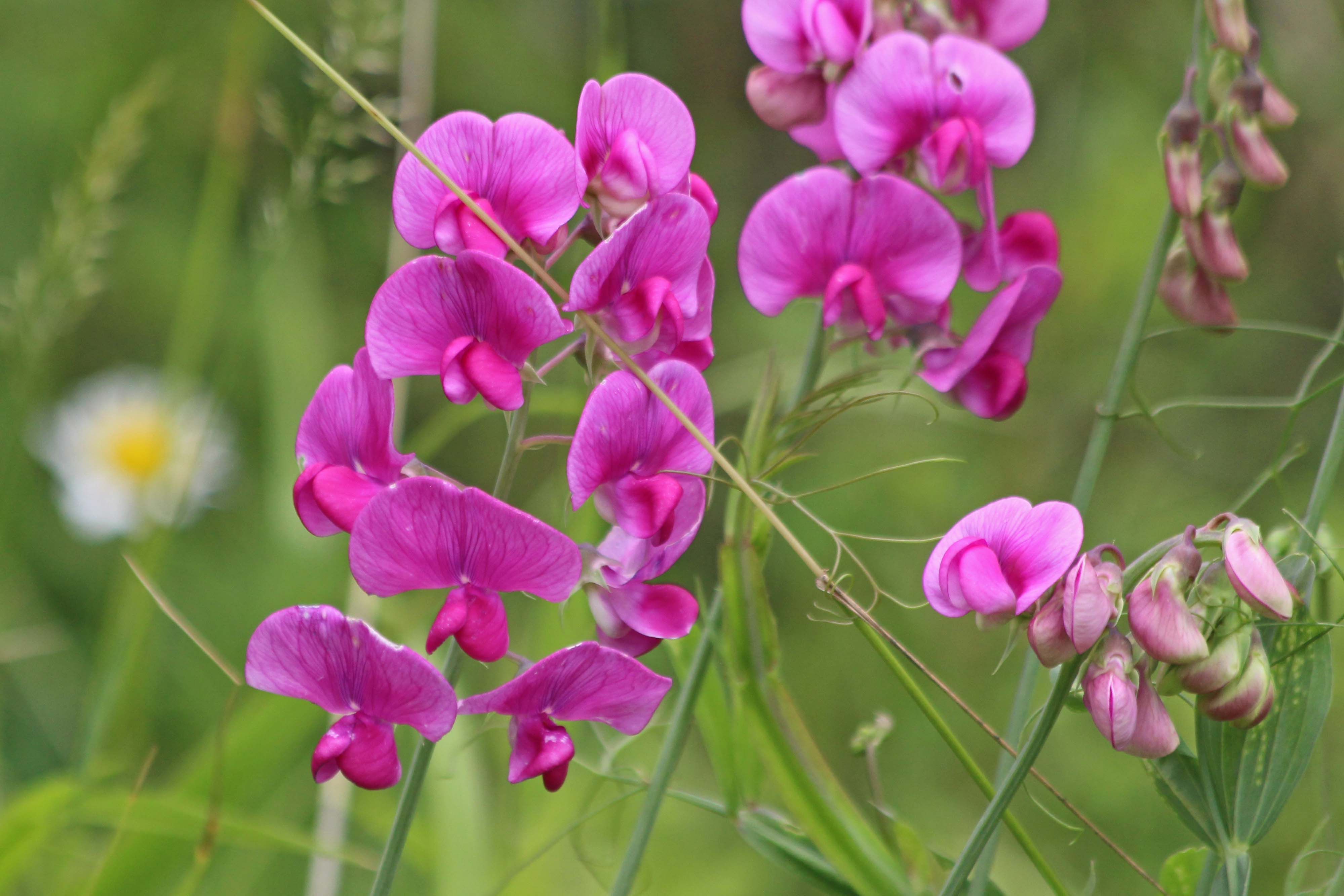
Meadow vetching (Lathyrus pratensis), left, and Hairy tare (Vicia hirsuta), right
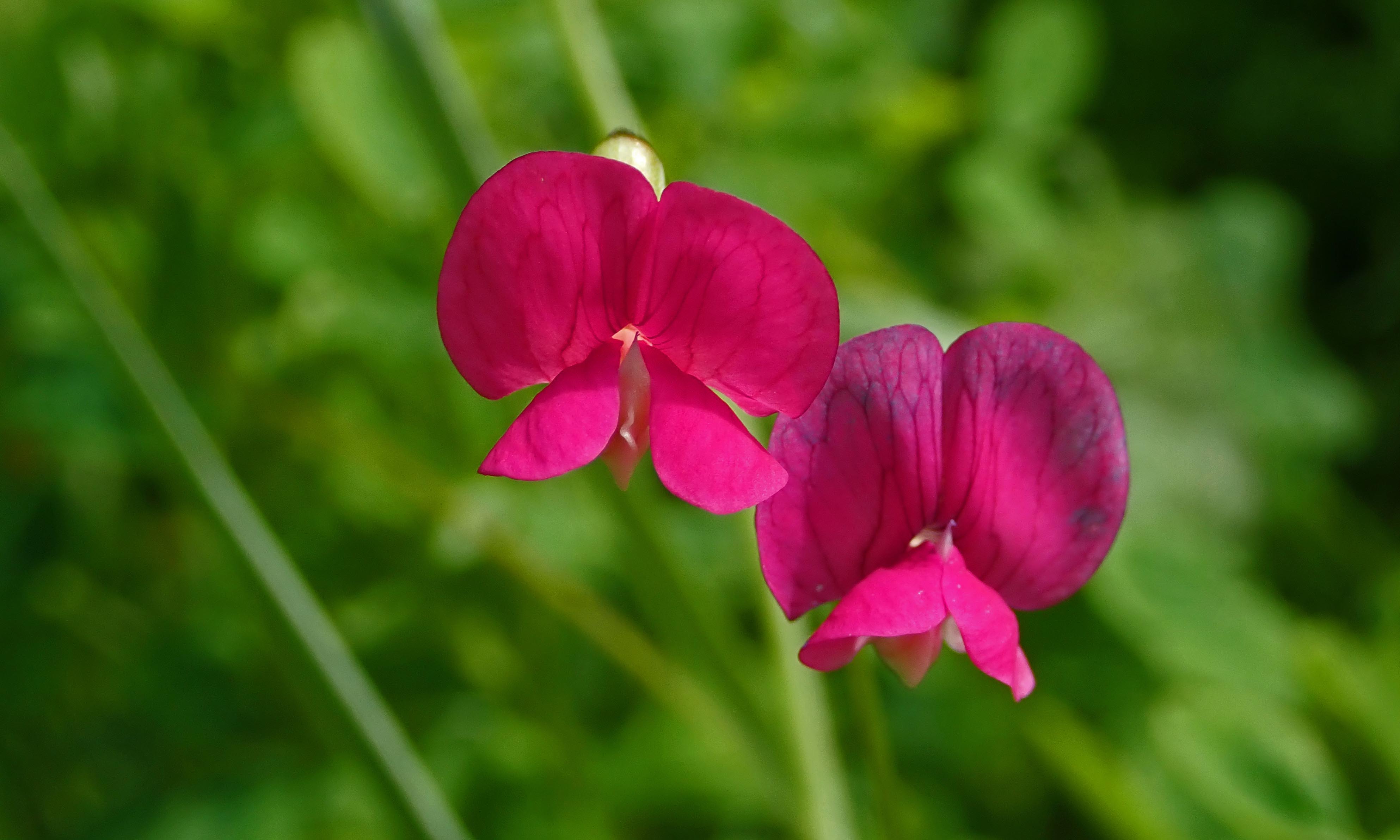
241227 v is for vetch grass vetchling

And, finally, my absolute favourite Grass vetchling (Lathyrus nissolia)

Like Loading...

Just peas, no carrots

19 Sunday May 2024

Posted by sconzani in flowers, wildflowers

≈ 2 Comments

Tags

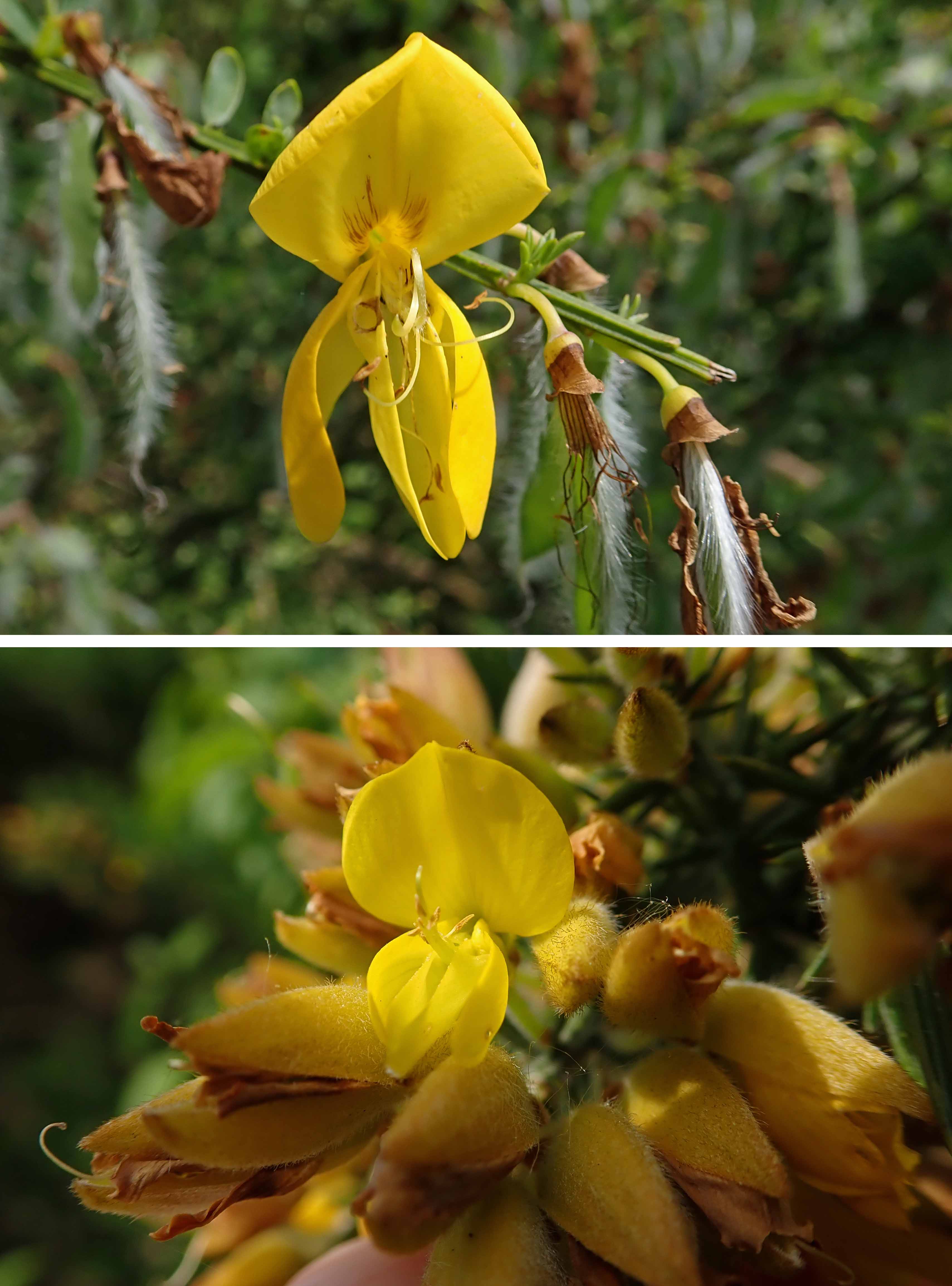
Black medick, British wildflowers, Broom, Bush vetch, Common bird's-foot trefoil, Common vetch, gorse, Grass vetchling, Pea family, red clover, Spotted medick, White clover

The challenge for the regular Sunday night 8-9pm Wildflower Hour (#WildflowerHour on most social media platforms) this week was to find flowering members of the carrot and pea families (#CarrotsAndPeas). I decided, for no particular reason, to stick with the peas, the Leguminosae, and here they are …

240519 birdsfoot trefoil and vetchling grass

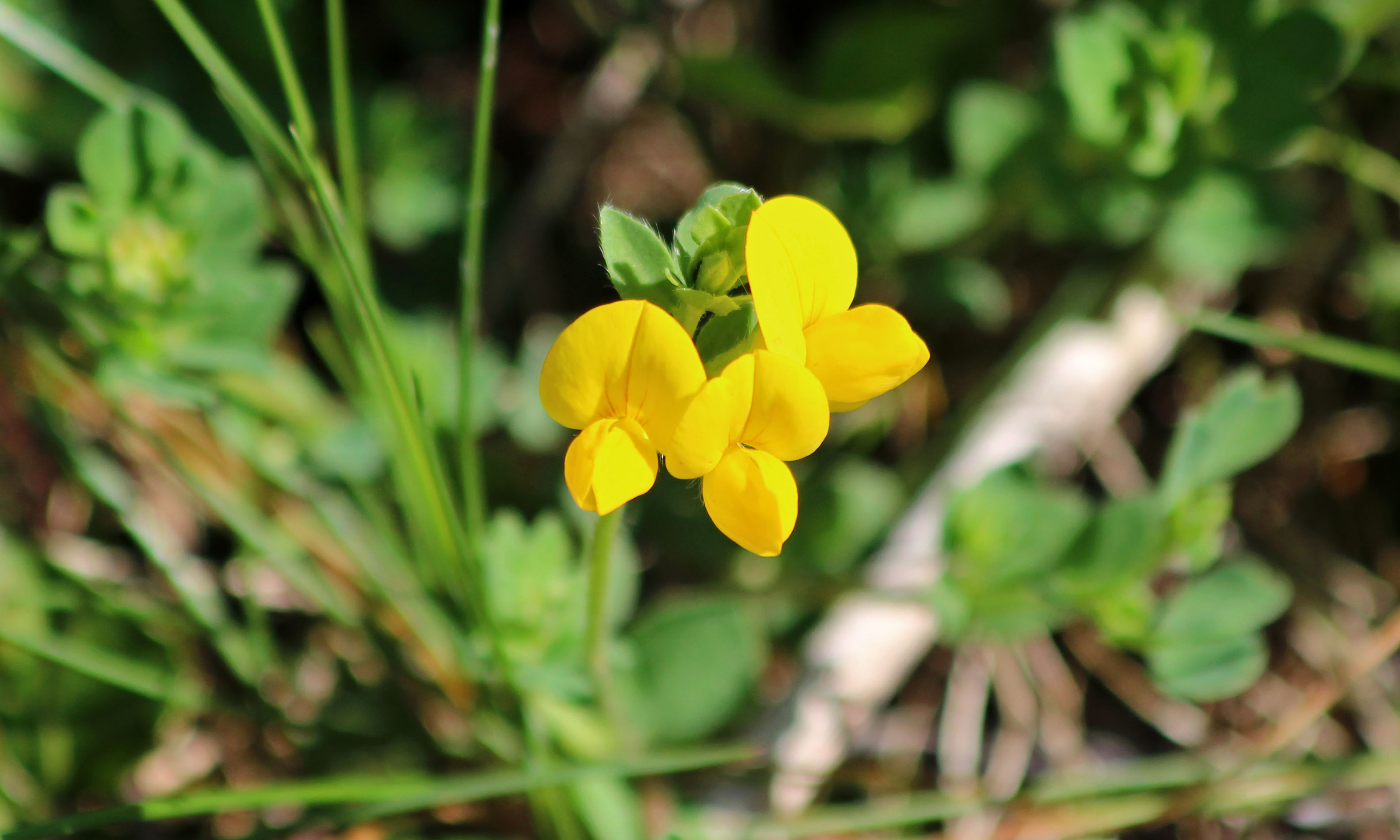
Common bird’s-foot trefoil and Grass vetchling

240519 broom and gorse

Broom and Gorse

240519 clover red and white

Red and White clover

240519 medick black and spotted

Black and Spotted medick. These look very similar so you need to check the leaves: Spotted medick has splotches on its leaves, while the leaves of Black medick have no marks but have tiny points at their ends.

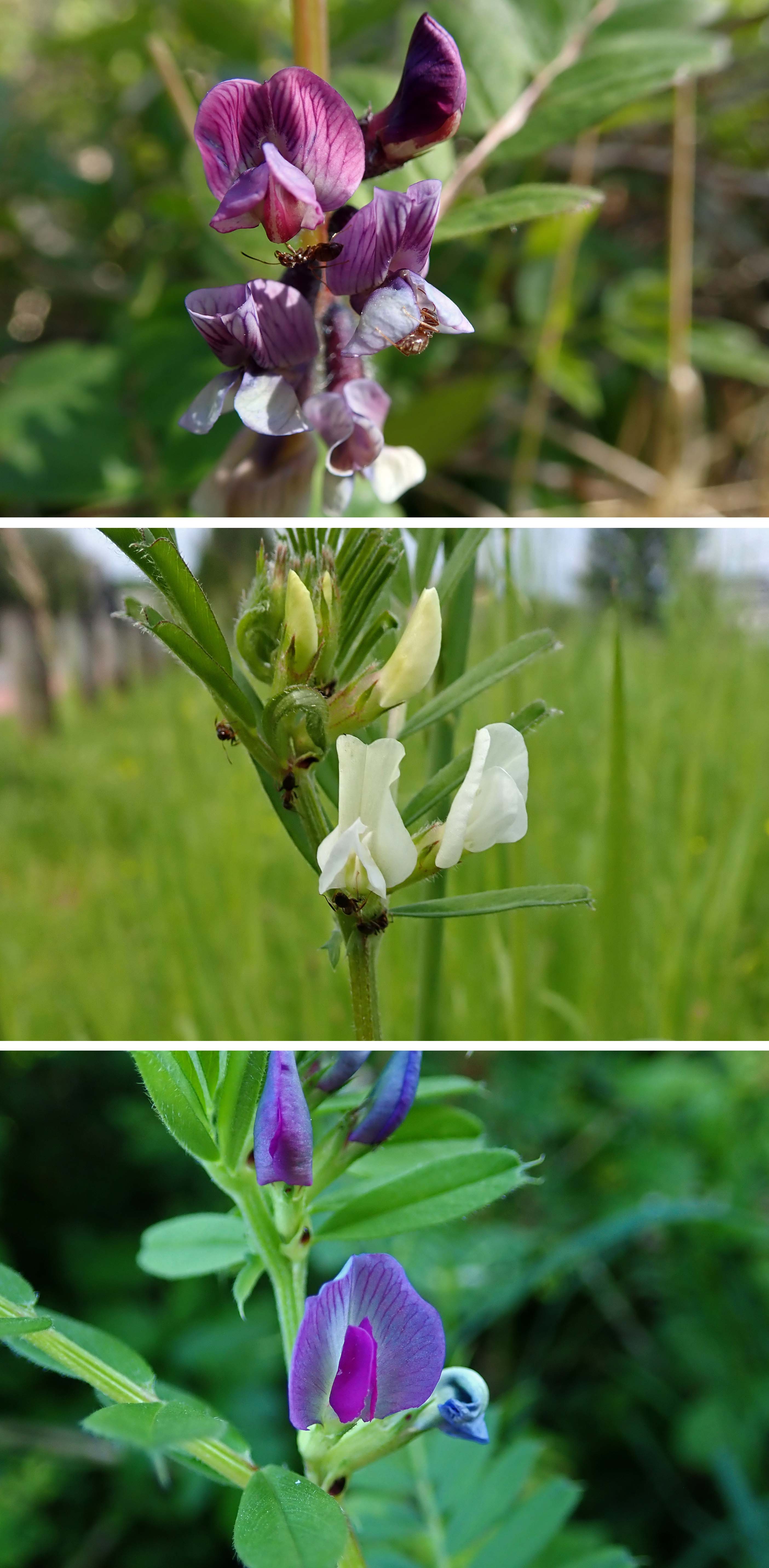
240519 vetch bush and common

Bush vetch (top) and Common vetch (bottom). I’m a bit confused about the white-flowered vetch in the centre – is it Bush or is it Common? I’ll ask the experts on tonight’s Wildflower Hour.

Like Loading...

The Brimstone, the vetch and the ants

20 Friday May 2022

Posted by sconzani in flowers, insects, wildflowers

≈ 2 Comments

Tags

ants, ants nectaring on EFNs, Brimstone, Common vetch, EFNs, extrafloral nectaries, Grass vetchling, nectar sources on plants, Vetches, Vicia species

Two for the price of one today: a lovely female Brimstone butterfly, which I was really happy to catch feeding on Common vetch.

220520 vetch and ants (1)

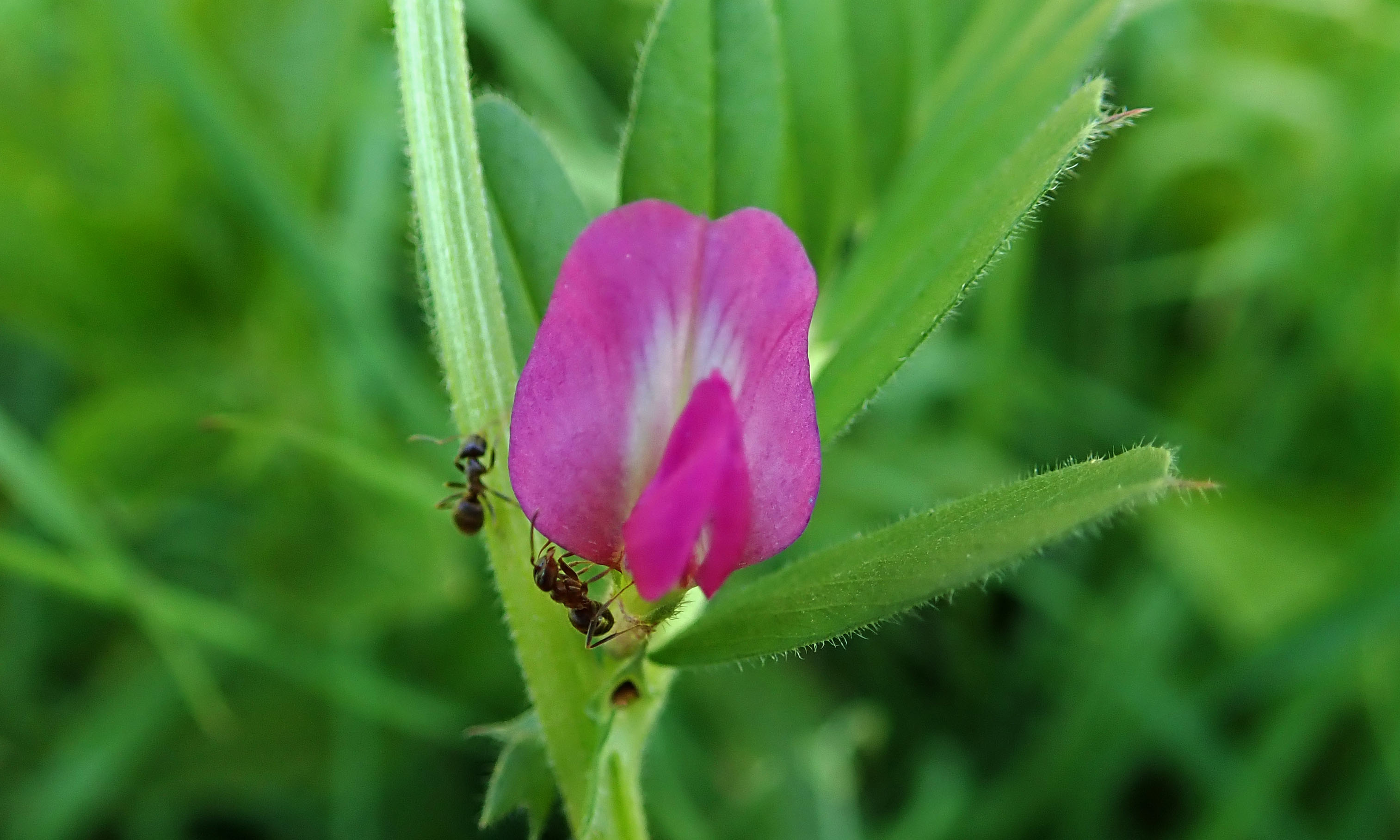
But, lurking beneath the flower, you may be able to spot a small creature. It’s an ant and, if you’ve ever looked closely at the flowers of any of the vetch family (Common, Bush, Tufted, and the vetchlings), you may have noticed they all prove attractive to ants.

220520 vetch and ants (2)

I’ve only recently discovered the reason for this: these plants all have extrafloral nectaries (EFNs), tiny glands on the stems and other areas of a plant, where nectar is secreted. The vetches aren’t the only plants to have these EFNs – according to a report on the University of Florida website (and there are many other scientific papers online, if this subject intrigues you), EFNs have been found in over 2000 plant species. Scientists don’t seem completely sure why plants ‘feed’ ants in this way, though it may be a means of rewarding ant species for their protection against the plant-munching larvae of other insect species.

Like Loading...

208/366 A pod of peas

26 Sunday Jul 2020

Posted by sconzani in nature, wildflowers

≈ 1 Comment

Tags

British wildflowers, Broad-leaved everlasting pea, Common bird's foot trefoil, Goat's-rue, Grass vetchling, Leguminosae, Meadow vetchling, Melilotus species, Pea family

The Pea family (properly known as the Leguminosae) is a large one, and its members are easily recognised by their flower shape. I see them a lot during my meanders – Red and White clovers, the Bird’s-foot trefoil and Melilotus species, Tufted and Bush vetch are all common hereabouts.

200726 1 birds-foot trefoil
200726 1 melilotus sp

200726 2 tufted vetch
200726 2 bush vetch

Those that follow are the peas I see less often, starting with Meadow vetchling (Lathyrus pratensis), which is not an uncommon plant in my area – it’s just that I’ve seen it more often since lockdown started, as my walks have taken me along the less-used footpaths across local farm fields and meadows.

200726 3 meadow vetchling

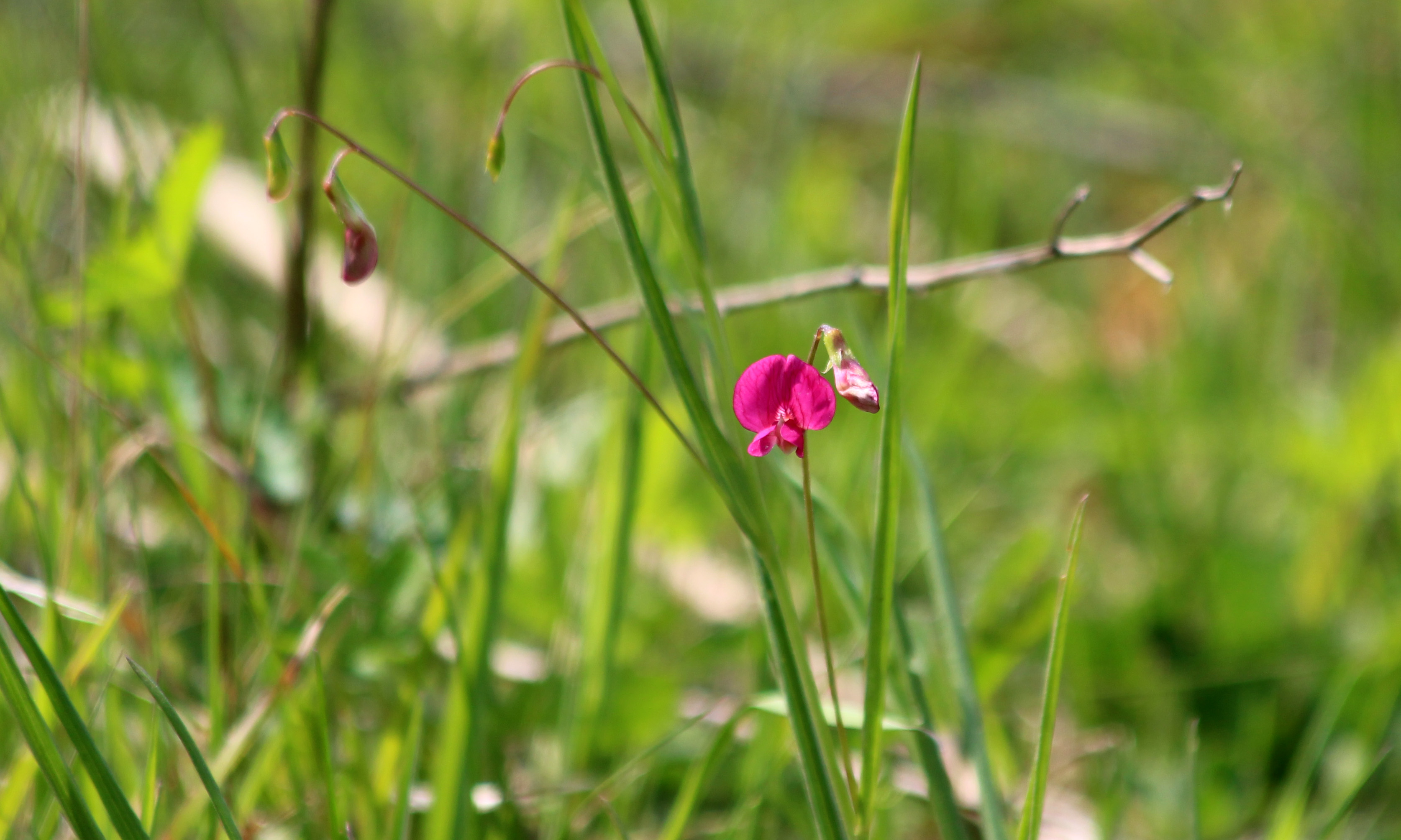
Grass vetchling (Lathyrus nissolia) is less common – or, perhaps, less easily found, as it’s a delicate plant, easily lost amongst the long grass in which it grows, unless you manage to spot its one or two bright pink flowers on fine, tall stems.

200726 4 grass vetchling (2)
200726 4 grass vetchling (1)

Broad-leaved everlasting pea (Lathyrus latifolius): I’ve found this lovely, sprawling pea in two local parks, both former rubbish dumps. It seems an aggressive climber and rambler, adorning bramble and low scrub with its attractive blooms. It is a favourite plant of the Long-tailed blue butterfly so I know where to look if this pretty migrant butterfly ever decides to fly as far as south Wales.

200726 5 broad-leaved everlasting pea

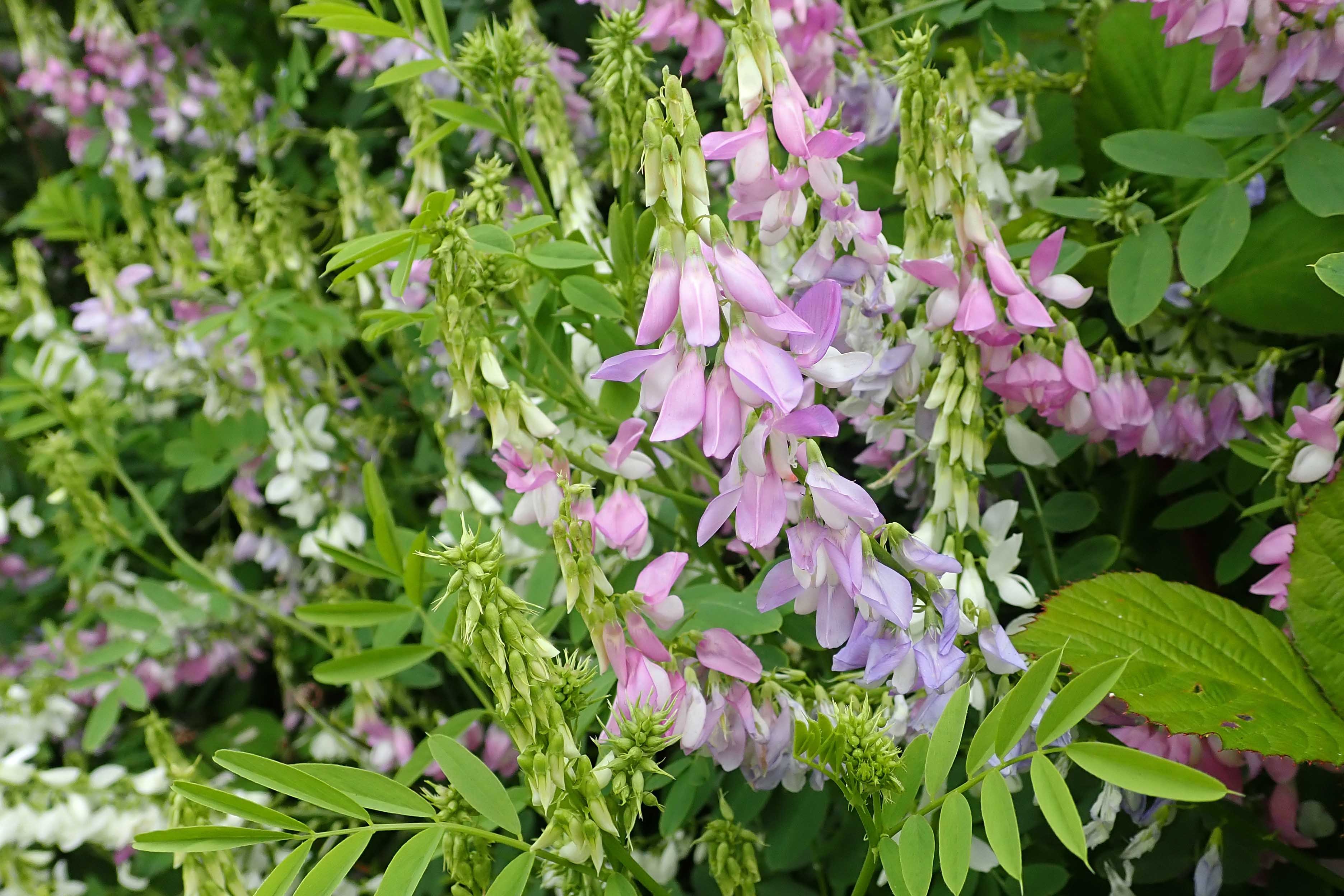
Goat’s rue (Galega officinalis) is new to me, and I’ve only seen it in one location, near a large local hospital, perhaps blown in by the constant comings and goings of traffic. My Flora Britannica says it ‘was introduced … in the sixteenth century as a vegetable and medicinal herb, and later grown for ornament’. It certainly has very beautiful flowers.

200726 6 goats-rue

Like Loading...

117/366 It’s Pea time

26 Sunday Apr 2020

Posted by sconzani in nature, spring, wildflowers

≈ Leave a comment

Tags

British wildflowers, Bush vetch, Common bird's foot trefoil, Common vetch, Grass vetchling, Red campion, Spring colour, spring wildflowers

You know the summer’s not far away when members of the extensive Pea family start to flower and, during this week’s exercise walks, I’ve spotted four Pea species newly come in to flower. The first were three of the vetches …

200426 Bush vetch

Bush vetch (Vicia sepium)

200426 Common vetch

Common vetch (Vicia sativa) … and friends.

200426 Grass vetchling

Grass vetchling (Lathyrus nissolia)
200426 bird's-foot trefoil

And, also, one of my all-time favourites – possibly because it’s also a favourite with a lot of the butterflies and day-flying moths I adore so much, Common bird’s-foot trefoil (Lotus corniculatus).

200426 Red campion

Oh, and this week’s new blooms also included one not-a-pea wildflower, the always lovely Red campion (Silene dioica).

Like Loading...

About me

sconzani

sconzani

I'm a writer and photographer; researcher and blogger; birder and nature lover; countryside rambler and city strider; volunteer and biodiversity recorder.

View Full Profile →

Follow earthstar on WordPress.com

Enter your email address to follow this blog and receive notifications of new posts by email.

Recent blog posts

  • Weevil: Mecinus pyraster January 10, 2026
  • Red in beak and claw January 9, 2026
  • Who’s watching who? January 8, 2026
  • Springtail: Orchesella cincta January 7, 2026
  • A good year for Redwings January 6, 2026

From the archives

COPYRIGHT

Unless otherwise acknowledged, the text and photographs on this blog are my own and are subject to international copyright. Nothing may be downloaded or copied without my permission.

Fellow Earth Stars!

  • Unknown's avatar
  • Unknown's avatar
  • Unknown's avatar
  • Unknown's avatar
  • Unknown's avatar
  • Unknown's avatar
  • Unknown's avatar
  • Unknown's avatar
  • Unknown's avatar
  • Unknown's avatar
  • Unknown's avatar
  • Unknown's avatar
  • Unknown's avatar
  • Unknown's avatar
  • Unknown's avatar
  • Unknown's avatar
  • Unknown's avatar
  • Unknown's avatar
  • Unknown's avatar
  • Unknown's avatar
  • Unknown's avatar
  • Unknown's avatar
  • Unknown's avatar
  • Unknown's avatar
  • Unknown's avatar
  • Unknown's avatar
  • Unknown's avatar
  • Unknown's avatar
  • Unknown's avatar
  • Unknown's avatar
  • Unknown's avatar
  • Unknown's avatar
  • Unknown's avatar
  • Unknown's avatar
  • Unknown's avatar
  • Unknown's avatar
  • Unknown's avatar
  • Unknown's avatar
  • Unknown's avatar
  • Unknown's avatar
  • Unknown's avatar
  • Unknown's avatar
  • Unknown's avatar
  • Unknown's avatar
  • Unknown's avatar
  • Unknown's avatar
  • Unknown's avatar
  • Unknown's avatar
  • Unknown's avatar
  • Unknown's avatar

Blog at WordPress.com.

Privacy & Cookies: This site uses cookies. By continuing to use this website, you agree to their use.
To find out more, including how to control cookies, see here: Cookie Policy
  • Subscribe Subscribed
    • earthstar
    • Join 669 other subscribers
    • Already have a WordPress.com account? Log in now.
    • earthstar
    • Subscribe Subscribed
    • Sign up
    • Log in
    • Report this content
    • View site in Reader
    • Manage subscriptions
    • Collapse this bar
 

Loading Comments...
 

You must be logged in to post a comment.

    %d