• ABOUT
  • BIRDING 2018
  • Birding 2019
  • BLOG POSTS
  • Butterflies 2018
  • Resources

earthstar

~ a celebration of nature

earthstar

Tag Archives: moth

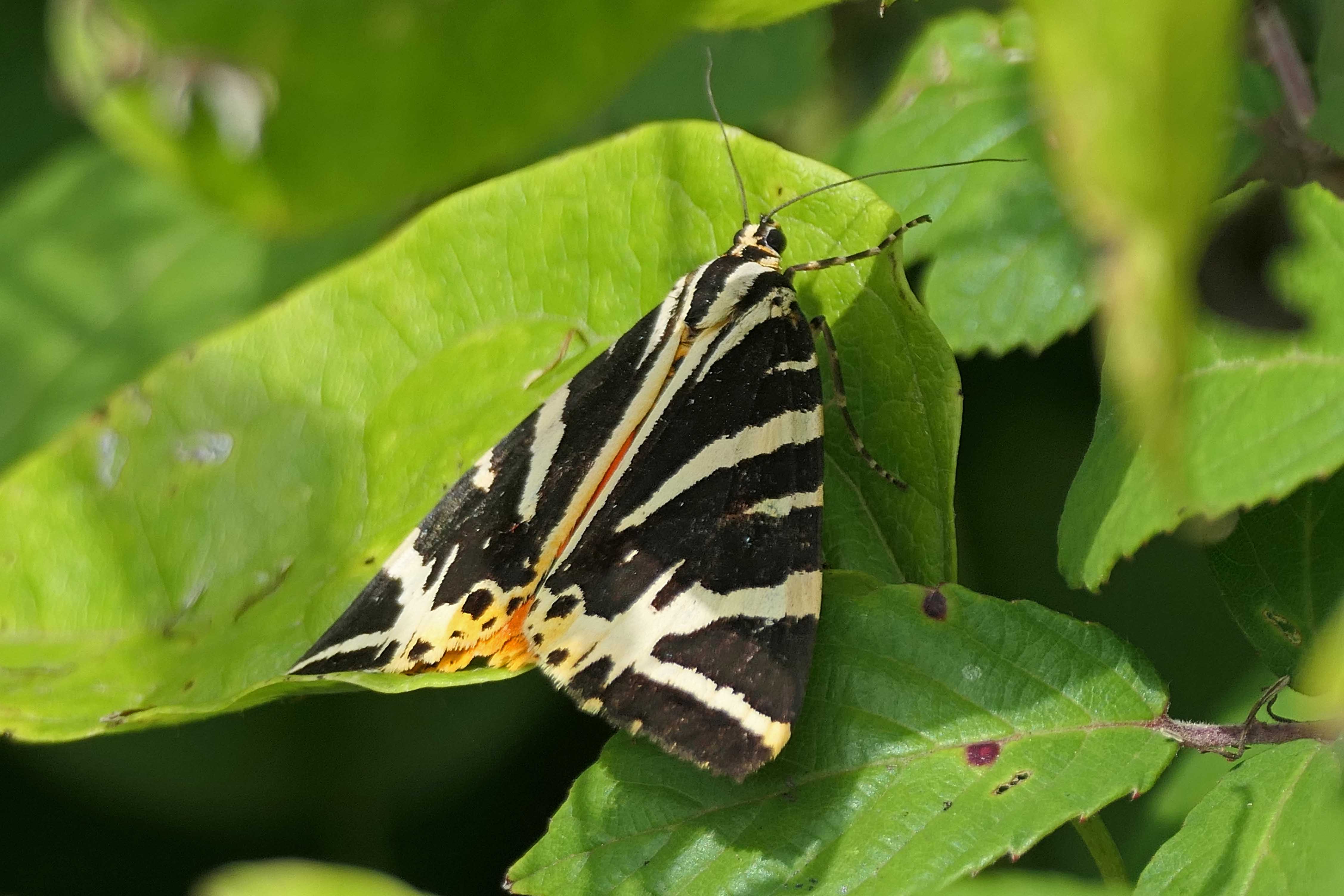
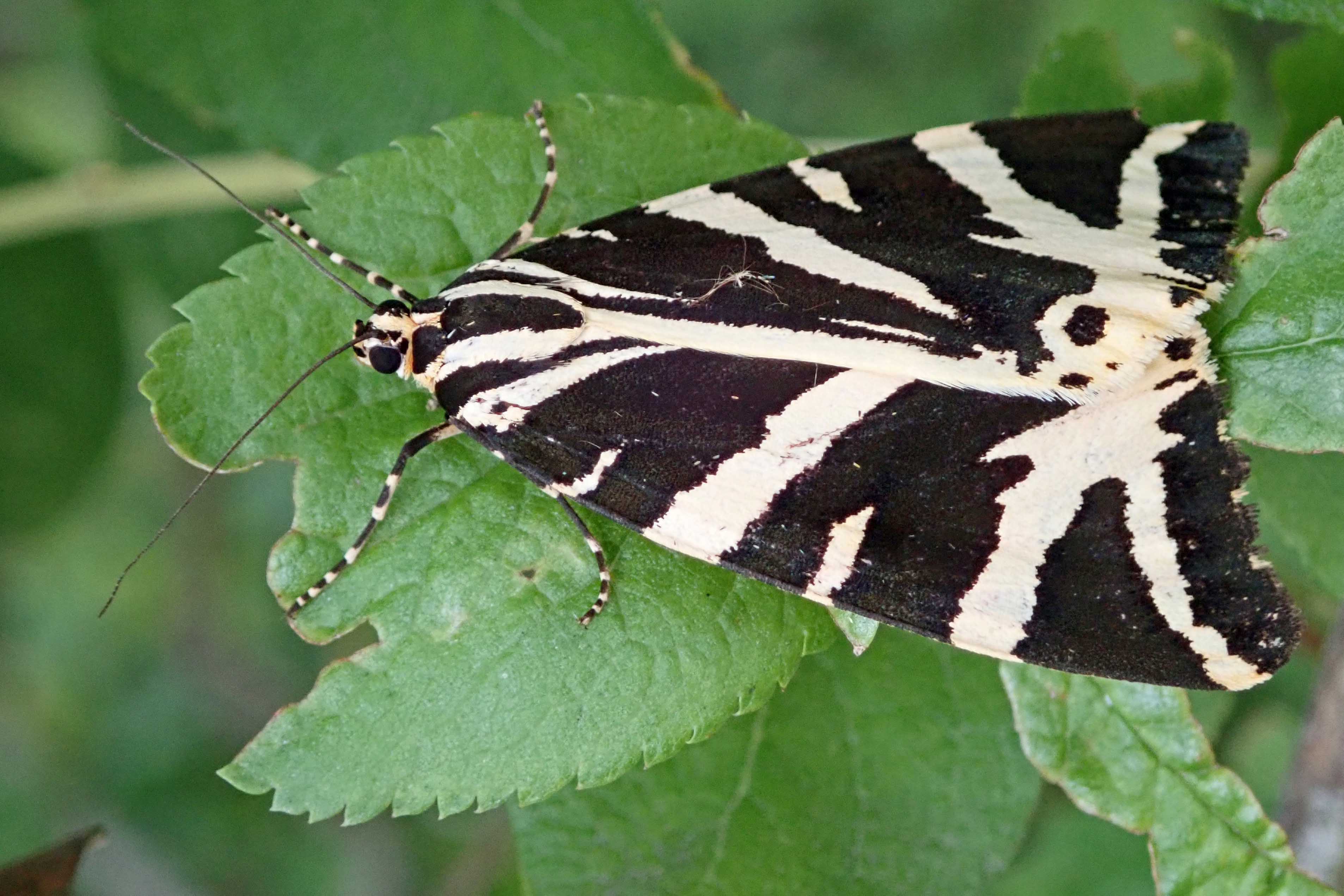
J is for Jersey tiger

15 Monday Dec 2025

Posted by sconzani in insects

≈ Leave a comment

Tags

British moths, climate change affecting wildlife, Euplagia quadripunctaria, Jersey tiger, Jersey tiger moth, moth

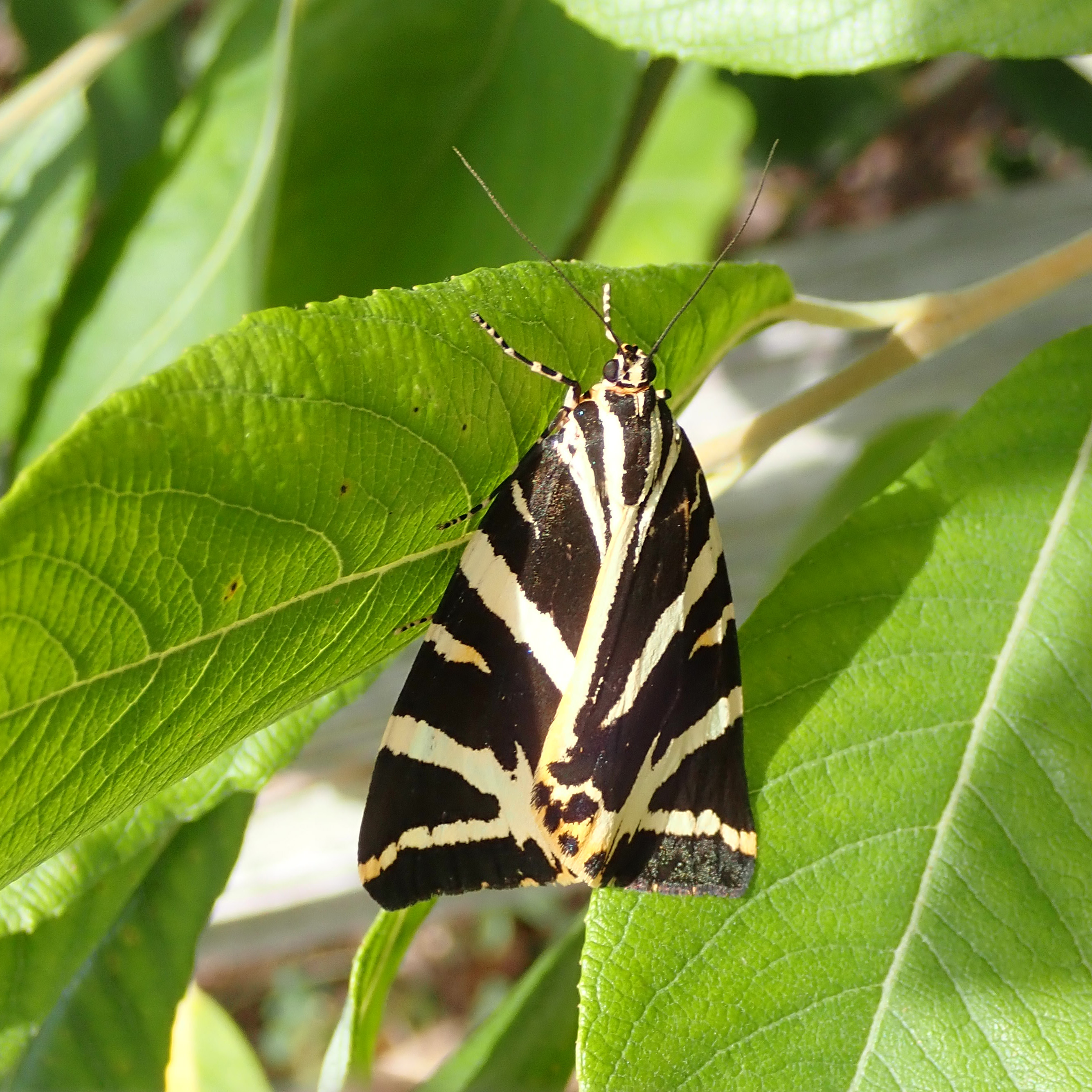
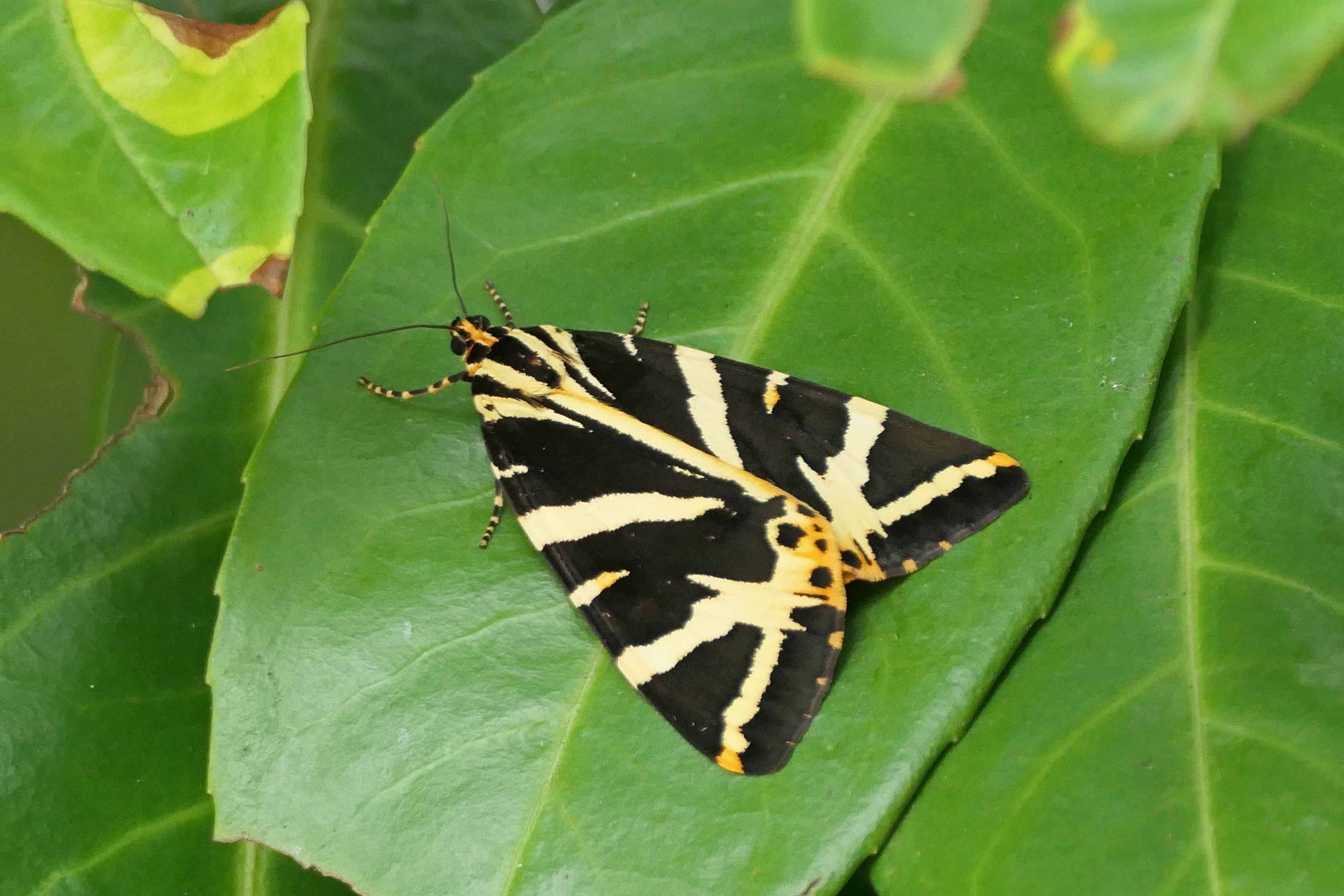
As I wrote on 30 August, after a lull in sightings over the past couple of years, 2025 was A good year for Jersey tigers, and it seems very likely that our changing climate has a lot to do with this year’s notable increase in sightings of this stunning moth.

Like Loading...

Location location location

28 Friday Nov 2025

Posted by sconzani in insects

≈ 2 Comments

Tags

British moths, Erannis defoliaria, moth, moths attracted to lights, Mottled umber, Operophtera brumata, Winter moth

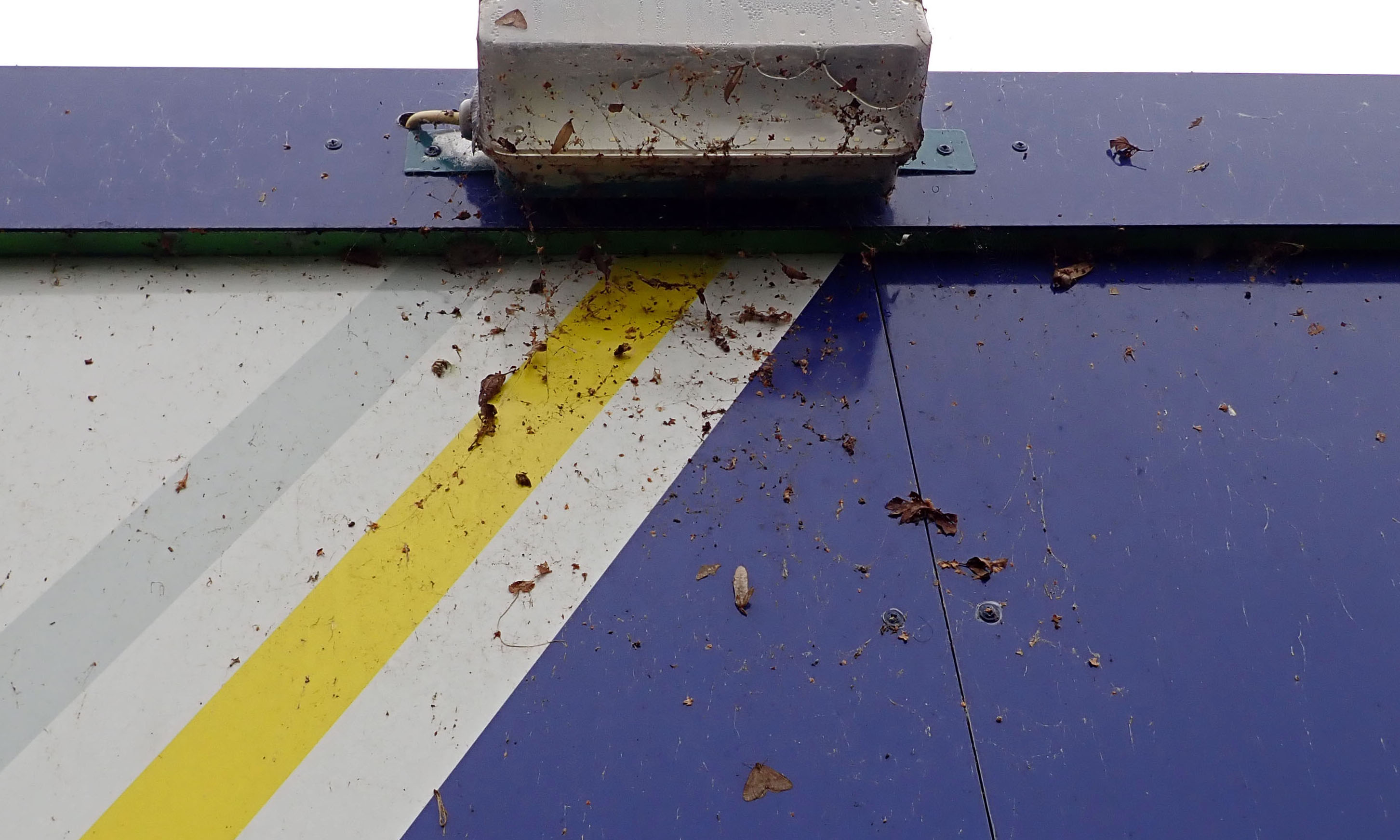
Over the summer months I discovered how productive the solid fencing around this building site alongside the River Taff was for insect finds. A section of the fence along the access track to the site was where I saw my first Large white butterfly pupae and, subsequently, the parasitic wasps that preyed on them and were, in turn, the victims of other parasitic wasps (see Large whites and parasitism, part 1, 23 June and Large whites and parasitism, part 2, 24 June).

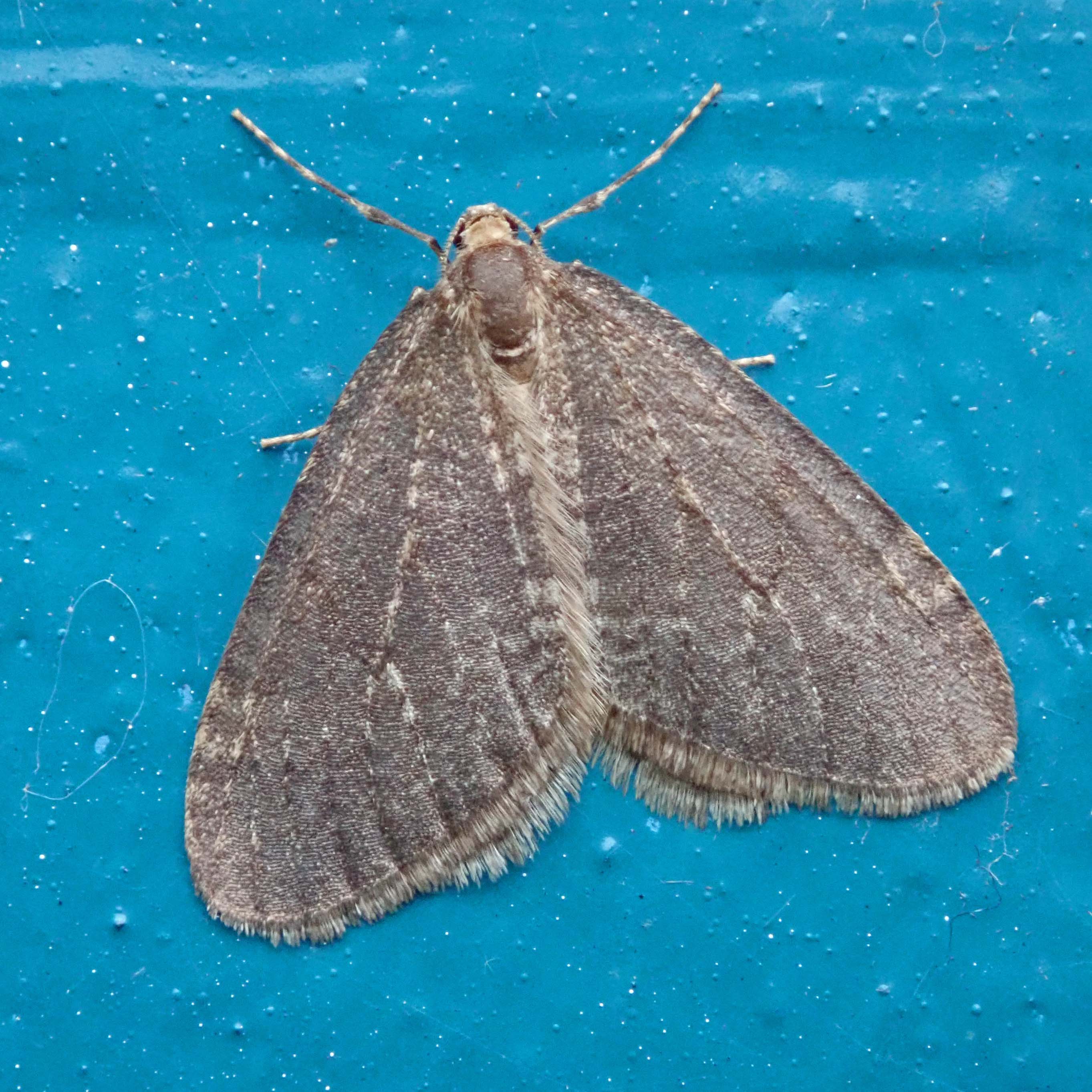
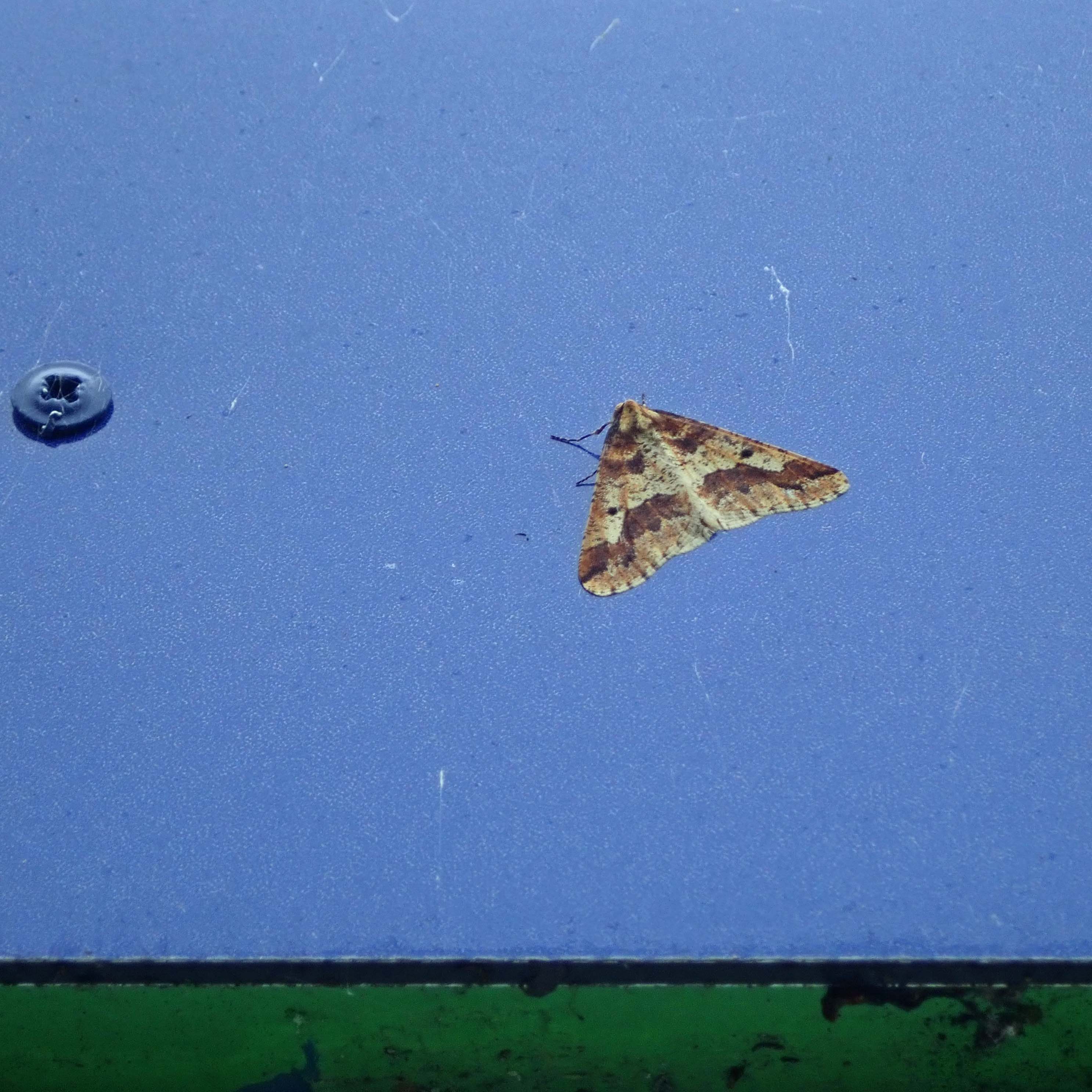
The interesting finds have continued with the changing seasons. Yesterday, when I walked slowly past, though there were several different creatures (including at least one Noble false widow spider), the highlights were moths, drawn to the wall, no doubt, by the lights that illuminate the wall at night. Yesterday’s finds were four Winter moths (Operophtera brumata) and a Mottled umber (Erannis defoliaria).

Like Loading...

A Vapourer update

25 Tuesday Nov 2025

Posted by sconzani in insects

≈ 1 Comment

Tags

female Vapourer, flightless female moth, moth, Orgyia antiqua, The Vapourer, Vapourer moth

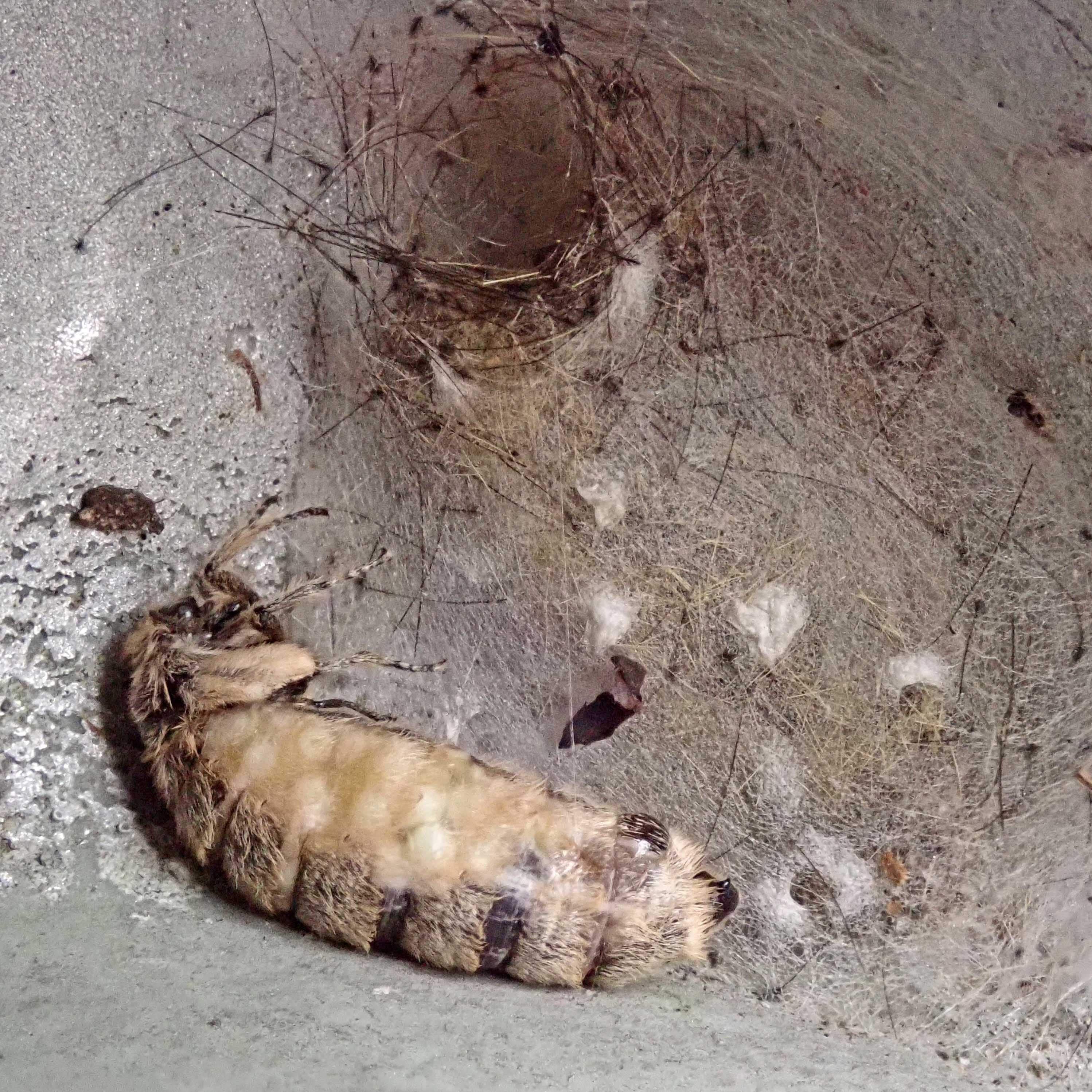
Yesterday’s walk took me past the location where I found A female Vapourer last week. She was still there, but dead. I knew the females died soon after laying their eggs but I presume she had emerged too late in the year to attract a male (the UK Moths website says ‘the adults are out from July to September, sometimes October in the south’) as there were no eggs. I know this is just the way Nature works sometimes but I still felt a little sad that this lovely moth hadn’t been able to complete her purpose in life.

Like Loading...

A female Vapourer

18 Tuesday Nov 2025

Posted by sconzani in insects

≈ Leave a comment

Tags

British moths, female Vapourer, flightless female moth, moth, Orgyia antiqua, The Vapourer, Vapourer cocoon, Vapourer eggs

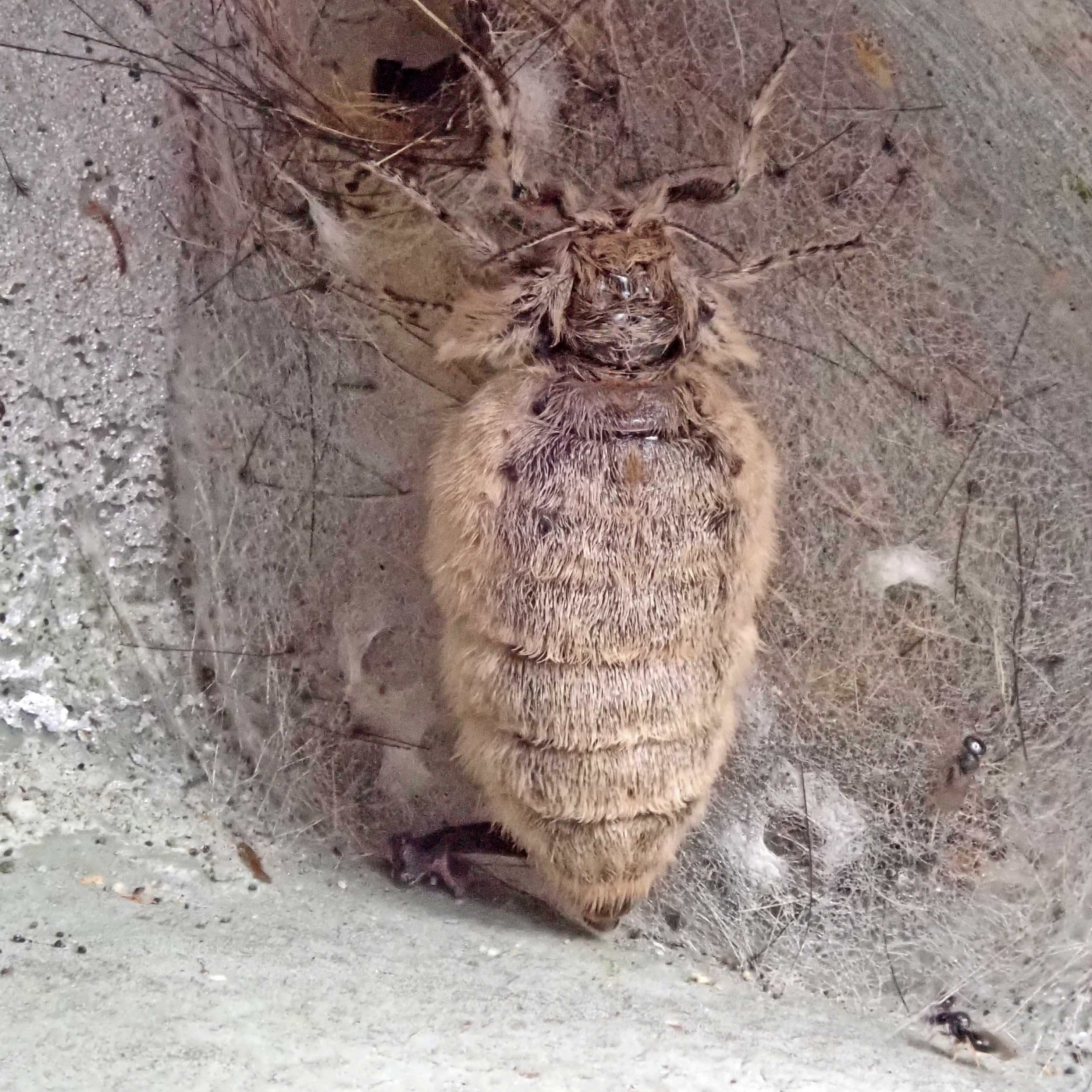
The highlight of my walk last Saturday was finding my first female Vapourer moth (Orgyia antiqua), sitting on her cocoon, presumably newly emerged.

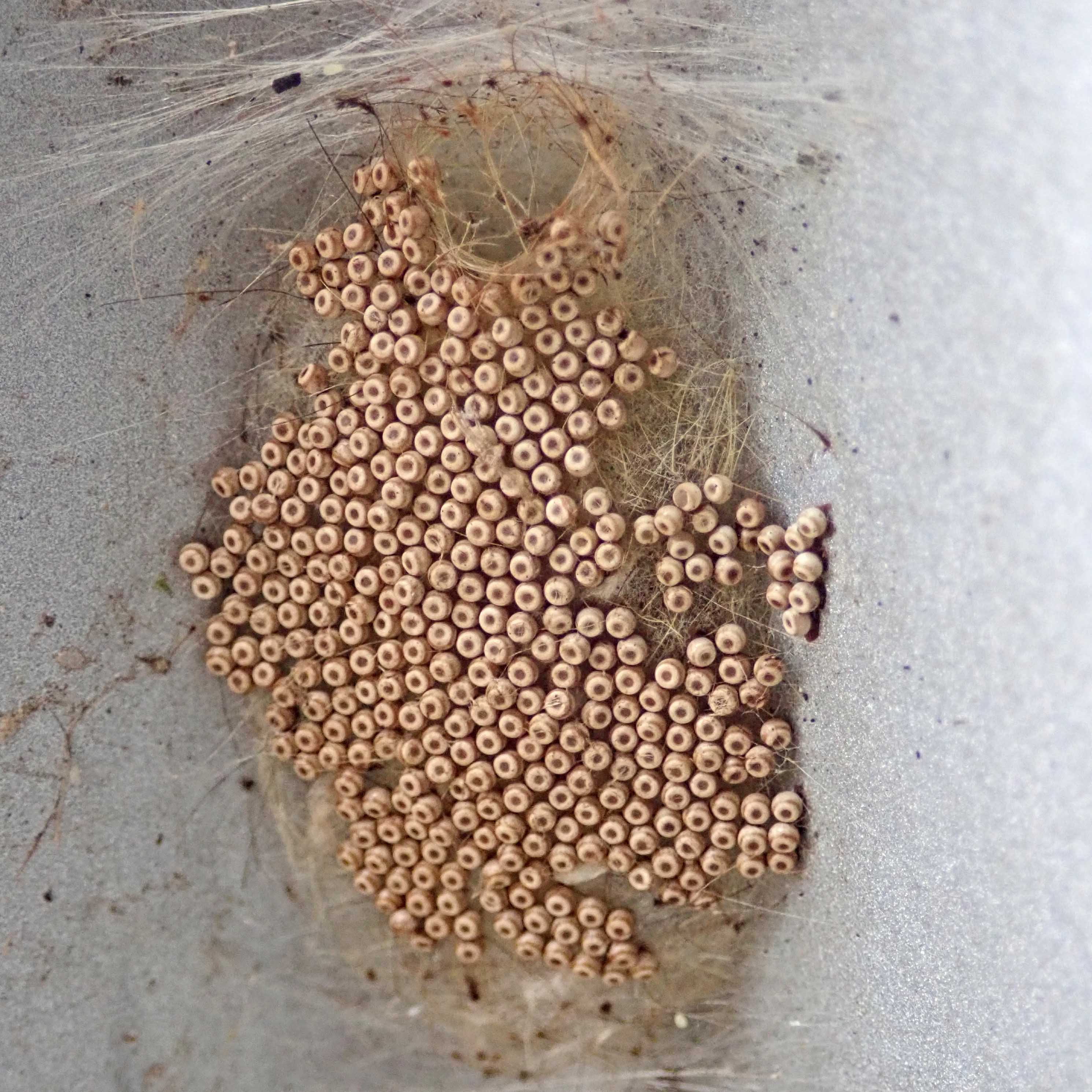
Now, you might look at her and think ‘That doesn’t look like a moth. Where are the wings?’ That’s the amazing thing about a female Vapourer – she’s almost wingless; her wings are so tiny that she’s unable to fly. Once she hatches, the female sits on her cocoon, as this one was, emitting pheromones and waiting for a male to fly by, notice and mate with her. Then, she’ll lay her eggs on the outside of her empty cocoon (as you can see on the other cocoon I found very close to the female, and which I also blogged about earlier this year: Vapourer pupa and eggs, January 2025). As she can’t fly, the female can’t feed, so she will die soon after laying her eggs.

Ominously, there were tiny parasitic wasps hanging around the female, presumably waiting to inject her eggs, so some of those eggs may not produce caterpillars come the spring.

Like Loading...

More moth appreciation

10 Wednesday Sep 2025

Posted by sconzani in insects

≈ Leave a comment

Tags

Bird-cherry ermine, British moths, moth, Nomophila noctuella, Orchard ermine, Pleuroptya ruralis, Pyrausta aurata, Yponomeuta evonymella, Yponomeuta padella

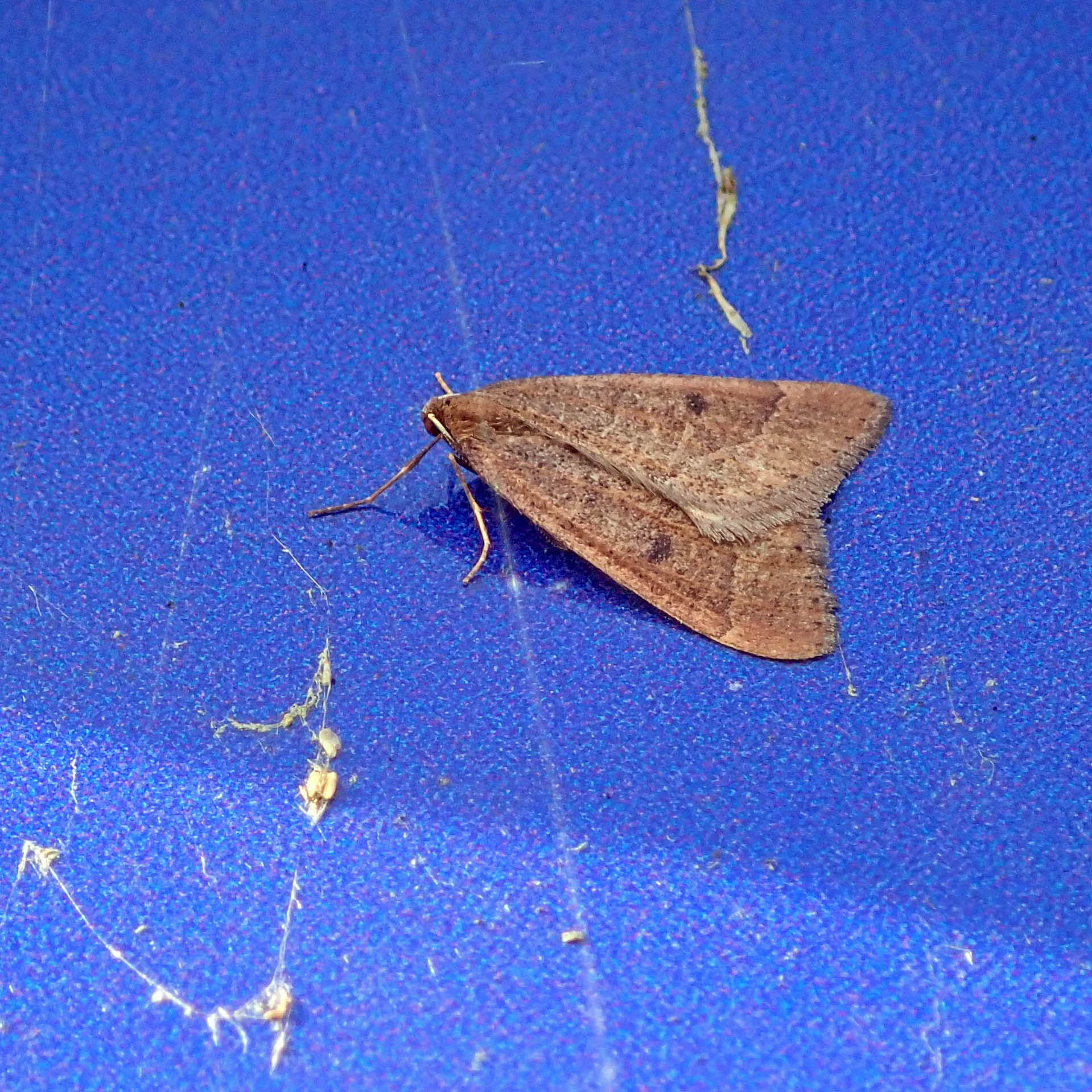
It’s moth appreciation time. Here are a few recent finds …
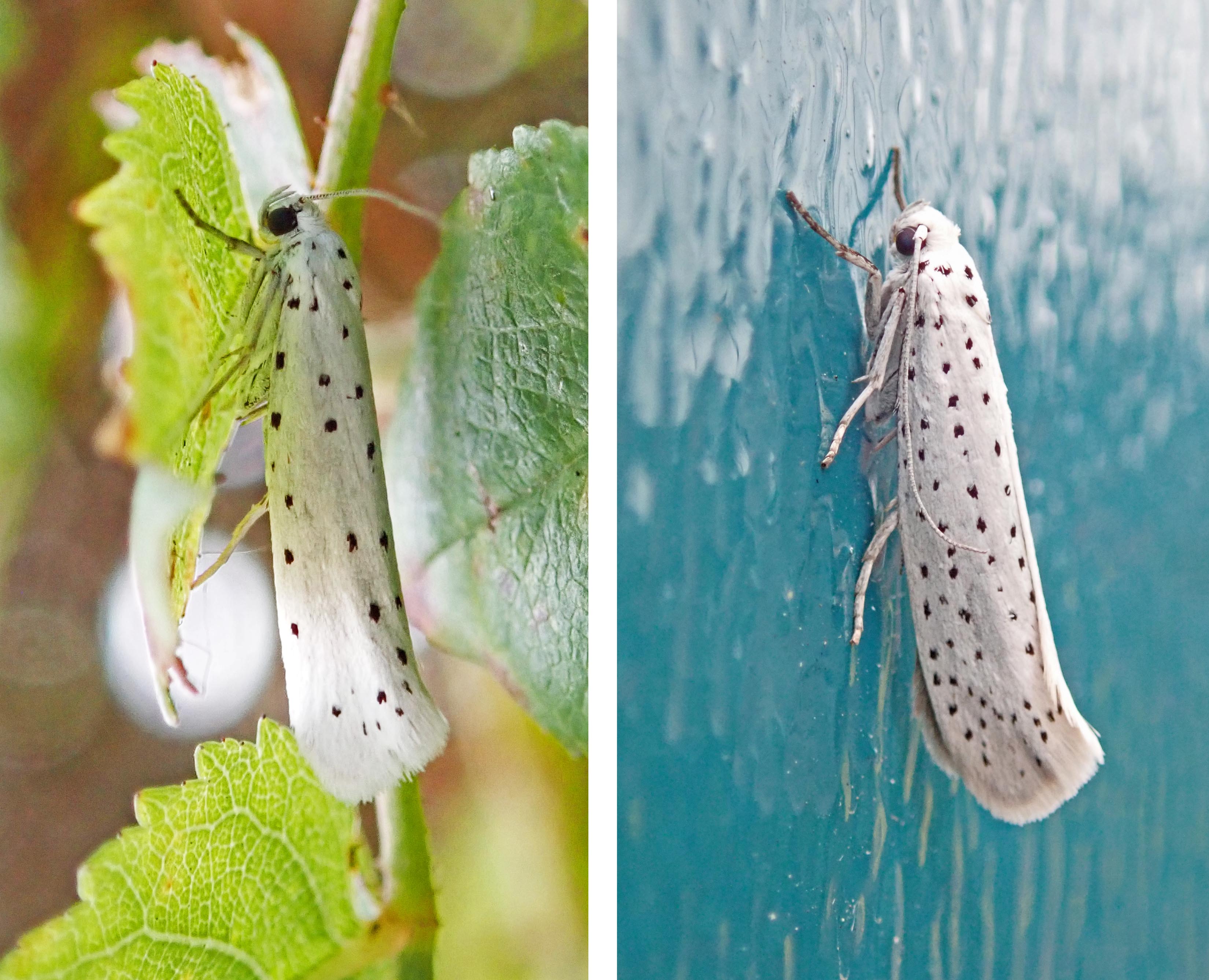
I thought it would be interesting to place these two ermine moths together so as to show their differences. On the left is an Orchard ermine (Yponomeuta padella), on the right a Bird-cherry ermine (Yponomeuta evonymella). To identify these and the several other species of ermine moths, you need to look carefully at the patterns of their spots and also at their food plants. The Bird-cherry has five rows of black dots on the forewing, so is quite distinctive. The Orchard ermine is very similar in appearance to a couple of other ermines, the Apple ermine and the Spindle ermine, so knowing their food plants is a great help (for the Orchard, they are Blackthorn, Hawthorn and Cherry, while the key to the other two is in their names, Apple and Spindle).
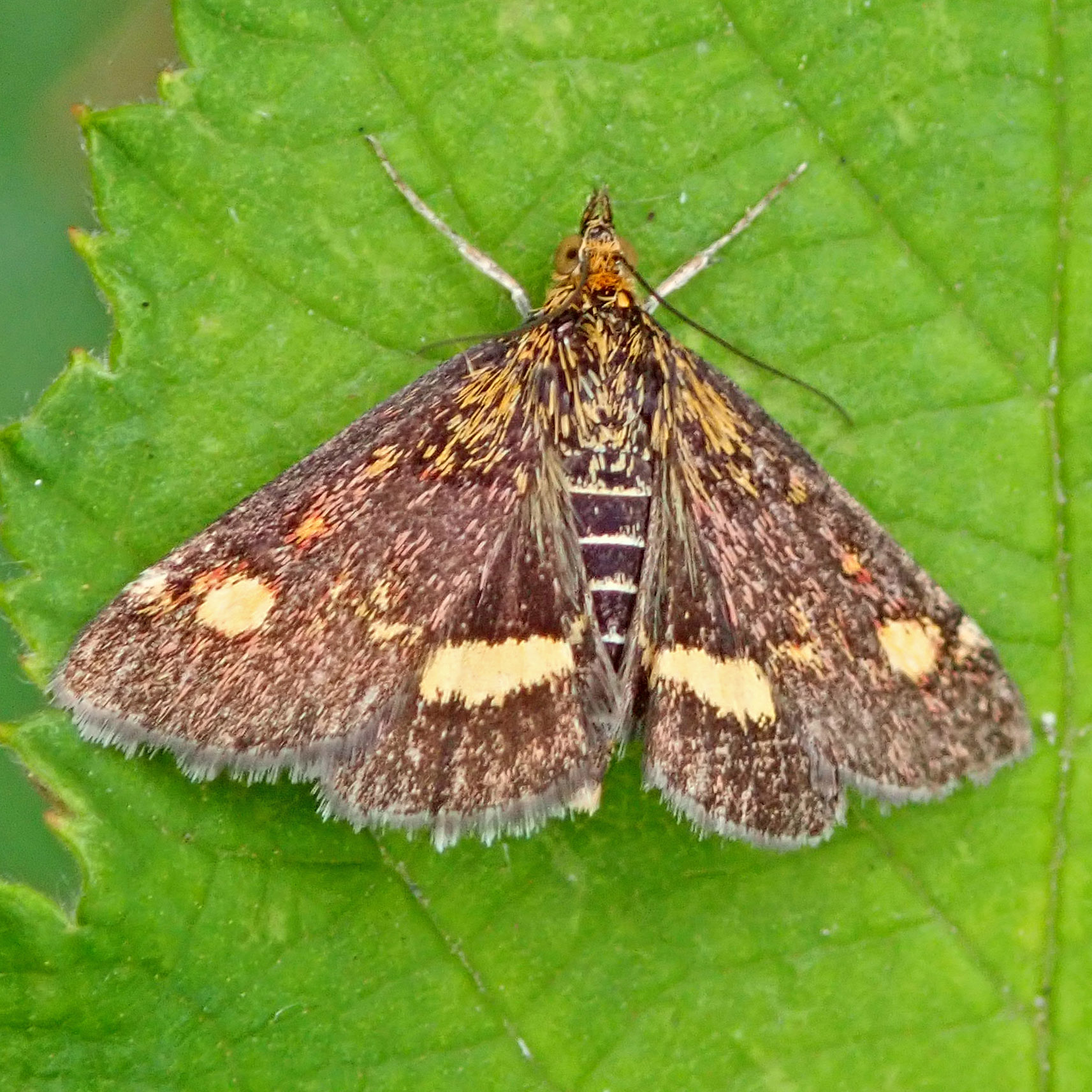
The Mint moth (Pyrausta aurata) can also be a bit tricksy to ID, as it’s very similar to the Common purple-and-gold (Pyrausta purpuralis), but the latter has distinctive light spots on its hind wings, which the Mint moth does not. Unsurprisingly, the Mint moth is often found on or near plants from the Mint (Mentha) family.
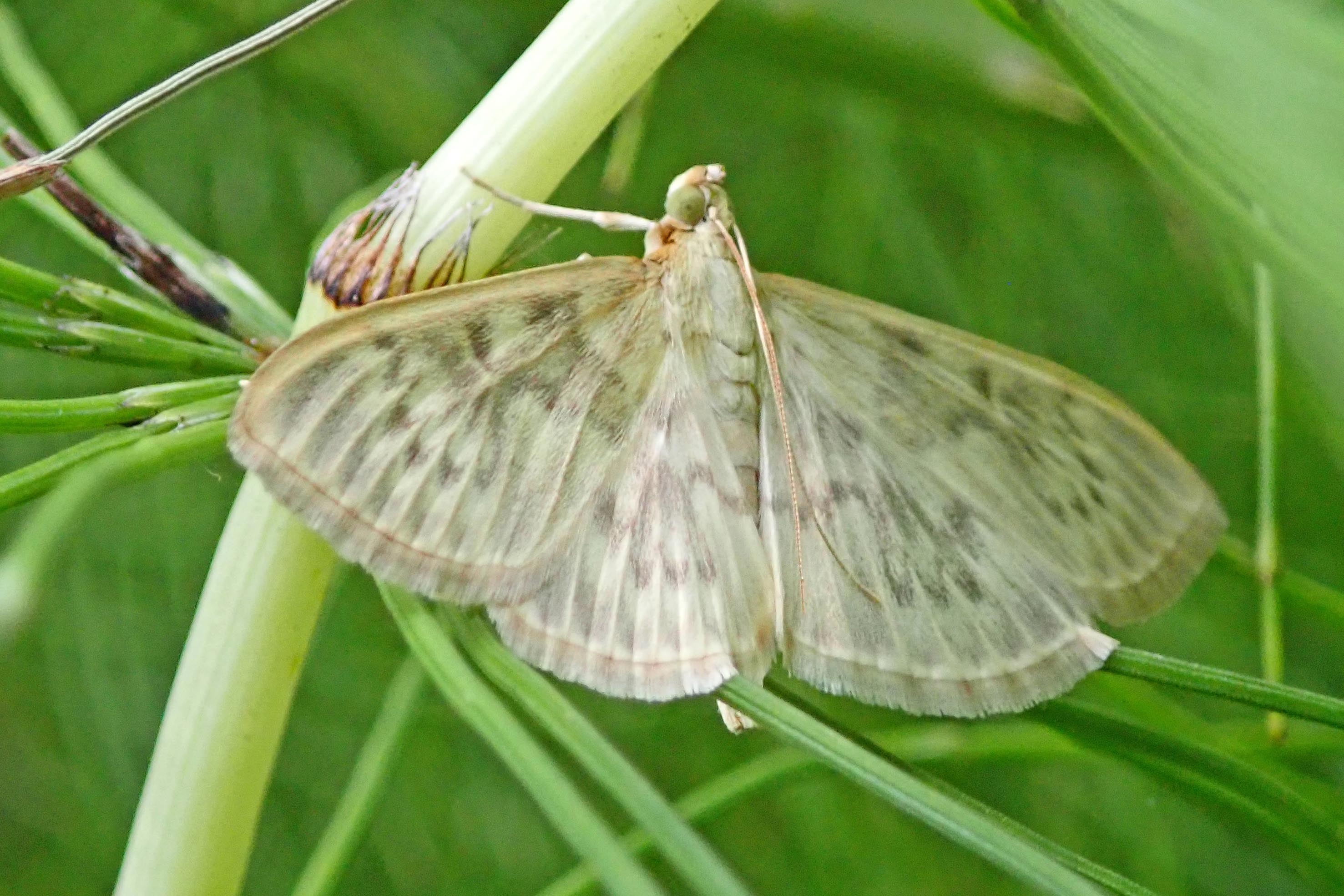
This, in my opinion, is the loveliest of today’s moths, the Mother of pearl (Pleuroptya ruralis), named for the pearlescent sheen of its wings. I must remember to look for its larvae, which feed in rolled-up leaves on Nettle plants (I can feel those stings already!).
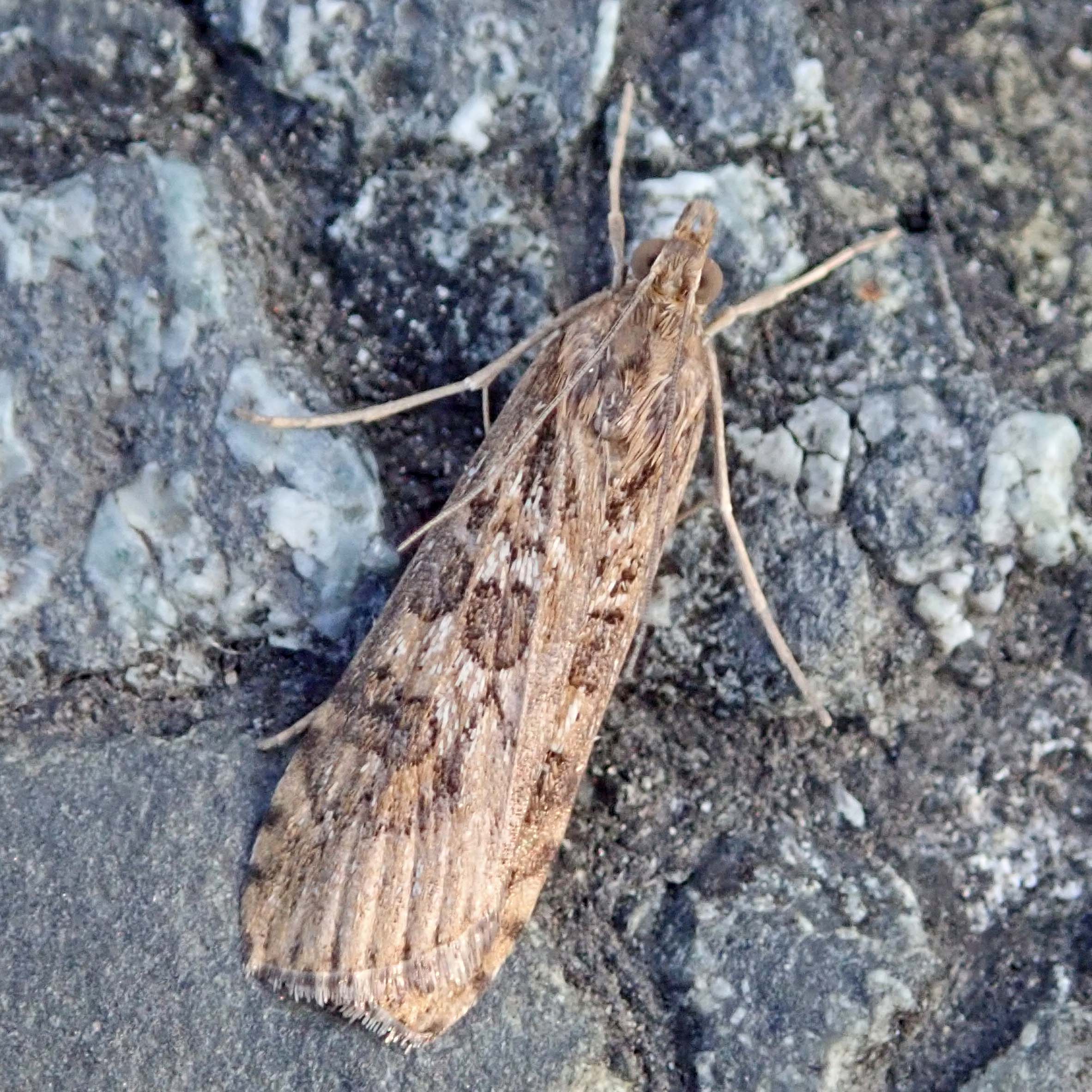
For me, seeing a Rush veneer (Nomophila noctuella) – or, usually, several Rush veneers in one day – means warm winds are blowing from the south, bringing in migrating insects from Europe. And they are exactly the weather conditions we were experiencing over a couple of days very recently, when I saw more than six of these moths in just a few hours during a coastal walk.

Like Loading...

A good year for Jersey tigers

30 Saturday Aug 2025

Posted by sconzani in insects

≈ Leave a comment

Tags

British moths, climate change affecting wildlife, Euplagia quadripunctaria, Jersey tiger, Jersey tiger moth, moth

In the summers of 2018, 2019 and 2020 one of the local nature reserves near me held what seemed like a healthy population of Jersey tiger moths (Euplagia quadripunctaria), then they vanished. I don’t know why this was but several people have looked for them at the reserve in the intervening years and, though the occasional single moth has been sighted, the healthy population is no more. Away from that reserve, I would struggle to see any Jersey tigers, and saw none at all in 2021 and 2022.

So, this year, it has been an absolute delight for me to have enjoyed many, seemingly random sightings of these beautiful moths. By random, I mean that there haven’t been any large numbers concentrated in any specific location or area; instead, either I’ve spotted them lurking on trees and bushes, or my passing has disturbed them, there’s been a flash of their vibrant orange underwings as they’ve fluttered out and I’ve seen them once they’ve resettled.

And it seems my experience of seeing greater numbers of Jersey tigers this year has not been unique. This is a species that is included in Butterfly Conservation’s Big Butterfly Count, and, even before the count had ended, with 7 of the count’s 24 days remaining, that organisation had noted a ‘whopping 78%’ increase in reported Jersey tigers this year compared to last year. Butterfly Conservation’s blog post speculates that the dramatic increase was due to this summer’s record-breaking high temperatures.

As Dr Richard Fox, BC’s Head of Science is quoted as saying

The increase we’re seeing in Jersey Tiger moth sightings is a striking example of how climate change is reshaping the distribution of wildlife.
While it’s a delight to spot such a vibrant moth in gardens, parks and green spaces, it’s also a reminder of how rising temperatures are altering our natural environment.

Like Loading...

Anyone for a mocha?

07 Wednesday May 2025

Posted by sconzani in insects

≈ Leave a comment

Tags

British moths, Cyclophora annularia, moth, The Mocha

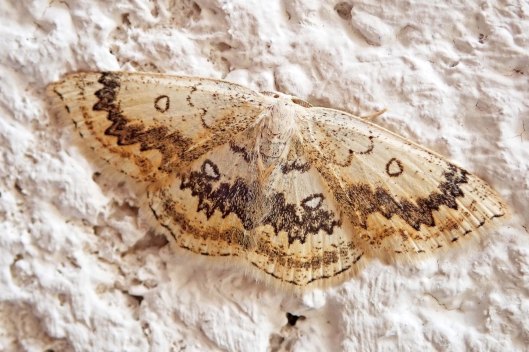
I’m not a coffee drinker but perhaps the person who gave this moth its common name was. Meet The Mocha (Cyclophora annularia), a gorgeous moth that’s described as scarce on the UK Moths website, though it seems from looking at the NBN Atlas for this species that sightings are concentrated in southern Britain so scarce the further north you go. Perhaps surprisingly, I found this one sitting on a house wall as I walked past this morning.

Like Loading...

Pale tussock moth

07 Friday Jun 2024

Posted by sconzani in insects

≈ Leave a comment

Tags

British moths, Calliteara pudibunda, egg-laying moth, moth, Pale tussock moth, Pale tussock moth egg-laying

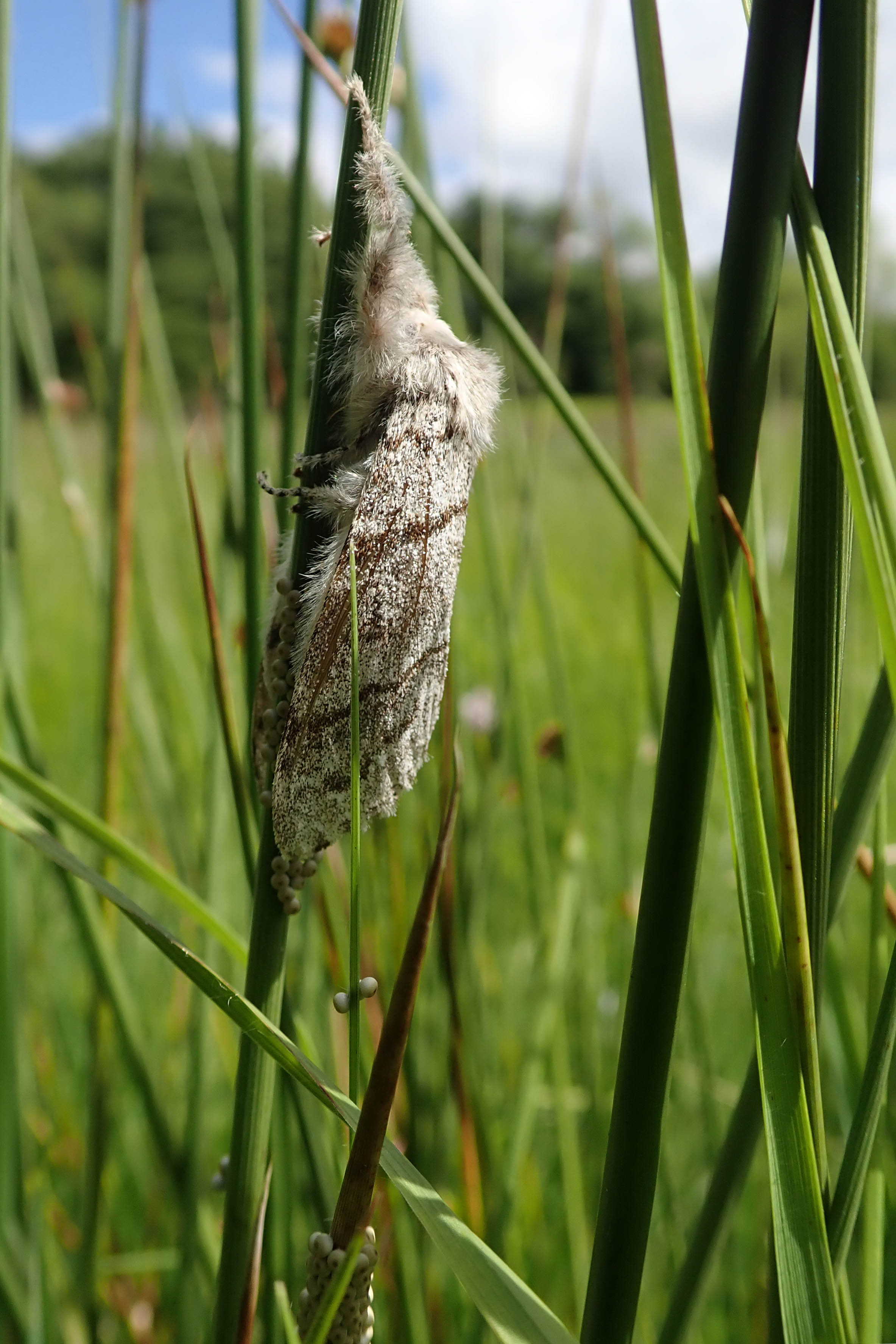
240607 pale tussock (1)I probably wouldn’t have noticed this gorgeous moth but, when I was standing chatting to an ecologist I hadn’t seen for a while, he spotted it, clinging on to a piece of grass close to the ground.
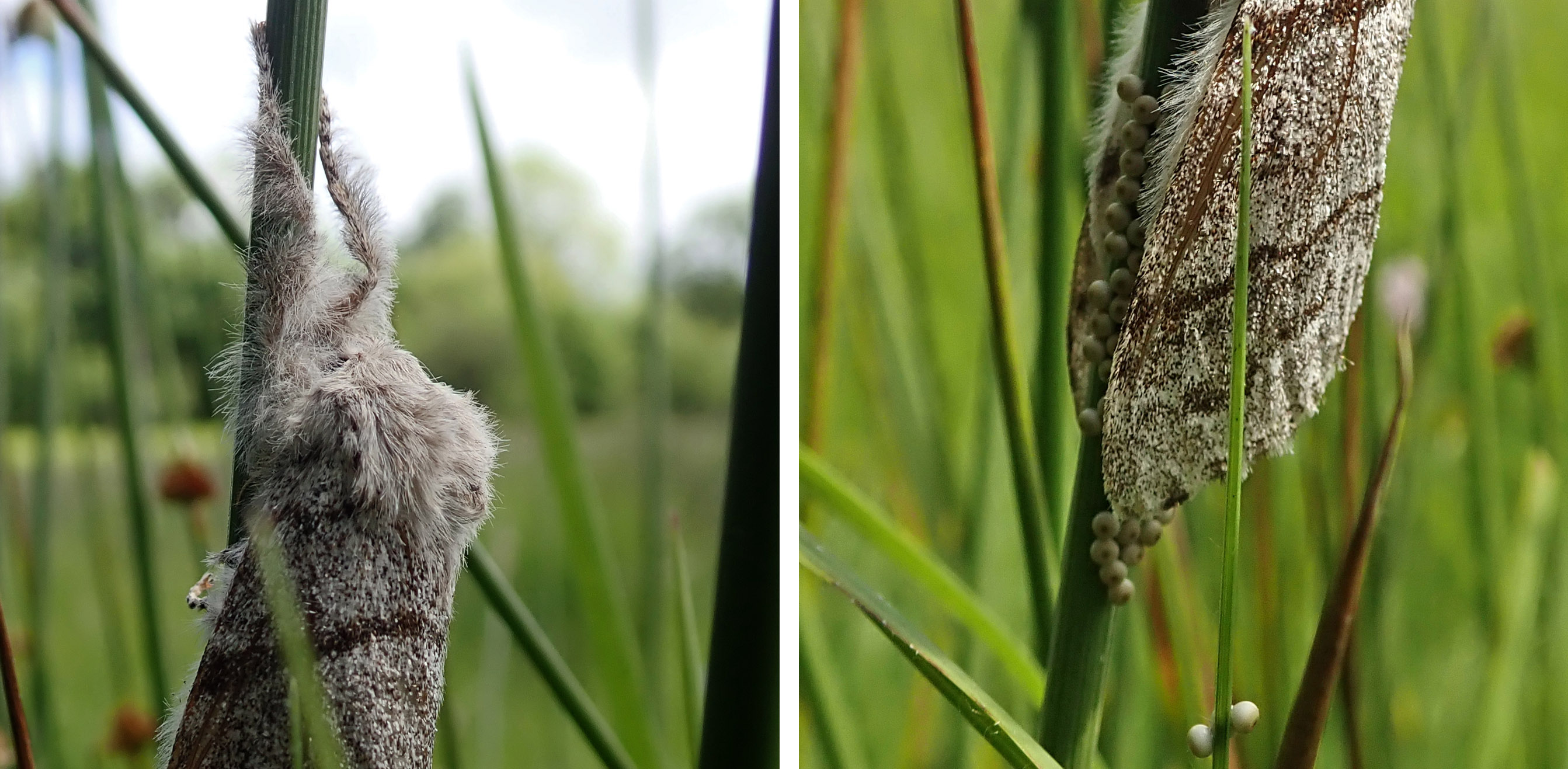
It’s a Pale tussock moth (Calliteara pudibunda), a female who was busy laying an abundance of eggs – hopefully, you will be able to see them, on the grass stem underneath and below her body, in my first photo and in the photo on the right below. I’m sure many of you will have seen the amazing tufty yellow caterpillars that will emerge from those eggs (see my blog Pale tussock moth caterpillar, 3 September 2022).

I’ve included the photo below left not only to show more detail of this beautiful moth but also so that you can see a distinctive aspect of her behaviour, what the UK Moths website describes as the ‘forward-facing “furry” legs at rest’.

240607 pale tussock (2)

Like Loading...

T is for plume

31 Tuesday Oct 2023

Posted by sconzani in insects

≈ Leave a comment

Tags

Amblyptilia acanthadactyla, Beautiful plume, British moths, Common plume, Emmelina monodactyla, moth, plume moths

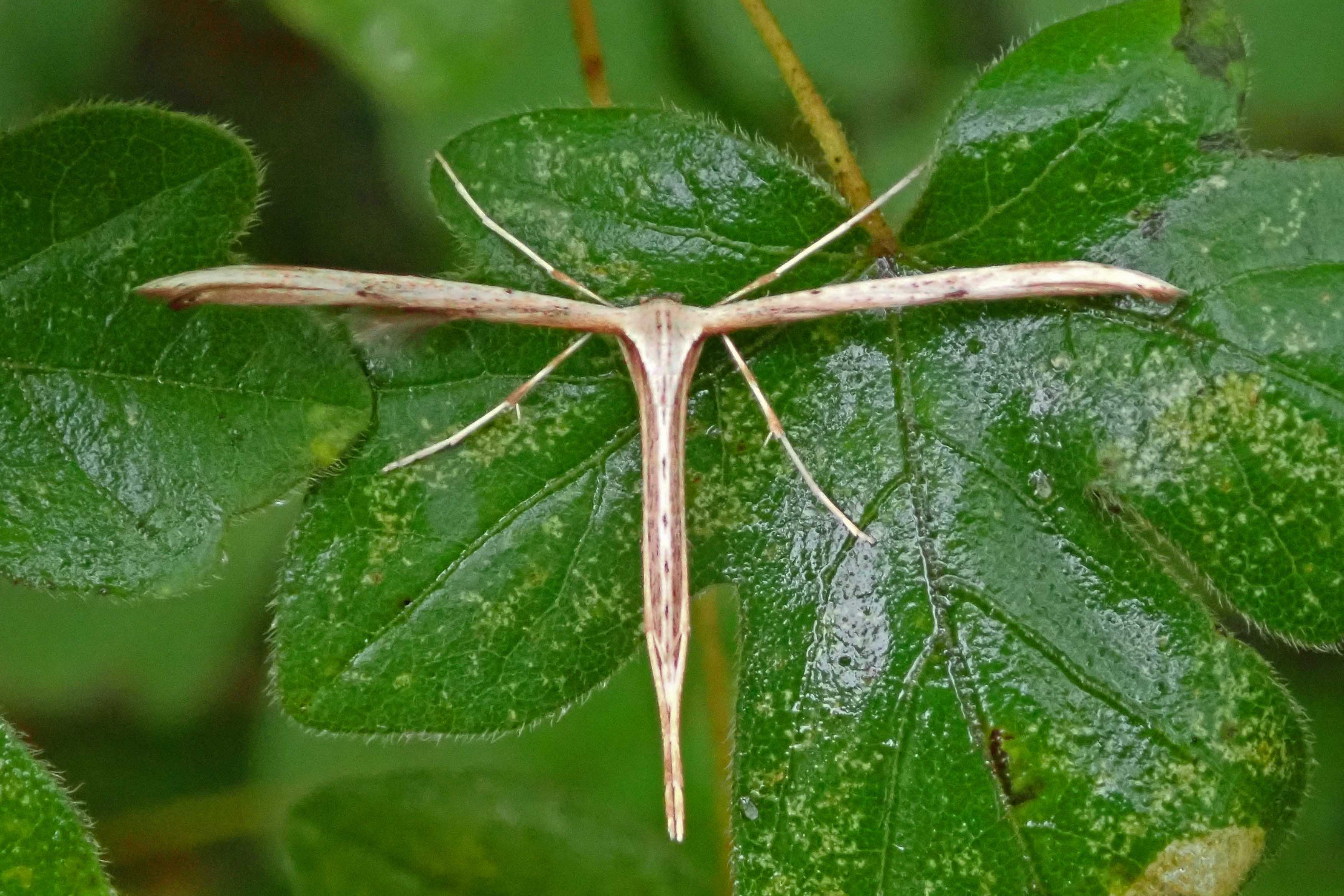
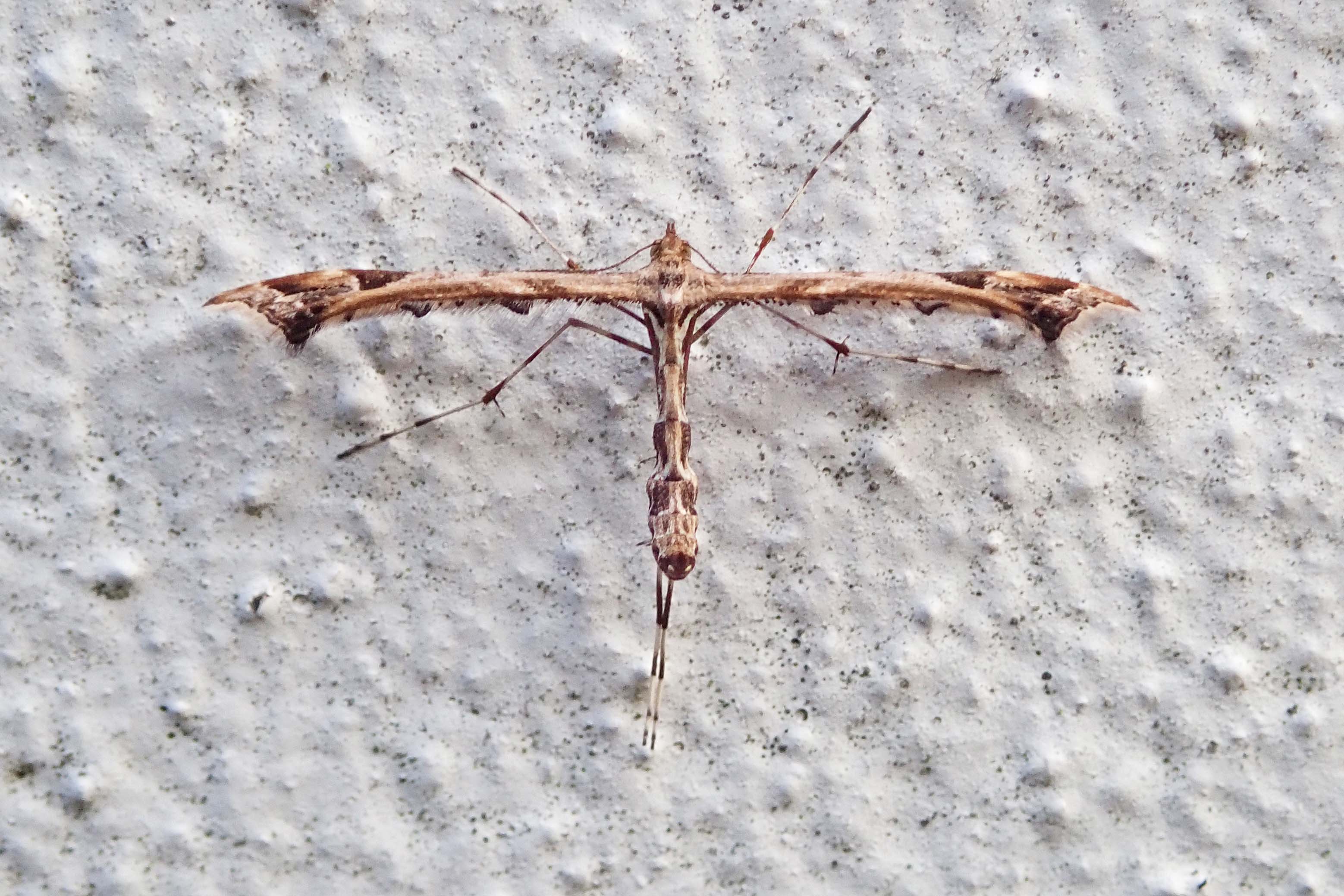
‘T is for plume’ may sound an odd title but it’s the T shape these moths make when they’re resting that makes them recognisable as plume moths, the Pterophorinae. And why plume? Well, when their wings are spread, the deep indentations look like feathers (the photos of a White plume on the UK Moths website show a beautiful example).

231031 common plume

Common plume (Emmelina monodactyla)
As you’d expect from its name, this pretty moth is quite common – in fact, I’ve seen several in the last few weeks.

231031 Beautiful plume

Beautiful plume (Amblyptilia acanthadactyla)
Though this moth can be confused with another that’s very similar (Brindled plume, Amblyptilia punctidactyla), the reddish-brown hue confirms it as a Beautiful plume.

Like Loading...

That tongue!

15 Tuesday Aug 2023

Posted by sconzani in insects

≈ 2 Comments

Tags

#MothsMatter, British moths, Hummingbird hawk-moth, moth, Red valerian

In a recent post (Moths matter, 4 August), I included photographs of a stationary Hummingbird hawk-moth that had flown past me before going to ground on the path in front of me. This week, during a walk along the embankment footpath where the River Ely flows in to Cardiff Bay, I watched spellbound as another of these magical moths hovered, feeding from Red valerian flowers, right in front me. I took rather a lot of photos, clicking almost continuously, hoping I was getting some in focus. This, I think, is the best of those images, and one I’m very pleased with. And, yes, that tongue!

230815 hummingbird hawk-moth

Like Loading...
← Older posts

About me

sconzani

sconzani

I'm a writer and photographer; researcher and blogger; birder and nature lover; countryside rambler and city strider; volunteer and biodiversity recorder.

View Full Profile →

Follow earthstar on WordPress.com

Enter your email address to follow this blog and receive notifications of new posts by email.

Recent blog posts

  • M is for mite December 18, 2025
  • L is for lepidopteran lifers December 17, 2025
  • K is for Keeled skimmers December 16, 2025
  • J is for Jersey tiger December 15, 2025
  • I is for Ichneumon December 14, 2025

From the archives

COPYRIGHT

Unless otherwise acknowledged, the text and photographs on this blog are my own and are subject to international copyright. Nothing may be downloaded or copied without my permission.

Fellow Earth Stars!

  • Unknown's avatar
  • Unknown's avatar
  • Unknown's avatar
  • Unknown's avatar
  • Unknown's avatar
  • Unknown's avatar
  • Unknown's avatar
  • Unknown's avatar
  • Unknown's avatar
  • Unknown's avatar
  • Unknown's avatar
  • Unknown's avatar
  • Unknown's avatar
  • Unknown's avatar
  • Unknown's avatar
  • Unknown's avatar
  • Unknown's avatar
  • Unknown's avatar
  • Unknown's avatar
  • Unknown's avatar
  • Unknown's avatar
  • Unknown's avatar
  • Unknown's avatar
  • Unknown's avatar
  • Unknown's avatar
  • Unknown's avatar
  • Unknown's avatar
  • Unknown's avatar
  • Unknown's avatar
  • Unknown's avatar
  • Unknown's avatar
  • Unknown's avatar
  • Unknown's avatar
  • Unknown's avatar
  • Unknown's avatar
  • Unknown's avatar
  • Unknown's avatar
  • Unknown's avatar
  • Unknown's avatar
  • Unknown's avatar
  • Unknown's avatar
  • Unknown's avatar
  • Unknown's avatar
  • Unknown's avatar
  • Unknown's avatar
  • Unknown's avatar
  • Unknown's avatar
  • Unknown's avatar
  • Unknown's avatar
  • Unknown's avatar

Blog at WordPress.com.

Privacy & Cookies: This site uses cookies. By continuing to use this website, you agree to their use.
To find out more, including how to control cookies, see here: Cookie Policy
  • Subscribe Subscribed
    • earthstar
    • Join 667 other subscribers
    • Already have a WordPress.com account? Log in now.
    • earthstar
    • Subscribe Subscribed
    • Sign up
    • Log in
    • Report this content
    • View site in Reader
    • Manage subscriptions
    • Collapse this bar
 

Loading Comments...
 

You must be logged in to post a comment.

    %d