
Tags
British leafhoppers, bugs on Poplar, Cicadellidae, leafhopper, leafhoppers on Poplar, Poplar, Tremulicerus vitreus
The hours I’ve spent fossicking around trees and turning over leaves have really paid off this year. As well as finding lots of new leaf-mining moth species, I’ve also been lucky with my search for new leafhopper species. Here’s the latest: Tremulicerus vitreus (previously known as Idiocerus vitreus). Looking at Aderyn, the Welsh biodiversity database and the NBN Atlas, there’s only been one previous Welsh record, back in 1989, and that’s showing on NBN as unconfirmed, so mine appears to be the first confirmed Welsh record. And I’ve now found around a dozen specimens, in two locations. I get the impression that I’m the only person checking for these creatures!
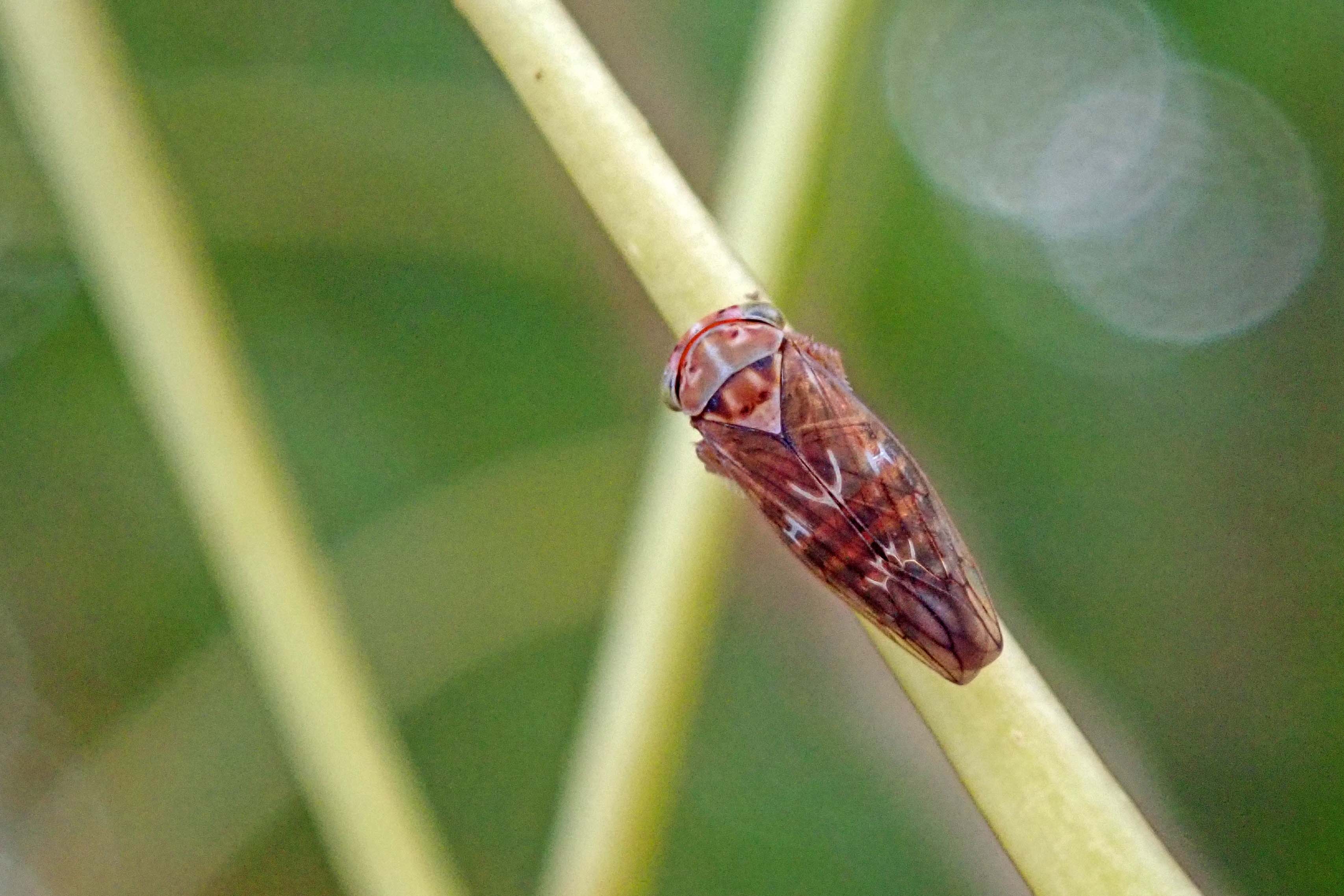
The British Bugs website stresses that leafhoppers in this group are often difficult to identify but, luckily,
there is usually a pale midline on the pronotum and top of the face. Pale marks on the forewings are mostly restricted to the inner margin and the inner parts of some of the long veins….

Though the best time to find these stunning little leafhoppers is between June and October on Poplar species, the adults do overwinter, and the females can sometimes be found on conifers during the winter months. Oh, and can you see why a photo of this leafhopper was posted on social media on Halloween, labelled the ‘Dracula bug’?


 earthstar
You must be logged in to post a comment.