
Tags
Aster tripolium, autumn colour, British wildflowers, native Michaelmas-daisy, saltmarsh wildflowers, Sea aster
According to Richard Mabey in Flora Britannica, Michaelmas-daisies were introduced to Britain in the early 1700s from their native North America, and many of those introduced species have now escaped their garden settings to become naturalised in the wider countryside. Not so the Sea aster (Aster tripolium), as this is a native British species of Michaelmas-daisy.
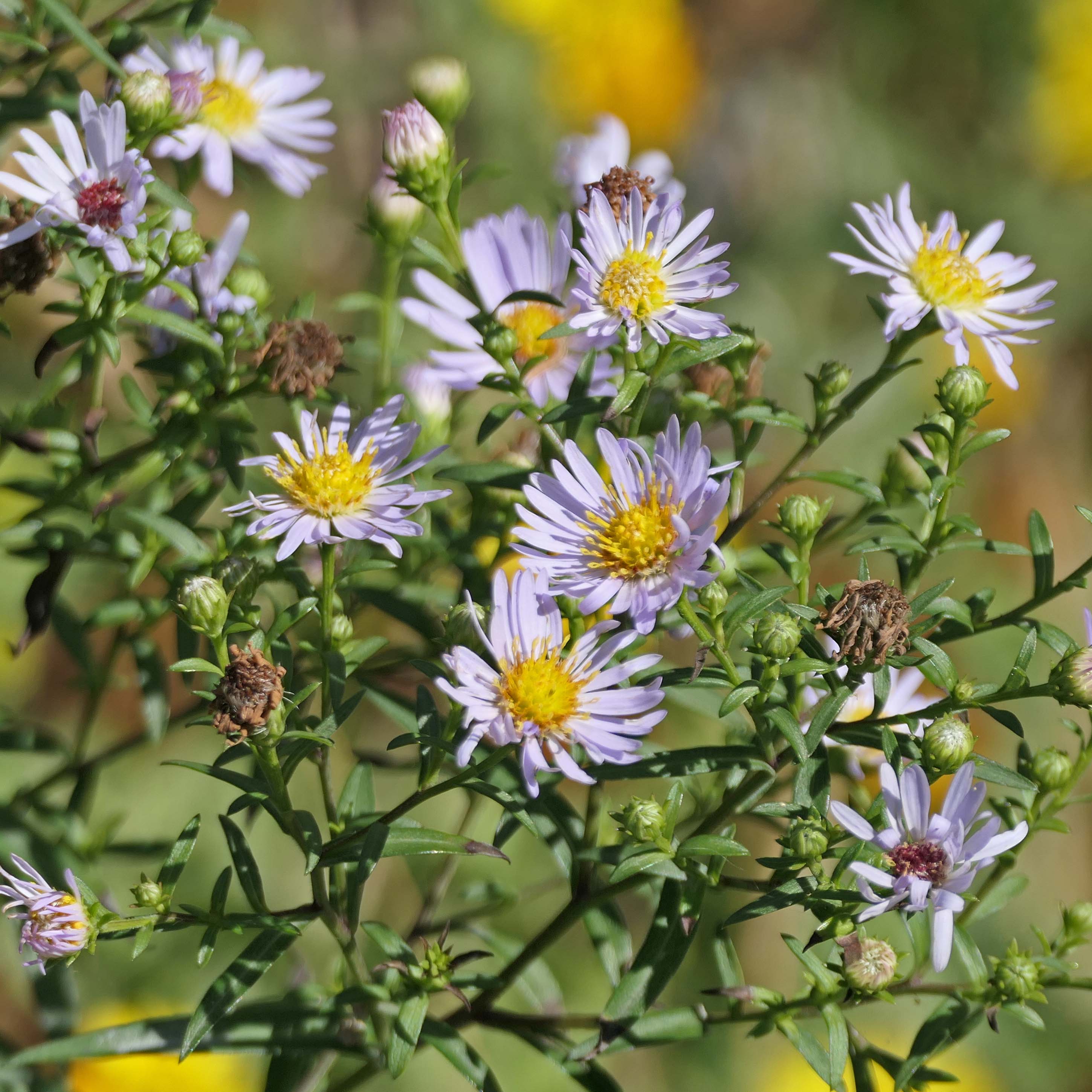
I had noticed some Sea asters in flower during my previous visit to Weymouth in late July but not many were in bloom. During my most recent visit, the flowers were much more abundant, which I’ve now discovered is because the peak flowering period for most species of Michaelmas-daisy coincides with Michaelmas Day on 29 September; I guess that should have been obvious from their name.
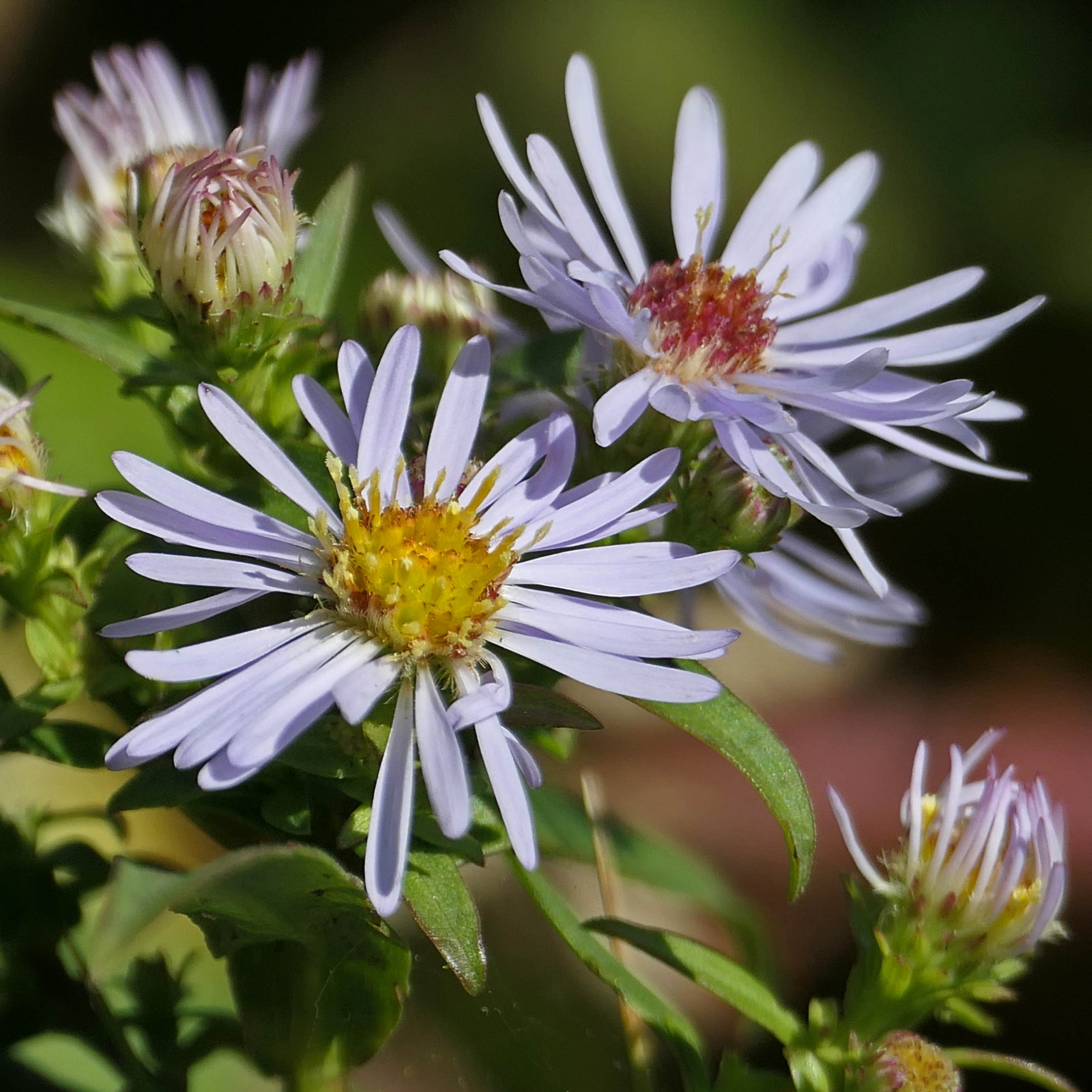
As the common name of our native species implies, the Sea aster is most at home in salty conditions, flourishing in coastal saltmarshes, though, apparently, it will sometimes appear alongside roads that have been heavily salted for de-icing purposes during the winter months.
 earthstar
You must be logged in to post a comment.