Is there a more aptly named wildflower? This is Goldenrod (Solidago virgaurea), which, when in full bloom, looks exactly as you might expect a plant with that name to look. As it flowers in late summer – early autumn, not only does it provide a welcome burst of bright colour at a time when many other wildflowers are past their best, it also supplies much needed nourishment at that time of year to a multitude of insects. Butterfly Conservation have produced a pdf extolling the benefits of Goldenrod, which they say is a food source for around 40 moth species, as well as numerous species of flies.
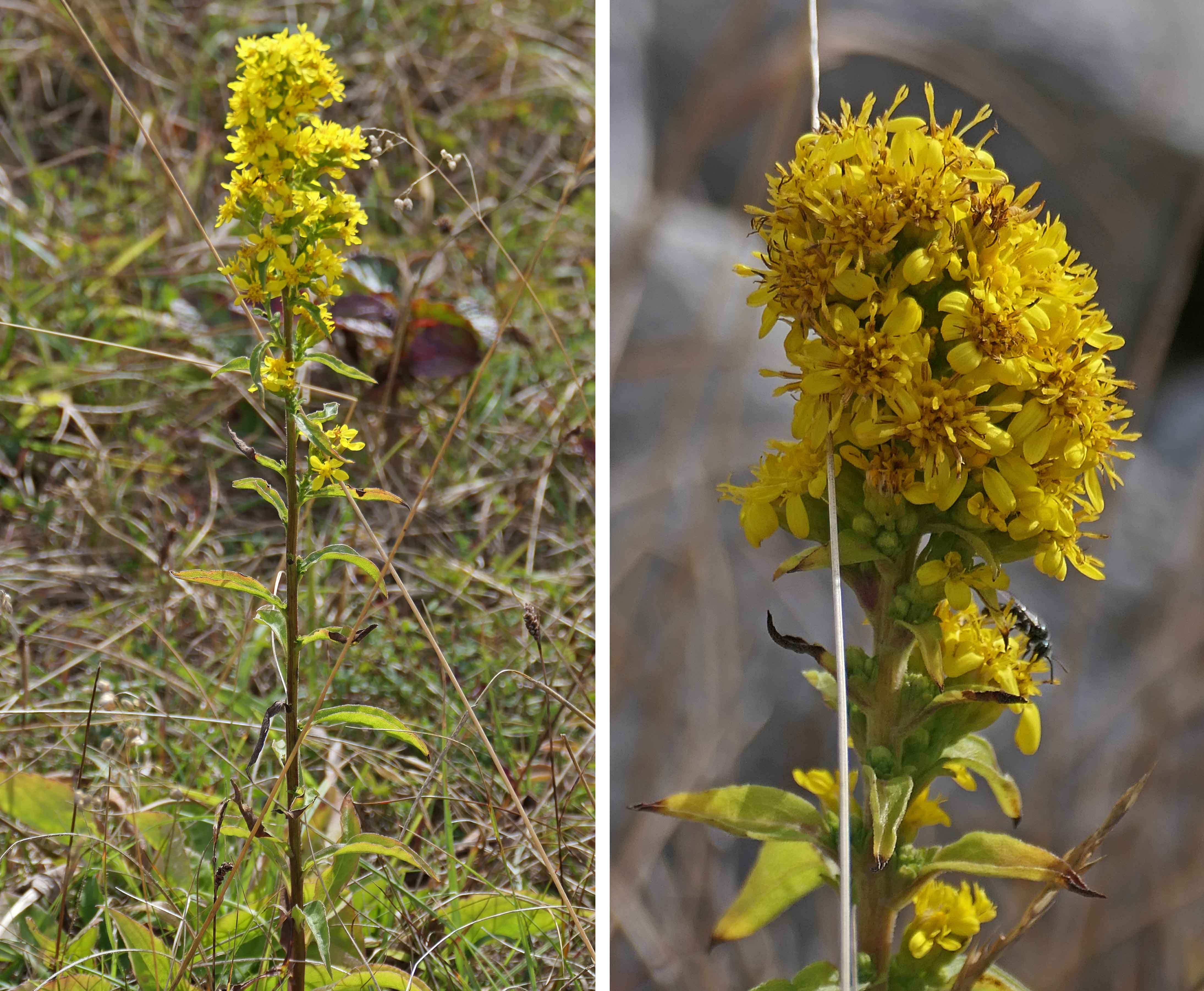
I’m not sure why but this is not a flower I see locally; I found these plants in the quarries on the Isle of Portland. My wildflower guide book says it can be found growing in dry woodlands and grasslands, on cliffs and in sand dunes, throughout the British Isles – maybe I’ve overlooked it in my area.
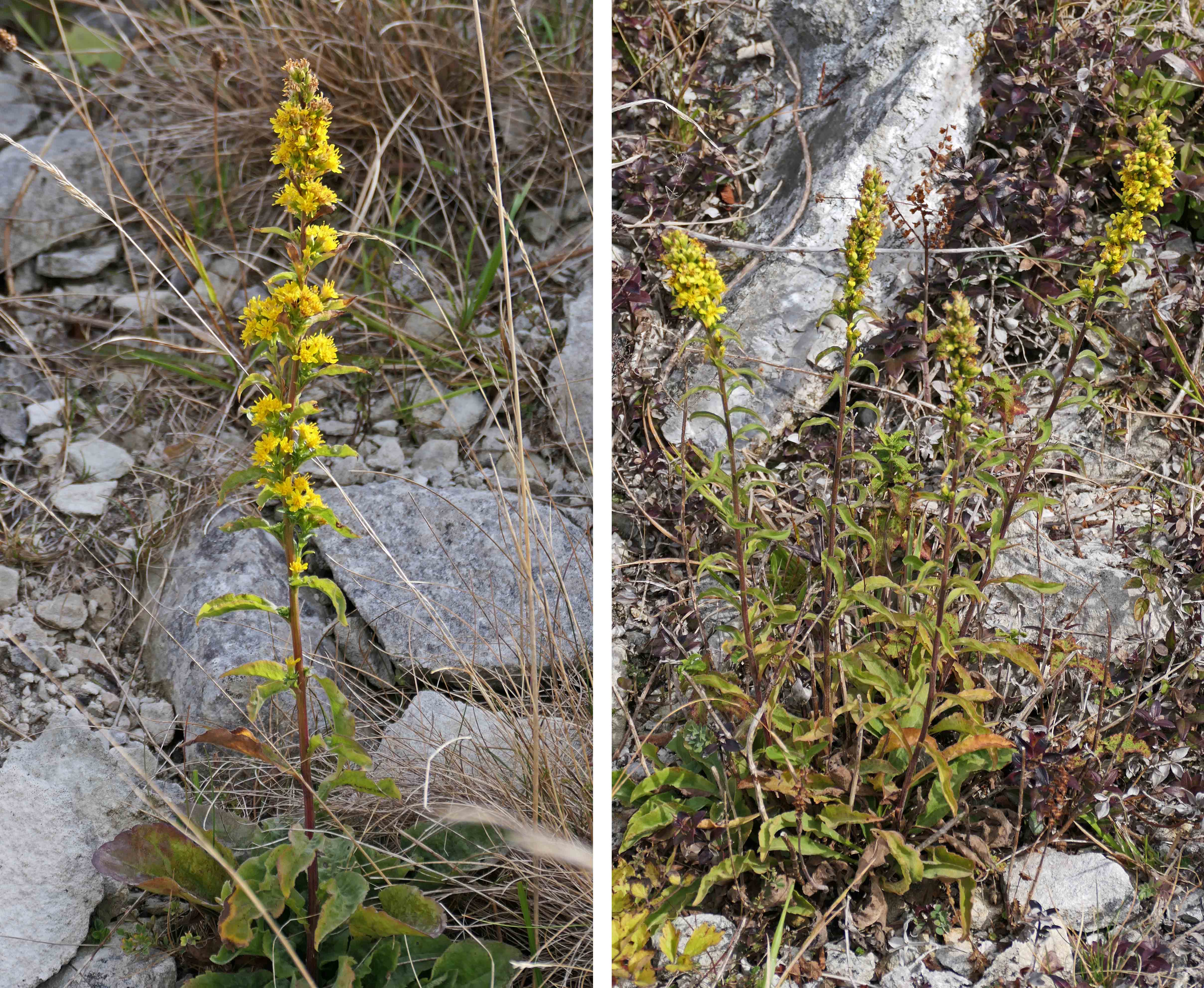
I’ve read that Goldenrod contains certain beneficial chemicals that have anti-fungal and anti-inflammatory properties and, in Flora Britannica, Richard Mabey writes that ‘In the sixteenth and seventeenth centuries it was in great demand as a wound herb but, according to John Gerard [The Herball, 1597], fell from favour when it was discovered to be rather common.’ Whether or not the benefit to humans has been scientifically proven seems open to question, and I would certainly never advise anyone to ingest plant products rather than seek proper medical attention for any ailments they might have. Perhaps this is a plant best left for the insects to feast on.

 earthstar
You must be logged in to post a comment.