‘Everything is blooming most recklessly; if it were voices instead of colors, there would be an unbelievable shrieking into the heart of the night.’ ~Rainer Maria Rilke, Letters of Rainer Maria Rilke



16 Tuesday Mar 2021
Posted in flowers, wildflowers
‘Everything is blooming most recklessly; if it were voices instead of colors, there would be an unbelievable shrieking into the heart of the night.’ ~Rainer Maria Rilke, Letters of Rainer Maria Rilke
15 Monday Mar 2021
Tags
British mammals, brown rat, Cosmeston Lakes Country Park, rat, rats eating bird seed, Rattus norvegicus
Three cheeky rats. Three cheeky rats.
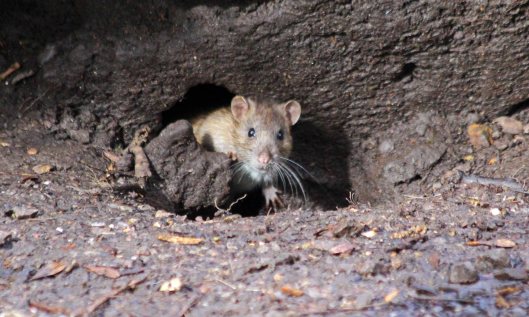
See where they hide. See where they hide.
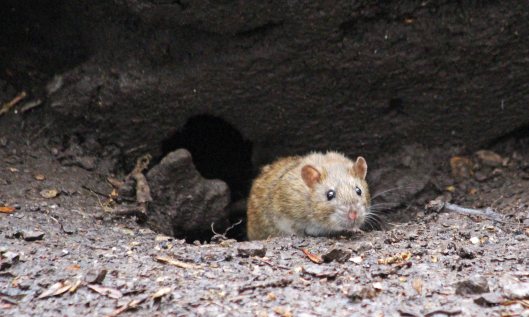
They poke out their noses to check all’s clear
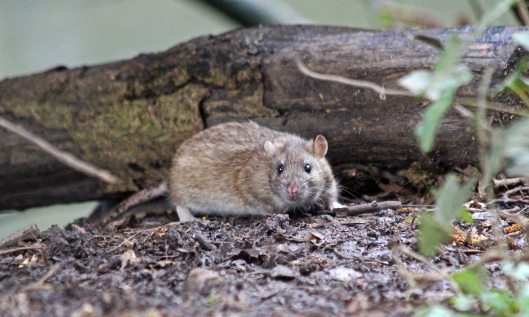
Then rush out to grab seeds, showing no fear

Even when people like me are quite near.

Three cheeky rats.
14 Sunday Mar 2021
Tags
birding, birds' nest, birdwatching, British birds, long-tailed tit, Long-tailed tit nest, Long-tailed tit nest building, nest building
I was enchanted, during this morning’s local meander, to spot a pair of Long-tailed tits nest building – it seemed so appropriate for Mother’s Day, though in this case it may be a few weeks before the female bird becomes a mum.

The nest was almost totally hidden inside a tangle of bramble branches and, once the bramble leaves grow, will be completely obscured.

And the nest itself was only about one third built, so I’ve included, below right, a photo of a Long-tailed tit nest that I was shown a couple of years ago, after its occupants had fledged and the bush containing the nest had been chopped down. Of course, I’ll be heading back to this location to follow progress from a suitable distance.


13 Saturday Mar 2021
Posted in birds
Tags
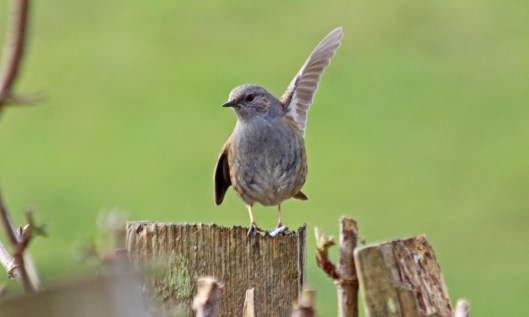
Starring The Dunnock as John Travolta.
(The younger among you may need to google this movie reference.)
12 Friday Mar 2021
Tags
blackthorn, bracket fungi, British fungi, fungi on Blackthorn, Phellinus pomaceus, Prunus spinosa
Though I haven’t been able to verify its identification, I’m fairly sure today’s fungus is Phellinus pomaceus.

It’s a hard, woody bracket fungus that grows on Prunus tree species – in this case, it’s growing on Blackthorn (Prunus spinosa).


The NBN (National Biodiversity Network Trust) Atlas entry for this species (which also includes a map showing where in Britain the fungus has been recorded) says ‘It is not aggressively pathogenic but can cause considerable decay in trees suffering from other stress factors’, so you wouldn’t want to find it in a commercial fruit orchard. In my case, the fungi were only showing on two adjacent trees in a large copse of Blackthorn, and the trees looked quite elderly, so I don’t think it’s causing a problem.


11 Thursday Mar 2021
I don’t often take landscape photos these days but the combination of sunny spring weather, fabulous trees, and what looked to my inexpert eye as good land management, plus the colours and leading lines, prompted me to start clicking during a recent walk.

This piece of countryside, about an hour’s walk from home, is a combination of farm and woodland. Perhaps a hedgerow would be better than a fence alongside this field (happily, there are a lot of hedgerows in this area) but at least there’s a wide area of ‘set aside’ where, hopefully, wildflowers will be allowed to grow. And there are some magnificent towering old trees in the surrounding landscape, to which my photos really do not do justice.

10 Wednesday Mar 2021
Posted in insects
Tags
Andrena bees, bee parasites, British bees, British insects, male Stylops emerging from bee, parasitic relationships, Stylops
These photos had the entomologists on Twitter getting excited when I first posted them Monday evening. Though I didn’t realise it at the time, what I was seeing was a parasite emerging from the back of the bee’s body. The parasite is a Stylops, a species that has a rather gruesome but incredibly fascinating lifestyle.
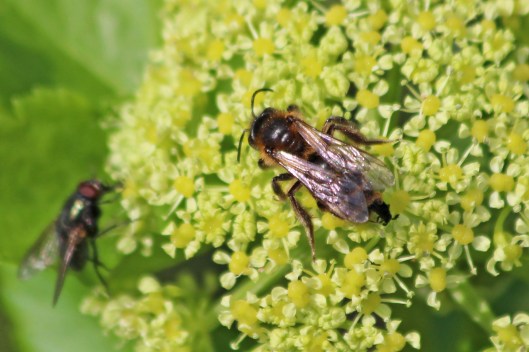
The female Stylops lives permanently in the body of its host, often, as here, one of the Andrena species of bee. Her head and thorax poke out of the bee’s abdomen so she can release male-attracting pheromones and mate. I managed to photograph these and blogged about them in April 2020 (Wild word: stylopised). When the resulting larvae emerge, they pop out onto flowers the bee is feeding on, so they can then hitch a ride with another bee, burrow into it, and start the process all over again.

Some of the Stylops larvae are male, with wings. They do not have mouth parts for feeding as their only purpose is to find a female and mate. It is one of those emerging winged males that can be seen in my photos and, apparently, this process is rarely seen. Unfortunately, someone came walking along the path where I was watching this bee and I had to move to one side to allow them to pass at a safe distance. When I looked back, the bee had disappeared.
If you want to read more about the Stylops, there’s an interesting article on the Royal Entomological Society website – the male Stylops has the distinction of appearing as the emblem on the society’s official seal and logo.
09 Tuesday Mar 2021
Tags
birding, birdwatching, British birds, Cardiff Bay birding, Cardiff Bay Wetland Reserve, Coot, coots fighting
Coots don’t do mediation. If a pair likes the look of or has already staked a claim to a particular nesting place, then they’ll fight to retain / defend that position.
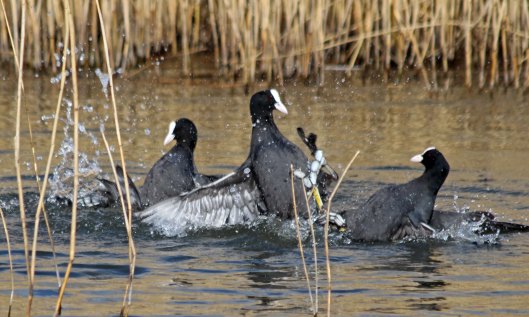
Today I watched these two pairs battling over the pond in Cardiff Bay Wetland Reserve.

It’s actually quite a large pond, which should be big enough for both pairs, but these Coots obviously thought otherwise.
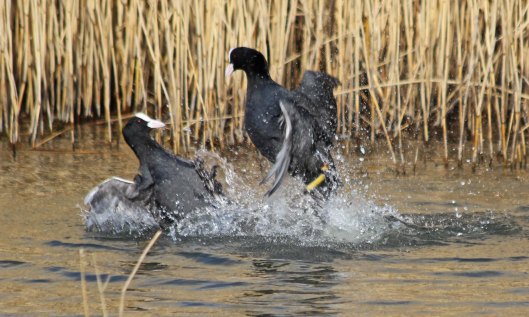
And they certainly don’t pull any punches!

08 Monday Mar 2021
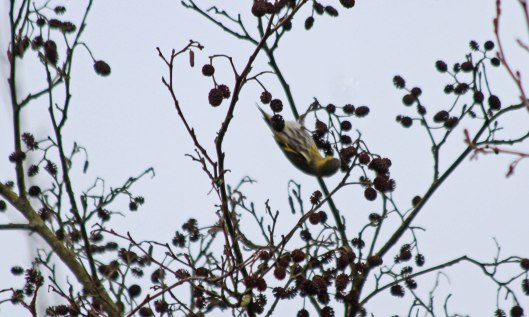
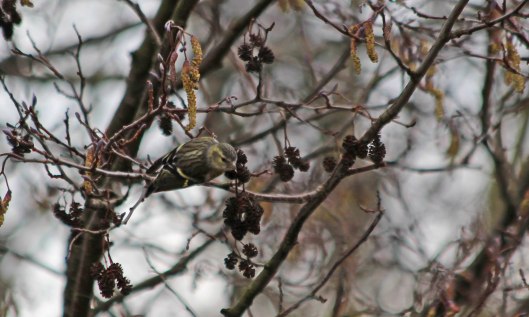
In yesterday’s post I mentioned the birds I’ve been seeing recently in Alder trees, in particular the Alder-cone-seed-nibbling Siskins.


At Cosmeston Lakes Country Park, in the Cwm George woodland behind Dinas Powys, at Grangemoor Park and, yesterday, at Hamadryad Park – this year the Siskins seem to be everywhere there are Alders, nibbling on seeds, squabbling with Goldfinches, hanging upside down from slender stems … it’s been a joy to watch their antics.
07 Sunday Mar 2021
Tags
Alder, Alder catkins, Alder cones, Alnus glutinosa, British trees, catkins, female Alder flowers, male Alder flowers
I’m off on a flower tangent this week. With no new wildflowers to add to last week’s collection and because I’ve been seeing lots of nice birds (especially Siskin) in Alder trees this week, I thought I’d focus on Alder for my Sunday flower post.
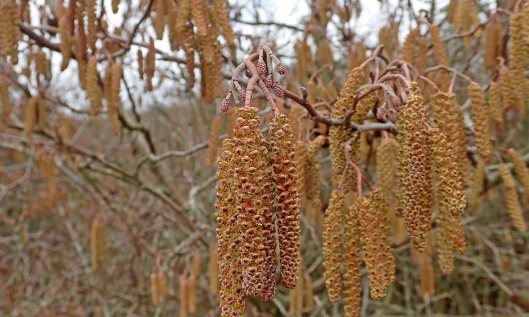
As the Alder (Alnus glutinosa) is monoecious, you can find both the male and female flowers on the same tree. I’ve frequently noticed the male flowers (commonly known as catkins), as they’re the most obvious and are very similar to Hazel catkins. Give them a flick at this time of year and you’re sure to see a shower of yellow ‘dust’ released into the air: that’s the pollen.


However, I hadn’t really paid any attention to the female flowers before and, I admit, I hadn’t really made the connection between the female flowers and the little woody cones they grow in to once fertilised. The female flowers are much smaller and found in little bunches on the stem, usually above the male catkins.


Interestingly, the Woodland Trust website says that ‘The green dye from the flowers was used to colour and camouflage the clothes of outlaws like Robin Hood, and was thought to also colour the clothes of fairies.’ And, of course, in the winter months the seeds from the cones provide essential nourishment to the Siskin, the Goldfinch and the Redpoll. What a bountiful tree the Alder is!

 earthstar
You must be logged in to post a comment.