• ABOUT
  • BIRDING 2018
  • Birding 2019
  • BLOG POSTS
  • Butterflies 2018
  • Resources

earthstar

~ a celebration of nature

earthstar

Author Archives: sconzani

Beetle: Athous bicolor

16 Monday Feb 2026

Posted by sconzani in insects

≈ Leave a comment

Tags

Athous bicolor, beetle, British beetles

This is the last of my new invertebrate finds from 2025, and it may or may not be the beetle Athous bicolor, found in shrubs around the edge of a local recreation field last July.
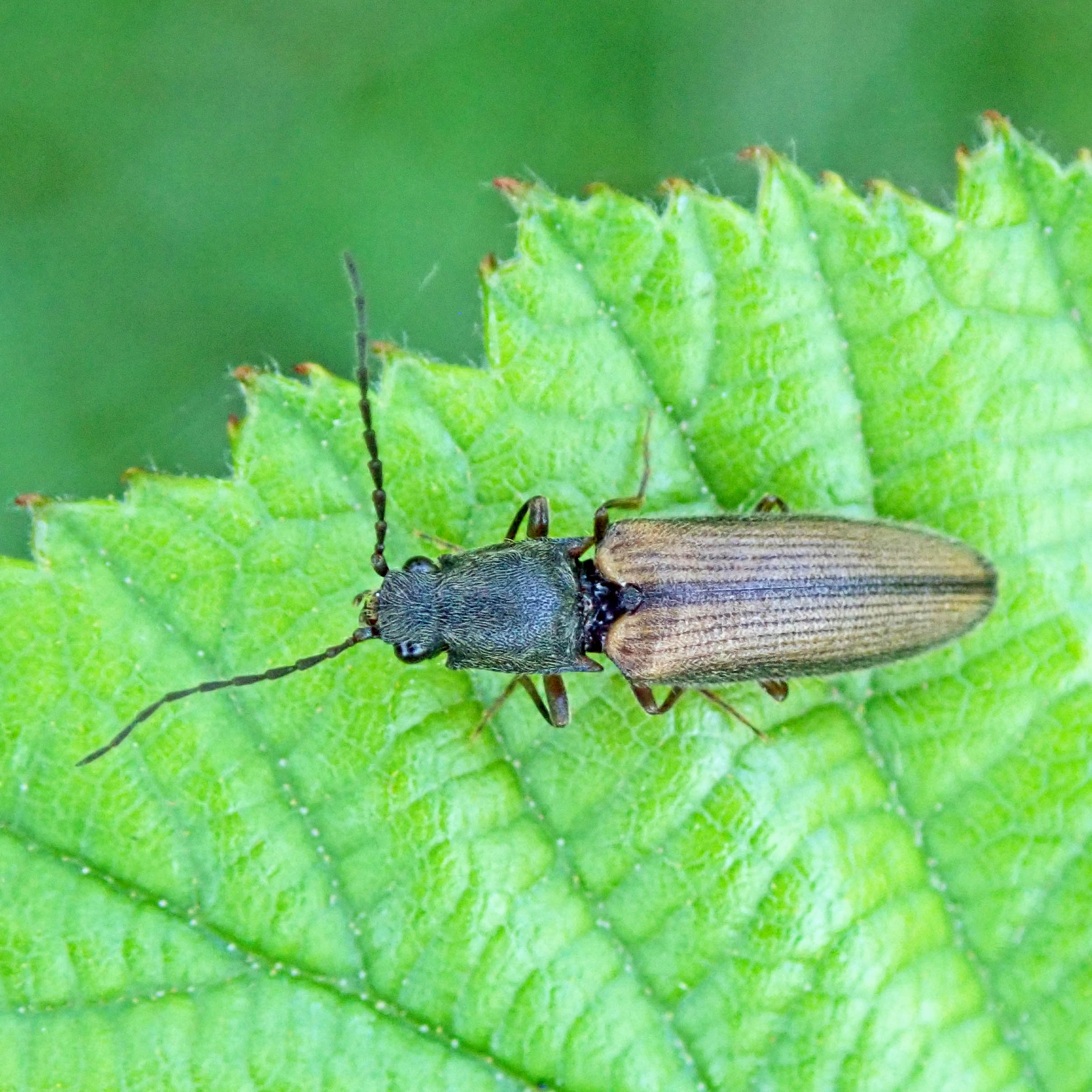
My specimen appears to have the features described on the Naturespot website – ‘quite an elongated species’, ‘elytra are brown in colour with ridges and pits running down their length’, ‘pronotum is slightly darker’, ‘legs and antennae are unicolourous with the rest of the insect and the antennae are very long’ – but their identification difficulty indicator is red, meaning the features are not as clear as the description indicates and/or there are other very similar species.
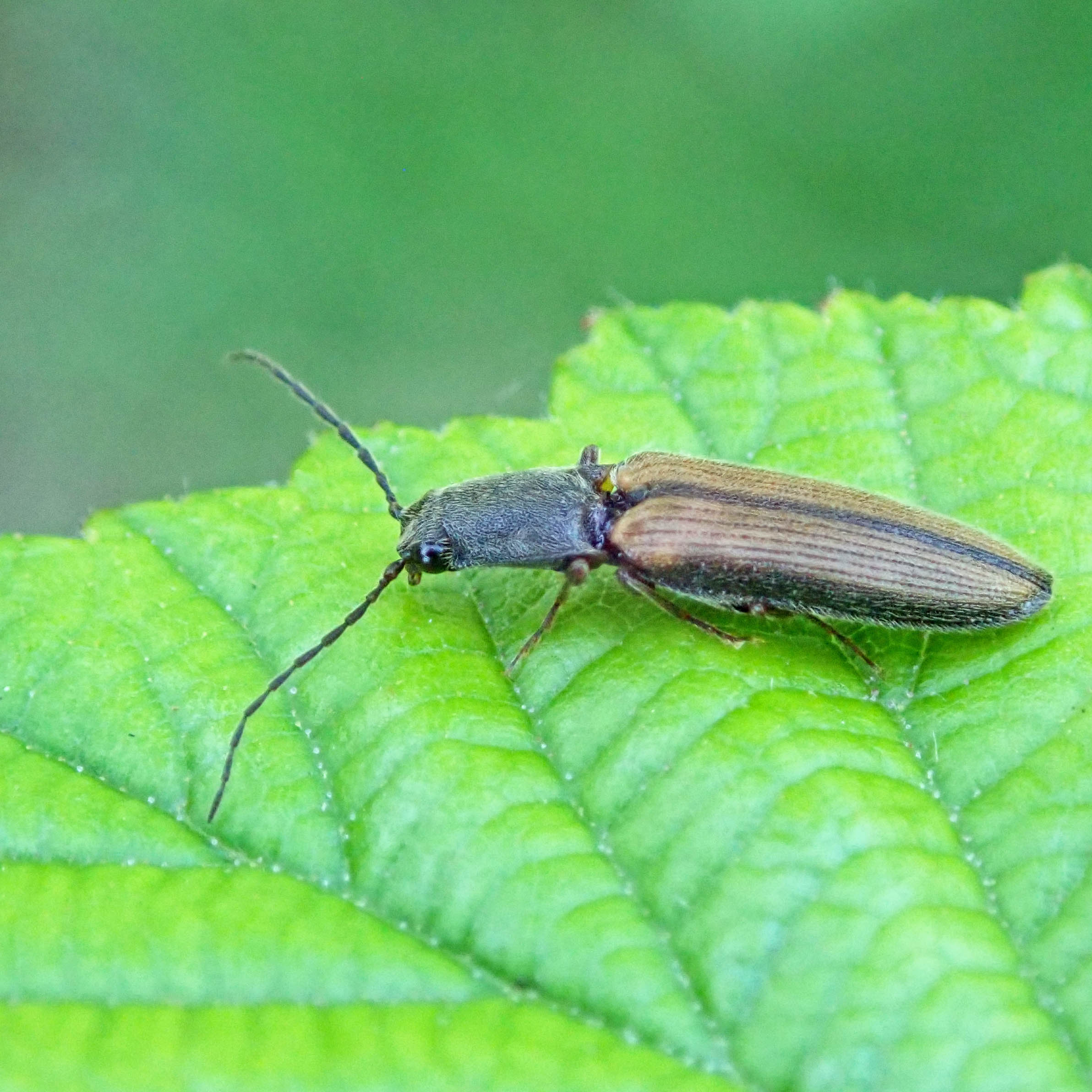
Still, it was an interesting beetle to find and photograph. This species is generally found in grassy, shrubby areas, sometimes feeding on umbellifer flowers or just sitting in the sun on long grass stems. Good luck if you find one and want to identify it!
Like Loading...

Crocus flower power

15 Sunday Feb 2026

Posted by sconzani in flowers, spring, wildflowers

≈ 4 Comments

Tags

crocus, Crocuses in bloom, Spring colour, spring flowers, spring wildflowers

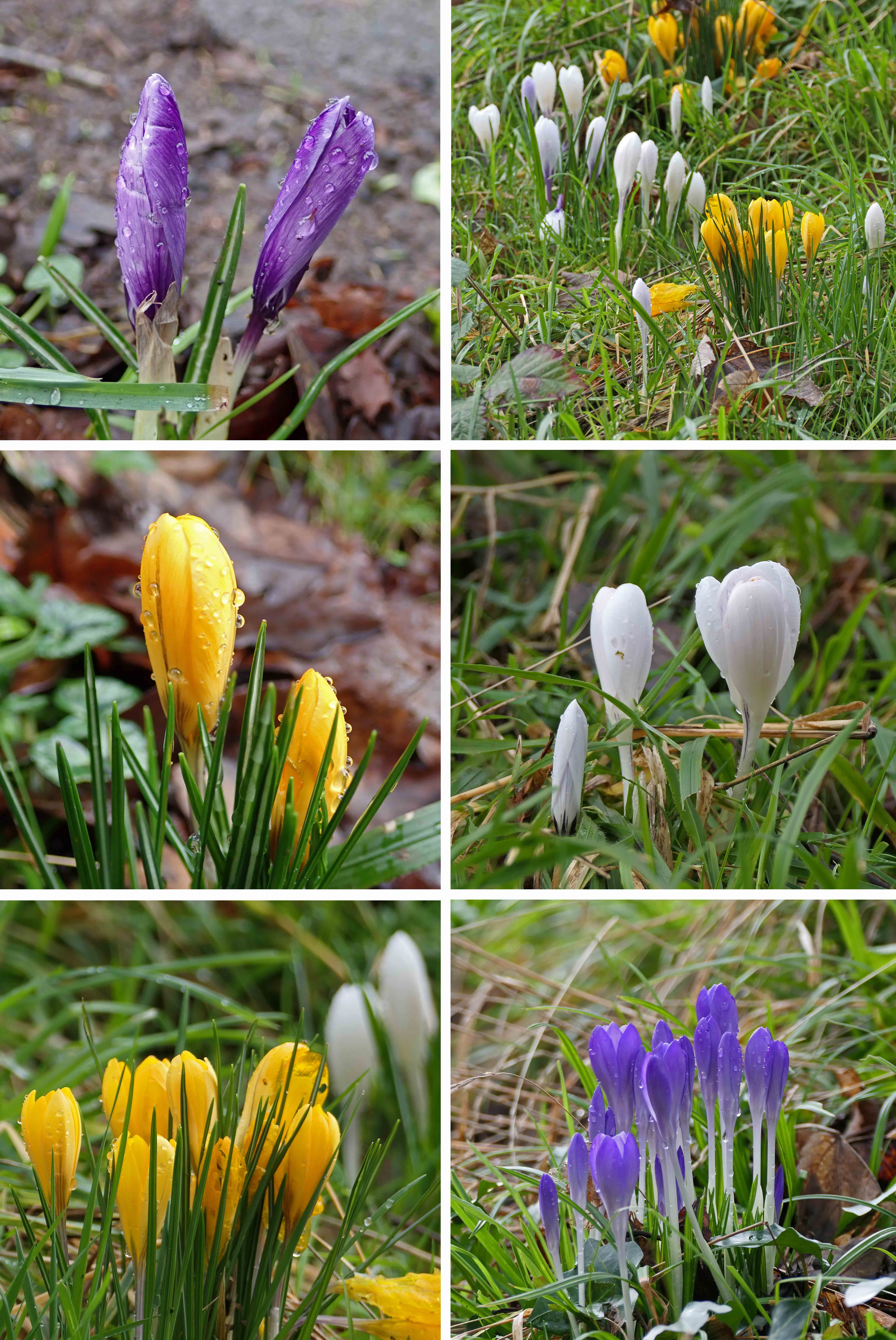
Though we did have a blue-sky day yesterday, it’s been a long, grey, wet winter; earlier this week one Scottish city, Aberdeen, was celebrating seeing the sun after 21 days of its absence! The weather’s not been that dismal here in south Wales but it’s been dreary enough to make the sight of spring flowers even more heartwarming than usual. So, today here’s some multi-coloured flower-power Crocuses to brighten your day!

Like Loading...

Delightful doves

14 Saturday Feb 2026

Posted by sconzani in birds

≈ Leave a comment

Tags

birding, birdwatching, British birds, Collared dove, Columba oenas, Forest Farm Nature Reserve, Stock dove, Streptopelia decaocto

Britain is home to five members of the Pigeon family: Rock dove (which manifests for most of us in the form of the domesticated Feral pigeon, though there are still thought to be wild Rock dove populations in north-west Scotland and the south and west of Ireland), Stock dove, Woodpigeon, Collared dove, and Turtle dove. Though I haven’t seen wild Rock doves, I have been lucky enough to have seen all these species, including, just once, the very rare Turtle dove.

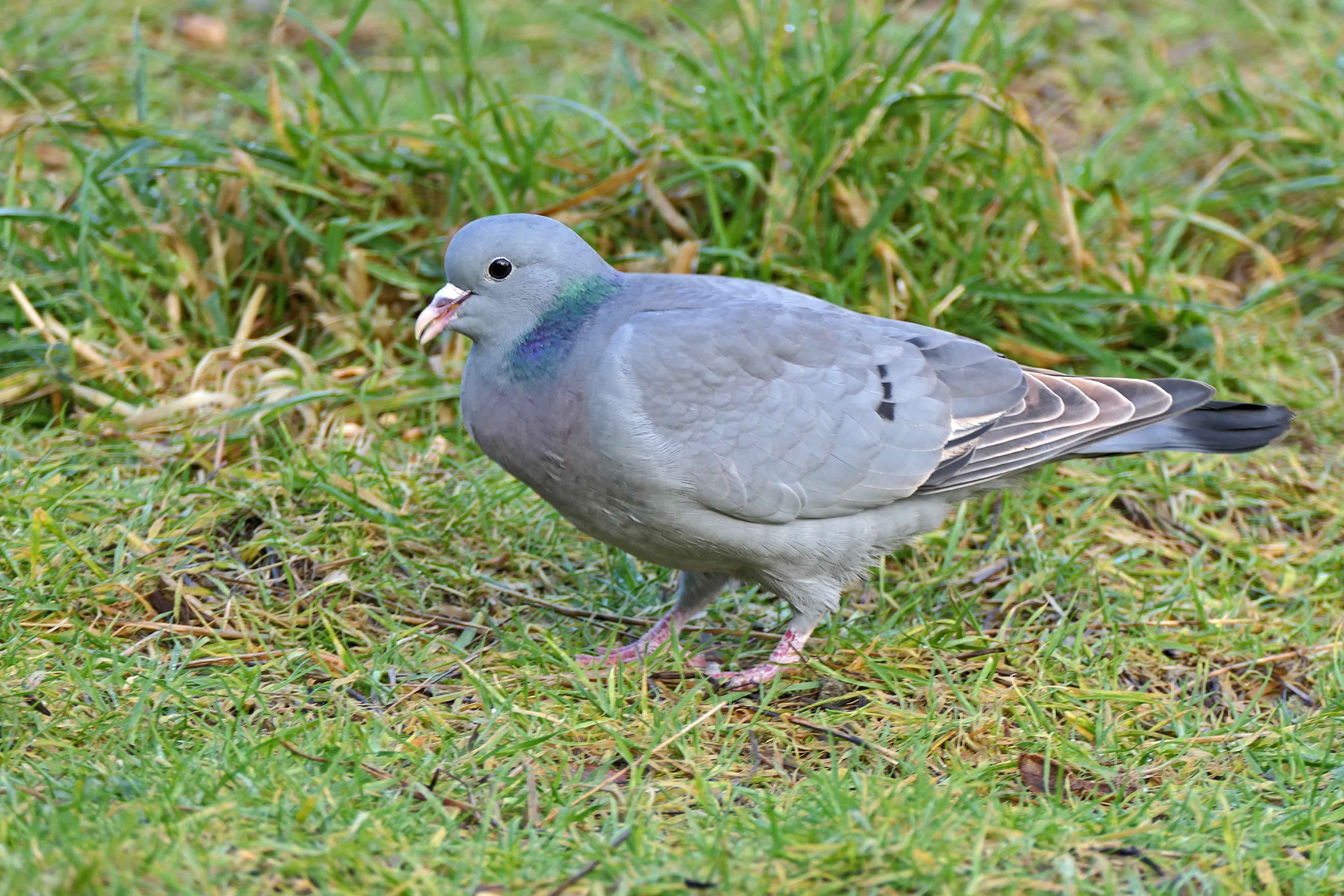
The Stock dove (Columba oenas) is not that easy to see in my area. According to my RSPB bird book, the historic expansion of their population was a benefit of the expansion of arable farming but the use of chemical seed dressings in the 1950s and 1960s led to a huge decline in the Stock dove’s population, a decline the species is still recovering from. Fortunately for those of us who want to see these handsome birds, at Forest Farm Nature Reserve in north Cardiff there are at least two Stock doves that have taken advantage of the food people leave for the local birds and are now quite confiding, if you’re careful.

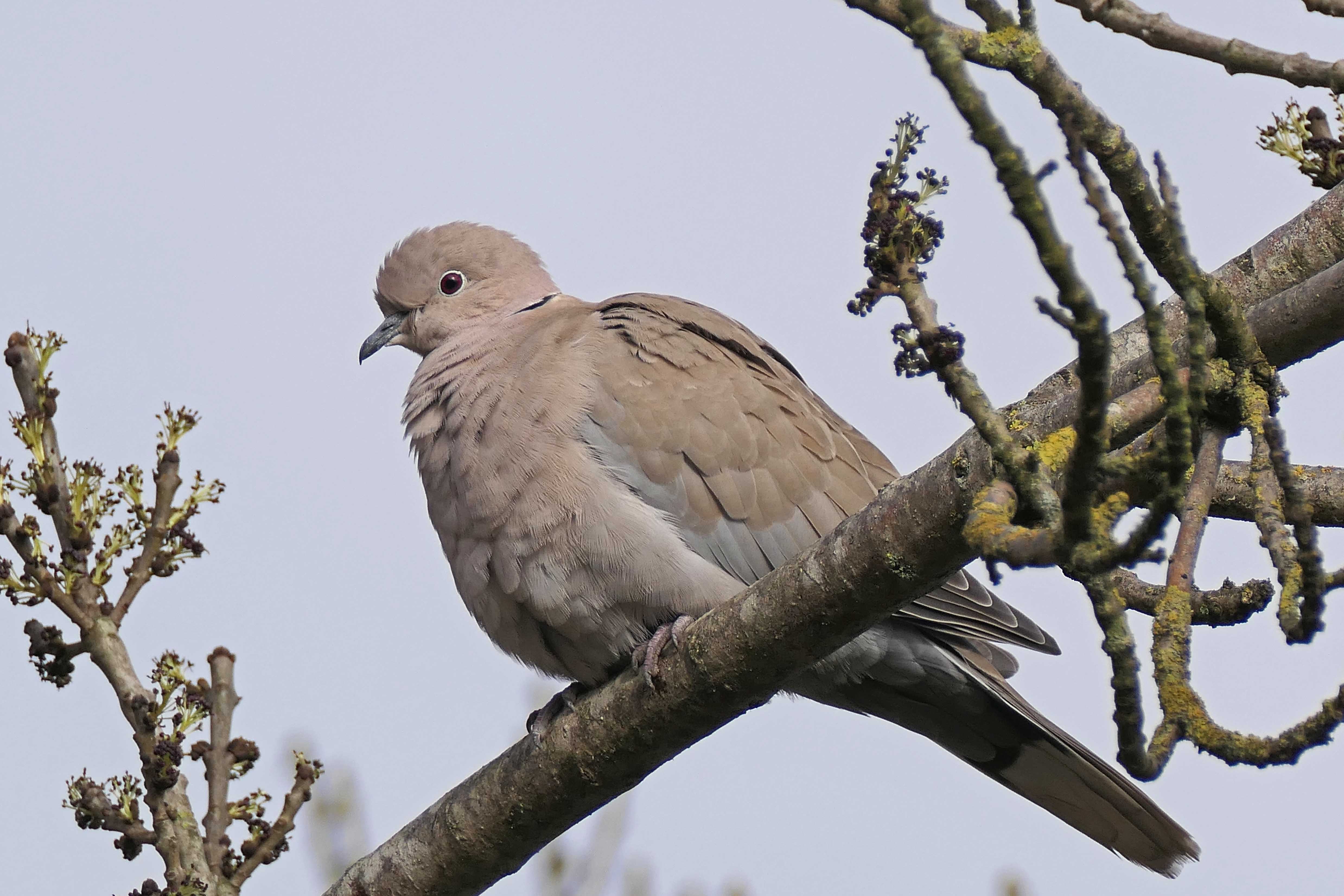
Back in April 2017, I explained in my blog post, Genetic mutation leads to immigration, about the arrival in Britain in the 1950s of the Collared dove (Streptopelia decaocto). Now they’re a common sight in my local area, and, I think, a lovely addition to Britain’s avian population. They seem to have set territories, and the bird shown here is one of a pair I see quite often when I’m walking by the River Taff in Cardiff.

Like Loading...

Fan-like fungi

13 Friday Feb 2026

Posted by sconzani in fungi

≈ Leave a comment

Tags

British fungi, Schizophyllum commune, Split Gill, Split gill fungus

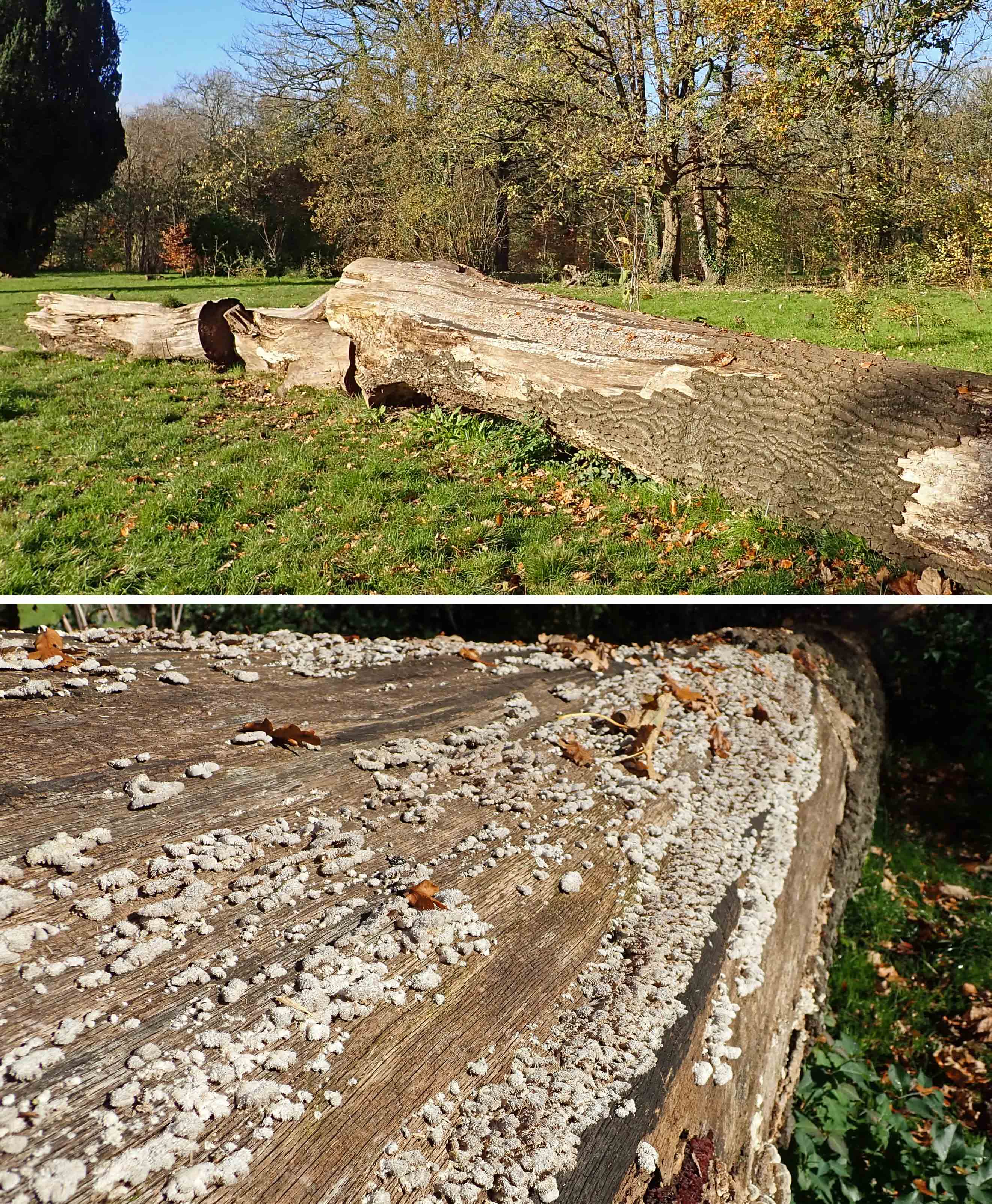
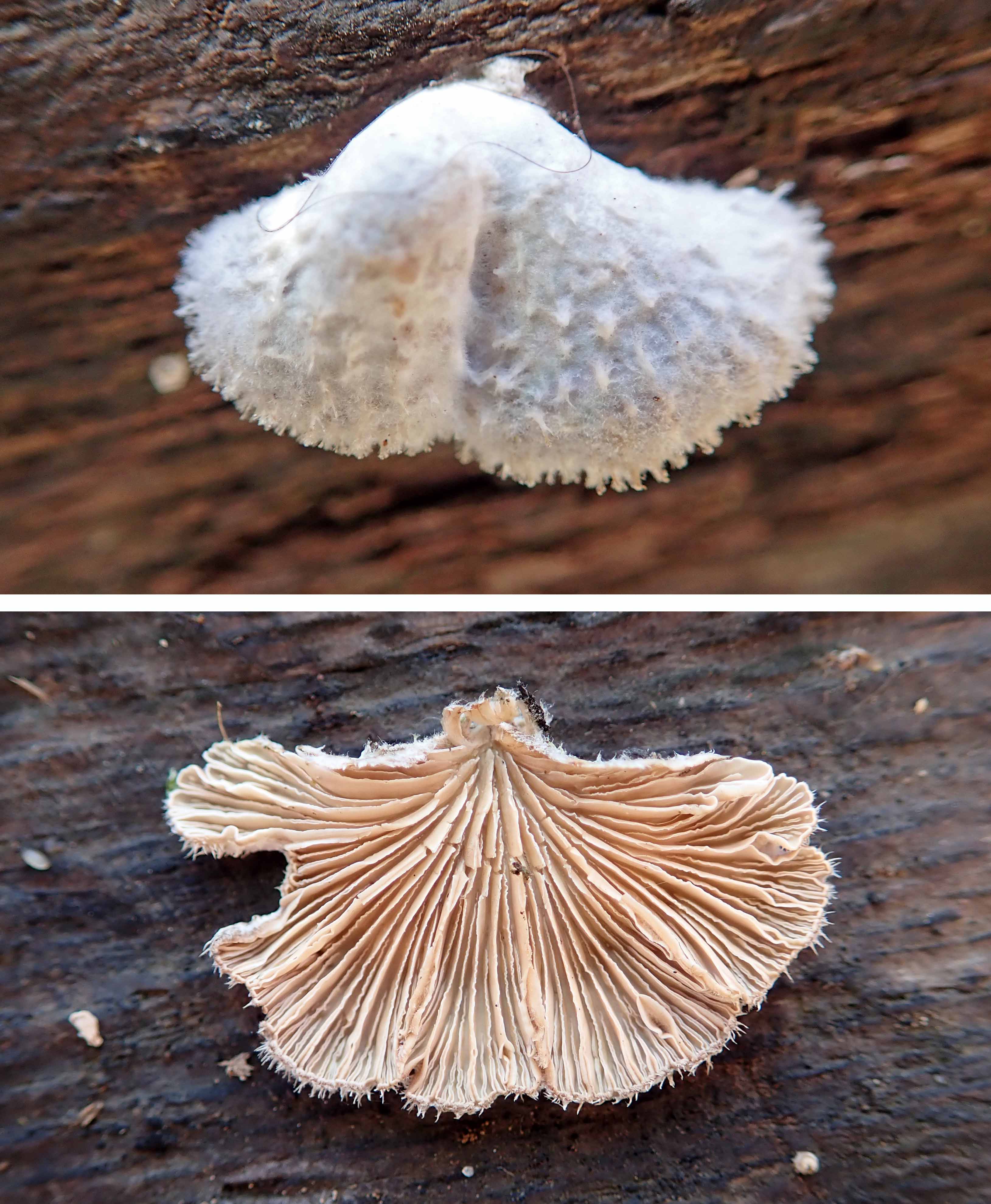
I found these Split gill fungi (Schizophyllum commune) last November but had so many other things to share at that point that these didn’t make the cut.

I’d found the same species on another tree in this Cardiff Park once before but this fallen Oak and the huge colony of Split gill fungi growing on it were more than I’d ever seen before. It’s a fungus that always intrigues me, with its bland furry upper side that gives no hint of the stunning sculptural structure beneath.

Like Loading...

Moorhen mimic

12 Thursday Feb 2026

Posted by sconzani in birds

≈ Leave a comment

Tags

bird behaviour, birding, birdwatching, British birds, Moorhen, Moorhen behaviour

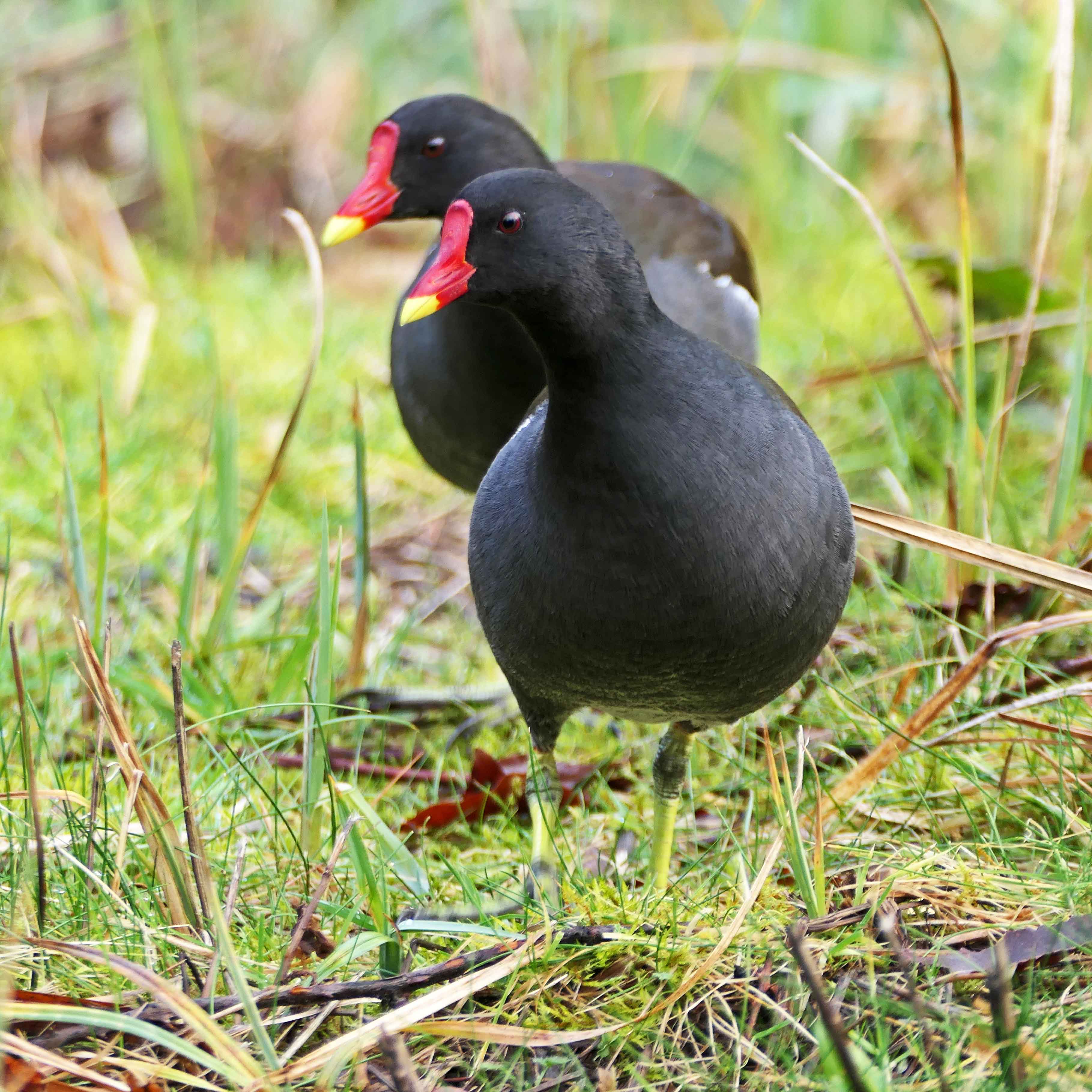
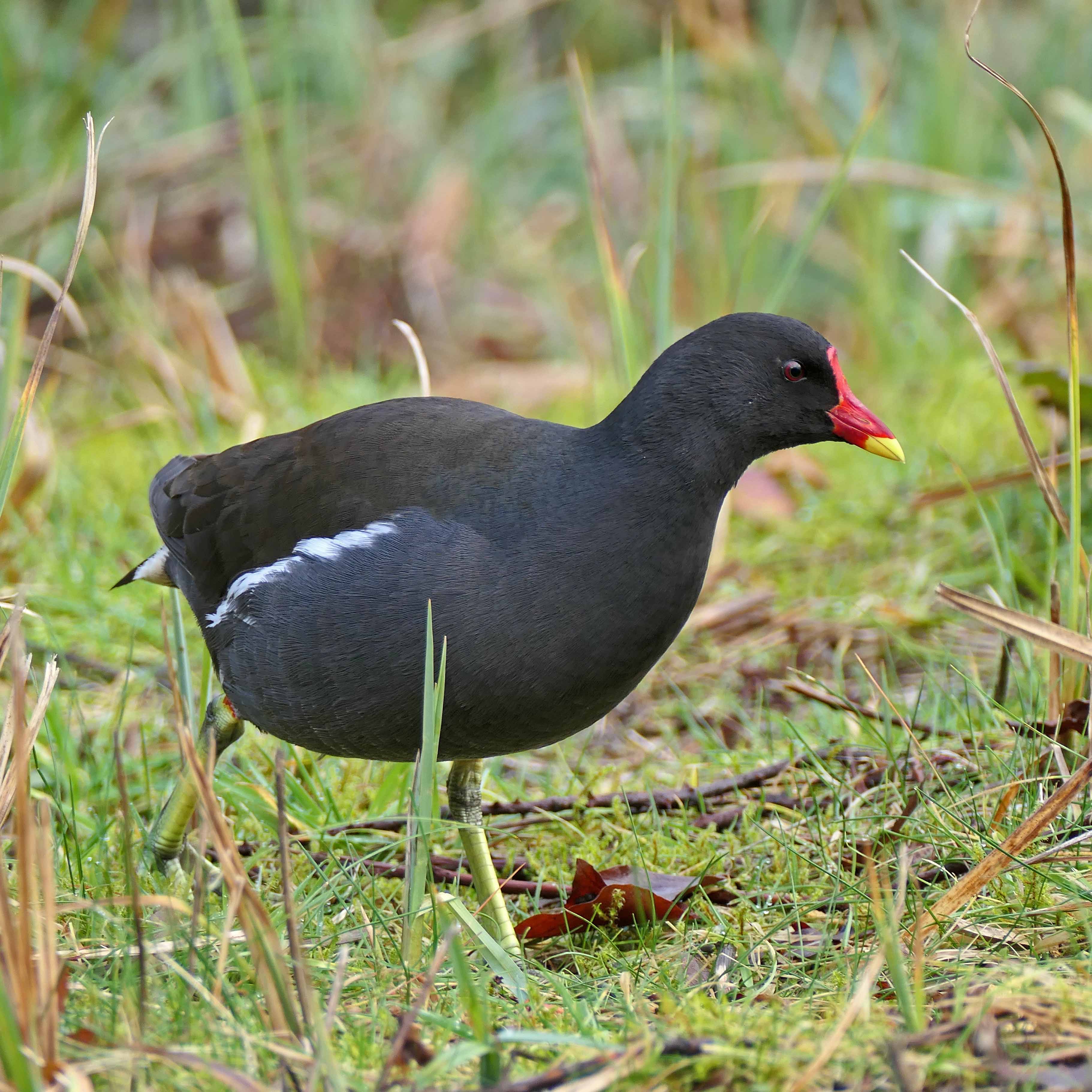
I’m sure you all know I love birds. My passion for them is not just because they’re beautiful creatures – I also find them endlessly fascinating. Take these two Moorhens, for example.

They were poking around the grassy slope in front of one of the bird hides at Forest Farm Nature Reserve, hoping to discover a morsel or two of the seeds, nuts and assorted bird food that people had thrown through the hide’s windows to help bring in the birds. As I watched the second bird began to mimic exactly the movements of the leading bird. It resembled a kind of land-based synchronised swimming, or perhaps a dance. Was this some kind of pre-mating behaviour, a way of reinforcing their pair bond? I’d never seen this type of behaviour before, and it only lasted a few minutes but it’s experiences like this that keep me watching, and listening, and learning.

And, let’s face it, Moorhens are also very handsome birds.

Like Loading...

Bug: Capsus ater

11 Wednesday Feb 2026

Posted by sconzani in insects

≈ Leave a comment

Tags

British bugs, British insects, British plant bugs, Capsus ater, Miridae

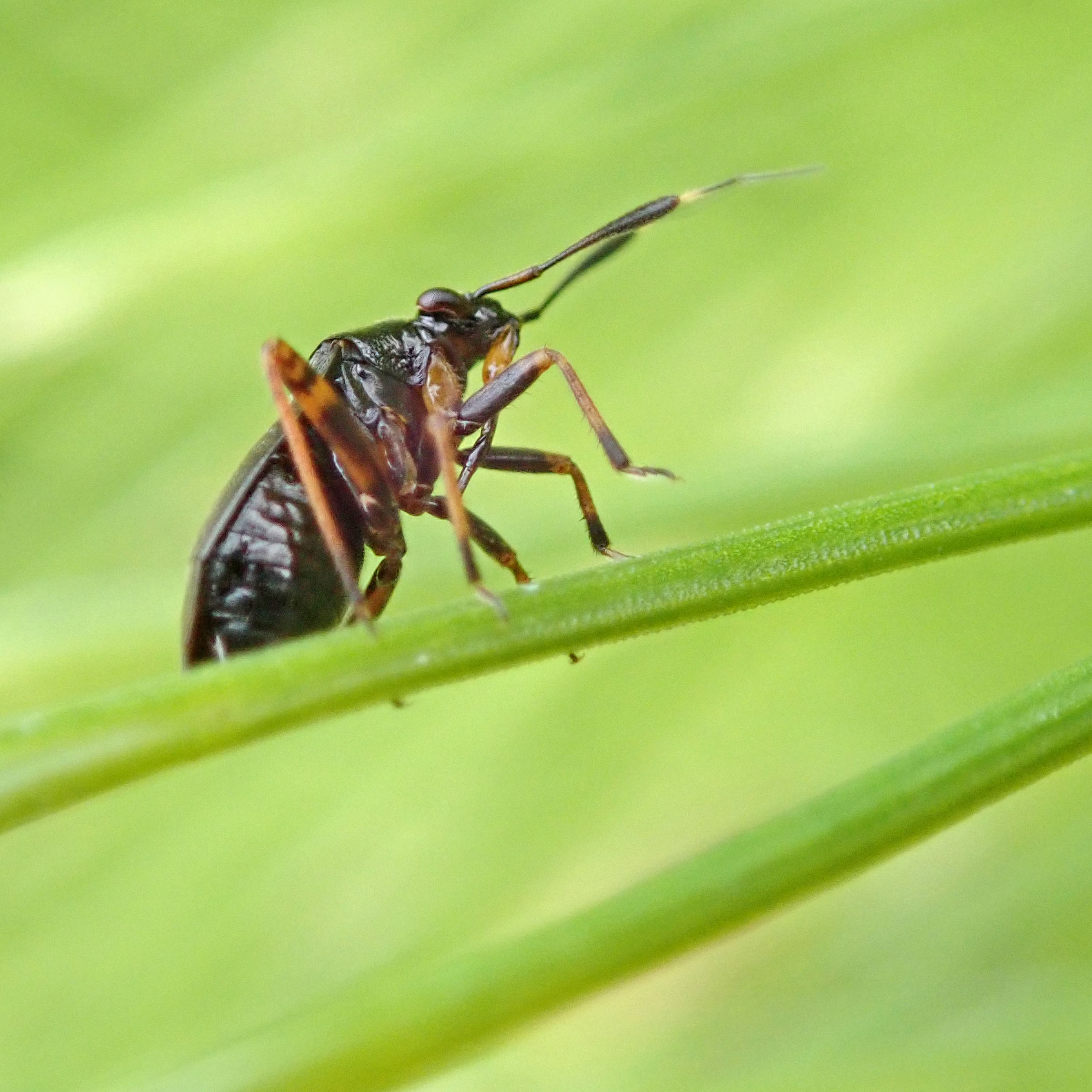
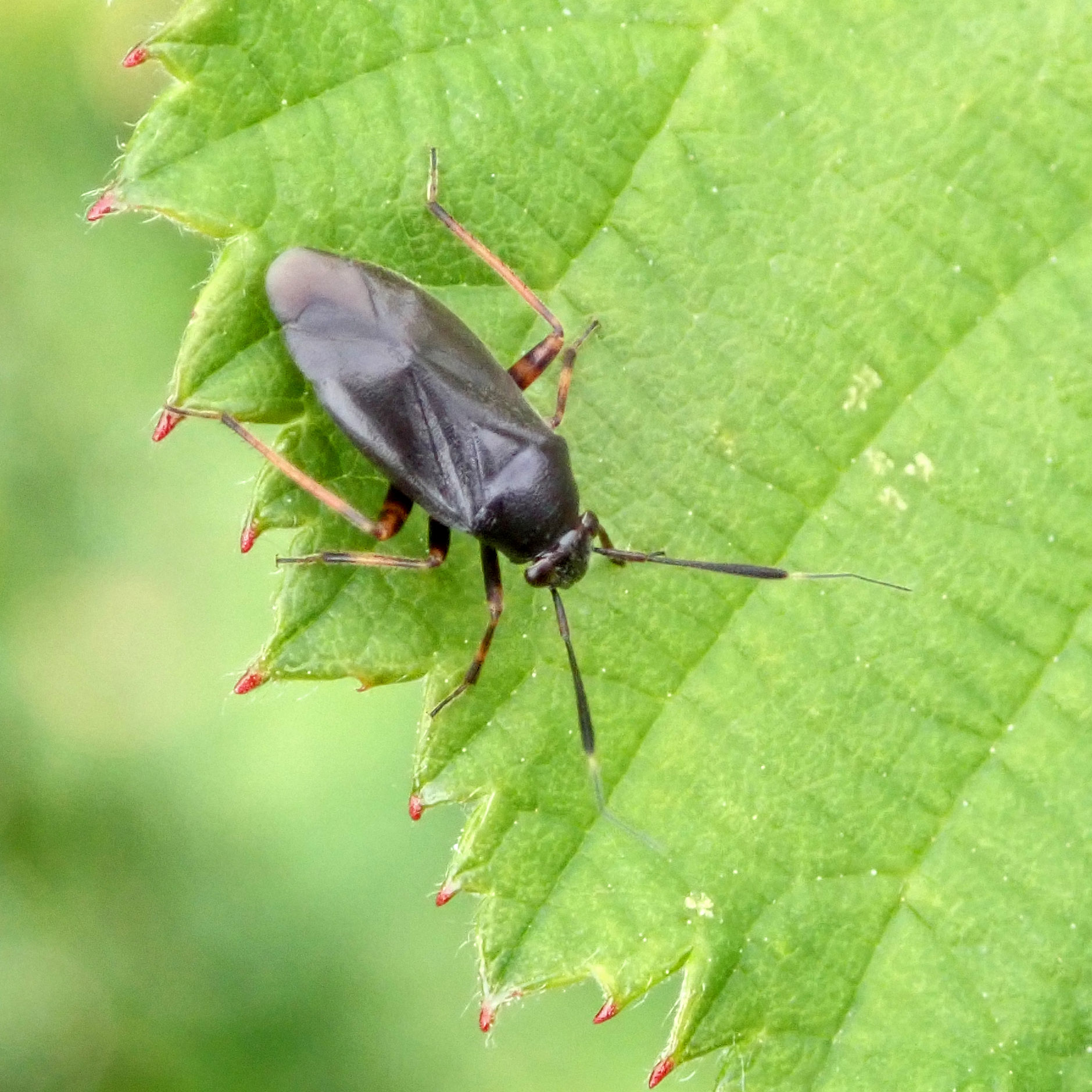
This is another of my new bug finds from last year, found while leaf-turning wildflowers and scrub along a path in a wild area of a local park. Meet Capsus ater, from the Miridae family of British plant bugs.

I found this little fellow in early June, when the adults first appear; they can be seen from June right through till September. I was lucky to spot it higher up in the vegetation as they usually feed low down on plant stems, according to the British Bugs website.

Like Loading...

Firecrests galore!

10 Tuesday Feb 2026

Posted by sconzani in birds, winter

≈ Leave a comment

Tags

birding, birdwatching, British birds, Firecrest, winter birding

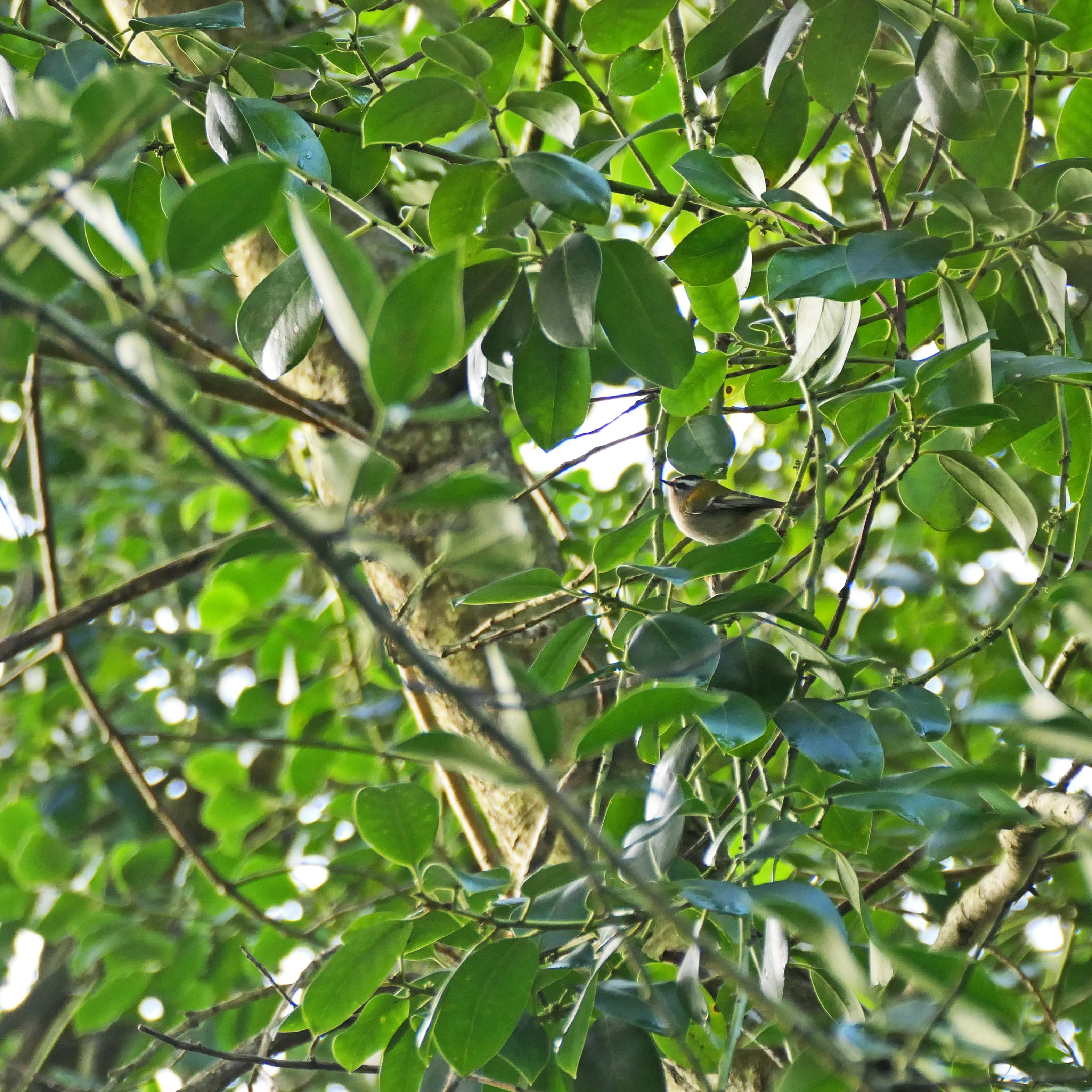
I’m lucky if I see one Firecrest each year, as they tend only to be seen in my area during the winter months and can be extremely elusive. So, when one of our expert local birders let me know that he’d seen five (!) in a nearby park, I was optimistic – surely, I could find at least one. Four park visits later, with zero Firecrest sightings, I was beginning to despair but I figured I’d give it just one more try before I gave up. And I’m so glad I did as that one day I saw four Firecrests, two in one area and two on the other side of the park, more than I’ve ever seen in one day before.

Getting good photographs of the Firecrests was another matter. These are tiny birds, and very active, flitting constantly through the vegetation in search of food. I did actually manage images of all four birds, most blurry, two with only partial views of the birds, but one, the one shown above, where you can actually see the whole bird and recognise it. Phew!

Like Loading...

Weevil: Sitona species

09 Monday Feb 2026

Posted by sconzani in insects

≈ Leave a comment

Tags

British weevils, Pea leaf weevil, Sitona lineatus, Sitona species weevil, weevil

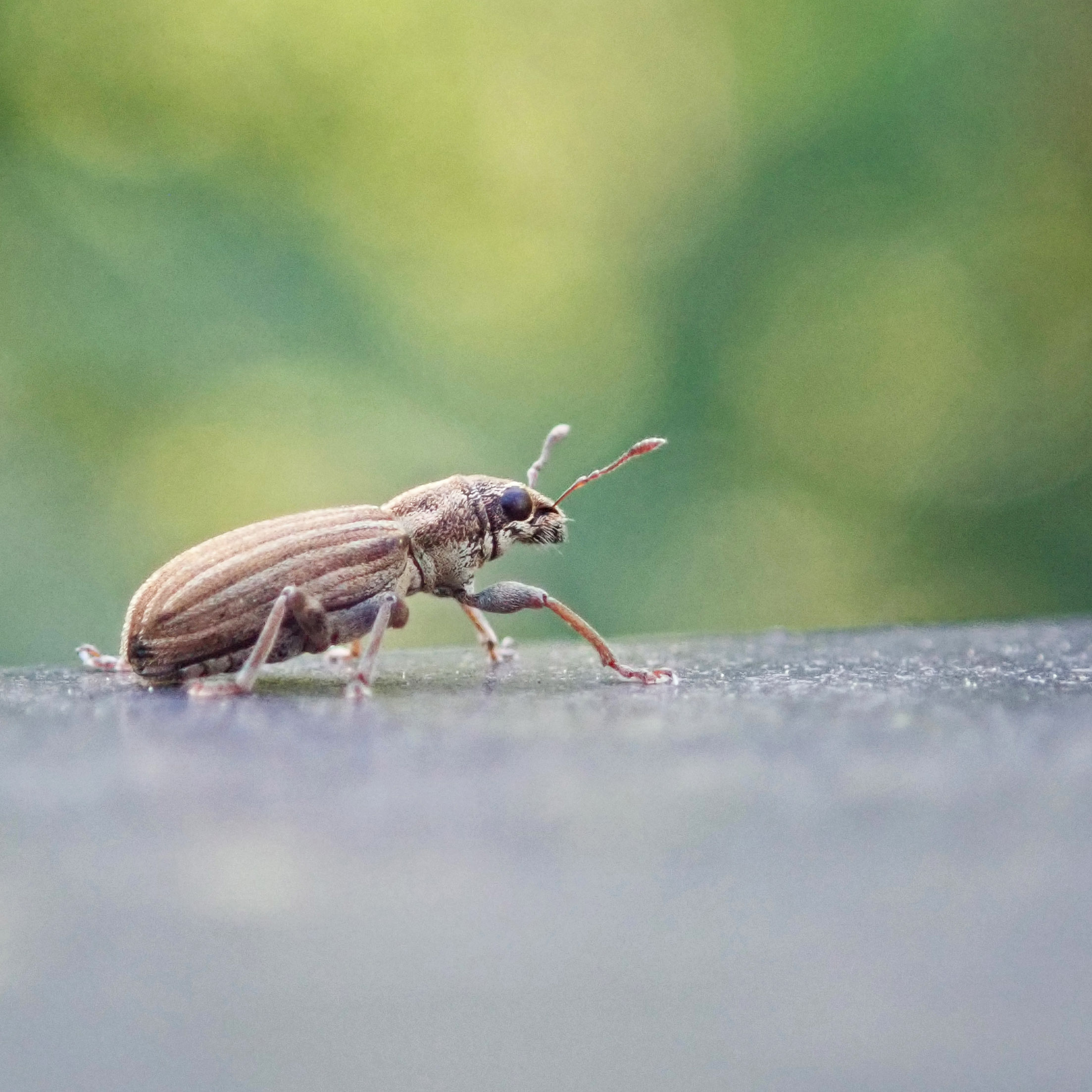
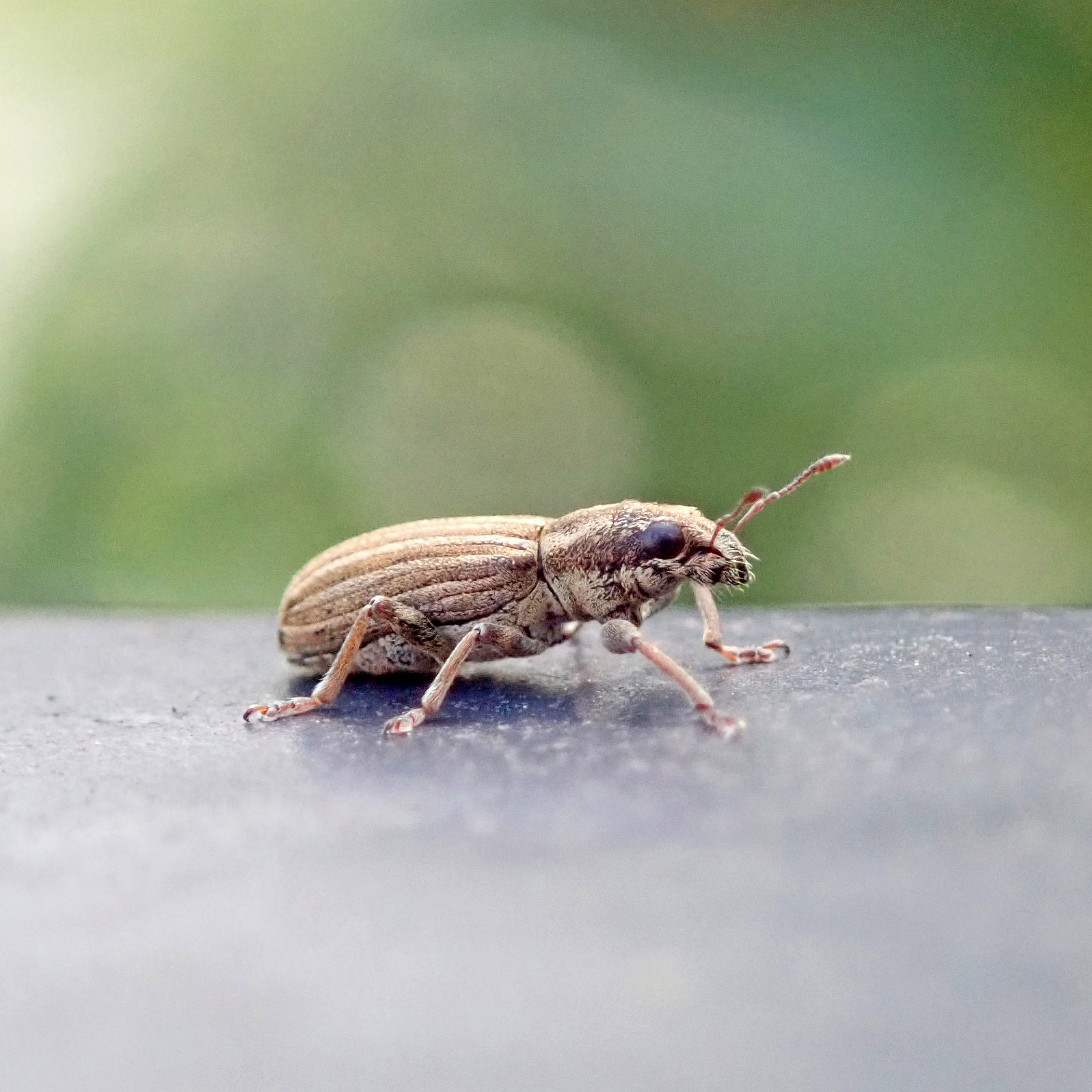
Here’s another of last year’s new finds, which I think is a Sitona lineatus weevil but that hasn’t yet been confirmed, hence today’s blog title of Sitona species. I found this little creature on the local park railings at the end of April last year but had been holding off posting about it pending verification, or not. It seems, however, that no one is currently checking weevil records.

If this is, in fact, Sitona lineatus, its common name is Pea leaf weevil, and the Naturespot website says it is the most common of the Sitona species. Although the website provides a list of features to look for to identify this species – straight sides to the wing cases, moderately bulging eyes, alternating light and dark longitudinal stripes, etc., some of those features, like ‘flat bristles on the front half of the wing cases and slightly raised in the rear half’, are shared by other Sitona species. Naturespot reports that ‘dissection is often necessary to confirm’ which species you have found, and I prefer to leave all the lovely little creatures I find alive and plodding along.

Like Loading...

Primulaceae

08 Sunday Feb 2026

Posted by sconzani in flowers, wildflowers

≈ Leave a comment

Tags

Cowslip, primrose, Primrose family, Primula veris, Primula vulgaris, Primulaceae, spring flowers

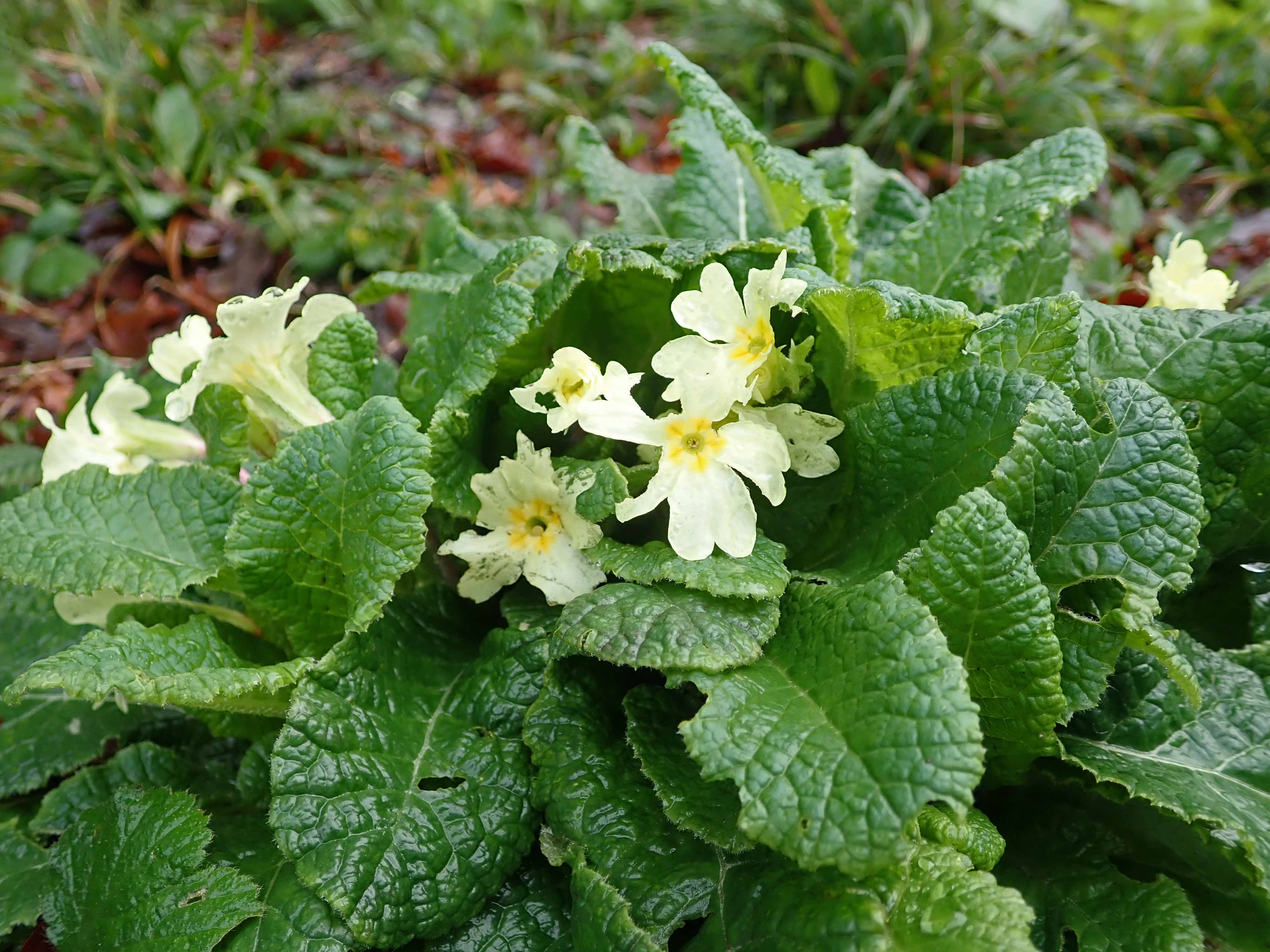
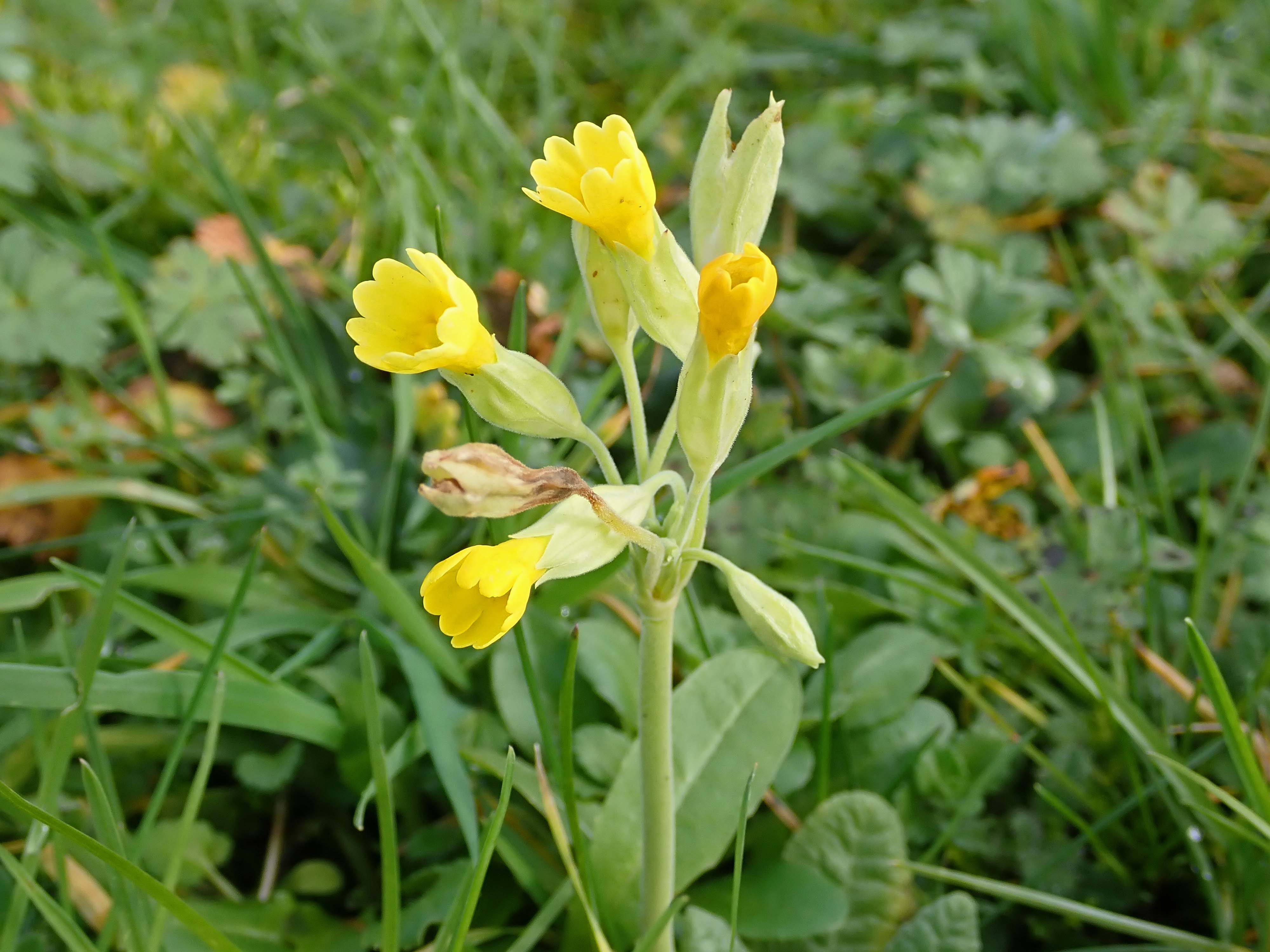
Primulaceae is the collective name for the members of the Primrose family, and I was delighted, during the several hours today when there was no rain, to find the two most common Primulaceae species in flower.

I found Primroses (Primula vulgaris) in several locations – in a local park where they may originally have been planted or may be wild (the park is mostly wild so it’s difficult to be sure); along the fence line of a horse paddock; on the edge of a small woodland, and under trees in another park.

And it was a very nice surprise to also find Cowslips (Primula veris) in bloom, growing on a grassy, south-facing slope behind a local hospital. I only spotted three plants there today, where once Cowslips and Primroses were abundant. I’m fairly certain the diminished numbers can be attributed to the mismanagement of the green spaces around the hospital (in the wildflower area one of those generic signs has appeared, saying the cutting regime has been changed to benefit the flora and fauna, which seems to mean they completely abandon the area, when they should really be cutting and removing the clippings in the autumn). Still, it was a wonderful treat today to see the sun in the sky and these little drops of sunny yellow at my feet.

Like Loading...

Paddling Black-headed gull

07 Saturday Feb 2026

Posted by sconzani in birds

≈ 2 Comments

Tags

birding, birdwatching, Black-headed gull, Black-headed gull paddling for worms, British birds, gull feeding techniques, paddling for earthworms

Having written just three days ago, in my post Paddling Herring gull, that I’d not seen a Black-headed gull paddling on the grass, imitating the effect of heavy rain hitting the ground in order to encourage earthworms to rise to the ground surface, the very next day I watched this bird doing just that. The video is just 30 seconds long but I watched the bird for about 5 minutes and, though, as you’ll see, the gull has a moment of being somewhat uncoordinated, it was mostly paddling quite forcefully. I didn’t see it have any success in that time. Mind you, I didn’t see any of the surrounding flock of Black-headed gulls, foraging conventionally, find any worms either.

Like Loading...
← Older posts
Newer posts →

About me

sconzani

sconzani

I'm a writer and photographer; researcher and blogger; birder and nature lover; countryside rambler and city strider; volunteer and biodiversity recorder.

View Full Profile →

Follow earthstar on WordPress.com

Enter your email address to follow this blog and receive notifications of new posts by email.

Recent blog posts

  • Lifer: Box bug April 27, 2026
  • Peak Wild garlic April 26, 2026
  • First damsels of 2026 April 25, 2026
  • NFY: Green-veined white April 24, 2026
  • The return of the Willow warblers April 23, 2026

From the archives

COPYRIGHT

Unless otherwise acknowledged, the text and photographs on this blog are my own and are subject to international copyright. Nothing may be downloaded or copied without my permission.

Fellow Earth Stars!

  • Unknown's avatar
  • Unknown's avatar
  • Unknown's avatar
  • Unknown's avatar
  • Unknown's avatar
  • Unknown's avatar
  • Unknown's avatar
  • Unknown's avatar
  • Unknown's avatar
  • Unknown's avatar
  • Unknown's avatar
  • Unknown's avatar
  • Unknown's avatar
  • Unknown's avatar
  • Unknown's avatar
  • Unknown's avatar
  • Unknown's avatar
  • Unknown's avatar
  • Unknown's avatar
  • Unknown's avatar
  • Unknown's avatar
  • Unknown's avatar
  • Unknown's avatar
  • Unknown's avatar
  • Unknown's avatar
  • Unknown's avatar
  • Unknown's avatar
  • Unknown's avatar
  • Unknown's avatar
  • Unknown's avatar
  • Unknown's avatar
  • Unknown's avatar
  • Unknown's avatar
  • Unknown's avatar
  • Unknown's avatar
  • Unknown's avatar
  • Unknown's avatar
  • Unknown's avatar
  • Unknown's avatar
  • Unknown's avatar
  • Unknown's avatar
  • Unknown's avatar
  • Unknown's avatar
  • Unknown's avatar
  • Unknown's avatar
  • Unknown's avatar
  • Unknown's avatar
  • Unknown's avatar
  • Unknown's avatar
  • Unknown's avatar

Blog at WordPress.com.

Privacy & Cookies: This site uses cookies. By continuing to use this website, you agree to their use.
To find out more, including how to control cookies, see here: Cookie Policy
  • Subscribe Subscribed
    • earthstar
    • Join 642 other subscribers
    • Already have a WordPress.com account? Log in now.
    • earthstar
    • Subscribe Subscribed
    • Sign up
    • Log in
    • Report this content
    • View site in Reader
    • Manage subscriptions
    • Collapse this bar
 

Loading Comments...
 

You must be logged in to post a comment.

    %d