• ABOUT
  • BIRDING 2018
  • Birding 2019
  • BLOG POSTS
  • Butterflies 2018
  • Resources

earthstar

~ a celebration of nature

earthstar

Category Archives: insects

M is for mite

18 Thursday Dec 2025

Posted by sconzani in insects, plants

≈ Leave a comment

Tags

British galls, Colomerus vitis, gall mites, gall-causing mites, galls, galls on grape leaves, galls on grapevines

When preparing this series of countdown blog posts, I revisited the two locations where I found Grape mites (Galls on grapevines, 26 July) earlier this year, hoping to take a new photo to accompany this post. Unfortunately, I’d left it too late, as the grape vines were both bare, their leaves dead and already dropped off or blown from their branches on to the ground below. My find of this miniscule mite was one of my ‘first for Wales’ sightings in 2025 and I’m quite surprised to note that no other sightings have yet been recorded though, on checking iRecord, sightings do look quite sparse across Britain so far. I’ve already made a diary note to check for the mites (Colomerus vitis) again next year, and will be on the lookout for their telltale signs in other locations.

Like Loading...

L is for lepidopteran lifers

17 Wednesday Dec 2025

Posted by sconzani in insects

≈ Leave a comment

Tags

British butterflies, British skippers, butterfly, Isle of Portland butterflies, Lulworth skipper, Plebejus argus, Silver-studded blue, summer butterflies, Thymelicus acteon, Tout Quarry

The 11th of June was a red letter day for Lepidoptera! I was enjoying a mini break In the Dorset seaside town of Weymouth and had caught the bus to the Isle of Portland to look for butterflies in the unique habitat of Portland’s former stone quarries. I was specifically hoping to see my first Lulworth skippers, and I did (Lifer: Lulworth skipper, 16 June).

I was not expecting to see a second lepidopteran lifer that day, but I did, my first ever Silver-studded blue butterflies (Lifer: Silver-studded blue, 14 June). It was the stuff my dreams are made of!

Like Loading...

K is for Keeled skimmers

16 Tuesday Dec 2025

Posted by sconzani in insects

≈ Leave a comment

Tags

British dragonflies, dragonfly, Keeled skimmer, male Keeled skimmers, Orthetrum coerulescens

Dragonflies feature in three of my countdown blog posts this year as I’ve been fortunate to have seen several new species, and others that I had only seen once previously. Keeled skimmers, blogged about on 26 August, were one of the latter species, and what a delight it was to watch them skimming back and forth around the ponds at Maesteg, a new site for me that I plan to revisit next year.

Like Loading...

J is for Jersey tiger

15 Monday Dec 2025

Posted by sconzani in insects

≈ Leave a comment

Tags

British moths, climate change affecting wildlife, Euplagia quadripunctaria, Jersey tiger, Jersey tiger moth, moth

As I wrote on 30 August, after a lull in sightings over the past couple of years, 2025 was A good year for Jersey tigers, and it seems very likely that our changing climate has a lot to do with this year’s notable increase in sightings of this stunning moth.

Like Loading...

I is for Ichneumon

14 Sunday Dec 2025

Posted by sconzani in insects

≈ Leave a comment

Tags

British wasps, ichneumon, Ichneumon wasps, British ichneumons, Pimpla species, Campopleginae pupa, Ichneumon pupa

This has been a good year for sightings of Ichneumon wasps, and I have written a couple of posts about some I’ve found: Three Ichneumon wasps, on 19 August, featured my first Ctenichneumon panzeri record (now verified); Heteropelma amictum, found on the same day but not yet verified (the national Ichneumon recorder is currently working his way through what must be a huge number of national records – these voluntary verifiers do an incredible job!); and Ichneumon stramentor, a species I’d seen previously and which has been verified. Another first sighting, the handsome Tromatobia lineatoria, whose identity has also now been confirmed, featured in a second blog, Ichneumon: Tromatobia lineatoria, published recently, on 13 November.

There have, of course, been other Ichneumon sightings. One that I didn’t write about because I was rather unsure of its identification is shown above; it has now been verified as one of the Pimpla species. And in July I found a cocoon, which I recognised as having been created by an Ichneumon wasp but has now been confirmed as belonging to the subfamily Campopleginae. I’m hoping my luck at finding new Ichneumon species will continue in 2026.

Like Loading...

H is for hawkers

13 Saturday Dec 2025

Posted by sconzani in insects

≈ Leave a comment

Tags

dragonfly, British dragonflies, Odonata, Hawker dragonflies, British odonata, Norfolk hawker, Common hawker

What a grand year 2025 has been for dragonfly sightings, partly because, since downsizing my home situation, I’ve finally been able to afford to venture further afield – nothing too adventurous, no trips abroad, but four lovely little mini-breaks in English locations to look for wildlife I’m not able to see closer to home.

That’s how, during a wonderful week in Weymouth in June, I saw my first ever Norfolk hawkers (see Lifer: Norfolk hawker, 18 June) (above). However, my second ‘first-ever’ hawker species sighting (see Lifer: Common hawker, 22 August) (below) was here in Wales, in a small town high in one of the south Wales valleys that I hadn’t previously visited and didn’t know was home to a pond that held some very nice dragonfly species. That visit was a good reminder to explore more widely here in Wales next year, as well as in England.

Like Loading...

B is for bugs and beetles

07 Sunday Dec 2025

Posted by sconzani in insects

≈ 2 Comments

Tags

British beetles, British bugs, Juniper shieldbug, Kleidocerys resedae, new beetle finds, new bug finds

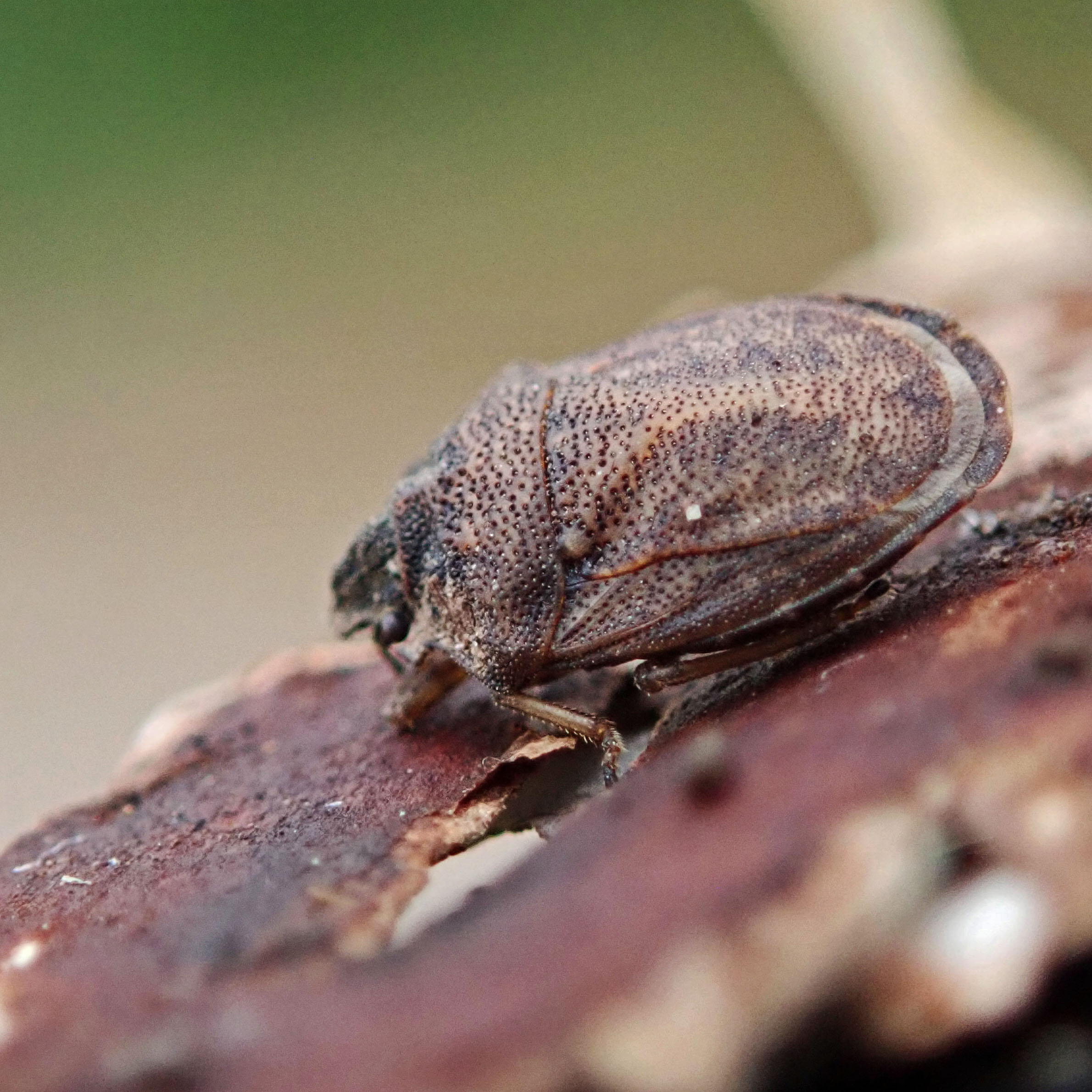
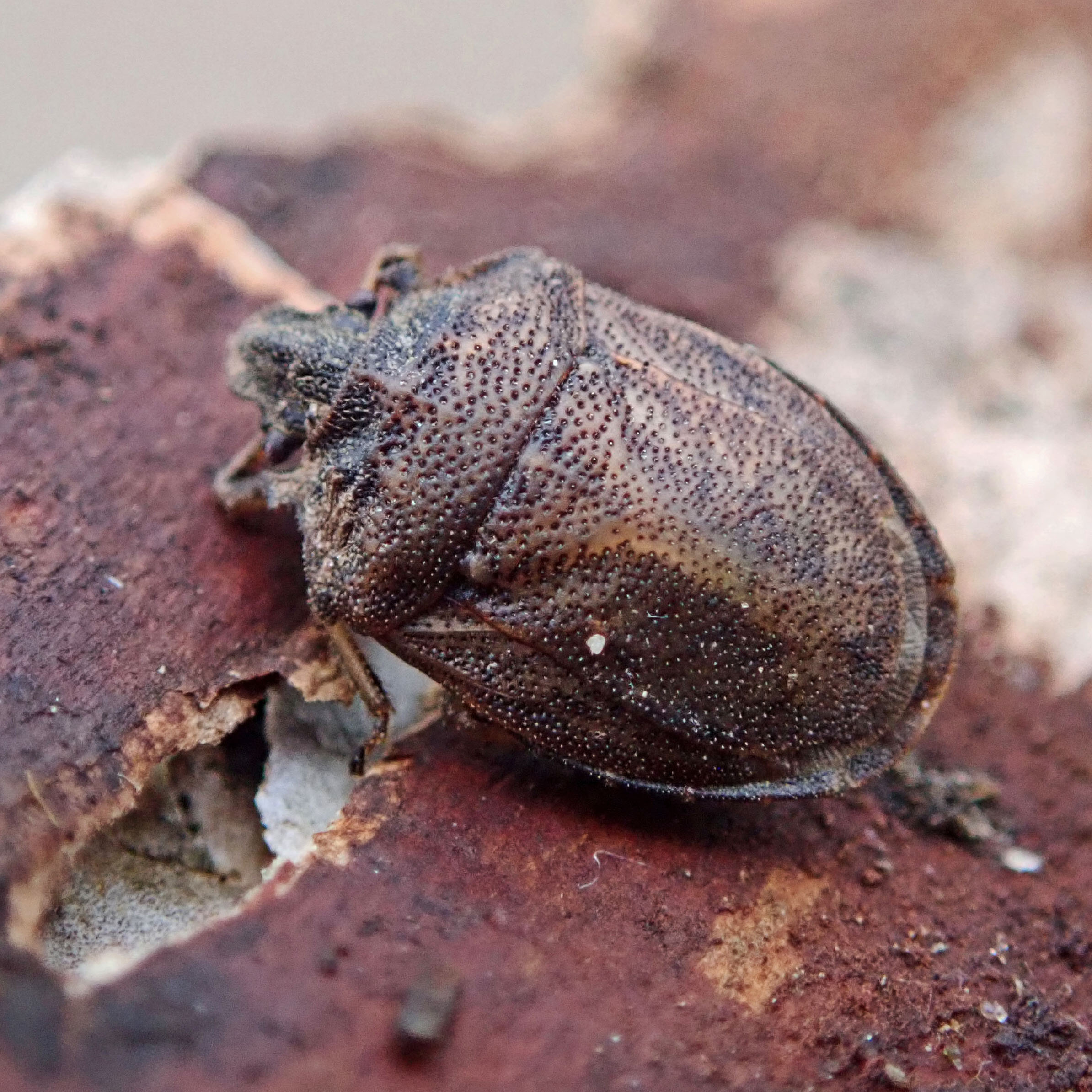
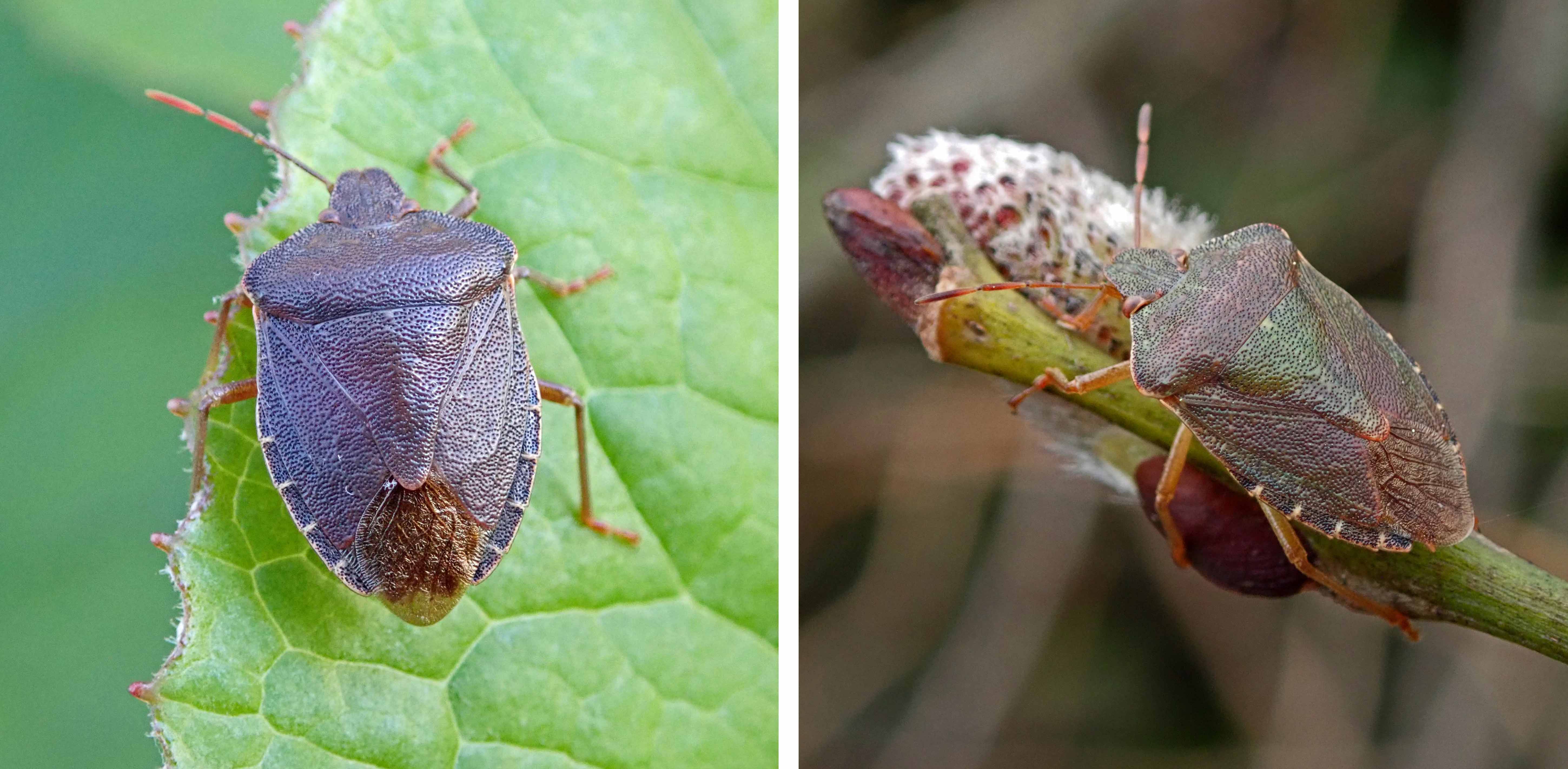
One of my wildlife aims this year has been to try to find as many new species, of all kinds, as possible, and I’ve been extremely lucky to have found many new-to-me bugs and beetles. These include Lesser thorn-tipped longhorn beetle, 4 January; My first Pine ladybird, 10 March; My first Eyed ladybird, 22 April; Fine streaked bugkins, 26 April; Cyllecoris histrionius, adult and nymph, 12 May; Cantharis decipiens, 13 May; Cacopsylla ambigua, 29 May; Rhopalus subrufus, 6 June; Rhabdomiris striatellus, 10 June; Bug: Deraeocoris flavilinea, 28 June; Beetle: Grammoptera ruficornis, 30 July; Beetle: Four-banded longhorn, 2 August; and Bug: Megacoelum infusum, 12 September.

I was particularly chuffed to find my first Juniper shieldbugs (Juniper shieldbug, 3 June) and, now that I know to look for them on some other tree species, I’ve managed to find them on four separate occasions, three of those in the same location as my initial find, on a Cypress growing in a local park, and the other on a different Cypress species growing in one of Cardiff’s oldest cemeteries, alongside Llandaff Cathedral.

Another new bug that I think is particularly attractive is Bug: Kleidocerys resedae. I wrote about that on 27 June, and this is another species that I’ve managed to re-find, on 15 November, when I spotted three different adult bugs within a few metres of each other.

Like Loading...

A is for Arocatus roeselli

06 Saturday Dec 2025

Posted by sconzani in insects

≈ Leave a comment

Tags

Arocatus longiceps, Arocatus longiceps / roeselii, Arocatus roeselii, British bugs, bugs on Alder trees

Another year of wonderful flora and fauna sightings is drawing to a close and, as I’ve done for a few years now, I’m going to do an alphabetical countdown of some of my more memorable moments in Nature. I’m very proud to have added three more first-for-Wales sightings to my list in 2025, and this beautiful bug was one of them (as reported in Bug: Arocatus roeselii, 12 July).

Like Loading...

Aphid: Eriosoma lanigerum

01 Monday Dec 2025

Posted by sconzani in insects, plants, trees

≈ 2 Comments

Tags

American blight, aphid, aphids on Apple trees, aphids on Firethorn, aphids on Pyracantha, British aphids, Eriosoma lanigerum, galls on Firethorn, galls on Pyracantha, Woolly apple aphid

When I set out on my walk last Saturday, I wasn’t intentionally targeting aphids but up they popped. At this first location I wasn’t completely certain that what I saw was caused by aphids but, as soon as I poked one of the fuzzy white lumps on this Firethorn (Pyracantha species) and my finger came away stained red, I knew I’d just inadvertently squashed an aphid (this has happened to me before when I grabbed a willow branch without noticing the aphids perched on it).

After a little research when I got home, it quickly became apparent that these were Eriosoma lanigerum, also known as Woolly apple aphids and American blight. The sap-sucking feeding of Eriosoma lanigerum causes deformation and swellings on the branches, trunks and roots of their host plants, as you can see from the lumpy growths on the branches of this Firethorn bush.

The white ‘wooliness’ is a wax substance the aphids produce in specialised glands and excrete as filaments from various parts of their bodies. The Influential Points website, which is an excellent resource for information about aphids, summarises the various reasons scientists have reached for this wax secretion:

Smith suggests that the primary role of the secreted wax is to prevent the aphids becoming contaminated by their own honeydew … and that of other members of the colony…. Other secondary roles of wax may include individual microclimate isolation, protection from fungi, parasites and predators plus waterproofing and frost protection.

Though their primary plant hosts are Pyracantha and Cotoneaster species, as the Woolly apple aphid name suggests, their secondary host is Apple and, on the various species of Apple trees, they are considered a major pest, often having a severe economic impact on Apple crops. If you’re interested in reading more about this, the Influential Points website has a long list of various scientific research papers from around the globe on the subject of these aphids, their reproduction habits, their seasonal movements, their genetics and population dynamics, as well as ways to control their infestations.

Like Loading...

Location location location

28 Friday Nov 2025

Posted by sconzani in insects

≈ 2 Comments

Tags

British moths, Erannis defoliaria, moth, moths attracted to lights, Mottled umber, Operophtera brumata, Winter moth

Over the summer months I discovered how productive the solid fencing around this building site alongside the River Taff was for insect finds. A section of the fence along the access track to the site was where I saw my first Large white butterfly pupae and, subsequently, the parasitic wasps that preyed on them and were, in turn, the victims of other parasitic wasps (see Large whites and parasitism, part 1, 23 June and Large whites and parasitism, part 2, 24 June).

The interesting finds have continued with the changing seasons. Yesterday, when I walked slowly past, though there were several different creatures (including at least one Noble false widow spider), the highlights were moths, drawn to the wall, no doubt, by the lights that illuminate the wall at night. Yesterday’s finds were four Winter moths (Operophtera brumata) and a Mottled umber (Erannis defoliaria).

Like Loading...
← Older posts

About me

sconzani

sconzani

I'm a writer and photographer; researcher and blogger; birder and nature lover; countryside rambler and city strider; volunteer and biodiversity recorder.

View Full Profile →

Follow earthstar on WordPress.com

Enter your email address to follow this blog and receive notifications of new posts by email.

Recent blog posts

  • M is for mite December 18, 2025
  • L is for lepidopteran lifers December 17, 2025
  • K is for Keeled skimmers December 16, 2025
  • J is for Jersey tiger December 15, 2025
  • I is for Ichneumon December 14, 2025

From the archives

COPYRIGHT

Unless otherwise acknowledged, the text and photographs on this blog are my own and are subject to international copyright. Nothing may be downloaded or copied without my permission.

Fellow Earth Stars!

  • Unknown's avatar
  • Unknown's avatar
  • Unknown's avatar
  • Unknown's avatar
  • Unknown's avatar
  • Unknown's avatar
  • Unknown's avatar
  • Unknown's avatar
  • Unknown's avatar
  • Unknown's avatar
  • Unknown's avatar
  • Unknown's avatar
  • Unknown's avatar
  • Unknown's avatar
  • Unknown's avatar
  • Unknown's avatar
  • Unknown's avatar
  • Unknown's avatar
  • Unknown's avatar
  • Unknown's avatar
  • Unknown's avatar
  • Unknown's avatar
  • Unknown's avatar
  • Unknown's avatar
  • Unknown's avatar
  • Unknown's avatar
  • Unknown's avatar
  • Unknown's avatar
  • Unknown's avatar
  • Unknown's avatar
  • Unknown's avatar
  • Unknown's avatar
  • Unknown's avatar
  • Unknown's avatar
  • Unknown's avatar
  • Unknown's avatar
  • Unknown's avatar
  • Unknown's avatar
  • Unknown's avatar
  • Unknown's avatar
  • Unknown's avatar
  • Unknown's avatar
  • Unknown's avatar
  • Unknown's avatar
  • Unknown's avatar
  • Unknown's avatar
  • Unknown's avatar
  • Unknown's avatar
  • Unknown's avatar
  • Unknown's avatar

Blog at WordPress.com.

Privacy & Cookies: This site uses cookies. By continuing to use this website, you agree to their use.
To find out more, including how to control cookies, see here: Cookie Policy
  • Subscribe Subscribed
    • earthstar
    • Join 667 other subscribers
    • Already have a WordPress.com account? Log in now.
    • earthstar
    • Subscribe Subscribed
    • Sign up
    • Log in
    • Report this content
    • View site in Reader
    • Manage subscriptions
    • Collapse this bar
 

Loading Comments...
 

You must be logged in to post a comment.

    %d