• ABOUT
  • BIRDING 2018
  • Birding 2019
  • BLOG POSTS
  • Butterflies 2018
  • Resources

earthstar

~ a celebration of nature

earthstar

Category Archives: insects

Lucky last?

14 Thursday Nov 2024

Posted by sconzani in autumn, insects

≈ 2 Comments

Tags

autumn butterflies, autumn colour, British butterflies, butterfly, Red Admiral

Is this the last butterfly I’ll see in 2024? Quite possibly, as the overnight temperatures have now started to fall to single digits. Still, Red admirals are very resilient and, though they should have migrated south by now, I’m seeing reports of the odd one, like this beauty I spotted in a local field on Tuesday, still flying when the sun occasionally appears.

241114 red admiral

Like Loading...

Leafmines: Gypsonoma dealbana

13 Wednesday Nov 2024

Posted by sconzani in insects, leaves, trees

≈ Leave a comment

Tags

British leafminers, British moths, Gypsonoma dealbana, Gypsonoma species, leaf-mining moth larvae, moth larvae on Oak, Oak leafmines

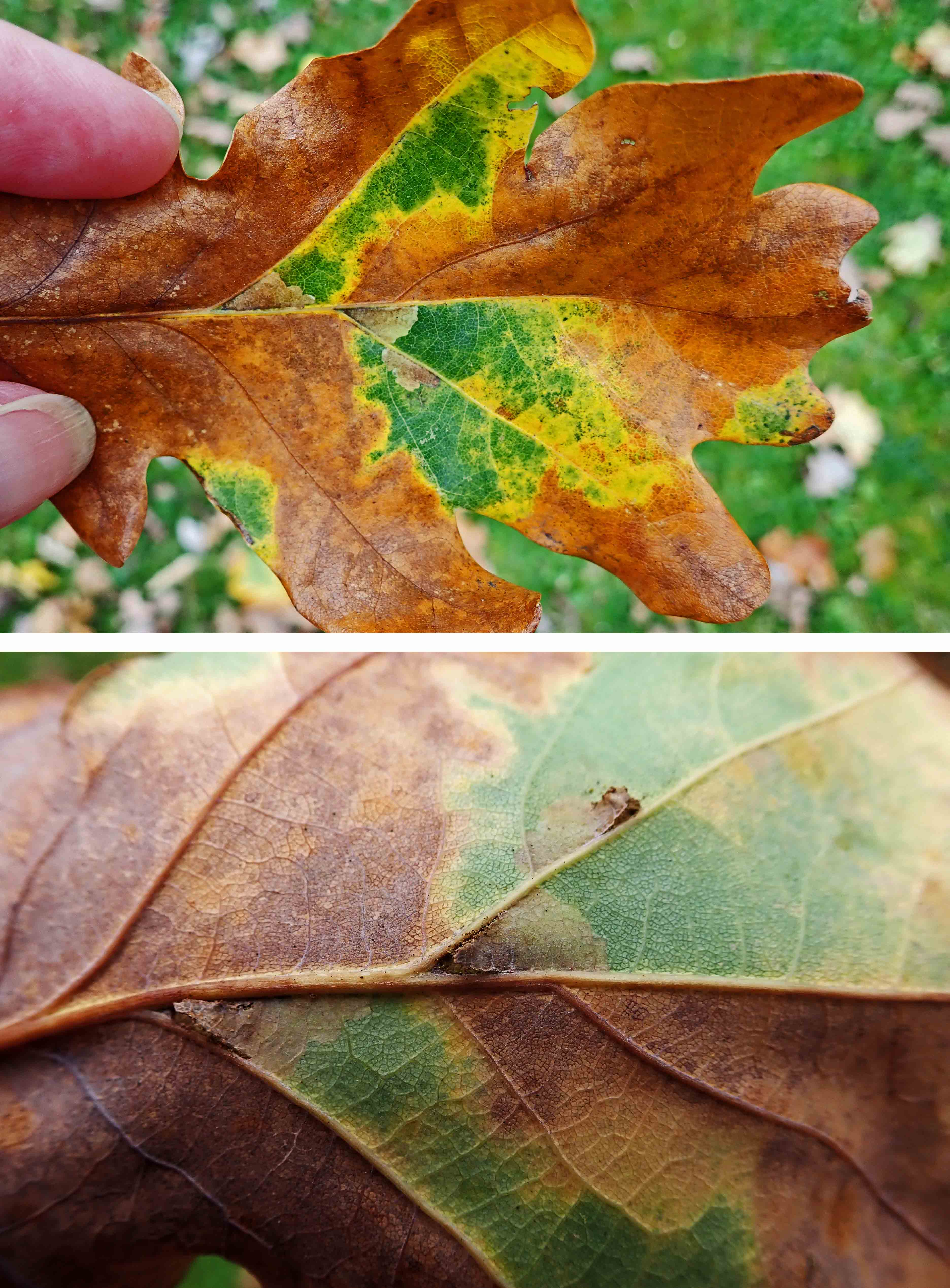
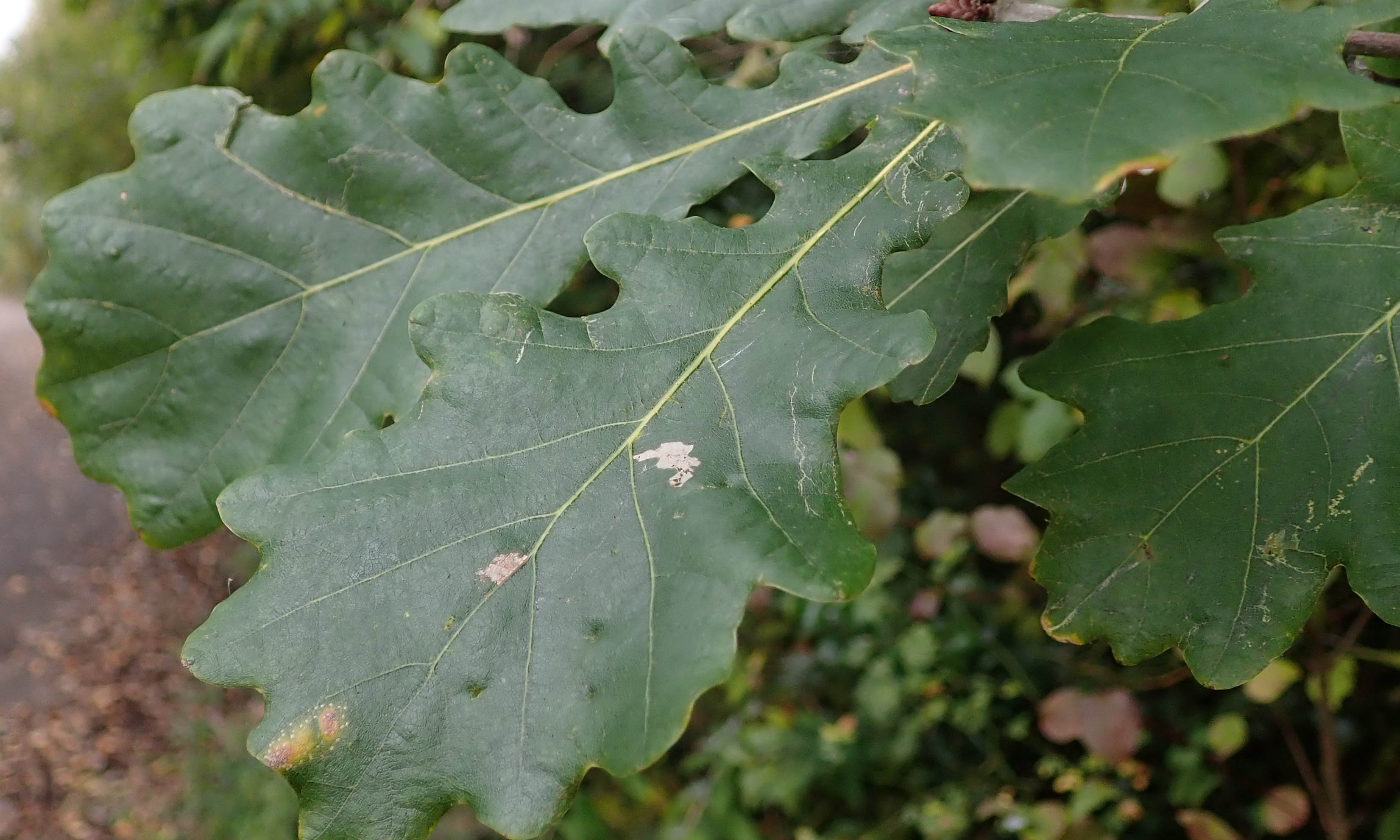
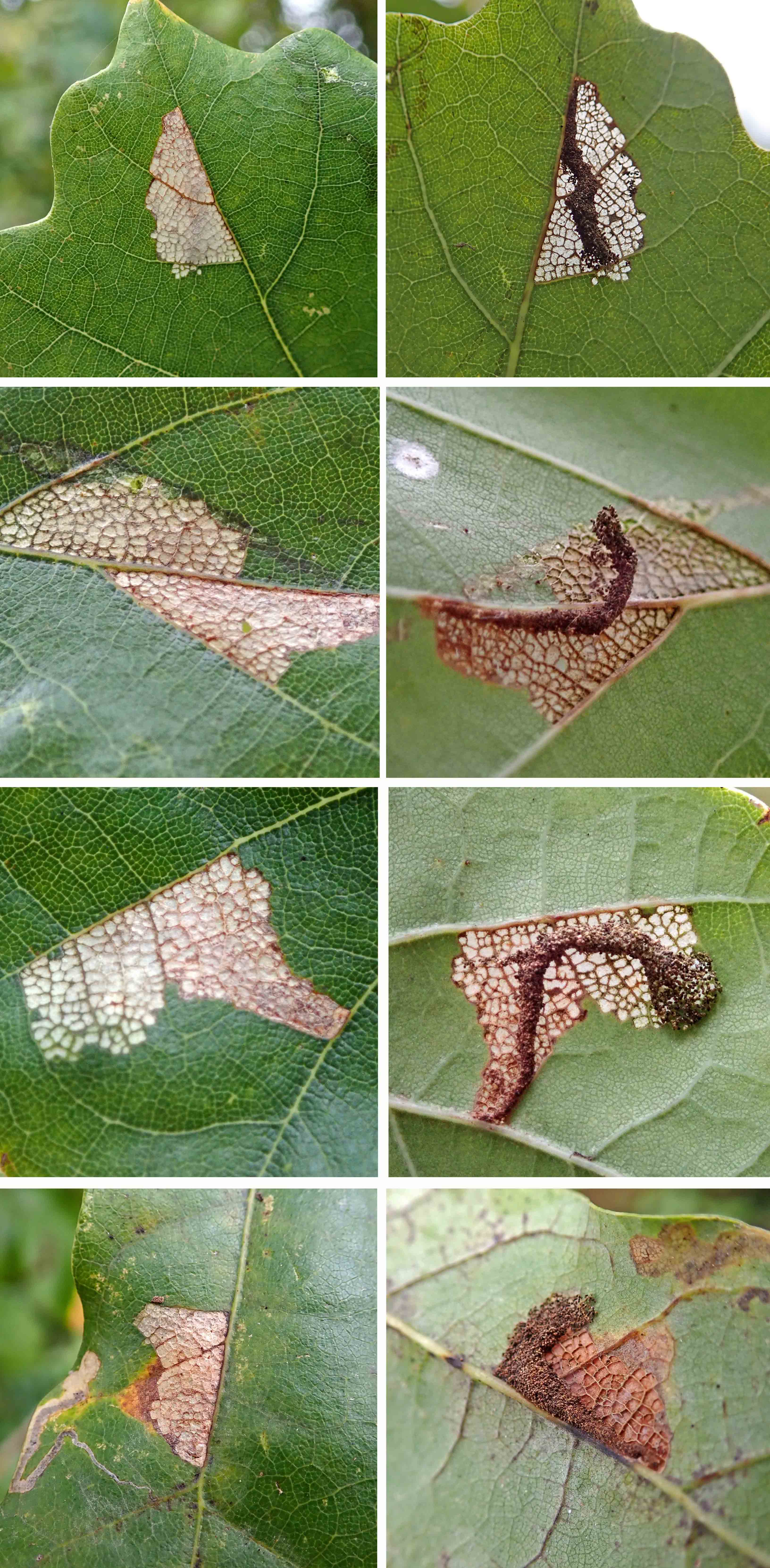
Two leafmine posts on one week may be a bit much for the uninterested amongst you, but this is really just a postscript to my recent post on the leafmines of two possible Gypsonoma species of moths (Leafmines: Gypsonoma species, 28 October). As I outlined in that blog I hadn’t been able to be precise in my identification as there are two Gypsonoma species that mine the leaves of Poplar. Fortunately for me, there is only one that mines Oak leaves and I managed to find several examples on an Oak sapling at Cardiff’s Grangemoor Park during a walk last week.

241113 Gypsonoma dealbana (2)

I was investigating any signs of leaf damage, which may have been caused by munching beetles or snails or various other hungry mini-beasties but, in this case, I was lucky to spot these four examples of Gypsonoma dealbana, where the moth larvae have used silk and their own frass to spin themselves tiny tubes to hide in (I’ve shown the upper and lower sides of the leaves so you can get an idea what to look for, if you’re so inclined). I’m not sure if the larvae were still present – I didn’t prod them to find out, though it’s likely they’ve already moved down into the soil below the tree, spun a little cocoon, and begun hibernating the winter months away.

241113 Gypsonoma dealbana (1)

Like Loading...

Leafmines: Ectoedemia argyropeza

11 Monday Nov 2024

Posted by sconzani in autumn, insects, leaves, trees

≈ Leave a comment

Tags

Aspen, British leafmines, Ectoedemia argyropeza, leaf-mining moth larvae, leafmines on Aspen

The new leafmines are coming thick and fast this year, not because my skills are improving but rather because I’m following the right people on social media and take my inspiration for searching from what they’re finding.

241111 Ectoedemia argyropeza (1)

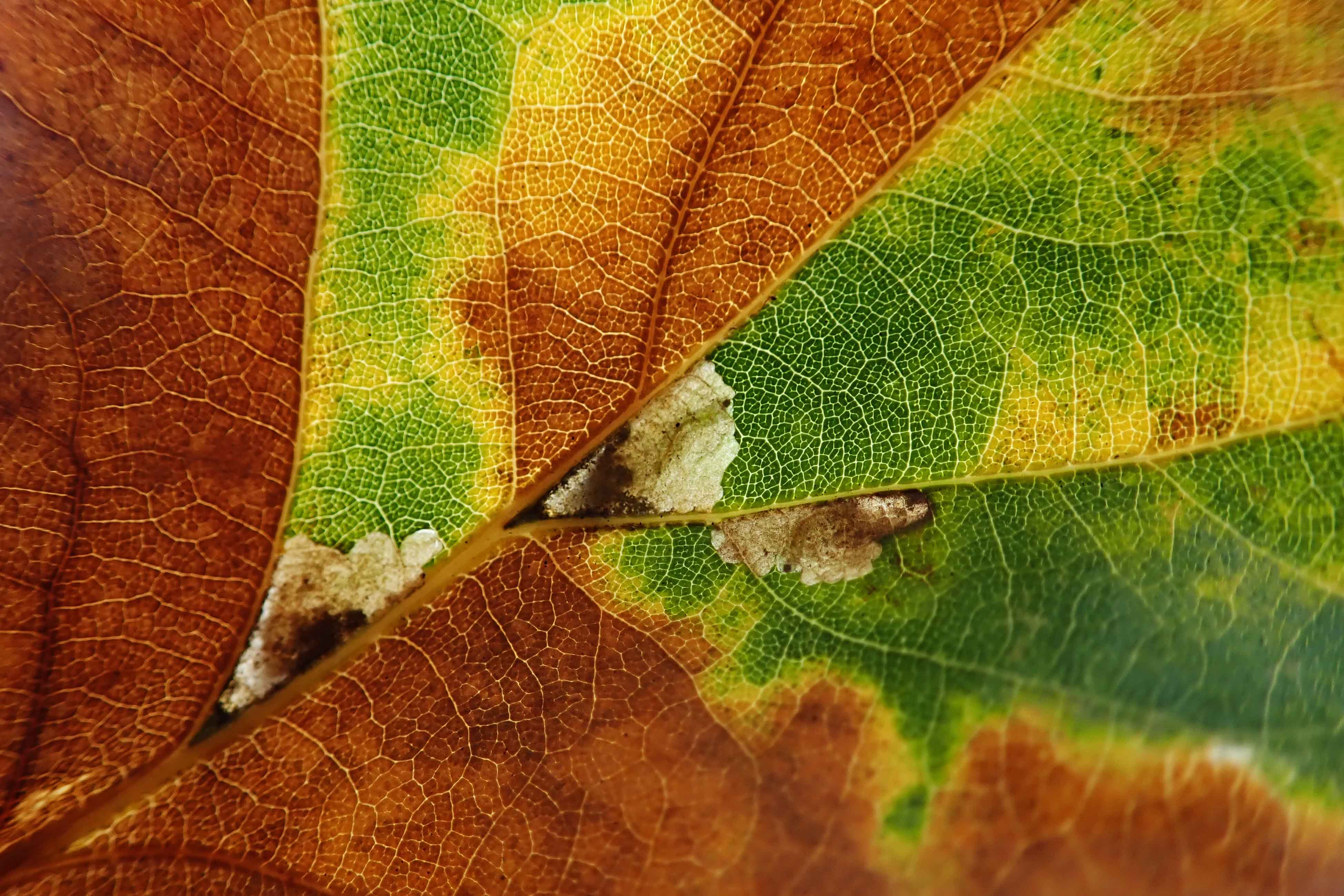
Today’s leafmines, made by the larvae of the moth Ectoedemia argyropeza, can be found on Aspen (Populus tremula) between July and November. They are easier to spot later in the season when the leaves turn brown and begin to fall as the mines cause the surrounding leaf area to remain green – the so-called ‘green islands’ that some moth species have the ability to create through the chemicals they secrete, which allows them to continue feeding in their portion of the leaf. The other thing to look for with these miners is the brown mark in the leaf petiole, where the mine originated.

241111 Ectoedemia argyropeza (2)

Though I don’t often bring home the mines I find, in this instance I had been unable to get good photos along the busy road so brought home one leaf. I temporarily forgot about the leaf for a couple of days and , when I opened the little pot it was in, found the larva had left the mine so I am also able to show you what it looks like, below.

241111 Ectoedemia argyropeza (3)

Like Loading...

68!

07 Thursday Nov 2024

Posted by sconzani in autumn, insects

≈ Leave a comment

Tags

British hoverflies, Epistrophe grossulariae, Epistrophe grossulariae larvae, fly larvae, hoverfly larvae, larvae on Sycamore leaves, leaf fossicking, Syrphus species, Syrphus species larvae

68! That’s the number of hoverfly larvae I found when turning over Sycamore leaves in a damp shady spot in one of my local parks last week. And they were all plump and well grown so had obviously been feasting well on aphids. (I have noticed during my leaf fossicking this year that, while insect numbers overall have been well down on previous years, the numbers of aphid seem about usual, which means that those creatures feeding on aphids seem also to have been thriving.)

241107 Epistrophe grossulariae

The hoverfly larvae were of only two types, the Epistrophe grossulariae shown above (these larvae are usually green but turn an orange-brown colour in the autumn, an effective camouflage tactic – hence the two colour variations shown here), and those from the various Syrphus species shown below (it’s not possible to be more specific as to the exact identification of these larvae).

241107 syrphus sp

Like Loading...

Leafhopper: Tremulicerus vitreus

06 Wednesday Nov 2024

Posted by sconzani in insects, trees

≈ Leave a comment

Tags

British leafhoppers, bugs on Poplar, Cicadellidae, leafhopper, leafhoppers on Poplar, Poplar, Tremulicerus vitreus

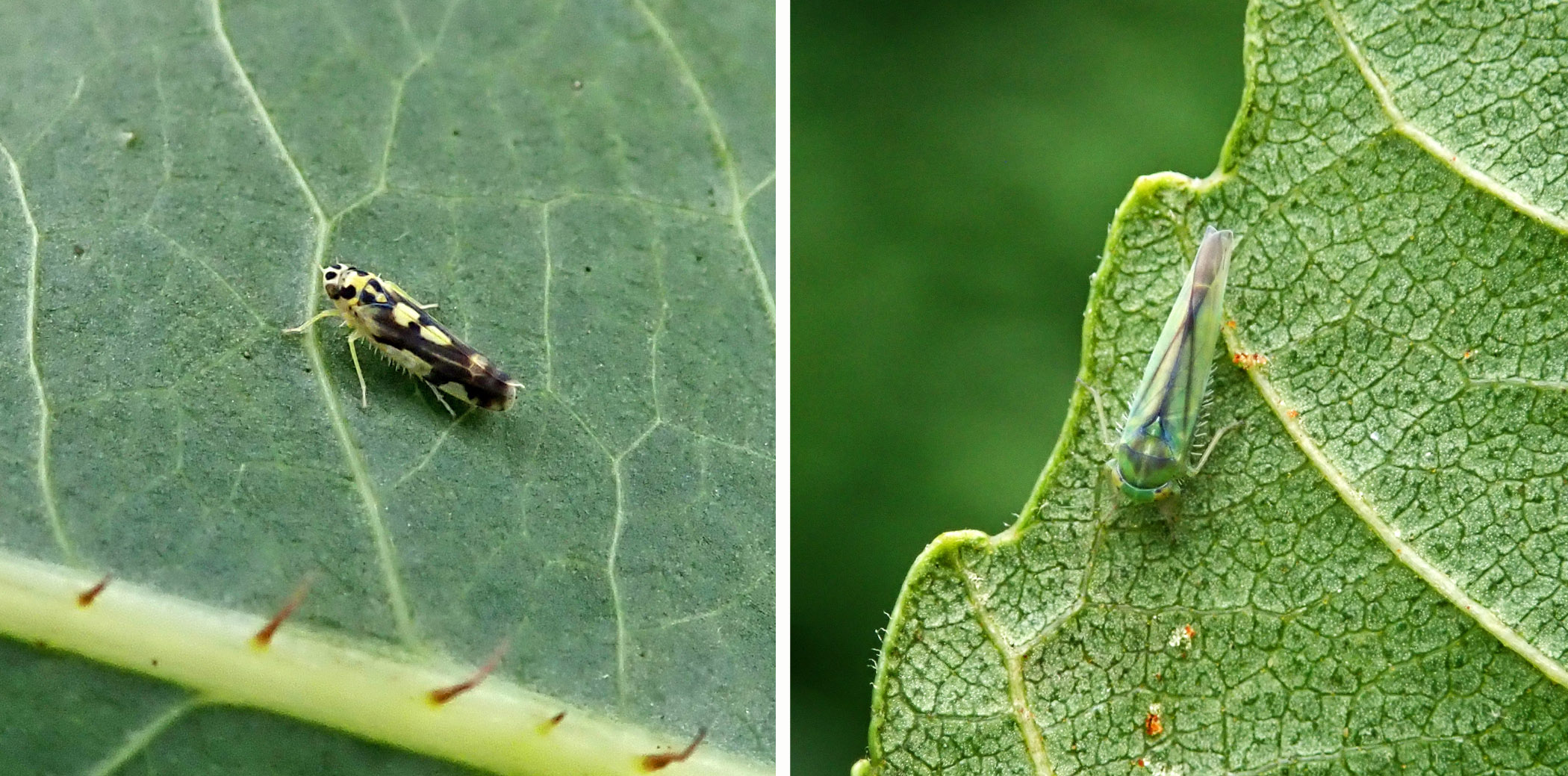
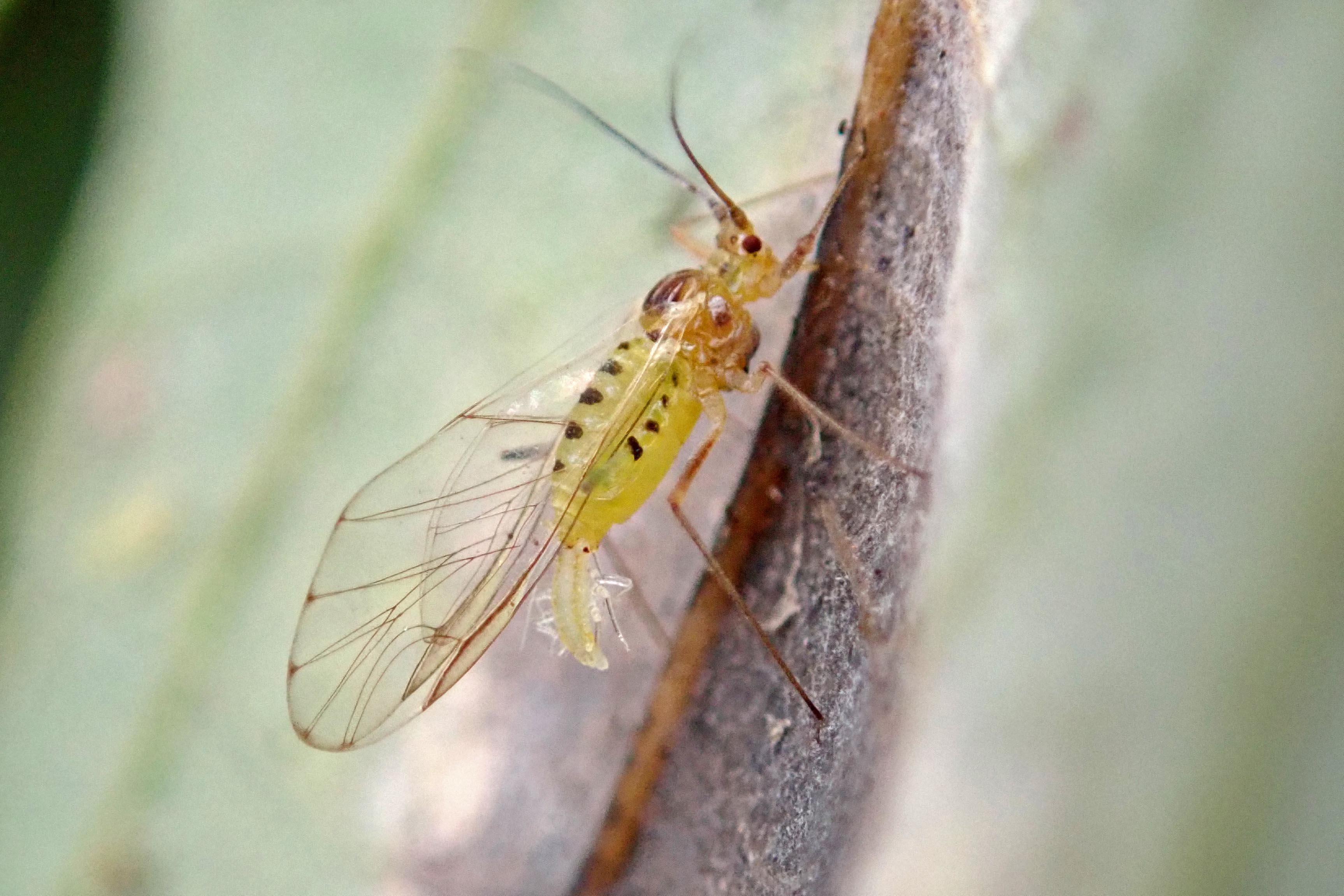
The hours I’ve spent fossicking around trees and turning over leaves have really paid off this year. As well as finding lots of new leaf-mining moth species, I’ve also been lucky with my search for new leafhopper species. Here’s the latest: Tremulicerus vitreus (previously known as Idiocerus vitreus). Looking at Aderyn, the Welsh biodiversity database and the NBN Atlas, there’s only been one previous Welsh record, back in 1989, and that’s showing on NBN as unconfirmed, so mine appears to be the first confirmed Welsh record. And I’ve now found around a dozen specimens, in two locations. I get the impression that I’m the only person checking for these creatures!

241106 tremulicerus vitreus (1)

The British Bugs website stresses that leafhoppers in this group are often difficult to identify but, luckily,

there is usually a pale midline on the pronotum and top of the face. Pale marks on the forewings are mostly restricted to the inner margin and the inner parts of some of the long veins….

241106 tremulicerus vitreus (2)

Though the best time to find these stunning little leafhoppers is between June and October on Poplar species, the adults do overwinter, and the females can sometimes be found on conifers during the winter months. Oh, and can you see why a photo of this leafhopper was posted on social media on Halloween, labelled the ‘Dracula bug’?

Like Loading...

Leafmines: Phyllonorycter comparella

04 Monday Nov 2024

Posted by sconzani in insects, leaves, trees

≈ 2 Comments

Tags

British leafmines, British moths, leaf-mining moth larvae, leafmines on Poplar, Phyllonorycter comparella, Poplar leaf-miner

This was a wonderful surprise! I was checking Poplar leaves, not searching for anything in particular, when I turned over a leaf and found this tiny moth, presumably only just emerged from the pupa within its silken mine as its wings had not fully expanded.

241104 Phyllonorycter comparella (1)

I didn’t know what it was until I got home and checked my photos, and then was fairly sure I must have got my identification wrong as the Welsh biodiversity database was showing just four Welsh records, all closer to England, in the county of Gwent. The name I’d come up with was Phyllonorycter comparella (common name Poplar leaf-miner).

241104 Phyllonorycter comparella (2)

The mine certainly looked right, though it was difficult to be certain of the moth from what I had been able to see of its markings. But when I posted photos on social media, one of the moth experts I know almost immediately popped up with a comment ‘Blimey …’ and ‘I can’t think of any plausible alternatives’, and then another expert commented ‘Very good find’. And now my county moth recorder has confirmed my record. You can read more about this Poplar-leaf-mining moth on the British Leafminers website and see better photos of the adult moth on the UK Moths website.

Like Loading...

Like a miniature Mexican wave

02 Saturday Nov 2024

Posted by sconzani in insects

≈ Leave a comment

Tags

British centipedes, British insects, centipede, insect

It was quite mesmerising watching each of this centipede’s tiny legs moving, rhythmically, one small step after another, like a miniature Mexican wave along each side of its body.

241101centipede

So, I thought I’d share a short video. I presume it is searching for food, a passing aphid, a stationary hoverfly larva, a slow slug perhaps.

Like Loading...

Leafhopper: Acericerus heydenii

30 Wednesday Oct 2024

Posted by sconzani in insects

≈ Leave a comment

Tags

Acericerus heydenii, British cicadellidae, British leafhoppers, Cicadellidae, leafhopper, leafhopper on Sycamore

Today’s little leafhopper appeared when I was turning over leaves of Sycamore trees at Cardiff’s Cathays Cemetery. I initially thought it was Acericerus vittifrons but my record was redetermined to Acericerus heydenii by the national leafhopper recorder when he checked it.

241030 Acericerus heydenii (1)

Acericerus heydenii (previously known as Idiocerus heydenii) is a relatively recent arrival to Britain – it was first spotted in the south of England in 2010, probably having hitched a ride on a ferry across the Channel, or on a train through the Eurotunnel, from somewhere in Europe. Judging by the records on the Welsh national biodiversity database, it took about nine years to make its way across to Wales, where 15 specimens have now been recorded.

241030 Acericerus heydenii (2)

Please excuse the quality of my photos today. The camera I use for all my close-ups, an Olympus TG-5, does not deal well with low light (apparently, a known fault, which I did not know about when I bought it). This fault causes a purple cast in the centre of images, which I’ve tried not very successfully to correct. If you’re interested, you can see excellent images of today’s leafhopper on the True Hoppers of the Western Palearctic website.

Like Loading...

Leafmines: Gypsonoma species

28 Monday Oct 2024

Posted by sconzani in insects

≈ Leave a comment

Tags

British leafminers, Gypsonoma oppressana, Gypsonoma species, leaf-mining moth larvae, leafminers on Poplar, moth larvae on Poplar

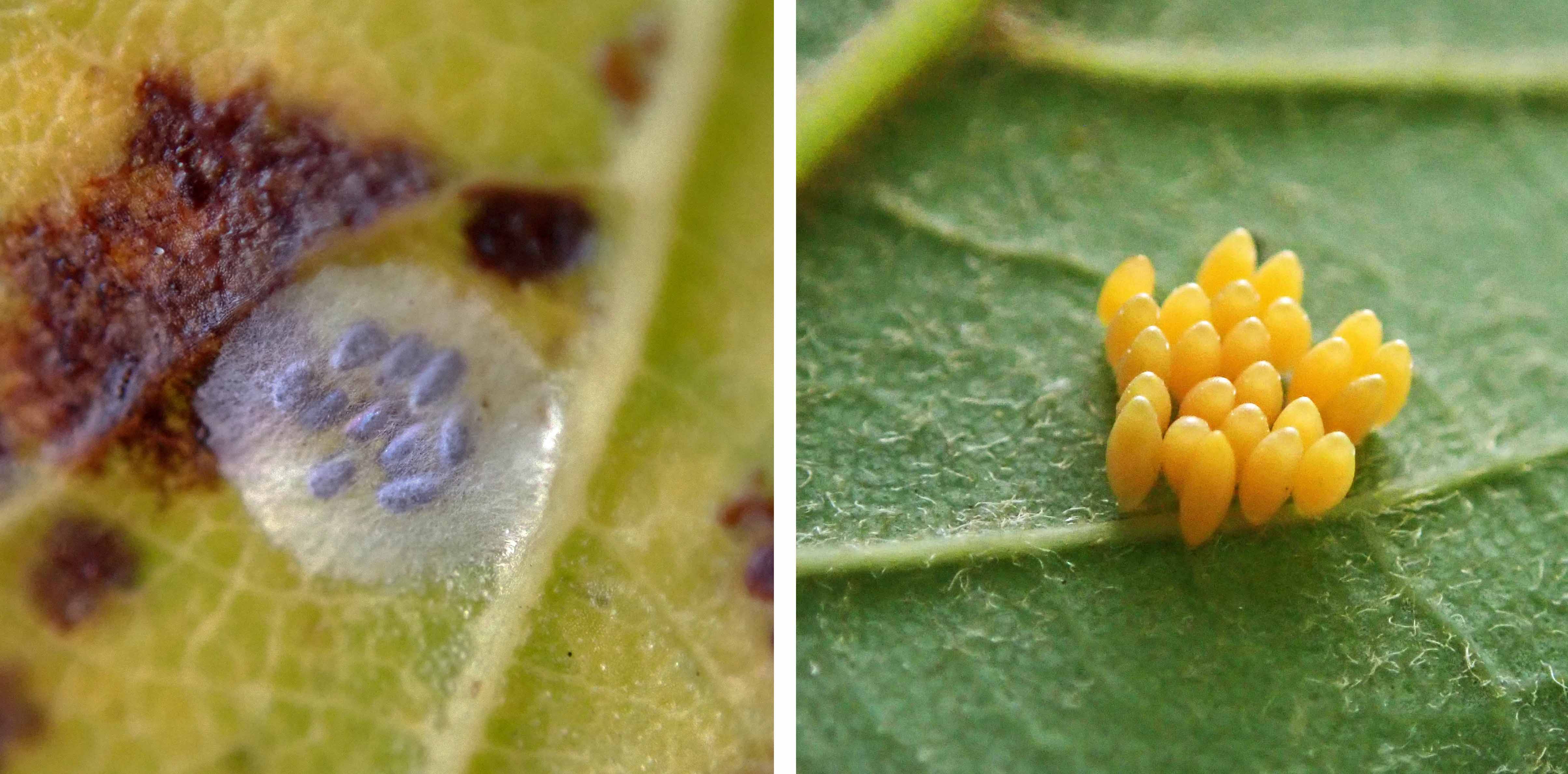
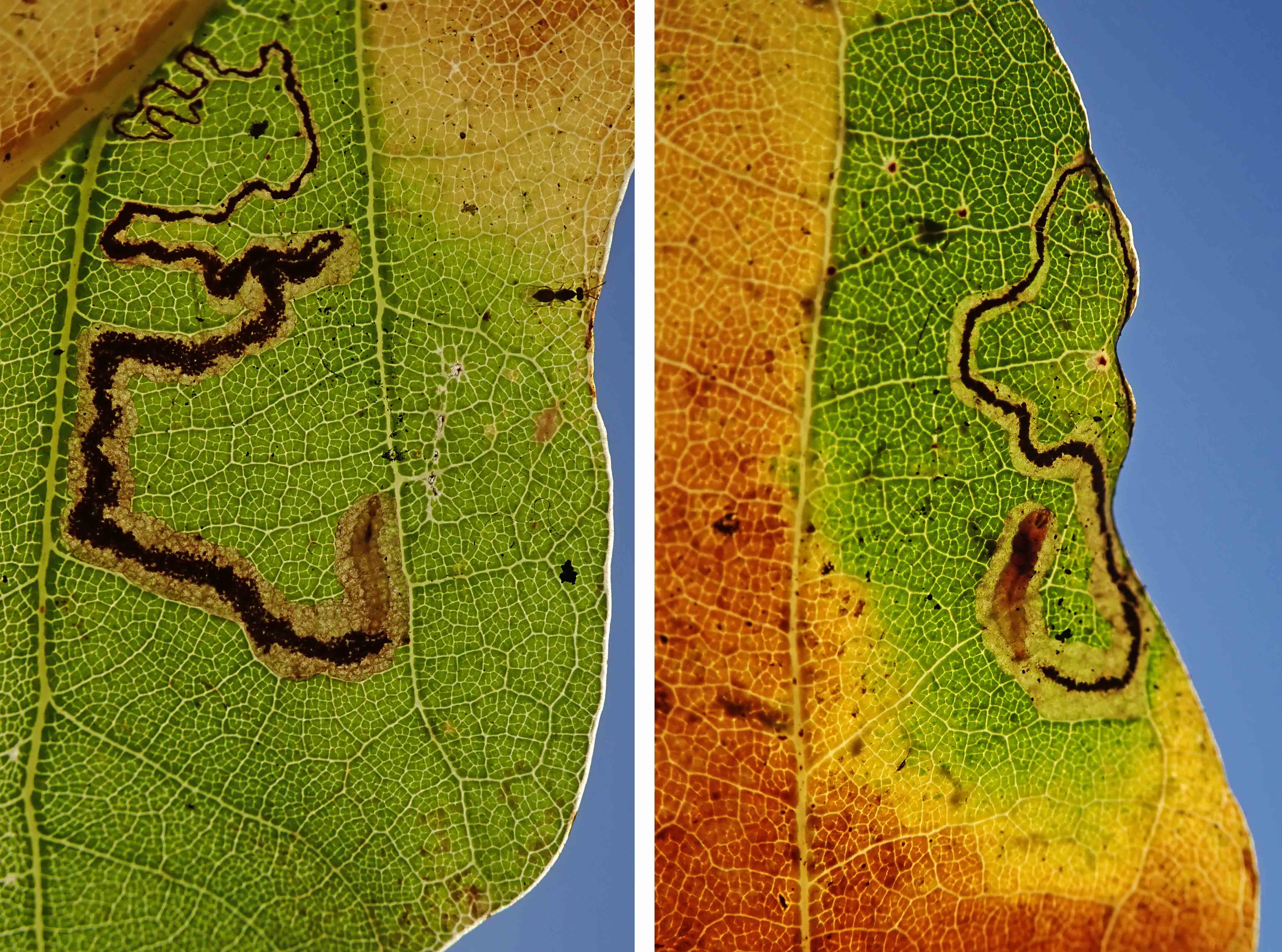
Though this post is entitled Gypsonoma species (and that’s how I recorded my find), according to one of my friendly local experts, the mines shown here are very likely to be Gypsonoma oppressana as that species usually mines communally, with up to three mines on a leaf. The other Gypsonoma species possibility that also uses Poplar as a larval food plant (though mines other tree leaves as well) is G. dealbana but its larvae are usually solitary miners and, if you happen to spot them, are whitish rather than the brown colour of G. oppressana. You may just be able to make out in my photos the frass-covered silken tubes these larvae create to hide in.

241028 Gypsonoma oppressana (1)

I was a little late in the season looking for this species but my expert tells me I won’t have to wait till next autumn to restart my search for more Gypsonoma oppressana larvae. In the spring, when the larvae wake up, they feed inside Poplar leaf buds, but they still live within their pooh-covered tubes and these can be spotted poking out from the holes they make in the leaf buds.

241028 Gypsonoma oppressana (2)

The adult Gypsonoma oppressana is a gorgeous little moth, with subtle patterning in shades of grey, brown, white and cinnamon, which you can see on the UK Moths website.

Like Loading...

Leafhopper: Rhytidodus decimusquartus

24 Thursday Oct 2024

Posted by sconzani in insects

≈ Leave a comment

Tags

British cicadellidae, British leafhoppers, Cicadellidae, Idiocerus decimusquartus, leafhopper, leafhoppers on Poplar, Rhytidodus decimusquartus

Though we missed the worst of it here in south-east Wales, last Sunday was a miserable day, the rain and gusty winds of Storm Ashley blasting across the British Isles. Luckily for me, the gloom was much cheered by an email verifying my recent record of this leafhopper, Rhytidodus decimusquartus.

241024 Rhytidodus decimusquartus (1)

It’s always good to have records of new species identified but, in this case, I was particularly chuffed as this was a rare sighting. The Aderyn biodiversity database shows no previous Welsh records, though, when I checked the NBN Atlas to see how many other British records there were, I found one record from 1985 in north Wales (I’m not sure why that’s not showing in Aderyn), and just 30 other British records.

241024 Rhytidodus decimusquartus (2)

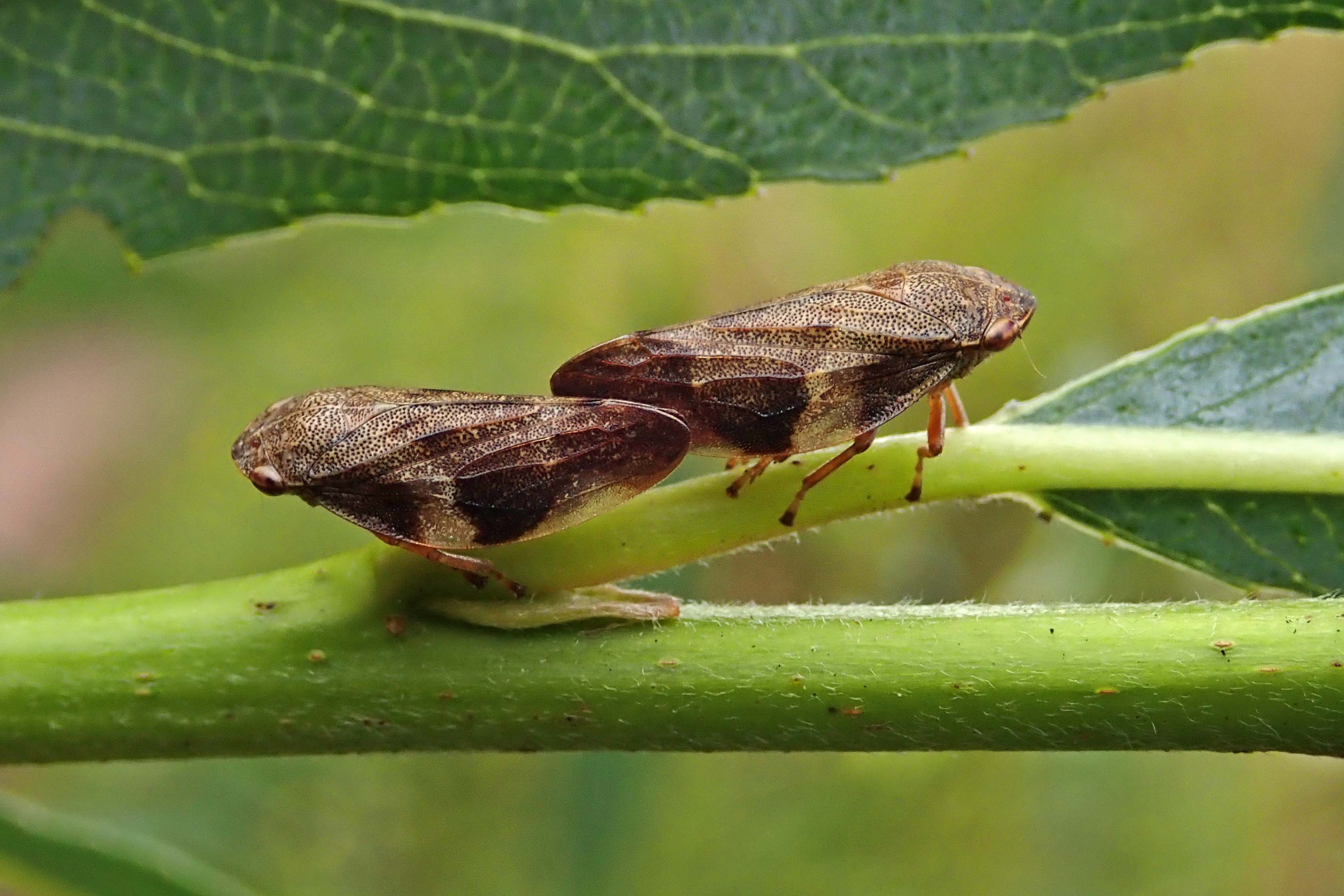
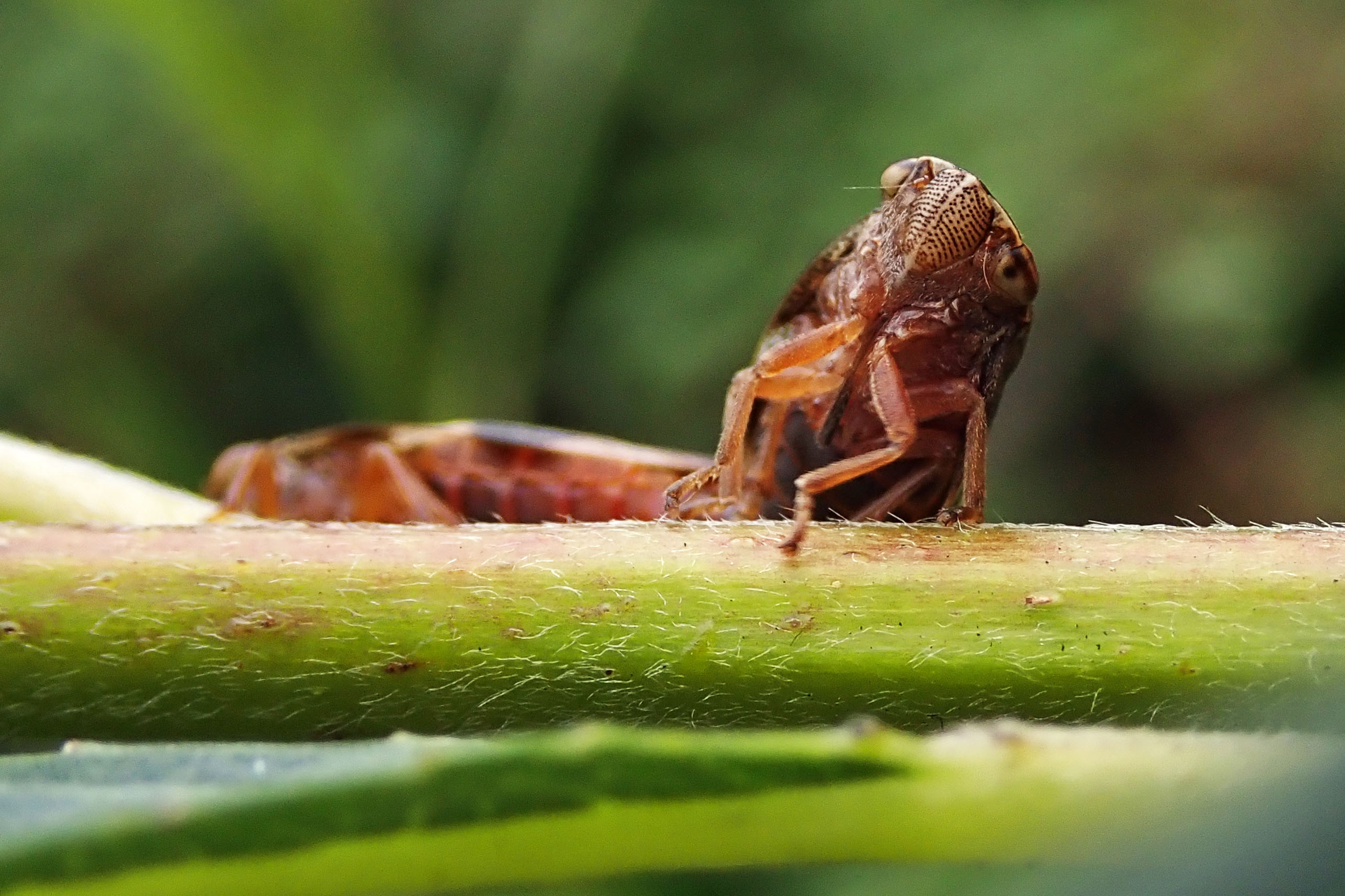
I’m sure you’ll agree that Rhytidodus decimusquartus (previously known as Idiocerus decimusquartus) is a handsome little beastie, just 6-7mm long. The British Bugs website warns that leafhoppers in this group can be very tricky to identify but ‘This species has one unique feature that allows definitive identification: the vertex and pronotum have fine transverse ridges’, and these ridges were clearly visible in my photographs. I’ve now found at least four species of leafhopper on the Lombardy poplars where this little one was lurking so I’ll be heading back very soon to see what other wonders I might discover amongst their leaves (if the leaves are still on the trees after all that wind).

Like Loading...
← Older posts
Newer posts →

About me

sconzani

sconzani

I'm a writer and photographer; researcher and blogger; birder and nature lover; countryside rambler and city strider; volunteer and biodiversity recorder.

View Full Profile →

Follow earthstar on WordPress.com

Enter your email address to follow this blog and receive notifications of new posts by email.

Recent blog posts

  • My first moth of the year February 18, 2026
  • Three Common sandpipers February 17, 2026
  • Beetle: Athous bicolor February 16, 2026
  • Crocus flower power February 15, 2026
  • Delightful doves February 14, 2026

From the archives

COPYRIGHT

Unless otherwise acknowledged, the text and photographs on this blog are my own and are subject to international copyright. Nothing may be downloaded or copied without my permission.

Fellow Earth Stars!

  • Unknown's avatar
  • Unknown's avatar
  • Unknown's avatar
  • Unknown's avatar
  • Unknown's avatar
  • Unknown's avatar
  • Unknown's avatar
  • Unknown's avatar
  • Unknown's avatar
  • Unknown's avatar
  • Unknown's avatar
  • Unknown's avatar
  • Unknown's avatar
  • Unknown's avatar
  • Unknown's avatar
  • Unknown's avatar
  • Unknown's avatar
  • Unknown's avatar
  • Unknown's avatar
  • Unknown's avatar
  • Unknown's avatar
  • Unknown's avatar
  • Unknown's avatar
  • Unknown's avatar
  • Unknown's avatar
  • Unknown's avatar
  • Unknown's avatar
  • Unknown's avatar
  • Unknown's avatar
  • Unknown's avatar
  • Unknown's avatar
  • Unknown's avatar
  • Unknown's avatar
  • Unknown's avatar
  • Unknown's avatar
  • Unknown's avatar
  • Unknown's avatar
  • Unknown's avatar
  • Unknown's avatar
  • Unknown's avatar
  • Unknown's avatar
  • Unknown's avatar
  • Unknown's avatar
  • Unknown's avatar
  • Unknown's avatar
  • Unknown's avatar
  • Unknown's avatar
  • Unknown's avatar
  • Unknown's avatar
  • Unknown's avatar

Blog at WordPress.com.

Privacy & Cookies: This site uses cookies. By continuing to use this website, you agree to their use.
To find out more, including how to control cookies, see here: Cookie Policy
  • Subscribe Subscribed
    • earthstar
    • Join 670 other subscribers
    • Already have a WordPress.com account? Log in now.
    • earthstar
    • Subscribe Subscribed
    • Sign up
    • Log in
    • Report this content
    • View site in Reader
    • Manage subscriptions
    • Collapse this bar
 

Loading Comments...
 

You must be logged in to post a comment.

    %d