• ABOUT
  • BIRDING 2018
  • Birding 2019
  • BLOG POSTS
  • Butterflies 2018
  • Resources

earthstar

~ a celebration of nature

earthstar

Category Archives: insects

Leafmines: Stigmella trimaculella

21 Monday Oct 2024

Posted by sconzani in insects, trees

≈ Leave a comment

Tags

British leafminers, leaf-mining moth larvae, leaf-mining moths, leafminers, leafmines on Poplar, Stigmella trimaculella

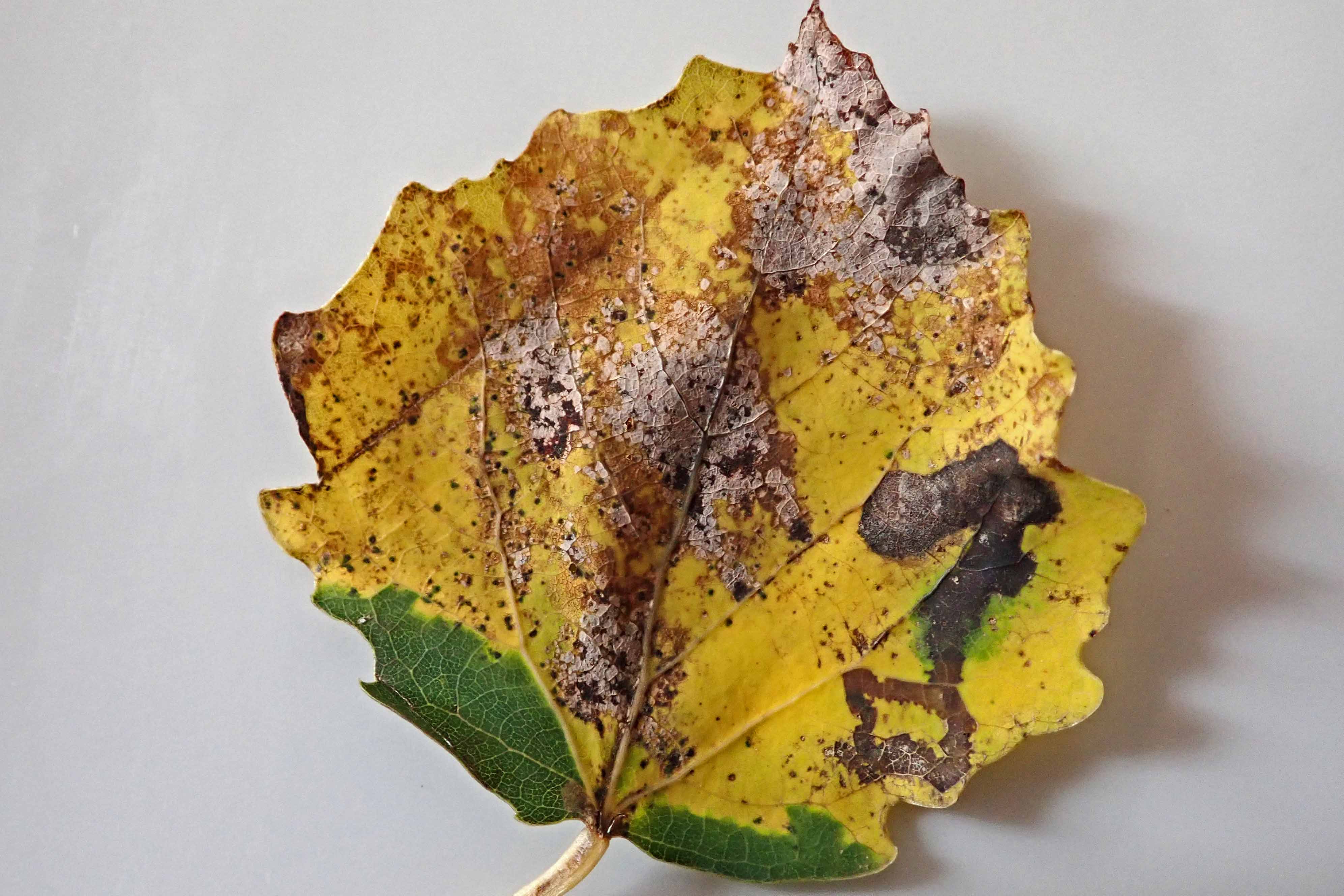
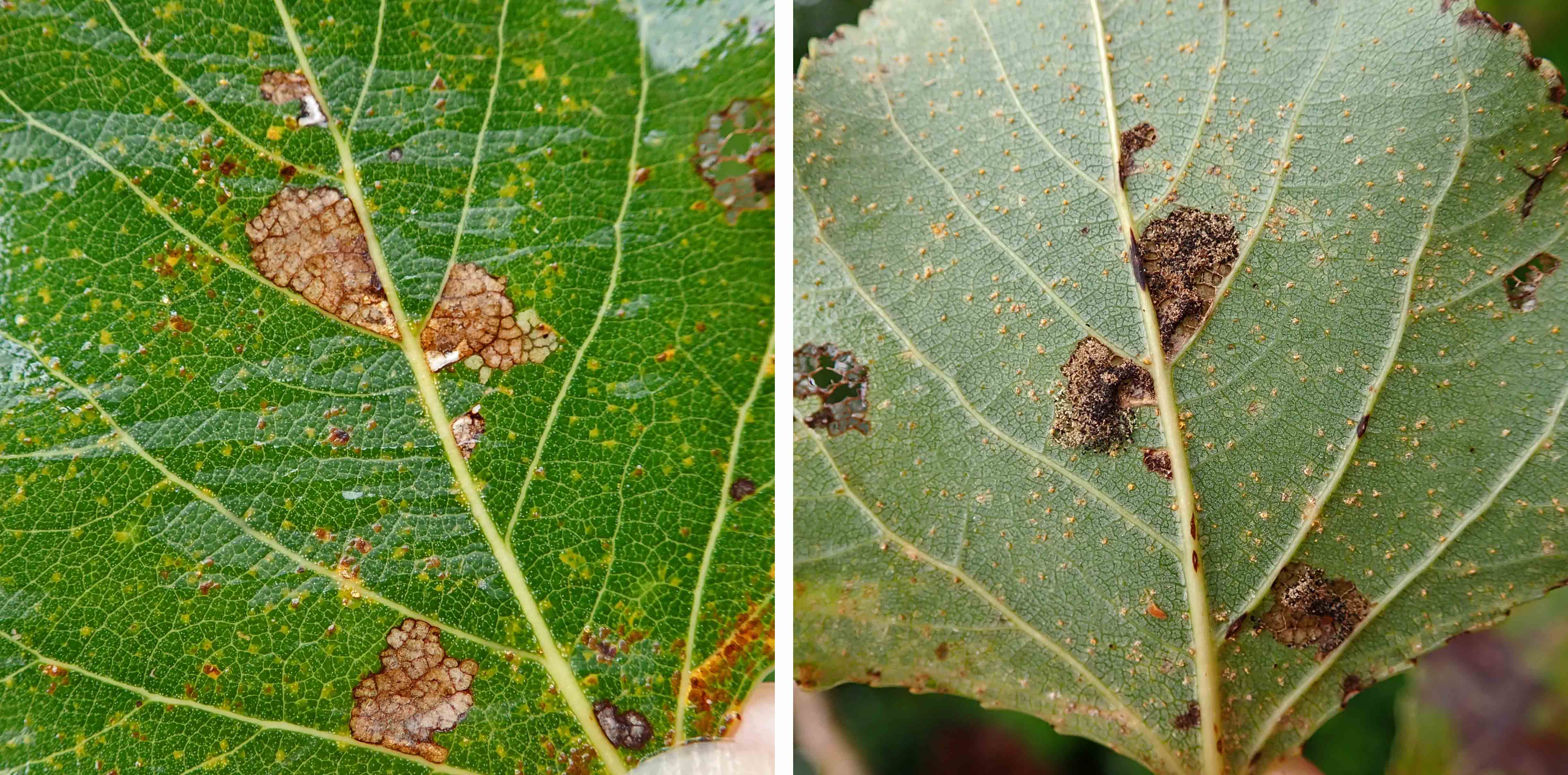
My leaf-mining contacts on X/Twitter and now on Bluesky were posting their lovely images of a mine on Poplar leaves that I hadn’t seen before so, of course, I went looking. These photos (and many more) are the result.

241021 stigmella trimaculella (1)

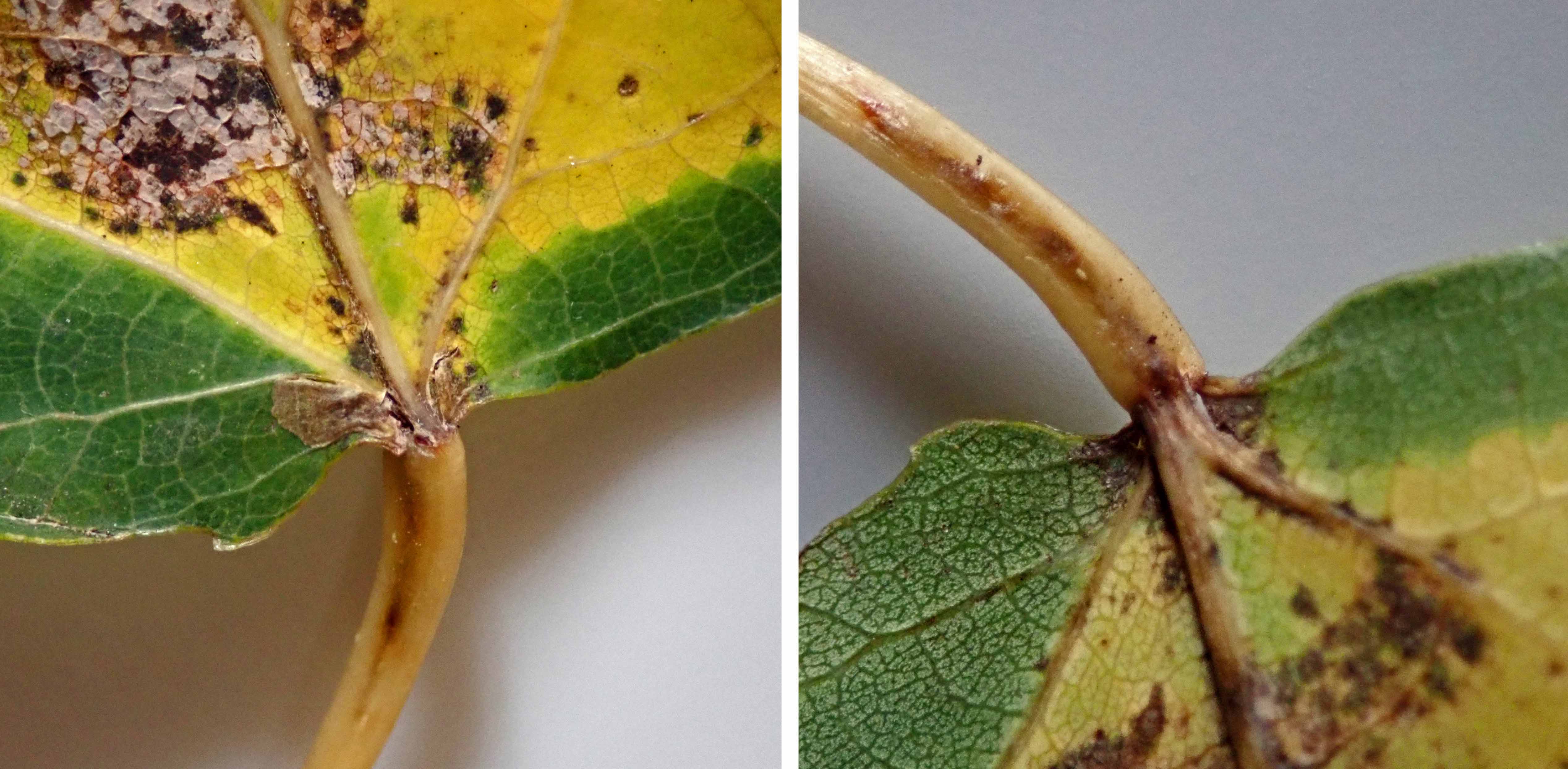
Though the UK Moths website information on their distribution states that this moth can be found ‘throughout England, where it is fairly common except in the west’ and that ‘there are records from Scotland and Wales, but very few’, there are, in fact, over a hundred Welsh records and they are scattered throughout the country.

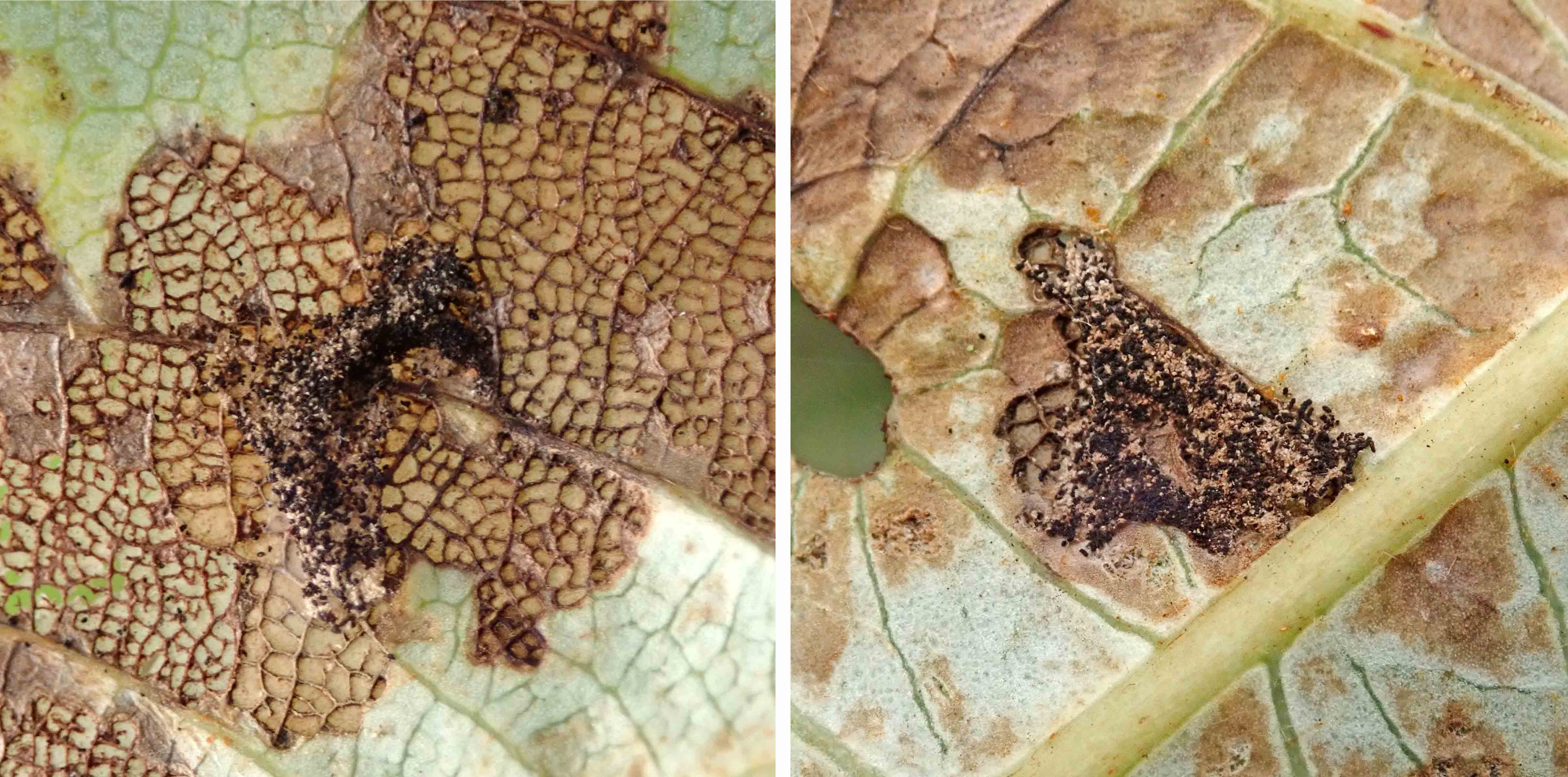
241021 stigmella trimaculella (2)

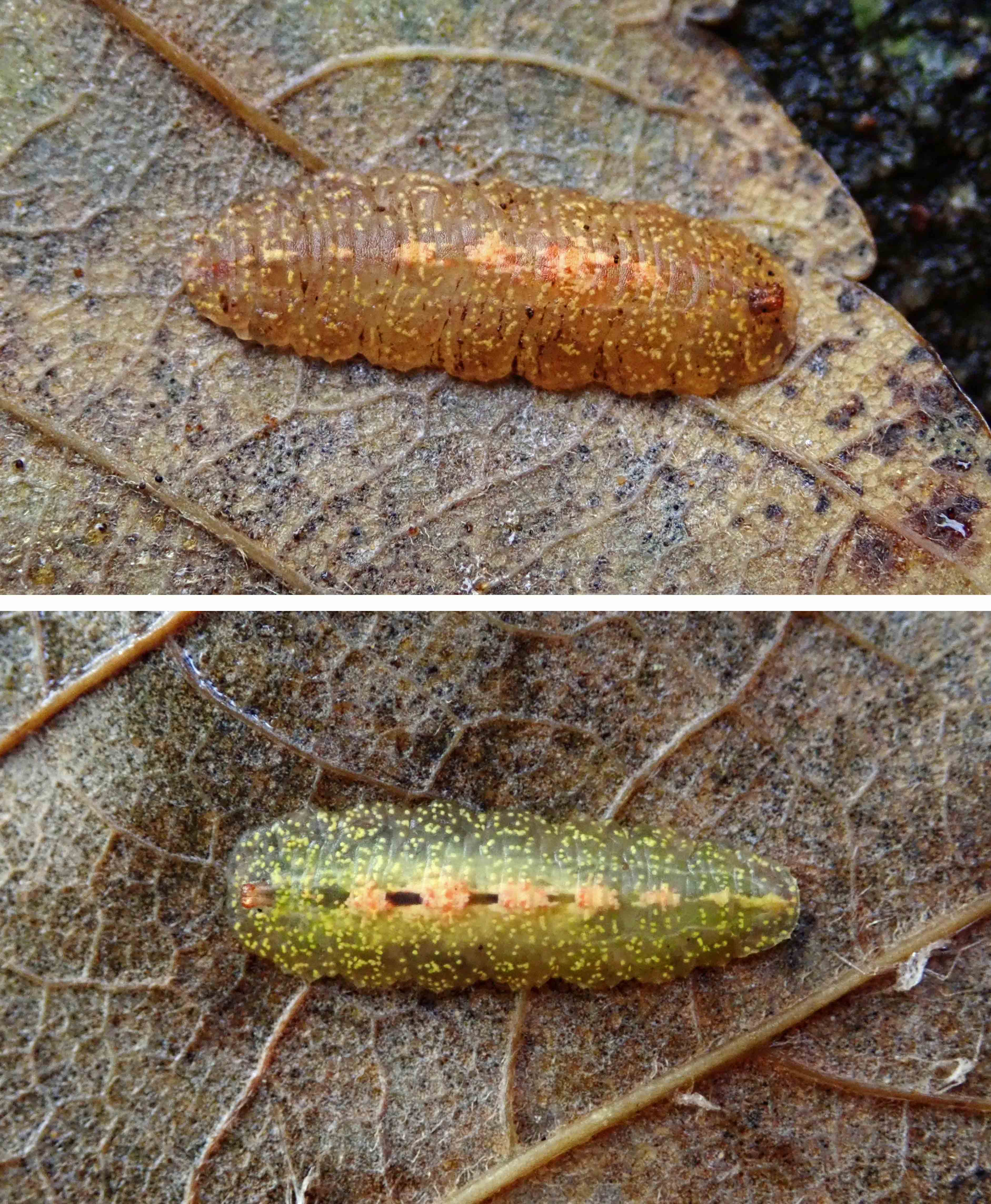
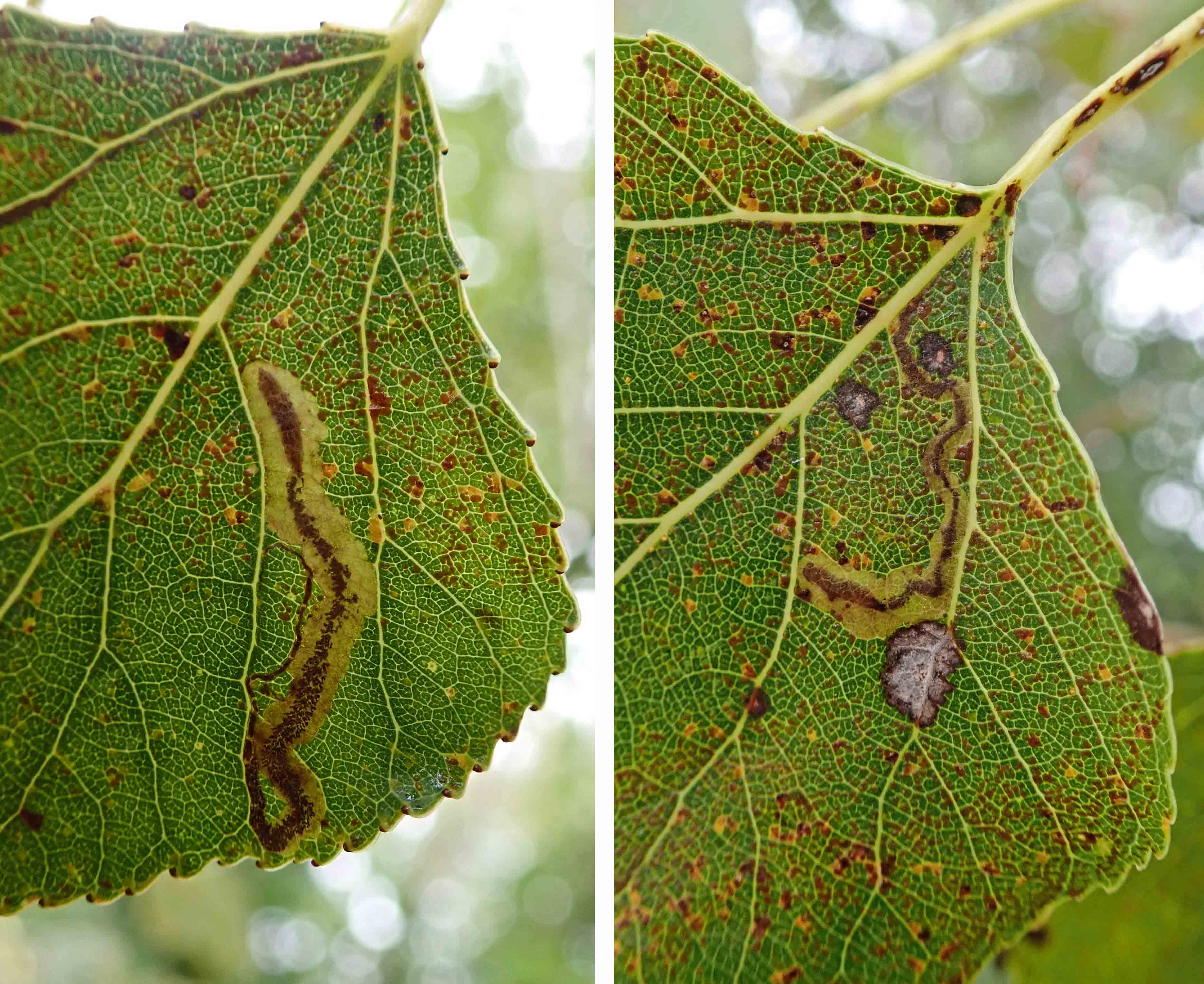
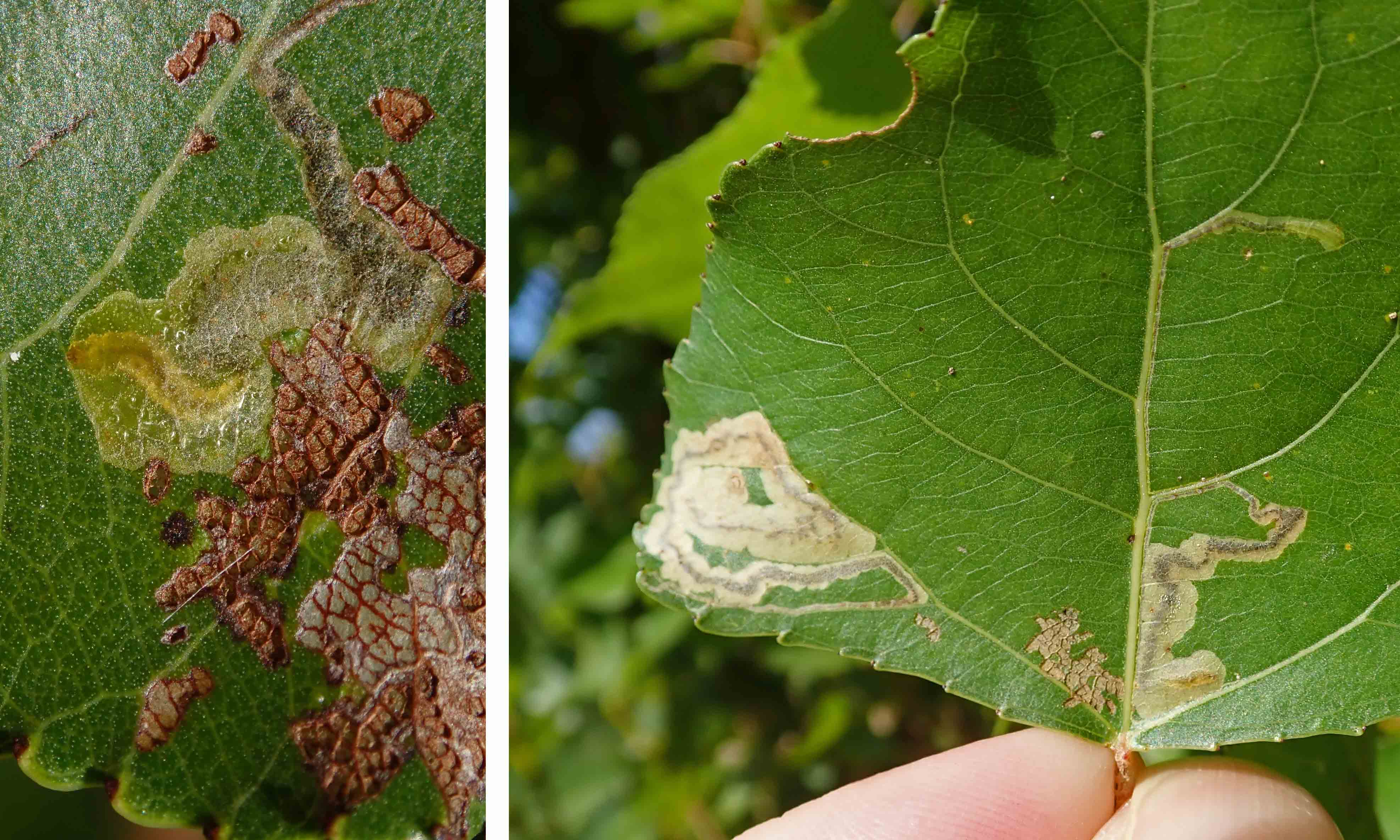
This is Stigmella trimaculella (I love its common name: Three-spot dot), whose larvae munch on the leaves of Populus species – that’s all the various types of Poplar, as well as Aspen. The mine starts out as a thin gallery, widening as the larva grows in size, eventually becoming a silvery blotch. As you can see in the photo below left, the larva is a greenish-yellow in colour and has a brown head. The mines can be found twice each year, between June and July and again from September to October.

241021 stigmella trimaculella (3)

Like Loading...

Coleophora on Juncus

17 Thursday Oct 2024

Posted by sconzani in insects, plants

≈ Leave a comment

Tags

British moths, case-bearing moth larvae, case-bearing moth larvae on Hard rush, Coleophora alticolella/glaucicolella, coleophora on reeds, Hard rush, Juncus inflexus, seed-mining moth larvae

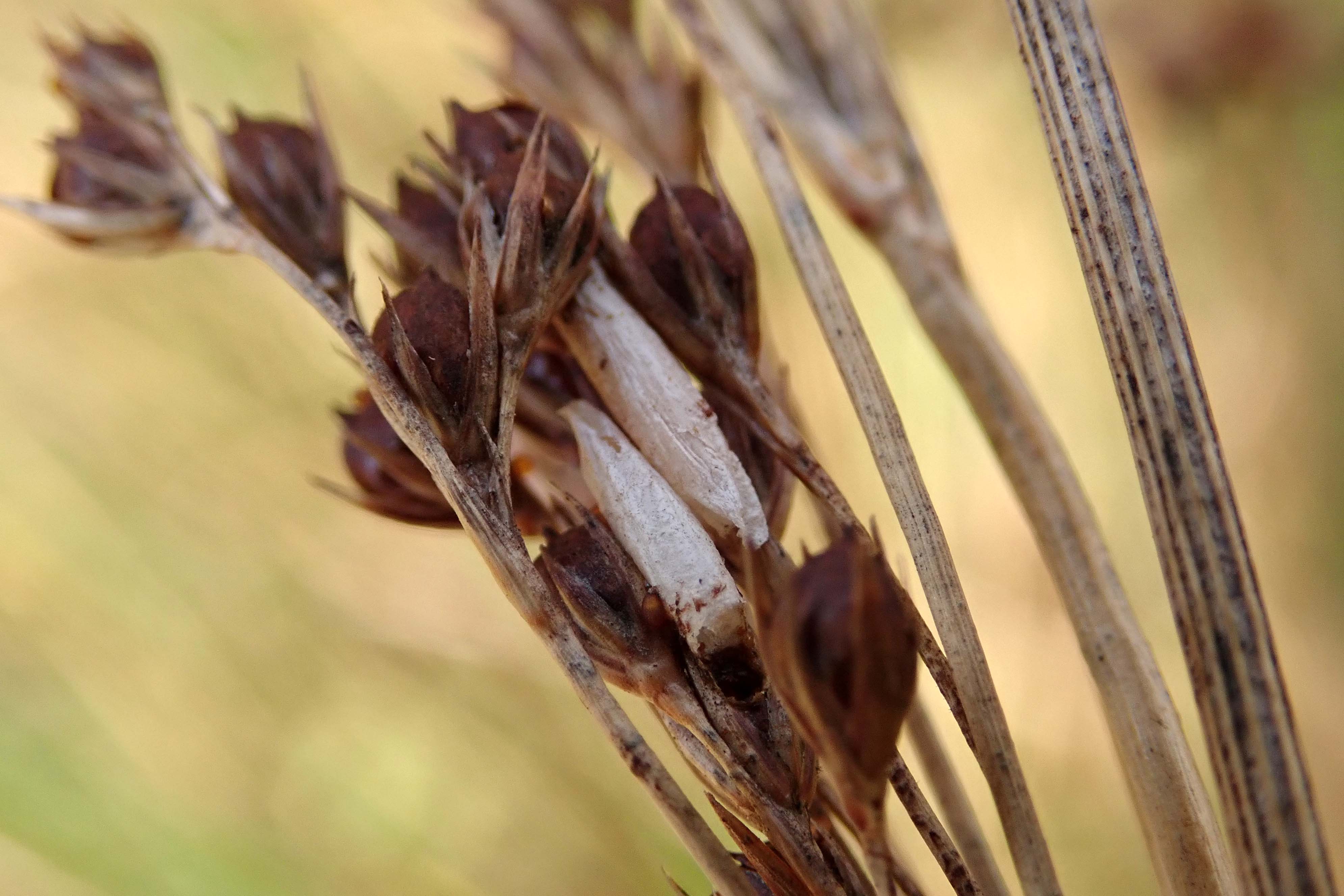
I haven’t posted this in my usual ‘Leafmines Monday’ spot as a) there are no leaves to speak of and b) the larvae actually feed on the seeds of the plants they inhabit. And I’ve never looked at reeds for any kind of leaf-mining creature or the cases of coleophora species of moths before but was, once again, prompted by a post of a rare find by a contact on social media. My find is not the rare one – in fact, I found so many of these in two different locations that they must be one of the most common coleophora species I’ve ever seen.

241017 Coleophora alticolella OR glaucicolella (1)

So, let me introduce you to Coleophora alticolella/glaucicolella; the slash between the two names indicates that these could actually be either Coleophora alticolella or Coleophora glaucicolella but it’s very difficult to differentiate between the two species without examining the larvae, which I didn’t do, or by breeding the larvae through to adulthood and examining their genitalia, which I also won’t be doing.

241017 Coleophora alticolella OR glaucicolella (2)

That social media post, and this find, have now prompted me to learn more about the various species of reed. The finds shown here were on Hard Rush (Juncus inflexus) but the rare species I want to try to find only feeds on two less common rush species. I like how one find leads me to have to learn more to find another!

Like Loading...

Lucky, unlucky

16 Wednesday Oct 2024

Posted by sconzani in insects

≈ 2 Comments

Tags

aphid, British hoverflies, hoverfly larva, ladybird, ladybird eating aphid, Syrphus sp larvae

The aphid-eating hoverfly larva (likely one of the Syrphus species) missed its chance here. As you’ll see, though, the ladybird was more on the ball and the aphid lost its second chance.

(I’ve set the video to mute as this park railing is next to a very busy road but I’m not sure that setting has worked, so best to mute your sound before viewing the video.)

Like Loading...

Leafmines: Parornix anglicella revisited

14 Monday Oct 2024

Posted by sconzani in insects, trees

≈ Leave a comment

Tags

British moths, cones on Hawthorn leaves, Hawthorn, leaf-mining moth, leaf-mining moth larvae, leafmines on Hawthorn, moth larva spinning, Parornix anglicella

Recently, when checking Hawthorn leaves for leafmines, I spotted two of these larvae spinning on separate but close Hawthorn bushes so took several photos of both and a short video of one.

241014 Parornix anglicella (1)

As the majority of photographs show larvae from above not below, and these both looked to have dark spot-like markings, I was confused about which species they might be, perhaps Parornix anglicella or maybe Phyllonorycter oxyacanthae. And I wasn’t the only one scratching my head, as my online expert contacts weren’t sure either – one of them even contacted their own expert to get an opinion. A return visit by me was clearly required, to try to re-find the larvae, possibly get more images, and see what had developed from their spinning activities.

So, while the location was fresh in my memory, I walked that way again the following day, and, amazingly, managed to find one of the leaves – not an easy task finding an individual leaf in a Hawthorn bush but the photo below shows the leaf in question, on consecutive days.

241014 Parornix anglicella (2)

And, when I turned the leaf over, there was the proof of identification, the distinctive cone of Parornix anglicella, still very green as the larva within hadn’t yet had time to eat all the leaf from inside. Turns out the expert’s expert had been correct!

241014 Parornix anglicella (3)

Like Loading...

Spear thistle lacebug

10 Thursday Oct 2024

Posted by sconzani in insects, plants

≈ Leave a comment

Tags

British bugs, Creeping thistle, insects on Creeping thistle, lacebugs, Spear thistle lacebug, Tingis cardui

My eye was drawn to this particular Creeping thistle by the presence of four Urophora cardui galls on the plant’s stems (for information on what those are, see More galls, part 2, 4 October 2017) and, when I leant down for a closer look, I noticed this tiny creature, my first ever lacebug. (There were also lots of aphids lurking amongst the leaves, as you can see.)

241010 Spear thistle lacebug (1)

I’m fairly sure I’ve identified this correctly, as the black tips to its antennae are apparently diagnostic, but, for some reason, it’s living on the wrong species of thistle – this is the Spear thistle lacebug (Tingis cardui). I think you can see why it’s called a lacebug – the intricacy of the structure and patterning of its body is really quite exquisite. You can read more about this beautiful bug on the British Bugs website here.

241010 Spear thistle lacebug (2)

Like Loading...

Cochylis roseana

08 Tuesday Oct 2024

Posted by sconzani in insects, plants

≈ Leave a comment

Tags

British moths, Cochylis roseana, moth larvae, moth larvae in Teasel, moth larvae in Teasel seed heads, Teasel

Last Thursday’s blog was about finding an Endothenia marginana larva in a Teasel seedhead. While checking those particular Teasels, I also found the subjects of today’s blog, the larvae of another moth, Cochylis roseana. As its name suggests, the adult is a rather gorgeous rosy coloured moth, though the UK Moths website says that the rosy colour is not always prominent.

241008 Cochylis roseana (1)

As you can see, the larvae, which are white with a greenish tinge, don’t live within the centre space of the Teasel seedhead like the Endothenia, but rather munch their way through the Teasel’s seeds, creating tunnels that circle the centre. The seedhead I opened contained at least three larvae but here may have been more lurking in their hidey holes.

241008 Cochylis roseana (2)

Like Loading...

Leafmines: Aulagromyza tremulae

07 Monday Oct 2024

Posted by sconzani in insects, trees

≈ Leave a comment

Tags

Aspen, Aulagromyza tremulae, leaf-mining flies, leaf-mining fly larvae, leafmines on Aspen, leafmines on Black poplar

I don’t find many leafmines on Aspen, probably because there aren’t a lot of Aspen trees growing locally. Also, I haven’t been finding many mines made by creatures other than moths but today’s find is an exception, as these silvery meandering gallery mines on Aspen leaves were made by the larva of the tiny fly Aulagromyza tremulae.

241007 Aulagromyza tremulae (1)

If I hadn’t been doing a spot of leaf-turning, I could easily have missed these mines, as they are almost exclusively made in the lower surface of the leaf (see images below showing the lower and upper leaf surfaces). This is one of the characteristics that distinguishes these mines from those of other species, though Barry Warrington, who runs the National Agromyzidae Recording Scheme and website, discovered this wasn’t always the case when he recently bred Aulagromyza tremulae flies from upper surface mines. (Barry has confirmed the identity of the mines pictured here, fortunately.)

241007 Aulagromyza tremulae (2)

This little fly has two broods per year, so mines can be found on Aspen (Populus tremula), and also on Black poplar (Populus nigra), in the early summer and again in early autumn. I haven’t managed to find any images of the adult fly so maybe I should try to breed one through to see what they look like. If that happens, there’ll definitely be a show-and-tell post.

Like Loading...

Endothenia marginana

03 Thursday Oct 2024

Posted by sconzani in insects, plants

≈ Leave a comment

Tags

British moths, Endothenia marginana, Endothenia marginana larvae, Endothenia species larva, moth larva in Teasel seedhead, Teasel

Back in January 2022, I was alerted to the fact that some Teasel seedheads are home to various species of moth larvae, and I blogged about opening three Teasel seedheads to find each one occupied by what proved to be one of the two Endothenia species of moth (Inside a Teasel seed head, 31 January 2022).

241003 endothenia marginana (1)

At the time of finding the larvae, I hadn’t known that I needed to check their rear ends for what’s known as an anal comb, a tiny tuft of hairs. If the anal comb is not present, then the species is Endothenia gentianaeana. If there is an anal comb, then it’s Endothenia marginana.

241003 endothenia marginana (2)

On a recent walk, when I found some Teasels that had been cut down, I decided to check the seedheads for any occupants. And, when I found this larva in one, I made sure to take close-up photos of its rear end – not as easy as you might think when the larva doesn’t want to co-operate. It eventually turned around, I got my shots, and, later, at home, I was able to make out an anal comb (indicated with a blue arrow in the photo below) so, as you may have guessed by the title of this blog, this is the larva of Endothenia marginana.

241003 endothenia marginana (3)

Like Loading...

Bumbles and Mallow

02 Wednesday Oct 2024

Posted by sconzani in insects, wildflowers

≈ Leave a comment

Tags

British wildflowers, Buff-tailed bumblebee, bumblebee, Common mallow

As it’s been grey here for several days, I decided to share a recent happy scene from a sunny day, a pair of bumblebees feasting on Mallow pollen. Let’s consider this a mid-week time-line cleanser. Tomorrow will see the return of the insects!

241002 bumbles and mallow

Like Loading...

Leafmines: Lyonetia prunifoliella, 2

30 Monday Sep 2024

Posted by sconzani in insects, plants

≈ Leave a comment

Tags

blackthorn, leaf-mining moth larvae, leaf-mining moths, leafmines on Blackthorn, Lyonetia prunifoliella

As you will have gathered from the ‘2’ in the title, I’ve blogged about this leafmine before (Leafmines: Lyonetia prunifoliella, 9 October 2023).

240930 lyonetia prunifoliella (1)

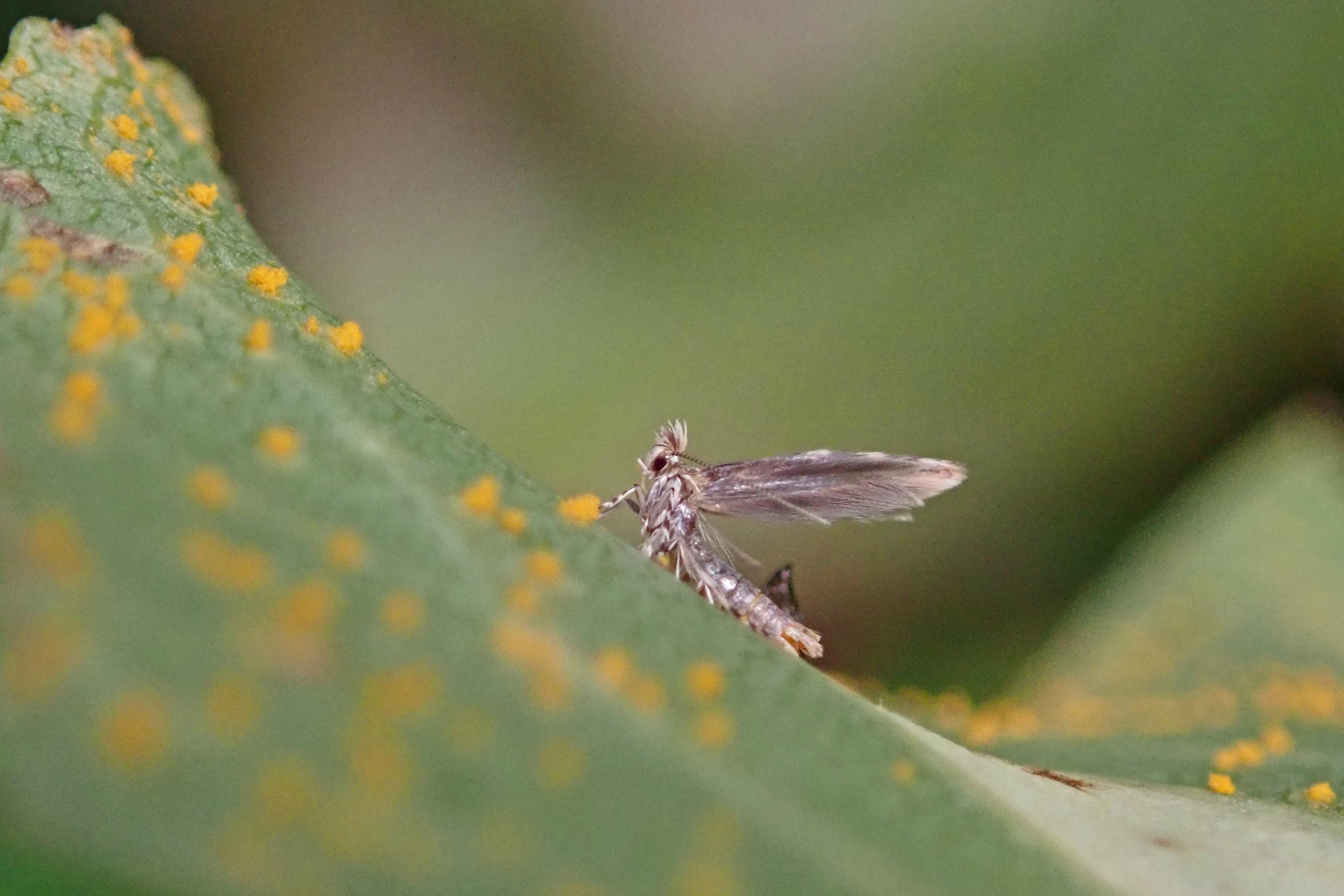
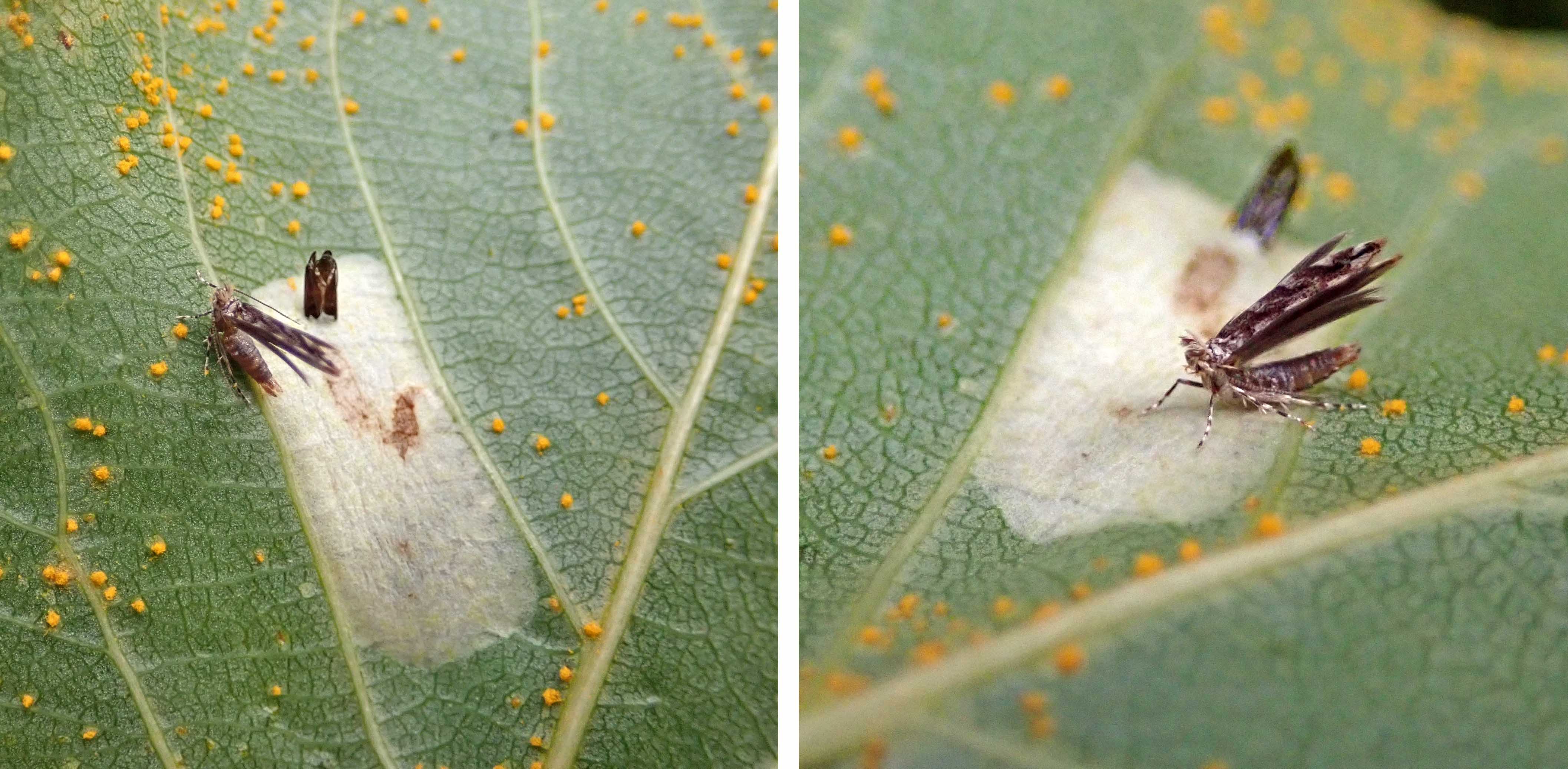
The reason I’m revisiting this species is that, by sheer chance, I turned over a couple of Blackthorn leaves at Cosmeston Lakes Country Park last week and discovered an adult moth sitting next to the ‘hammock’ cocoon from which it had, presumably, very recently emerged.

240930 lyonetia prunifoliella (2)

My photos aren’t sharp as the Blackthorn was growing just inside the edge of a woodland and the light wasn’t good but I was still delighted to find this gorgeous little moth.

240930 lyonetia prunifoliella (3)

Like Loading...
← Older posts
Newer posts →

About me

sconzani

sconzani

I'm a writer and photographer; researcher and blogger; birder and nature lover; countryside rambler and city strider; volunteer and biodiversity recorder.

View Full Profile →

Follow earthstar on WordPress.com

Enter your email address to follow this blog and receive notifications of new posts by email.

Recent blog posts

  • My first moth of the year February 18, 2026
  • Three Common sandpipers February 17, 2026
  • Beetle: Athous bicolor February 16, 2026
  • Crocus flower power February 15, 2026
  • Delightful doves February 14, 2026

From the archives

COPYRIGHT

Unless otherwise acknowledged, the text and photographs on this blog are my own and are subject to international copyright. Nothing may be downloaded or copied without my permission.

Fellow Earth Stars!

  • Unknown's avatar
  • Unknown's avatar
  • Unknown's avatar
  • Unknown's avatar
  • Unknown's avatar
  • Unknown's avatar
  • Unknown's avatar
  • Unknown's avatar
  • Unknown's avatar
  • Unknown's avatar
  • Unknown's avatar
  • Unknown's avatar
  • Unknown's avatar
  • Unknown's avatar
  • Unknown's avatar
  • Unknown's avatar
  • Unknown's avatar
  • Unknown's avatar
  • Unknown's avatar
  • Unknown's avatar
  • Unknown's avatar
  • Unknown's avatar
  • Unknown's avatar
  • Unknown's avatar
  • Unknown's avatar
  • Unknown's avatar
  • Unknown's avatar
  • Unknown's avatar
  • Unknown's avatar
  • Unknown's avatar
  • Unknown's avatar
  • Unknown's avatar
  • Unknown's avatar
  • Unknown's avatar
  • Unknown's avatar
  • Unknown's avatar
  • Unknown's avatar
  • Unknown's avatar
  • Unknown's avatar
  • Unknown's avatar
  • Unknown's avatar
  • Unknown's avatar
  • Unknown's avatar
  • Unknown's avatar
  • Unknown's avatar
  • Unknown's avatar
  • Unknown's avatar
  • Unknown's avatar
  • Unknown's avatar
  • Unknown's avatar

Blog at WordPress.com.

Privacy & Cookies: This site uses cookies. By continuing to use this website, you agree to their use.
To find out more, including how to control cookies, see here: Cookie Policy
  • Subscribe Subscribed
    • earthstar
    • Join 670 other subscribers
    • Already have a WordPress.com account? Log in now.
    • earthstar
    • Subscribe Subscribed
    • Sign up
    • Log in
    • Report this content
    • View site in Reader
    • Manage subscriptions
    • Collapse this bar
 

Loading Comments...
 

You must be logged in to post a comment.

    %d