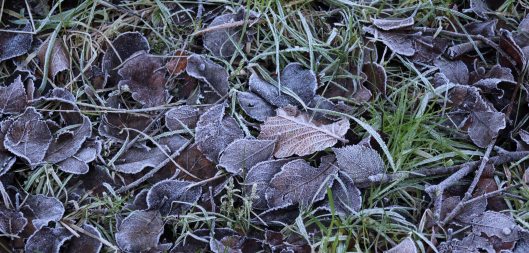
‘It is the life of the crystal, the architect of the flake, the fire of the frost, the soul of the sunbeam. This crisp winter air is full of it.’ ~ John Burroughs (1837-1921), Winter Sunshine, 1875

09 Tuesday Jan 2018
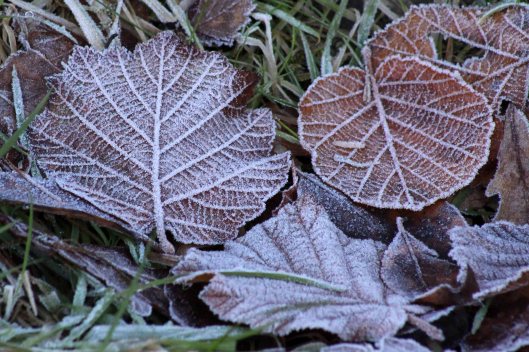
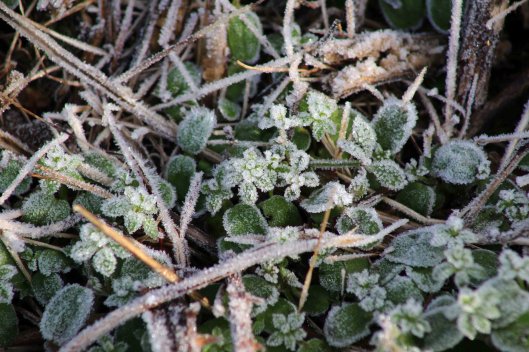
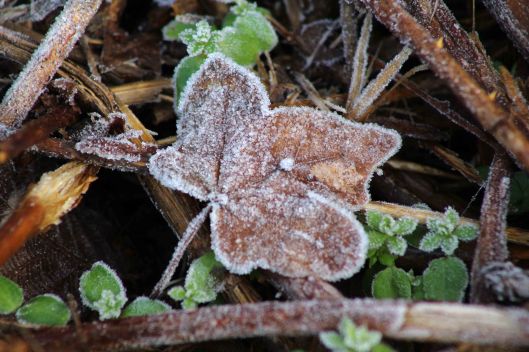
‘It is the life of the crystal, the architect of the flake, the fire of the frost, the soul of the sunbeam. This crisp winter air is full of it.’ ~ John Burroughs (1837-1921), Winter Sunshine, 1875
08 Monday Jan 2018
Tags
birding, birdwatching, British birds, Cosmeston, Cosmeston Lakes Country Park, Jenny Wren, Troglodytes troglodytes, wren
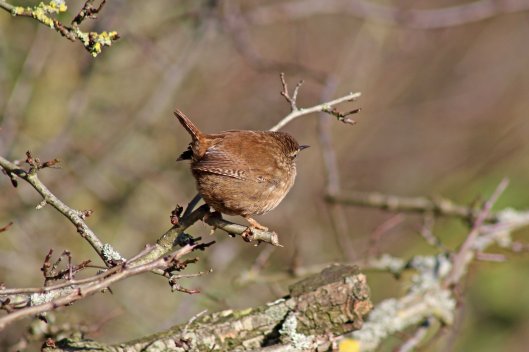
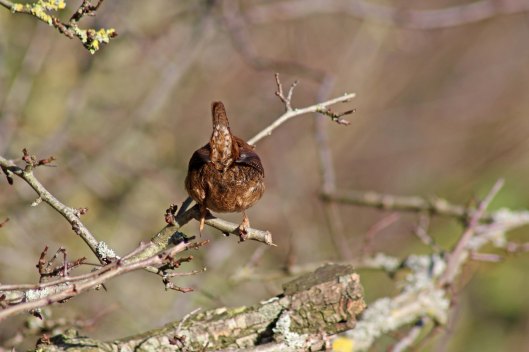
It’s not easy to get a clear crisp photograph of Little Jenny Wren as Wrens flit so quickly through the undergrowth. But, yesterday, at Cosmeston, I got lucky, as this charming little creature popped out on to a branch right in front of me and I managed to fire off several quick shots before it disappeared again. I think, in fact, that the fifth photo below is probably my best Wren shot ever!




07 Sunday Jan 2018
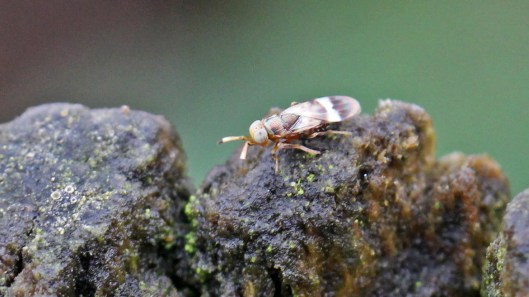
Just when I was thinking the wee flying critters had probably all disappeared for winter, up pops this little chap, tootling around on the top of an old fence post that I was checking out for lichen. I’m reliably informed, by experts on a couple of specialist pages on Facebook, that this is a member of the Encyrtidae, one of a large family of over 3700 different parasitic wasps (and that’s just the ones that have so far been identified – there are probably many many more).

Information on the Natural History Museum website states that ‘About half of the species of Encyrtidae are associated with scale-insects … generally as endoparasitoids of immatures or less commonly adults’, which means the wasp’s larvae live inside and eat the larvae, and occasionally the adults, of scale-insects – not a particularly nice way to survive, I have to say. Some of these wasps are also parasitic on the larvae of moths and butterflies – also not nice. Still, the wasp itself is a pretty little thing, and some Encyrtidae species have been used as biological control agents to control insect pests, so the news isn’t all bad.
06 Saturday Jan 2018
Tags
ammonite, beachcombing, belemnite, Charmouth, fossil hunting, fossils, Jurassic Coast, pyrite ammonite
Yesterday a living fossil fungus, today fossicking for fossils on Dorset’s Jurassic Coast – I’m on a roll with the old stuff!
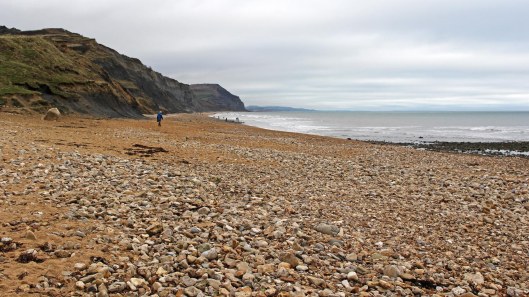
Part of one of my Christmas break days was spent at Charmouth, on England’s south coast, where my friend Sarah and I enjoyed a wonderful long beach walk, much of the time with our eyes down, searching the rocks and pebbles for fossils. Though you’re not allowed to chip away at the cliff face – and you’d be foolish to try, as it can be rather unstable and is subject to frequent mud slips, you are allowed to take fossils from the beach itself.


Sarah spotted one enormous fossil in a big boulder, but that was rather too big to pop in my pocket and bring home.


And, though it took a while to get my eye in, I did eventually find two small pieces of pyrite ammonite and another small rod-shaped rock, which looked very like the belemnite fossils being sold in the local shop. Result!
05 Friday Jan 2018
My local fungus group has a new challenge going for the month of January, to find a ‘living fossil fungus’. Sounds weird? Well, the ‘living fossil’ is the Ginkgo tree (Ginkgo biloba), a tree that’s been around since the time of the dinosaurs (read more about this beautiful tree on my sconzani blog here), and the fungus is Bartheletia paradoxa, a basidiomycete that only grows on Ginkgo leaves and has characteristics that are unique amongst basidiomycetes (for the science geeks out there, here’s a link to an expert article).

The fungus was not formally recognised until 1932 and was first found in Britain, on the leaves of a Ginkgo at Kew Gardens, in 2008. There are still very few official records for it but, as members of our fungus group are now discovering, it seems to be on almost every Ginkgo tree we can find.


As you can see from the photos, the fungus looks like black spots on the fallen leaves. Of course, autumn is long gone and the winter winds that have been roaring across Britain this past week have blown away a lot of fallen leaf litter but it’s still worth looking look around any Ginkgo trees you know of in your local parks. I found these leaves on Wednesday around the magnificent Ginkgo avenue in Bute Park, behind Cardiff Castle, and I have another couple of places to go looking in the next few days. So, do see if you can find yourself a ‘living fossil fungus’ as well.
04 Thursday Jan 2018
Tags
birding, birdwatching, British birds, Carrion crow, Corvus corone, leucism, leucism in birds, leucistic crow

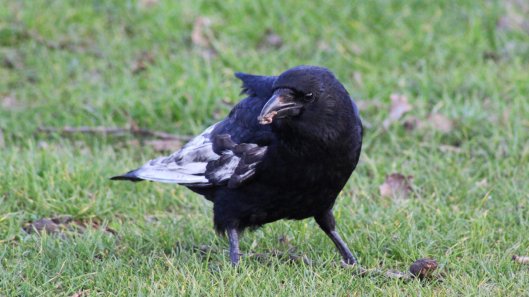
I posted a photo of this splendid leucistic Carrion crow (Corvus corone) on my new ‘Birding 2018’ page, after seeing him for the second time on a recent walk around Cardiff Bay, where he appears to frequent the area around the Norwegian Church.


I write ‘he’ but ‘he’ may well be a ‘she’, as I’m not sure how to tell the gender of crows. It’s certainly a handsome creature and I decided it was worth a post of its own. As you can see from my photos, the leucism seems to be restricted to its wings.
(If you’re not sure what leucism is, I wrote about it in an earlier blog post here.)
03 Wednesday Jan 2018
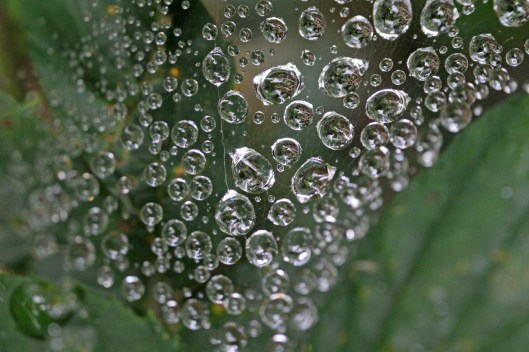
Pluviophile: a lover of rain; someone who finds joy and peace of mind during rainy days.

Of course, some might label such a person crazy and I’m not sure I would categorise myself as a pluviophile but, if I’ve got plenty of indoors things to do, some tasty food to eat, and I’m warm and cosy, then I do find pleasure in the pitter-patter of raindrops on the window panes.
02 Tuesday Jan 2018
Tags
#NewYearPlantHunt, British wildflowers, BSBI, New Year Plant Hunt, wildflowers in bloom, winter-blooming wildflowers
Did you do the New Year Plant Hunt?


Running from Saturday 30 December until today, Tuesday 2 January, this was the BSBI’s (Botanical Society of Britain and Ireland) seventh annual plant hunt event. The idea is to spend three hours on one of those days (or every day, if you’re as keen as Hoary mustard), in one location (or several, if you like to roam like Ivy), trying to find as many wild or naturalised plants that are flowering as you can. You then share your finds on social media and, most importantly, you also need to send your records in to the BSBI team so they can analyse the results (full details on their website here).


On the last day of 2017 I took myself off on a wander around Penarth township and marina – basically, within the square kilometre that is ST1872 – and was delighted to find 15 different wild plants in bloom. The Field scabious was a particular highlight!


01 Monday Jan 2018

Hope is the thing with feathers
That perches in the soul,
And sings the tune without the words,
And never stops – at all …
~ from the poem ‘Hope is the thing with feathers’ by Emily Dickinson (1830-1886)
31 Sunday Dec 2017
Tags
Avocet, birding, birdwatching, British birds, Great tit, robin, Sand martin
Neither my age, nor my weight, nor my height (though that comes closest), one hundred and sixty-three is my birding total for 2017 – that is, the total number of species I managed to see in Britain.

This was the first year I’ve kept a count, and it was just out of interest really but, as my more dedicated birding friends post their totals on our Facebook group page (one has 223, another a whopping 252) , I’ve decided to try for a 200-bird year in 2018. That doesn’t mean I’m going to become a mad twitcher or go haring off all over the country to see rare birds. I’m just going to make more of an effort to see as many as I can because I love them so!

And my favourite birding moments in 2017? There were too many to recount, from marvelling at an encounter between a Bittern and a Marsh harrier at RSPB Ham Wall to my frequent local conversations with Robins and chuckles at Tufted ducks, from the joy of watching Avocets with their chicks at Rye Harbour on my birthday to the thrill of seeing feeding Gannets crashing headfirst into the ocean off Dawlish beach, from the lovely little Turnstones than bumble along the embankment in Penarth Marina to the Sand martin that sat and chattered away to me on a railing at Cardiff Bay.

Why just yesterday I had a Great tit land on my hand to grab itself a piece of the flapjack I was sharing with the hungry birds at Cosmeston! Every moment like that, every second spent watching and hearing my feathered friends is joyous!

 earthstar
You must be logged in to post a comment.