• ABOUT
  • BIRDING 2018
  • Birding 2019
  • BLOG POSTS
  • Butterflies 2018
  • Resources

earthstar

~ a celebration of nature

earthstar

Category Archives: plants

Early bloomers

15 Wednesday Jan 2025

Posted by sconzani in flowers, plants, wildflowers

≈ Leave a comment

Tags

Alexanders, Early blooming wildflowers, Hazel catkins, Hazel flowers, Three-cornered leek

I was struggling to find a subject for today’s blog until I went out for my daily walk and found three plants in bloom that I hadn’t expected to see, especially after our recent very cold weather.

250112 alexanders

Alexanders (Smyrnium olusatrum) thrives in my coastal location and, though it does die back in the colder weather, it comes away again very quickly. Still, I hadn’t expected to find flowers quite as early as January.

250112 three cornered leek

The same is true of Three-cornered leek (Allium triquetrum). The leaves begin growing in early winter but flowers don’t normally appear until spring, in early April.

250112 hazel

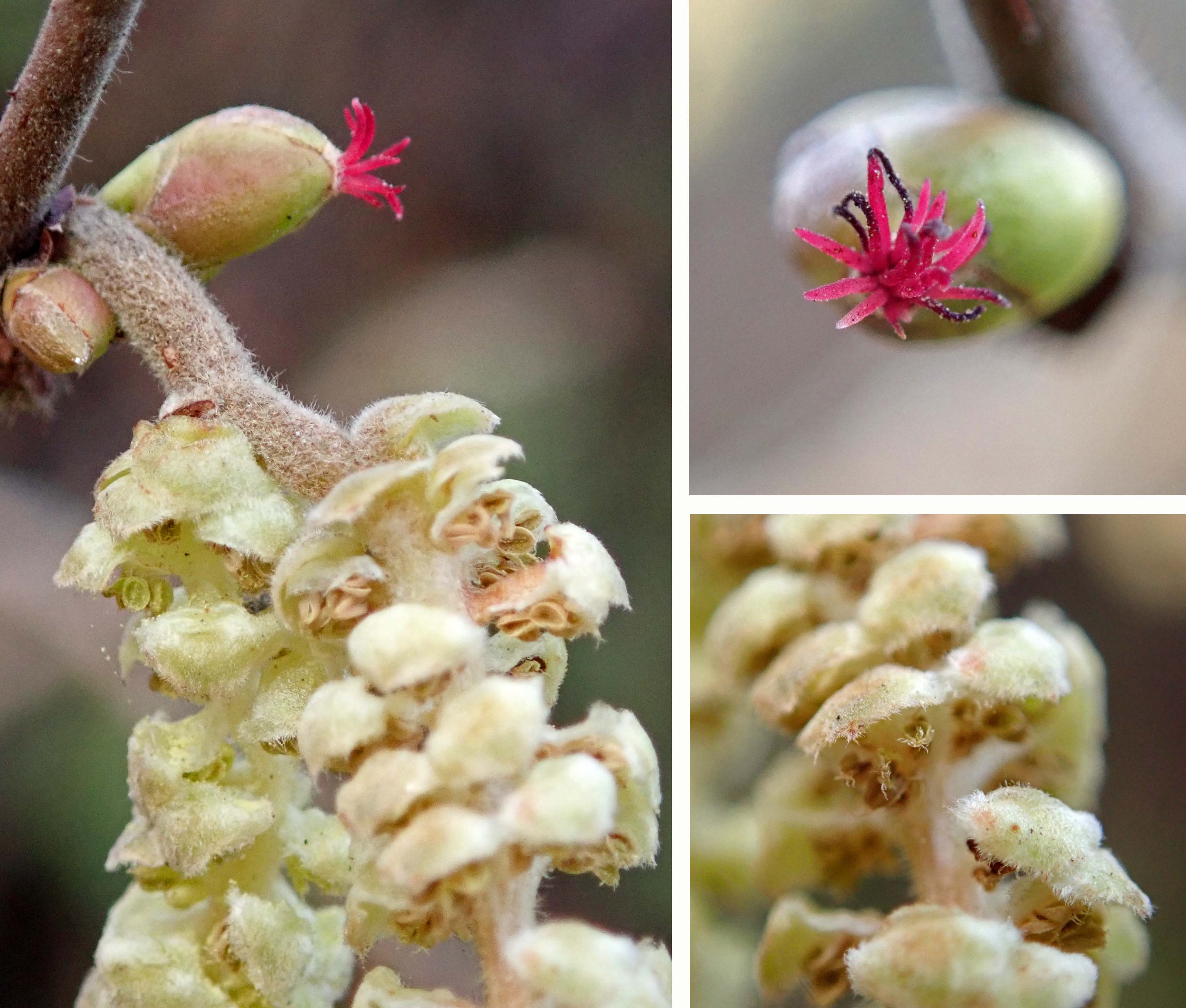
And this third plant is Hazel. The male catkins often open early, sometimes as early as December, but, in my experience, the female flowers don’t poke their vibrant pink ‘feelers’ until a bit later … yet here they are, in mid January.

Like Loading...

Perennial wall-rocket

24 Sunday Nov 2024

Posted by sconzani in plants, wildflowers

≈ Leave a comment

Tags

autumn colour, autumn wildflowers, British wildflowers, Diplotaxis tenuifolia, Perennial wall-rocket

A new plant! As I’ve not been roaming far outside my local area this year, it can be difficult to find new plants to feature but, this week, I struck lucky as I had one of those ‘Oooo, that looks different!’ moments while wandering around Forest Farm Nature Reserve.

241124 perennial wall rocket (1)

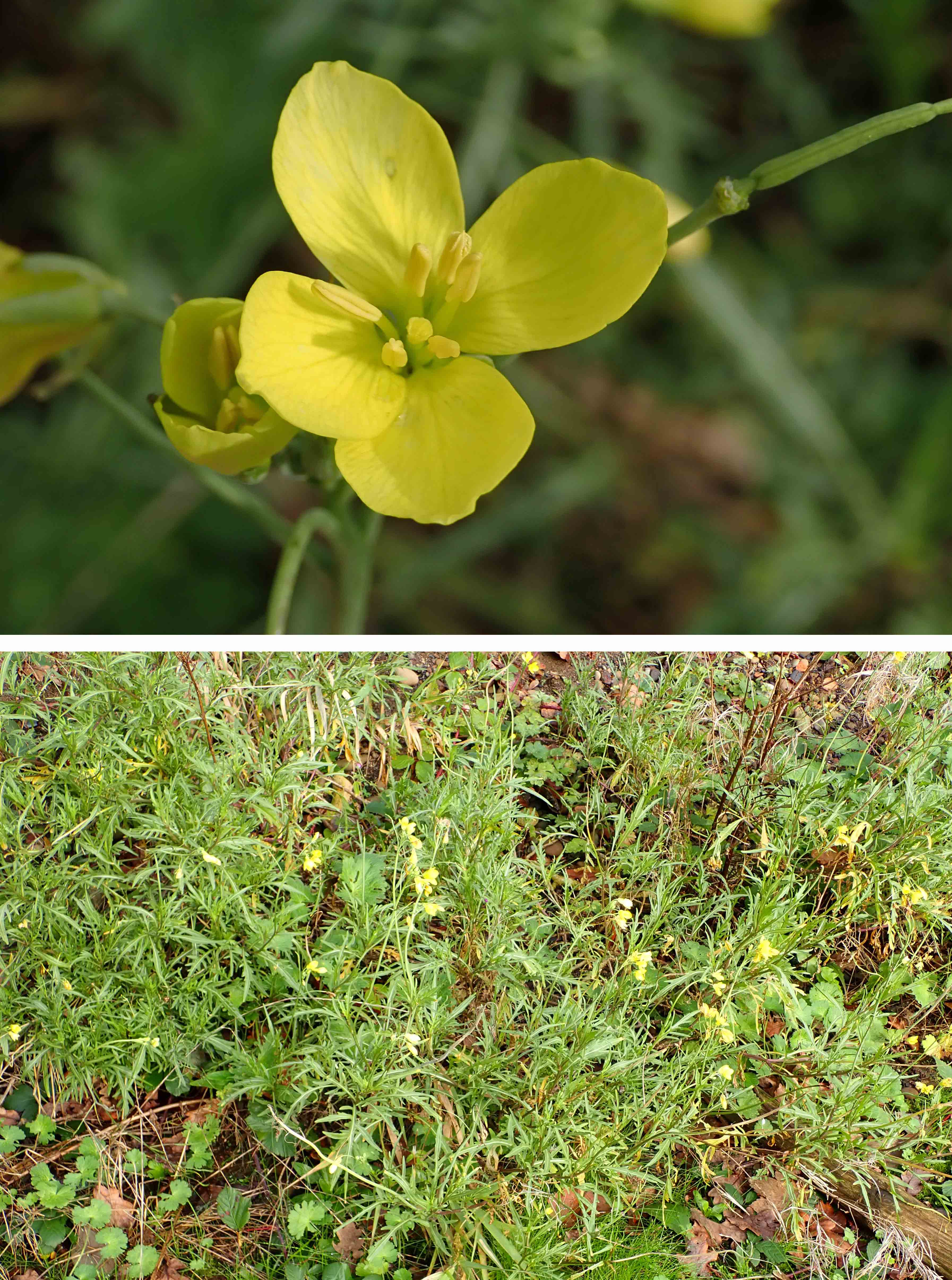
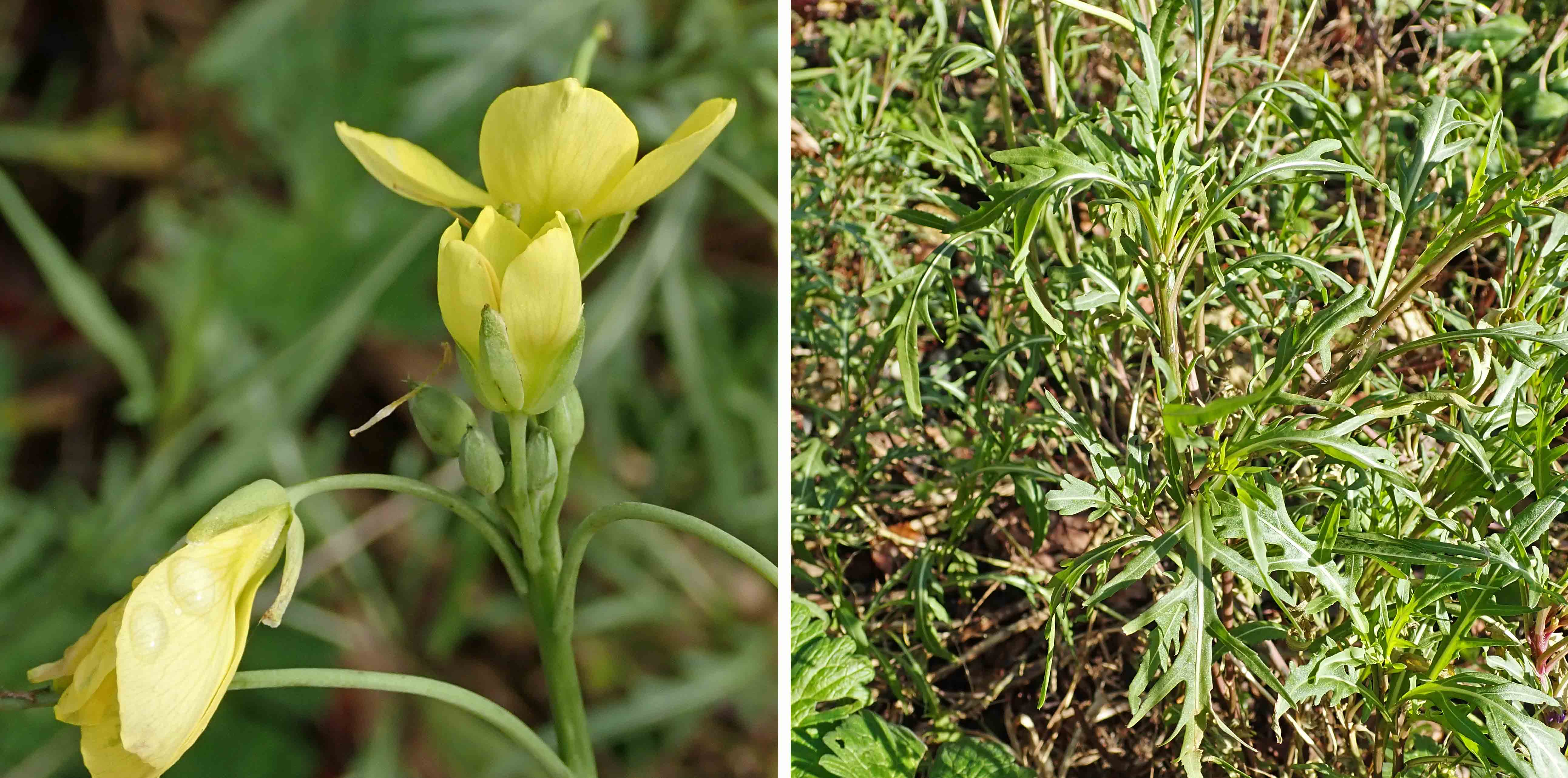
I haven’t had this confirmed but I’m fairly certain this is Perennial wall-rocket (Diplotaxis tenuifolia). I found it growing on a spoil heap, a mound of dirt and stone chips and other wildflowers, which, from what I’ve read, is one of its preferred locations. It’s a member of the mustard family, and it seems gardeners also cultivate it as a vegetable, so I assume this particular plant has become naturalised, possibly from the nearby local allotments.

241124 perennial wall rocket (2)

Like Loading...

The Blackberry man

10 Sunday Nov 2024

Posted by sconzani in autumn, plants, wildflowers

≈ Leave a comment

Tags

autumn colour, blackberries, bramble, Bramble autumn colour, Bramble berries, Bramble flowers

This post was prompted by my bumping in to ‘The Blackberry man’ during yesterday’s walk. I don’t know his name; he’s just a random stranger I got talking to two winters ago during a walk around Cardiff’s Grangemoor Park. I was picking a few Blackberries to eat, he was filling a small container to take home for his family. He’s an older man, originally from a Middle Eastern country, and doesn’t have great English, but we got by. And now, whenever we see each other at the park, we stop and chat for a few minutes.

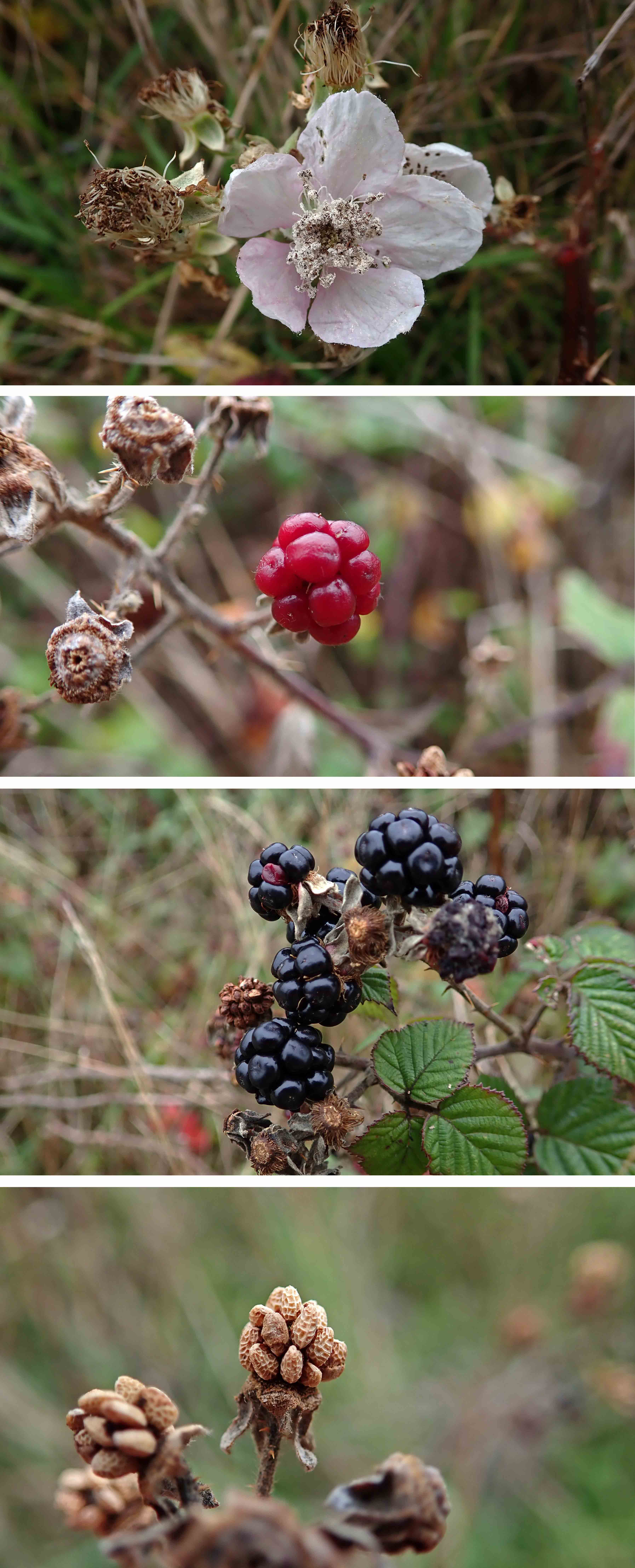
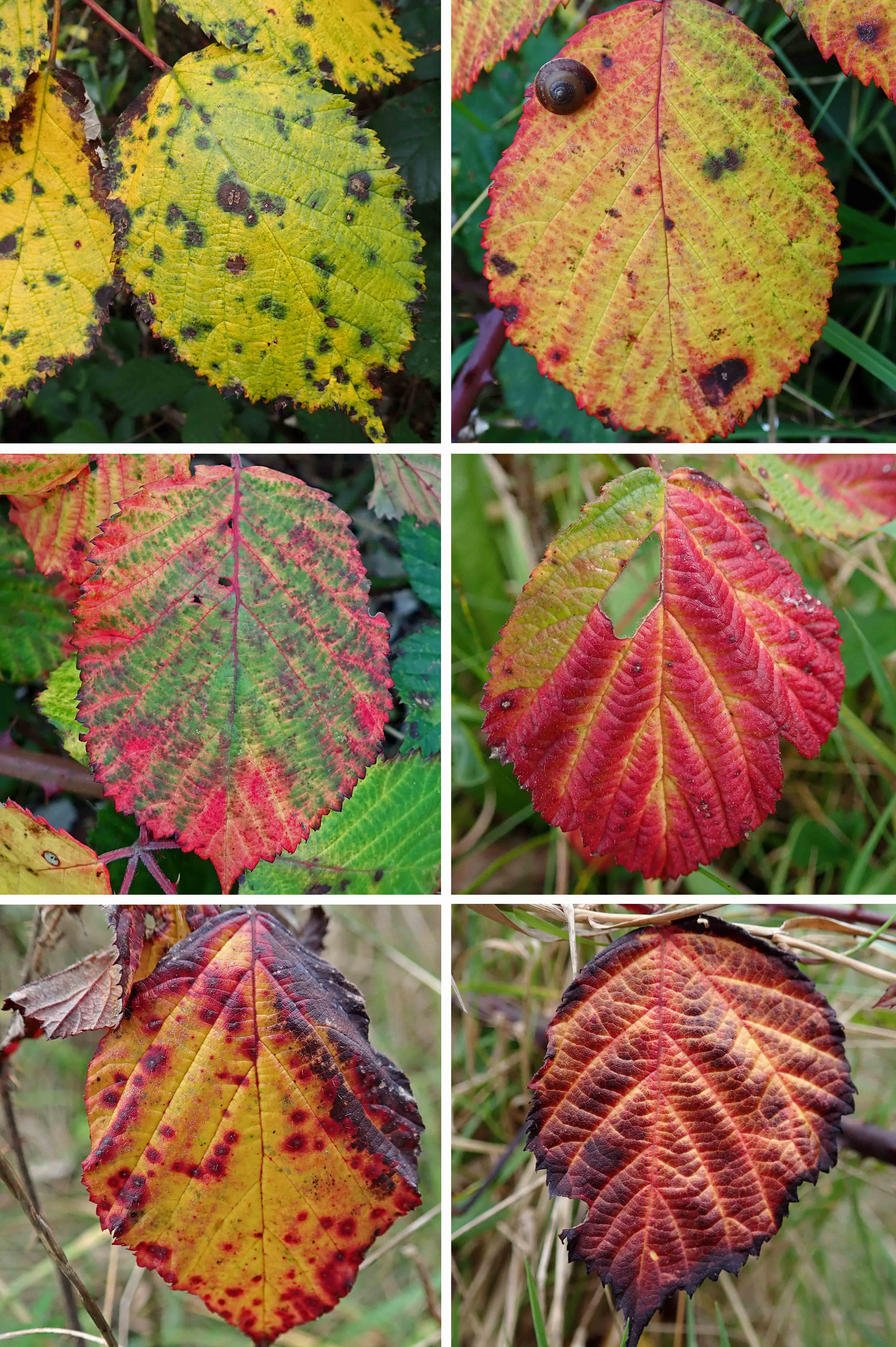
Seeing him led me to look more closely at the Brambles. The majority of plants had already flowered, produced berries and the fruit that hadn’t been eaten had gone to seed but, scattered here and there amongst the plants, there were still a few flowers, and a few immature and ripe berries.

241110 brambles (1)

I also couldn’t help but admire the exceptional colour variations and intensity of colour displayed by the Bramble leaves as autumn progresses. So, thank you Blackberry man, for reminding me to look more closely at these often-overlooked plants.

241110 brambles (2)

Like Loading...

Another new seaweed

22 Tuesday Oct 2024

Posted by sconzani in plants, seaside

≈ Leave a comment

Tags

British seaweeds, Fucus serratus, seaweed, Serrated wrack, Toothed wrack

241022 toothed wrack (1)

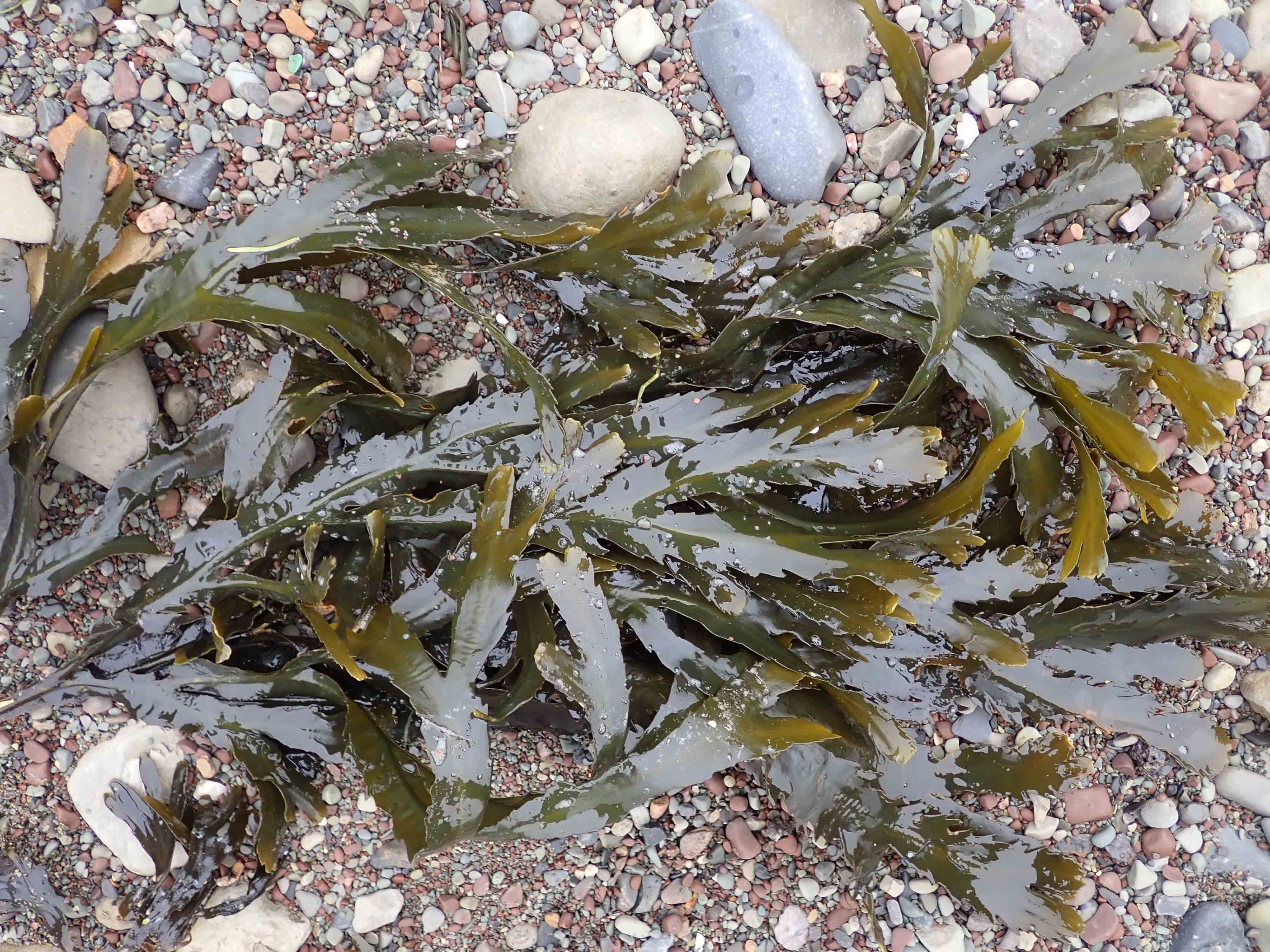
Here’s another new-to-me seaweed, which the British beachcombers amongst you have probably seen many many times already, as it’s very common and found all around the coasts of Britain and Ireland.

This is Toothed wrack (Fucus serratus), also known as Serrated wrack, named for the sharp-looking toothed edges of its fronds.

As seen here, it is a brownish-green in colour, grows from a short stalk (shown in the photo at left), and its fronds are flat, with no air bladders.

241022 toothed wrack (2)

Like Loading...

Coleophora on Juncus

17 Thursday Oct 2024

Posted by sconzani in insects, plants

≈ Leave a comment

Tags

British moths, case-bearing moth larvae, case-bearing moth larvae on Hard rush, Coleophora alticolella/glaucicolella, coleophora on reeds, Hard rush, Juncus inflexus, seed-mining moth larvae

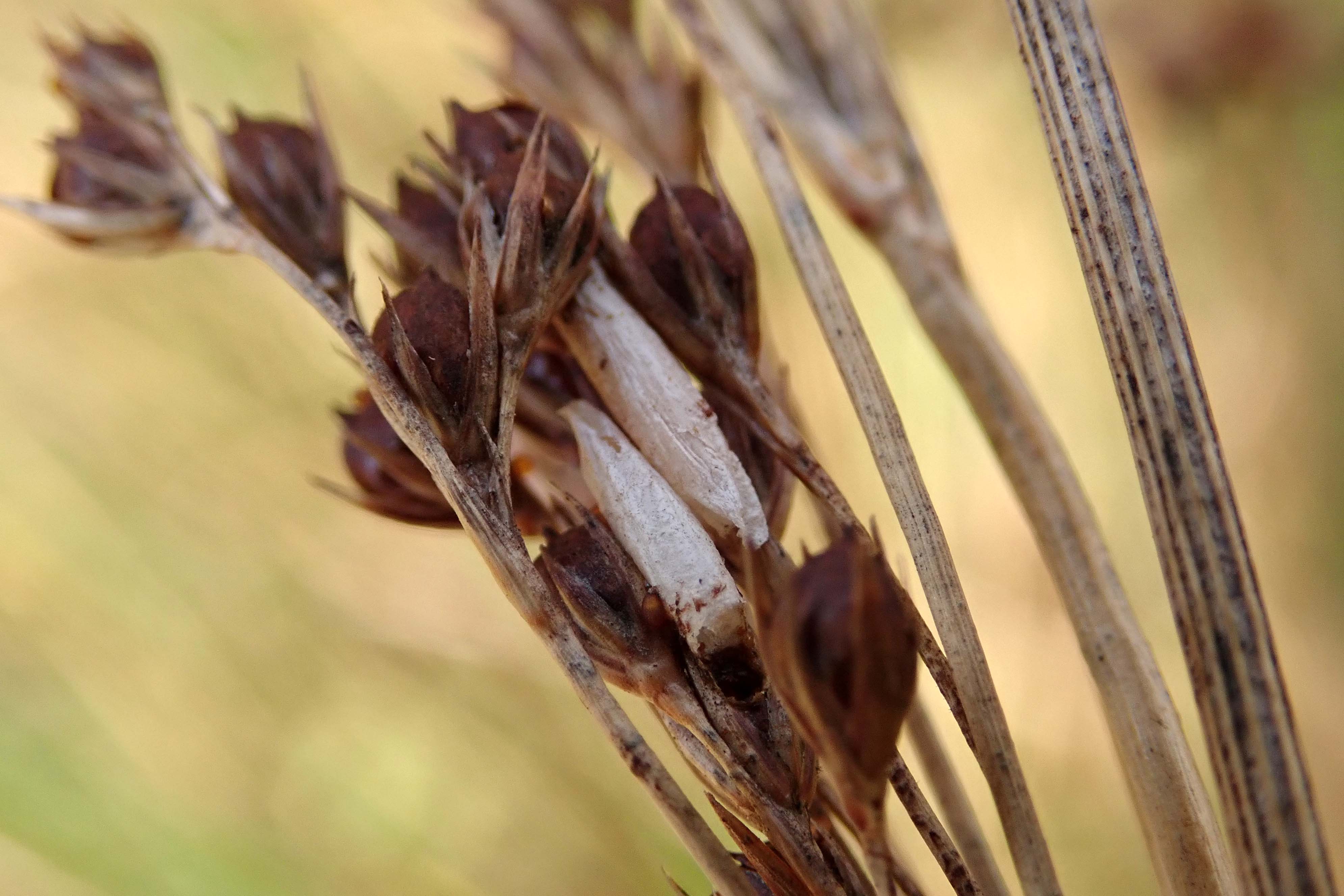
I haven’t posted this in my usual ‘Leafmines Monday’ spot as a) there are no leaves to speak of and b) the larvae actually feed on the seeds of the plants they inhabit. And I’ve never looked at reeds for any kind of leaf-mining creature or the cases of coleophora species of moths before but was, once again, prompted by a post of a rare find by a contact on social media. My find is not the rare one – in fact, I found so many of these in two different locations that they must be one of the most common coleophora species I’ve ever seen.

241017 Coleophora alticolella OR glaucicolella (1)

So, let me introduce you to Coleophora alticolella/glaucicolella; the slash between the two names indicates that these could actually be either Coleophora alticolella or Coleophora glaucicolella but it’s very difficult to differentiate between the two species without examining the larvae, which I didn’t do, or by breeding the larvae through to adulthood and examining their genitalia, which I also won’t be doing.

241017 Coleophora alticolella OR glaucicolella (2)

That social media post, and this find, have now prompted me to learn more about the various species of reed. The finds shown here were on Hard Rush (Juncus inflexus) but the rare species I want to try to find only feeds on two less common rush species. I like how one find leads me to have to learn more to find another!

Like Loading...

Rust: Puccinia malvacearum

11 Friday Oct 2024

Posted by sconzani in fungi, plants, wildflowers

≈ Leave a comment

Tags

Hollyhock rust, Mallow rust, Puccinia malvacearum, rust fungus, rust on mallow, Tree mallow

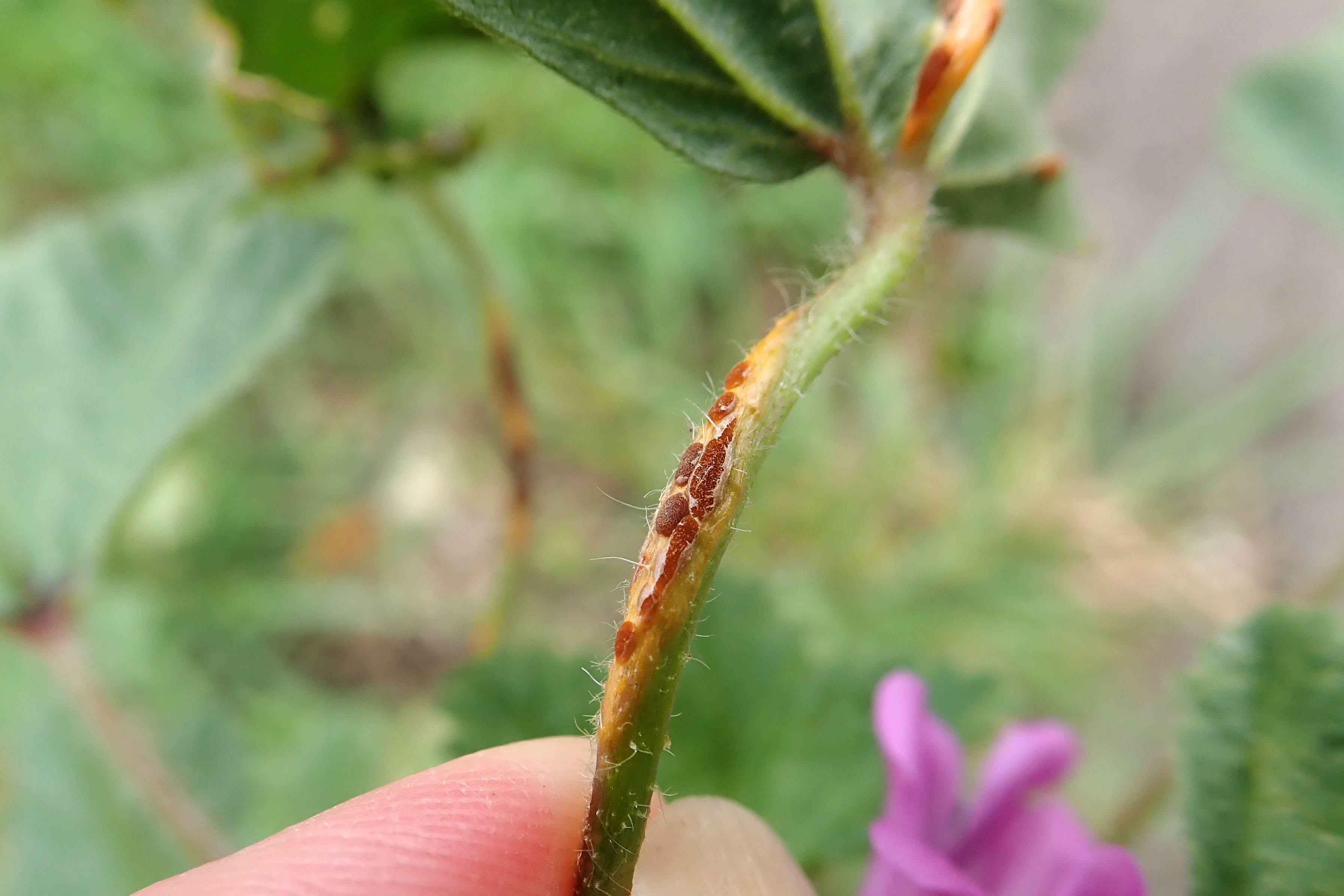
I was photographing the flowers of a roadside Tree mallow for a mid-autumn wildflowers-in-bloom blog that will be publishing this coming Sunday when I noticed the subject of today’s blog post, this new-to-me rust, Puccinia malvacearum. Its common names, Mallow rust and Hollyhock rust, provide the perfect indication for which plants are host to this fungus.

241011 Puccinia malvacearum (1)

As is typical with rusts, this species had created yellow-orange spots on the upper surface of the leaves and brownish lumpy pustules on the lower surface and on the plant’s stems. The rust would eventually reduce the plant’s vigour, leading to stunted growth and leaf loss, though, as this particular plant was growing in a location very likely to be mown regularly by council workers, the plant will probably be cut down long before it could succumb to the rust’s damage.

241011 Puccinia malvacearum (2)

Like Loading...

Spear thistle lacebug

10 Thursday Oct 2024

Posted by sconzani in insects, plants

≈ Leave a comment

Tags

British bugs, Creeping thistle, insects on Creeping thistle, lacebugs, Spear thistle lacebug, Tingis cardui

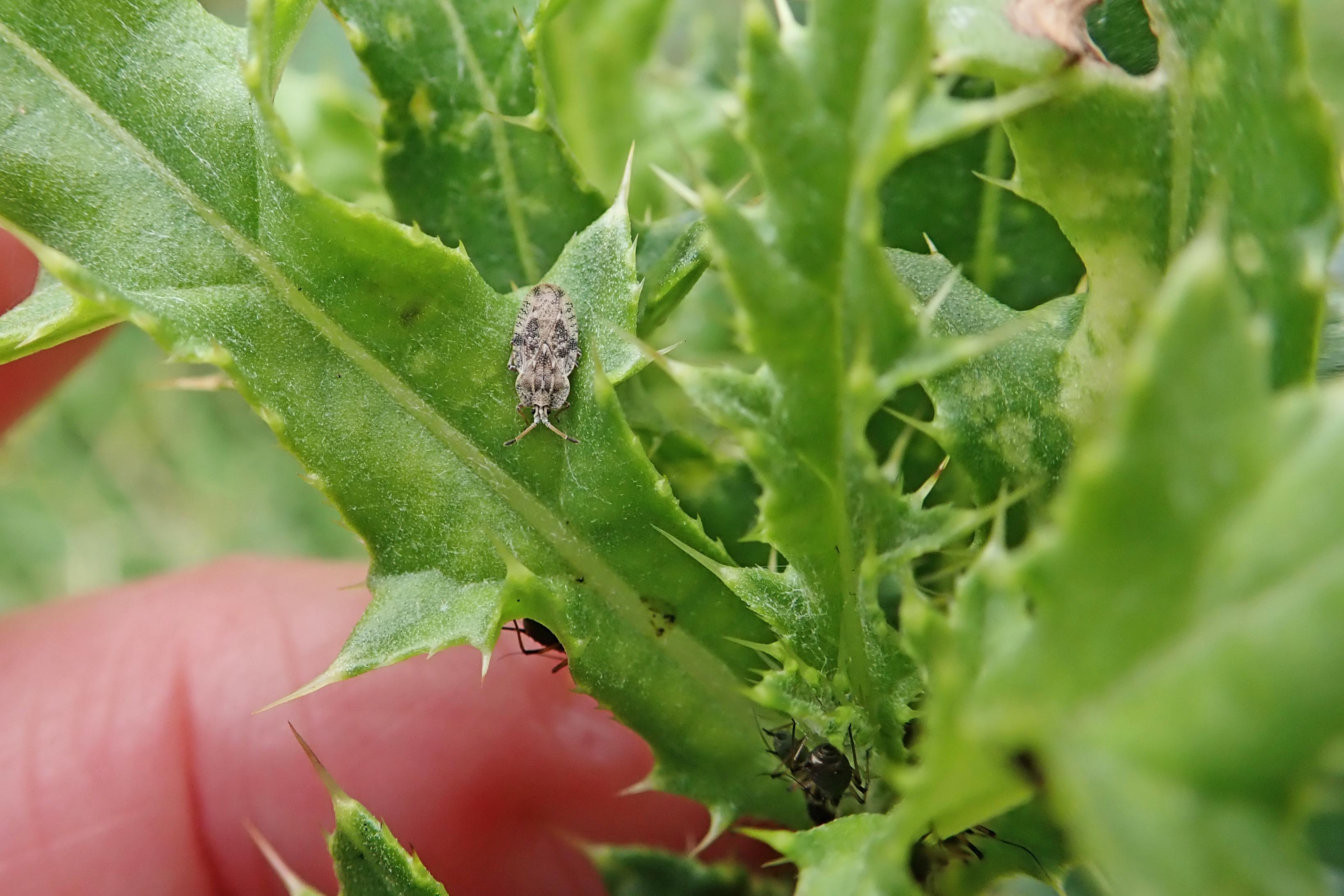
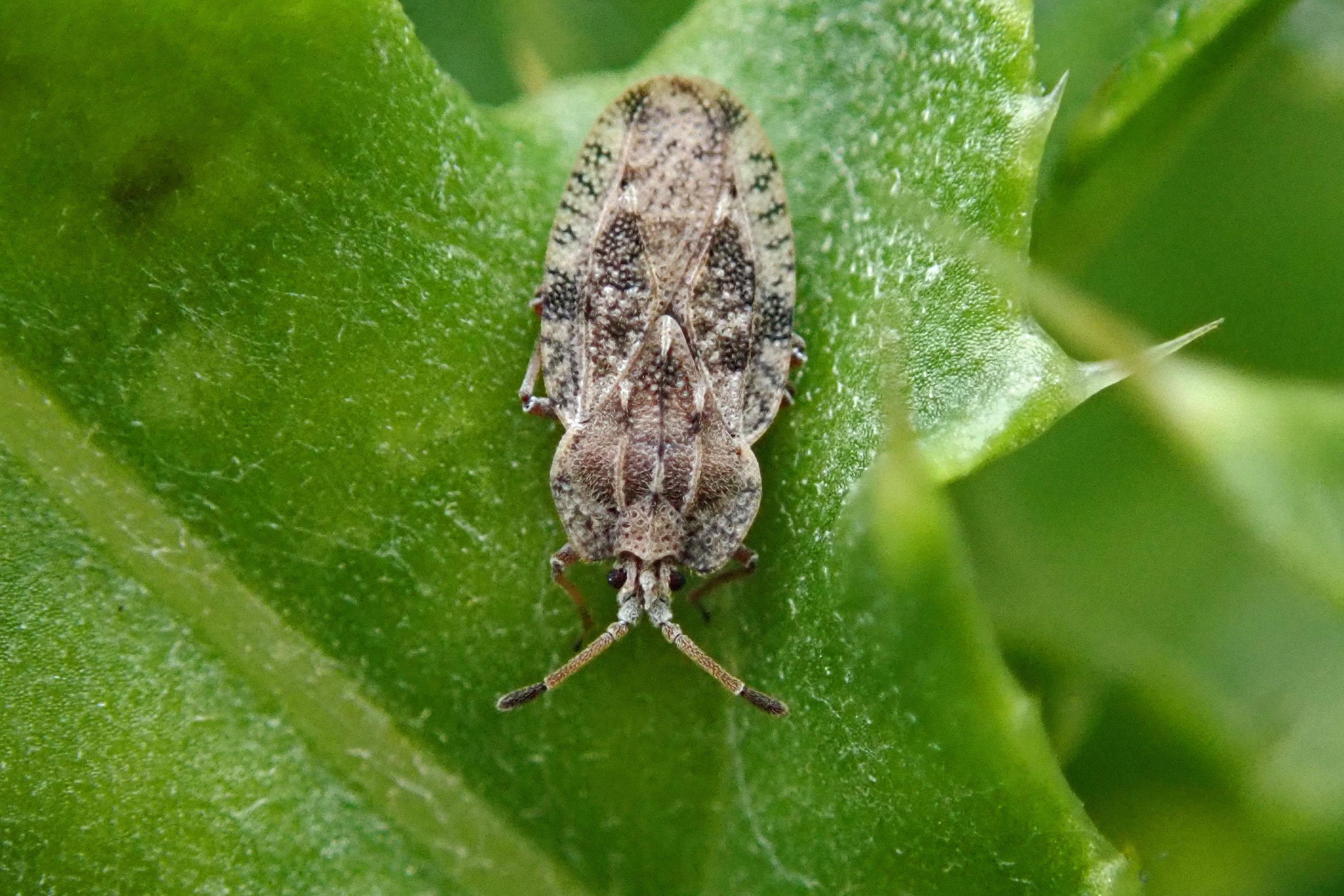
My eye was drawn to this particular Creeping thistle by the presence of four Urophora cardui galls on the plant’s stems (for information on what those are, see More galls, part 2, 4 October 2017) and, when I leant down for a closer look, I noticed this tiny creature, my first ever lacebug. (There were also lots of aphids lurking amongst the leaves, as you can see.)

241010 Spear thistle lacebug (1)

I’m fairly sure I’ve identified this correctly, as the black tips to its antennae are apparently diagnostic, but, for some reason, it’s living on the wrong species of thistle – this is the Spear thistle lacebug (Tingis cardui). I think you can see why it’s called a lacebug – the intricacy of the structure and patterning of its body is really quite exquisite. You can read more about this beautiful bug on the British Bugs website here.

241010 Spear thistle lacebug (2)

Like Loading...

Cochylis roseana

08 Tuesday Oct 2024

Posted by sconzani in insects, plants

≈ Leave a comment

Tags

British moths, Cochylis roseana, moth larvae, moth larvae in Teasel, moth larvae in Teasel seed heads, Teasel

Last Thursday’s blog was about finding an Endothenia marginana larva in a Teasel seedhead. While checking those particular Teasels, I also found the subjects of today’s blog, the larvae of another moth, Cochylis roseana. As its name suggests, the adult is a rather gorgeous rosy coloured moth, though the UK Moths website says that the rosy colour is not always prominent.

241008 Cochylis roseana (1)

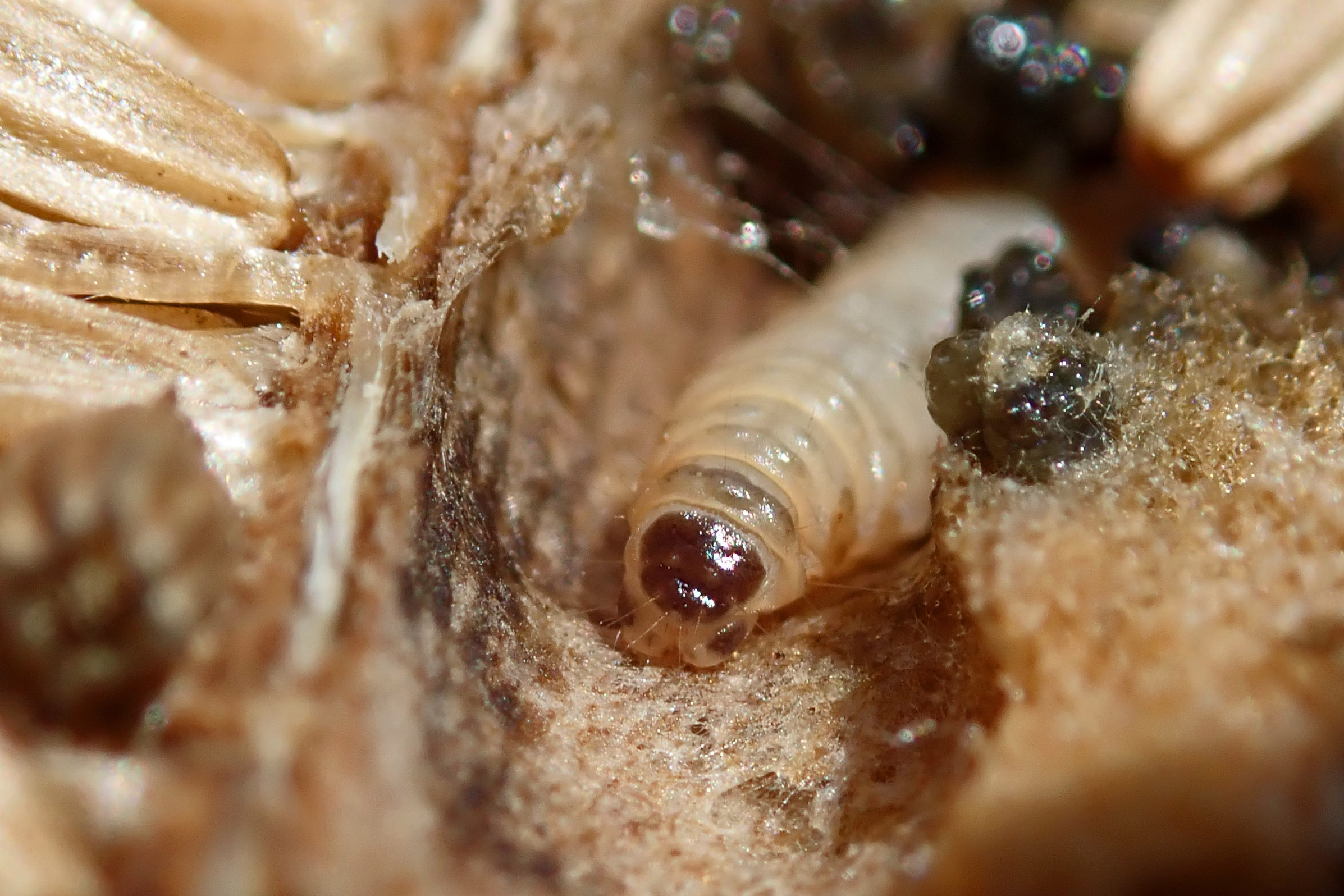
As you can see, the larvae, which are white with a greenish tinge, don’t live within the centre space of the Teasel seedhead like the Endothenia, but rather munch their way through the Teasel’s seeds, creating tunnels that circle the centre. The seedhead I opened contained at least three larvae but here may have been more lurking in their hidey holes.

241008 Cochylis roseana (2)

Like Loading...

Endothenia marginana

03 Thursday Oct 2024

Posted by sconzani in insects, plants

≈ Leave a comment

Tags

British moths, Endothenia marginana, Endothenia marginana larvae, Endothenia species larva, moth larva in Teasel seedhead, Teasel

Back in January 2022, I was alerted to the fact that some Teasel seedheads are home to various species of moth larvae, and I blogged about opening three Teasel seedheads to find each one occupied by what proved to be one of the two Endothenia species of moth (Inside a Teasel seed head, 31 January 2022).

241003 endothenia marginana (1)

At the time of finding the larvae, I hadn’t known that I needed to check their rear ends for what’s known as an anal comb, a tiny tuft of hairs. If the anal comb is not present, then the species is Endothenia gentianaeana. If there is an anal comb, then it’s Endothenia marginana.

241003 endothenia marginana (2)

On a recent walk, when I found some Teasels that had been cut down, I decided to check the seedheads for any occupants. And, when I found this larva in one, I made sure to take close-up photos of its rear end – not as easy as you might think when the larva doesn’t want to co-operate. It eventually turned around, I got my shots, and, later, at home, I was able to make out an anal comb (indicated with a blue arrow in the photo below) so, as you may have guessed by the title of this blog, this is the larva of Endothenia marginana.

241003 endothenia marginana (3)

Like Loading...

Leafmines: Lyonetia prunifoliella, 2

30 Monday Sep 2024

Posted by sconzani in insects, plants

≈ Leave a comment

Tags

blackthorn, leaf-mining moth larvae, leaf-mining moths, leafmines on Blackthorn, Lyonetia prunifoliella

As you will have gathered from the ‘2’ in the title, I’ve blogged about this leafmine before (Leafmines: Lyonetia prunifoliella, 9 October 2023).

240930 lyonetia prunifoliella (1)

The reason I’m revisiting this species is that, by sheer chance, I turned over a couple of Blackthorn leaves at Cosmeston Lakes Country Park last week and discovered an adult moth sitting next to the ‘hammock’ cocoon from which it had, presumably, very recently emerged.

240930 lyonetia prunifoliella (2)

My photos aren’t sharp as the Blackthorn was growing just inside the edge of a woodland and the light wasn’t good but I was still delighted to find this gorgeous little moth.

240930 lyonetia prunifoliella (3)

Like Loading...
← Older posts
Newer posts →

About me

sconzani

sconzani

I'm a writer and photographer; researcher and blogger; birder and nature lover; countryside rambler and city strider; volunteer and biodiversity recorder.

View Full Profile →

Follow earthstar on WordPress.com

Enter your email address to follow this blog and receive notifications of new posts by email.

Recent blog posts

  • O is for Odonata December 20, 2025
  • N is for nest December 19, 2025
  • M is for mite December 18, 2025
  • L is for lepidopteran lifers December 17, 2025
  • K is for Keeled skimmers December 16, 2025

From the archives

COPYRIGHT

Unless otherwise acknowledged, the text and photographs on this blog are my own and are subject to international copyright. Nothing may be downloaded or copied without my permission.

Fellow Earth Stars!

  • Unknown's avatar
  • Unknown's avatar
  • Unknown's avatar
  • Unknown's avatar
  • Unknown's avatar
  • Unknown's avatar
  • Unknown's avatar
  • Unknown's avatar
  • Unknown's avatar
  • Unknown's avatar
  • Unknown's avatar
  • Unknown's avatar
  • Unknown's avatar
  • Unknown's avatar
  • Unknown's avatar
  • Unknown's avatar
  • Unknown's avatar
  • Unknown's avatar
  • Unknown's avatar
  • Unknown's avatar
  • Unknown's avatar
  • Unknown's avatar
  • Unknown's avatar
  • Unknown's avatar
  • Unknown's avatar
  • Unknown's avatar
  • Unknown's avatar
  • Unknown's avatar
  • Unknown's avatar
  • Unknown's avatar
  • Unknown's avatar
  • Unknown's avatar
  • Unknown's avatar
  • Unknown's avatar
  • Unknown's avatar
  • Unknown's avatar
  • Unknown's avatar
  • Unknown's avatar
  • Unknown's avatar
  • Unknown's avatar
  • Unknown's avatar
  • Unknown's avatar
  • Unknown's avatar
  • Unknown's avatar
  • Unknown's avatar
  • Unknown's avatar
  • Unknown's avatar
  • Unknown's avatar
  • Unknown's avatar
  • Unknown's avatar

Blog at WordPress.com.

Privacy & Cookies: This site uses cookies. By continuing to use this website, you agree to their use.
To find out more, including how to control cookies, see here: Cookie Policy
  • Subscribe Subscribed
    • earthstar
    • Join 667 other subscribers
    • Already have a WordPress.com account? Log in now.
    • earthstar
    • Subscribe Subscribed
    • Sign up
    • Log in
    • Report this content
    • View site in Reader
    • Manage subscriptions
    • Collapse this bar
 

Loading Comments...
 

You must be logged in to post a comment.

    %d