Ladybirds galore

Tags

, , ,

I was really surprised during Tuesday’s walk to see so many ladybirds still about – not only adults but also a lot of larvae, and this one pair of adults that obviously thought it was springtime not late autumn.

On one small section of nettles growing along the road verge there were over 20 ladybirds.

211111 ladybirds (2)

Unfortunately, every single one was a Harlequin ladybird – not a 7-spot or other species to be seen.

Face to face

Tags

, , , ,

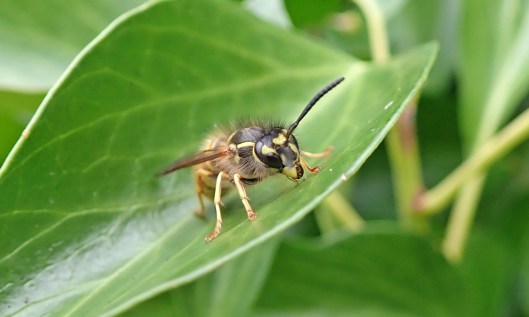
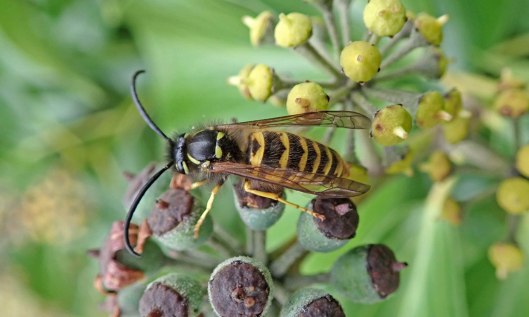
A long section of the coastal path where I walked yesterday was lined with Ivy, covered in ripening clusters of berries … and wasps. It seemed like each nest of wasps (all Vespula vulgaris, as far as I could tell) had laid claim to its own bush, where they sat preening on leaves, wandered over the berries, or just snoozed, and I was able to get quite close for some photos.

211110 wasp (1)

I’ve just been reading on the really informative Eakringbirds website that ‘Many wasps found on flowers from August onwards will often be males. These tend to be more docile and slightly less active than workers and often make better photographic subjects’, and that was certainly the case for me yesterday.

211110 wasp (2)

Helvella crispa

Tags

, , , ,

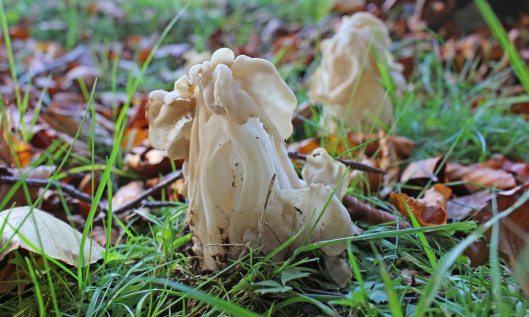
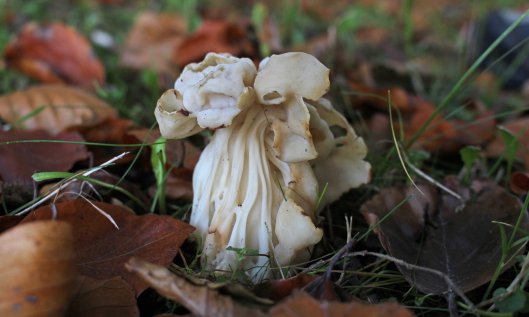
I think I’m developing an obsession with these beautiful fungi, Helvella crispa, commonly known as White saddles.

211109 helvella crispa (1)

These photos were taken during last week’s cemetery meander but I’ve also found a large group of these fungi recently in the woodland at Cosmeston Lakes Country Park.

211109 helvella crispa (2)

Perhaps it’s my imagination, but I fancy I can make out forms, spooky, ghostly creatures that have emerged from the earth.

211109 helvella crispa (3)

Leafmines: on Columbine

Tags

, , , , ,

Here’s one – actually, two – for the gardeners out there, if you grow Columbine (Aquilegia vulgaris, also known as Granny’s bonnets) in your flower beds (though you can also find this plant growing in the wild, where it’s an indicator of ancient woodland, or perhaps as a naturalised garden escapee).

211108 (1) phytomyza minuscula

This first leafmine has been created by a larva of the tiny fly, Phytomyza minuscula. As you can see, the mine takes the form of a wavering tunnel with the larva’s frass, in blobs and lines, easily visible.

And this second lot of mines, in the form of large blotches, have been created by a related fly species, Phytomyza aquilegiae. Often, these mines contain more than one larva – you may be able to spot the two larvae in the photo on the right above – and the purplish blotches in these mines are also typical.

Syrphus hoverfly larvae

Tags

, , , , , ,

We’ve seen the Godzilla of hoverfly larvae, one of the Dasysyrphus species, and, back in February 2020, I featured my very first hoverfly larva, one of the Platycheirus family, and then in September we saw the larva and adult of Scaeva pyrastri. However, I haven’t yet shown you the larvae I see most often, those of the Syrphus species of hoverfly.

211106 syrphus sp (1)

I usually find these on Sycamore leaves, the undersides of which are home to thriving families of aphids, the hoverfly larvae’s favourite food. Occasionally, I’ve found larvae on the tops of leaves or on branches, perhaps on the move to a new leaf. And yesterday, on Twitter, I saw a short video by my go-to hoverfly larvae expert on the various species of hoverfly larvae he had found on gravestones under Sycamore trees in his local cemetery. I’ll be checking out that idea during one of next week’s nature walks. Meantime, try turning over some Sycamore leaves – you never know what might be lurking underneath.

Ears on the ground

Tags

, , , ,

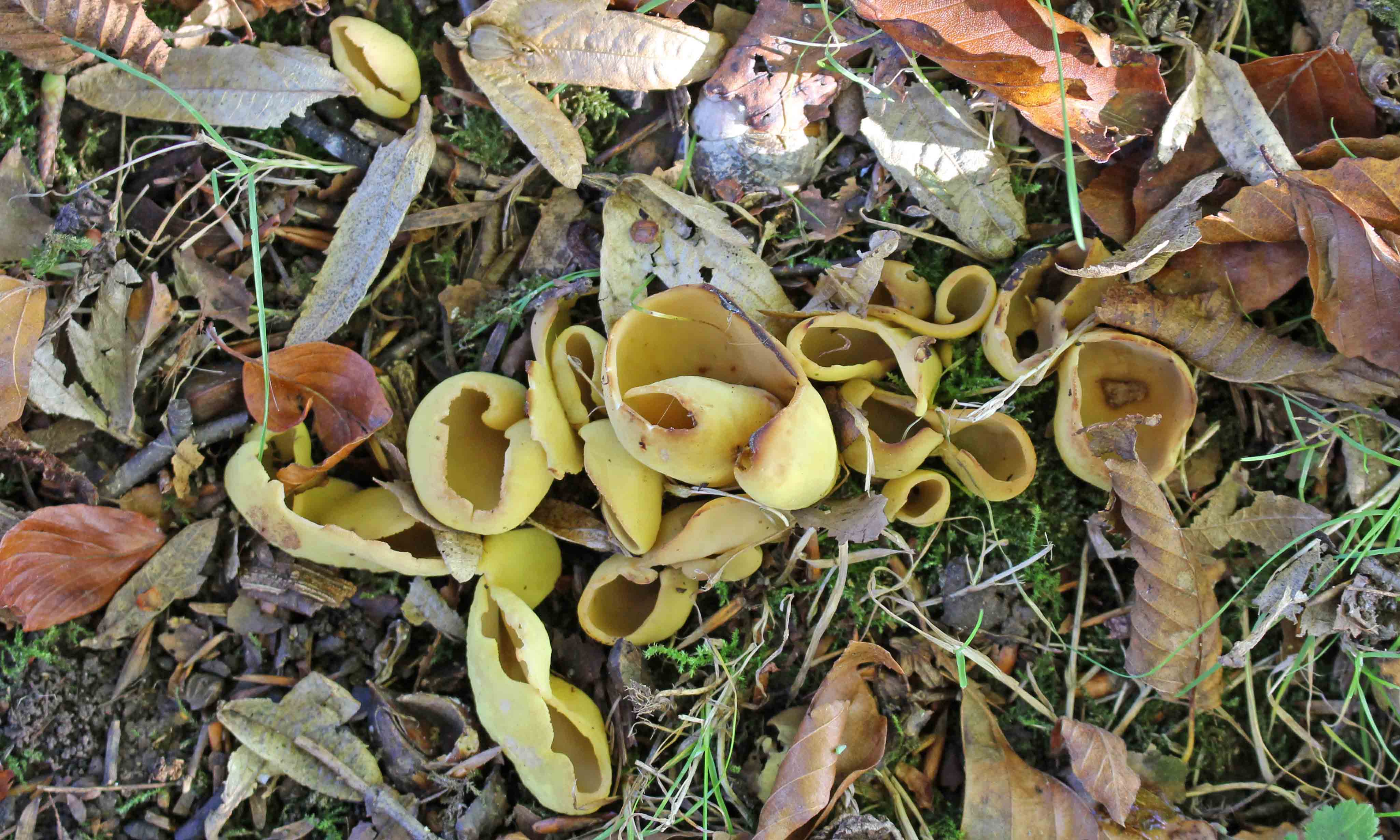
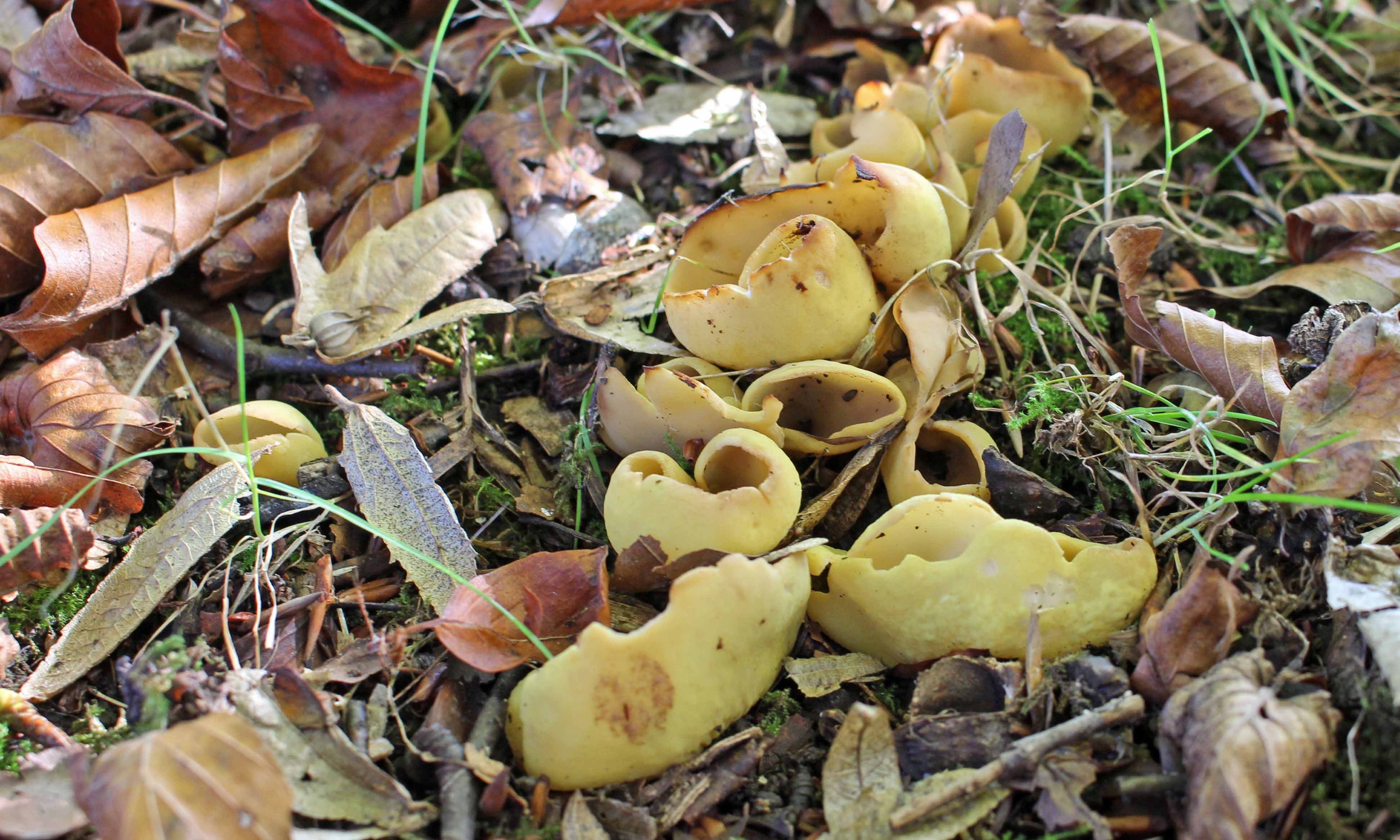
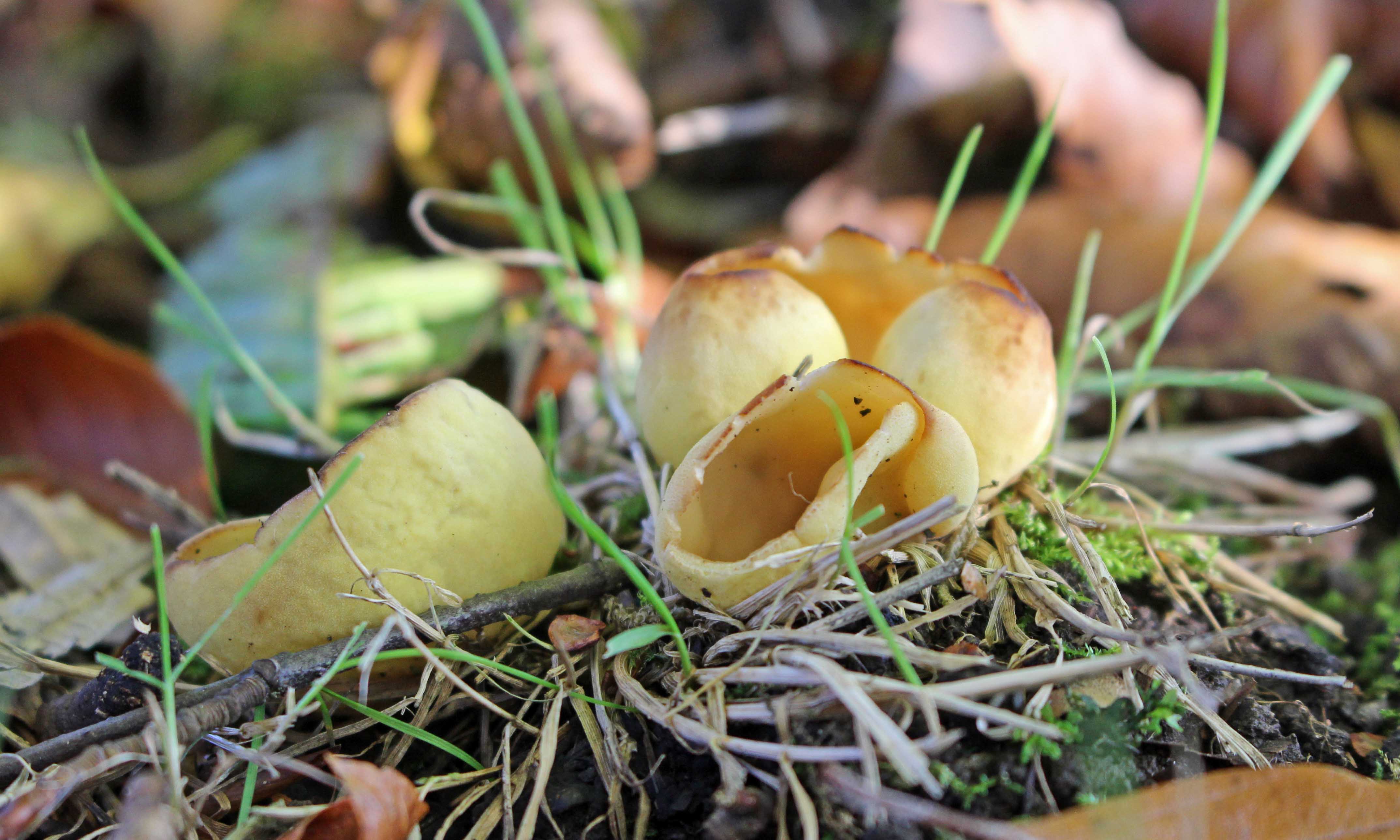
Growing on the ground under a large old beech tree is not where I’d usually expect to see ‘ears’ but there they were. Admittedly, I did initially think these were a species of cup fungus, and it wasn’t until I was looking more closely at my photos that I realised the cups had a split down the side, which indicates they are not cups but ‘ears’, one of the Otidea species.

211105 otidea species (1)

There are several species of Otidea growing in Britain: the two most common in Wales are Hare’s ear (Otidea onotica) and Tan ear (Otidea alutacea) but neither have been recorded in the Cardiff area. Though my finds look a little different from the usual Hare’s ear fungi, I suspect that, as mine were growing under Beech, they probably are Hare’s ears but they really need microscopic analysis to be certain.

211105 otidea species (2)

Despite not being able to positively identify these ‘ears’, I was absolutely delighted to have my first sighting of them, though it did make me wish my knees were younger and I was better able to get down on the ground to properly enjoy and photograph them!

211105 otidea species (3)

Dasineura fraxini galls

Tags

, , , , , , ,

One of the benefits of checking the leaves of various trees, and other plants, for leafmines is that, even when I don’t find them, I do find other things just as interesting, and this is one of those. I didn’t know what it was, of course, until I got home and checked my Field Studies Council Guide to plant galls in Britain fold-out guide. (If you’re not familiar with these, check the FSC online shop here. I have a few of these and find them really useful.)

My guide informed me that these galls on the leaves of Ash trees were created by the larvae of Dasineura fraxini, a species of tiny midge. Few people have ever seen the adult midge but I did have a look at one of the galls that was partly open and spotted one of the miniscule orange larvae. These galls can be found from May through to October, at which time the leaves will fall to the ground, where the larvae will pupate and over-winter until emerging as adult midges in the springtime.

211103 Dasineura fraxini (3)

First autumn Redshank

Tags

, , , , ,

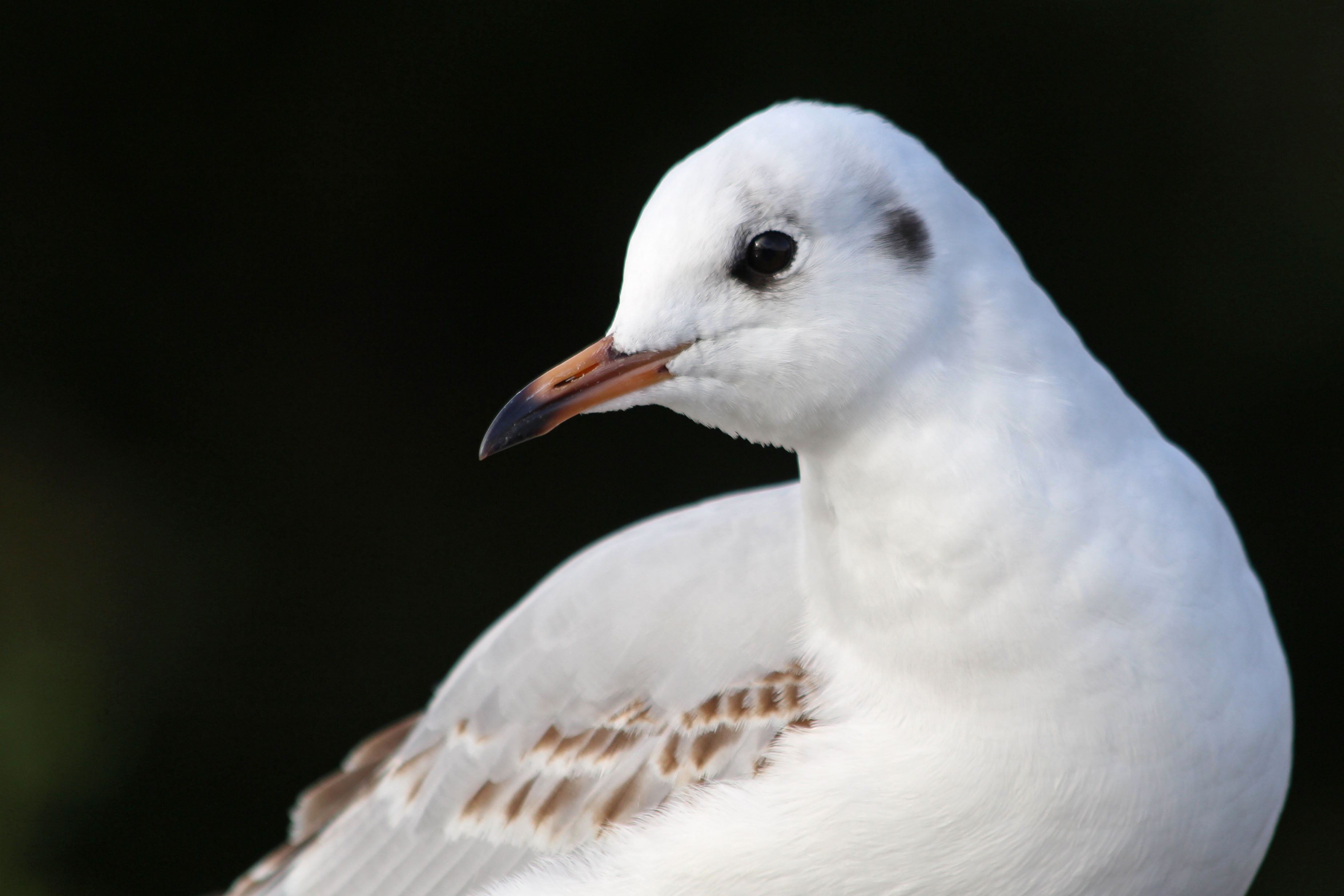
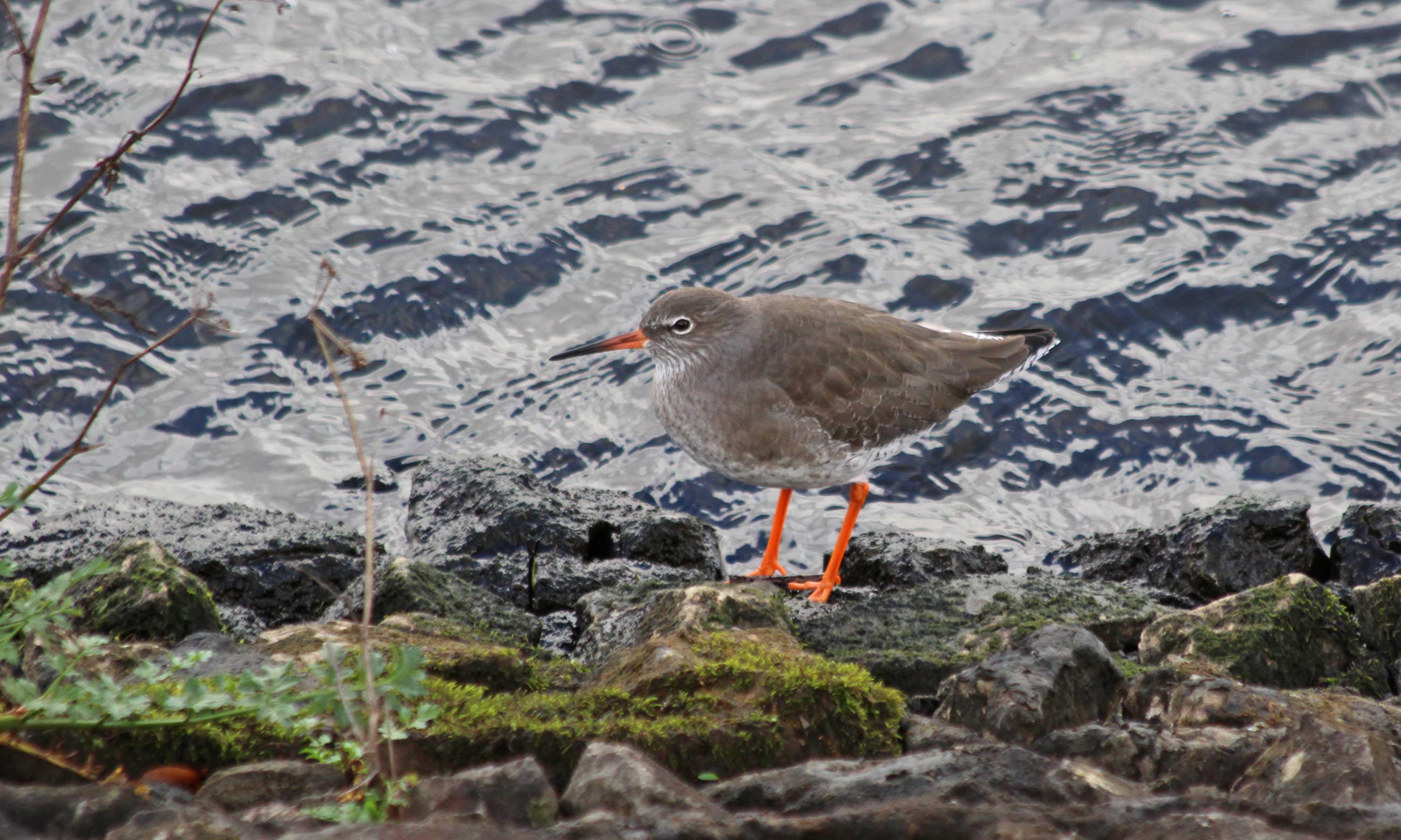
The weather has really turned autumnal over the past few days, with strong winds and heavy rain. As stormy weather means birds sometimes need to seek shelter and a place to rest, it can lead to interesting bird sightings, so I ventured out between squalls for a look. There was nothing particularly unusual but it was a treat to see my first Redshank of the autumn sitting on the embankment where the River Ely flows in to Cardiff Bay.

211102 redshank