Common grey disco, probably

Tags

, , , , ,

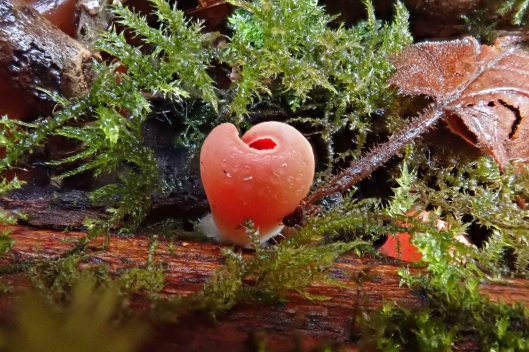
I am very aware that cup fungi like these really need to be confirmed by microscopic examination of their spores but, sticking my neck out and assuming the most common species is most likely the one I’ve found, I’m going to say this is Common grey disco (Mollisia cinerea).
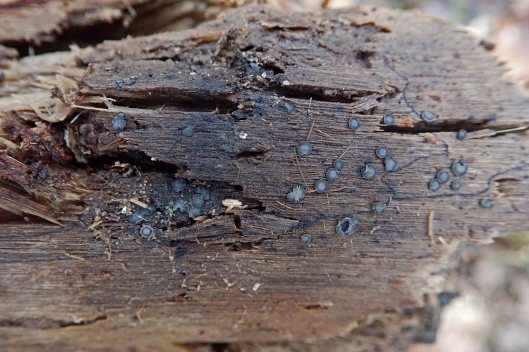
As they are tiny and grey and the white margin to their cups is often not particularly obvious, it is easy to overlook these little beauties. I wasn’t looking for fungi; I simply got lucky while poking about amongst some rotting logs in a local park.

Forced into the open

Tags

, , ,

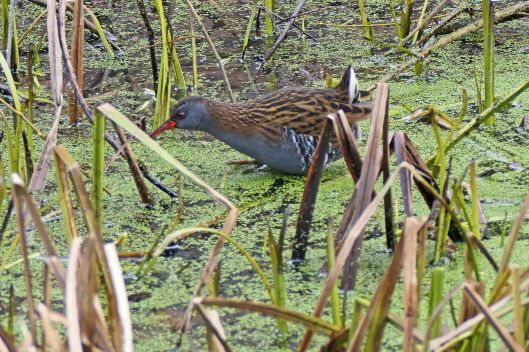
Oh, the irony! On the very day media were reporting on the latest report, produced by Natural Resources Wales, about the appalling state of nature in Wales and the government’s dismal record at environmental protection and restoration, I was able to get exceedingly good views of this Water rail only because Cardiff Council workers were in the process of cutting every piece of greenery from the sides of Cardiff Castle’s moat. As with central Welsh government, so too with local government – they continually and intentionally fail to protect our natural resources.

The Water rail is normally a real skulker, preferring to stay hidden behind reeds and within clumps of vegetation but it, and every other creature that had been living alongside the moat, had either been displaced from their homes or, for the smaller species not able or quick enough to escape, killed by the strimmers, shredder, and trampling boots.

Second hopper of the year

Tags

, , , , ,

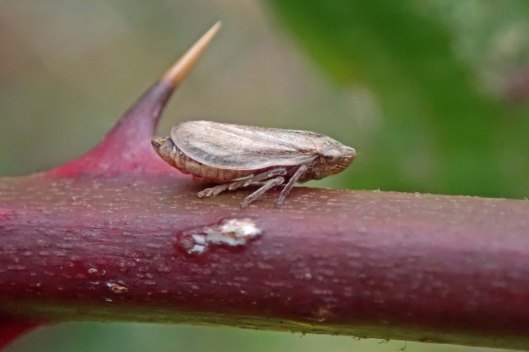
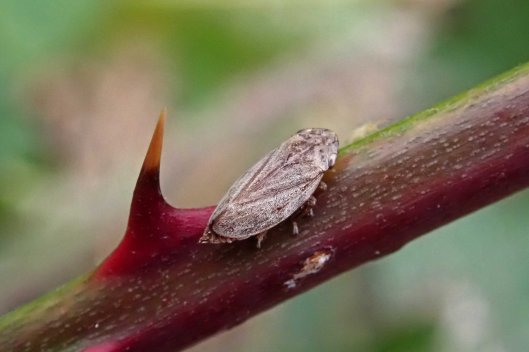
Now you may be wondering ‘Did I miss the first hopper of the year?’ Well, the answer is no. I actually found my first two hoppers in fairly quick succession during last Sunday’s walk, simply by turning over Bramble leaves that were growing along a sunny sheltered lane. The first was a leafhopper, and I’m fairly sure of its identity but a valid query arose when I posted a photo on social media so I decided to wait until that was resolved before blogging about that hopper.

This second bug, a Common froghopper (Philaenus spumarius), was sitting on a Bramble stem, enjoying the sun’s warmth and, no doubt, hoping to be ignored. But a human came lumbering over, spotted it, and thrust a black object in its face. Fortunately, the human didn’t stay long, and the little froghopper returned to its basking.

Marsh tit Monday

Tags

, , , ,

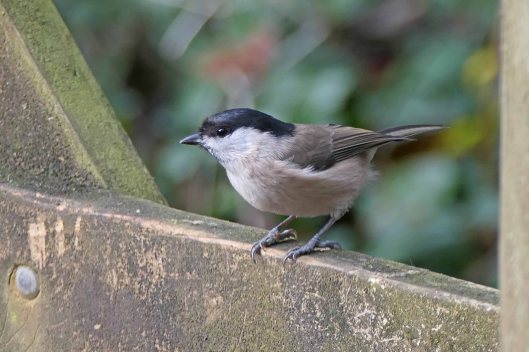
Though Cosmeston Lakes, my local country park, is visited by a wide variety of passing avian rarities, arguably its least common resident bird is the Marsh tit, which makes its home from around October to March within the boundaries of Cogan Wood.

The current population seems to be three, though that’s just an educated guess. When walking through the wood recently, two Marsh tits were coming to food at one well known feeding location, and one bird appeared at a second location at the other end of the woods.

No one knows where the birds go during the breeding season though, as they are small, they’re unlikely to venture far afield. Indeed, it may be that they simply move to some of the outlying areas of the park that are, fortunately, inaccessible to humans so they can breed in peace.

Whatever the reality may be, I’m just glad they are able to sustain their tiny population so that folks like me, who truly appreciate how precious they are, can continue to enjoy watching them.

Elfcups, at last

Tags

, , , , , ,

I have no wildflowers for you this Sunday – there are still flowers to be found but I’ve found nothing new or particularly interesting, so today’s colour comes in the form of fungi instead.

I’ve been searching for elfcups since early December, the time of year I’ve begun to see them in the past. I used to see them in abundance at Cwm George in Dinas Powys but I suspect it’s been too wet for them there this winter, with the little stream having flooded the area where the fungi grow.

I had also looked for them in Cardiff’s Bute Park in December but seen no sign. So, I was exceedingly happy, when I visited there last week, to find good numbers had popped up on mossy logs throughout the little area of woodland.

I know from having checked samples under a microscope several years ago that these are Scarlet rather than Ruby elfcups (Sarcoscypha coccinea), and they are gorgeous.

Fog droplets

Tags

, , , ,

Our weather is currently see-sawing between days of bright blue skies and days of heavy grey gloom. Today, we have the former and it’s a delight to be out, soak up the vitamin D, and feel the warmth of the winter sun but, yesterday, the fog was so thick all day that the fog horn was blaring in the Bristol Channel and you could barely see more than 20 feet in front of you. Still, even fog brings with it small scenes of exquisite beauty …

The structures of cobwebs were highlighted by their covering of water droplets.

This was purely accidental: I love how the large water droplet in the centre is reflecting an Ivy leaf.

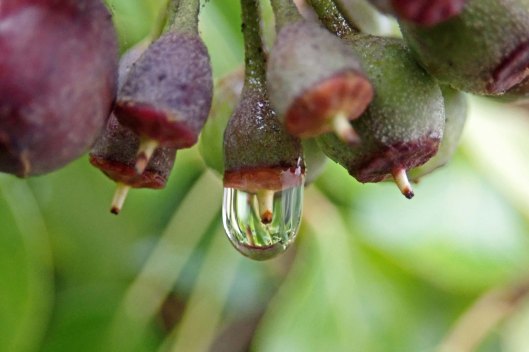
Ivy berries dripped with beads of water

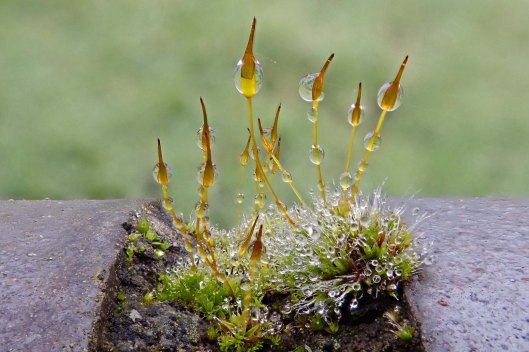
Mosses growing in a gap in a wall looked like miniature sculptures with the sparkling coatings of water

And then there were four

Tags

, , , ,

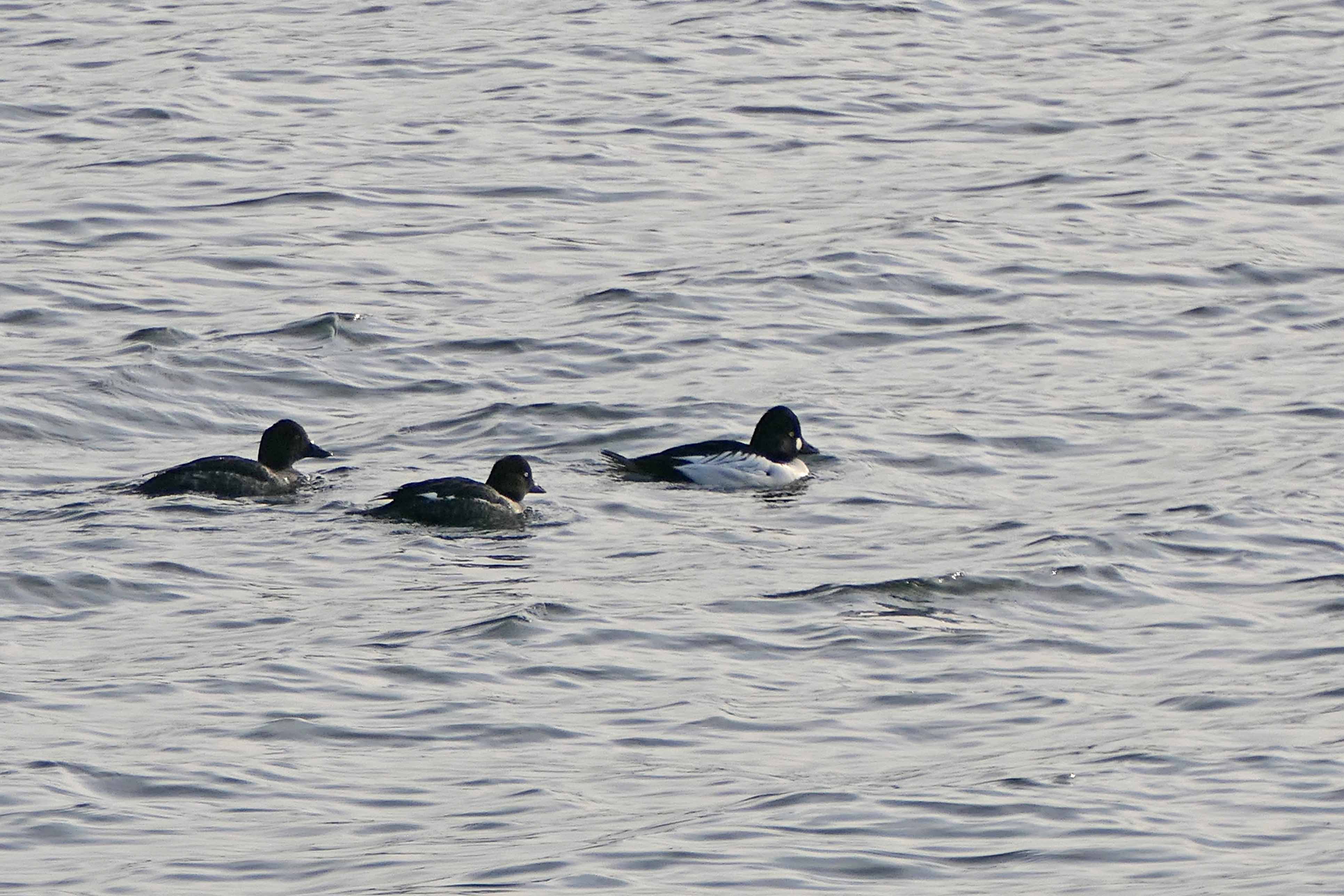
First, there were two Goldeneyes in Cardiff Bay, probably females (though juvenile birds also resemble females, and I’m not sure when they get their adult plumage).

250116 goldeneye (1)

Then, a male turned up.

250116 goldeneye (2)

And they all fairly quickly found each other and mostly hung out together.

250116 goldeneye (3)

Then, in the blink of an eye, another one appeared, and so there were four little Goldeneyes cruising around Cardiff Bay.

250116 goldeneye (4)

They are very entertaining birds to watch, very active, so let’s hope they remain for a while yet (though, sadly, there is a great deal of human disturbance in the Bay, with power boats, kayakers and paddle-boarders all disturbing the local water birds).

First moth of 2025

Tags

, , ,

Yesterday I spotted my first moth of the year, perched on my favourite park railings, this lovely Angle shades.

250115 angle shades (1)

If you’ve been following along here for a while, you might remember the saga of Colin, the Angle shades moth I reared from a caterpillar. If you’re new and interested – it’s a lovely little series – these are the posts: Colin the caterpillar, 2 February 2022, followed the next day by Colin’s story; then, on 21 February, Colin the chrysalis; and, an update on his progress, Colin’s coloured up, on 23 February. Then, the final instalment, the joyful announcement, on 26 March 2022, He’s arrived!.

250115 angle shades (2)