Early bloomers

Tags

, , , ,

I was struggling to find a subject for today’s blog until I went out for my daily walk and found three plants in bloom that I hadn’t expected to see, especially after our recent very cold weather.

250112 alexanders

Alexanders (Smyrnium olusatrum) thrives in my coastal location and, though it does die back in the colder weather, it comes away again very quickly. Still, I hadn’t expected to find flowers quite as early as January.

250112 three cornered leek

The same is true of Three-cornered leek (Allium triquetrum). The leaves begin growing in early winter but flowers don’t normally appear until spring, in early April.

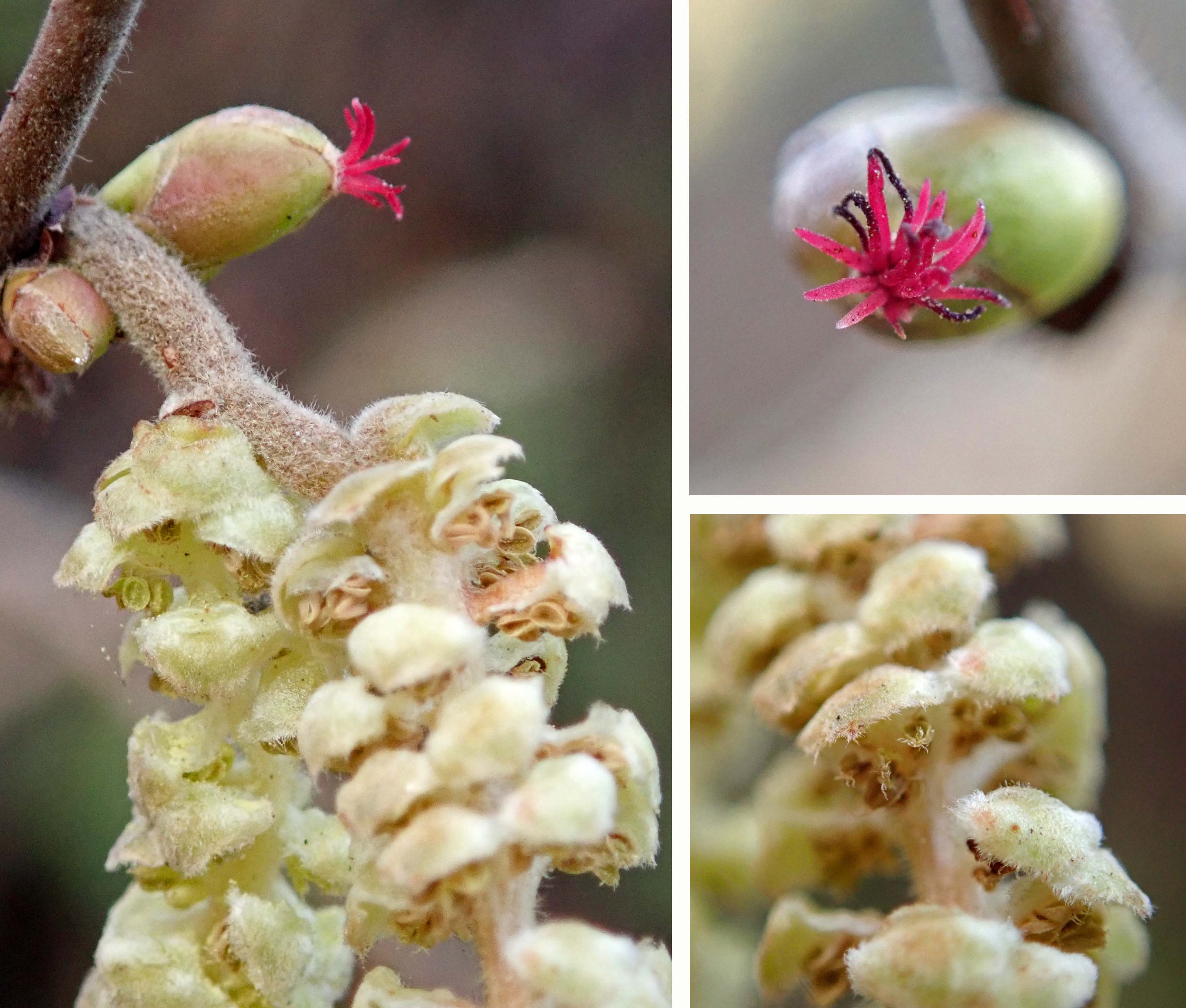
250112 hazel

And this third plant is Hazel. The male catkins often open early, sometimes as early as December, but, in my experience, the female flowers don’t poke their vibrant pink ‘feelers’ until a bit later … yet here they are, in mid January.

Cold weather snaps

Tags

, , , ,

Here in coastal south Wales, our winter weather is rarely as dramatically cold as locations further north: in my almost ten years of living here, we’ve had just one big dump of snow (the ‘Beast from the East’ in 2018) and, even during the recent cold snap, we only had the occasional sleet shower, where the sleet melted as soon as it hit the ground.

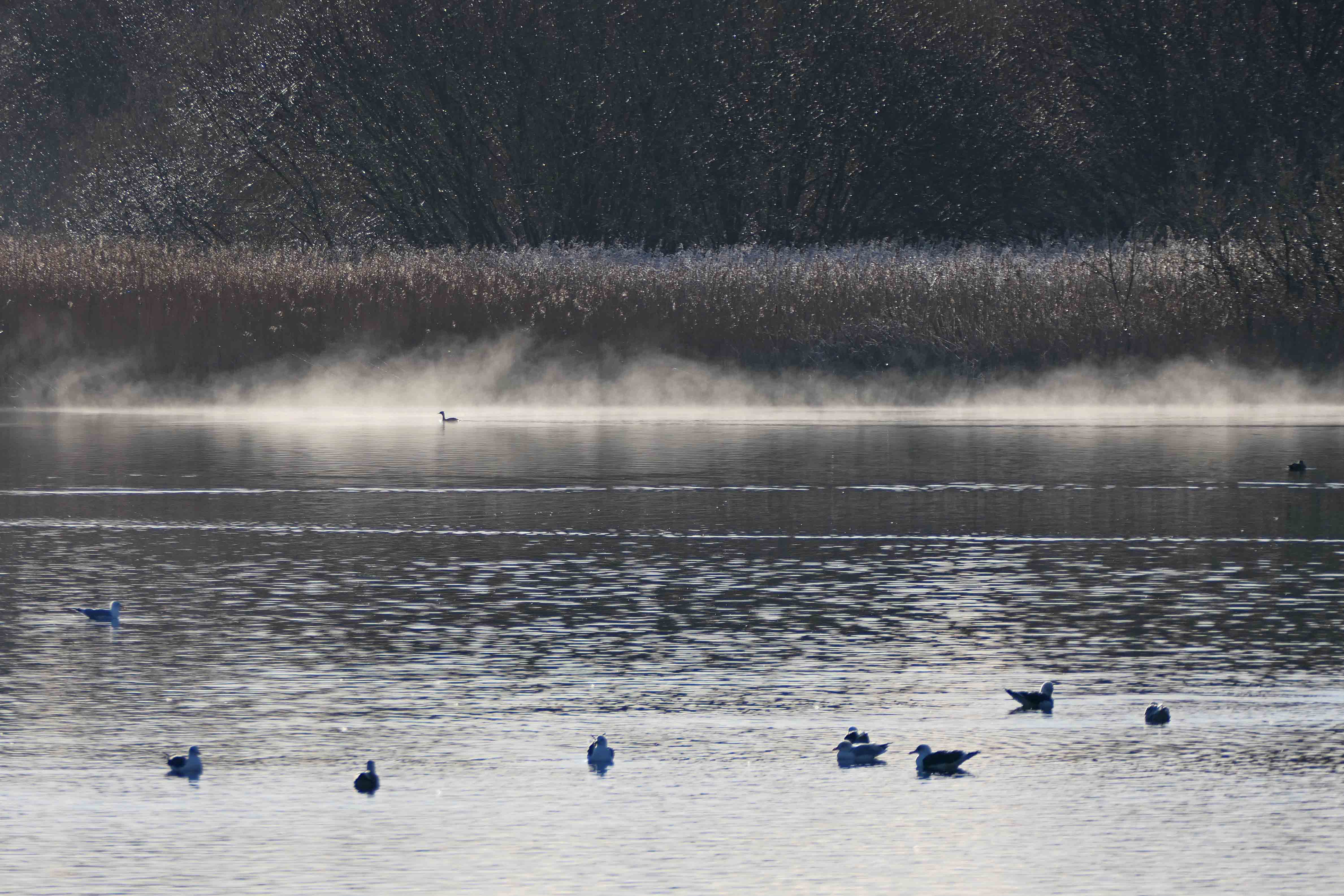
250114 cold weather (1)

We do, however, get hard frosts and thick ice, making the pavements treacherous but the countryside beautiful. My photograph above really doesn’t do justice to how lovely the lake looked this particular morning, with the waterfowl gliding through the rising mist.

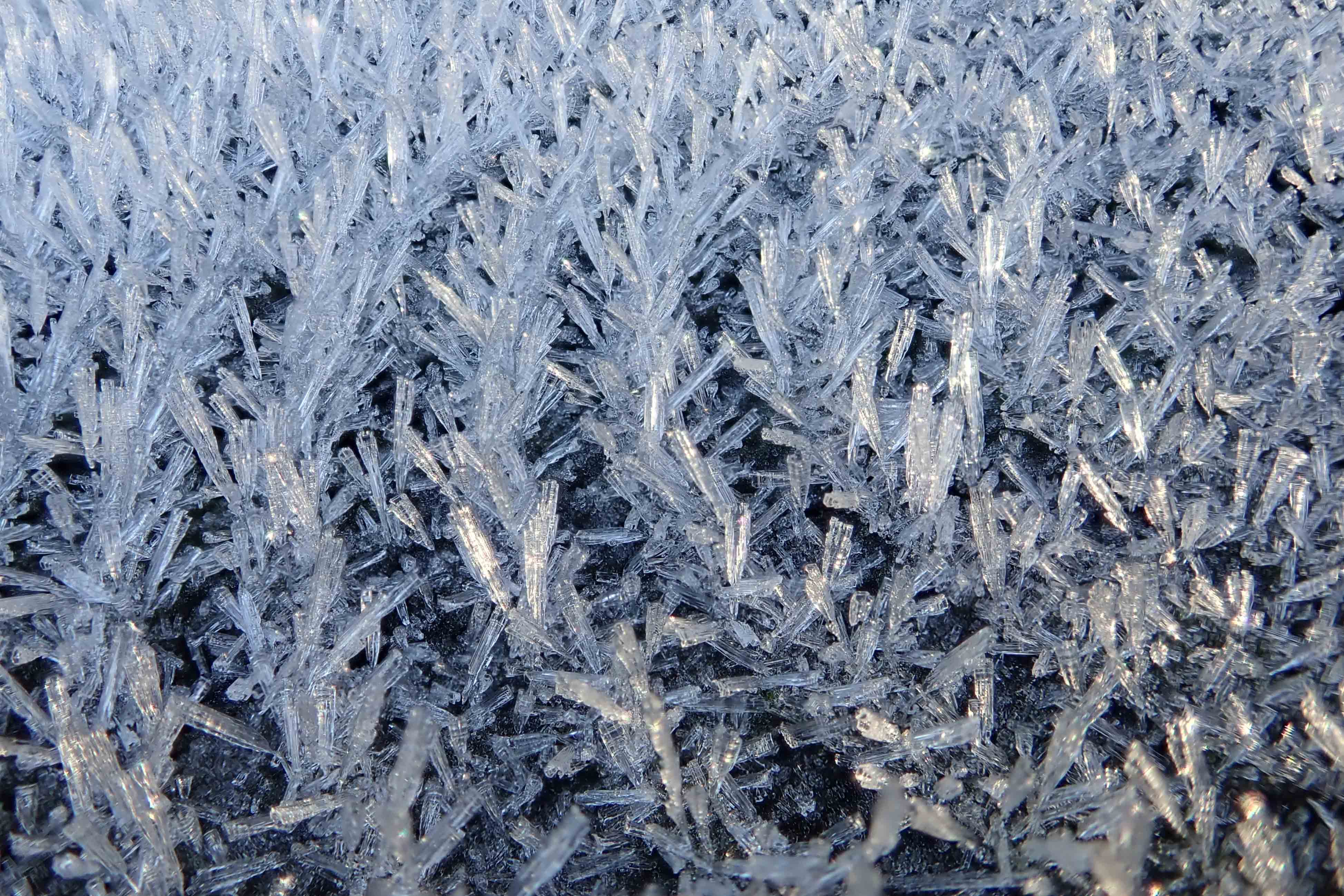
250114 cold weather (2)

Here, my eye was drawn to the way the hoar frost followed the curves of the rings on the top of this wooden fence post. I’m not sure why that is, so, if you know, please do enlighten me in the comments below.

250114 cold weather (3)

This ice was also eye-catching. The water below had drained away, leaving the layer of ice suspended in thin air. Again I’m not sure what caused the patterns but there did seem to be a rainbow-coloured oily sheen within the ice so perhaps that was the cause.

Mediterranean gull

Tags

, , , , , ,

This is another of my sightings from December, certainly the best view I had all year of a Mediterranean gull (Larus melanocephalus).

250113 med gull (1)

As is usually the case, it was with a large flock of Black-headed gulls, searching the grassy playing fields of a Cardiff park for worms and other invertebrates. These gull flocks can be quite skittish but, as there were no dogs being walked off lead on my side of the park, this lot were content to continue their search while I sat on a park bench watching and taking lots of photographs.

250113 med gull (2)

Bank vole

Tags

,

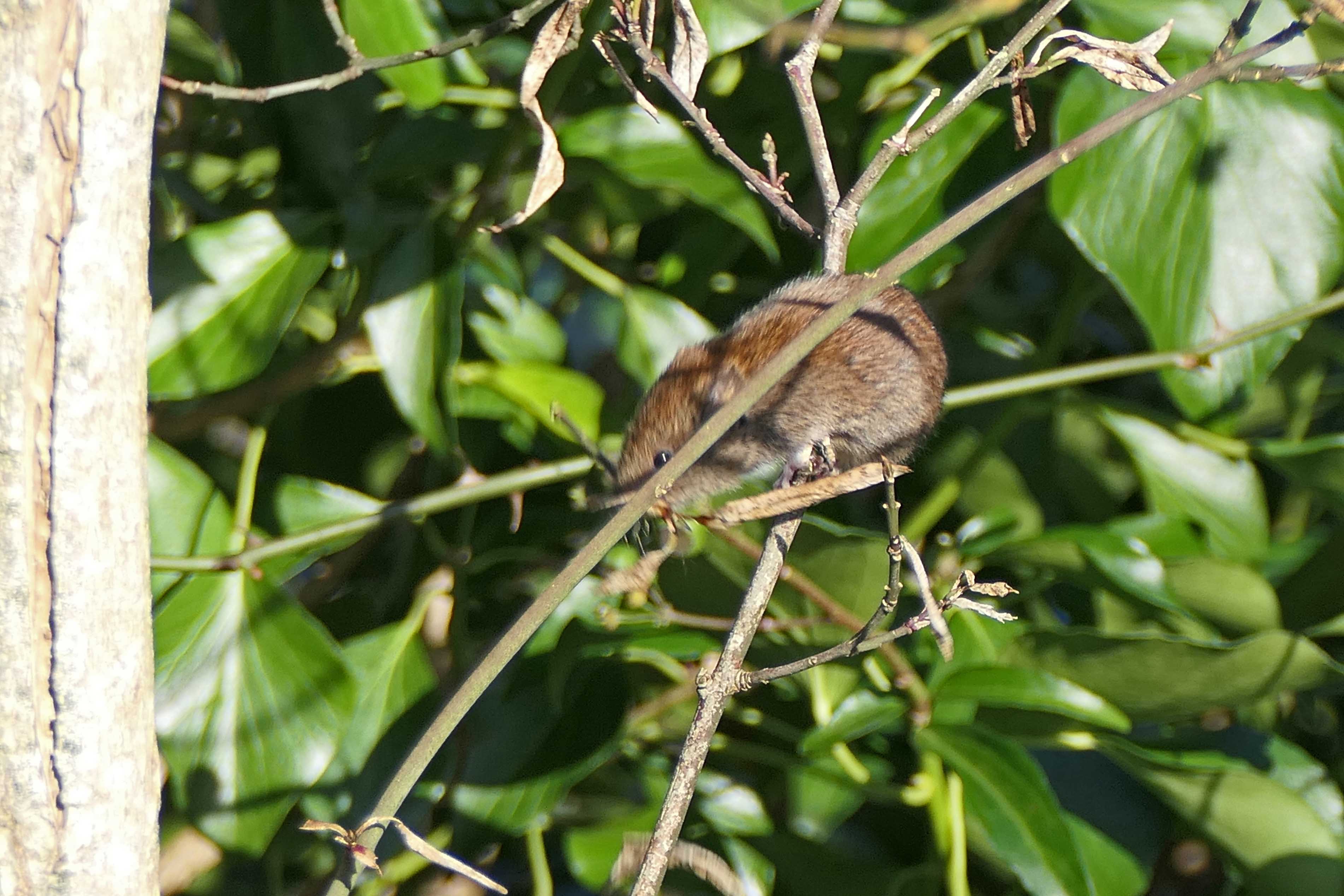
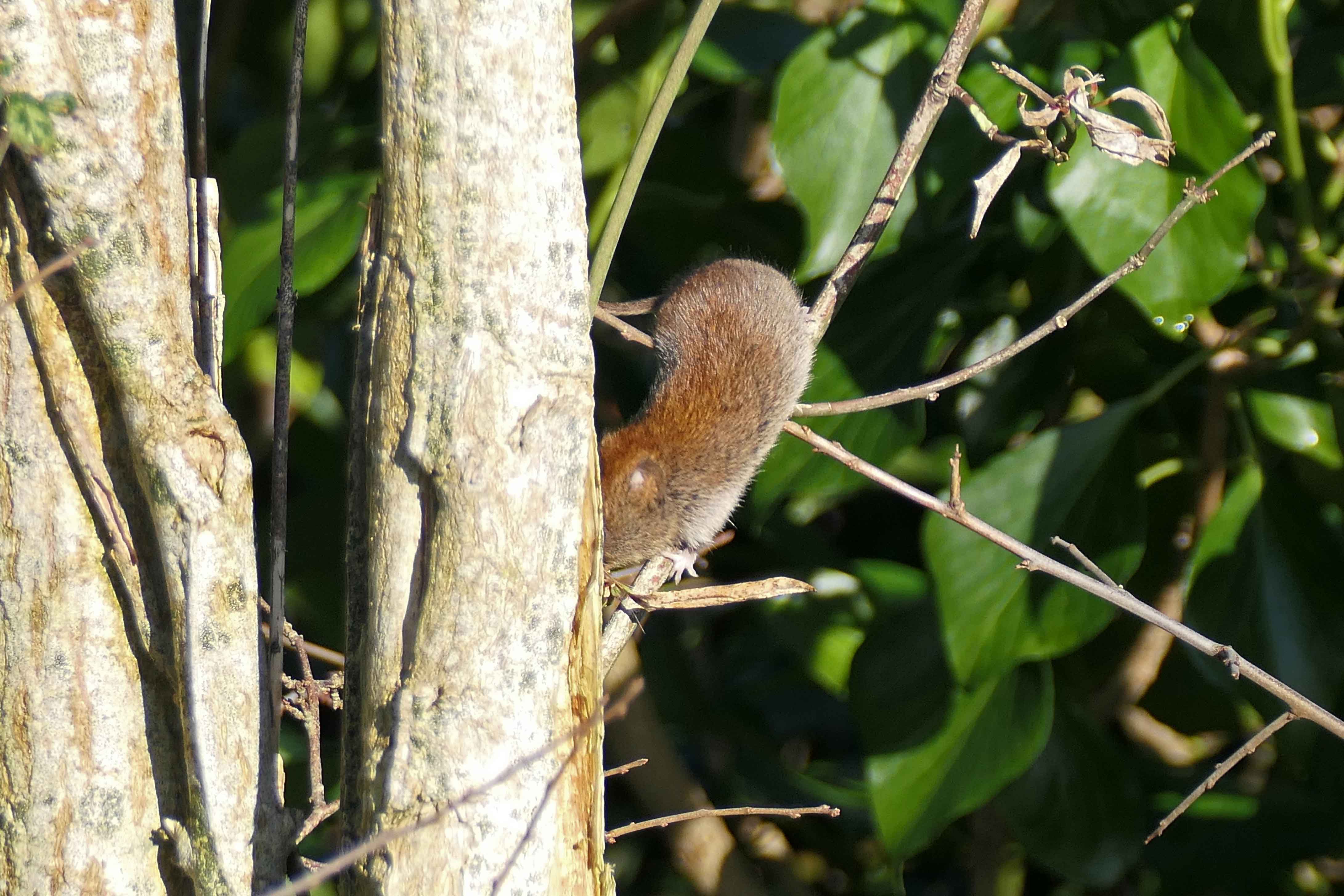
A red flag appeared on my screen when I recorded Thursday’s sighting of this small mouse-like creature and, later, I got an email notification through the iRecord system that these mammals are ‘Difficult to identify in most conditions. Close inspection is necessary, for example in a trap. Records from beginners will need verification but records will be accepted from experienced recorders‘. So, I may well be wrong in calling this a Bank vole (if/when my record is checked, I’ll edit this post to correct or confirm it.)

250111 bank vole (1)

The little one had climbed about half a metre up a scraggy Spindle tree and appeared to be harvesting seeds. My sighting was a very brief one: I happened to be standing on a viewpoint at the edge of a lake, looking at birds and chatting to another birder, when I turned and spotted it. We initially thought it might be a Wood/Field mouse but the ears aren’t prominent enough. If you have any experience at identifying small mammals in the UK, I’d welcome your comments.

250111 bank vole (2)

A Buzzard searches for worms

Tags

, , , , , ,

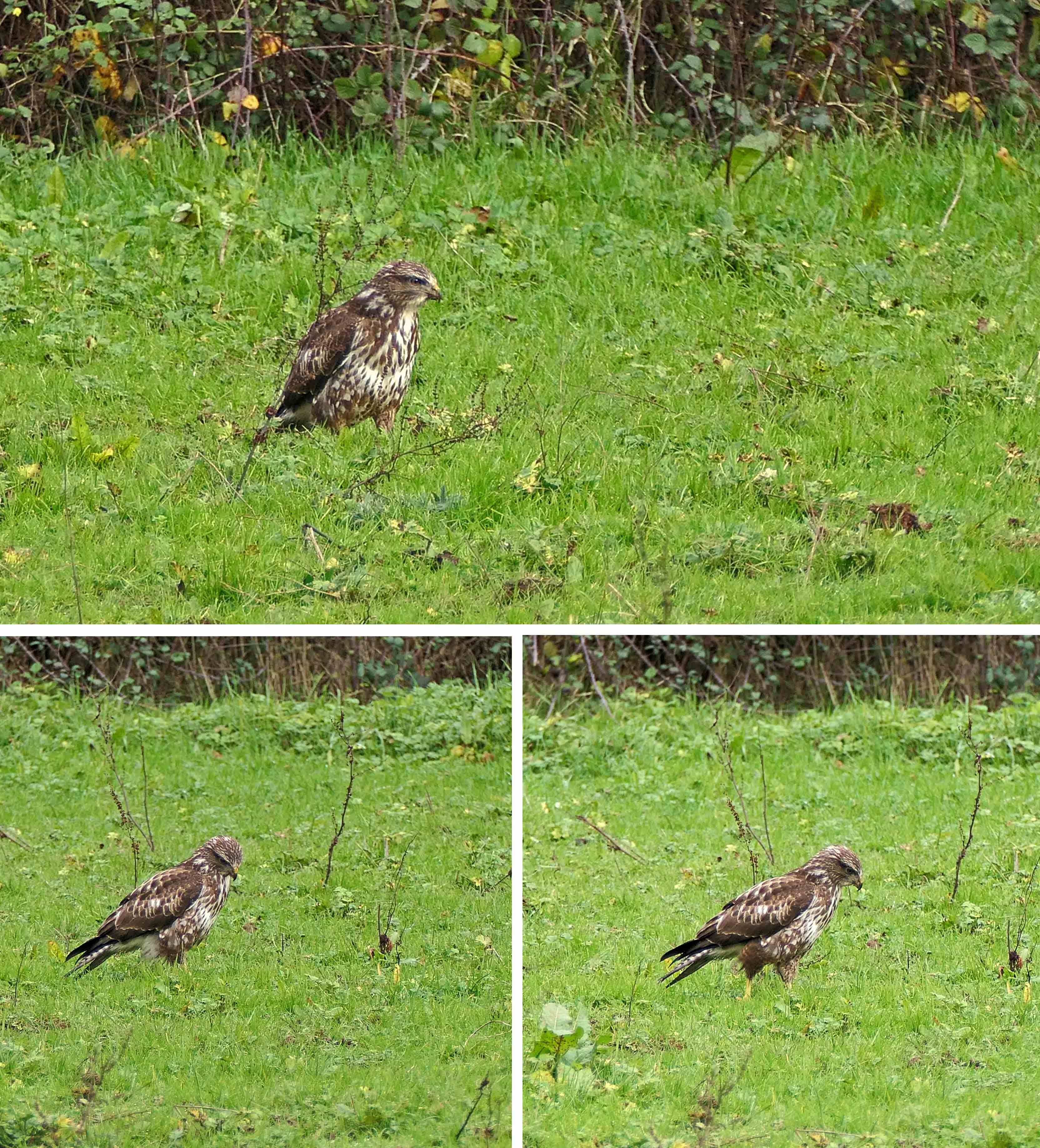
It’s always a surprise to me to see a bird of prey the size of a Buzzard on the ground searching for worms – I expect them to be soaring the skies hunting for much larger prey. But, when that larger prey is in short supply, worms will quell the hunger pangs.

250110 buzzard

This Buzzard was searching through the grass in a local horse field, a favourite place for many species of bird to look for food, presumably because the horse manure helps ensure a plentiful supply of worms and small invertebrates.

A walk of snails

Tags

, , , , , , , ,

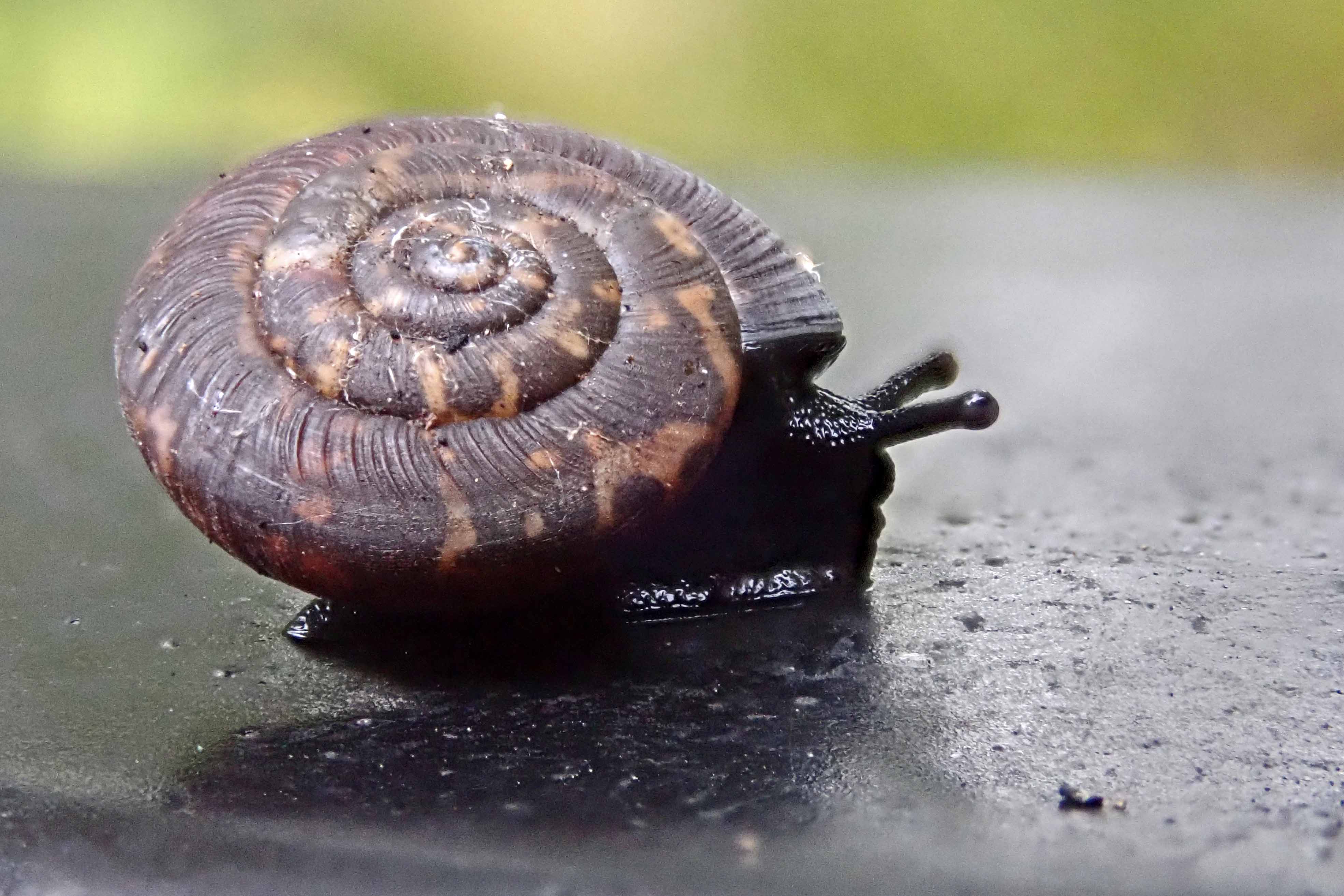
On days when I don’t feel like getting my hands dirty in the leaf litter, and I’m walking in that direction, I’ve increasingly been turning my attention to one of my local parks, as I find all manner of creatures on the park’s roadside railings (as witnessed by my recent posts: Vapourer cocoon and eggs, 2 January, and Lesser thorn-tipped longhorn beetle, 4 January). Snails are also frequent finds; presumably they don’t mind the exposed conditions and the frequent rain, and I guess they find the surface of the railings easy to slide along. So far, I’ve found four species there …

250109 snail balea perversa

Wall snail (Balea perversa) (also known as Tree snail)

250109 snail white-lipped

White-lipped snail (Cepaea hortensis)

250109 snail brown-lipped

Brown-lipped snail (Cepaea nemoralis)

250109 snail Discus rotundatus

Discus rotundatus

Oh, and if you’re wondering about the title of this blog, apparently ‘walk’ is the correct, if somewhat ironic collective noun for snails.

Black-throated divers

Tags

, , , , ,

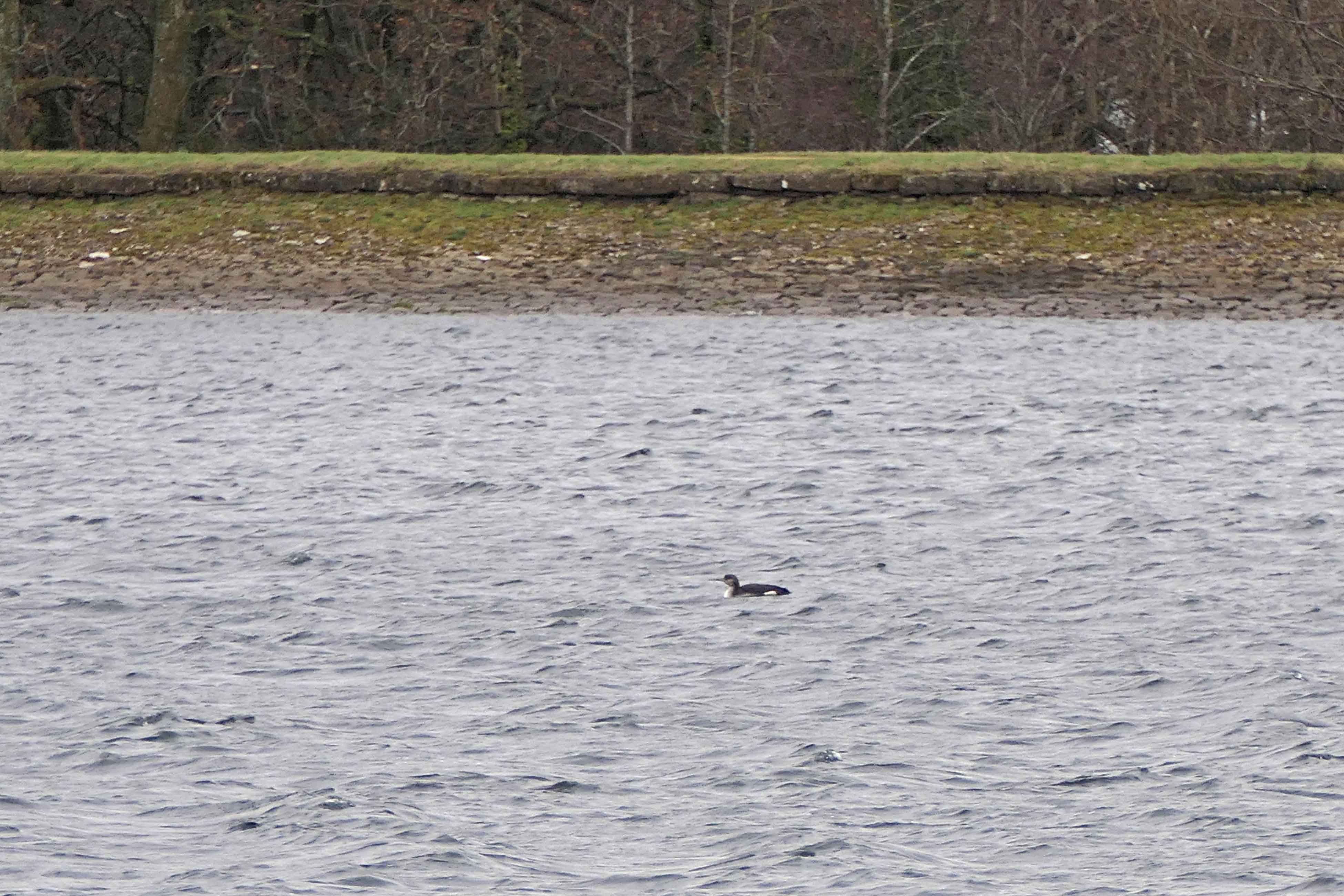
Until mid December, I had only seen a Black-throated diver (also known in other countries as Black-throated loon, Gavia arctica) once previously, and that was at a great distance through someone else’s ‘scope, and I’d certainly never managed to get any photographs. Then, on 9 December, a juvenile turned up at Llanishen Reservoir in north Cardiff, the first sighting there since 2013, and it’s still there. Throughout its stay, it has remained in the centre of the reservoir, quite a distance from the path that circles the large expanse of water so, for me, it has been almost impossible to get a good look at the bird, and my photographs have, at best, been record shots.
250108 black throated diver (1)

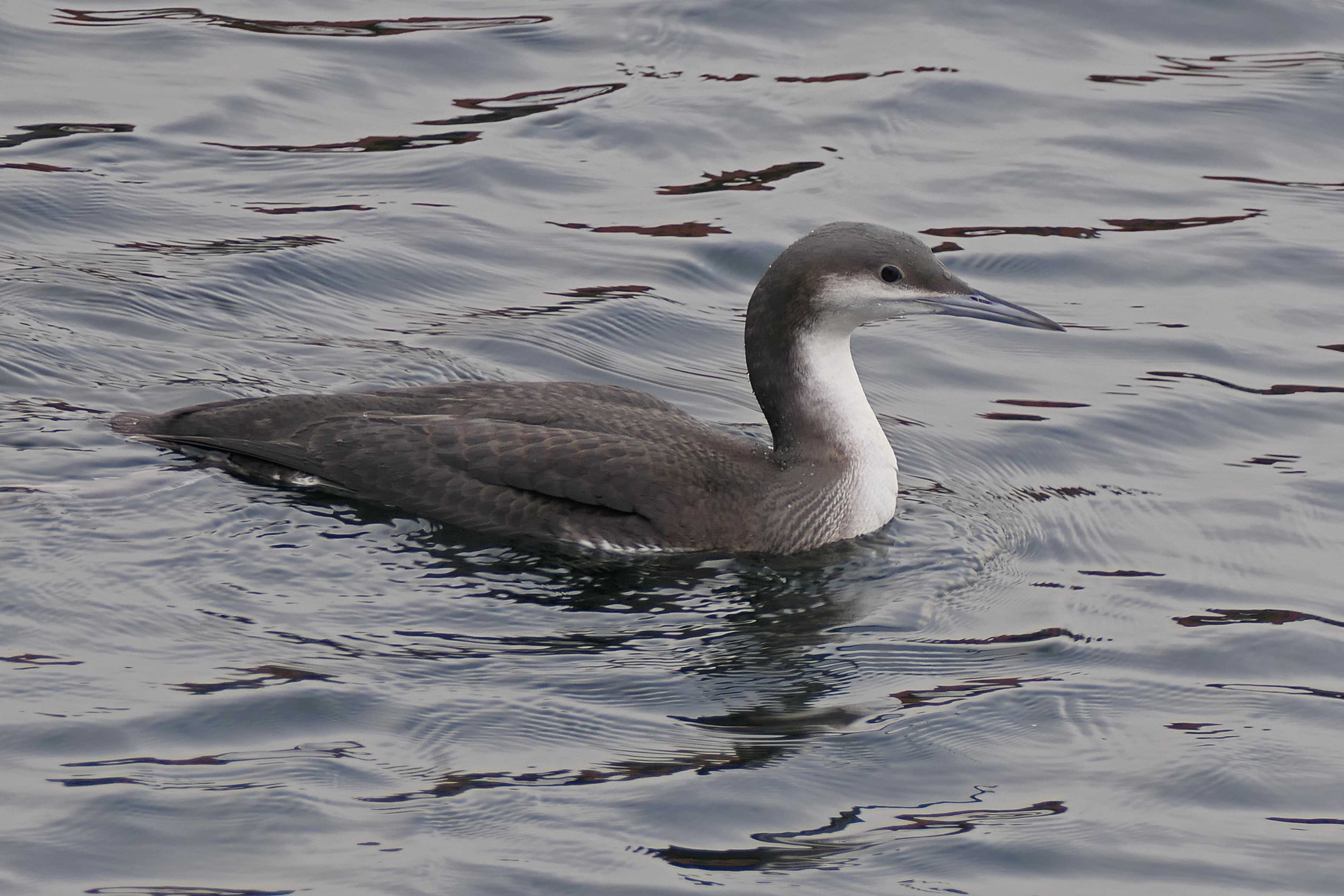
Then, to the amazement and delight of local birders, including me, a second bird was spotted on Christmas Day, cruising around the former docks in the seaside town of Barry (known to many UK folks as the home town of Gavin and Stacey). Due mostly to the weather, I was a bit late to the party but, on Sunday 29 December, caught the train to Barry Docks to try to find it.
250108 black throated diver (2)

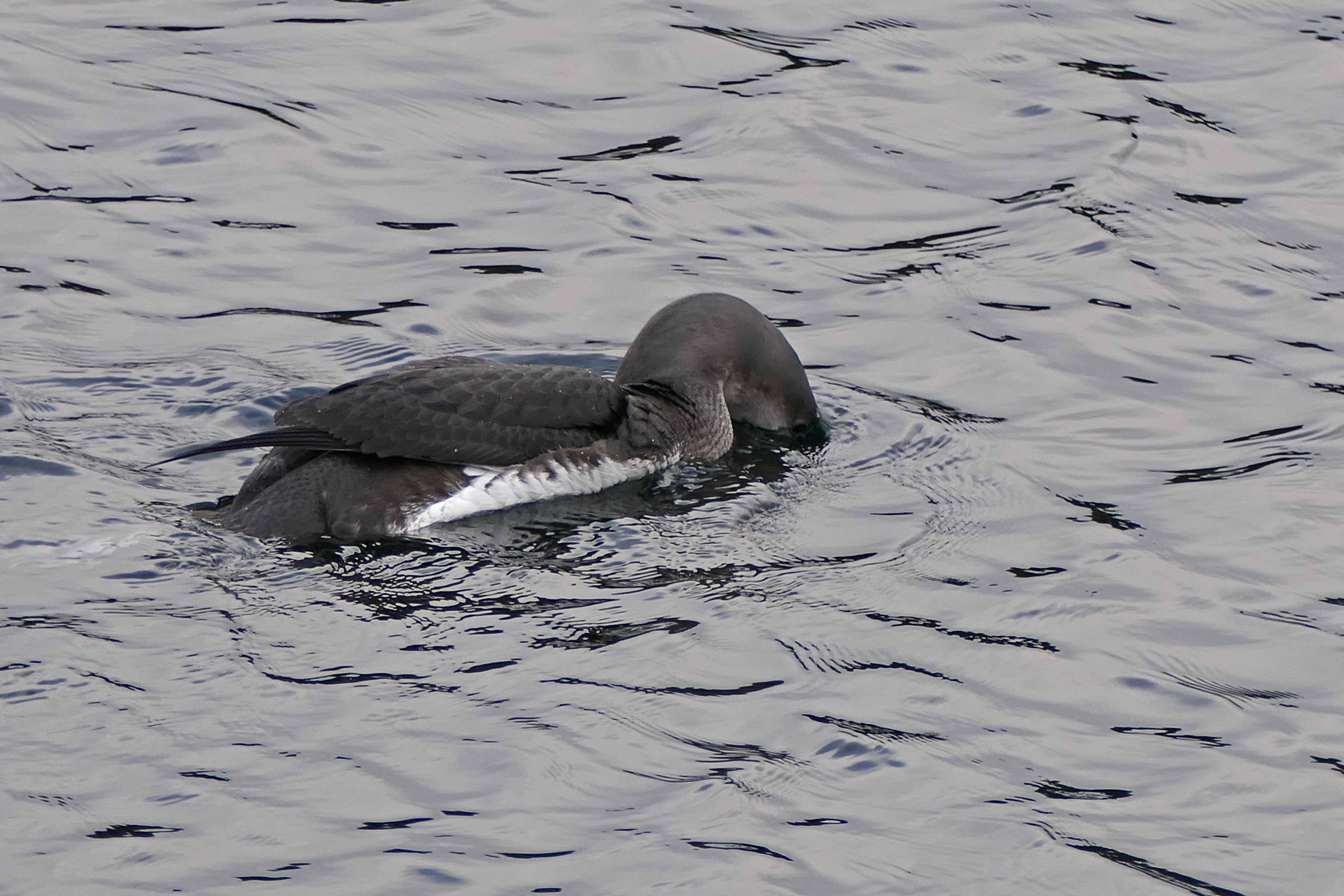
I was initially dismayed to find the docks full of kayakers (apparently, it’s a regular Sunday event) and a rescue speedboat, so I thought the bird would’ve been scared off (I almost was!). Fortunately, there was one small inlet the kayakers weren’t going into, and the diver had taken refuge there. This was absolutely perfect for watching the bird, as it provided much closer views. In fact, I couldn’t have asked for better!
250108 black throated diver (3)

And so, as you might expect, I devoted rather a long time to watching this stunning and very active bird. It spent quite a lot of time with its head underwater, obviously searching for food, and diving frequently after that food, though I never saw it actually catch any fish or crabs. And, enchantingly, it was talking to itself, a repetitive low throaty call (which you can hear on the BTO webpage for this bird, by expanding the ‘Songs and calls’ section). I can’t think of a better way to spend a Sunday!


250108 black throated diver (4)

Lonchoptera larva

Tags

, , , , , , ,

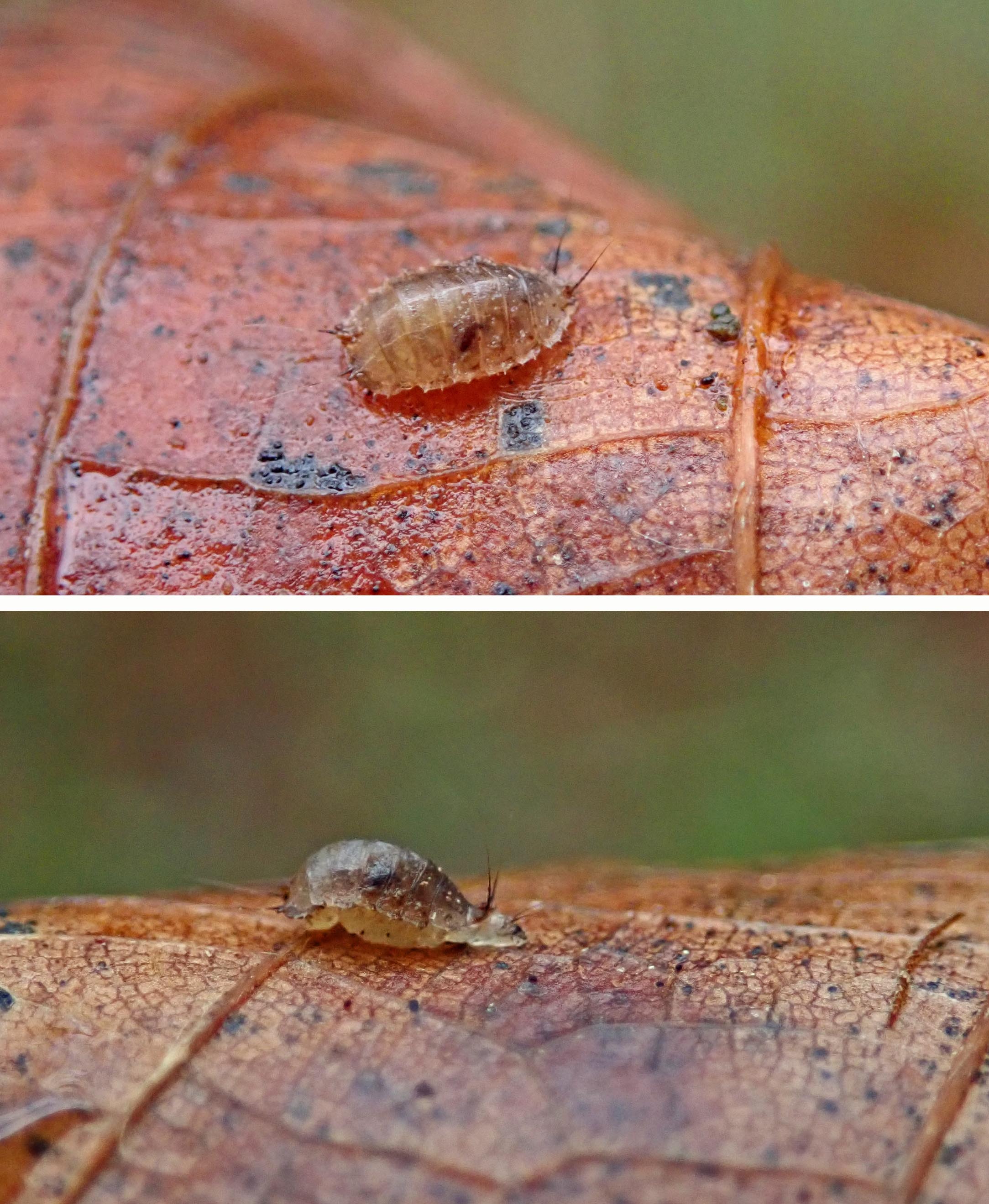
In mid December, I was wandering in one of my local woodlands, looking for but not spotting any elfcup fungi, when I found the main path blocked by a fallen tree. Other fungi species seemed also to be absent, bird sounds were minimal, and, as the trees were mostly deciduous, there were no leaves remaining on the branches to check for insects or mines. There was nothing for it but to get down and dirty in the leaf litter. And I’m very glad I did, as I very quickly found something I’d never seen before.

When I got home and found myself unable to identify the creature by googling, I posted my short video clip on social media, asking for help. Almost immediately, Geoff, an expert in fly larvae, popped up with an identification and this very informative snippet:

Another denizen of winter leaf litter is the tiny fly Lonchoptera (Spear-winged flies). The minute larvae feed on microbes found in the biofilm that coats decaying, damp leaves. Measuring just 3 mm in length, they require a keen eye to spot.

250107 Lonchoptera larva

You can read more about the tiny flies of the genus Lonchoptera and see images of some of the species on the iNaturalistUK web page here.

Redwing up close

Tags

, , , ,

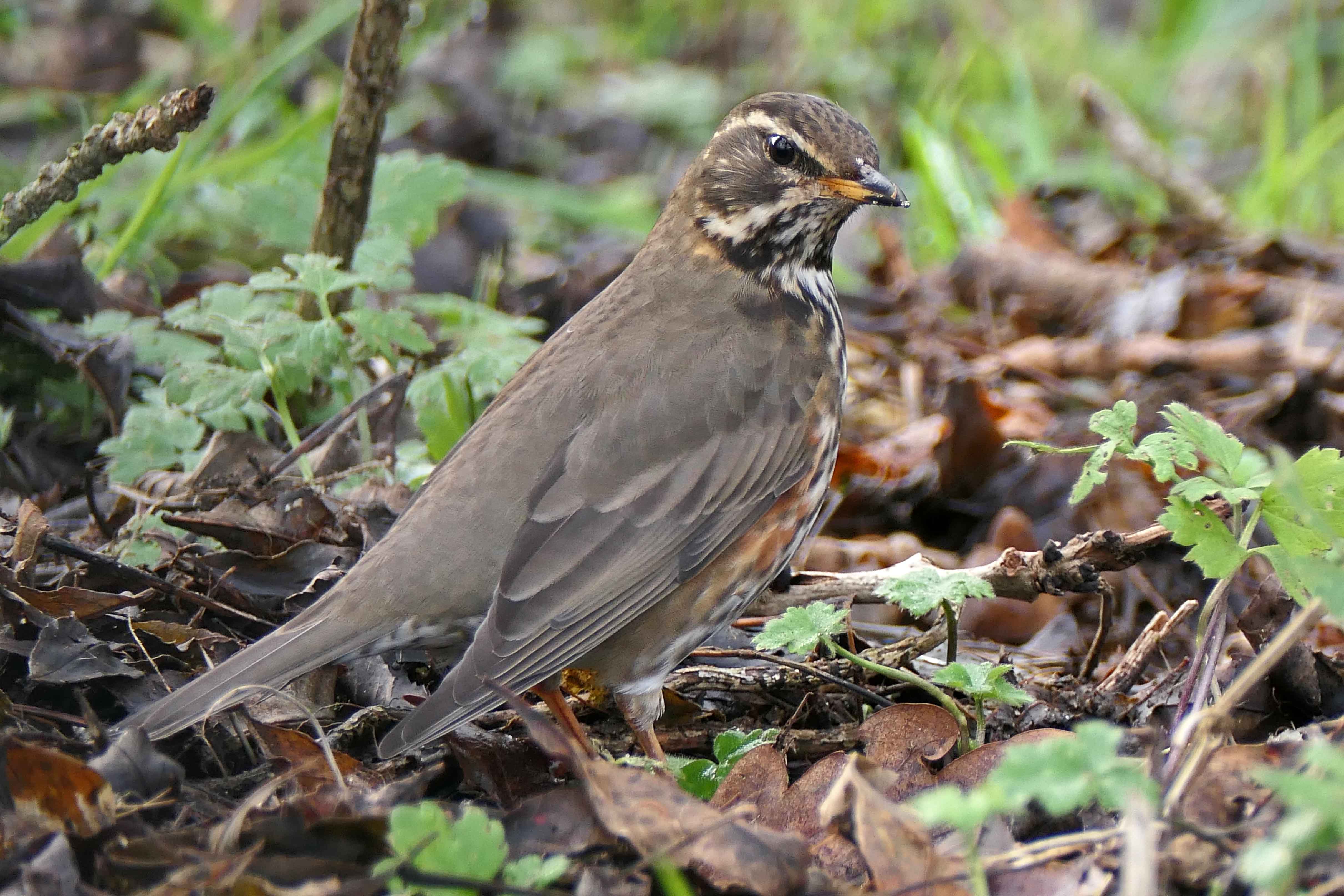
In my local area, Redwings have been much less plentiful than usual so far this winter, and most of those I have seen have been distant and skittish.

250106 redwing (1)

So, I was particularly pleased to get very close to this one hunting for food amongst the leaves, very close to the roadside entrance to a local park, back in mid December.

250106 redwing (2)

It flew to the trees at one point, when a couple walked along the path in to the park, but I waited, standing quietly back against the foliage, to see if it would return. When a much more confident male Blackbird came down and began to flick energetically through the leaf litter, the Redwing could see that it was missing out on some juicy worms and other titbits, so it also returned to feed. I got a few more photos then slowly retreated to continue my walk and leave the two thrushes to their feasting.

And still the wildflowers bloom

Tags

, , ,

We’ve had torrential rain, light sleet showers, and heavy frosts, as you can see from the Daisy below.

250105 daisy

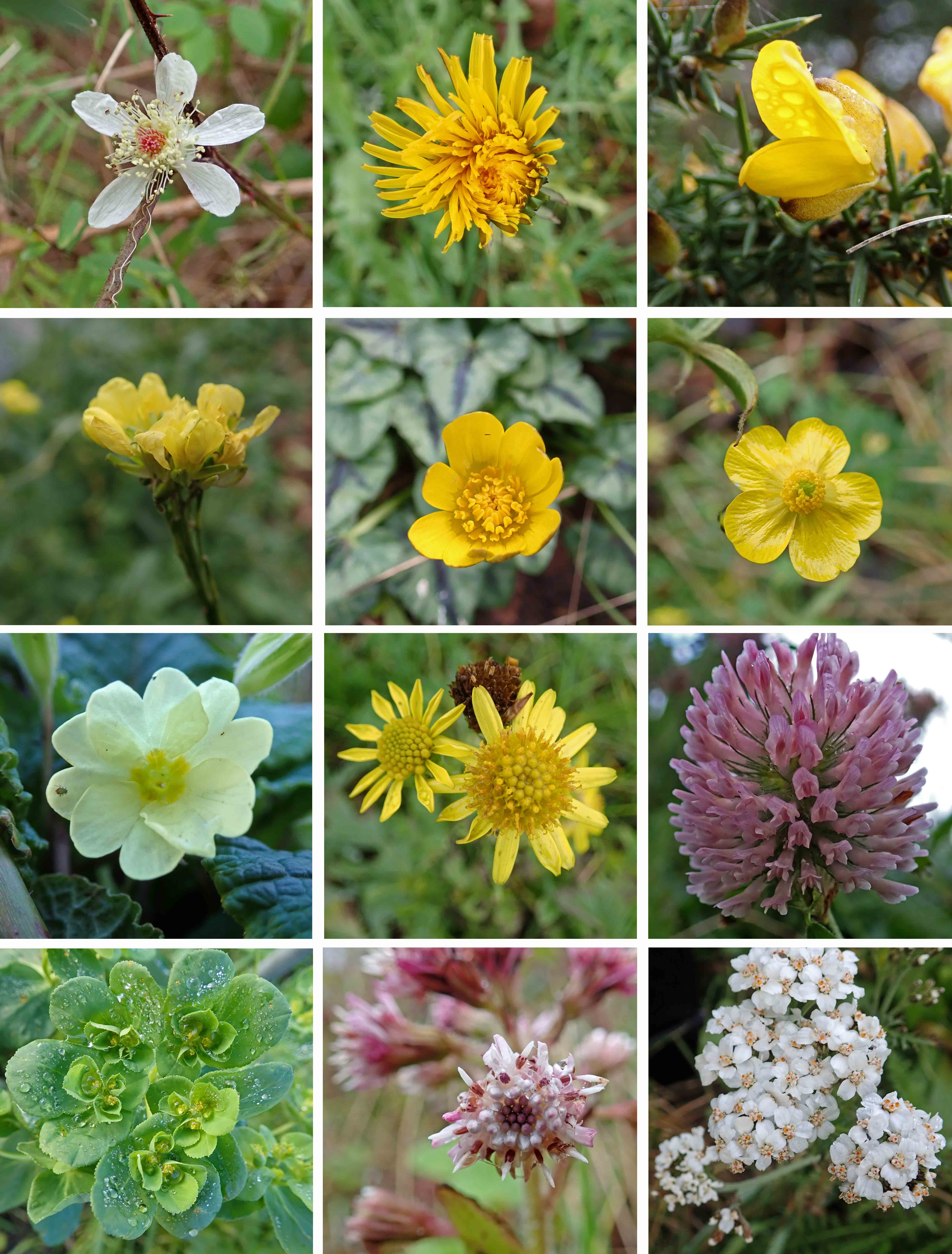
And still the wildflowers open their delicate petals and brighten up my walks with their welcome pops of colour and dainty flowers. I found those shown below this past week so, strictly speaking, they’re not all from 2025, though I imagine most have survived this week’s wild weather.

250105 wildflowers x12

The wildflowers above are Bramble, Dandelion, Gorse, Hoary mustard, Lesser celandine, Meadow buttercup, Primrose, Ragwort, Red clover, Sun spurge, Winter heliotrope, and Yarrow.