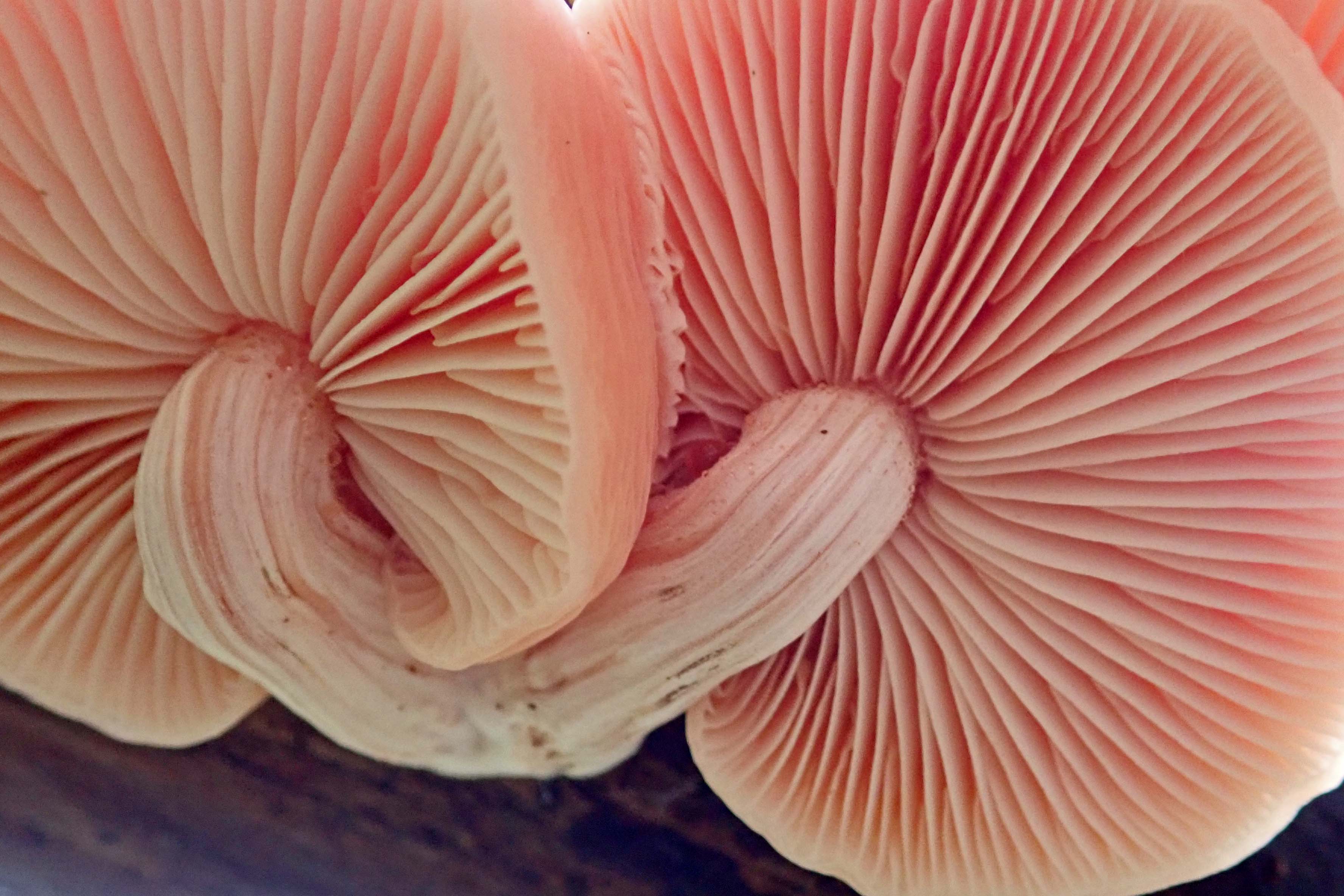
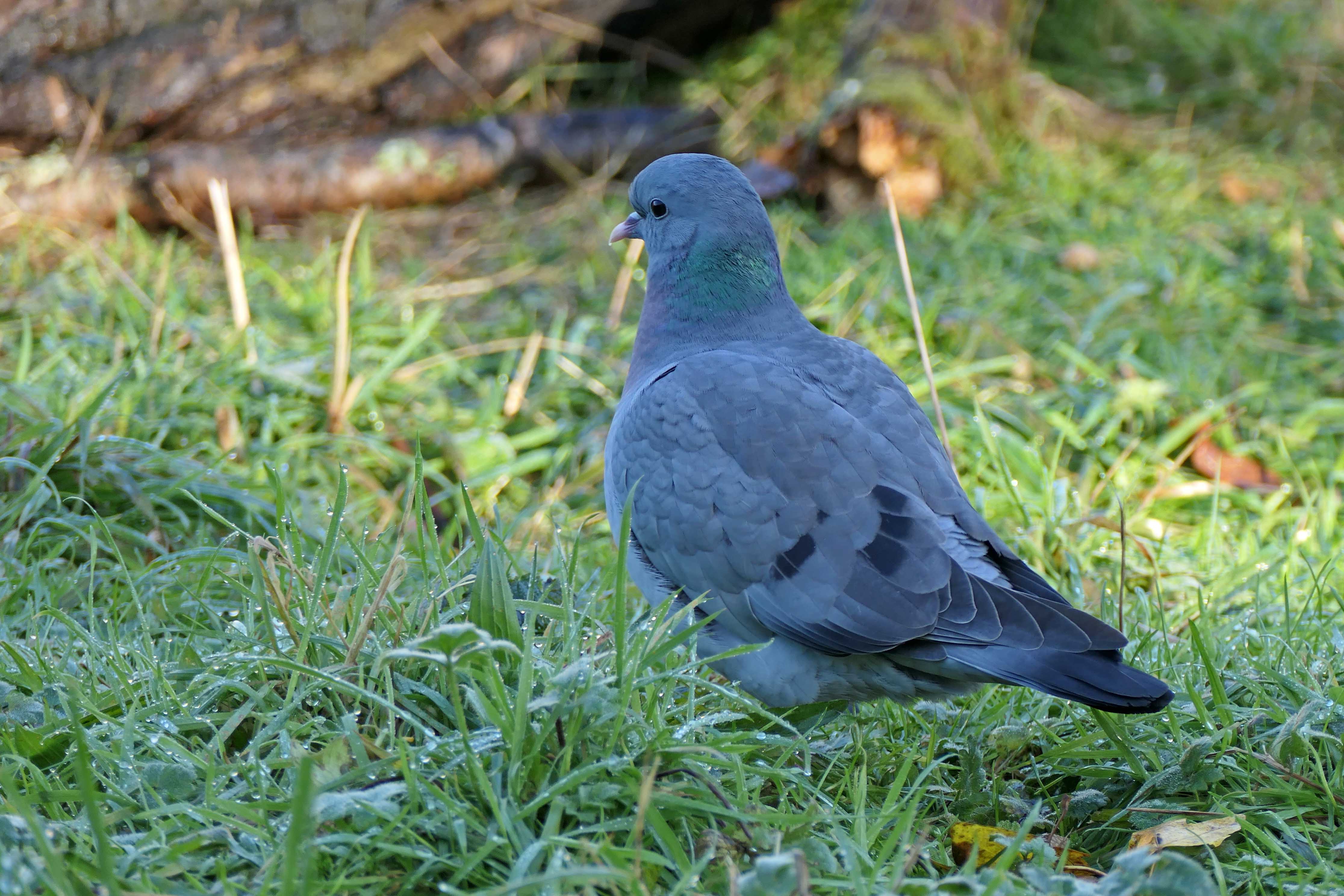
B is for Black redstart

Tags

, , , , ,

As I write this, we’re being blasted by the full force of Storm Darragh and are hunkered down under a rare Red weather warning (red means threat to life, in this case due to the strength of the winds), so the outstanding views so many locals enjoyed of this particular Black redstart back in March seem just a distant memory (City Hall Black redstart, 8 March).

241207 b is for black redstart

Another (or, possibly, the same) Black redstart was spotted at Cardiff’s City Hall in late Autumn, and it’s probably still there but has remained high up and mostly shy of people. Perhaps that will change as the winter progresses. I certainly hope so as these are beautiful little birds to watch and spend time alongside.
A is for Alder spittlebug

Tags

, , ,

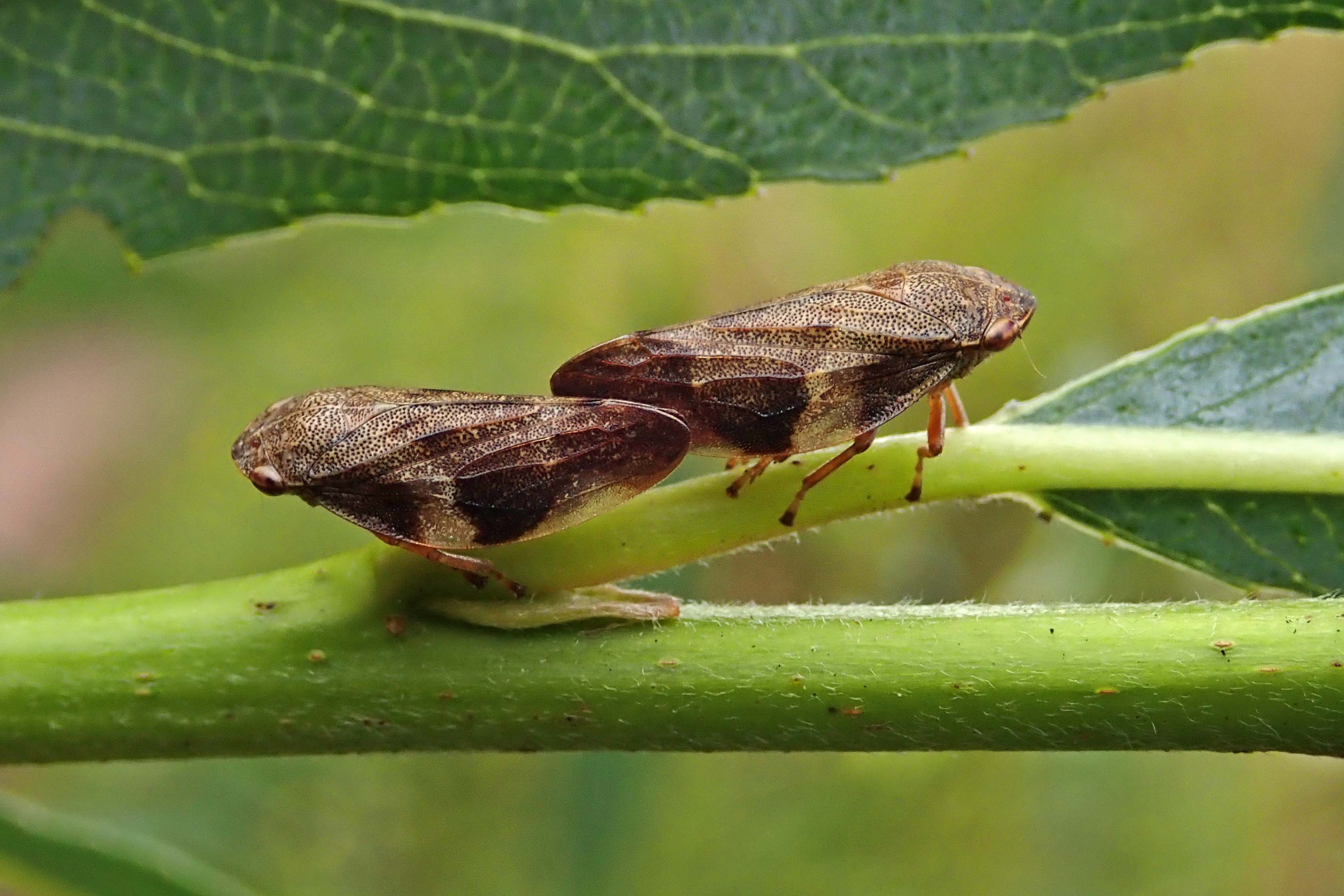
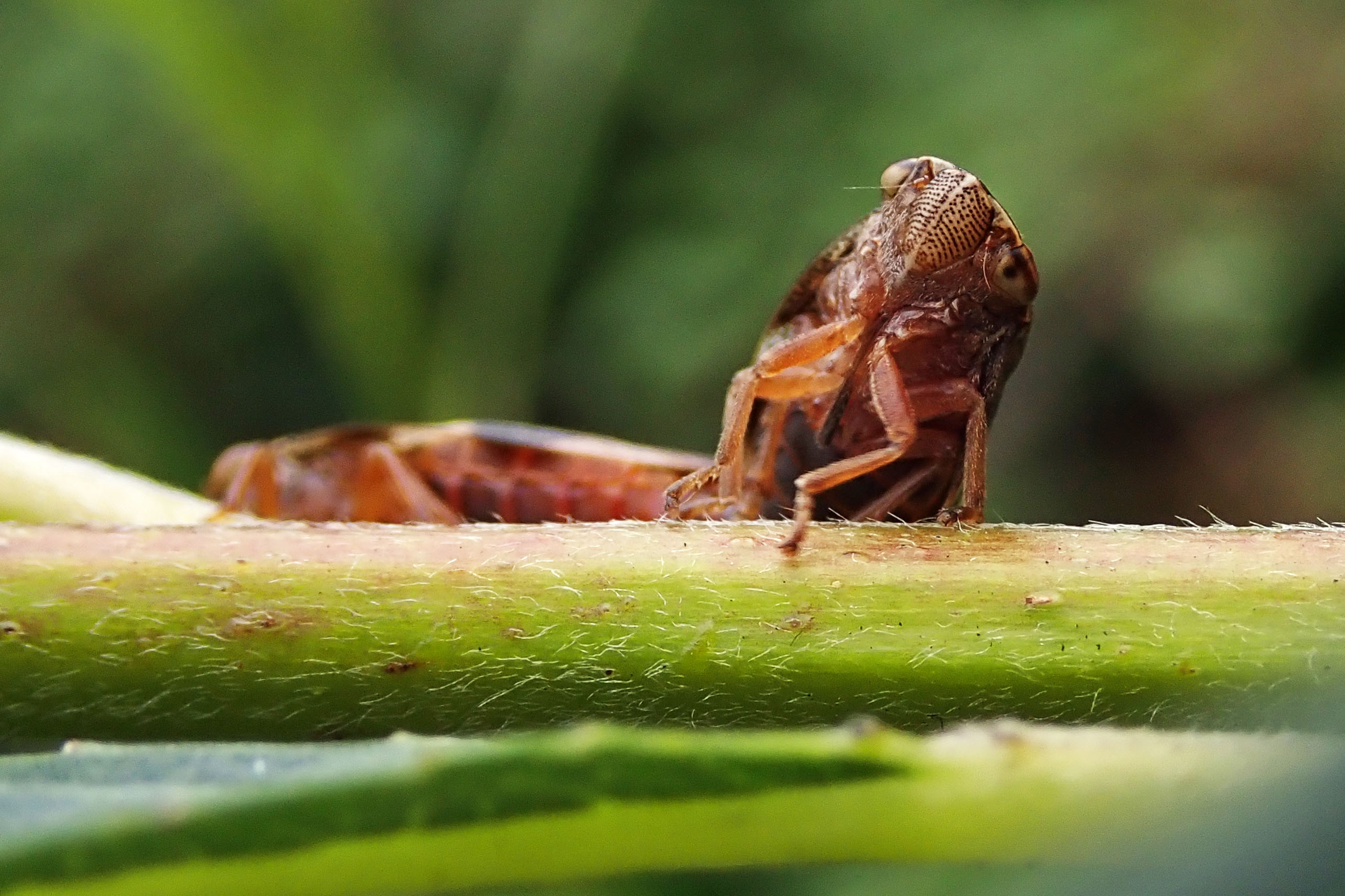
Today, scary as it may be that another year has seemingly passed by so quickly, we begin the run-up to 2025! As I’ve done a couple of times before, I’m going to review this year’s finds and posts, based on an alphabetical countdown. And so we begin with the letter A and one of my favourites of this year’s bugs, the Alder spittlebug (Aphrophora alni), which I blogged about on 31 August.

241206 a is for Alder spittlebug (1)

I don’t think this one was very impressed that I was taking photos while they were mating.

241206 a is for Alder spittlebug (2)

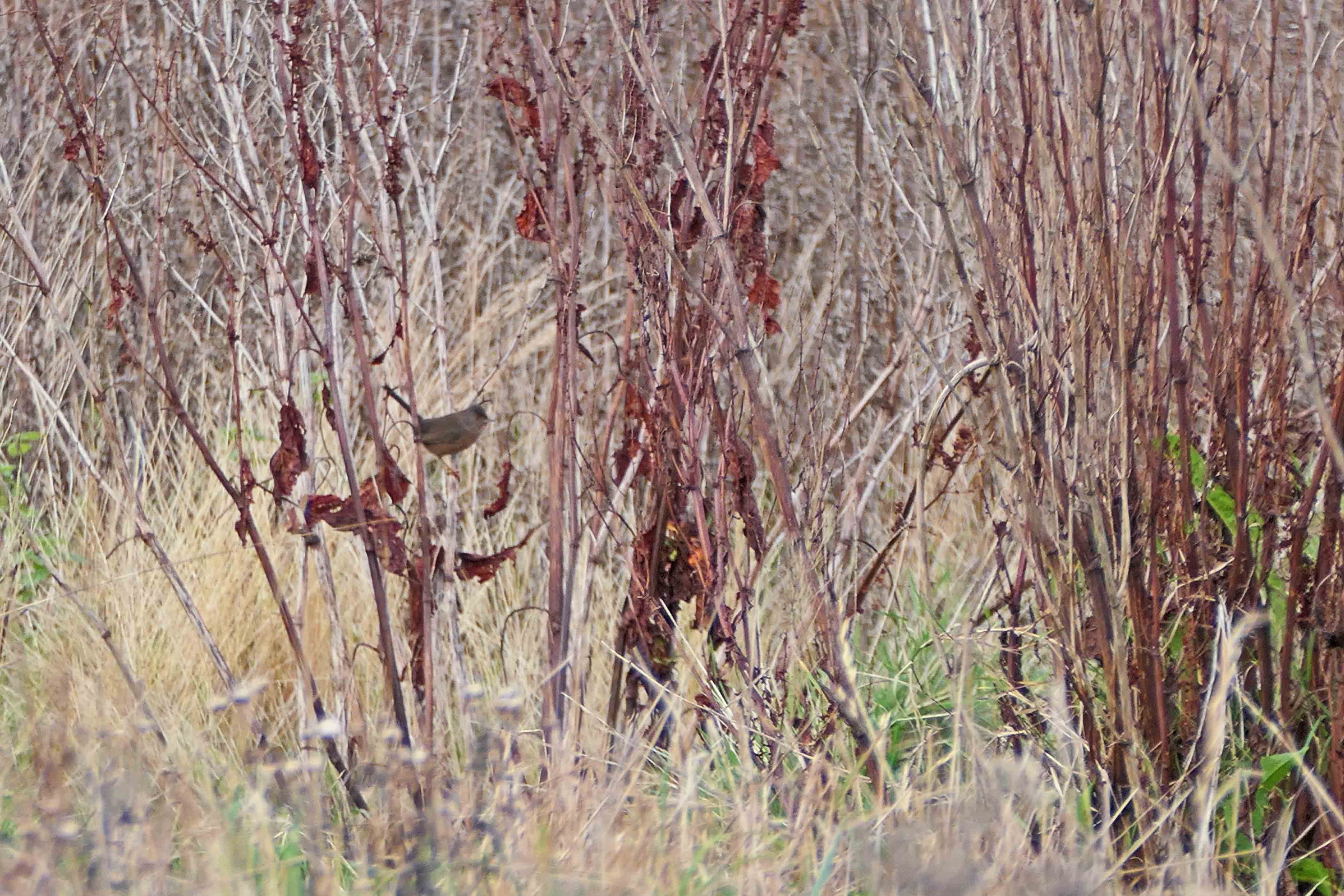
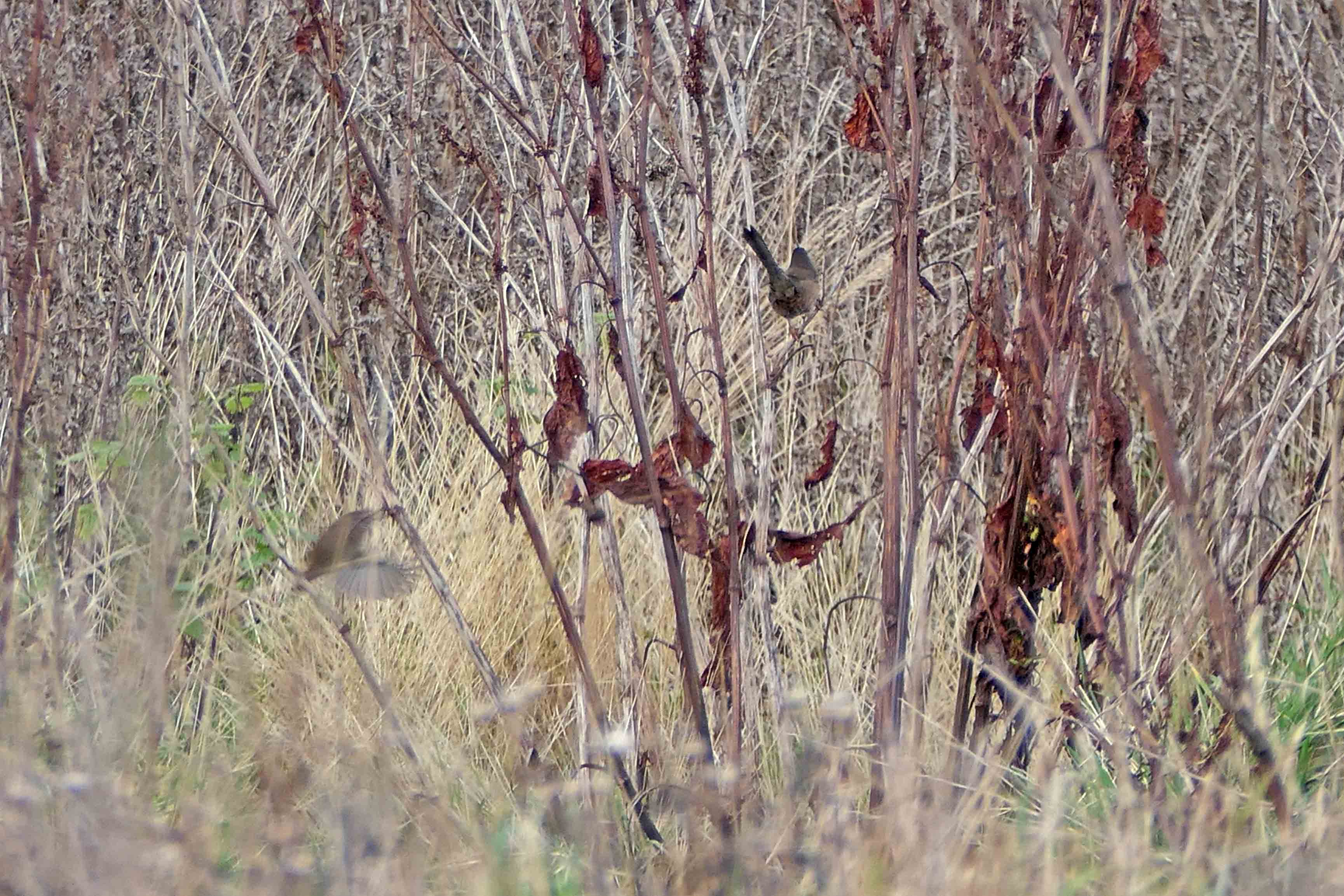
An elusive Dartford warbler

Tags

, , ,

I never thought I’d see a Dartford warbler in my local area; in fact, I never thought I’d see any of the few that live in Wales. Yet, here, in these photographs taken on Tuesday in one of the local coastal fields, is the bird itself. (These are what we birders call ‘record shots only’, meaning that they are really quite poor images but you can at least recognise the bird species.)

241204 dartford warbler (2)

This bird was found by local birder Alex last Saturday when he and several other local birders were on the trail of a swift species that had been spotted nearby (the swift was initially thought to be a rare Pallid swift but turned out to be a Common swift, still a rare sighting at this time of year when most swifts have already migrated to Africa).

241204 dartford warbler (1)

The Dartford warbler was heard a couple more times on Saturday but not seen, despite a lot of eyes searching for the little skulker. It finally popped up for one birder around midday Sunday after him looking for three hours but then disappeared again. Several birders, including me, spent several more hours searching on Sunday and Monday but nothing.

241204 dartford warbler (3)

Then, finally, when I returned on Tuesday, I got on to the bird almost immediately, as the Stonechats with which this species often associates, were chasing it. I enjoyed fabulous views of it for perhaps an hour and, as I had got the word out, several other birders were able to get there to see it too. I may not have got good photos but this little bird was certainly worth the effort to find it.

Leafhopper: Lindbergina aurovittata

Tags

, , , ,

Who would’ve thought that on the second official day of winter (this past Tuesday, 2 December) I would find a new leafhopper? Yet here it is, Lindbergina aurovittata, a species whose adults can be seen between August and November. I guess the mostly mild weather has extended its life cycle a little this year (though some species of leafhopper overwinter as adult bugs, most pass the colder months as eggs or nymphs, according to the website of the Auchenorrhyncha Recording Scheme for Britain & Ireland). I found this particular Lindbergina aurovittata sitting under a leaf on a Bramble hedge along with several other leafhoppers of the Ribautiana tenerrima species.

241204 Lindbergina aurovittata

Leafmines: Stigmella atricapitella

Tags

, , , ,

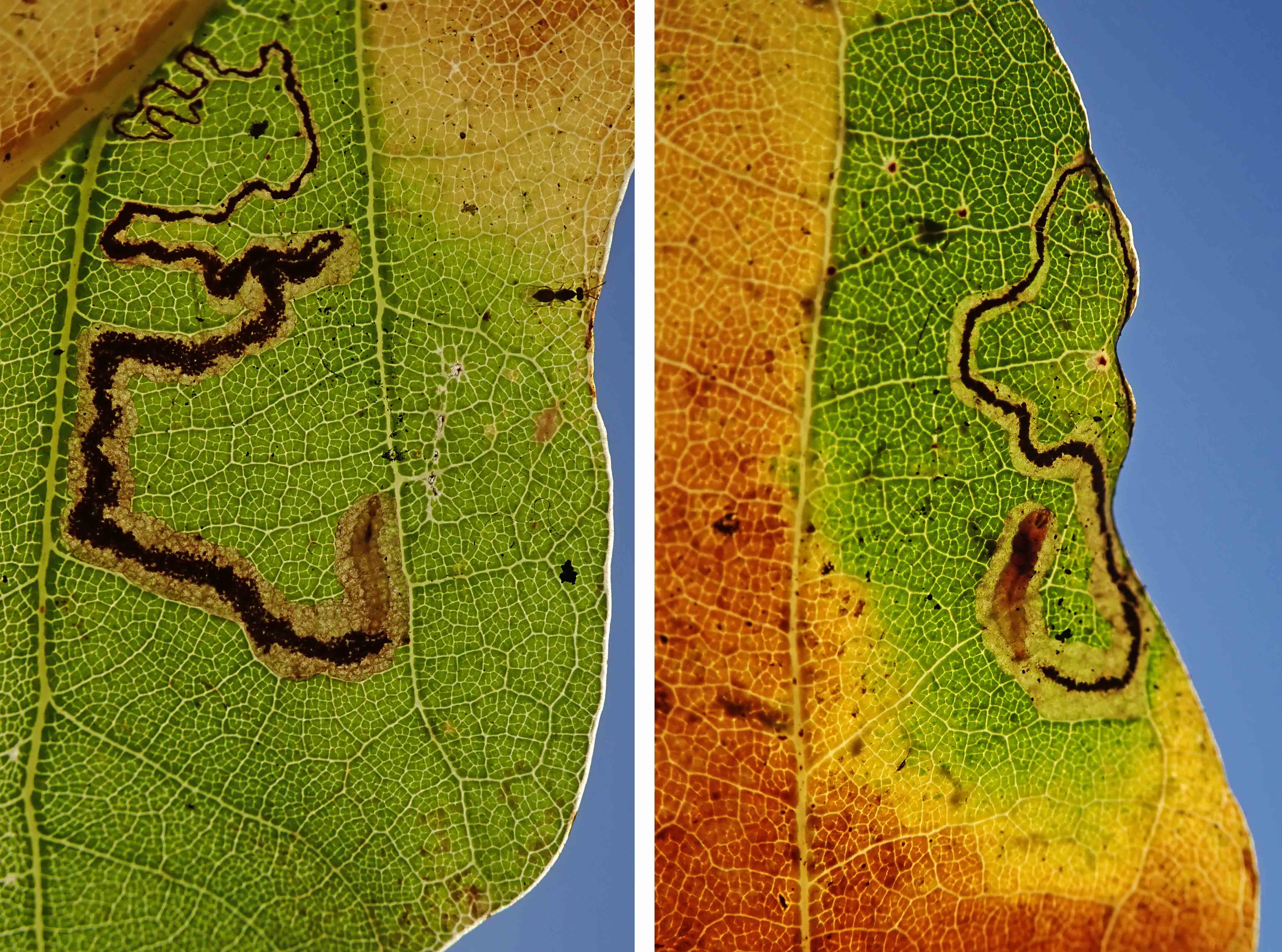
This is the third of the three new leafminers in ‘green islands’ on fallen Oak leaves that I found during one 30-minute period checking leaves in a local park. These are the work of the moth Stigmella atricapitella, the larvae of which you can see inside the mines shown below.

241202 Stigmella atricapitella

This moth breeds twice each year, so the mines can be seen in June – July and again between September and November, though the mines differ slightly each time (see the information on the British Leafminers website). It is possible to confuse these leafmines with those of Stigmella roborella but, fortunately, S. atricapitella has ‘dark prothoracic sclerites’, the dark marks you can see just below the head of the larvae in my images.

Winter 27

Tags

, , ,

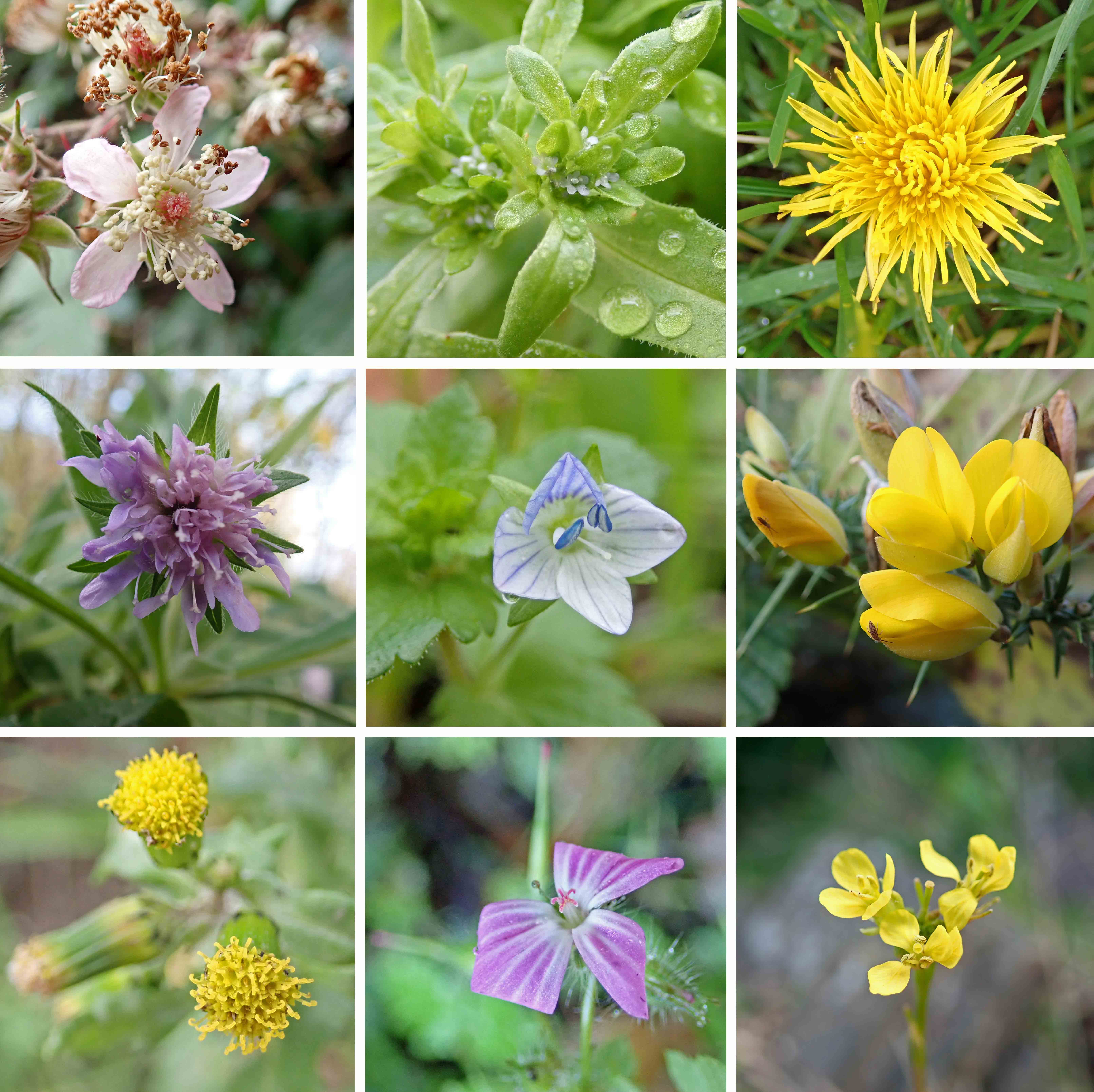
Despite a cold snap, where even we who live in coastal south Wales saw light sleet showers, and then the blasting winds and drenching rain of Storm Bert, there are still a good number of wildflowers in bloom. These are the ones I’ve noticed this week:

241201 wildflowers (1)

Bramble, Cornsalad, Dandelion, Field scabious, Field speedwell, Gorse, Groundsel, Herb Robert, and Hoary mustard.

241201 wildflowers (2)

Hogweed, Ivy-leaved toadflax, Meadow buttercup, Meadow crane’s-bill, Musk mallow, Primrose, Purple toadflax, Common ragwort, and Red campion.

241201 wildflowers (3)

Red clover, Red valerian, Sea radish, Smooth sow-thistle, Tufted vetch, Wild carrot, Winter heliotrope, Yarrow, and Petty spurge.

Split gill fungi

Tags

, , ,

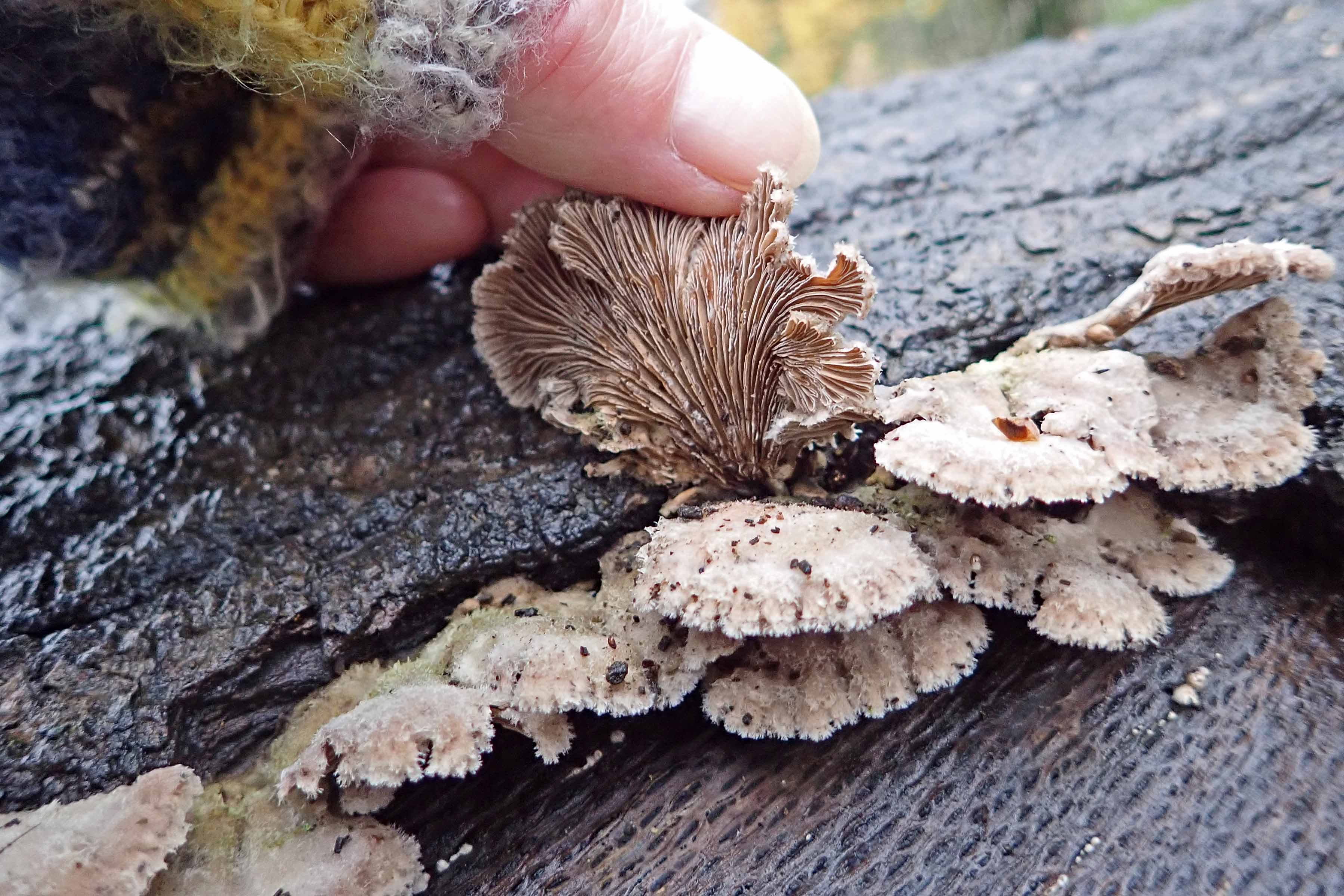
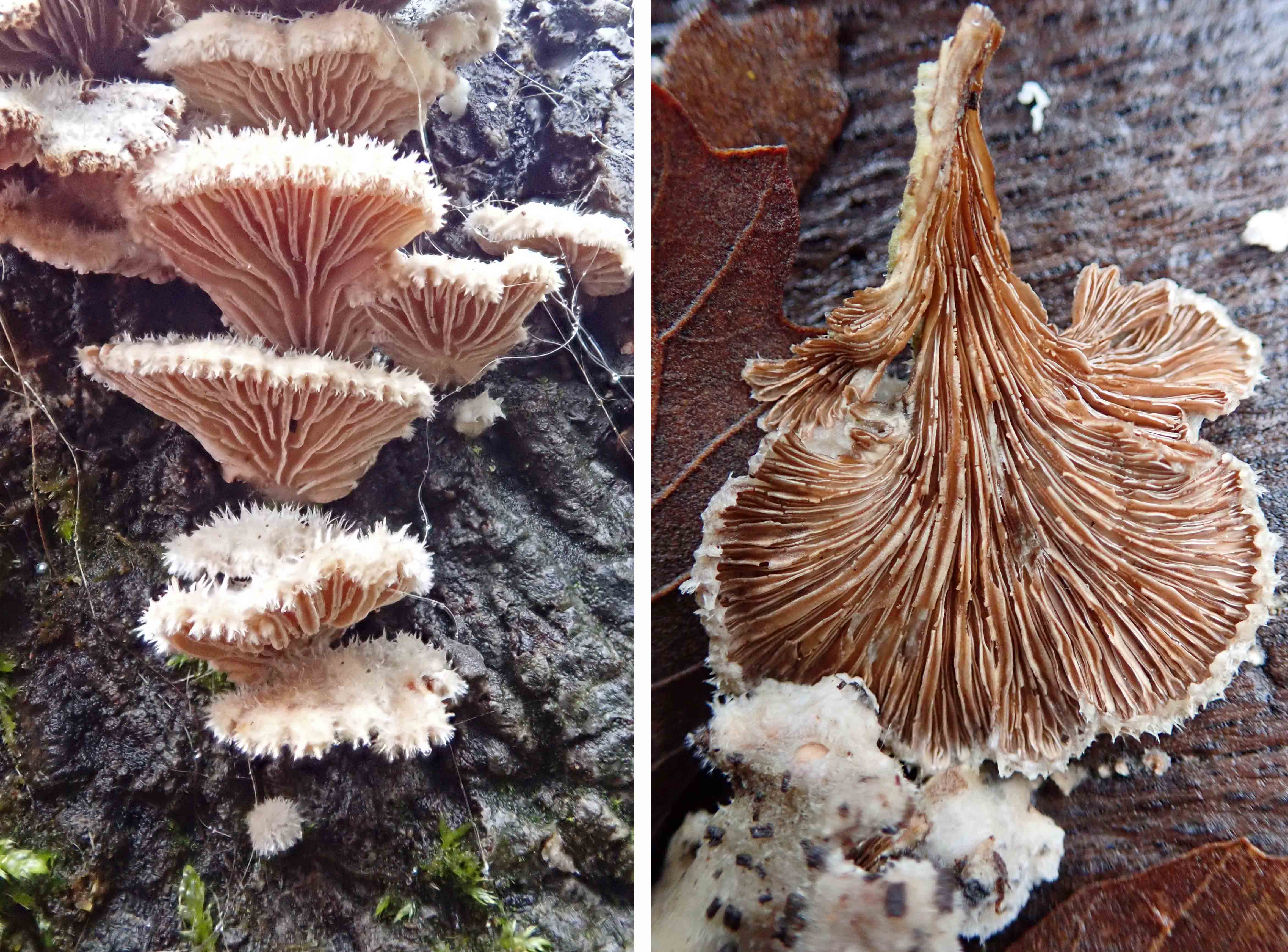
I don’t usually reference Wikipedia in my blogs but I rather like their description of today’s fungus: ‘The mushroom resembles undulating waves of tightly packed corals or a loose Chinese fan.’

241130 split gill fungi (1)

This is Split gill fungus (Schizophyllum commune), a species I’ve only seen once before, back in 2016, so I was both amazed and captivated when I found these growing on a huge old Oak tree in Cardiff’s Heath Park yesterday. From above, this fungus is a round hairy mass that doesn’t really look like a fungus at all. The magic happens when you look at the underside of the cap and see the stunning sculptural nature of the mushroom’s gills.

241130 split gill fungi (2)

Wrinkled peach

Tags

, , , , ,

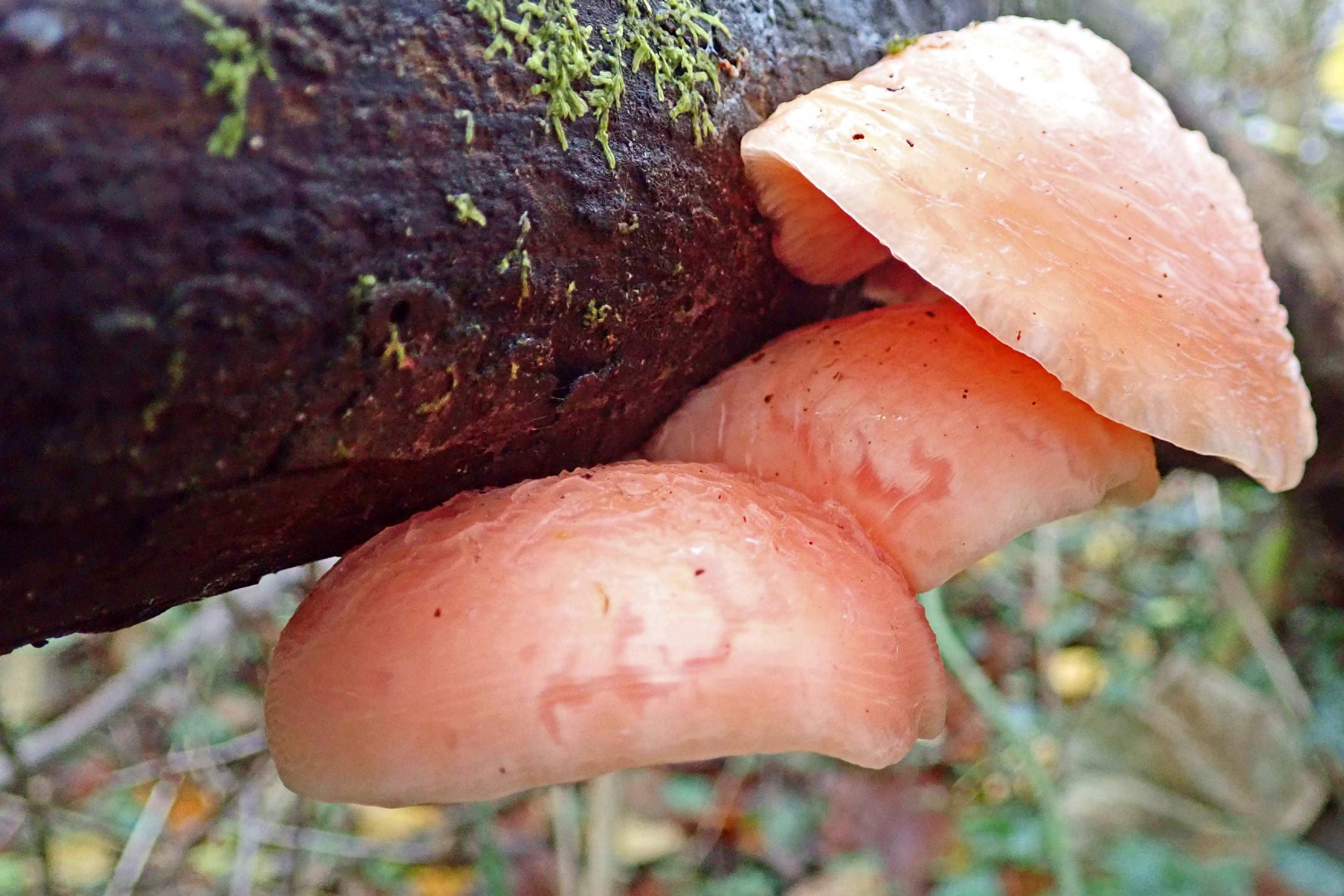
I was struggling to think of what I would blog about today so, for my daily walk, I headed to an area where I thought I should be able to find some fungi. And so it proved. In fact, much to my surprise and delight, I found today’s subject first, then went on to find two other relative rarities at other sites during my meander. This was a very good day for fungi!

241129 wrinkled peach (1)

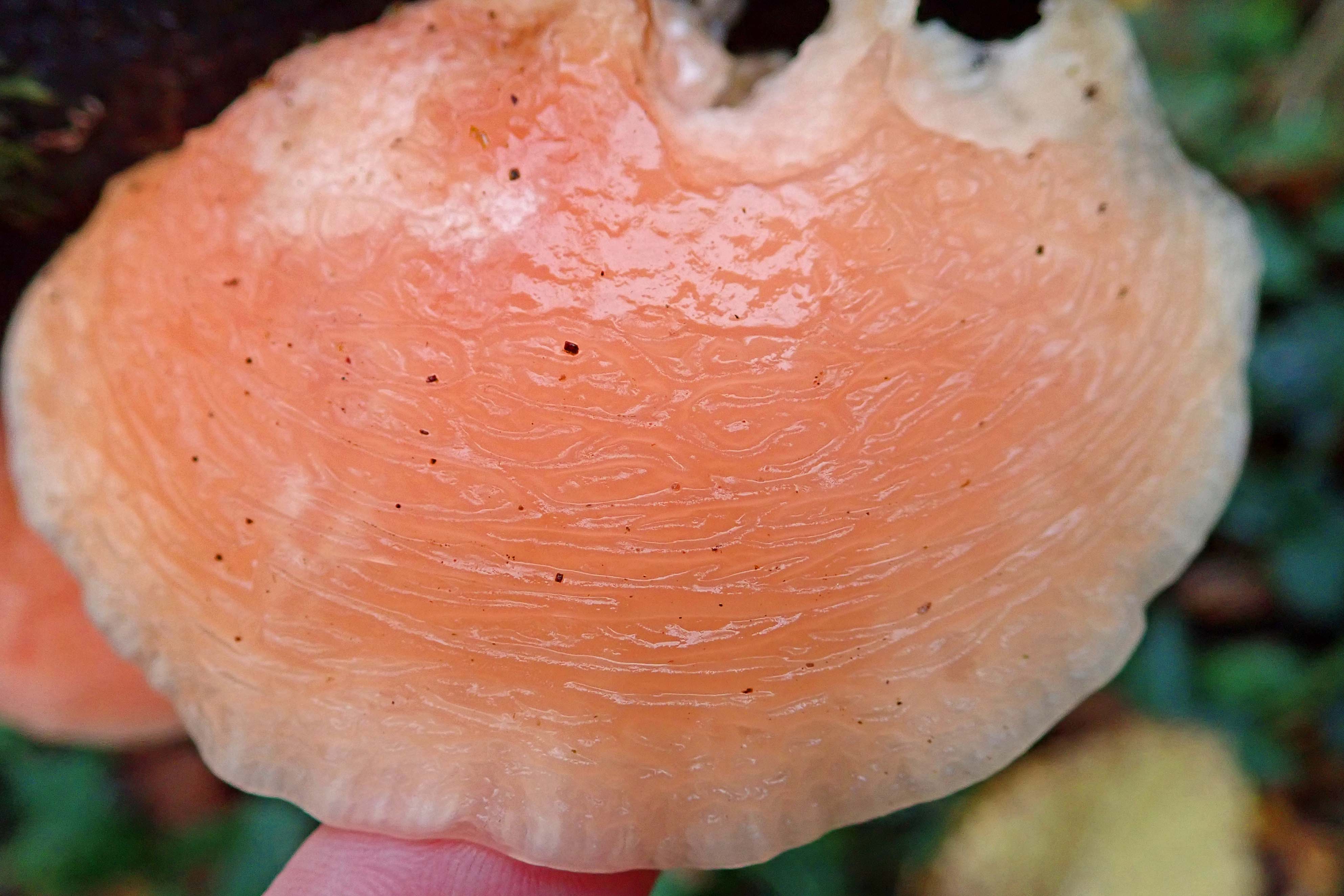
Today’s fungus is Wrinkled peach (Rhodotus palmatus), still beautiful even though the five specimens I found were all a little past their best. They are perfectly named: their pale pinkish peachy colour is unmistakeable, as is the crinkled skin on their caps.

241129 wrinkled peach (2)

And, as they grow exclusively on Elm trees, which have been devastated by Dutch elm disease, these fungi are now quite a rarity so I was particularly lucky to spot them.

241129 wrinkled peach (3)

Stock dove days

Tags

, , , ,

Another day, another bird blog. I was going to apologise for the proliferation of birds this week but I don’t think we can ever have enough birds in our lives and, hopefully, some of you feel the same. Fortunately, today’s bird was much closer than those I’ve featured in the last two days.

241127 stock dove (2)

In fact, seeing one strutting happily along the towpath at Forest Farm last Friday and then this one in a grassy field, also at Forest Farm but during a second visit on Monday, was a particular treat as my usual, and sadly infrequent, views of Stock doves are as distant specks in farm fields, where they can be difficult to pick out from their Woodpigeon cousins.

241127 stock dove (1)

And they are such beautiful birds that they need to be seen up close to appreciate the subtle colours and patterns of their plumage.